Ulsterman • Irishman • Britishman.
This is an archive of all things British—English, Scottish, Irish, and Welsh—and Anglo-Celtic, more broadly. DM for removal.
@Albrochier Even as they remained loyal to the Union, the Irishness of the unionists was never under question.
https://t.co/iJpp5NWYF9
https://t.co/OVWUpEObdF
@Albrochier In the end, they both fought for Ireland.
Pearse, Redmond and Carson were all Irishmen with three opposing views of what was best for Ireland.
One can honour both the Union and Confederacy in America, and both the Cavalier and Roundhead in England, so Ireland should do the same.
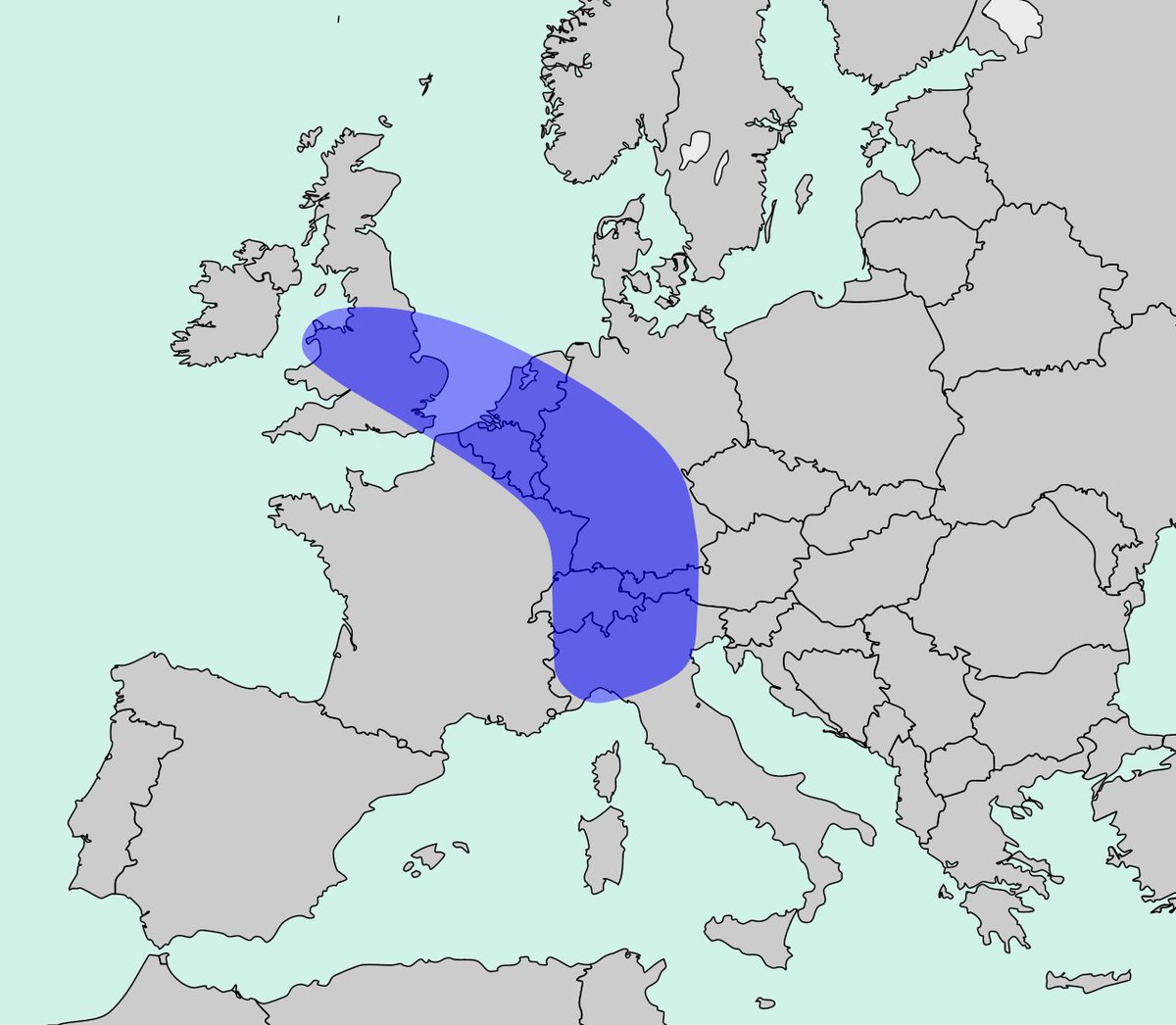
With all the pan-Germanicist LARP making its way through the Anglosphere, I would like to take the moment to remind us all that the English are more similar, both racially and culturally, to their Welsh, Scotch and Irish brothers, than they are to their Dutch and German cousins.
The Highlanders of Scotland are often forgotten about. Yet, they always accompanied their countrymen from the Lowlands wherever they went.
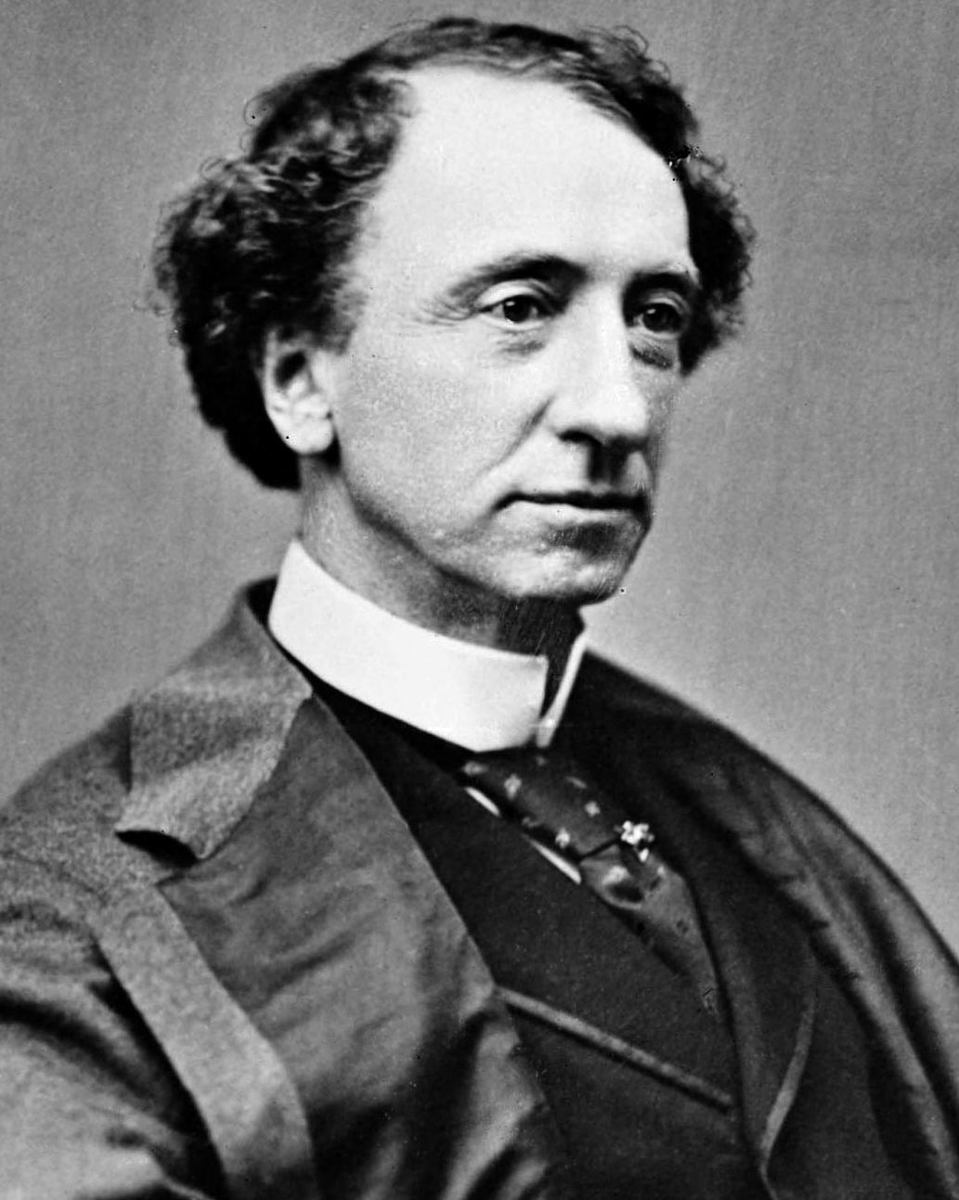
They gave the Anglosphere John A. Macdonald, the father of Canada, as well as Lachlan Macquarie, the father of Australia.
Scotchmen—drawn from the remote, clannish peaks of the Highlands and the wind-scoured, isolated outer islands of the Hebrides and Shetland.
They came from the fertile stretches of Aberdeenshire and the Borders, alongside the industrious pioneers of the Lowlands and the Clyde.
If there’s anything this island prides itself on more regardless of religion or constitutional question is the history of the indomitable fighting spirit. “No Surrender” or “Our day will come” signify this insatiable desire to keep up the fight no matter the opposing force.
@xcCameron_@ZoomerHistorian It's all part of the greater British story, of our shared experience. What happens in Canada, Scotland or Australia concerns all members of the British race.
@xcCameron_@ZoomerHistorian This is like arguing a Yorkshireman shares no history with a Lancashireman, because something in Yorkshire might not have affected Lancashire. Same thing, just on a greater scale here.
@xcCameron_@ZoomerHistorian Political arrangements do not replace the blood flowing in one's veins. You are British—and so are the Irish and Americans, too, regardless of any political separation.
@xcCameron_@ZoomerHistorian You're just another branch of the British race, no different to the English, Scotch or Irish.
We all have our own history (heavily intertwined to the point where it belongs to all of us, though), but we are still united under the umbrella of Britishness.
I am no Orangeman, but this quote captures what most Orangemen would have felt at the time.
"My Orangeism does not make me less proud to be an O'Cahan" — Richard Rutledge Kane (1841–1898), a member of the Orange Order in Belfast, and an early patron of the Gaelic League.
Ulster Protestants are Irish.
They are the descendants of English and Scottish planters, and assimilated Gaelic/Old Irish. This fusion gave birth to the 'Orange' Irish—a subset of the Irish nation.
In this crucible of shared endeavour, these separate peoples melded into a singular, formidable body in every land they settled—giving birth to the first truly British races, in a sense. This endeavour—this Anglo-Celtic world—was theirs, and theirs alone.
For centuries, these distinct British strains were divided at home by deep national, regional, and religious differences, often forged in the fires of bitter conflict.
Ulster Protestants are Irish.
They are the descendants of English and Scottish planters, and assimilated Gaelic/Old Irish. This fusion gave birth to the 'Orange' Irish—a subset of the Irish nation.
@HomericFuturist, as well.
I hate to beg, but please share this further.
The integral roles of the other British nations in the foundation and growth of the Anglosphere is sadly overlooked, and or outright ignored.