Functional connectivity: oscillatory coupling or aperiodic activity?
This is the question we addressed in this brand-new preprint, fresh off the press today! 📜
https://t.co/MuuIFbhoJx
Proud to share our latest paper in Journal of Neuroscience, showing how aperiodic activity can influence functional connectivity estimates in EEG/MEG!
Don’t miss @JoanDuprez presenting this work with @BradleyVoytek at #SfN2025
https://t.co/TsNT0tCCOP
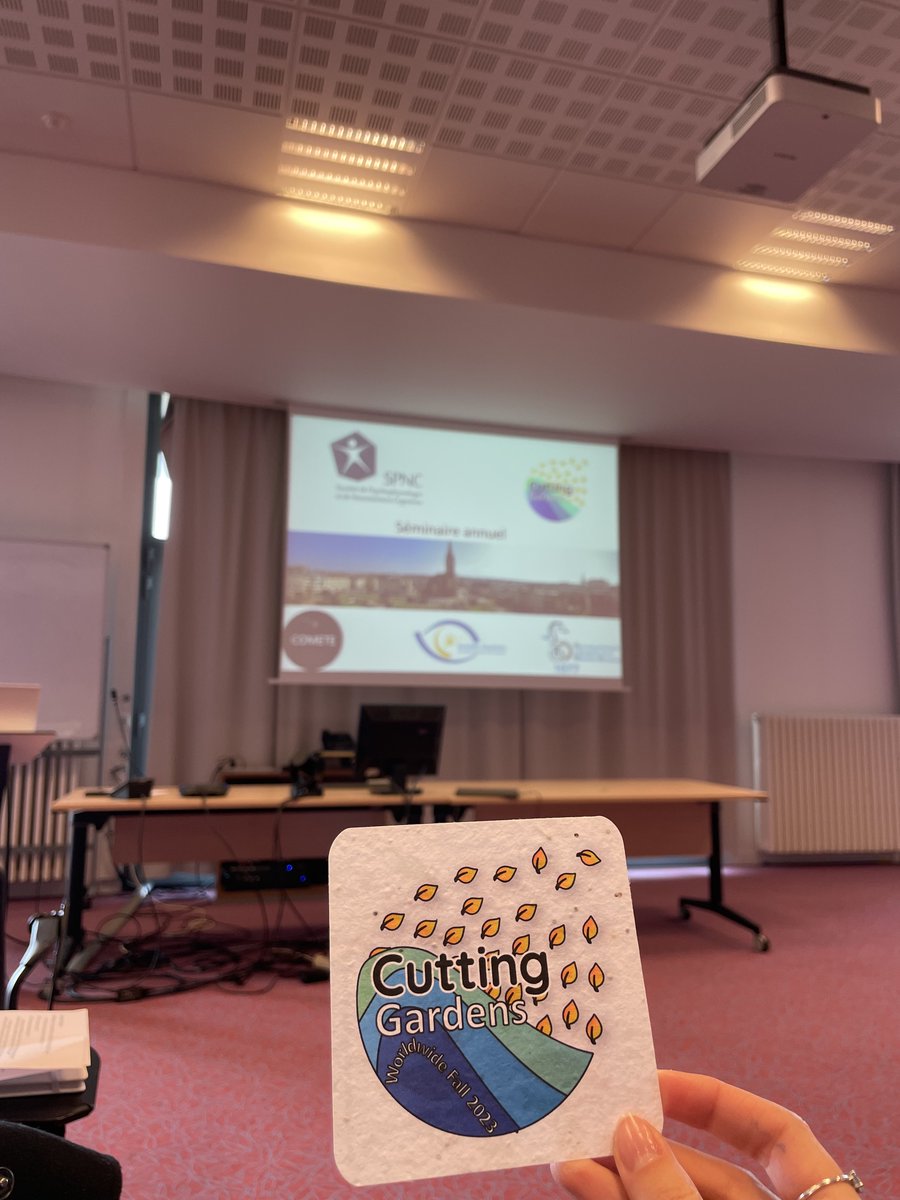
Last week, I had the opportunity to attend #NeuroFrance2025 in the vibrant city of Montpellier and present one of the key topics of my thesis: On the importance of considering aperiodic activity for functional connectivity estimations.
Such a great and inspiring experience!
📜🎉 I have a new preprint: a systematic review of clinical investigations of aperiodic activity!
I reviewed 143 reports from across 35 disorders, to summarize current results, evaluate current practices, and make some recommendations for future work:
https://t.co/adyypFEx7M
Functional connectivity: oscillatory coupling or aperiodic activity?
This is the question we addressed in this brand-new preprint, fresh off the press today! 📜
https://t.co/MuuIFbhoJx
@AndrazMatkovic Thank you for sharing! Interesting study that aligns with the conclusions of our findings: considering aperiodic activity is essential for an accurate representation of the underlying physiological mechanisms.
@Pascual_Marqui Thank you for this comment, it would indeed be enriching to cite your preprint. Our results showed that resting-state functional connectivity analysis usually considers all frequency bands, while for many of them (except alpha), there is no oscillation.
These findings suggest that most functional connectivity studies focusing on resting state actually reflect aperiodic networks instead of oscillations-based networks.
We found that more than 99% of delta, theta, and gamma functional networks, more than 90% of beta functional networks and between 23 and 55% of alpha functional networks were actually driven by aperiodic activity in resting state.
Overall, these findings highlight the importance of considering aperiodic activity contributions in brain disorders.
Huge thanks to the co-authors and especially to my supervisors @Neuromaths & @J_Duprez
I am very happy to share with you my first article as part of my PhD, entitled 'Changes in electrophysiological aperiodic activity during cognitive control in Parkinson’s disease’.
https://t.co/qjW8mjlmhj
Our results showed that Parkinson’s disease patients had lower behavioural performance as well as greater aperiodic offsets in parieto-occipital regions, suggesting increased excitability. We also demonstrated that aperiodic parameters differed depending on arousal state.
Happy to share with you our fresh preprint about EEG aperiodic activity in Parkinson’s disease 🧠
Great first experience working with @J_Duprez@Neuromaths @bradleyvoytek @jfhouvenaghel
https://t.co/xd7GI4M2dX
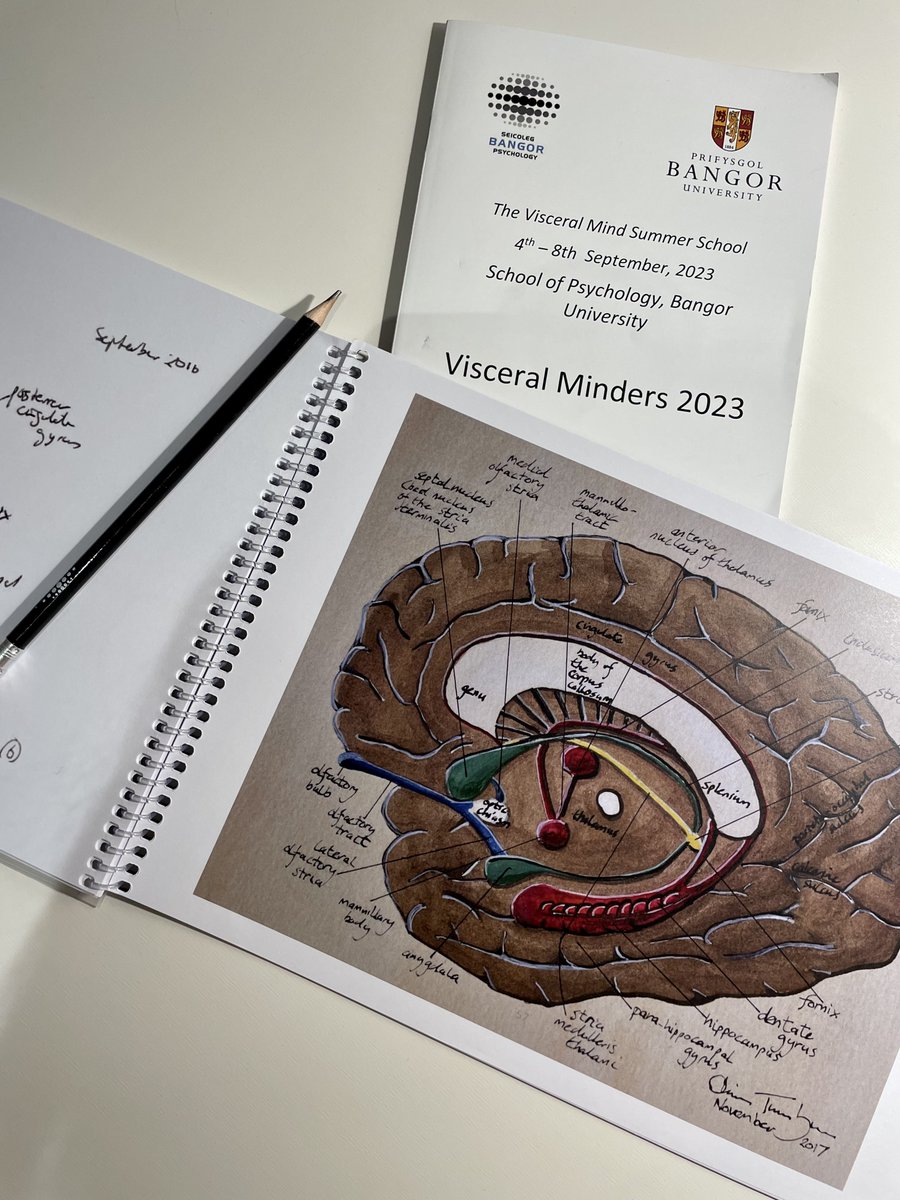
What a pleasure to take part in @VisceralMind1 ! A week full of drawings, human brain dissections and enriching talks.
Thank you all for this amazing experience and for sharing your expertise!
Great presentations by @MonchyNoemie and Gabriel Gaugain at #BioEM2023 in Oxford on tACS in #Parkinsons disease and variability in tissue dielectric properties in tACS induced Efield. A pleasure meeting there with @deniq, the collegues from IETR and the BioEM community!