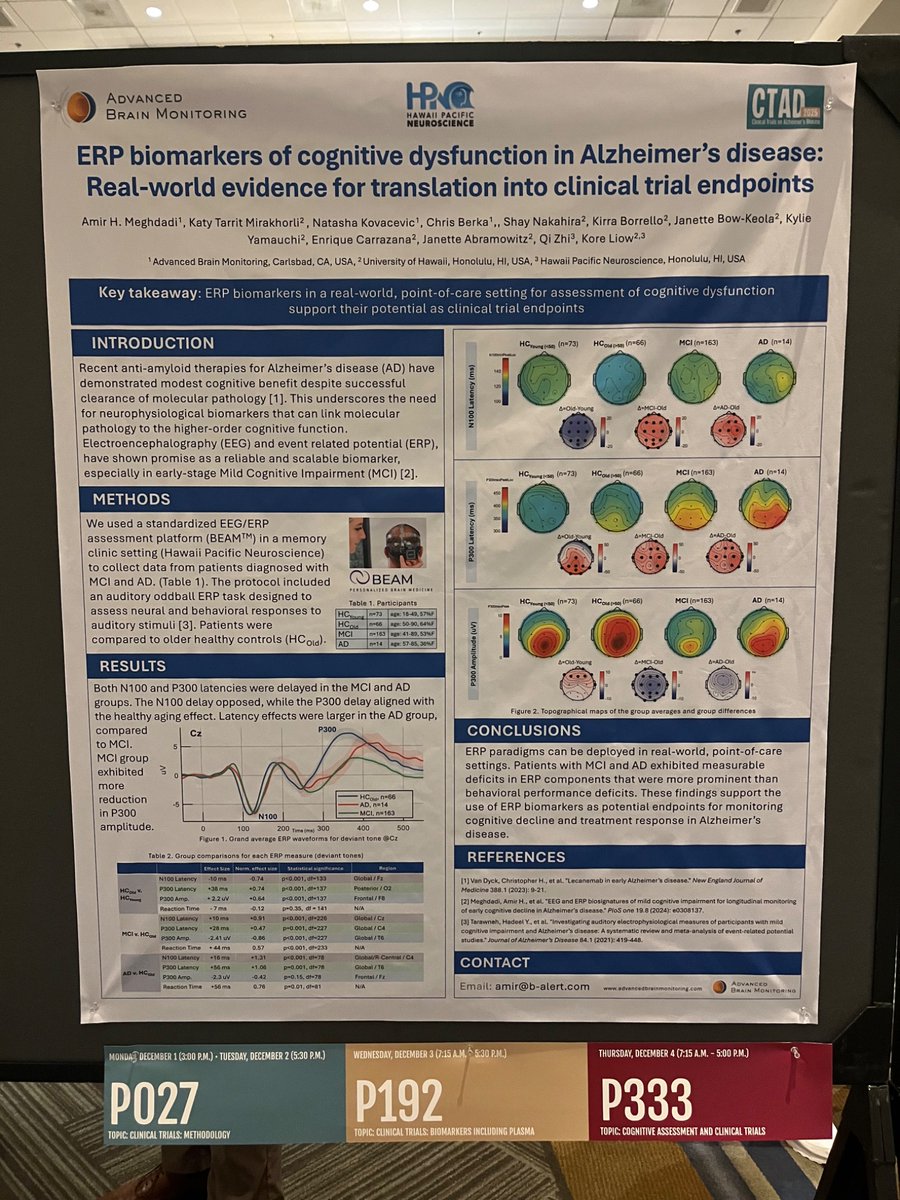
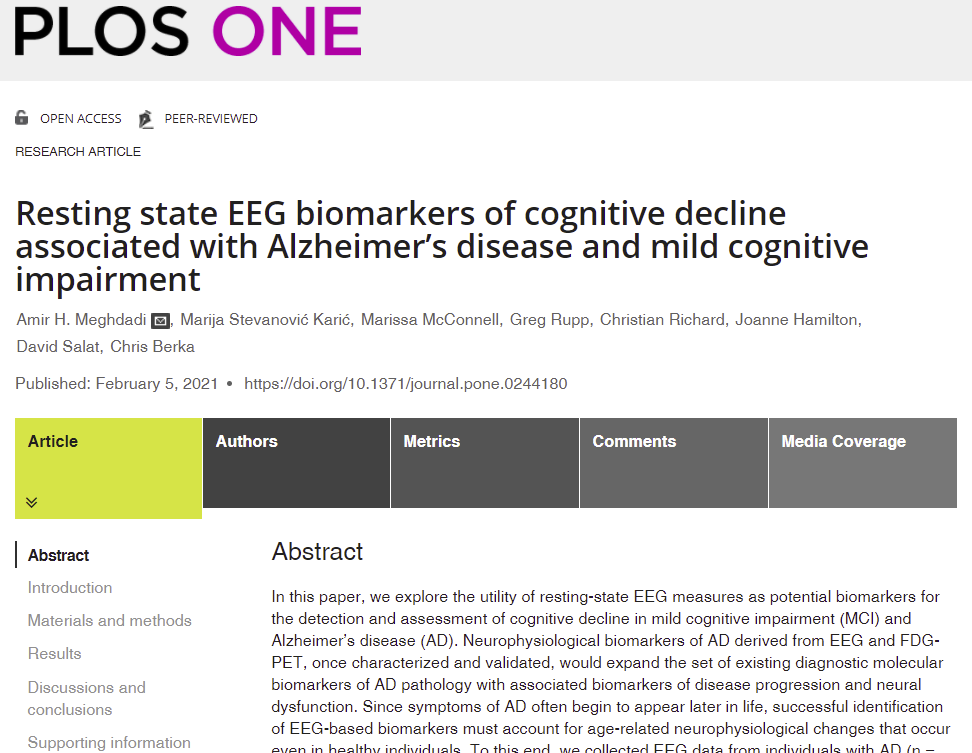
(1/n) 🧵Publication alert: Our latest work on #EEG#Biomarkers in MCI and #Alzheimers disease is published in @PLOSONE. In this thread, I will highlight the main findings. Check out the open access link here: https://t.co/34wex8gbWM
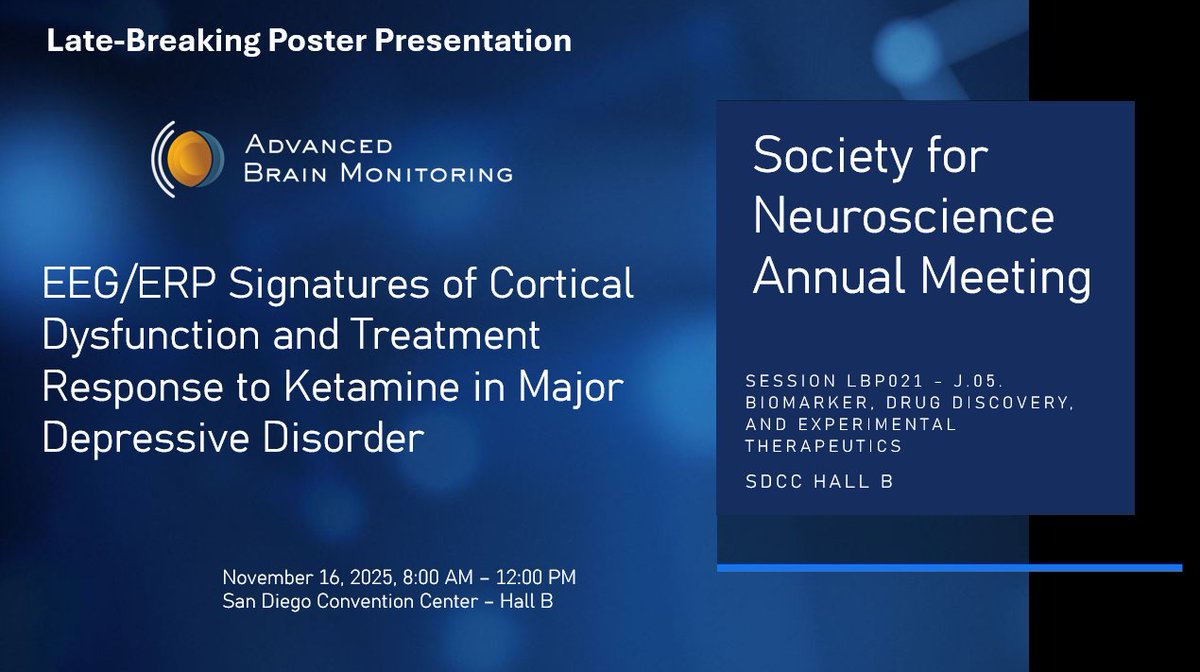
Face perception relies on neural mechanisms that rapidly extract identity and emotion. In major depressive disorder (MDD), these mechanisms may be altered, showing heightened sensitivity and biased processing toward emotional faces. #Sfn2025#SfN25
Advanced Brain Monitoring secures #NIH funding to develop EEG/ERP biomarkers of cognitive impairment in Long COVID. 🧠
I am grateful to @NIH for supporting this work. #EEG#LongCovid#NeuroCovid
https://t.co/1CrNXdEaQS
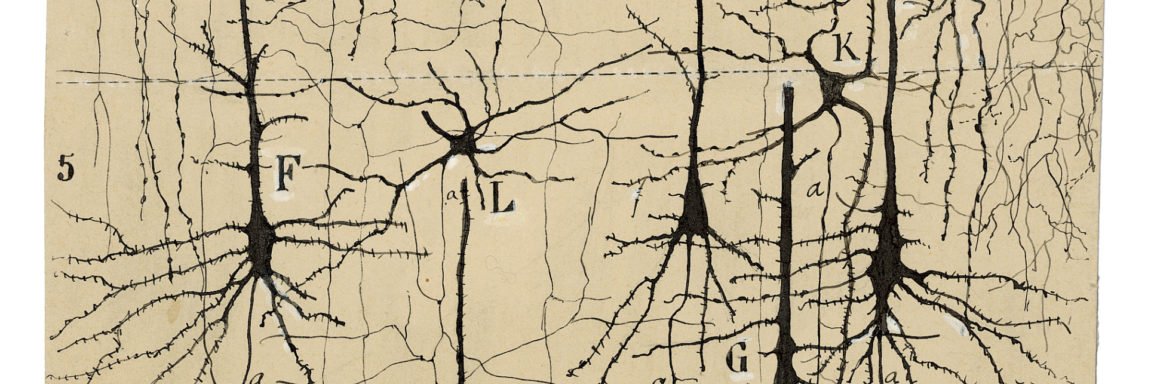
@DaniBeckman Amazing picture. Can you please elaborate a bit more on how the picture shows the reaction of Astrocytes? Does the picture shows astrocytes only and not neurons? Are they breaking up the plaques?
@cbarbermd@DaniBeckman Please be cautious, AI model are often full of inaccuracies if asked about specific scientific topics. A “quick GPT search” is great to provide some directions for researching the topics, but the responses should not be trusted as facts.
@francoisfleuret Except, that’s usually not how it works at least in “science” topics. First you indicate what you intend to do and the expert approve it. Then you complete it (and consult with the said expert along the way), and finally the experts approve the work. The reason: statistics
@DrNeuroChic@Clarivate Invest half an hour on Zotero (free) and you will never come back to Endnote. Remember to install the plugin for your browser. Surf the web and cite at the same time!
@NTFabiano To me, this question, rather than questioning depression as a diagnosis, posed the possibly philosophical question of “what do we really mean by diagnosis?”. Especially when there is no evidentiary biological pathology 🤔
@AndrewHires What I would really want to know is that how much of the quality of its response depends on the last part of the prompt: “make sure you do a good job”! It would be another level fascinating if we need to request, remind(?), negotiate (?) to an AI to do a better job!
Very interesting but let’s not forget that “correct diagnosis” here is the ground truth provided by us, not AI. In other words, this could just mean that the collective knowledge of many doctors (AI knowledge base) outperforms the average of the performance of the said doctors.
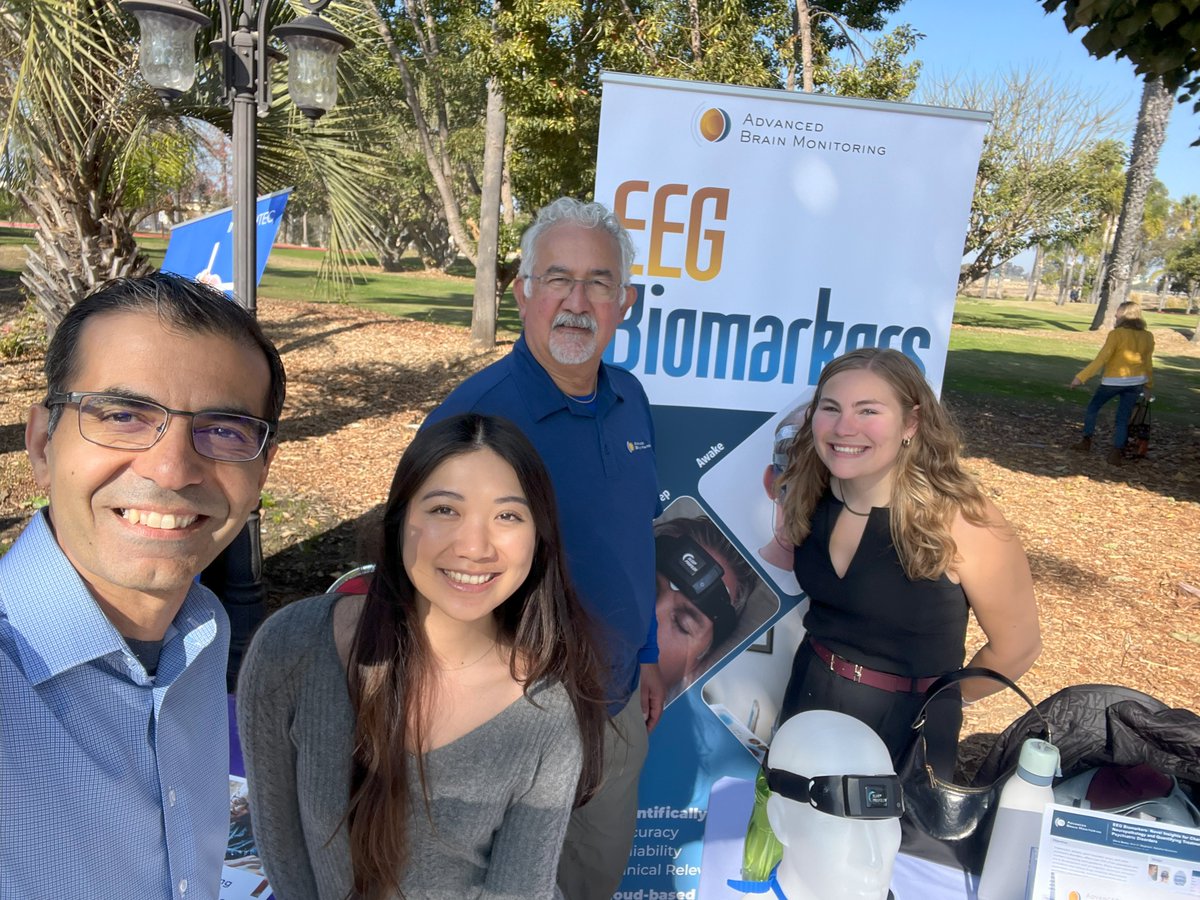
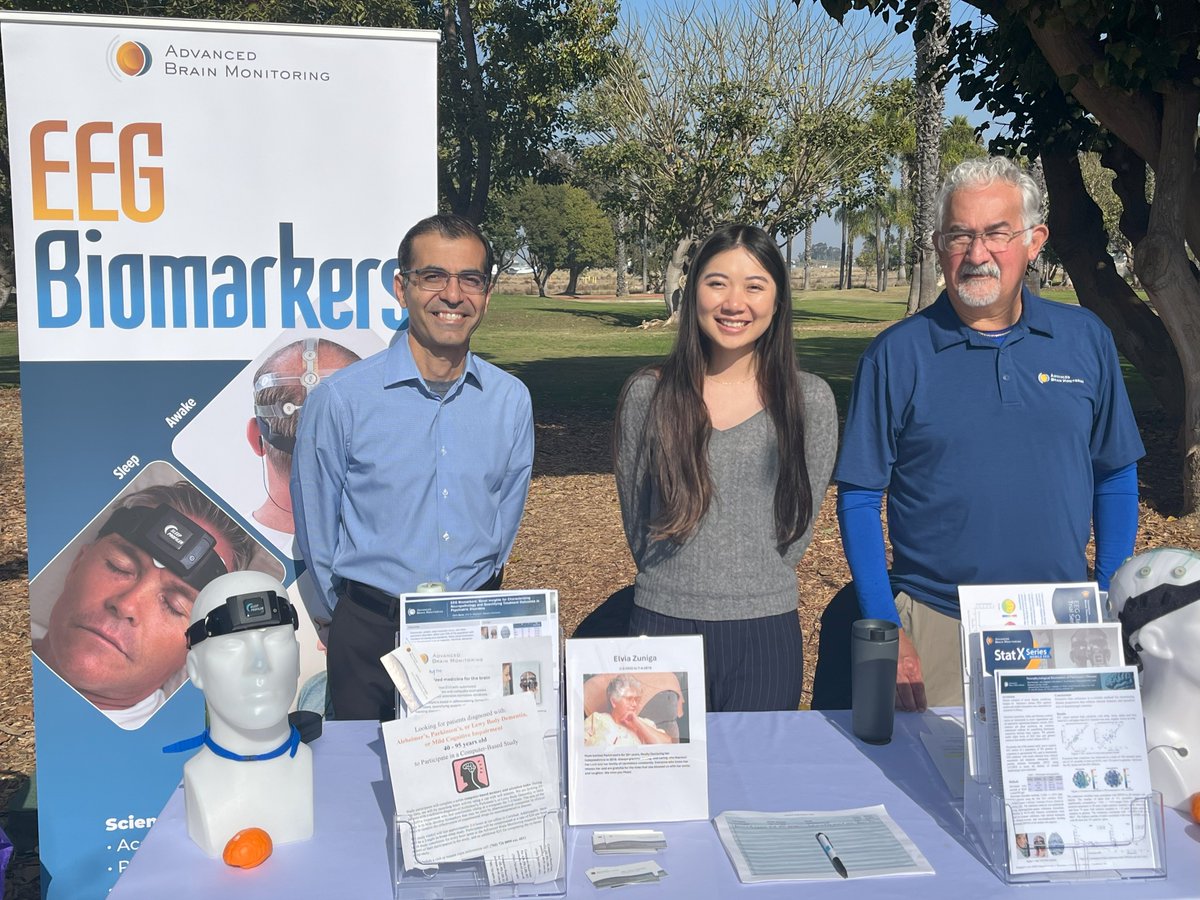
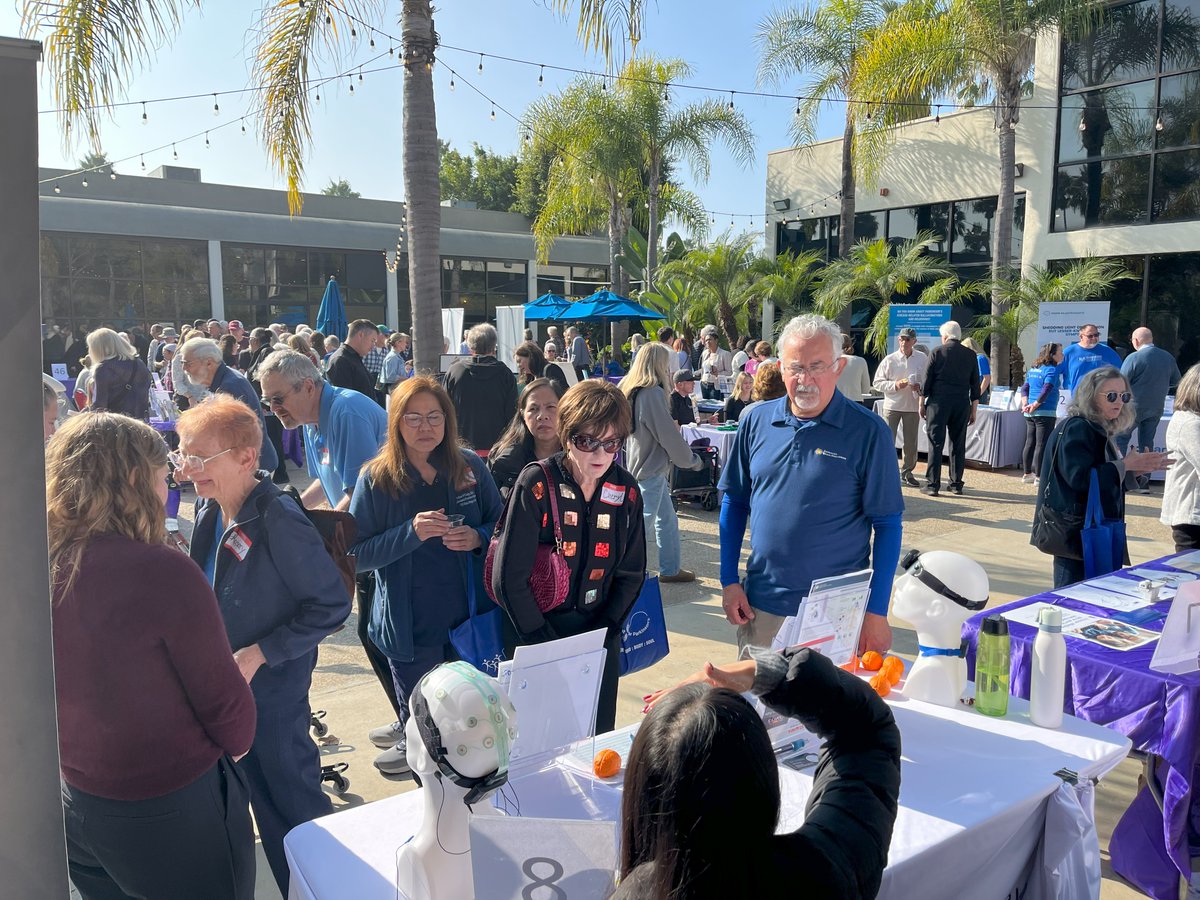
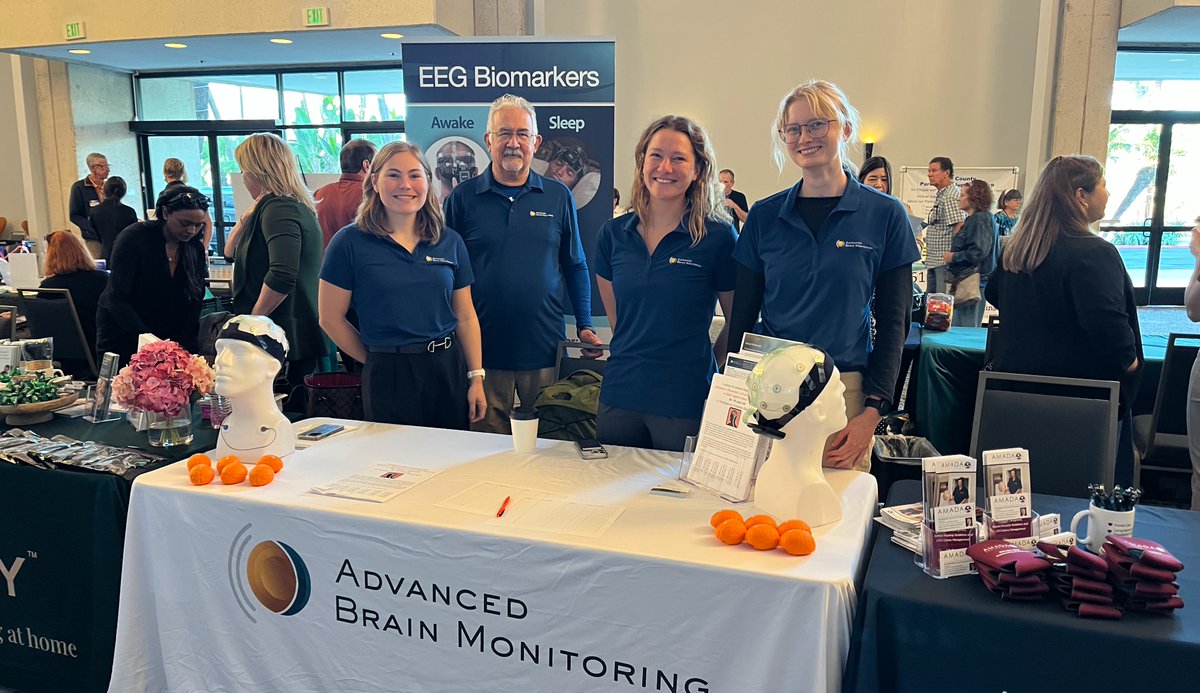
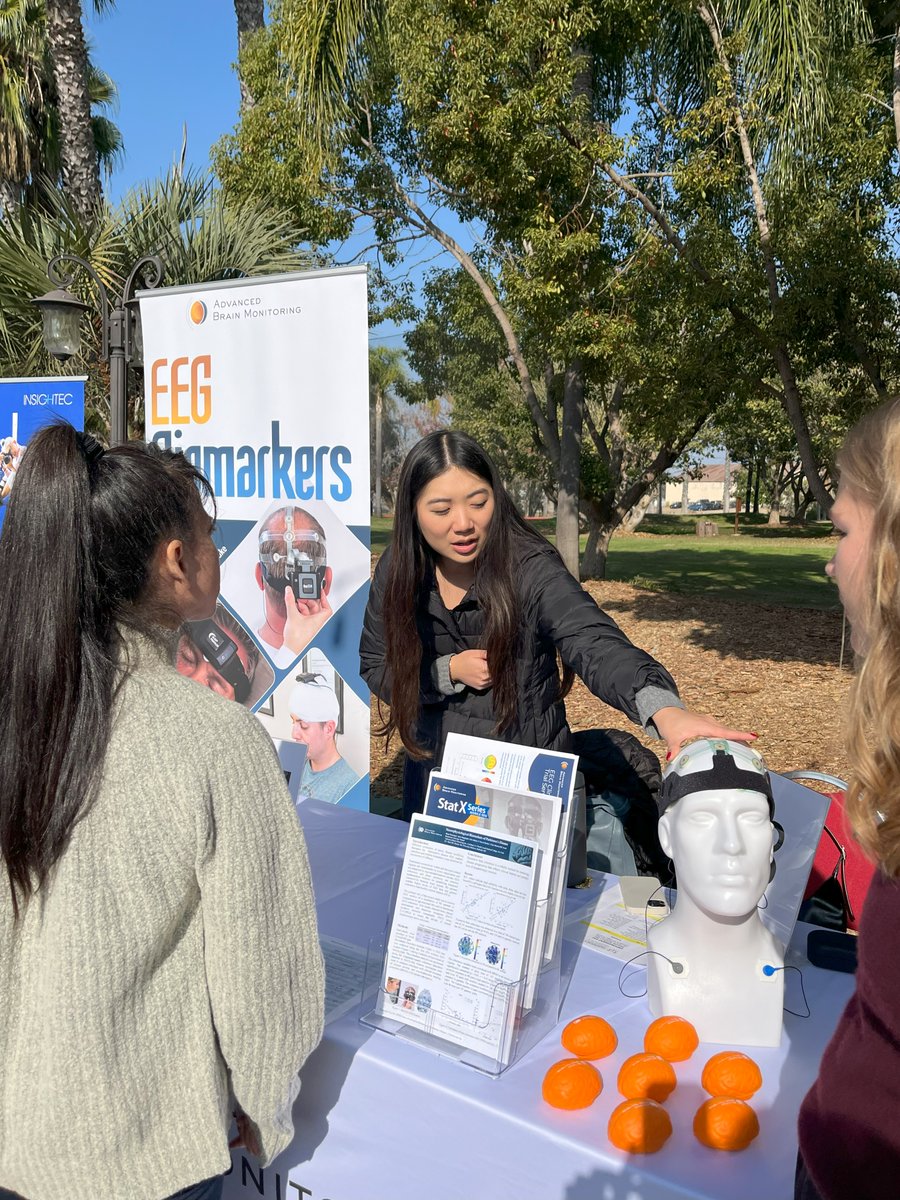
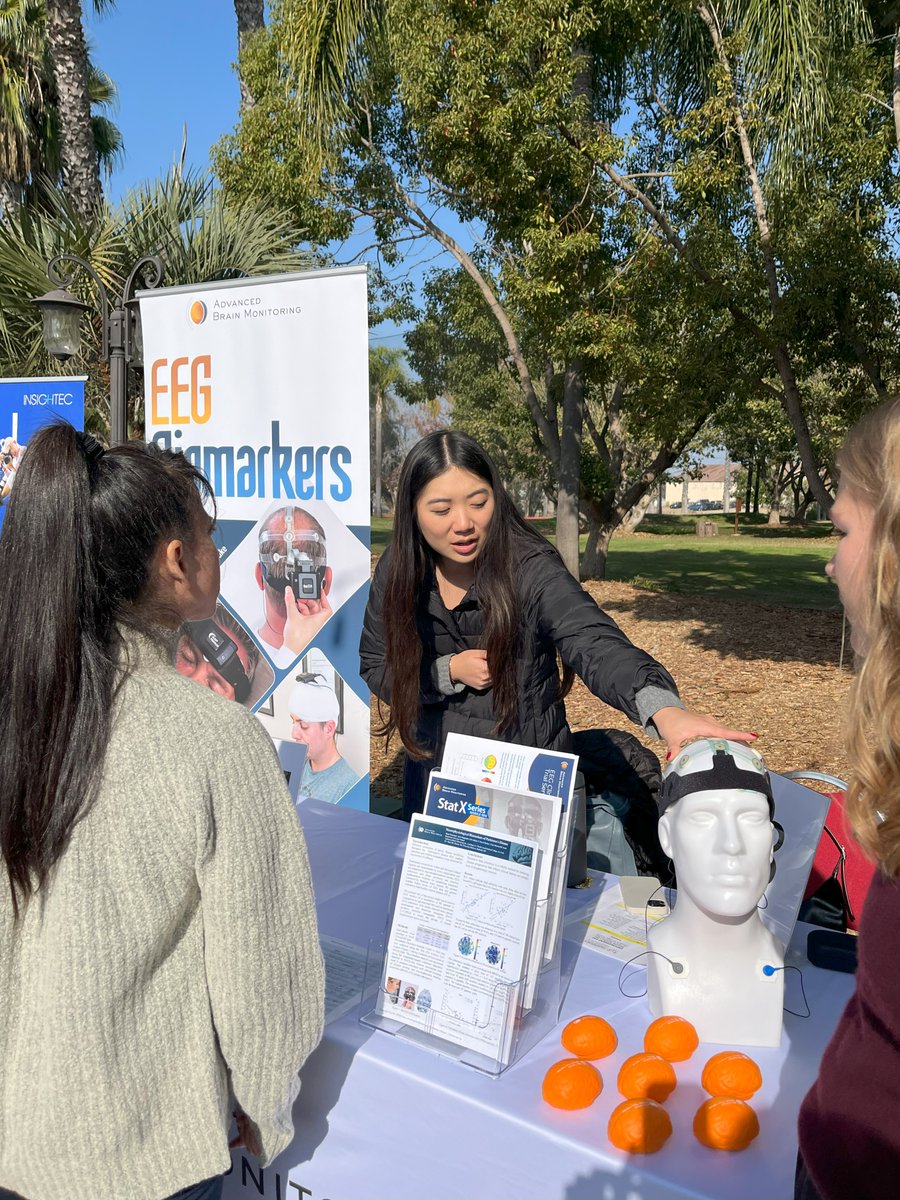
Advanced Brain Monitoring, exhibiting at the #Parkinson's Association of San Diego's Empowerment Day, empowering patients to live their best lives with #Parkinson’s Disease, while showcasing the latest advancements in treatment and disease management.
We demonstrated our non-invasive #EEG technology for assessment of #brain health, inviting attendees to participate in our @NIHAging supported study of #EEG#biomarkers for #neurodegenerative diseases like #Parkinson’s and Alzheimer's.