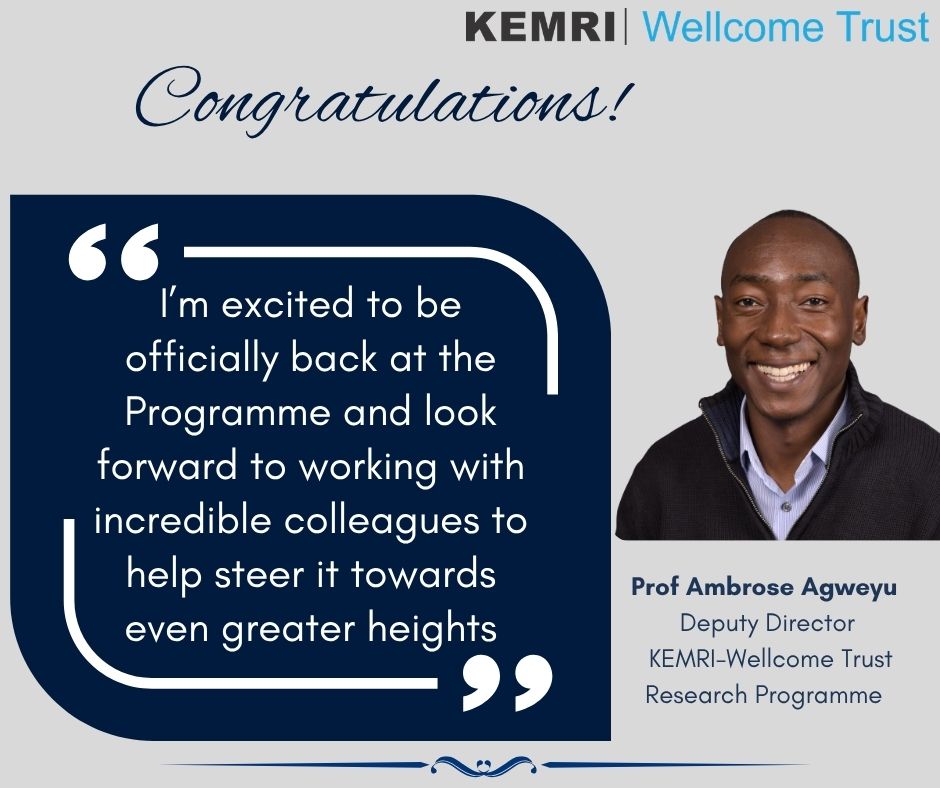
Congratulations to Prof. Isabella Oyier and Prof. Ambrose Agweyu on being appointed as Deputy Director, Kilifi and Nairobi respectively, following the completion of a highly competitive recruitment process.
Read more on their profiles below:
🔗Isabella's profile here👉 : https://t.co/FVVCORNktJ
🔗Ambrose's profile here👉 : https://t.co/6QGsqVkjNJ
🫀 New research led by @oyando_robin at @KEMRI_Wellcome highlights how relationships, communication, and everyday experiences of care are just as important as funding and infrastructure.
Read 👉https://t.co/BclJzME72Y
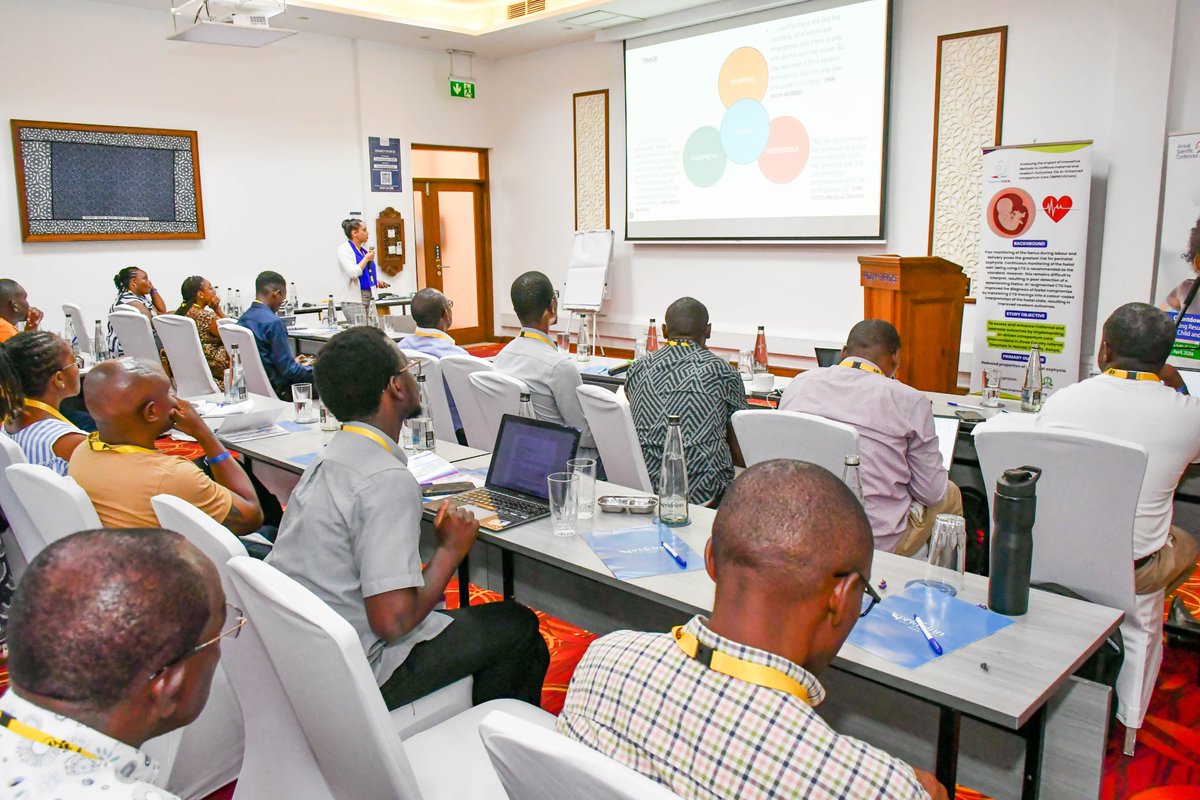
Day 1 at the KPA Conference: From Data to Better Care
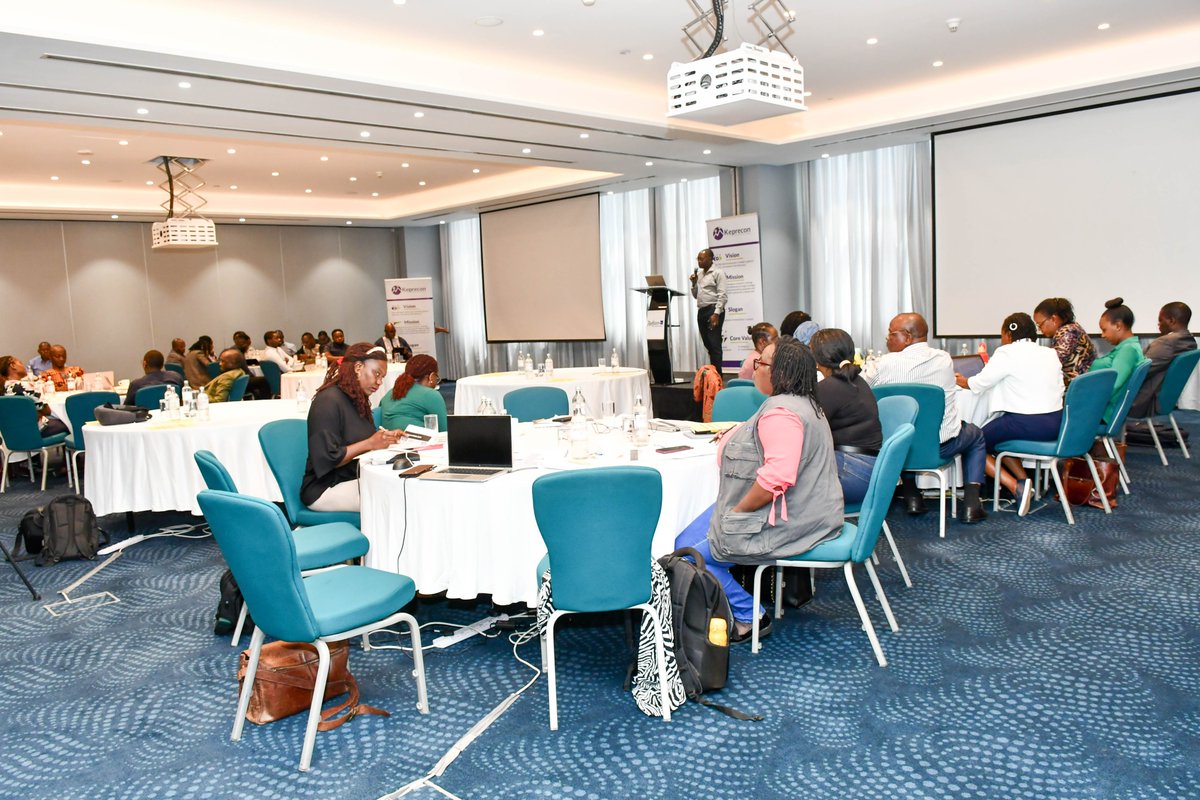
What happens when AI meets real-world care? Today’s preconference set the tone for bold conversations on how AI-enabled technology in health systems can transform outcomes for mothers and newborns.
Under the theme: Exploring how AI-enabled technology in health systems can transform outcomes for mothers and newborns — turning insights into action where it matters most, we engaged in bold conversations on how innovation is being translated into practical solutions within real-world care settings.
During our presentation on the IMPROVE Care Study, we shared Innovative Methods to Improve Maternal and Newborn Outcomes via AI-enhanced Care. It was a wide-ranging presentation featuring preliminary analysis from Pumwani Maternity Referral Hospital, focusing on county-wide sensitization and the adoption of AI monitoring in routine care.
Today’s discussions underscored that the true value of AI in health systems lies in its ability to move beyond insights and into everyday clinical practice. By aligning innovation with real-world workflows, we can strengthen care delivery and ultimately improve outcomes for mothers and newborns.
Day 1 takeaway: Turning insights into action starts with workflow-aligned tech. Thank you to every speaker and to everyone who stayed with us from first session to final coffee.
#kpascicon2026 #IMPROVECARE #Al-Health #MaternalHealth #IMPROVECareStudy
Day 3 at #kpascicon2026.
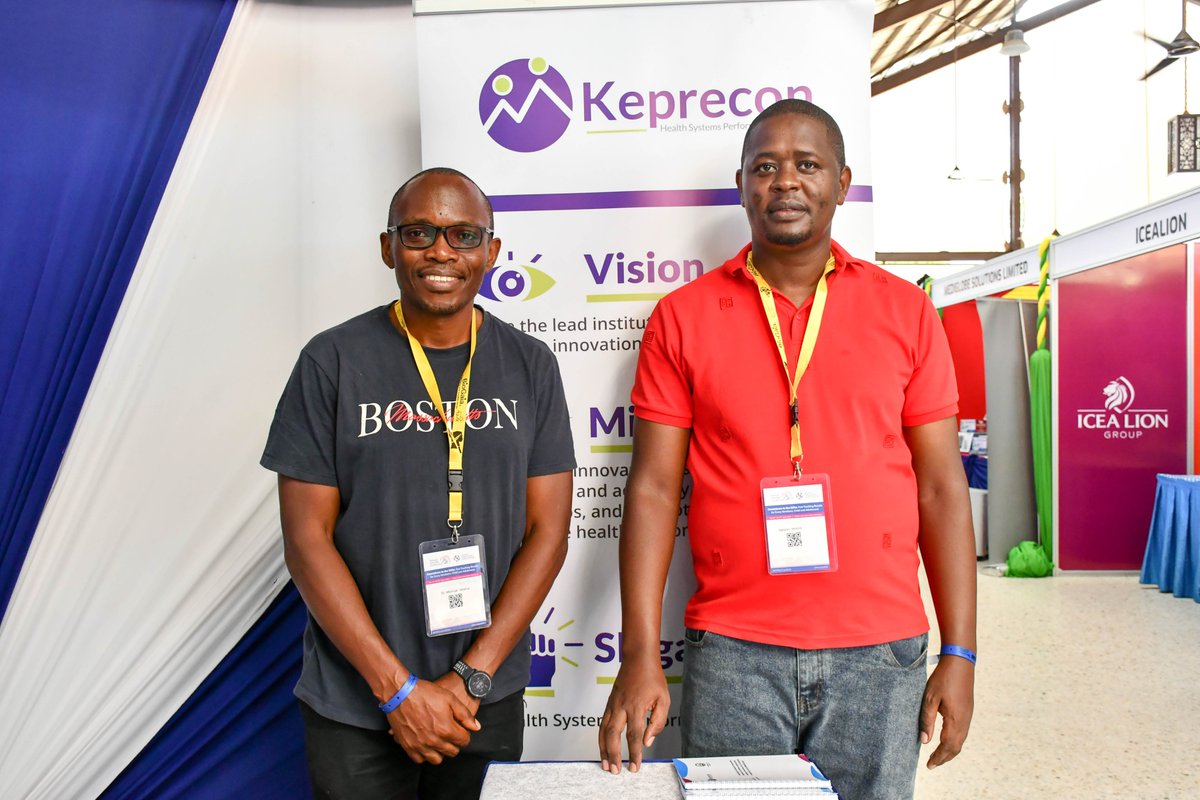
Day 3 brought great energy at our booth, with engaging conversations and new connections as we shared how Keprecon is driving impact through research, innovation, and advocacy. Guided by our vision and mission, we continue to push for solutions that improve health outcomes for mothers and newborns.
On the innovation front, we spotlighted the IMPROVECare Study, which focuses on strengthening care during labour and delivery through AI-driven support, and whose primary outcome is to reduce the proportion of perinatal asphyxia.
The discussions today reflected a growing interest in practical, results-driven approaches that can make a real difference in care.
#IMPROVECARE #Al-Health #MaternalHealth #improvecarestudy
#MeetOurResearchers video interview with Dorothy Oluoch @KEMRI_Wellcome
Continuity of care for #preterms
Dorothy is a medical anthropologist researching maternal and newborn health.
Watch the interview 👉 https://t.co/zd5pJdYgvM
Join our researchers as they walk you through their topics and unpack how data can truly drive better care.
Don’t miss this chance to explore how AI-driven learning health systems are transforming maternal, newborn & child health outcomes in real time
@mitchmaina@AmbroseAgweyu@DNGathara@jaluvaala@MuthoniOgola
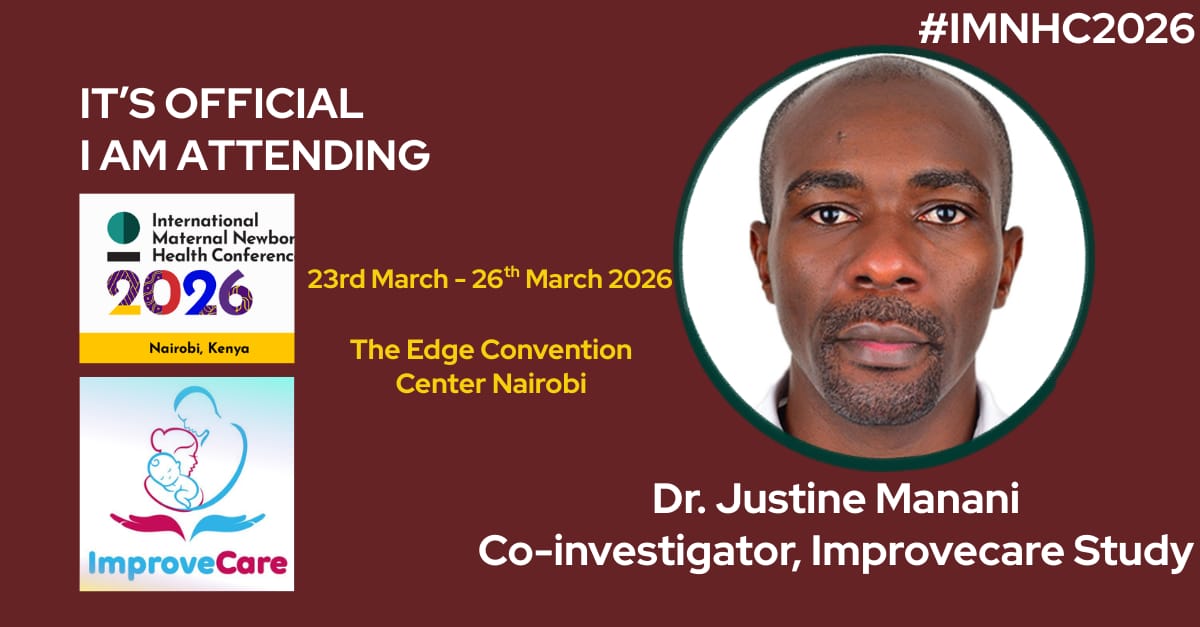
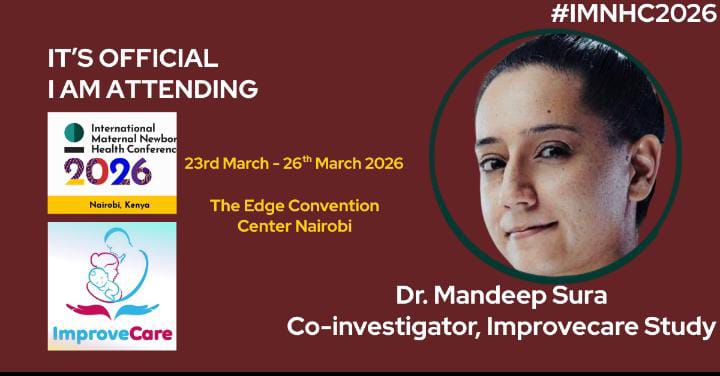
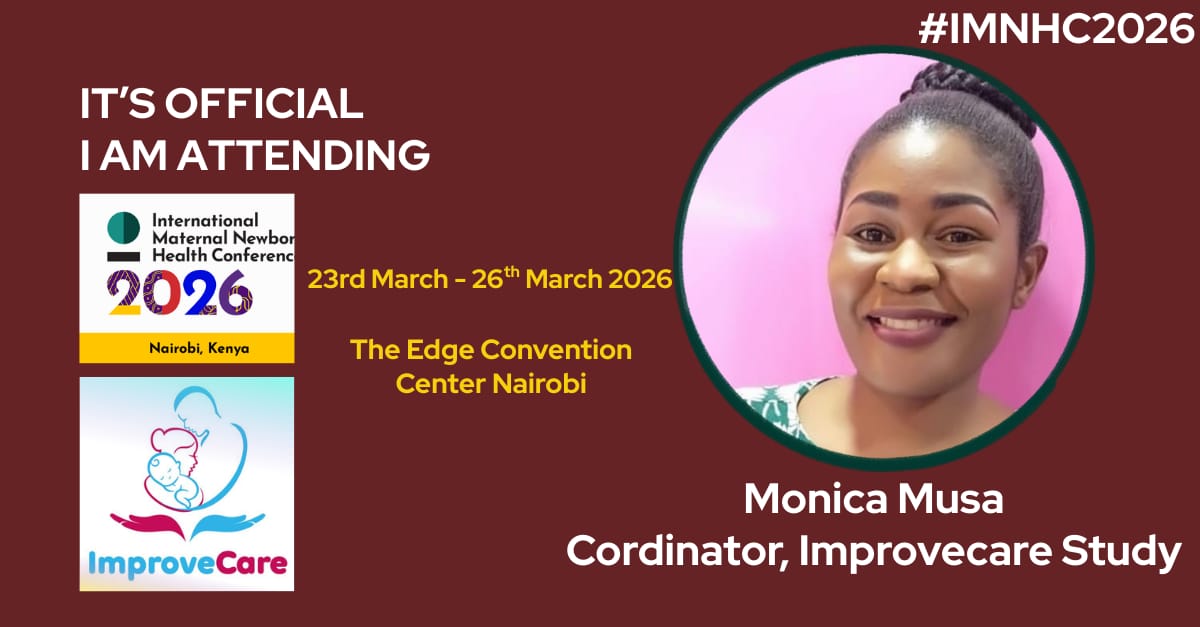
We are Excited to be part of the conversation at the #IMNHC2026 Conference!
Join us as we speak about innovation in intrapartum care, sharing insights from the IMPROVECare Study.
A great opportunity to connect, learn, and share ideas on advancing maternal and newborn health, and the role of innovation in strengthening care in low-resource settings.
#MaternalHealth #NewbornHealth #InnovationInHealthcare #IntrapartumCare #improvecare #imnhc #keprecon
We are Excited to be part of the conversation at the #IMNHC2026 Conference!
Join us as we speak about innovation in intrapartum care, sharing insights from the IMPROVECare Study.
A great opportunity to connect, learn, and share ideas on advancing maternal and newborn health, and the role of innovation in strengthening care in low-resource settings.
#MaternalHealth #NewbornHealth #InnovationInHealthcare #IntrapartumCare #improvecare #imnhc #keprecon
Government officials from the MOH Malaria Program, researchers from KEMRI, immunization experts from NVIP, and malaria partners—Gavi, WHO, PATH, and UNICEF—convened in Kisumu from 10–12 March 2026 for the Malaria Vaccine Learning Agenda (MVLA) Capstone Workshop to review emerging evidence on how to improve uptake of the malaria vaccine, particularly completion of the fourth dose, which has been the most challenging in routine delivery.
The workshop highlighted that malaria remains a major public health threat for children under five. Malaria vaccination—delivered alongside existing malaria prevention measures—offers an additional opportunity to reduce severe disease and deaths.
Participants reviewed implementation research and country experiences from Kenya, Liberia, Burkina Faso, Mozambique, Guinea, Benin, and Nigeria, focusing on strategies that can be integrated into routine services and sustained over time.
Across the studies, participants noted that simple, system-focused interventions can substantially improve completion of malaria vaccine doses when implemented consistently.
Key strategies included:
• Community Health Worker (CHW/CHP) engagement: CHWs identified under-immunized children through household visits, provided referrals, reinforced appointment dates, and supported caregiver counselling.
• Defaulter tracing and reminders: Facilities generated defaulter lists and shared them with CHWs using SMS/WhatsApp. CHWs then conducted targeted home follow-ups to bring children back for missed doses.
• Health system strengthening: Appointment diaries, improved workflow, outreach planning, systematic screening for missed vaccinations, and closer coordination between facilities and community units.
• Integration with other child health services: Bundling malaria vaccination with services such as vitamin A, deworming, and other routine antigens reduced missed opportunities and improved caregiver motivation.
• Incentives (tested with caution): Some settings tested items such as insecticide-treated nets and service bundles. However, participants emphasized that sustainability and affordability must guide any incentive-based approach.
Quotes from the workshop
“Build the system for all doses from day one.”
“Community health workers are the backbone of successful delivery.”
“Simple, scalable tools often deliver the biggest gains.”
#VaccinateToProtect
#VaccinationSavesLives
Beware of what happens when it floods! Right now it’s rain and sewerage all over Nairobi. Avoid eating out especially raw fruits and vegetables. Maintain good hand hygiene. Vaccinate children below 5 years against Typhoid & Cholera.
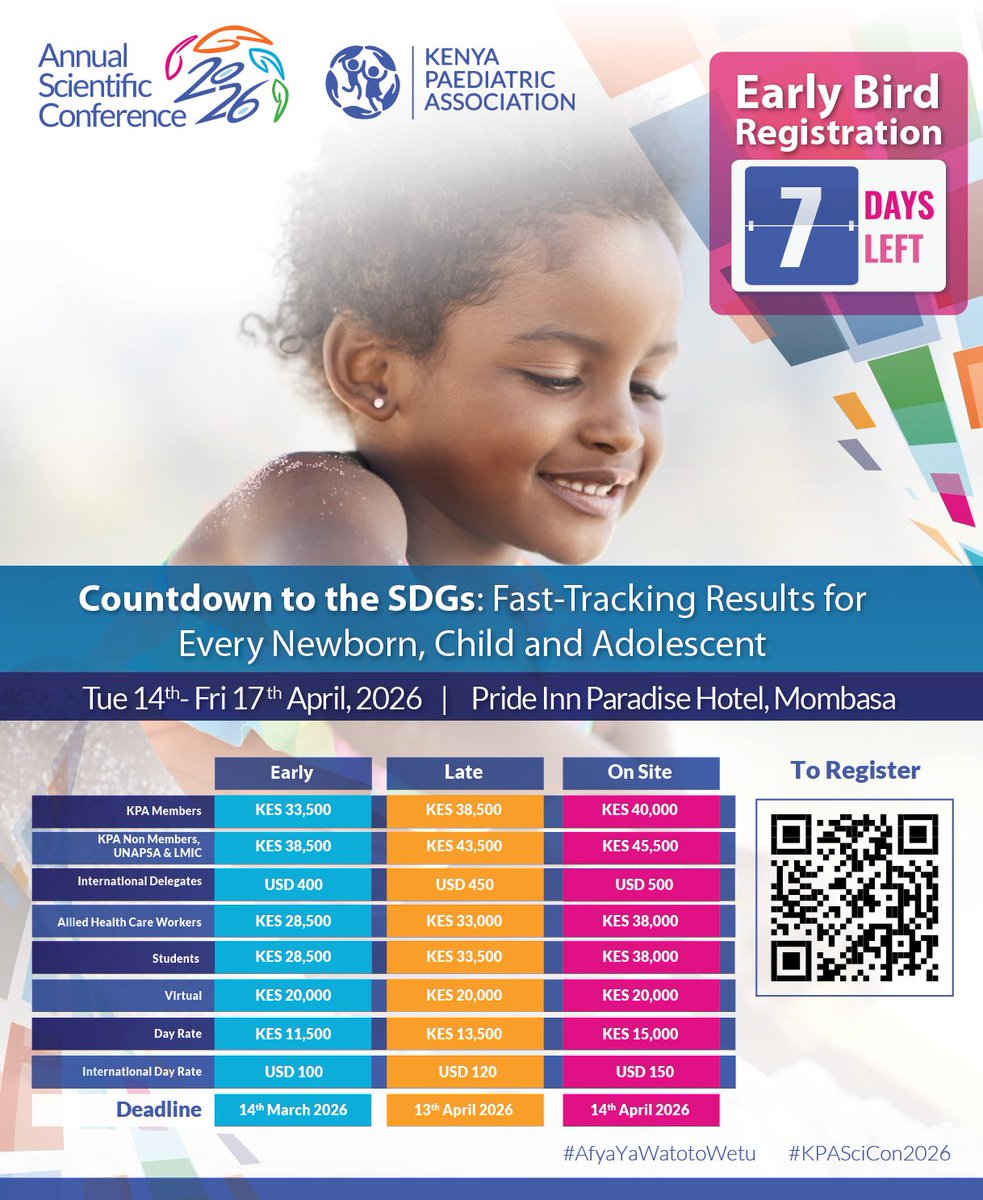
Just 7 days left to claim early bird rates for #KPASciCon2026. Register now and be part of Kenya’s leading paediatric science gathering. To register: https://t.co/BTGLjwc9OG
#AfyaYaWatotoWetu
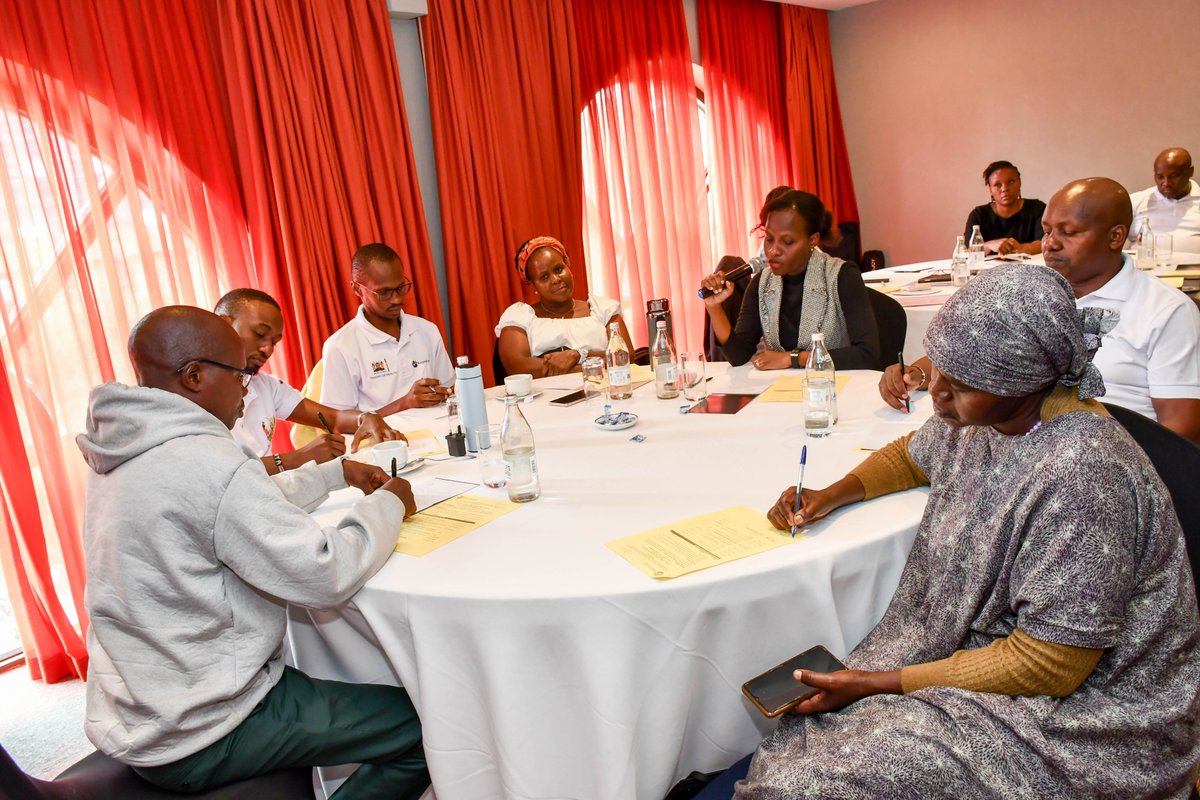
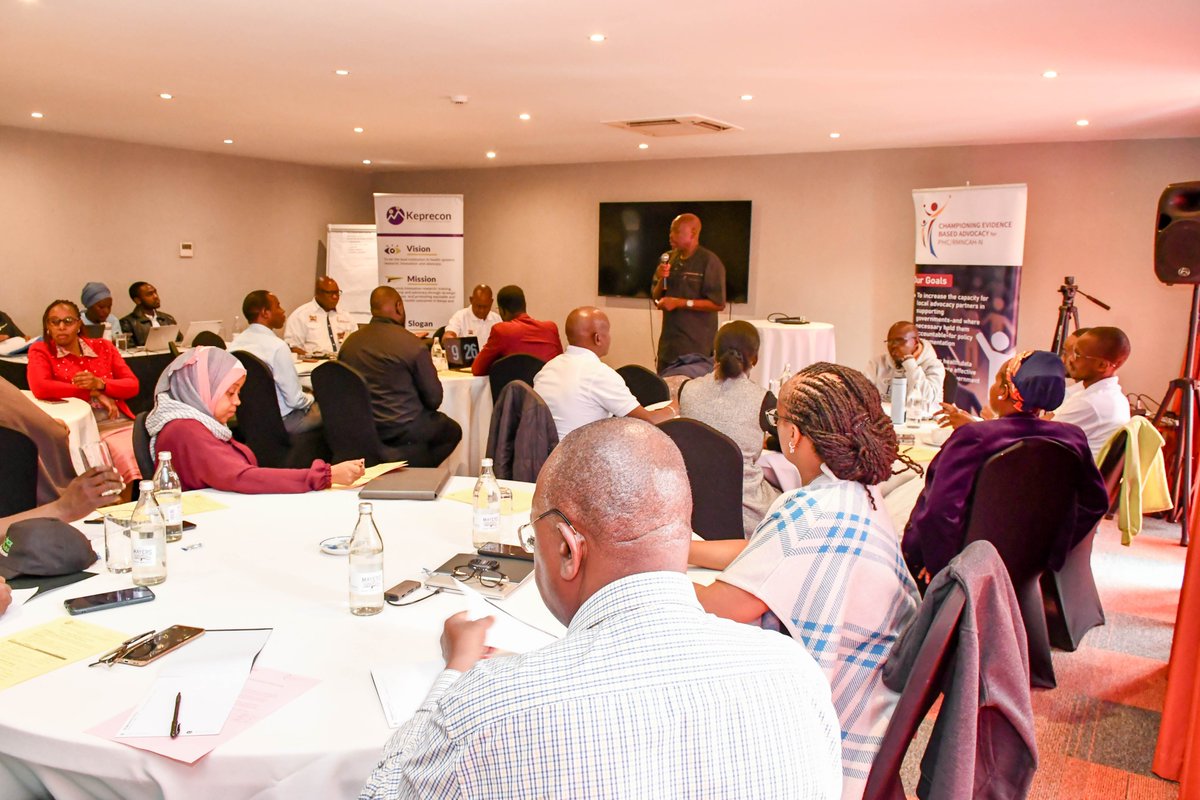
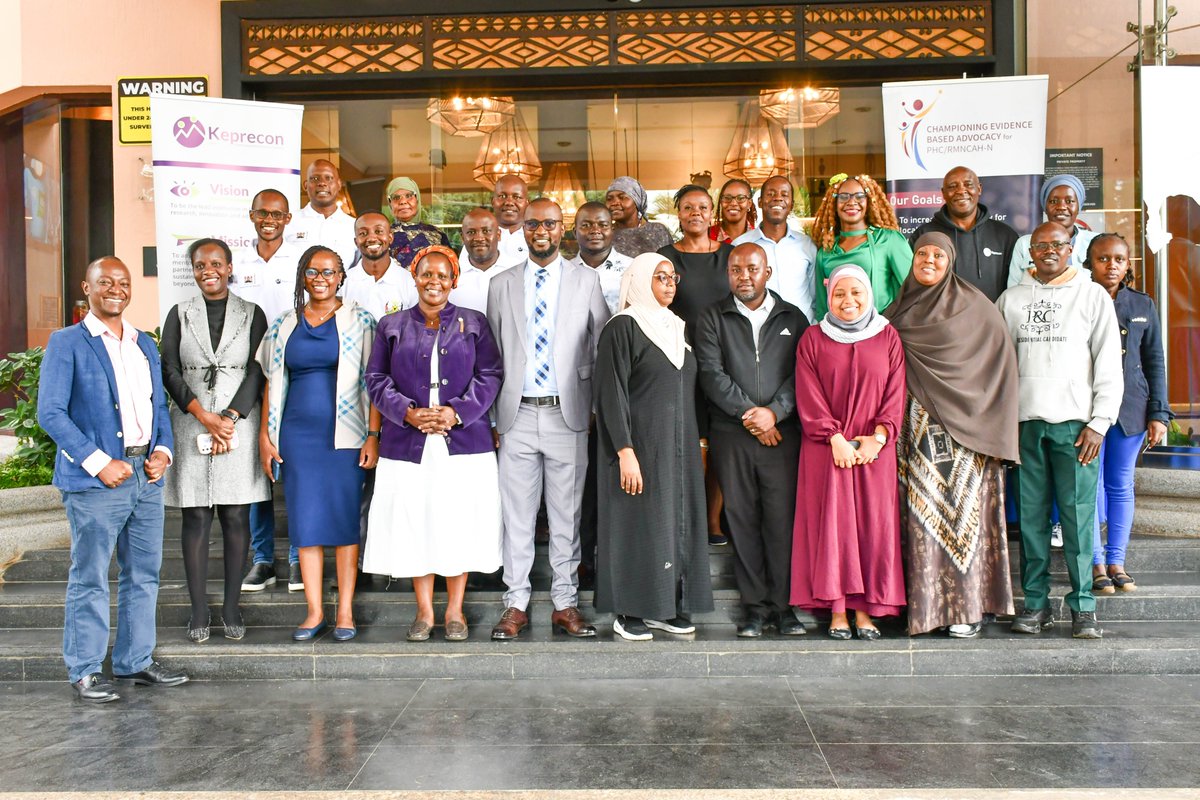
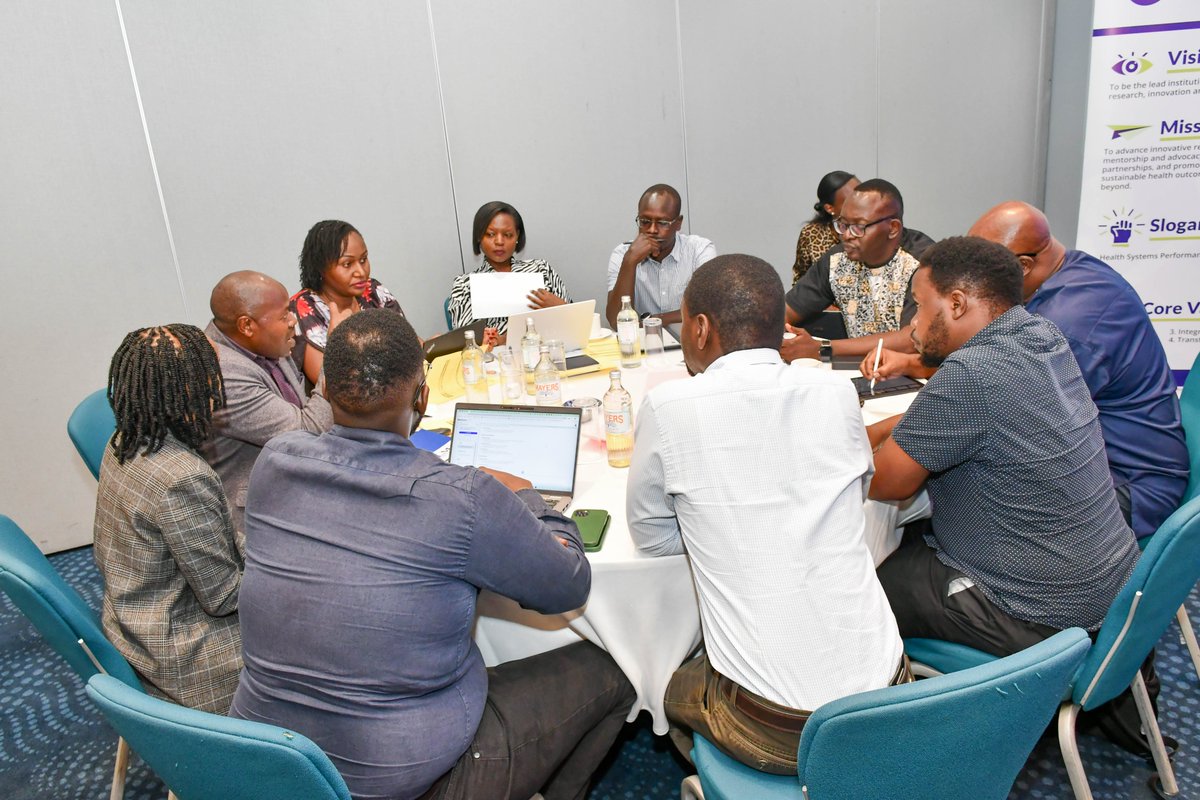
The #CEBA Project Regional Caucus Members have been strong pillars in the implementation and success of the CEBA project where they have been championing better health outcomes and increased local funding within PHC and RMNCAH+N spaces.
The Caucus has created a unified voice that engages county leadership and decision-makers to prioritize health in planning, budgeting, and policy discussions. Caucus members have gained the skills and confidence to engage Governors, county executives, and technical teams in meaningful conversations on health priorities.
Their advocacy has contributed to ensuring that critical issues in #PHC/ #RMNCAH+N and #HPV vaccination are included in county development plans and implementation frameworks. In several counties, these efforts have supported the development of policies, the launch of county-level initiatives, and increased allocation of local resources to support health and nutrition interventions.
The cross-sector and inter-departmental collaborative approach has enabled counties to identify practical solutions to local challenges, implement community-centered initiatives, and promote awareness on issues affecting mothers, children, and families. From supporting nutrition planning and improving food security initiatives to promoting immunization awareness and strengthening accountability through data and evidence, the impact of this collective advocacy continues to be felt at the county level.
Beyond influencing policy and resource allocation, the experience has empowered health professionals to step into their leadership role as advocates for the communities they serve. By engaging decision-makers with evidence and practical solutions, they continue to champion sustainable approaches that strengthen health systems and ensure that the gains made in #PHC and #RMNCAH+N advocacy are protected and sustained for the benefit of communities across counties. @KenyaMedics_KMA
#MeetOurResearchers video interview with Michuki Maina @KEMRI_Wellcome
Reducing #infections in Kenyan neonatal units
Michuki focuses on preventing hospital-acquired infections in neonatal and paediatric units in Kenya.
Watch the interview 👉 https://t.co/zW3W85VqVT
How do you run non-COVID clinical trials during a pandemic?
Despite lockdowns, we achieved 91% follow-up by adapting recruitment, ethics processes, and monitoring. Community-informed, ethically responsive research works, even in crises. https://t.co/DKB3KCfcFv
Have you ever wondered why it takes decades for a life-saving vaccine, drug or medical tool to reach your local clinic, even after it has been proven to work? Today, the ALIGN Consortium Advisory Board and Technical Working Groups held a meeting to bridge this gap and ensure that health innovations reach Kenyans faster and more efficiently.
Led by the @MOH_Kenya with support from Keprecon and Duke University, the #ALIGN Consortium project meeting focused on fine tuning a government-owned portfolio model of prioritizing and introducing life-saving health products in Kenya. The portfolio approach treats health products as a collective asset rather than individual projects.
During the discussions, the teams mapped out how to transition from scattered, static datasets to a live, digital "Data Hub" that informs national policy in real-time. By organizing the market and using demand aggregation to coordinate supply, the consortium is making it easier for health products to be easily accessible and affordable. Ultimately, today's meeting was about aligning data, policy, and advocacy to ensure that the path from scientific discovery to the patient is seamless and self-reliant.
#Innovation @DukeGhic #Healthcare
🚨Vaccinology webinar alert!🚨
Outbreaks don’t wait and neither should vaccine science!
Register and join our webinar and learn how vaccines are developed to respond to emerging outbreak-prone pathogens.
🗓️January 20th, 2026
🕑 2:00 PM - 3:30 PM EAT
🔗https://t.co/aXIbcTZL8U