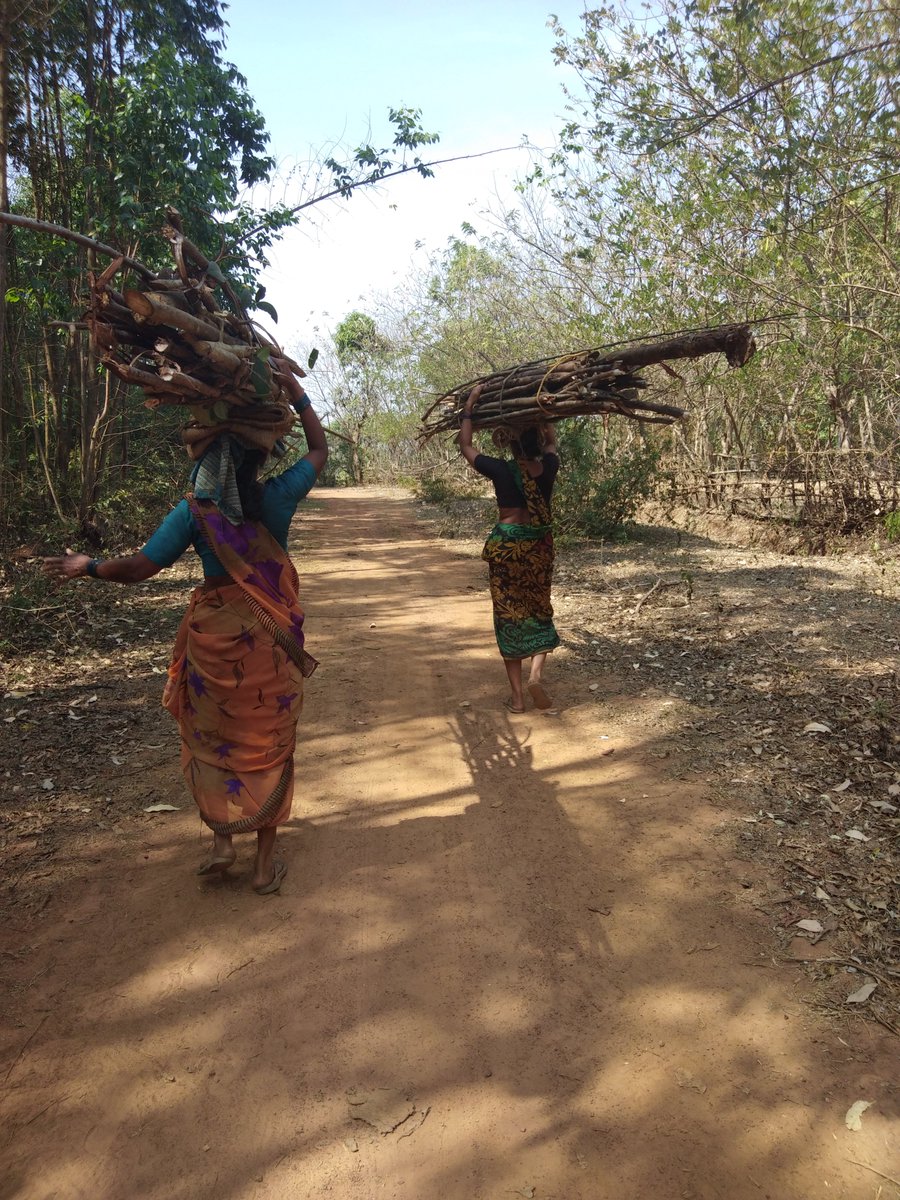
Information on emerging diseases needs to be put in the right context to help smallholder farmers & other vulnerable communities adapt to risks. Thread on our new @PLOSNTDs paper with @UK_CEH@MonkeyFever_@iphindia@DHFWKA @AgroSupDijon https://t.co/0SlLzAijE1
Research enabling scientists to predict outbreaks of a tick-borne disease in India could reduce deaths & provide a template for tackling other infections that spread between animals and humans - new @PLOSNTDs study by @GCRF-funded @MonkeyFever_ project https://t.co/gEyv7pd82l
Just a reminder as the Kyasanur Forest Disease transmission season continues, tick information cards and other IEC are available to download at https://t.co/wkSeEA1GYM
Great to see the MonkeyFeverRisk project and @abivanak and Dr Hoti @NITM highlighted in this nice article on zoonotic diseases in India
https://t.co/WAZX0Owp8w
In this article, @PaulMridula and I showcase how India was a pioneer in OneHealth Science in the early 1960s to tackle Kyasanur Forest Disease. Read more about it here in this excellent piece by @NithyanandRao https://t.co/m5izrkrSJO. @MonkeyFever_
The report from our December Knowledge Integration workshop is now available. Cross-sectoral stakeholders generously provided the project team with vital feedback and knowledge to improve our MonkeyFeverRisk Decision Support Tool. https://t.co/bEpxDSTAvV @UK_CEH@MonkeyFever_
Lovely blog on the MonkeyFeverRisk fieldwork experiences from one of our early career Earth Observation Scientists https://t.co/1EjpCsd1YH
@UK_CEH@MRC@GCRF
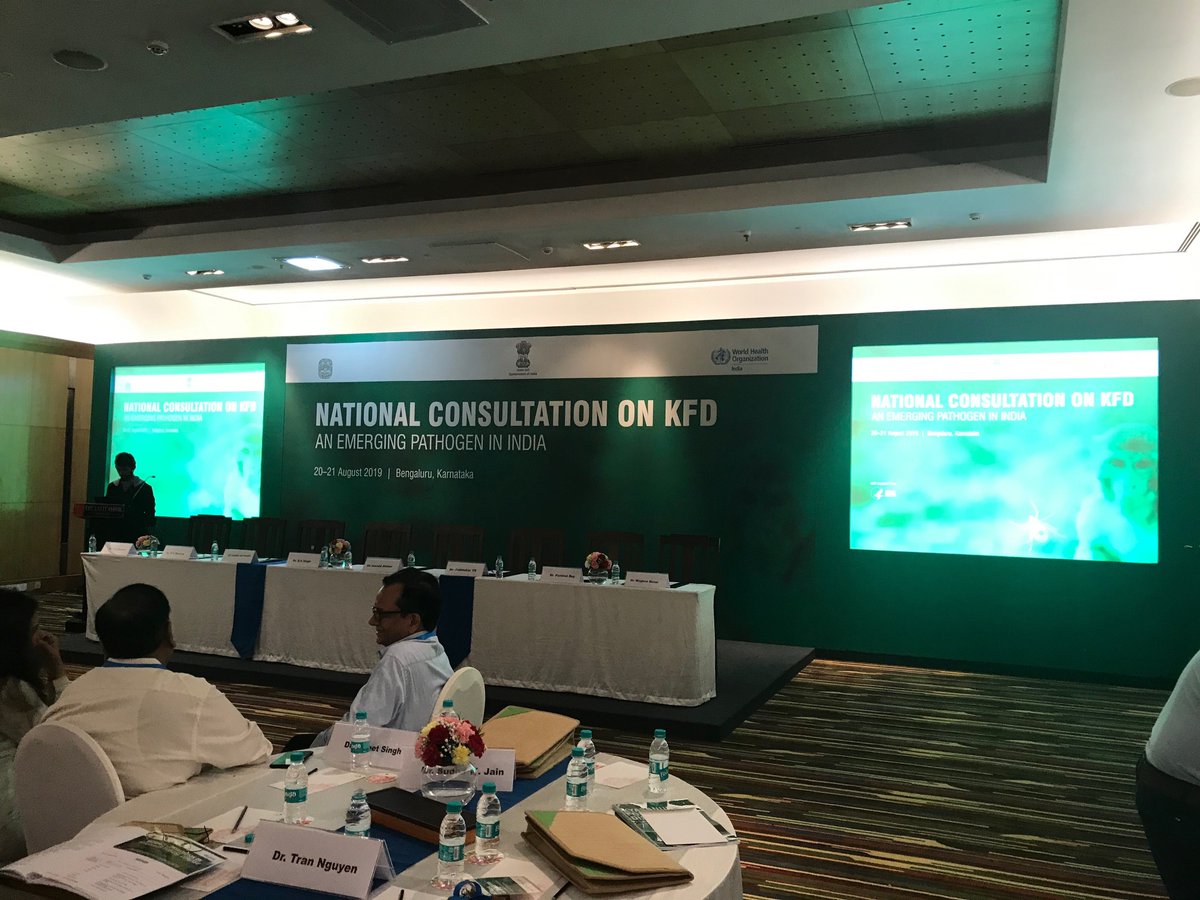
Kasabi et. al showed rather poor efficacy on single-dose: this means that vaccine respnose requires need for vaccination coverage much before new outbreaks;
Low efficacy of #KyasanurForestDisease vaccine: cold-chain? poor antigenicity? genetic drift in strains? (but current monitoring shows low strain diversity); yet vaccine demand increasing; close to 600,000 doses produced and disseminated this year
#KyasanurForestDisease discussion happening on the #evidence (or lack of) for use of DMP oil which is being extensively distributed as tick-repellent; poor evidence-base for this; #DEET may be better; field-based studies needed to test tick-repellents available
But quite some heated debate on whether oils in general or various mosquito-repellents will have tick-repellent properties at #KyasanurForestDisease consultation; limited trial data available on this; #IVRI scientists mention poor efficacy of many permethrin & related compunds
Utility of pyrethroids in #KyasanurForestDisease is not well established in trial data; the protocol of dusting with Malthion and how many meters needs to be seen in the background of ecological impact of insecticies as well
Director @DHFWKA highlights the challenges in ensuring vaccine numbers in the days of increasing demand for #KyasanurForestDisease vaccines from multiple states; #NIV staff points to the vaccine needing @WHO GMP facility needed but this needs #privatesector engagement