Associate Prof, U of South Carolina| exercise physiologist| teacher| e/mHealth researcher: physical activity + meaningful social connections via IRL & tech |
We all know how hard it is to do a great study and write a great paper.
And yet some conservative numbers are:
- 400,000 published papers are fake (2000-2022).
- 70,000 of them were published in 2022.
- At least 10% of all PubMed abstracts published in 2024 were written with LLMs
- Estimates show that 1 in 7 papers are likely FAKE [Science, 2024]
When citations and number of papers matter, some people turn to paper mills to become ‘successful’.
And paper mills produce huge number of papers at speed. They even have special templates for that.
Unfortunately, even among the respected and well-meaning scientists, it’s not uncommon to see those who:
- produce meaningless research
- boast about the NUMBER of papers per year
- feel anxious if they 'produce' fewer papers/year than before.
⚡️ Albert Einstein remarked: “An academic career, in which a person is forced to produce scientific writings in great amounts, creates a danger of intellectual superficiality”.
⚡️ Peter Higgs said he could NOT replicate his discovery in today’s academic climate: “Not enough peace and quiet in the present sort of climate to do what I did in 1964”.
📍 What can we do?
1. Stop measuring scientists by the number of papers, citations & awards (it is used in many countries, including the EU; I personally got such comments from ERC).
2. Stop giving grants based on the 'profile' of a researcher.
3. Instead, distribute funding based on the proposal quality and the quality of the last 5 publications.
+ Include the “depth of previous research” as a crucial factor (grant reviewers should evaluate this).
+ Include new criteria such as community contribution, publishing of codes, participation in committees, etc.
+ Include the feedback from ex-PhD students (randomly selected) as a big factor. Happiness of graduates is vital.
From conference collaborations to dissertation defenses -- the latest updates from HPEB are all there in the department's latest newsletter ➡️ https://t.co/XpcIqtzFVI
Help us spread the word about our new study! We want to hear from people who don’t already have a physical activity routine & can give us some feedback on potential resources for increasing activity. Ages 18-65, earn $30 for a survey and interview. Use the link below to start ⬇️
Love this idea!
Scientists are building giant ‘evidence banks’ to create policies that actually work https://t.co/x94lJnDLEj
Needed: "...comprehensive evidence synthesis on every major social problem, and that is continuously updated and available to everyone."
.@NIH will begin implementing changes to its peer review process for research project grant applications submitted on or after January 25, 2025.
Learn more: https://t.co/yoaO7NvLLT
The City of Columbia and Sistercare are collaborating for the 2nd Annual Toiletry Drive.
▶️ Items needed: Facial wipes, deodorant, body wash, feminine wipes and more.
📍 To view drop-off locations, visit https://t.co/eNrcZ76Cge
#TogetherWeAreColumbia
In addition to welcoming our new dean, Tara Sabo-Attwood, we have two interim associate dean appointments to announce: Thank you to Daniela Friedman (@daniela_beth) and Susan Steck (@susansteck) for stepping in to lead our research and faculty affairs/curriculum efforts!
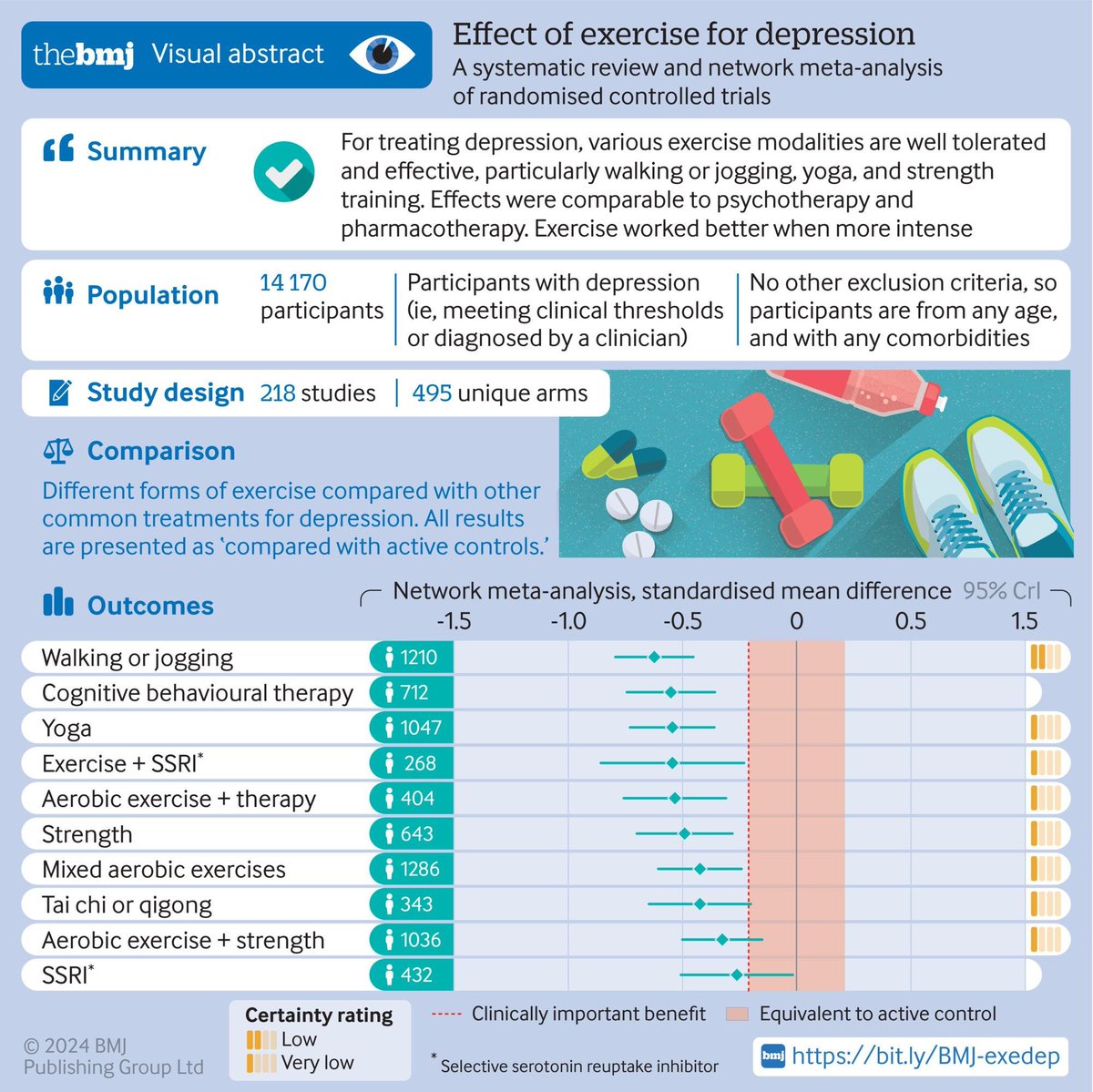
A major review of randomized trials analyzing the role that exercise can play in combating depression: https://t.co/WCZkgQaQPK
Summary: Exercise combats depression, and more exercise combats it more. The effects can be (at least) as large as pills.
Please, look after yourself.
A focus group study among insufficiently physically active African American adults regarding technology-delivered team-based gamification for physical activity promotion. #gamification#mhealth https://t.co/MafURv25Pa