Vanadium-dependent haloperoxidase enzymes have always fascinated us @moorelabsio for their biosynthetic dexterity. We're delighted to finally share some beautiful structures in @BiochemistryACS https://t.co/Y9KoJMDgm4
Congrats Dr. Kate Bauman @kdbauman_ on your masterful dissertation seminar today at @Scripps_Ocean. It has been my pleasure joining you on your scientific journey! #proudPI
Kate Bauman researched marine microbial natural products at Scripps w/ @moorelabsio, earning a PhD in #MarineBiology. She was awarded the Frieman Prize for her work detailing how a marine bacterium makes an anti-cancer molecule. 🌟 Now, Kate is headed to @Stanford as a postdoc!
Our June issue (https://t.co/OcCuuSeaIm) features a stunning array of octocorals, which the @EricSchmidtLab and @moorelabsio found were capable of producing their own terpenoids (https://t.co/vdJnmu4Qzx & https://t.co/StSizam00i).
Thrilled to share our latest @nchembio publication by @BurkhardtImmo@Tristan_enzymes@thePYTC that #octocorals biosynthesize powerful terpenoids and have been doing it longer than in plants. These primitive animals are remarkable medicinal chemists! https://t.co/FQ7xuZ7SGh
Scientists at Scripps, @usponline & @ucsantacruz have collaborated to discover & validate the enzymes responsible for production of guanitoxin—one of the most toxic & fast-acting neurotoxins associated with freshwater harmful algal blooms in lakes & ponds. https://t.co/ZF7GztgeCG
Learn more in this segment from @10NewsAarons on how Scripps scientist @BradMoore_SIO and team discovered how a deep-sea bacteria creates an anti-cancer molecule, which is currently in clinical trials to treat brain cancer. Via @10News https://t.co/g725K3q8Zf
San Diego, the location for the in-person portion of the hybrid #ACSSpring2022 meeting, is also home to scientifically relevant wildlife. @VikShende and @ScienceSiren_ discuss their work at the @MooreLabSIO@Scripps_Ocean on local sea sponges: https://t.co/xns0YXcJdy
Thanks #SeaSecrets and @UMiamiRSMAS for the invitation to share our work with you on Reading and Writing the Genetic Code of Marine Life to Cure Human Disease https://t.co/CMGxkRck7d
Wonderful collaborating with you @RyutaTerada to tell the story of this fascinating #seaweed that was used historically as an anthelmintic in Japan, with the name “domoic acid” deriving from the word “domoi,” the Japanese name for Chondria armata
Happy to share how the #cyanotoxin aetokthonotoxin is made by toxic freshwater Cyanobacteria. Amazing enzyme work by @sanjoyadak90@AprilLukowski Rebecca Schafer in @J_A_C_S https://t.co/yfGZo7fO9W
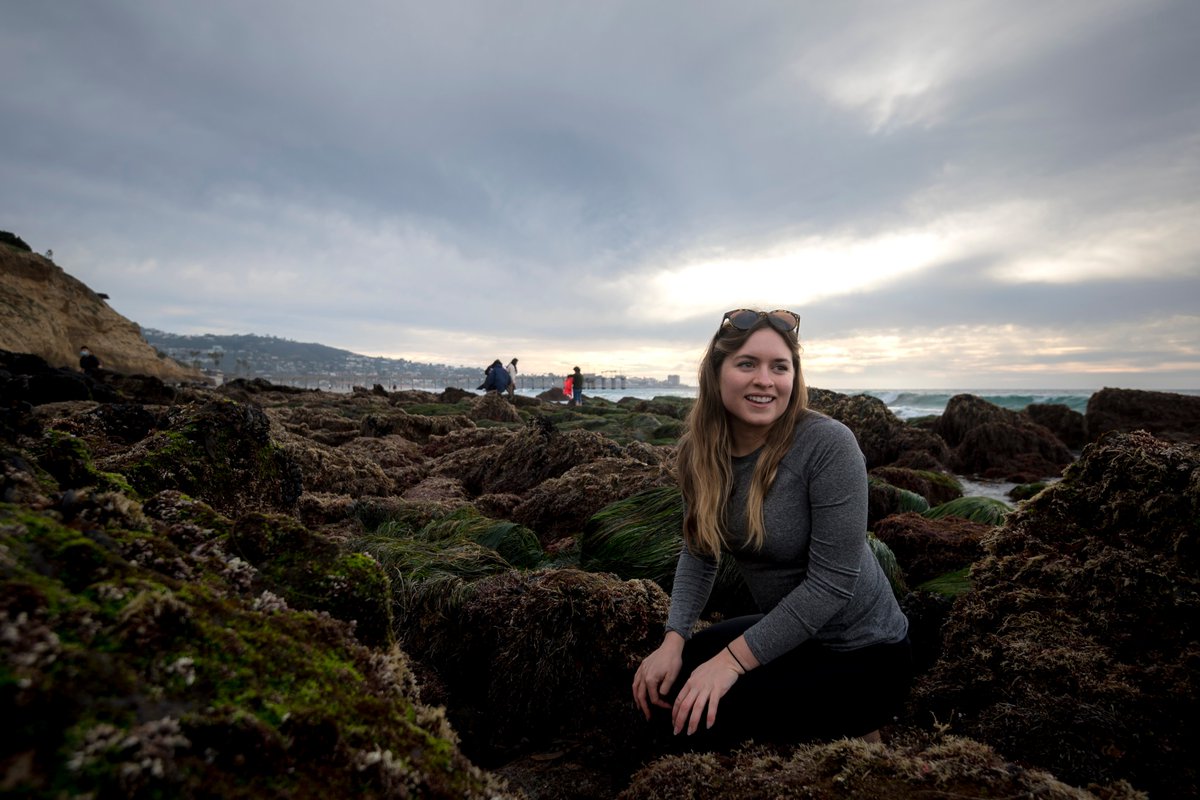
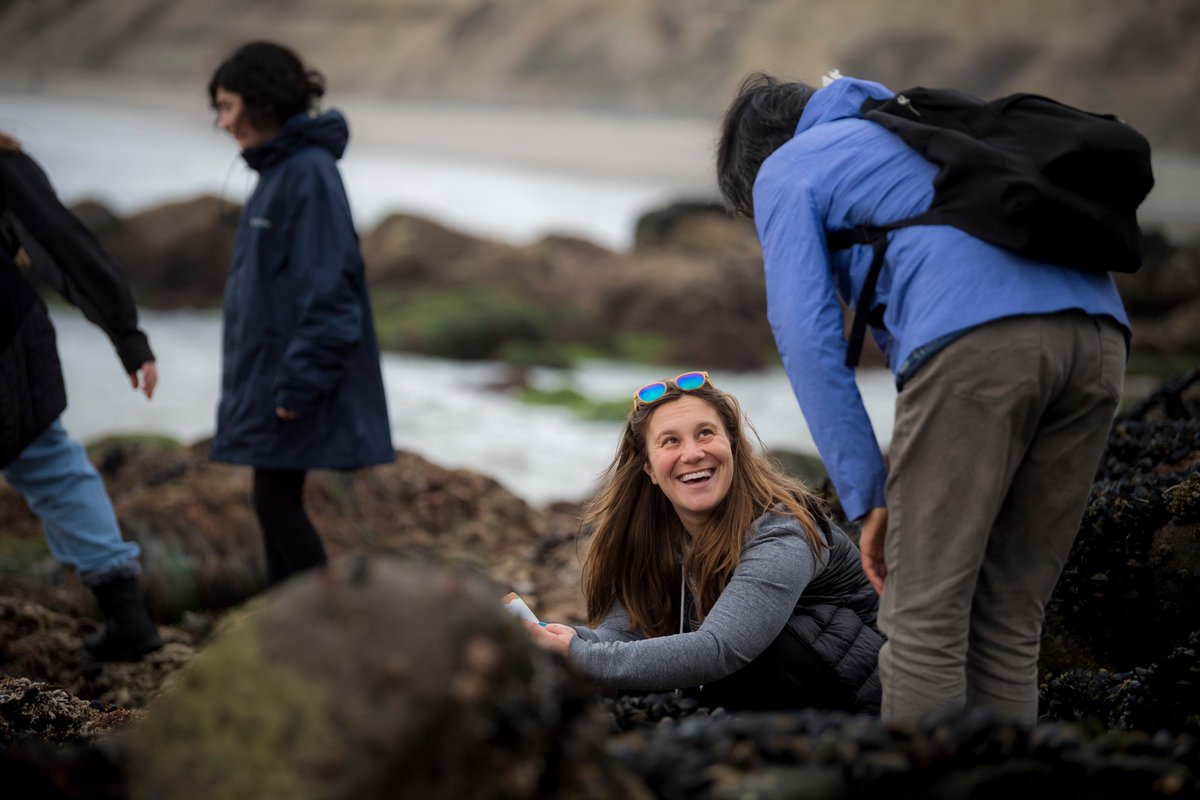
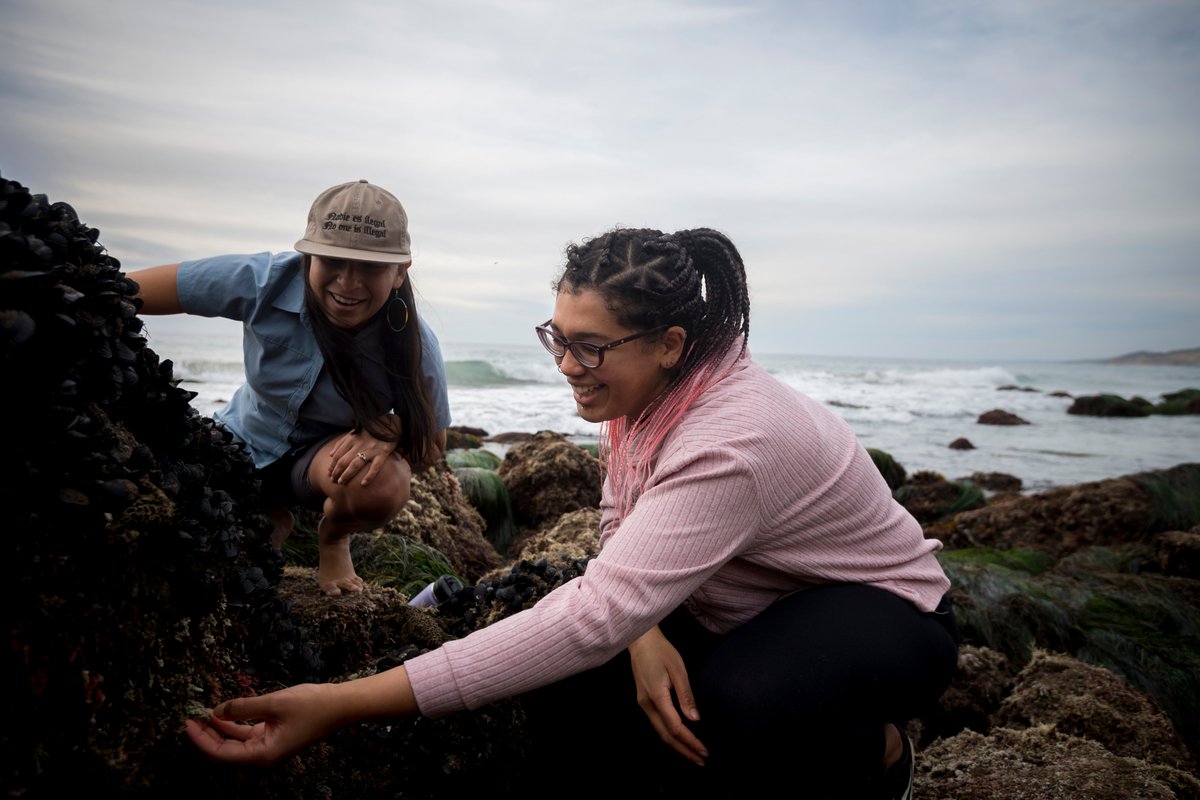
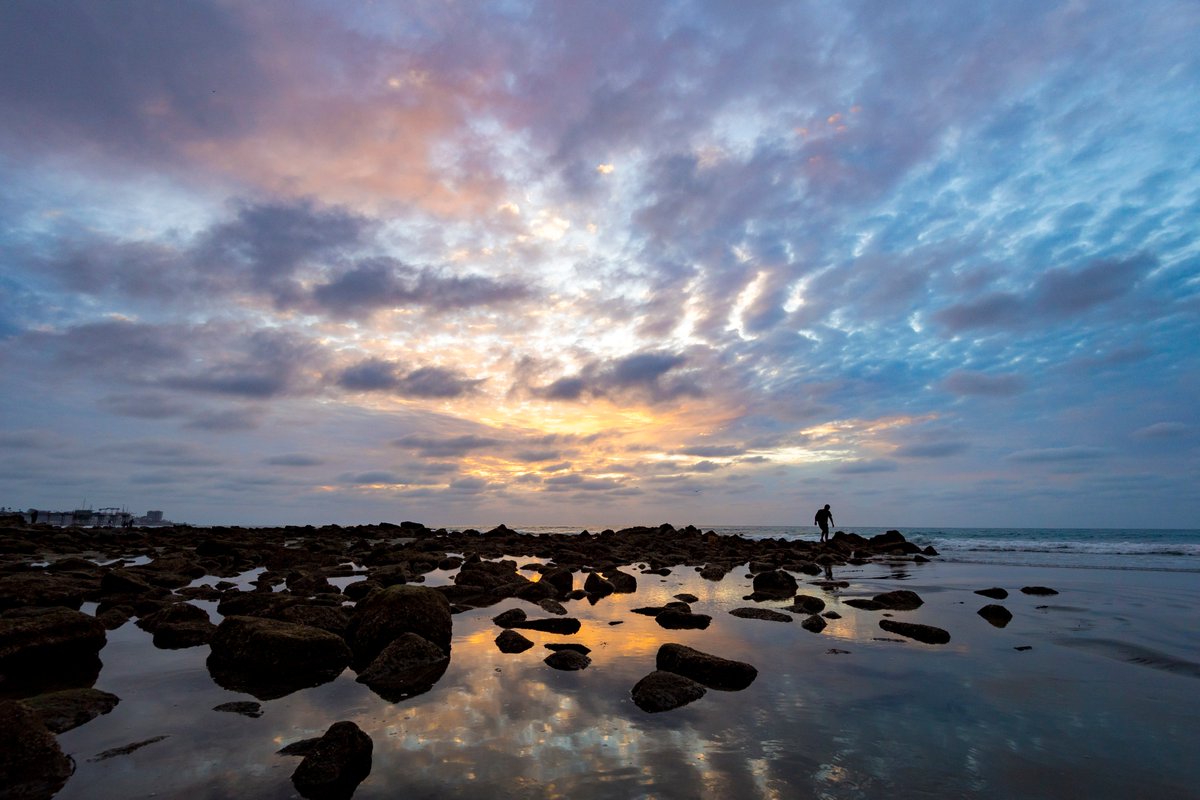
Low tides = great tidepooling opportunities! 🐙🐚 During a negative low tide this week, PhD students Anaí Novoa, @seaweedsista, @ScienceSiren_ & @oliviaspereira explored the #TidePools near Scripps, where they encountered nudibranchs, octopuses, crabs, and much more. 📷@erikjep
Many #naturalproduct compounds like #cannabinoids are made from ortho-quinine methides. @TrevorPurdy@AprilLukowski review the ways enzymes construct this versatile and reactive biosynthetic intermediate https://t.co/oOP5AFEnNJ
Very pleased to share my first, first-author paper! Domoic acid biosynthesis in the red #seaweed Chondria armata, out in PNAS today. Immensely grateful for all of our collaborators, especially @ChekanLab, @moorelabsio, and my amazing PI @BradMoore_SIO.
https://t.co/9CFpjuYVpc