HOME.
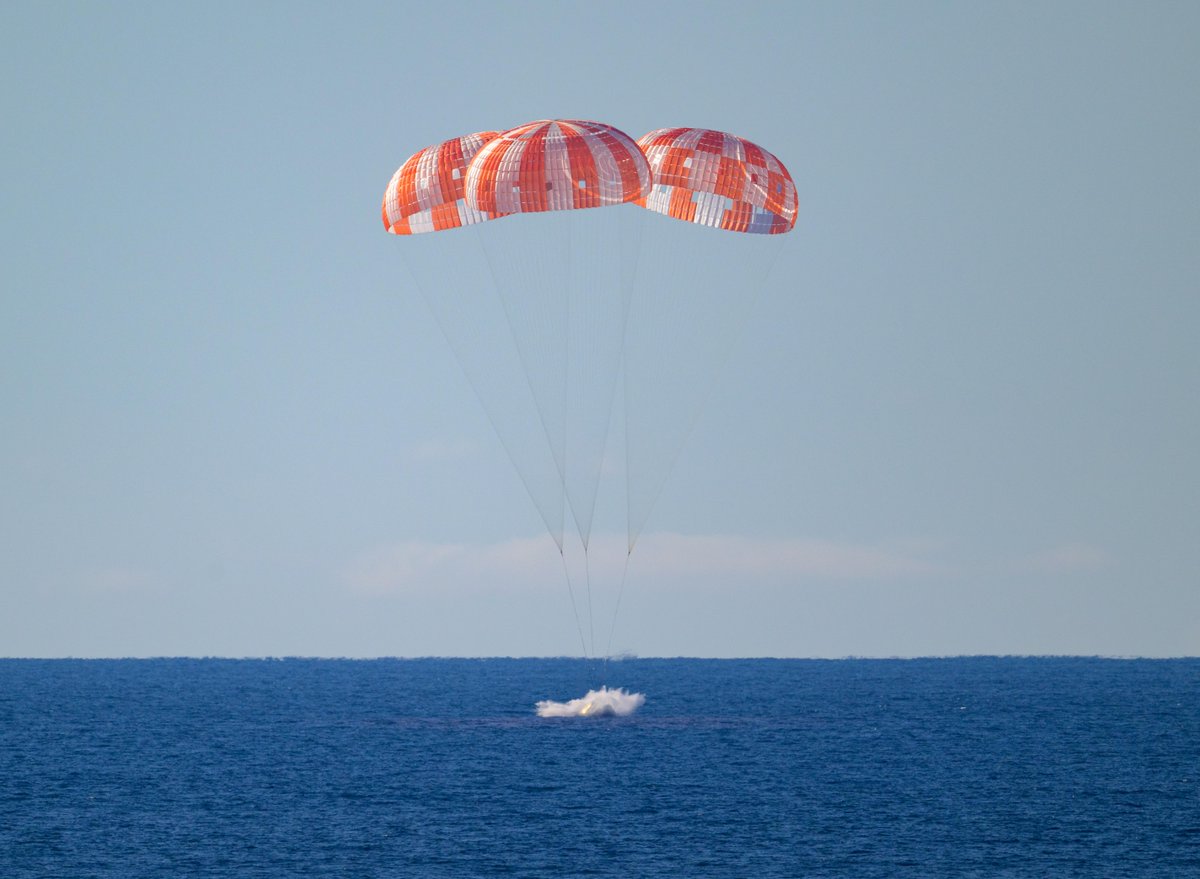
The Artemis II crew has arrived back on Earth, ending a nearly 10-day journey around the Moon. The trip took them farther into space than humans have ever gone before, and now they're safely home with us.
https://t.co/XmDQwNlCPR
LIVE: NASA leaders discuss our upcoming @NASAArtemis II mission around the Moon. Two days remain until the first launch opportunity on April 1. https://t.co/i9Dwp0K0K2
Our Artemis II crew will be going around the Moon, but they'll always find their way back home 🌎
During this complex journey, the four astronauts will travel ~685,000 miles on a trajectory around the Moon and back to Earth.
See their daily agenda: https://t.co/172PVtri2Z
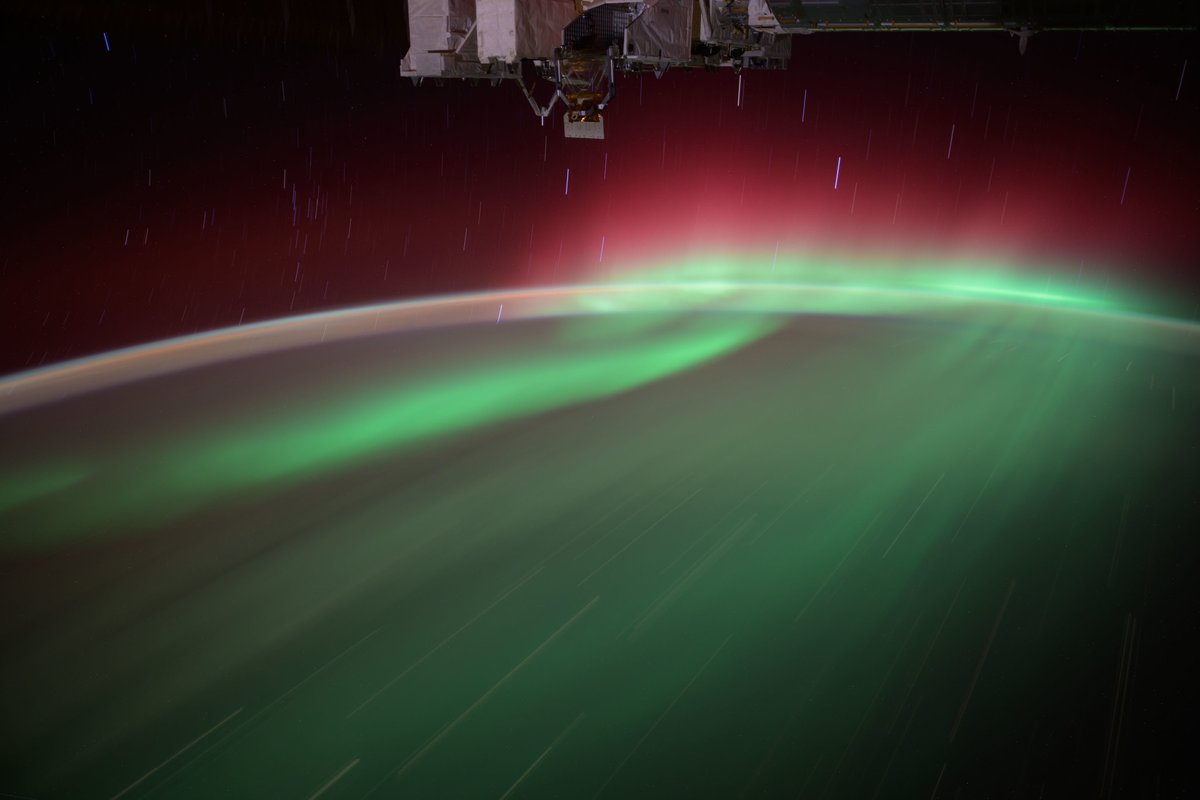
Forget the pot of gold, we found the whole sky glowing green. 💰🍀
Auroras form when energized particles from the Sun collide with gases in Earth’s upper atmosphere, creating waves of color that ripple across the night side of the planet. From 250 miles above Earth aboard the International @Space_Station, astronauts can see these shimmering curtains stretch for hundreds of miles. A perfect view for St. Patrick’s Day!
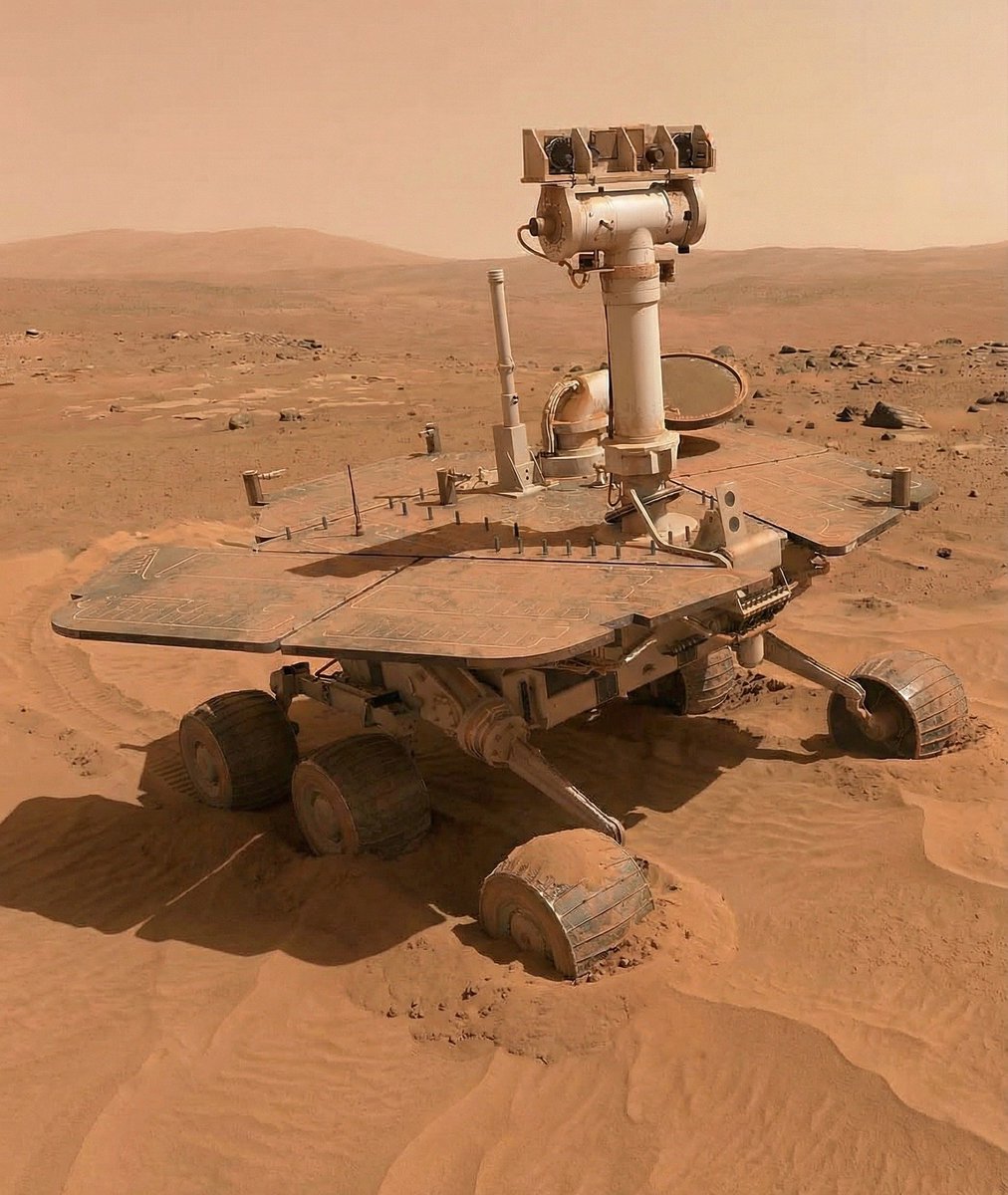
The story of a NASA Mars rover built for a 90-day stint that somehow endured for a decade and a half is absolutely mind-blowing.
Enter the Opportunity rover. Its expected lifespan? Just 90 days.
The reason?
The Martian landscape is notoriously dusty. Day by day, fine dirt accumulates on the machine’s only power source—its solar arrays.
Windshield wipers? Nonexistent.
Any mechanism to sweep away the debris? Zero.
Essentially, the plan was for it to peacefully power down as soon as the dust got too thick.
—Until the unexpected happened.
One day, the NASA team sat stunned staring at their screens.
The energy levels, which had been on a continuous decline, inexplicably surged back to full.
The culprit—Martian "dust devils."
Tiny, spiraling tornadoes had coincidentally swept directly across Opportunity, completely clearing the debris from its arrays.
This was a total stroke of luck, entirely unplanned by the engineers. A miraculous favor from the Red Planet.
And it wasn’t a one-off event. Time and time again, the Martian breezes rescued the rover.
The outcome—
That brief three-month mission stretched into more than 5,000 days.
It explored for 15 long years, eventually discovering proof that ancient water once moved across the planet.
It transmitted landscapes back home that its creators never dreamed they would witness.
Ultimately, however, it was the harsh Martian weather that finally laid the rover to rest.
A colossal dust storm enveloped the entire globe.
The atmosphere was choked with debris, completely blocking out the sun.
In the midst of that grim reality, Opportunity transmitted its final burst of data back to humanity, famously interpreted as:
"My battery is low and it's getting dark."
It’s the epic story of a little machine blessed by the unpredictable nature of an alien world, only to be ultimately consumed by it.
Even with a humble 90-day expiration date, the staggering discoveries it made were only possible because we dared to send it.
BREAKING🚨: The James Webb Space Telescope confirms that there is something seriously wrong with our understanding of the universe, and reveals that there is an unknown physics.