Understanding human movement has layers.
Last week, David Genest (@AKA_WitchDoctor) led our Level 2 Primitive Reflex clinic, giving coaches hands-on experience with another piece of understanding the athlete.
Motor Preferences is part of a much bigger picture.
And this is only Level 2.
Keep learning. Keep going deeper.
This is only the beginning, much more to come!
Coaches, have you ever asked a player what they used to feel or move like when things were going well?
Maybe it was high school, middle school or a summer ball tournament six years ago.
What qualities were there then that may have been adjusted away from?
Was it a leg kick? Their timing? Their tempo? How they loaded?
Sometimes looking back can give you information about where to go next.
What words would you use to describe Carson Benge’s swing?
Light. Twitchy. Spinny. Free?
Not typical words we traditionally hear coached.
But Benge just hit .282 with 20 HR
What if SOME athletes play best moving along those themes?
The relationships we get to build with athletes are one of the best parts of what we do.
Great getting the chance to reconnect with Jordan Woolery and Maya Brady last week and spend some time hitting together.
Really appreciate getting opportunities like this to reconnect and continue working together.
#MPEFam
Motor Preferences aren't just something you see in sports.
Think about everyday movement.
When you get in or out of a truck, which side feels more natural?
Which leg do you put in your pants first?
Which side feels easier to balance on in a split squat?
Most people have never thought about any of these things. You just move.
Those little differences can give us information about how someone prefers to organize movement.
Now think about what that could mean when you're coaching an athlete.
One of the most underrated parts of Motor Preferences is the common language it can create between athletes, coaches and staff.
When everyone has a better understanding of how an athlete prefers to move, the conversations start to change.
Athletes can give better feedback. Coaches have more context for what they're seeing. And everyone has a better way to talk through what is or isn't working.
We've seen that become just as valuable as the movement information itself.
How do you get honest feedback from your athletes? Do they feel comfortable telling you when something isn't working?
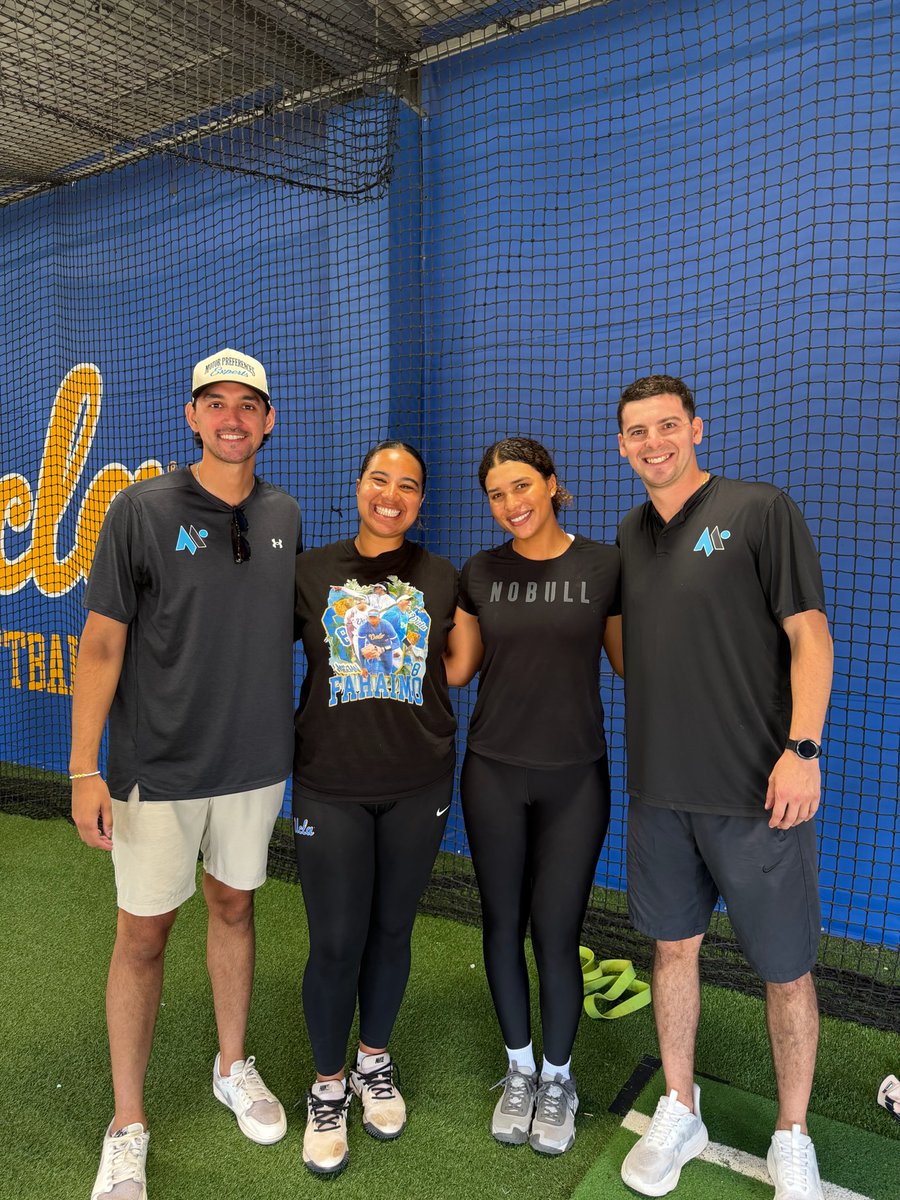
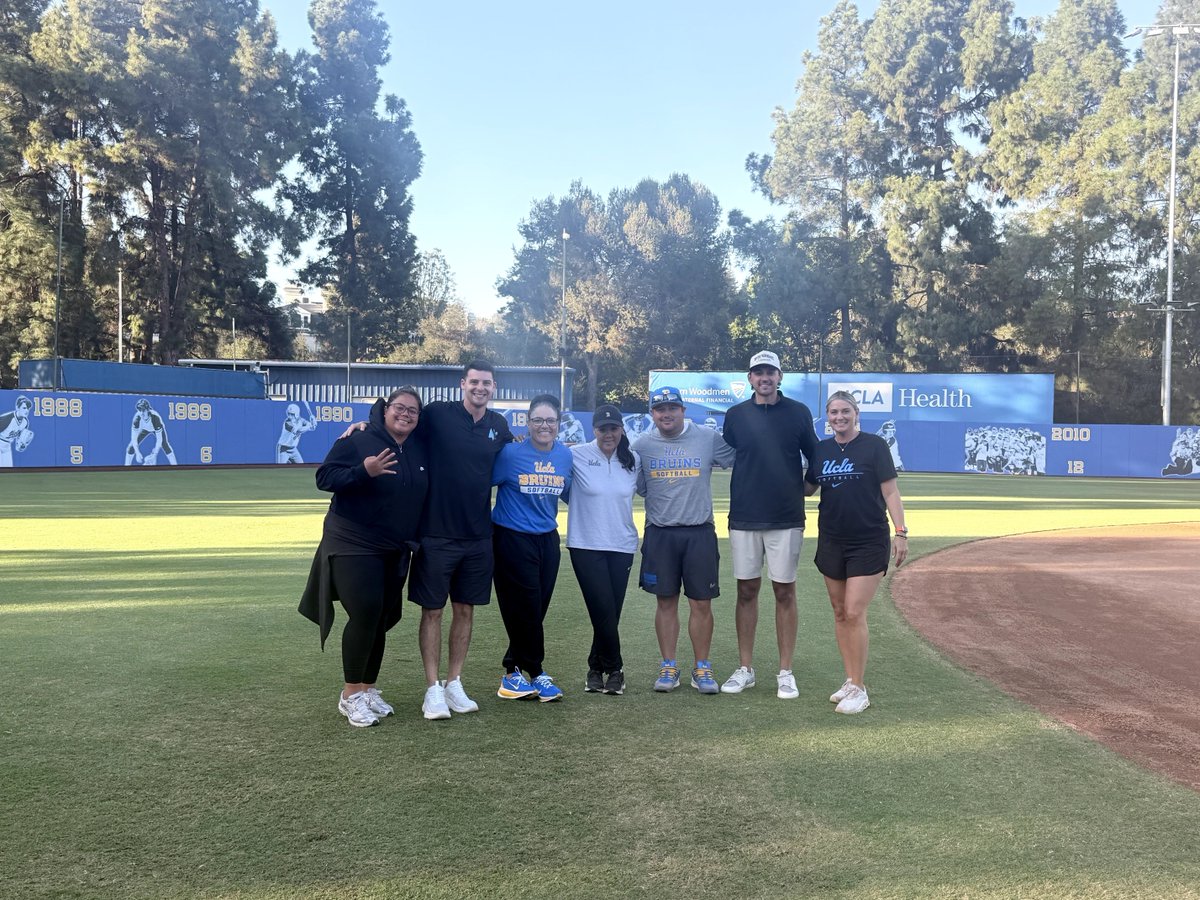
Back with UCLA Softball this week.
We assessed players, broke down video with the staff and went deeper into topics we introduced last year.
That’s one of the benefits of working with a program over time. You can move beyond introducing concepts and start having more specific conversations around the athletes they’re actually coaching.
Appreciate UCLA for having us back. #MPEFam
@UCLASoftball
Athletes are really good at finding ways to complete the task.
When a hitter or pitcher is out of balance, they'll usually find a way to make the movement work anyway.
Sometimes what we see as a mechanical flaw is actually a compensation for something happening earlier.
And imbalance itself isn't always the problem. It's whether that athlete is finding balance in a way that works for them.
Take an Aerial athlete who keeps getting stuck back on their heel. You can spend a lot of time trying to fix what happens with the hands, the upper body or later in the movement. But sometimes getting them back into a better balance position changes a lot of those things without having to coach them individually.
That's when you can start to ask:
Was that actually a mechanical problem?
Or was the athlete just finding a way to compensate?
We've had a lot of conversations around this with hitters and pitchers this fall.
@sliqqbill Great point and of course this athlete uses his legs still but not in the traditional sense of using his legs and getting low into the ground like so many players have been coached into.
How many coaches are going to tell this player “If you got into your legs it would give you more power”?
Maybe it does but maybe it doesn’t.
Are you performant and are you pain free?
Jason Spray Jr. (‘30 GA) goes way out to the pull side for a homer. Top of the class strength w/ plenty of feel for the barrel; 2nd ranked player in the ‘30 national rankings. #FallPGWS@PG_Georgia
What does the “right” batting stance look like?
These are some of the most productive hitters in baseball this season.
Different stance widths. Different depths in the box. Different distances from the plate. Different angles.
Something we recently talked about with one of our coaches is that athletes may get to similar positions during a swing, but how they get there can look very different.
That’s where preference becomes important.
The goal isn’t to make every hitter move the same way. It’s understanding why one hitter may want to do something differently than another.
Are you constantly fighting to pin a hitter’s back elbow down?
Or constantly fighting to get them to keep more space?
We see hitters who naturally want more space, hitters who work tighter to the body and plenty in between.
If you’re constantly fighting an athlete in one direction, is there a reason they keep finding their way back to the other?
Maybe the first question isn’t how do we fix it.
Why do they keep going back there?
When a player tells you they feel “off,” where do you start?
Before getting too deep into the swing or delivery, sometimes the first question is much simpler:
Are they balanced?
Athletes are elite compensators. They’ll find a way to complete the task.
But how much extra effort and energy does it take?
How much does that take away from the simplicity of putting the bat on the ball or consistently filling up the zone?
For some athletes, maybe not much.
For others, those compensations can show up as inconsistency, performance issues or even tightness and discomfort over time.
That’s why balance is one of the first things we want to understand.
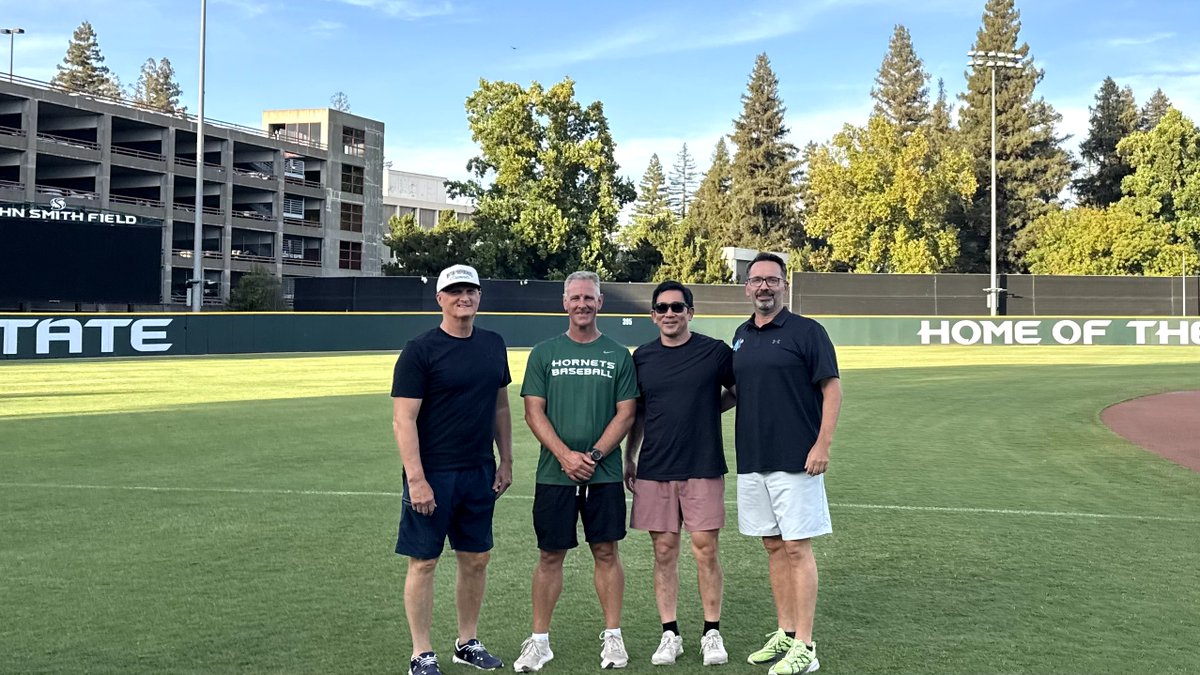
Back at Sacramento State working with Baseball + Softball 🐝
Player assessments and classroom sessions building on what we started last year.
A lot of what we do comes back to balance and coordination. The better an athlete can find both, the more opportunity they have to move efficiently.
Appreciate both staffs for having us back!
@SacStBaseball@SacStSoftball
#MPEFam
Think of Motor Preferences like a tool belt.
A tool belt helps organize which tools may be useful for the job and which ones may not be.
Think about a hammer and a screwdriver. You may be able to complete the same task with either one, but depending on the job, one is probably going to be more efficient than the other.
Same goes for working with players.
Motor Preferences doesn’t replace your coaching philosophy, your eyes, your experience, video, data or conversations with the athlete.
It gives you another piece of information to help understand which tools may make sense for the player in front of you.
Sometimes that may help explain why a cue works really well for one athlete and not another.
Sometimes it gives you another solution to explore when something isn’t clicking.
And sometimes it may confirm that what the athlete is already doing makes sense for them.
The more we can learn about the athlete in front of us, the more information we have to work with.
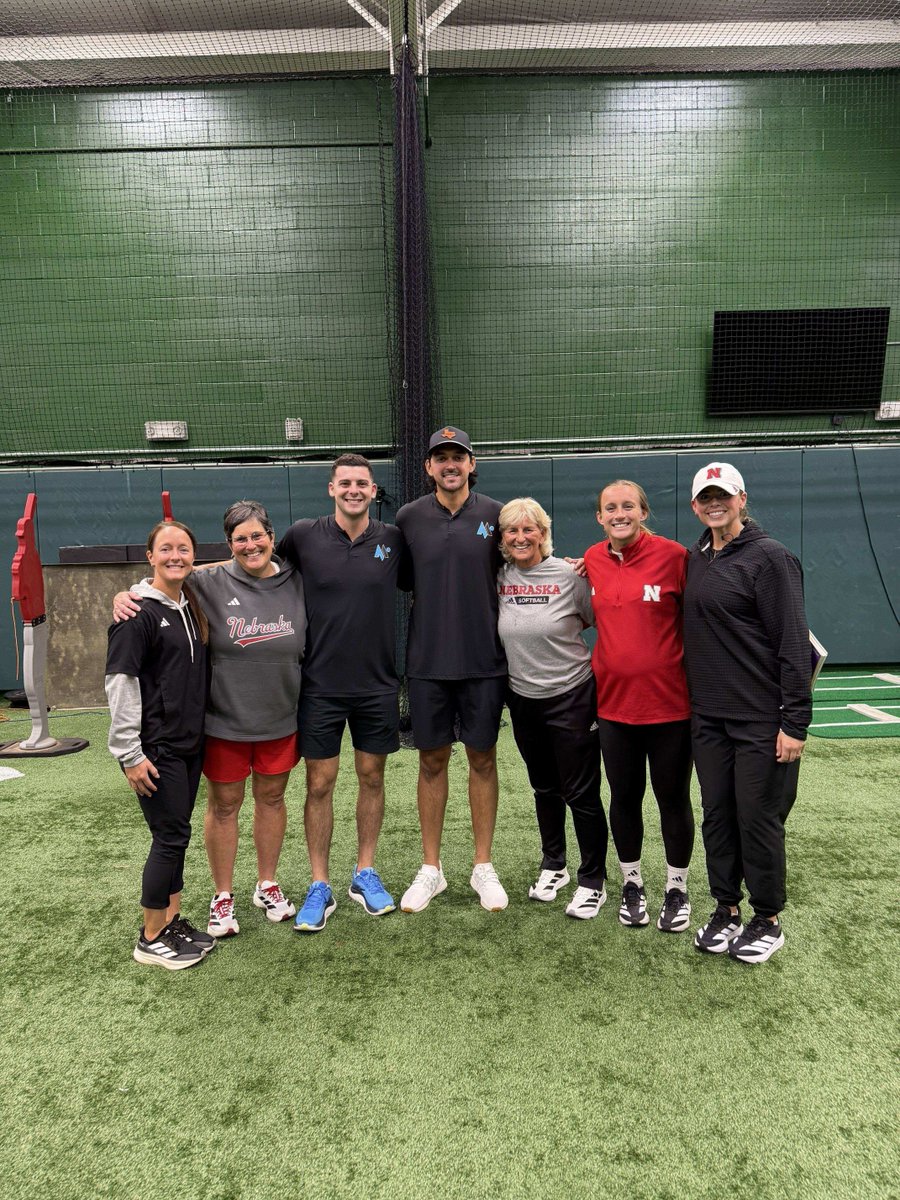
Year 2 with Nebraska Softball 🌽
This visit we were able to go deeper.
Classroom sessions. Player assessments. Conversations with the coaching staff around what we were seeing and how that information could be applied.
That continued learning is one of our favorite parts of working with a program over multiple years.
@HuskerSoftball | #MPEFam
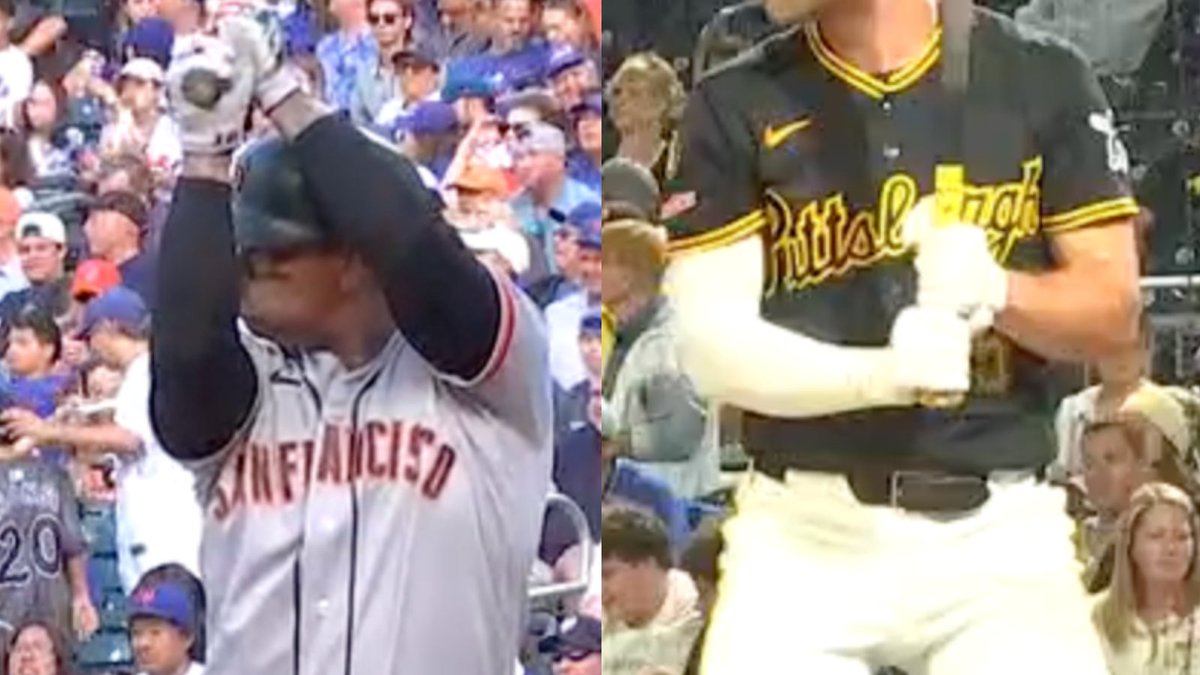
Two really different starting positions here.
Two really different starting positions here.
One starts with the hands much higher. The other is lower and closer to the body.
But what’s interesting is they still get to a lot of similar positions throughout the swing. How they get there is different.
That’s something we think about a lot.
If we only focus on the position we want an athlete to get to, it can be easy to start coaching everyone toward the same setup.
What happens if we move the hands higher or lower?
Does the athlete still organize the same way?
What feels comfortable? What feels forced?
Athletes can complete the same task in different ways.
The bigger question is how do we know which way may make more sense for the athlete in front of us?
That’s where Motor Preferences can give us more information.
One starts with the hands much higher. The other is lower and closer to the body.
But what’s interesting is they still get to a lot of similar positions throughout the swing. How they get there is different.
That’s something we think about a lot.
If we only focus on the position we want an athlete to get to, it can be easy to start coaching everyone toward the same setup.
What happens if we move the hands higher or lower?
Does the athlete still organize the same way?
What feels comfortable? What feels forced?
Athletes can complete the same task in different ways.
The bigger question is how do we know which way may make more sense for the athlete in front of us?
That’s where Motor Preferences can give us more information.
Two upcoming opportunities to learn Motor Preferences in person.
📍 Centreville, VA | Nov. 14–15
📍 Knoxville, TN | Jan. 16–17
Learn what to look for, how we assess and how to apply that information to the individual athlete.
Register 👇
https://t.co/3DWs4GN0WV
With pronation and supination pitches, a lot of the conversation for us comes back to volume.
An athlete preferring one doesn’t mean they can’t throw pitches that require the other.
We see pitchers use both.
The question is how much of each are we asking them to use?
If a pitcher shows us they prefer more pronation, that doesn’t mean supination pitches are suddenly off limits. We just may not want to build their entire arsenal around a high volume of them.
Same thing the other way around.
That’s an important distinction with Motor Preferences. There are so many layers beyond just pronation and supination within Motor Preferences.
This obviously doesn’t encompass everything we look at when it comes to pronation and supination, but it’s one piece of the conversation.
We’re not trying to put pitchers in a box. We’re trying to better understand what they may prefer so we can make better decisions around what pitches we ask them to throw, how often we ask them to throw them, and if there is a higher volume, how we can better help them recover.
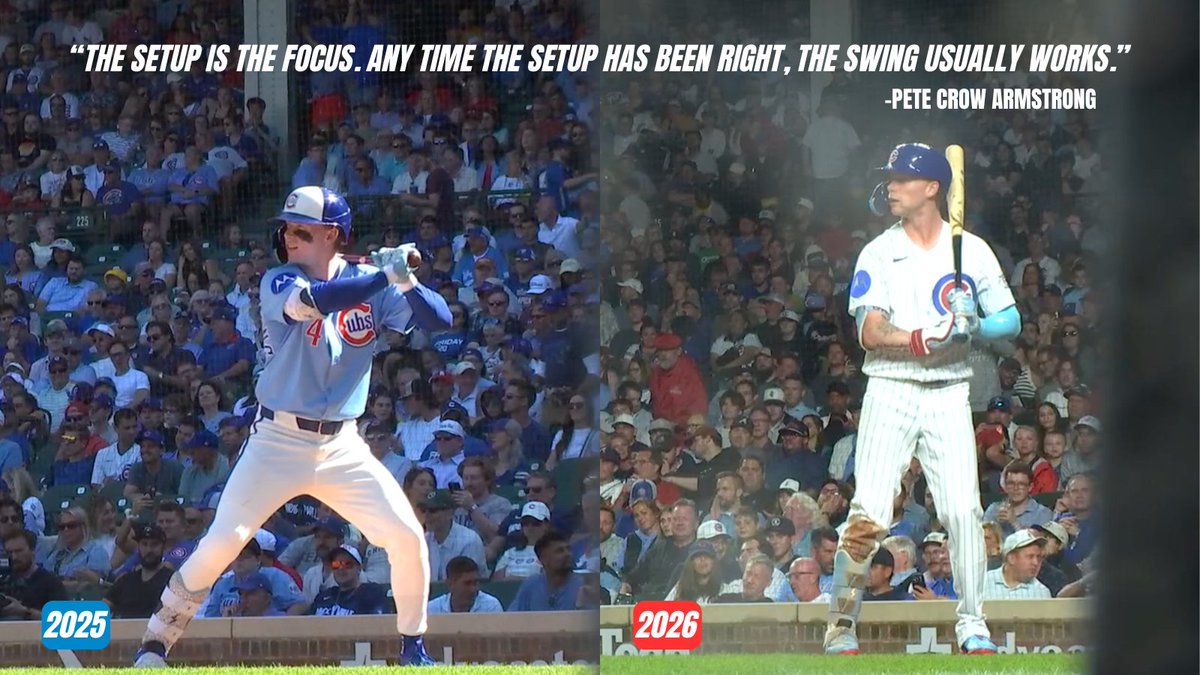
Looking at Pete Crow-Armstrong’s setup from 2025 to what we’ve seen during the 2026 season makes this quote pretty interesting.
The way an athlete starts a movement can influence everything that follows.
And we’re pretty sure there will be a bunch of young hitters who see PCA having success and go from a lower, wider stance to something a little taller and narrower.
For some, it might work. For others, it won’t.
That’s the important part.
Understanding what your athletes prefer gives you more information to decide what might make sense for them.
See Athletes Differently. Develop Them Individually.