After the most wonderful decade at Central, the curtain closes for the final time. I've written my parting thoughts in the blog below, but in short: thank you for everything, Central.
This December we are saying farewell to the one and only @MrJaffer1 He will be missed, and reading his farewell in the school blog, sounds like he will miss us as well #MrJafferIsCentral All the best for your new adventure!
https://t.co/KQ8SSOxs0C
***SCAFFOLDING***
Thread 🧵
Teaching is a complex activity with lots of factors interrupting learning.
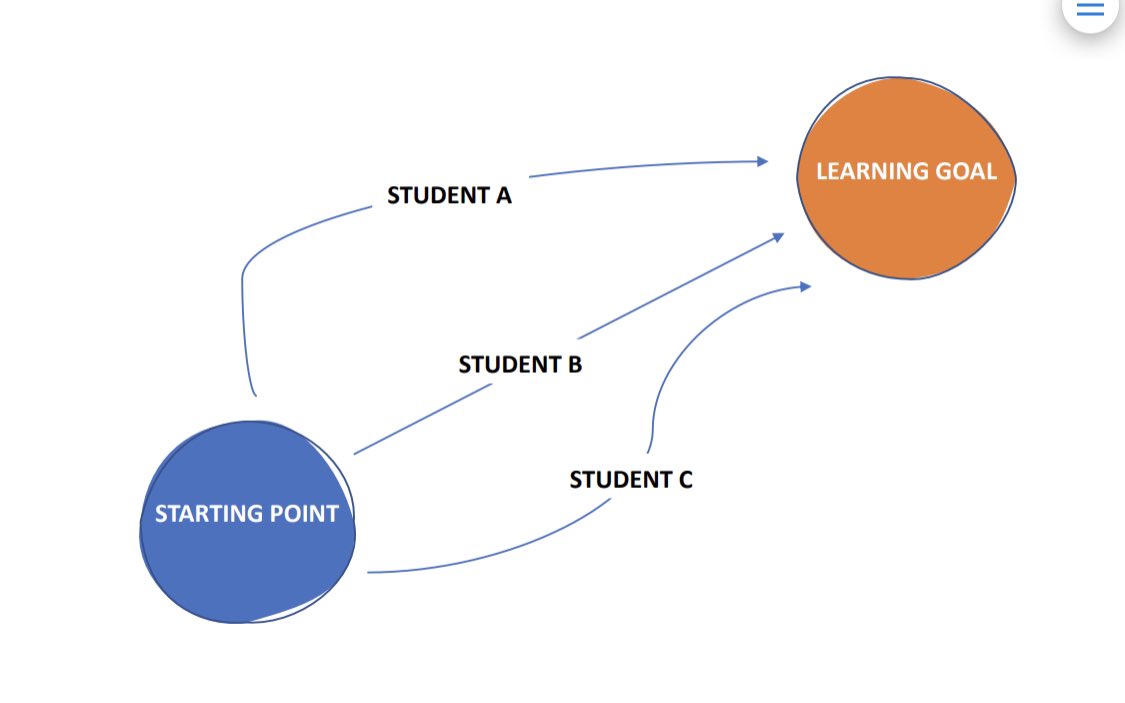
Scaffolding is a strategy that allows teachers to be responsive during lessons to support students to move towards the same end goal.
The route each students takes can look different.
1/
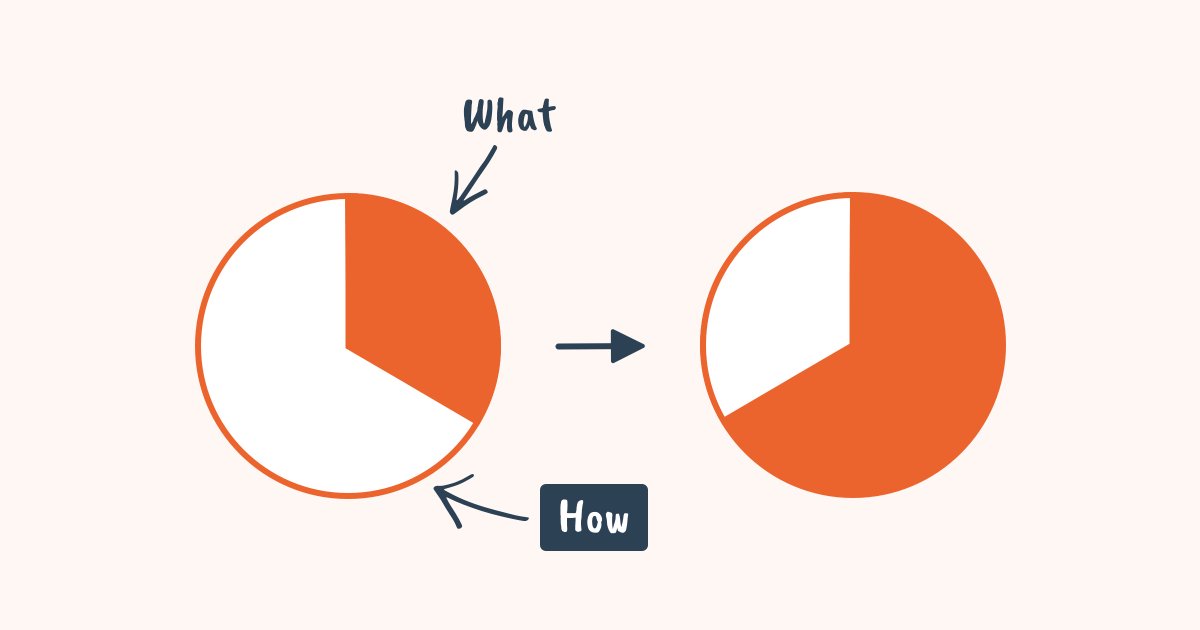
Routines enable students to spend less time thinking about the *process* of learning so they can spend more time thinking about the *content* of learning.
A thread on how teachers can redeploy attention:
↓
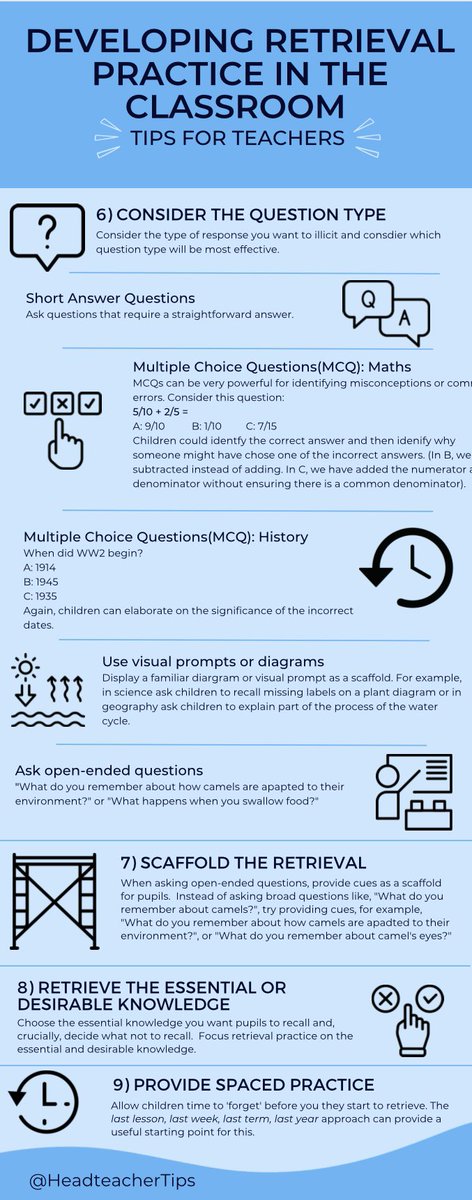
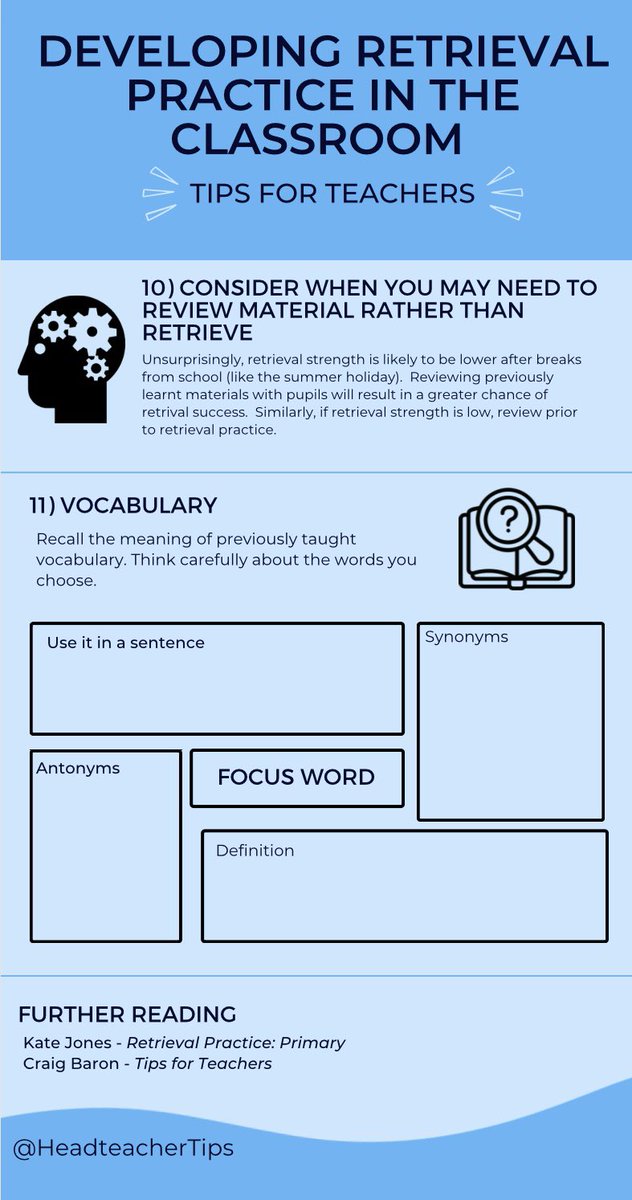
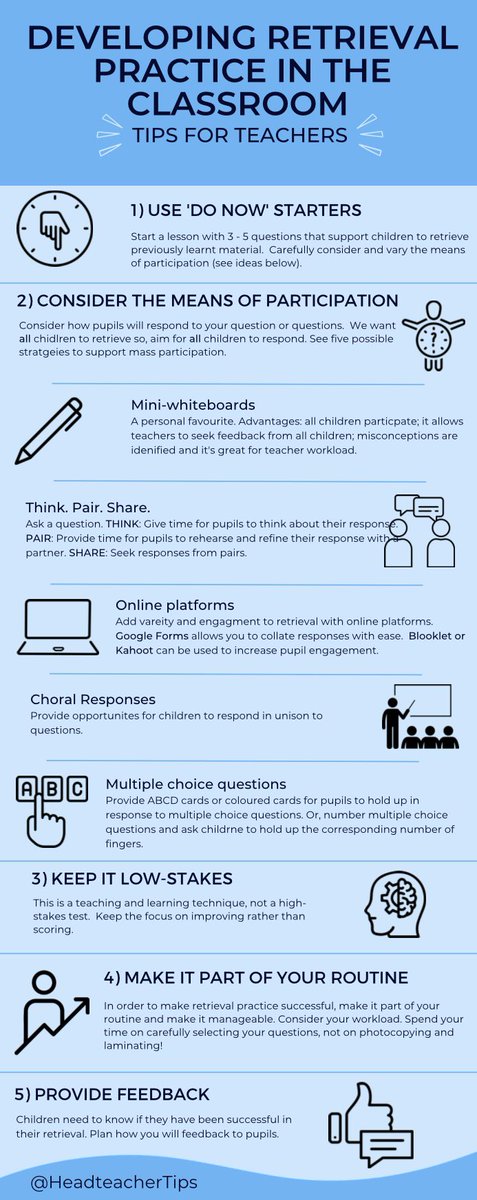
Suggestions and tips for implementing and developing retrieval practice in the classroom.
Ideas from @KateJones_teach and (probably) pinched some ideas from relentlessly listening to the @mrbartonmaths Tips for Teachers podcast.
FIRST DRAFT - feedback welcome!
#edutwitter
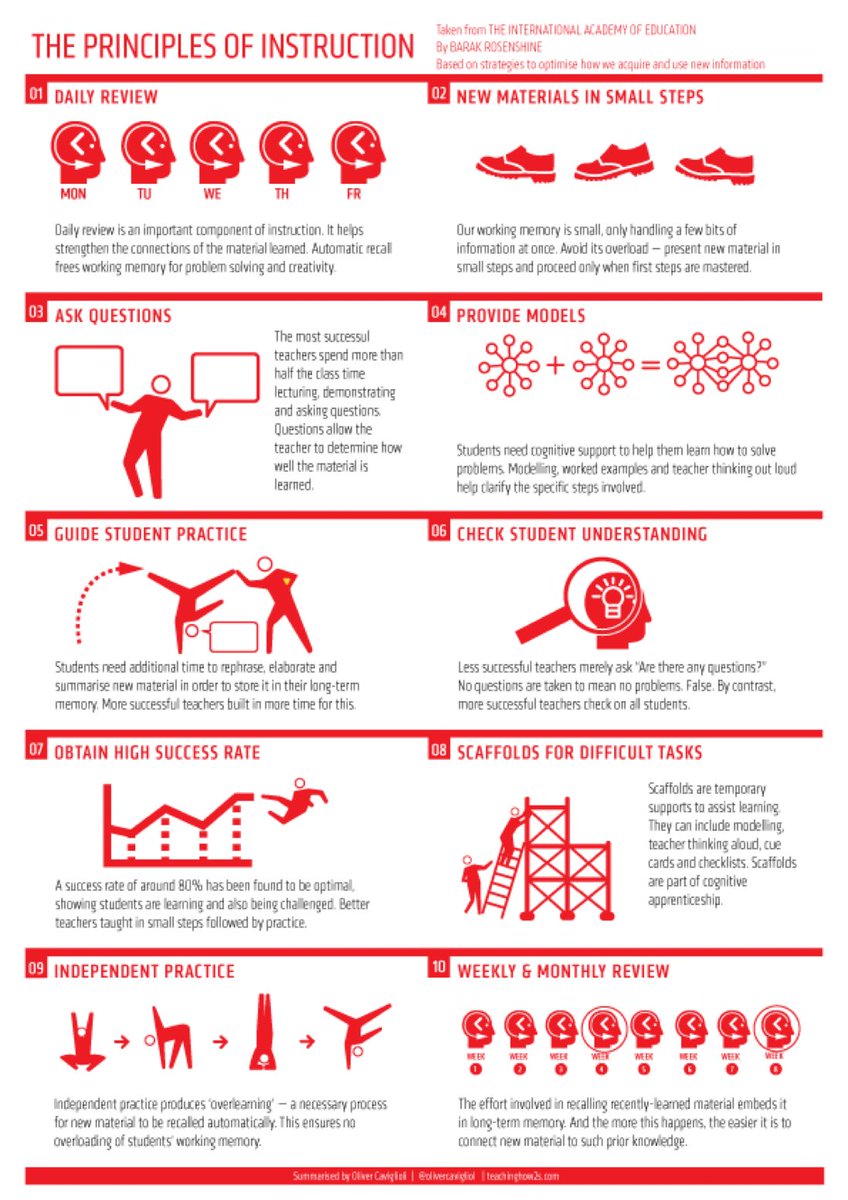
Explicit instruction can feel playful. It requires students to inquire. It often feels, to the student, like they are discovering something. The key is the teacher personally guiding students from novice to expert using key principles. Here they are, as illustrated by @olicav
📓 Happy World Book Day!
We hope that you enjoy this opportunity to celebrate reading in your setting.
We’ve developed a range of resources designed to help you support development in your classroom.
1/4
This line is so memorable for a reason.
It's a perfect use of "antimetabole" - the repetition of a phrase with its word order reversed.
Here are 8 more memorable rhetorical devices:
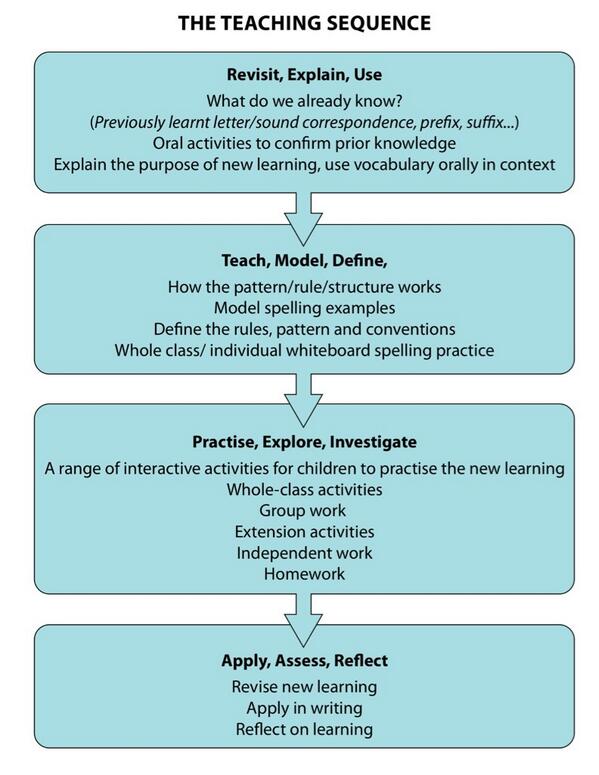
Some thoughts on teaching spelling with a specific focus on how we approach the statutory lists on the NC:
It’s quite common to see words from these lists thrown at kids without much thought as to how these will anchor onto existing orthographic representations/understanding.
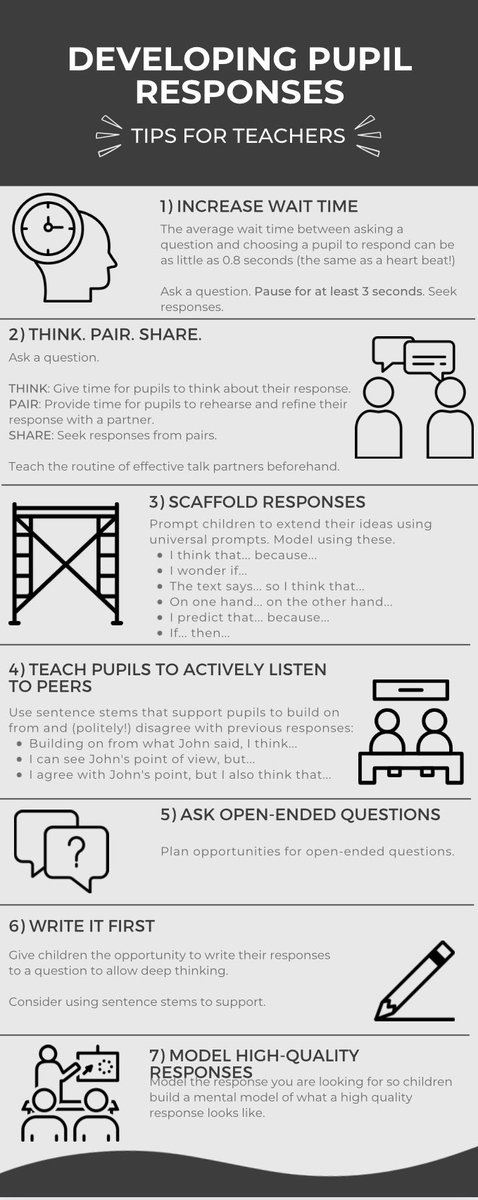
This is a first draft of tips for teachers to develop pupil responses. Can anyone add any tried and tested ideas? I will share the finished document with links to research/further reading/podcasts.
It’s possible to turn around a school in a relatively short amount of time. I’ve seen this recipe work, in more or less this order:
1. Ban phones
2. Concentrate admin efforts on behavior
3. Standardize routines and procedures
4. Build a culture of academics
5. Teach bell to bell
I’m looking for some fab school leaders to review my book ahead of its release in March. It’s a digestible read on how to create the conditions within our schools to have the greatest impact on the pupils we serve. RT or like this post for a chance to get a cheeky preview!👇🏽
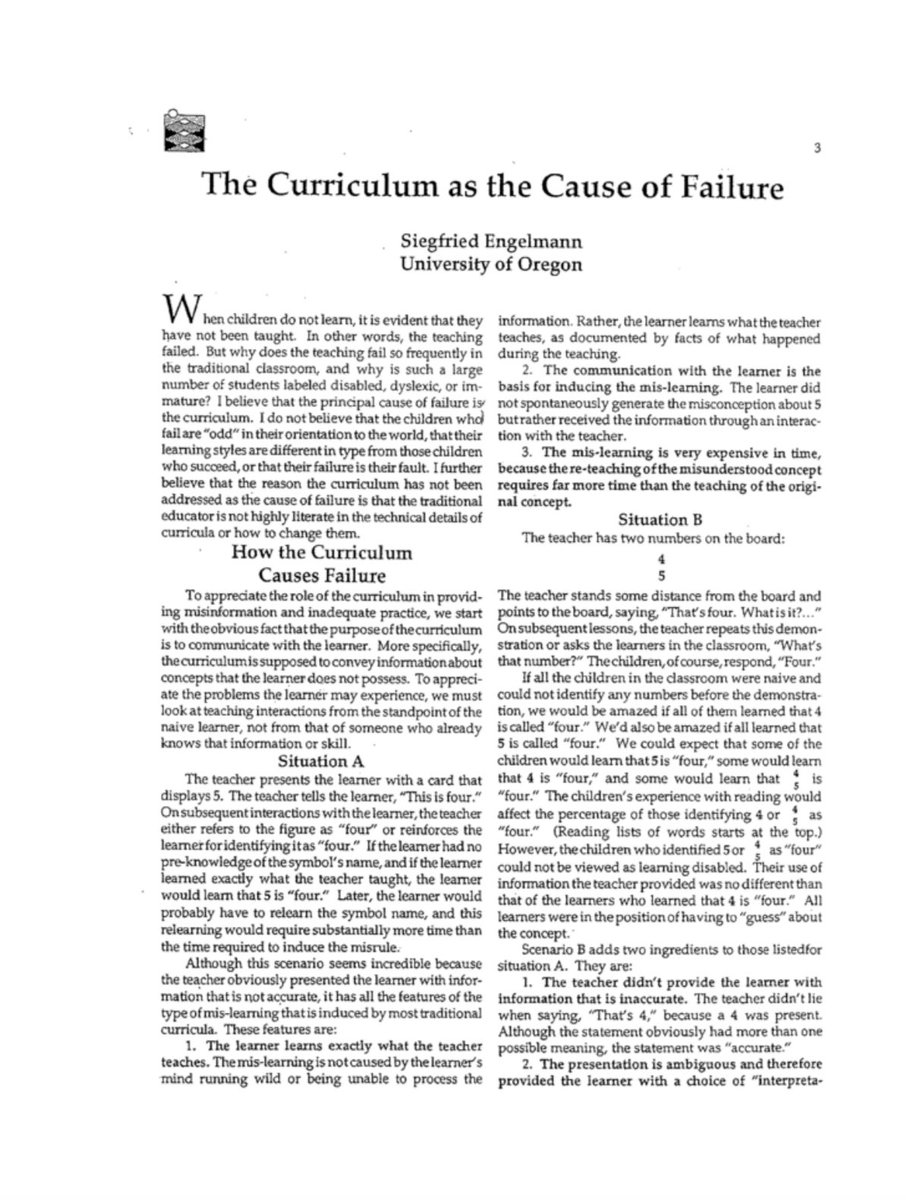
Just read this for some research I’m doing and wow. All curriculum/subject leaders should have a printed (and highlighted and annotated) copy of this at their desk: https://t.co/H2X1i0s0c1
🧵 '5 Free Research Reads On...Teaching Spelling'
I've begun a new blog series that brings together useful research on a range of topics. Here are 5 helpful research sources on spelling in one blog:
https://t.co/bqrE00WerZ
Read the thread for a quick fix of each link...
/1
I love a mini whiteboard but these are next level. One of Santa’s best buys!
No need to clean
No lost pen lids
Pen doesn’t run out of ink
Better pen control
Love it!