I’ve been playing with the number of demo episodes and training steps for ACT and I think I finally found the sweet spot for my SO-101.
I got decent performance with 50 episodes and 100k training steps, however operation was certainly not smooth.
But when I increased to around 80-90 episodes and 200k training steps, it eliminated a lot of the jitters and erratic movements for much smoother operation.
I’ve got each color of duck pick or place running AI models with various training params, so I’m excited to experiment on stream
The tweet-controlled livestream where you can tell my robot what to do should be live in less than a week now!
Train AI robots without writing a single line of code. 🤖
We just launched LeLab, the official graphical user interface for LeRobot built by @rabault_nicolas. It completely removes the command line from the robot learning workflow, taking you from raw hardware to autonomous movement visually.
If you've ever wanted to get into AI robotics but were held back by complex terminal setups, this is for you.
- Zero-Terminal Setup: Smart calibration with automatic USB port detection.
- Easy Data Collection: Teleoperate your robot and record a dataset.
- One-Click GPU Training: Don't have a massive local GPU? Scale your training instantly with Hugging Face Jobs right inside the app.
Just plug in your SO-ARM101 and start teaching your robot. We put together a complete, step-by-step video guide showing exactly how to get started and train your first policy.
Docs: https://t.co/PrUEIeaXKW
GitHub: https://t.co/SFuOiN8rjN
Computer science will stop being taught as a useful craft; it has become an explanation of how the world works, like physics, biology and chemistry. This change is long overdue.
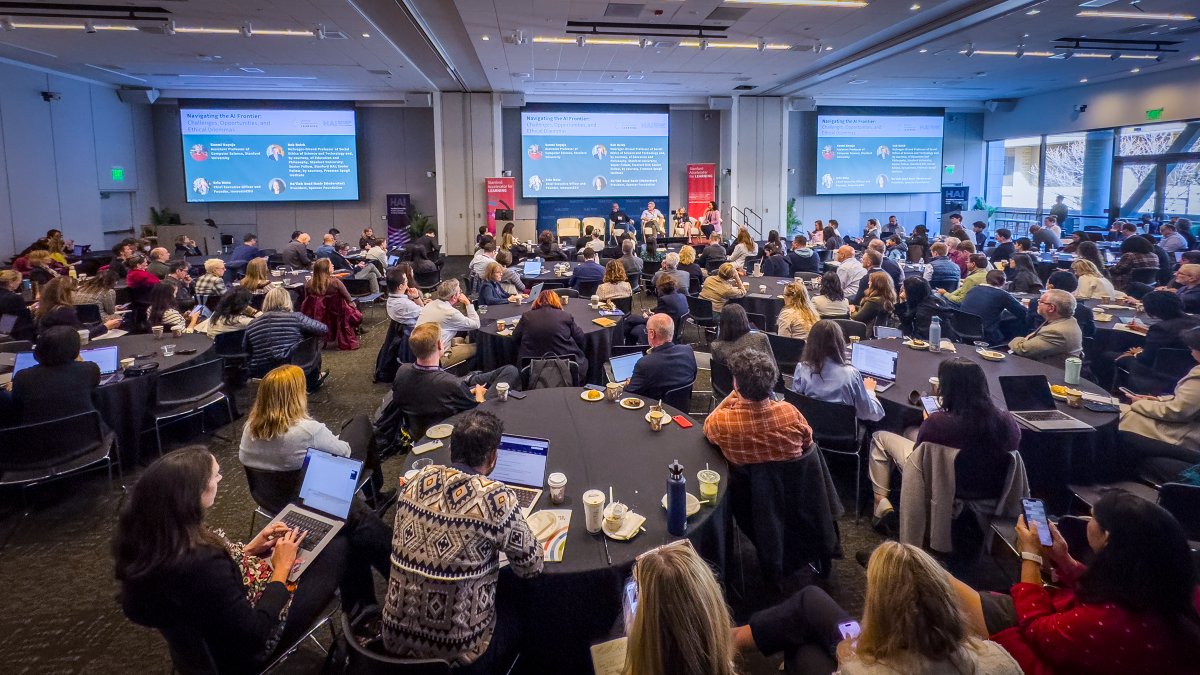
AI is advancing faster than our learning systems, raising urgent questions about creativity, critical thinking, and what it truly means to learn. We're going live tomorrow to navigate these critical conversations at the AI+Education Summit. Register now: https://t.co/HrZBgHrrjt
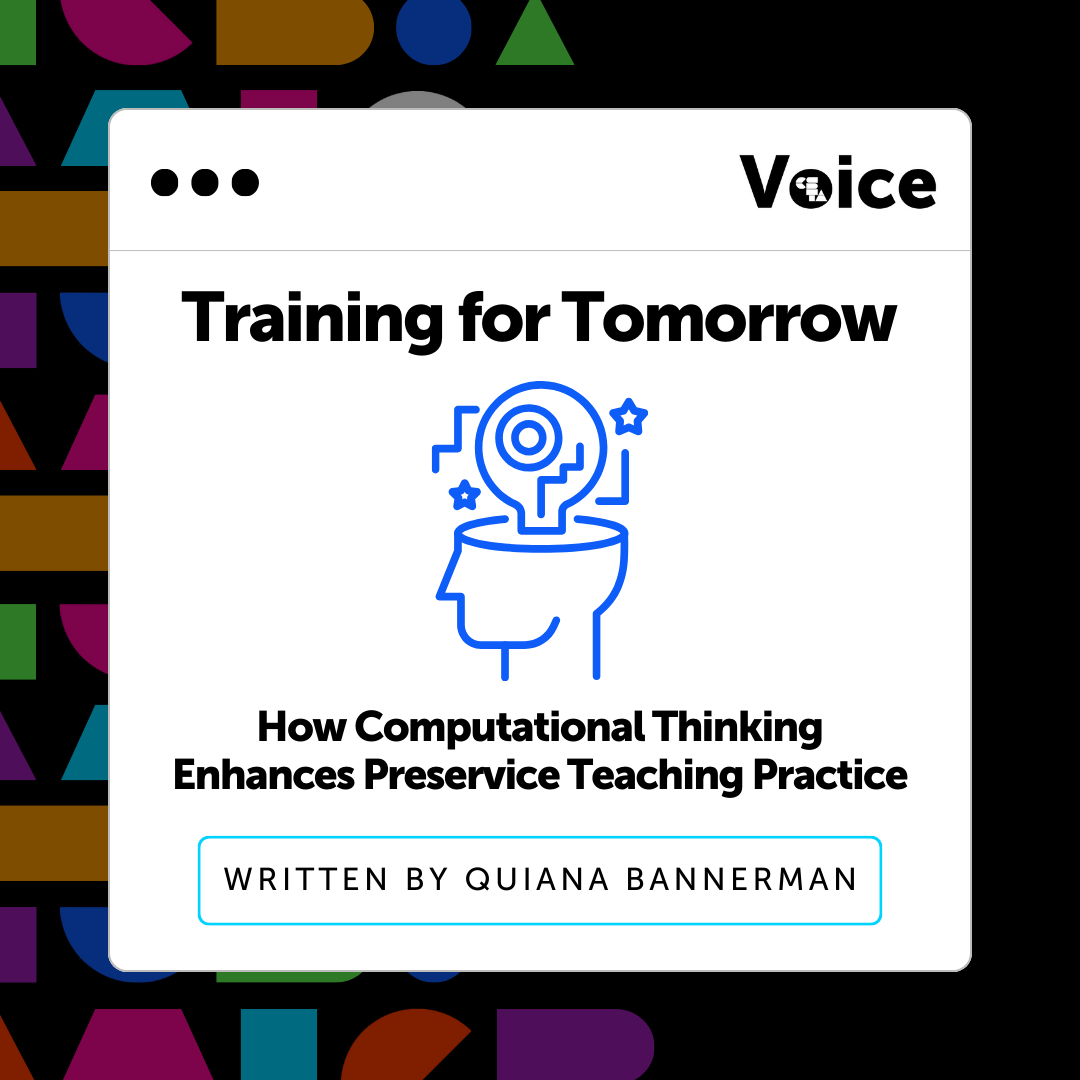
Computational thinking isn't just for CS teachers—it's a foundational skill for ALL educators. Discover why computational thinking is essential for preservice teacher education: https://t.co/lFcnvbNA1x
@UTArlington is seeking 20 teachers to participate in a hybrid secondary certification hub. Join and get prepped for the TExES 241 8-12 CS Cert or the TExES 242 EC-12 Tech Apps Certification Exam.
Learn more: https://t.co/Sn5nXMG2ug
Find your local hub: https://t.co/vpN6ZcfY8B
😀👉"Introducing Quantum Computing to High-School Curricula: A Global Perspective" (María Gragera Garcés, Luis Gómez Orzechowski, Juan Francisco Rodríguez Hernández, 2025)
https://t.co/yopDCBzas7
#QuantumEducation
Celebrating a Milestone with Soobum Kim & ARM Lab!
Thrilled to see the incredible Advanced Robotic Manipulation Lab take shape at Georgia Tech School of Interactive Computing—what a testament to hands-on robotics education!
LOVE 🤩! This Gemini 3 release has given both engineers and non-engineers the gift of building, with next-to-no ceiling on their creativity.
And it's only going to get better from here... When the friction from having an idea to implementing it is zero, there are no limits:
🤖 NVIDIA’s Gr00t N1.5 is now available in LeRobot!
This is the result of a great collaboration between the @huggingface LeRobot team and @NVIDIARobotics !
Gr00t N1.5 highlights:
🦾 Cross-embodiment foundation model for robots
🧠 Multimodal inputs: vision, language, and proprioception
🪛Tested on the Libero benchmark and real-world hardware tasks
🌍Trained on real robot, synthetic, and internet-scale video data
⚙️ Flow matching action transformer for action prediction
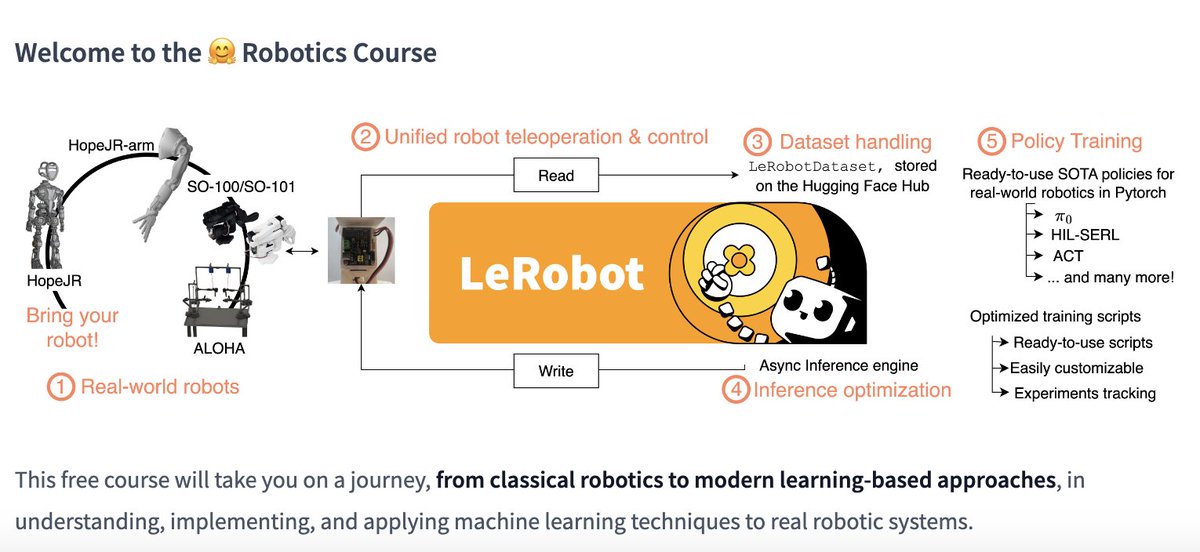
We just released a free online robotics course! Let's make everyone robotics AI builders thanks to open-source! 🦾🦾🦾
The course will take you on a journey, from classical robotics to modern learning-based approaches, in understanding, implementing, and applying machine learning techniques to real robotic systems.
It is based on the Robot Learning Tutorial, which is a comprehensive guide to robot learning for researchers and practitioners.
It bridges theory and practice in Robotics. It's designed for people interested in understanding how machine learning is transforming robotics. Whether you're new to robotics or looking to understand learning-based approaches, this course will guide you step by step.
At the end of this course, you'll understand:
- how robots learn from data
- why learning-based approaches are transforming robotics
- how to implement these techniques using modern tools like LeRobot
🦾🦾🦾
Happening TOMORROW! 🚨
Join us @ 6 PM ET for the K-12 Data Science Learning Progressions webinar. See how data science connects across ALL grades & subjects + explore our new site & free resources!
Sign up 👉 https://t.co/eTstDNRrfk
The world runs on data, but too often, classrooms are not keeping up. These learning progressions were created to help educators build data skills into learning experiences at every grade level. Explore the full framework at
https://t.co/QGRzsZHr2G
Foundational K-12 AI education will support students in developing positive identities as informed citizens, critical consumers, and responsible creators of AI.
Learn more about #AILearningPriorities: https://t.co/uasQ2a8TnA @AI4K12
Big news 🎉 The nation’s first K–12 Data Science Learning Progressions are LIVE! But what are they?
They’re:
📊 A clear roadmap for teachers
📉 Arriving as NAEP math scores drop
🤖 Built to prep every student for a data-driven future
🔗Explore at https://t.co/pzWDgwsvKe
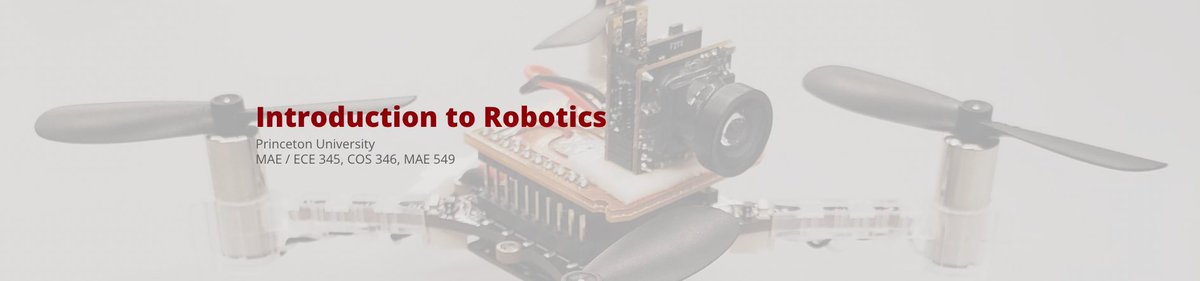
I am teaching Intro to Robotics again at @Princeton. New this year: final project where students use imitation learning to make drones navigate! Starter code will be publicly available.
All other course materials (lecture videos, notes, etc.) from F'22:
https://t.co/7riiMZ4gPh