Enjoyment is not the same as engagement. Marking is not the same as feedback. Managing is not the same as leading. And drawing pictures is not the same as dual coding.
Reading education blogs changed my practice, so I always want to try take the opportunity to share the love.
Here are a few free blogs I've read recently that I thought were super, please share if you can!
I work at a school that doesn't have merit points or rewards or anything like that, so this piece by @msrebeccabirch on intrinsic motivation really appealed to me: https://t.co/gEMMUmpfla
We are in the midst of an SEND crisis, and part of the problem is outlined by @head_teach: that some schools have astonishingly higher numbers of students with SEND than others: https://t.co/WgKKA9qLF6
@joel120193 is smashing out hit after hit on his blog, and this piece on the sheer amount of things teachers have to do resonated: https://t.co/mLZJbExzxy
@mpershan wrote a typically scholarly, wide-ranging and sophisticated piece on implicit vs explicit learning, the memorisation of maths facts and much more. https://t.co/wzdja56EhE
Next up are two posts on AI:
@alex_crossman has written an excellent piece on the risks of AI to education. Our job is to get students' thinking hard, and AI's job is to get people thinking less hard. These aren't compatible, and we need to pull the brakes hard. https://t.co/KlbPPvalW6
Whilst not strictly about education, Gary Marcus's entry here about the security risks of OpenClaw and other weird things is vital if we are to take internet and AI security seriously. https://t.co/qSHAIfEQEO
Of course, I've been blogging too, and you can check out my entries here: https://t.co/ybu2w6TiD9
As stated at the outset, please share if you can!
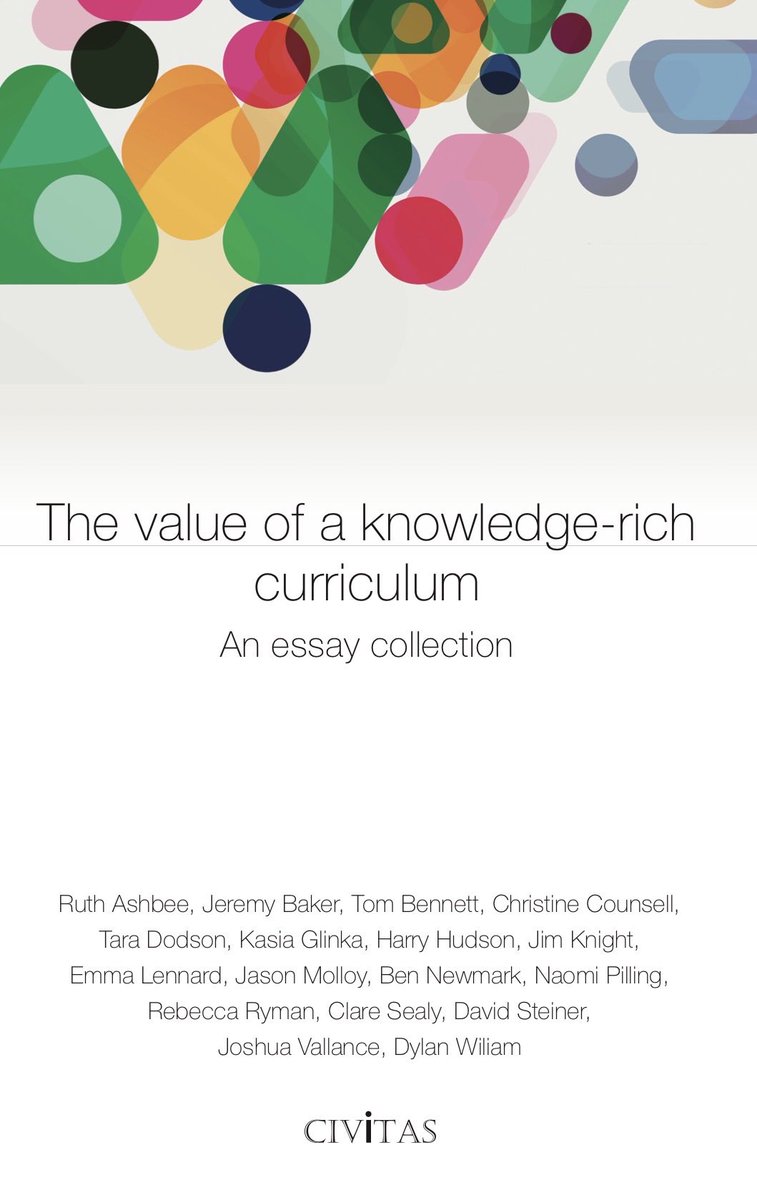
An intriguing collection of essays on the idea of ‘knowledge rich’ curricula, teaching & learning.
Essays include Naomi Pilling’s brilliant argument for ‘knowledge rich’ art curricula & @bennewmark on ‘knowledge rich’ for children who can struggle most.
https://t.co/VPmkTnhhd4
Everyone agrees - a love of reading is a good thing. Reading plenty of fiction and non-fiction is a great foundation for learning.
But what’s the best way to evidence this?
Being a good reader doesn’t equal a love of reading.
A love of reading is epistemic curiosity in action; its depth is a qualitative question, not a quantifiable score.
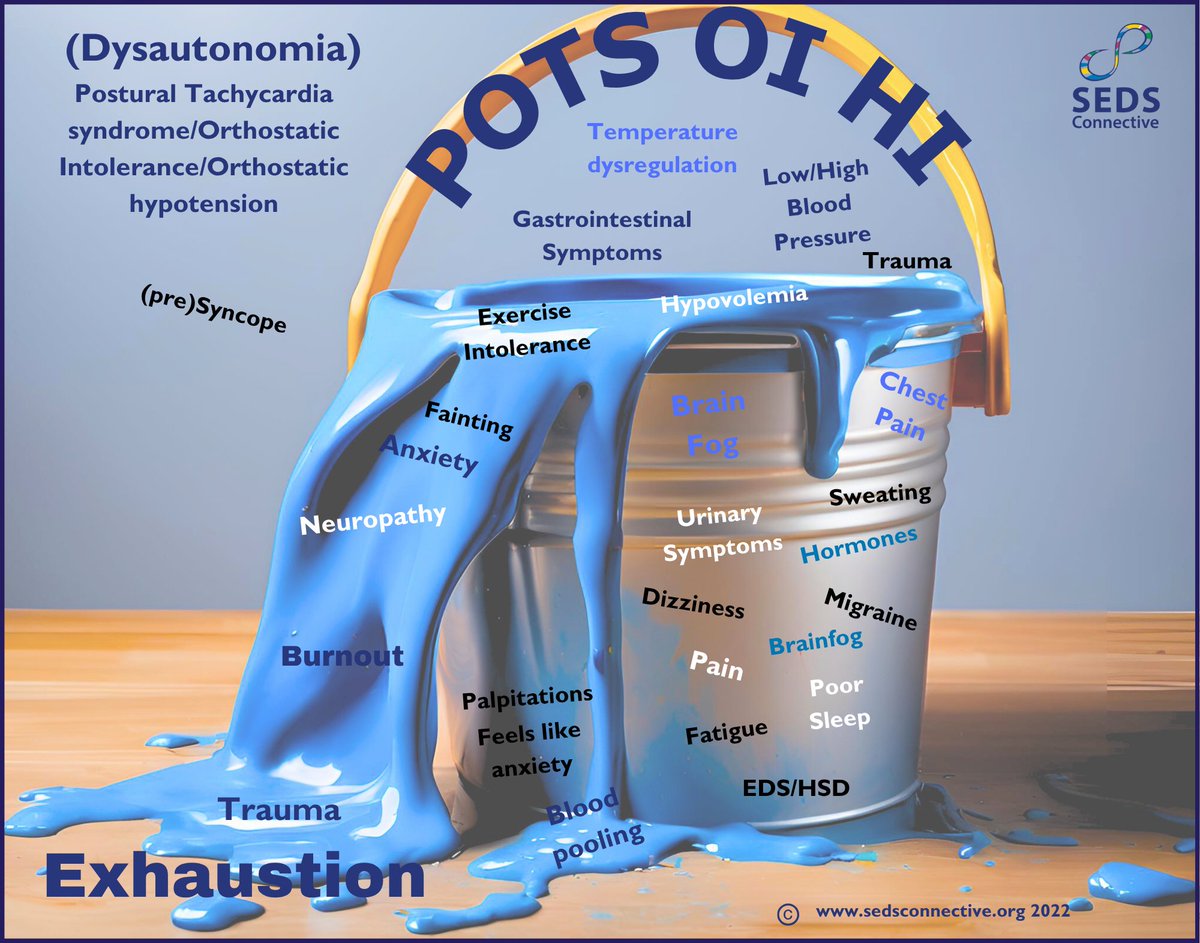
Do you know if you have symptomatic hypermobility you are more likely to have POTS (Postural Tachycardia Syndrome)
It's Dysautonomia awareness month and POTS is one of the common diagnoses our members have particularly after infections or illness too. This was evident in the latest studies about long Covid and connective tissue differences and neurodivergent people. See more below.
There are similar conditions too like orthostatic intolerance or Hypotension intolerance plus hypovolemia .
Read more about it in the blog by our adviser C Harris here : https://t.co/Kun8bgHV4p
We are the community led charity SEDS Connective for all these conditions and neurodivergence https://t.co/nLdeZdzOiY
#EDS #HSD #POTS #Dysautonomia #hEDS #connective
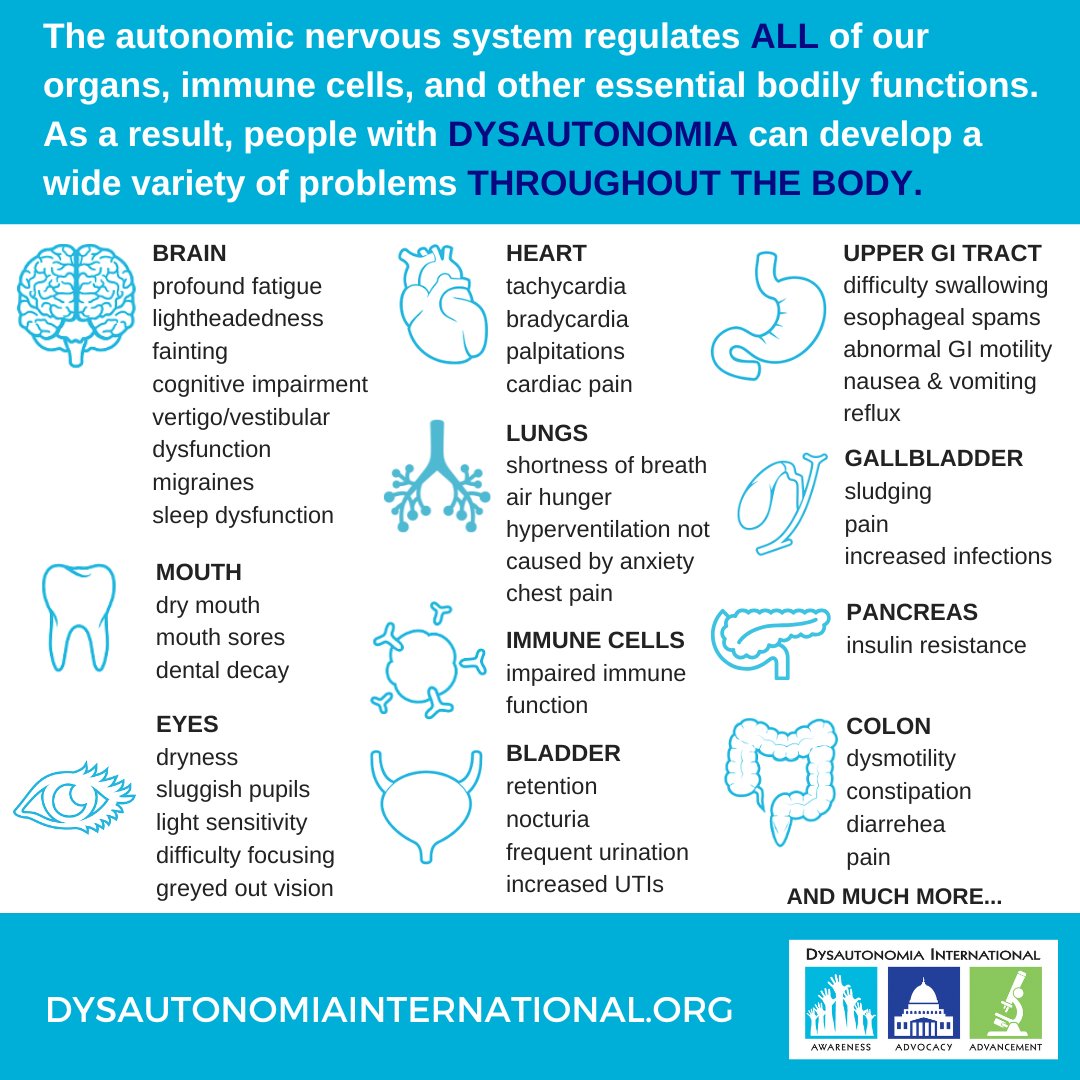
Dysautonomia is sometimes minimized, as if it's just lightheadedness and fainting, but the autonomic nervous system regulates almost everything. When it isn't working properly, people can develop a very long list of symptoms and organ complications. #DysautonomiaAwarenessMonth
Today we are sharing the @ITVCentral news interview with Emily as she talks about her experience of living with #PoTS.
We hope to share as many regions as possible to keep raising awareness 📽️💜
Thank you @sivanmanoj for your insight.
#MedTwitter@long_covid@LongCovidKids
💡 "The vocabulary is more rare, the sentence structures more complex, the patterns of imagery more elaborately constructed."
'Why teaching academic vocabulary matters'
https://t.co/XPBKNKFyQa
In too many schools, "support" has become a quiet permission to step away from learning. Side rooms. Exit cards. Safe spaces. Extra adults. Somewhere along the way, we stopped asking the obvious question: why are we removing children from the very place where they’re meant to belong?
Answering the 10 Toughest Questions About Inclusion
https://t.co/7o94j6tGZq
Adrenaline dumps happen when your body suddenly floods with adrenaline. This is the hormone that fuels fight or flight. It’s the nervous systems way of helping one “survive” when there is real stress or danger.
With POTS, the nervous system misfires. Adrenaline can surge from the smallest trigger. Loud sound, bright light, a nightmare, dehydration, sometimes for no reason at all.
These dumps can strike during the day or even jolt you awake at night, leaving you with a racing heart, sweating and an overwhelming wave of panic.
They often mimic POTS symptoms but turned up to 100. It’s like we are stuck in survival mode even though we are safe.
These surges can be exhausting, disruptive, and hard to predict.
They’re essentially the body’s survival instinct gone haywire due to nervous system dysfunction.
For those who experience this, I’m sure they can agree, this is not a fun feeling.