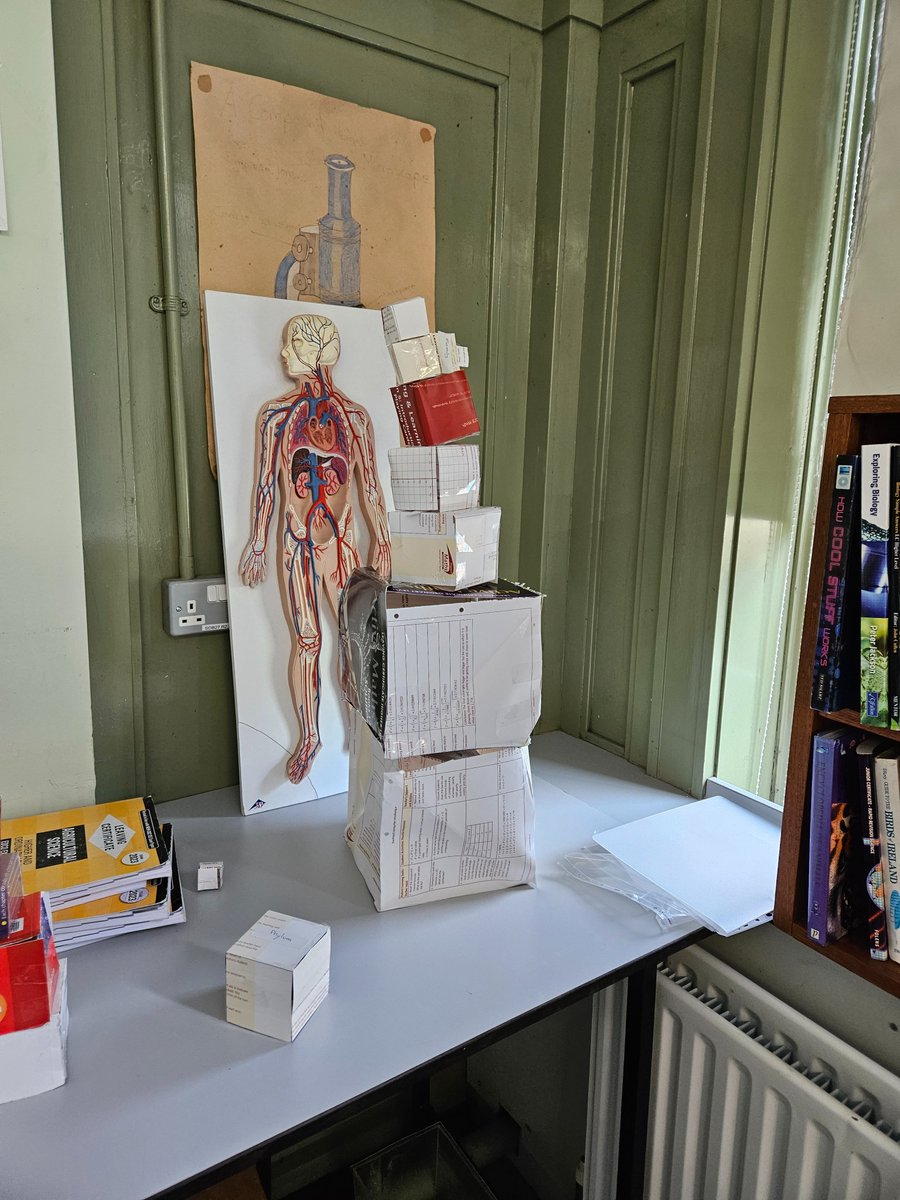
@X Teaching Transition Years in @Colaiste_Einde about taxonomic classification so we built labelled nesting boxes out of recycling. Smallest box 'Species' fits into the Genus box, then Family, then Order, then Class, then Phylum, then Kingdom and finally Domain.
A great double with my TYs where they used what they have learned about the layout of a farmyard to design and build their own dairy farm. My fifth years and leaving Cert were also able to look at them, discuss their strengths and suggest improvements.
@AgriAware@AgScie
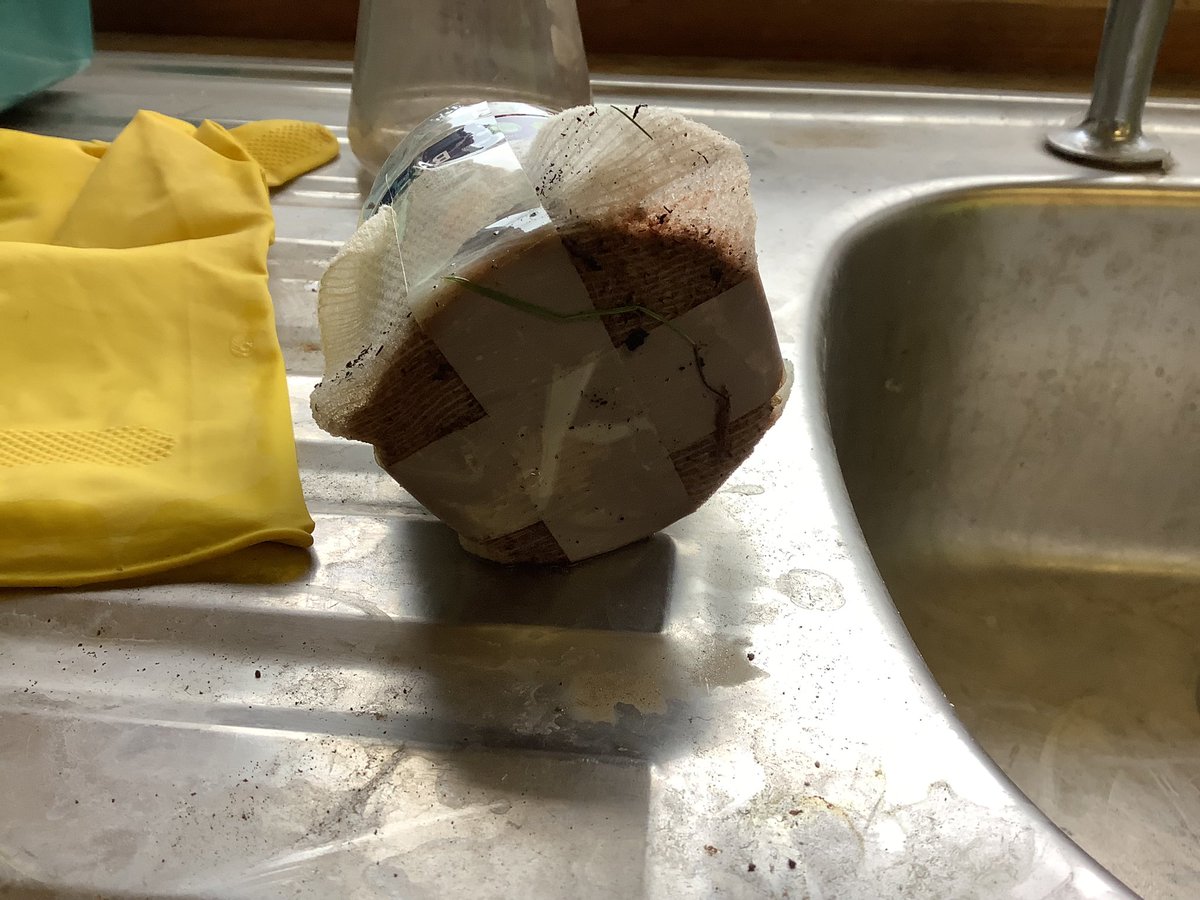
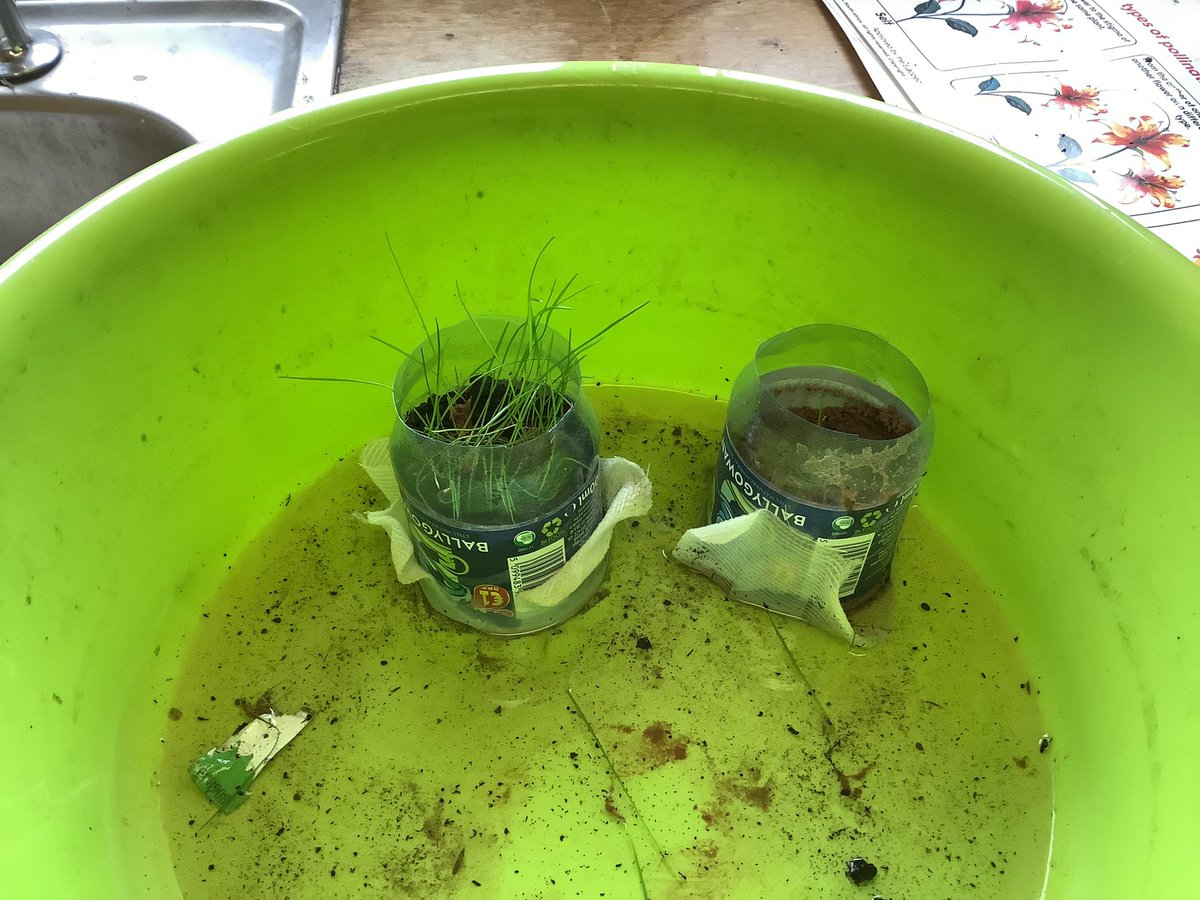
Capillary action in different soil types
Had no glass tubes so cut a water bottle and taped the bottom with bandage 😅
Growing grass seed reinforced that the clay soils have better capillary action.
Agri Aware and @ucdagfood are proud to launch the Essential Experiments video series for Leaving Certificate Ag Science Students
Keep an eye on our social today where we will be sharing the first video in the series 🙌🧪🔬
Learn more here - https://t.co/71icQbhIWe
@AgScience
Really interesting research from Holland on milk
If you combine the healthiness and nutrient content with the ecological impact (CO2) then milk is not bad at all. Actually, milk comes out better than plant-based imitations, Irish milk is even better with a low carbon footprint!
Using Mystery Boxes to study scientific method w/ LC Biology + 1st year Science. In groups, students note their observations about what might be contained within a certain box. Observations are then debated as a class. Revealing what’s inside the mystery boxes…optional 😆 #NoS1
This is the electrical conductivity of several solutions. Substances include tap water, distilled water, sodium chloride, hydrochloric acid, sodium hydroxide, sugar, vinegar, ethanol, and barium sulfate [source, full video: https://t.co/7ptUARw46g]