Every kid is a reader. The problem doesn’t lie with those who “don’t like” to read. The problem is in how we introduce, discuss, and “teach” reading to them, and what books we share and make available to them. The work is in figuring out how to reach each wonderfully unique kid.
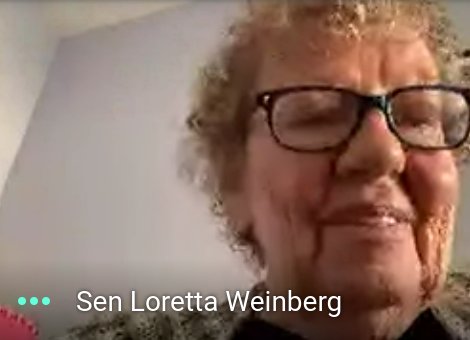
Today Senate Majority Leader Loretta Weinberg joined the MOHS Gender Equality Advocates for our Inaugural Meeting! Thank you so much @SenatorLorettaW for sharing your wisdom and expertise. We are so grateful for your leadership! @PrincipalMOHS@agratitudegirl@ZywickiR
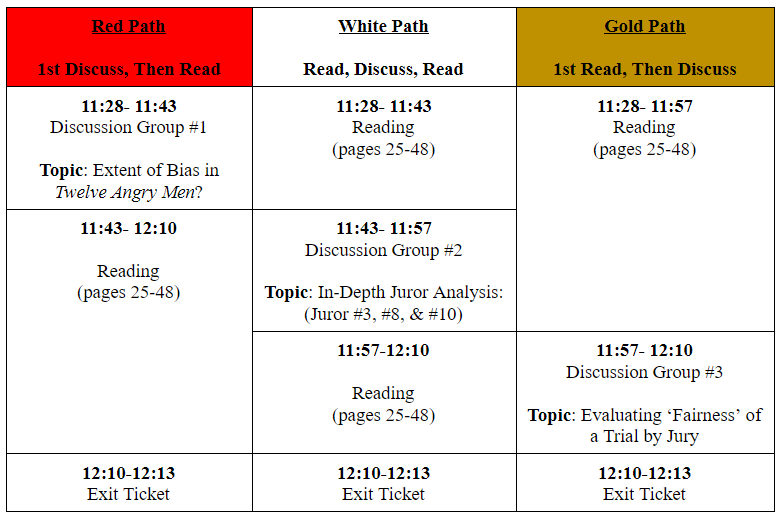
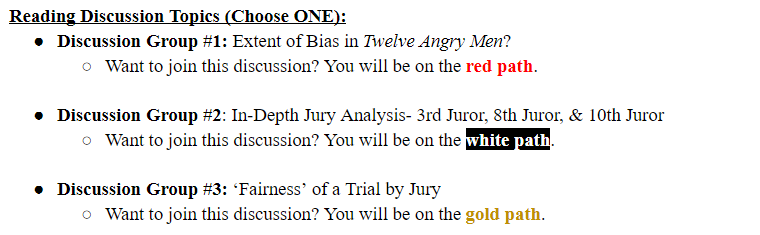
This week in ELA 9 H, students self-selected their own learning paths! Students self- monitored their independent reading time and joined their classmates for discussion groups along the way. @MsMargosiak @PrincipalMOHS@KevinRStansber1
Lesson idea: have students select a meaningful photograph, meme, tweet, or IG posting and write next to it. Why do they deem their selection "meaningful"? Why is this selection worth talking about?
This Tuesday: Part 2 of our CoLab w/ @KSchulten of @NYTimesLearning. Joining her are four educators who will share how they have used amazing student writing as mentor texts in their classes. Dec 15, 4p PT/7p ET #nwp#engchat https://t.co/gFrg418W0I
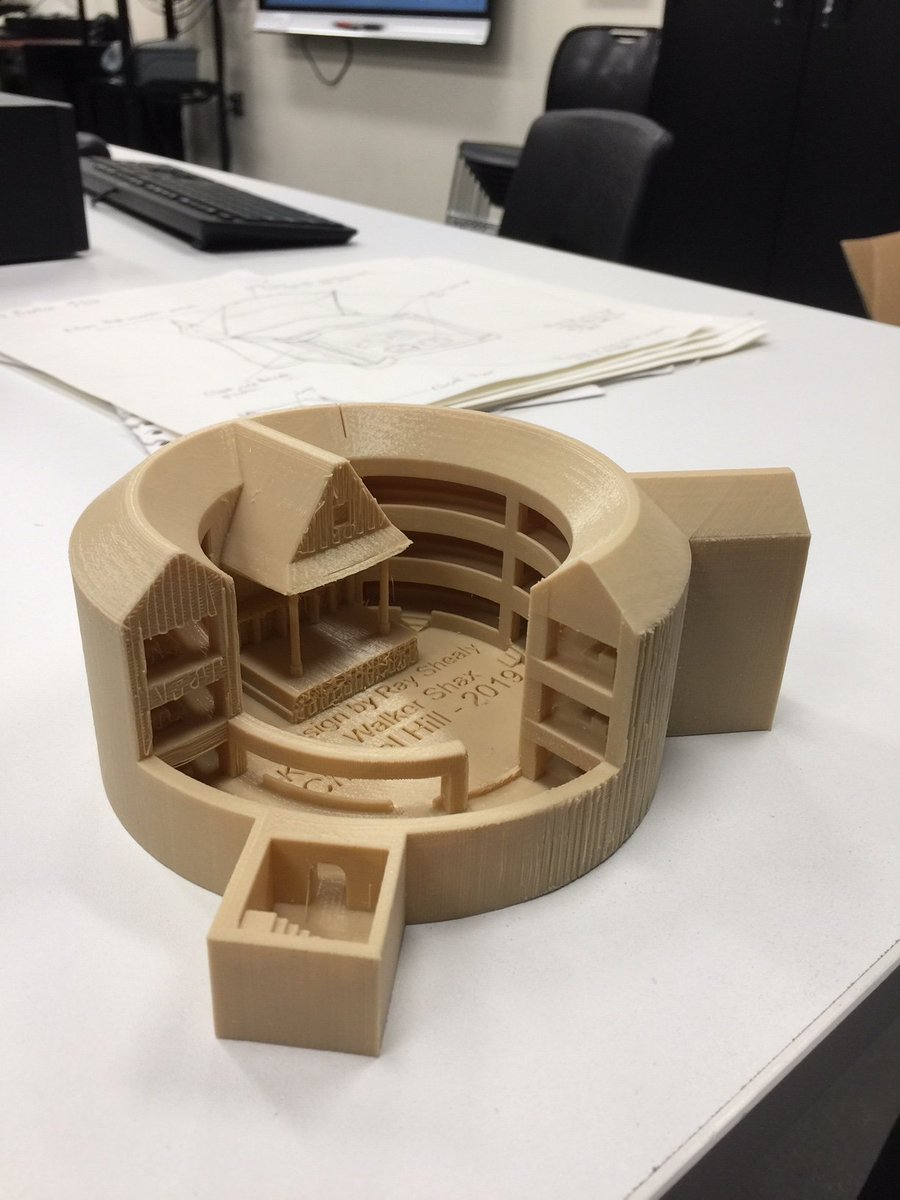
A 3D print model of Shakespeare's Globe Theatre. Thank you @mohs_lab! I can't wait to share this model with my students for our upcoming Shakespeare unit, it is so cool! @MsMargosiak @KevinRStansber1@MountOliveTSD
There are many reasons to continue reading aloud to students whether FtF or online. I examine three benefits in this July @sljournal Curriculum Connections post.
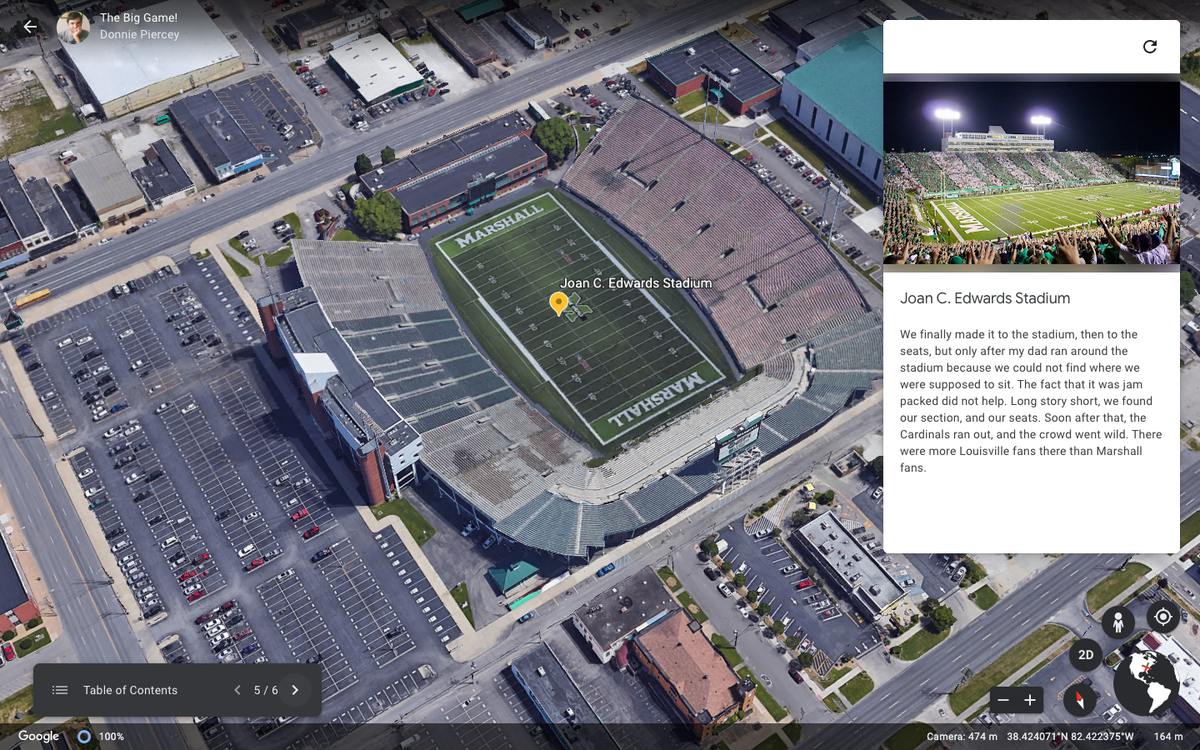
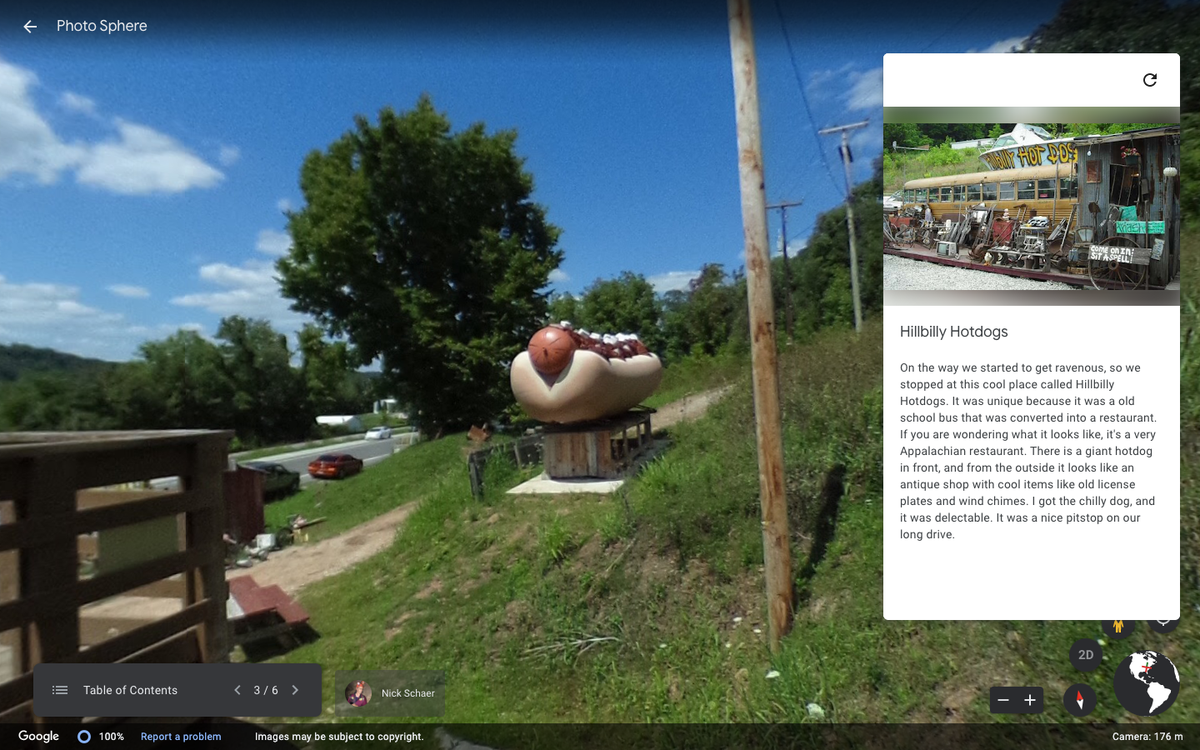
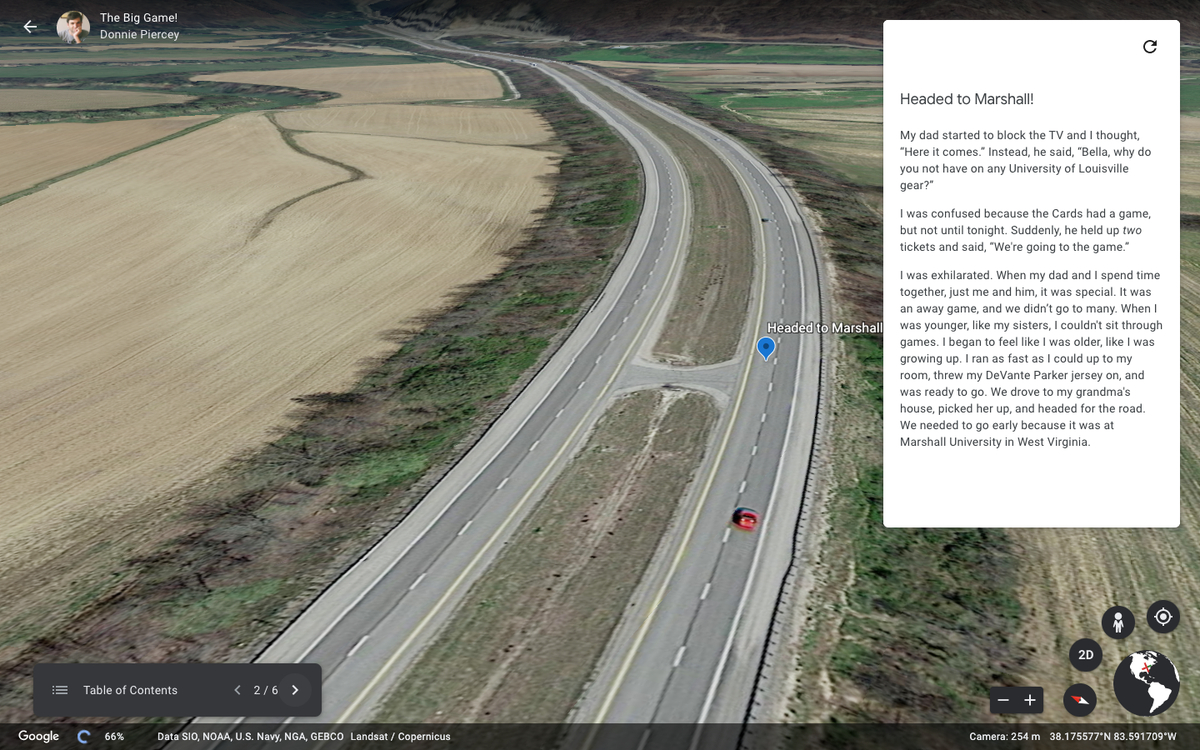
student writing doesn't always have to be on a google doc! why not have them write their personal narratives using @googleearth as their canvas? here's a student example: https://t.co/8QQ0jn8Hm8 #kygodigital#edtech
It is important that students read books where they see themselves in some of the characters. It is also important that students read books about people they would not ordinarily meet.