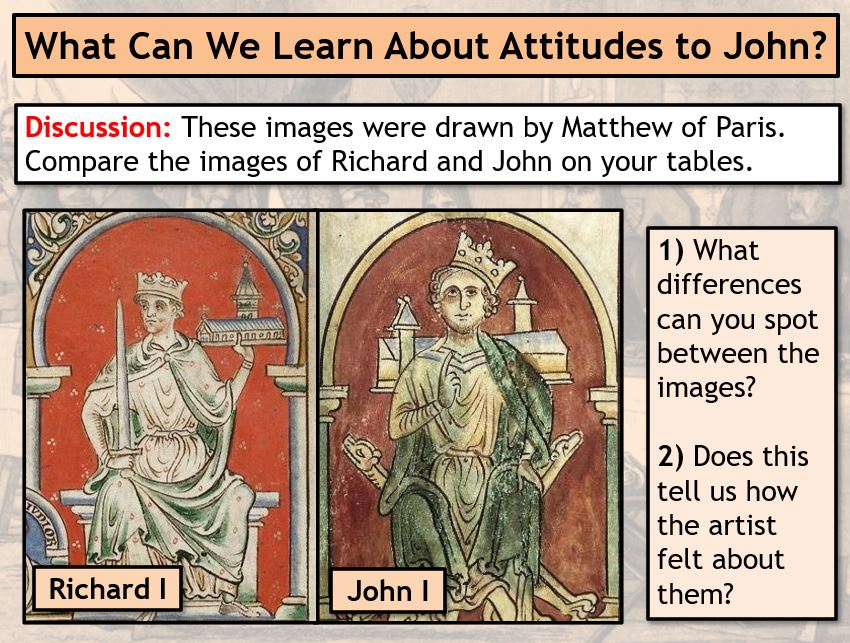
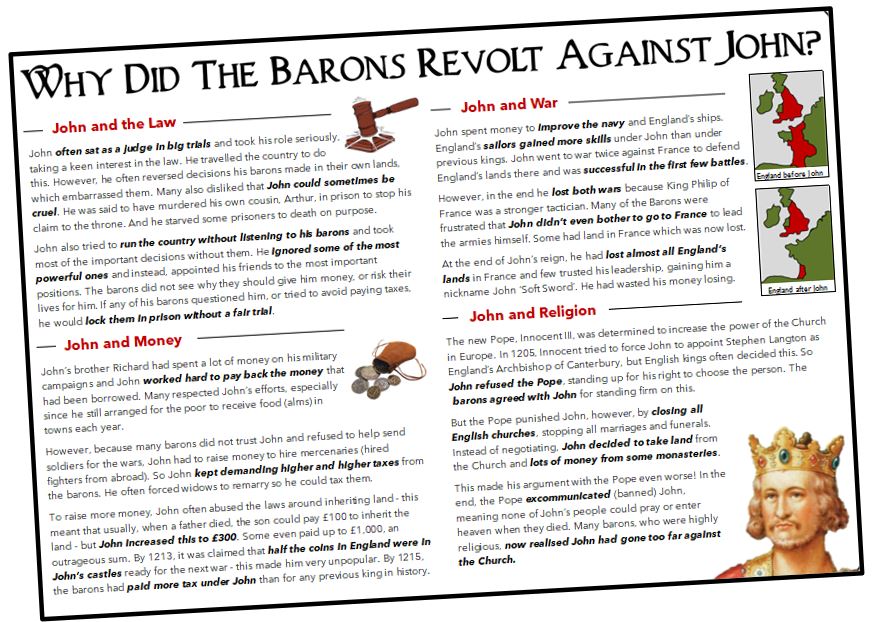
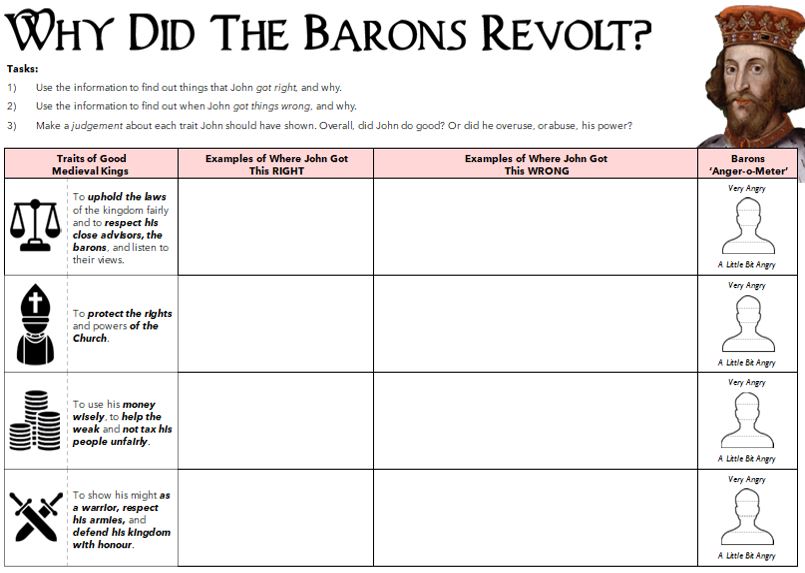
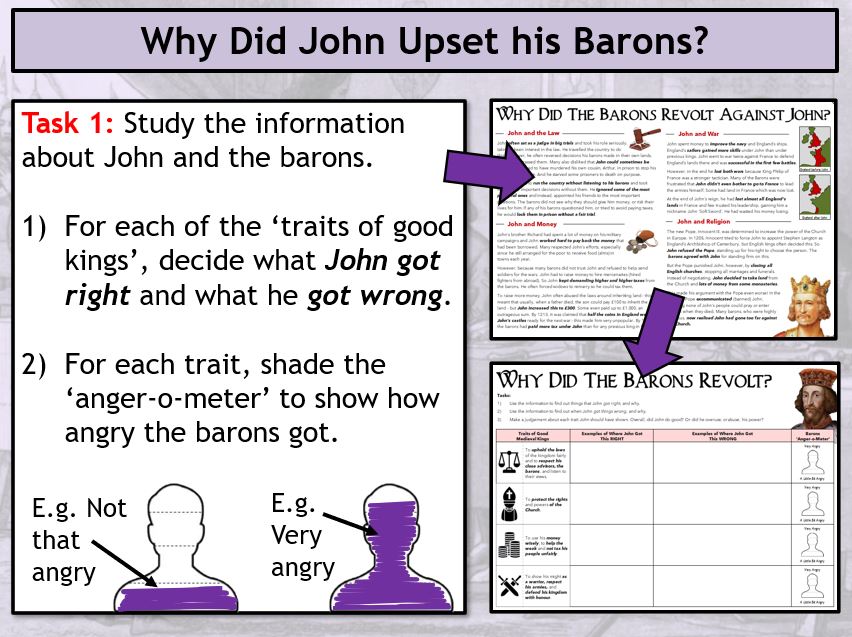
Excited to try out my new Medieval lesson on why the barons rebelled against John. Students weigh up John's mistakes against the traits of how a king should act. Here's the worksheet: https://t.co/sMApW0KnZL and the full, editable lesson: https://t.co/DSAFQt3ClA #historyteacher
Finally got round to finishing my blog on the why, what and how of reading in the History classroom! I've tried to keep it as practical as possible with strategies that have worked really well in our context. https://t.co/SQDi0BuBr9
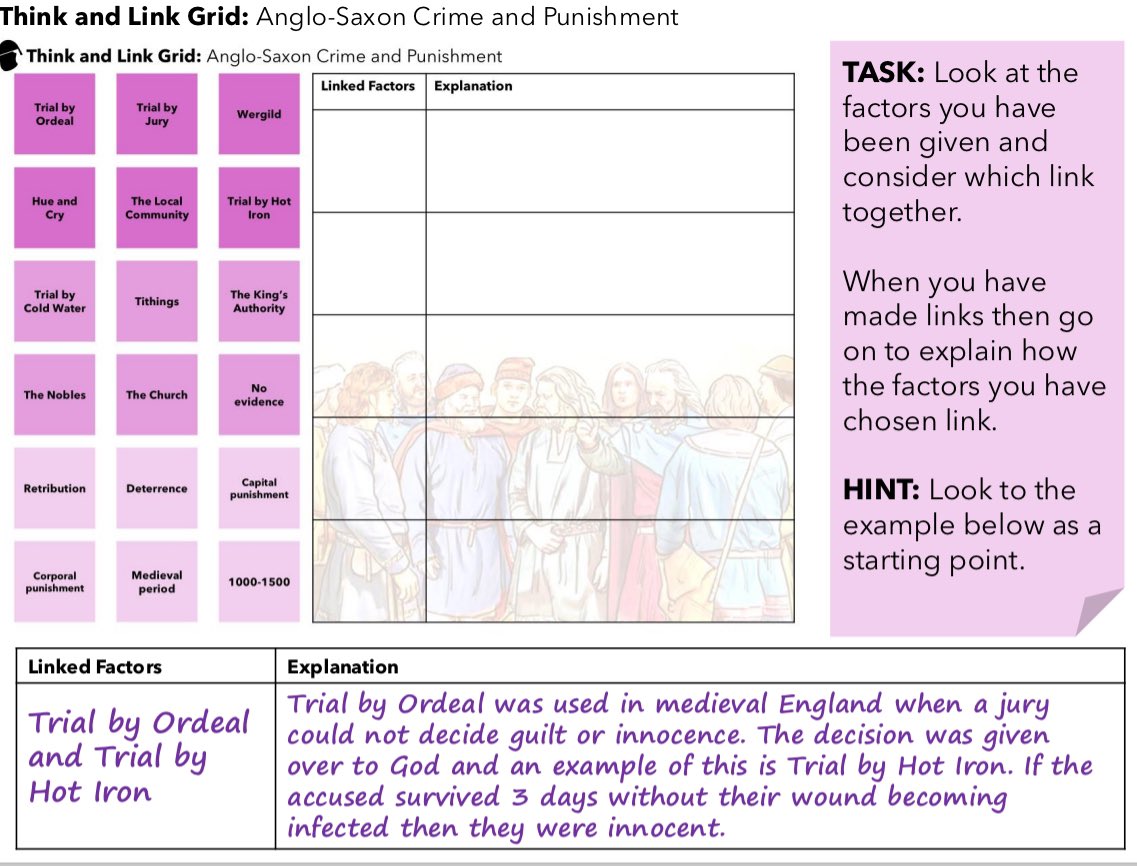
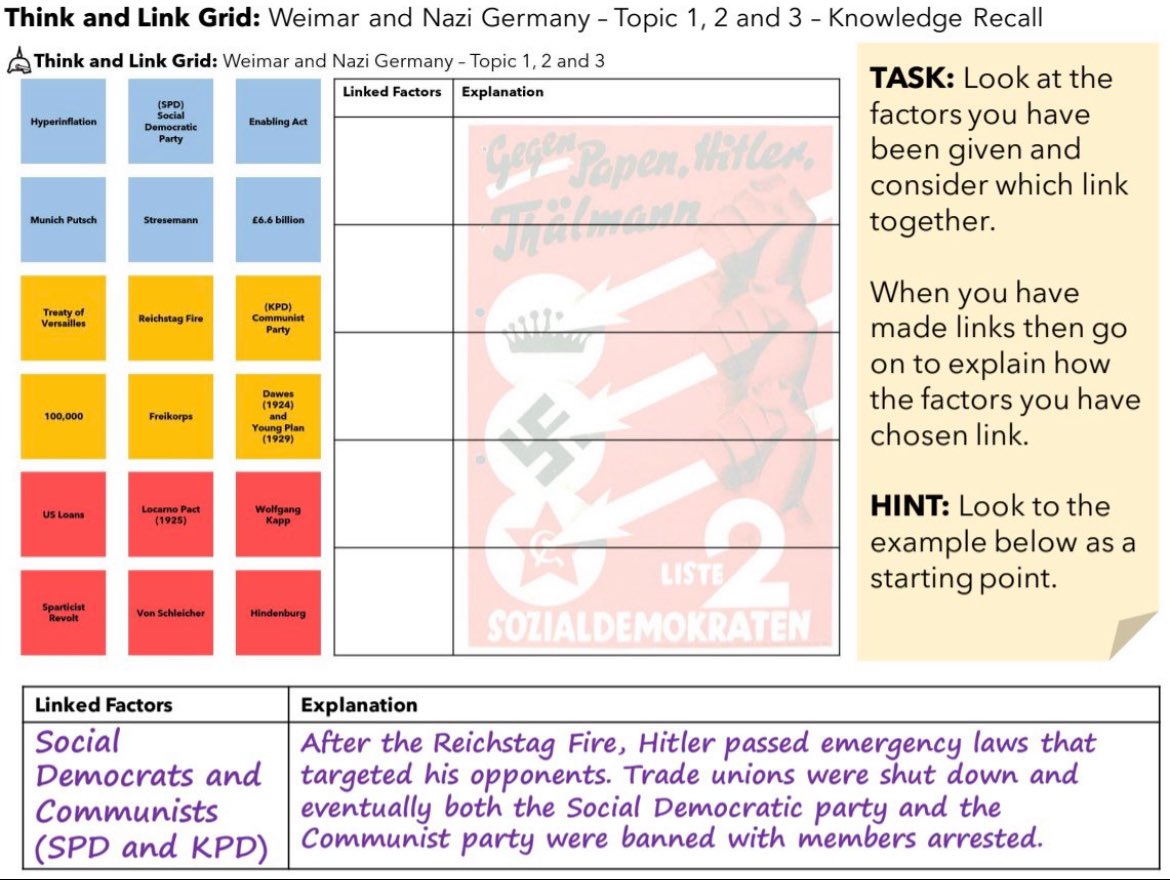
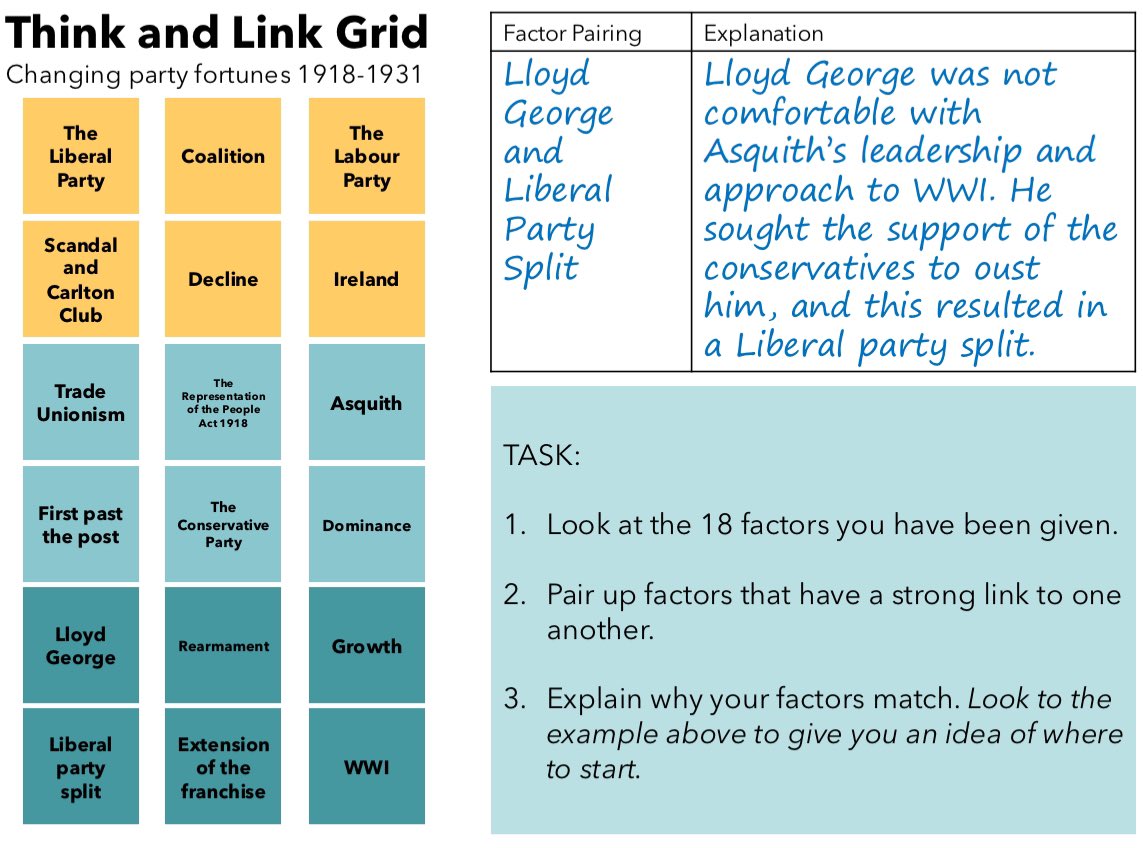
Big advocate of resources/formats that can stretch across KS3/4/5. @KateJones_teach inspired ‘Think and Link’ grids are a perfect example. Logistically easy to adapt for staff and can be tweaked to suit any ability, age and content. Gold dust when you find them! #historyteacher
Is anyone teaching OCR History A Level unit 107 Later Tudors. I'm teaching it for the first time and was wondering if anyone had a chronological enquiry topic scheme that I could look at to see how they organise it
#ocralevel#alevelhistory
Introduced a new exam question style to Year 10 through good, better, best paragraphs. Students had to identify the key features of the paragraph and then explain which one was the best and why, before writing the next paragraph for the question independently/ with scaffolds ✍️
After last year, we’re continuing with our ‘Classwork Check Up’ sheet across KS3-KS5. It’s not perfect and the effectiveness of student reflection needs work. However, it’s reduced workload, given students purposeful feedback and clarity to subject expectations. #historyteacher
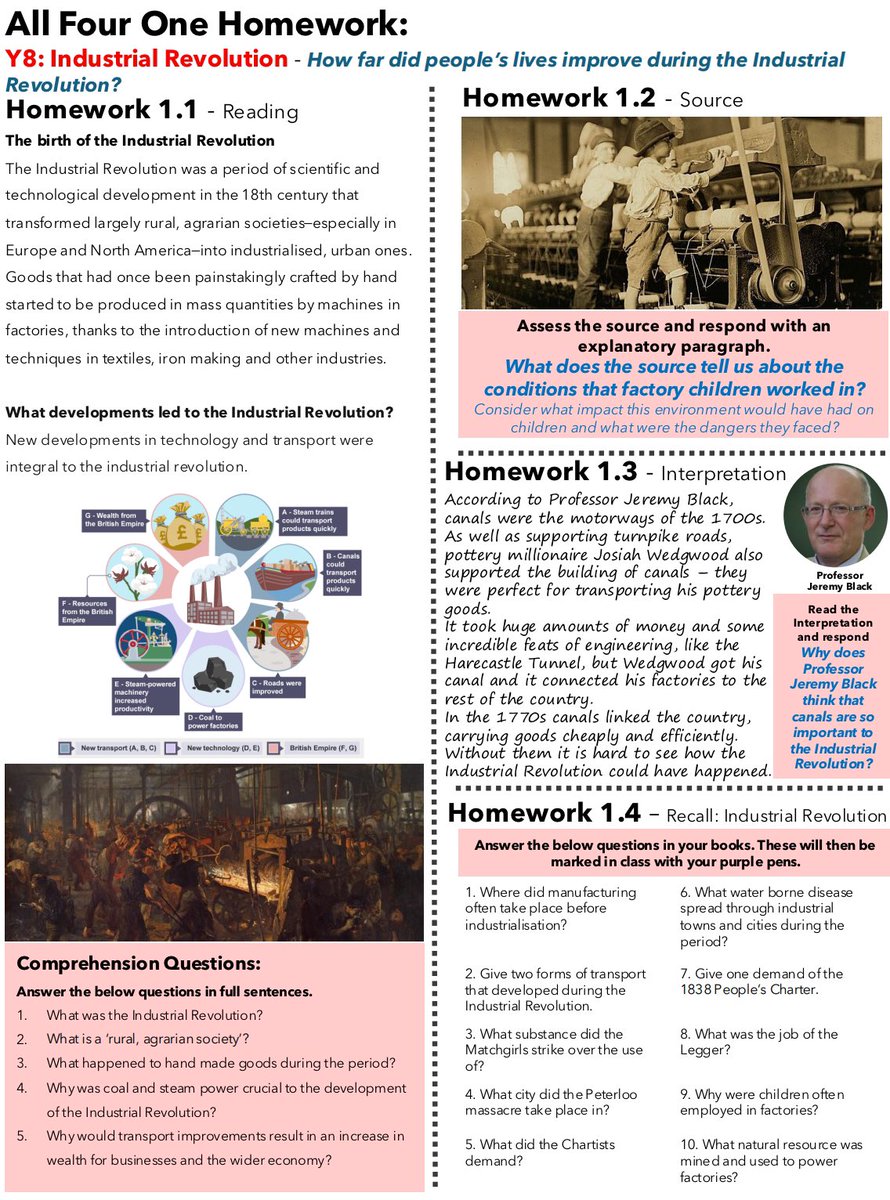
Back at it and back trying to solve homework at KS3. We wanted something meaningful, easy to set and rooted in historical skills = the ‘All Four One’ homework. One glued in sheet, 4 Individual tasks that can be set stand alone/together, from reading to source work.#historyteacher
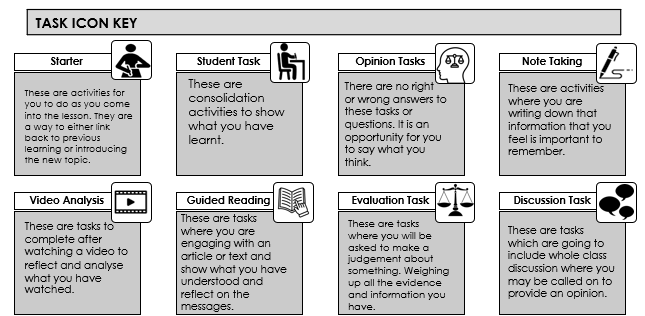
There are a few things that I like consistency in when planning/resourcing lessons; one of them is the icons I use to indicate activity types.
I like students to know that there is a reason behind the activity - it's not just for the sake of it.
These are my Icons for next year
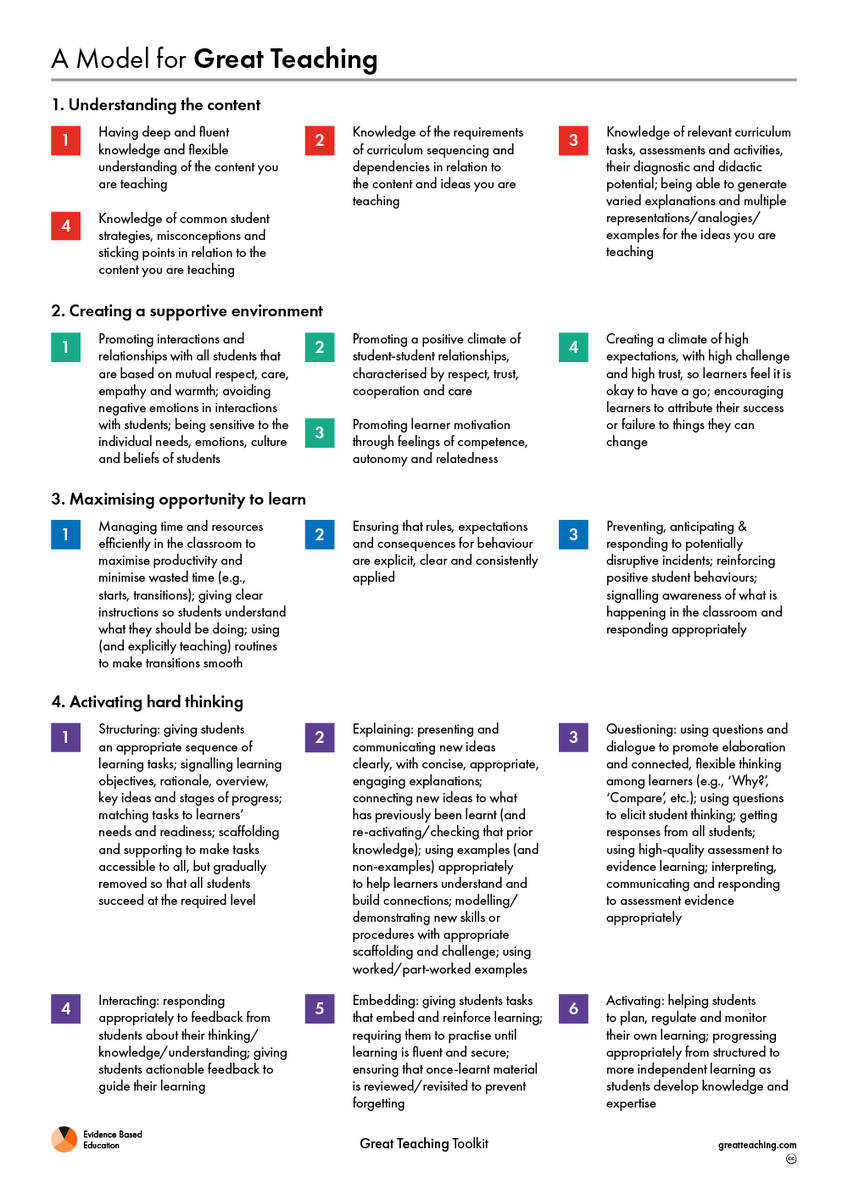
Which element from the Model for Great Teaching are you currently focusing on for improvement, as a school/team/department?
We would love to hear your thoughts.
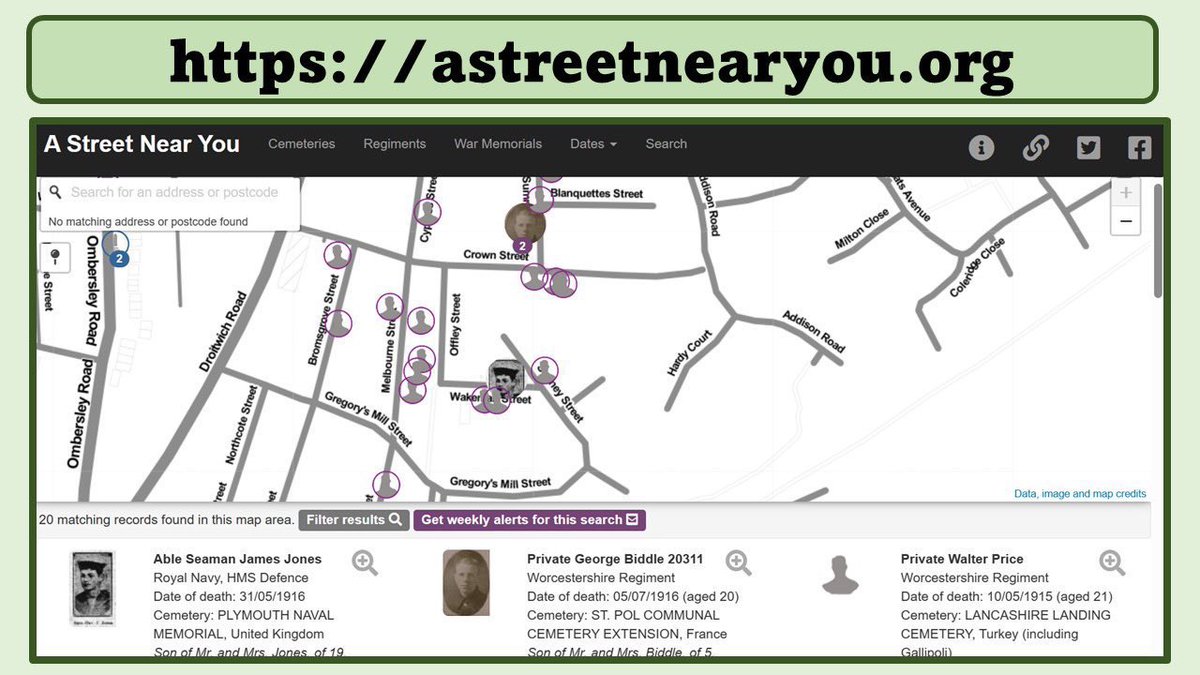
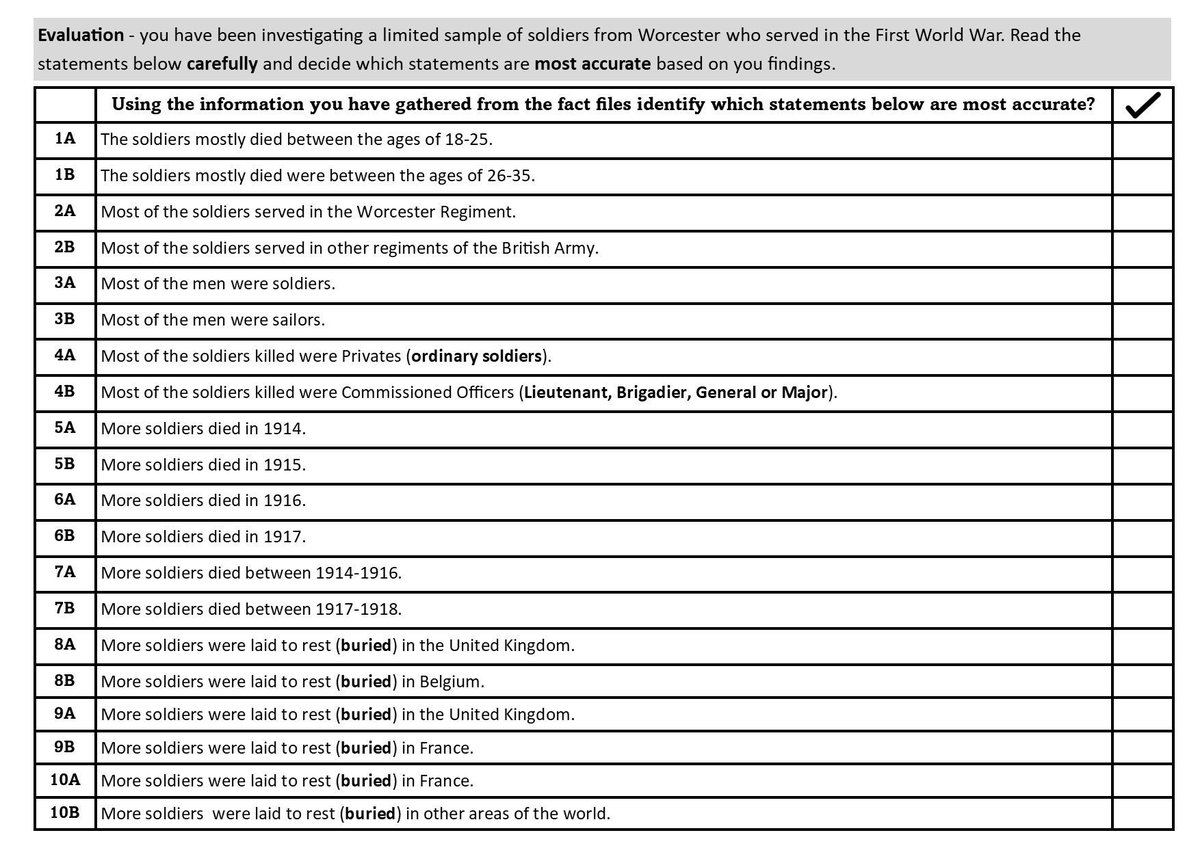
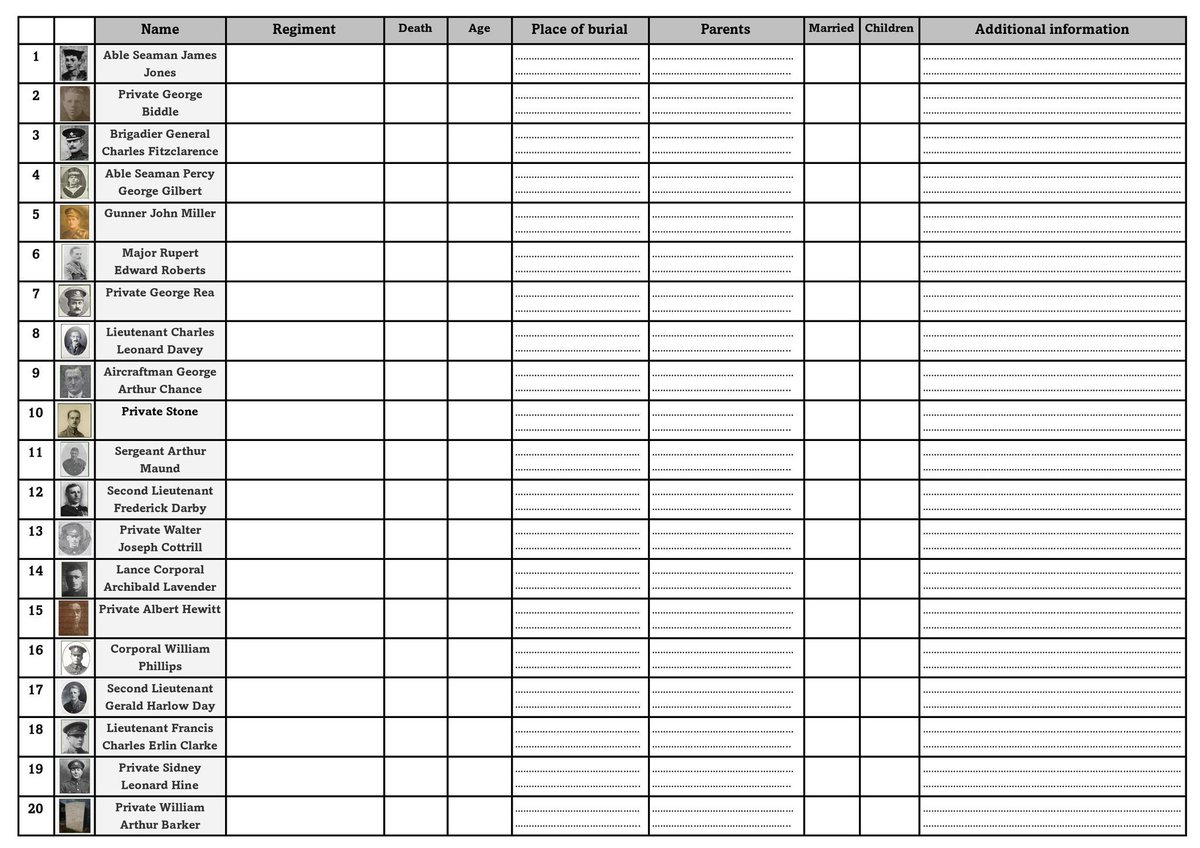
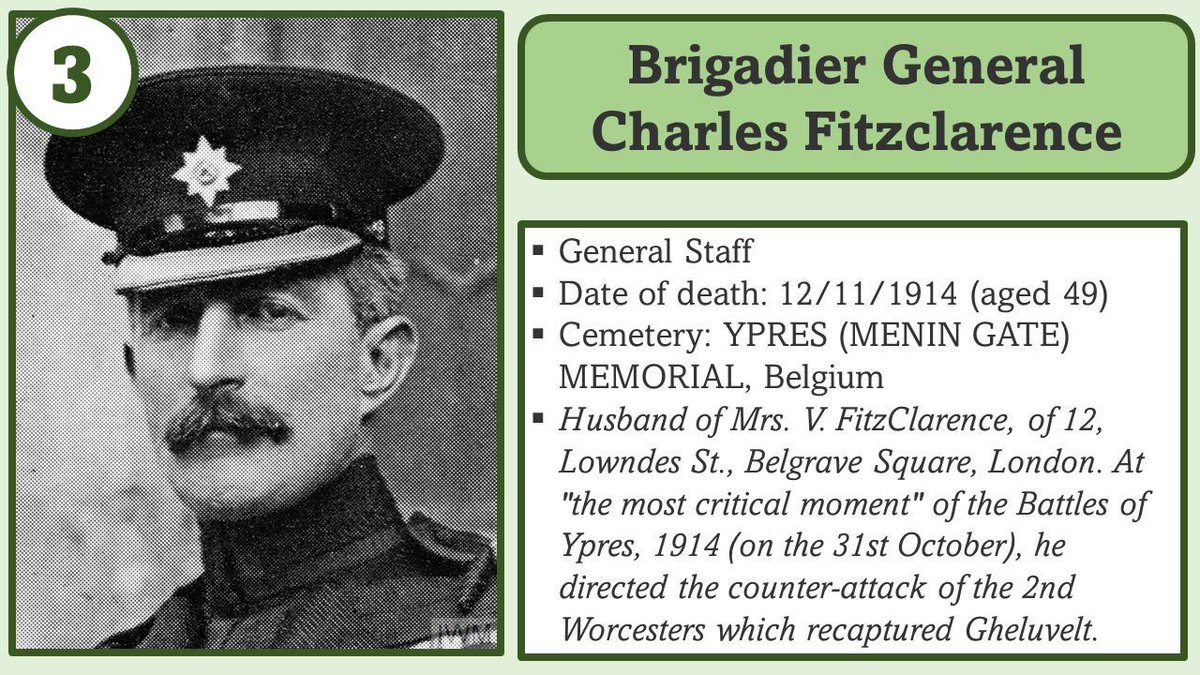
It you are looking to get some local history into your curriculum then ‘A Street Near You https://t.co/hcvGA3ReZx… is a good place to start. You can very quickly build up a database of soldiers from your town who lost their lives during World War One #historyteacher
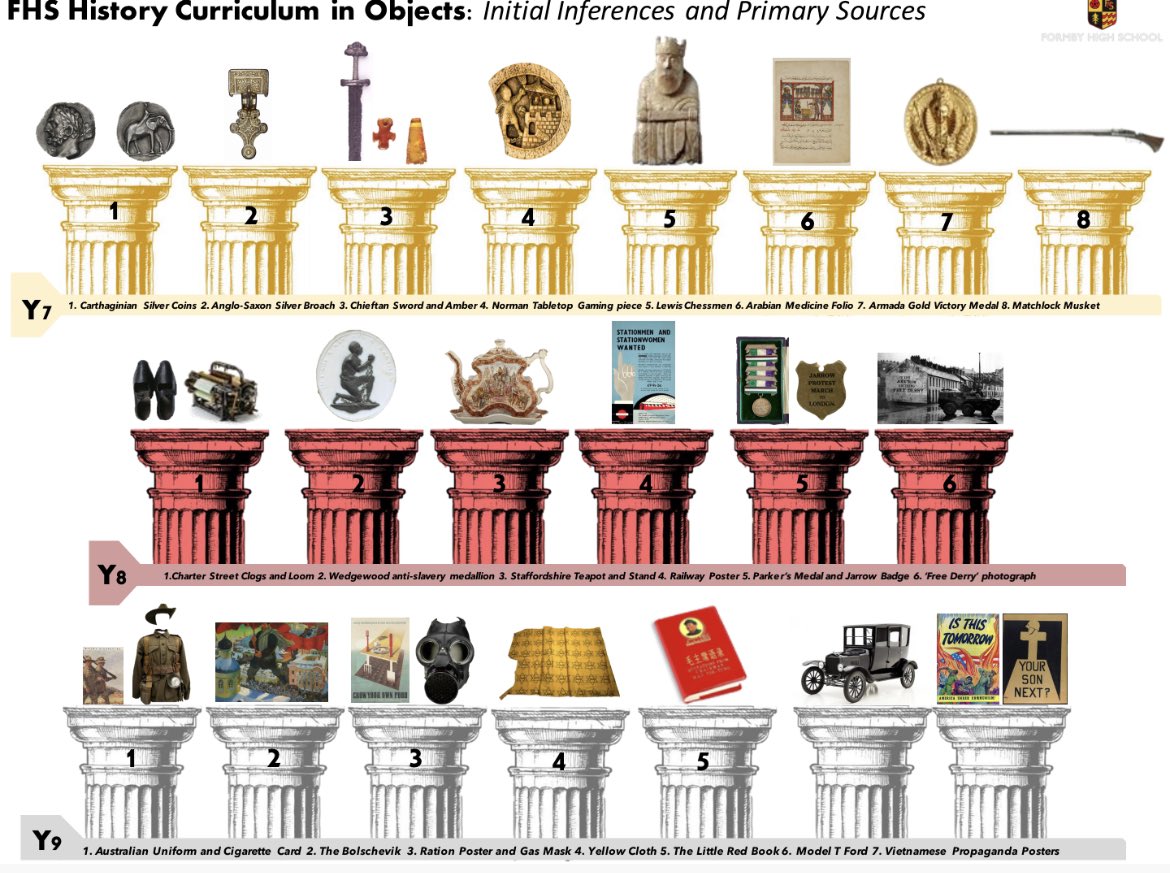
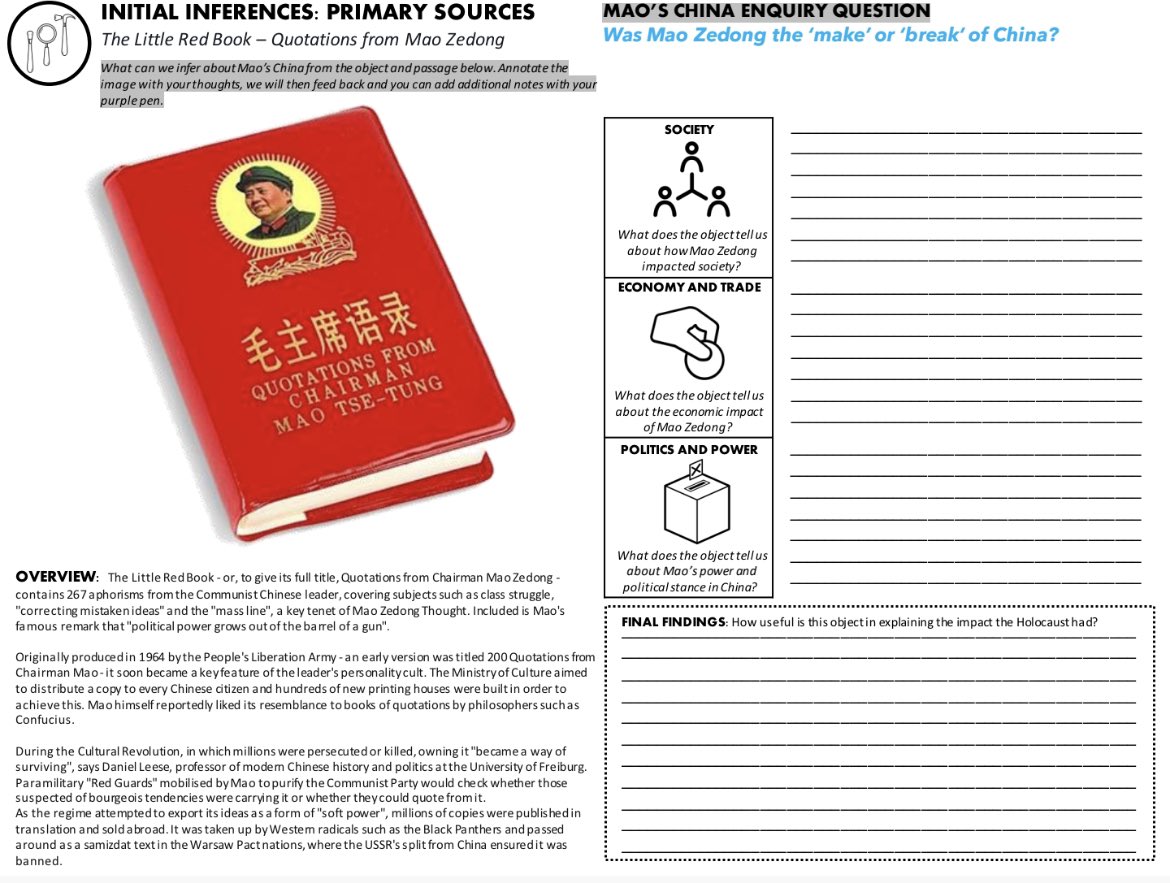
Furthering our ‘Curriculum in Objects’ with the Bogside ‘Free Derry’ mural, ‘The Bolshevik’ painting and Mao’s Little Red Book at Y9. Students engage with these sources at the start of a topic to tease out prior knowledge, inferences and subsequently world build. #historyteacher
@mrst_history I think the bit of her story that haunts me most is the Nine being gathered outside the principal's office and hearing the discussion of "maybe we just let the crowd have one of them".
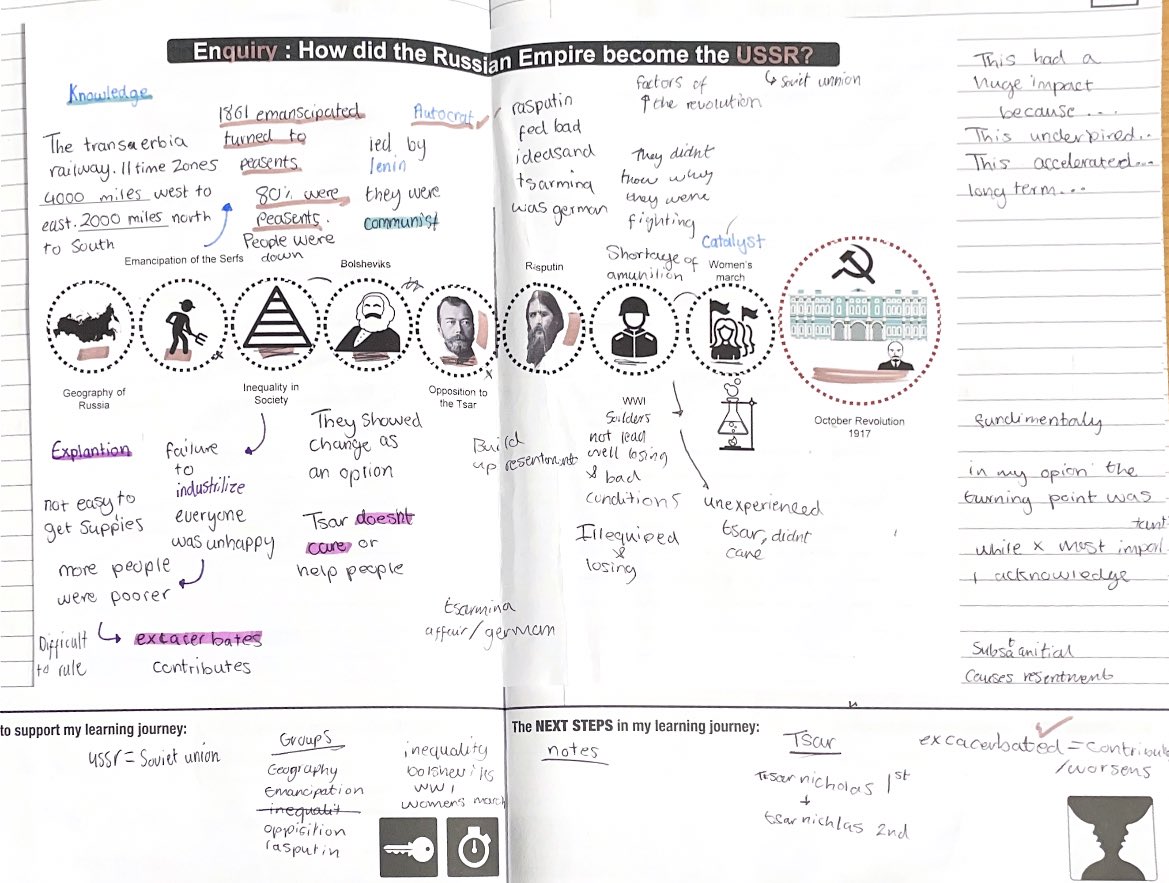
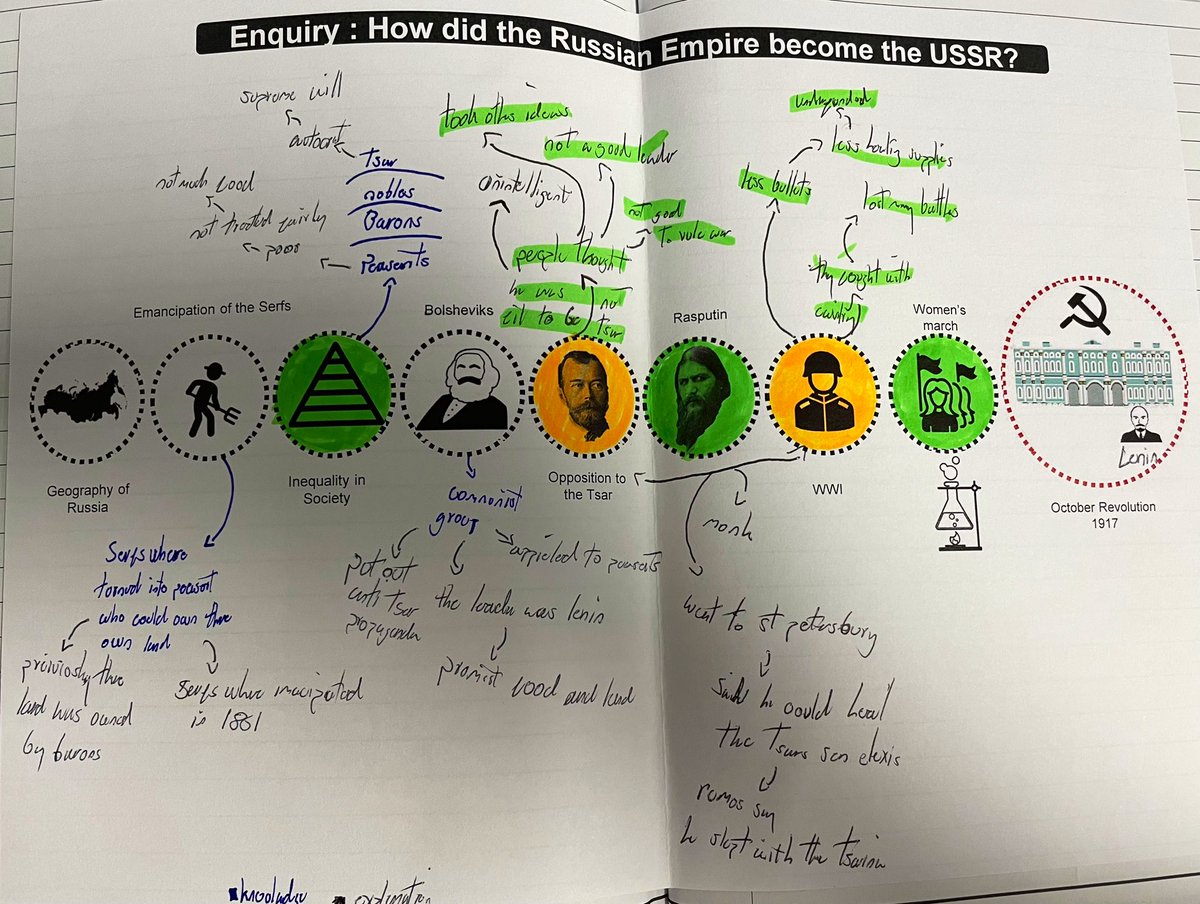
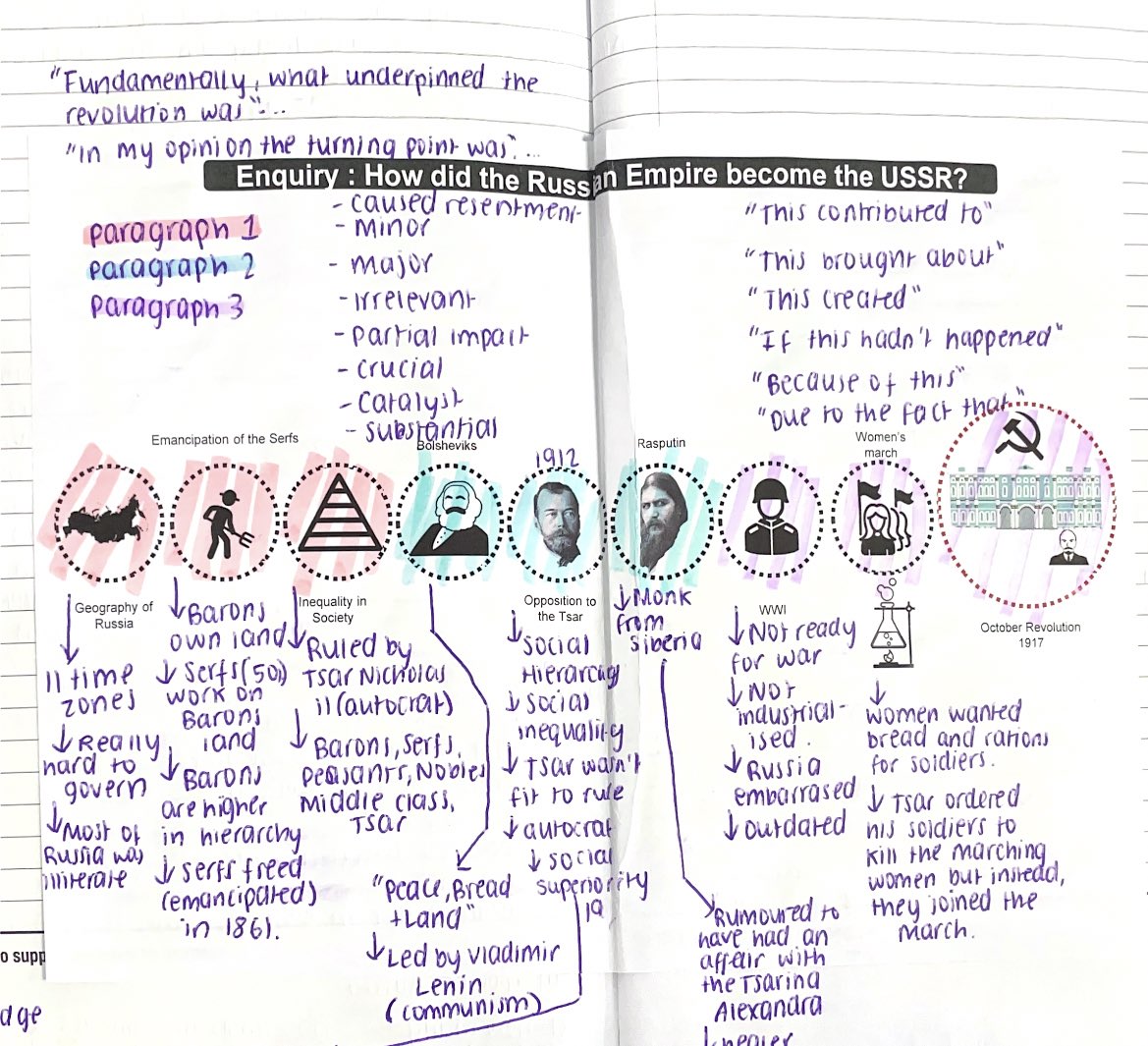
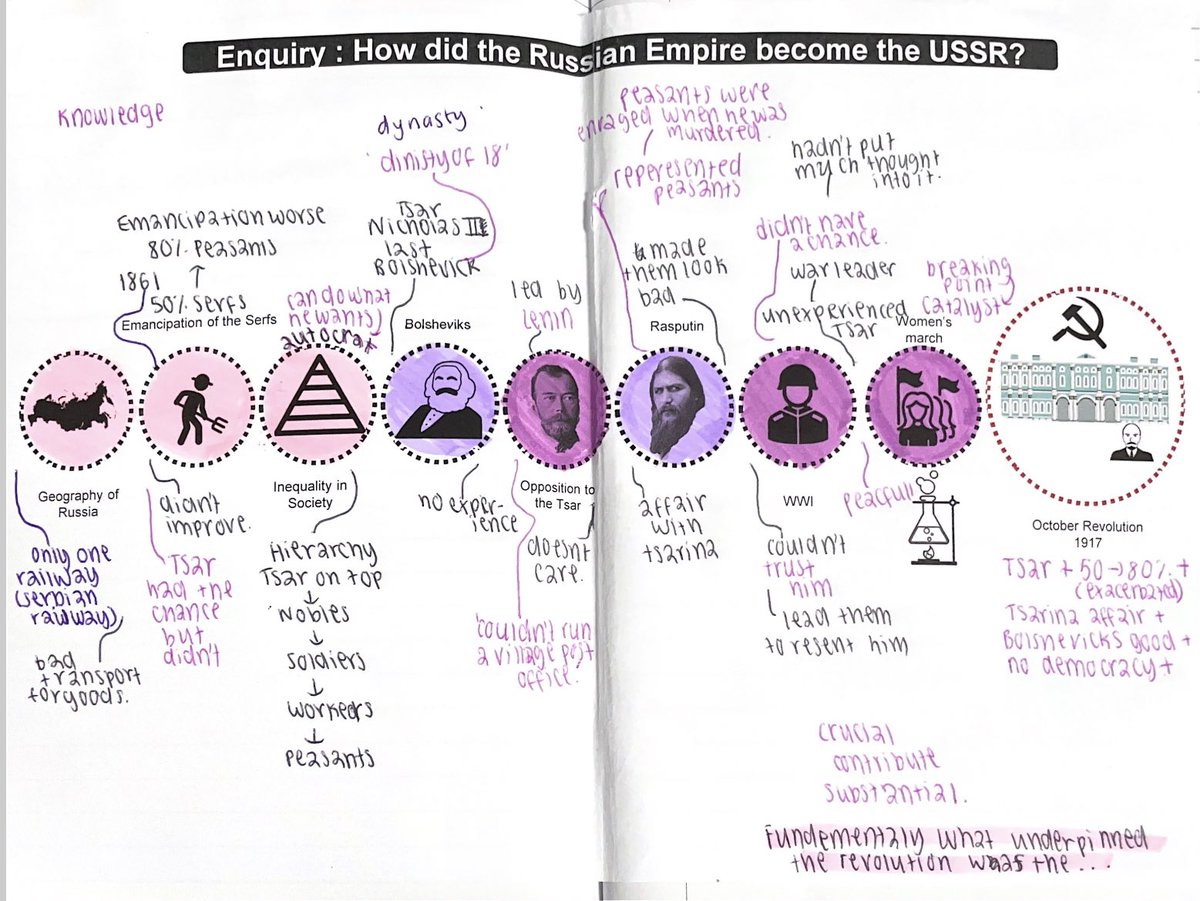
Causation circles, Y9 Ss planned & organised their main and contributing reasons for revolution - a huge 👏🏻🏆 @corrichronicles for planning this in our curriculum after the HAconf. Excited to trial in other years #historyteacher
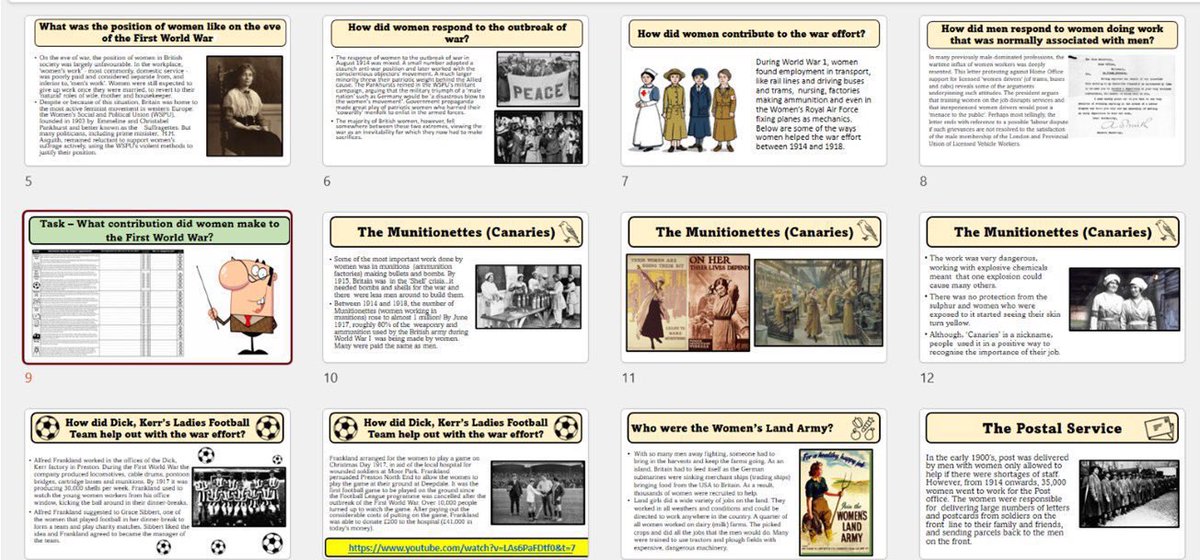
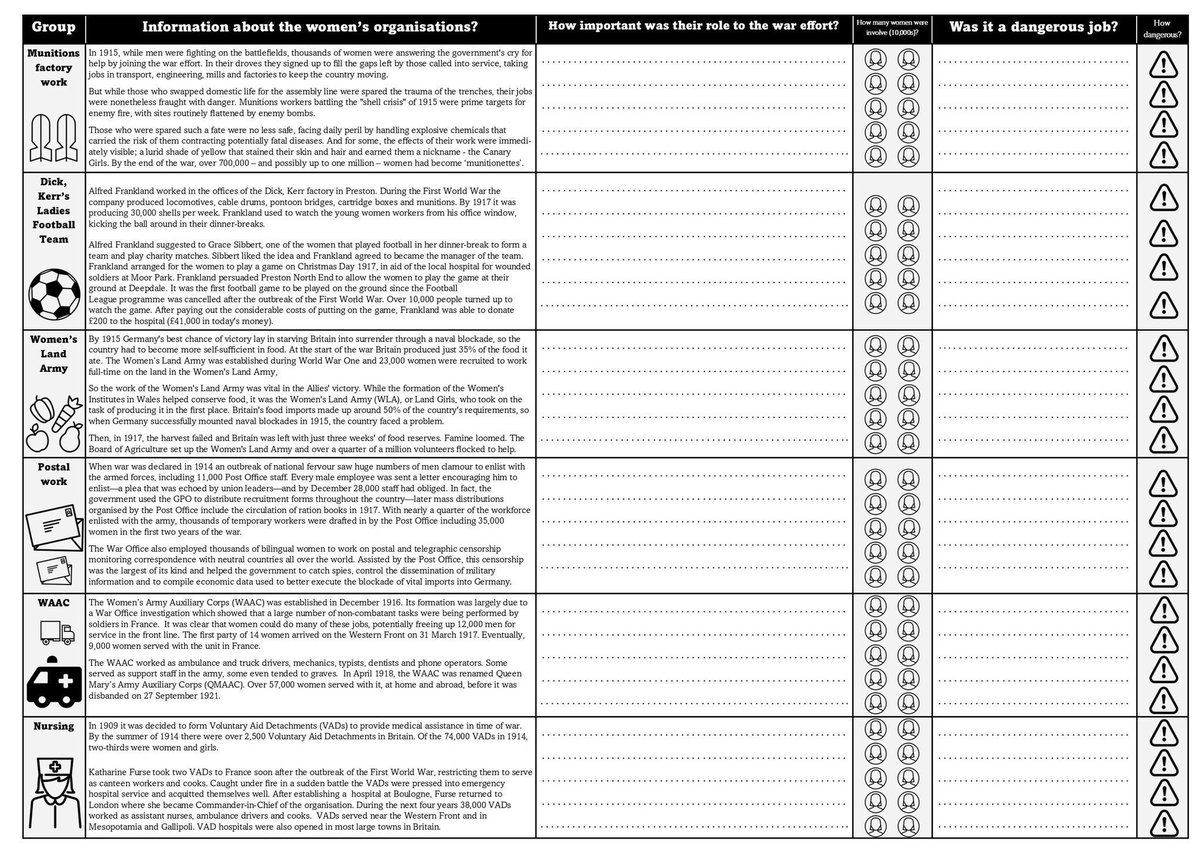
This worksheet looks at the different roles that women performed during the First World War. I’ve included the women footballers of Dick, Kerr’s munitions factory who raised money for injured soldiers. If you’d like a copy, please click on the link https://t.co/ZZpU10cMEK
Teach about the 'Holocaust by bullets?'
@yahadinunum's #InEvidence is free to use for all educators & worth exploring.
It offers a digital map that provides an unprecedented insight into a lesser known part of Holocaust history.
https://t.co/h4SckvSku8
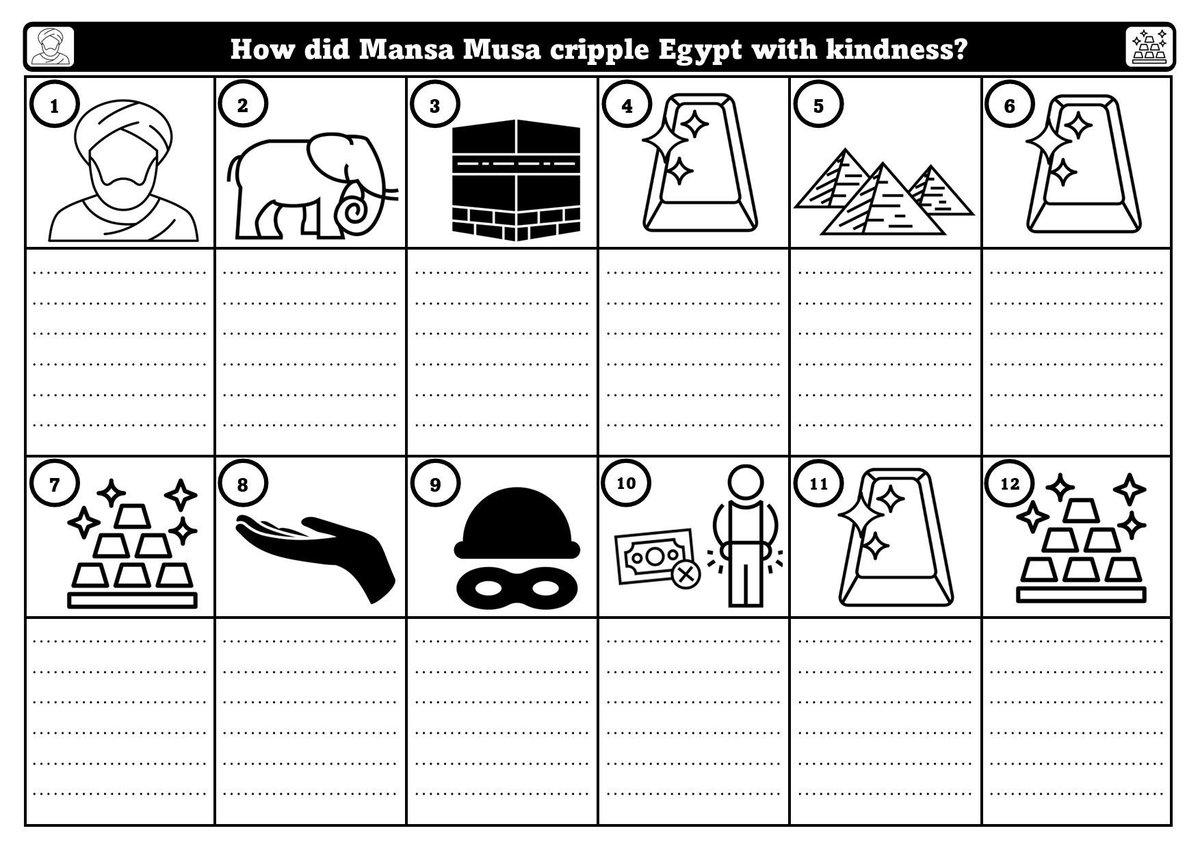
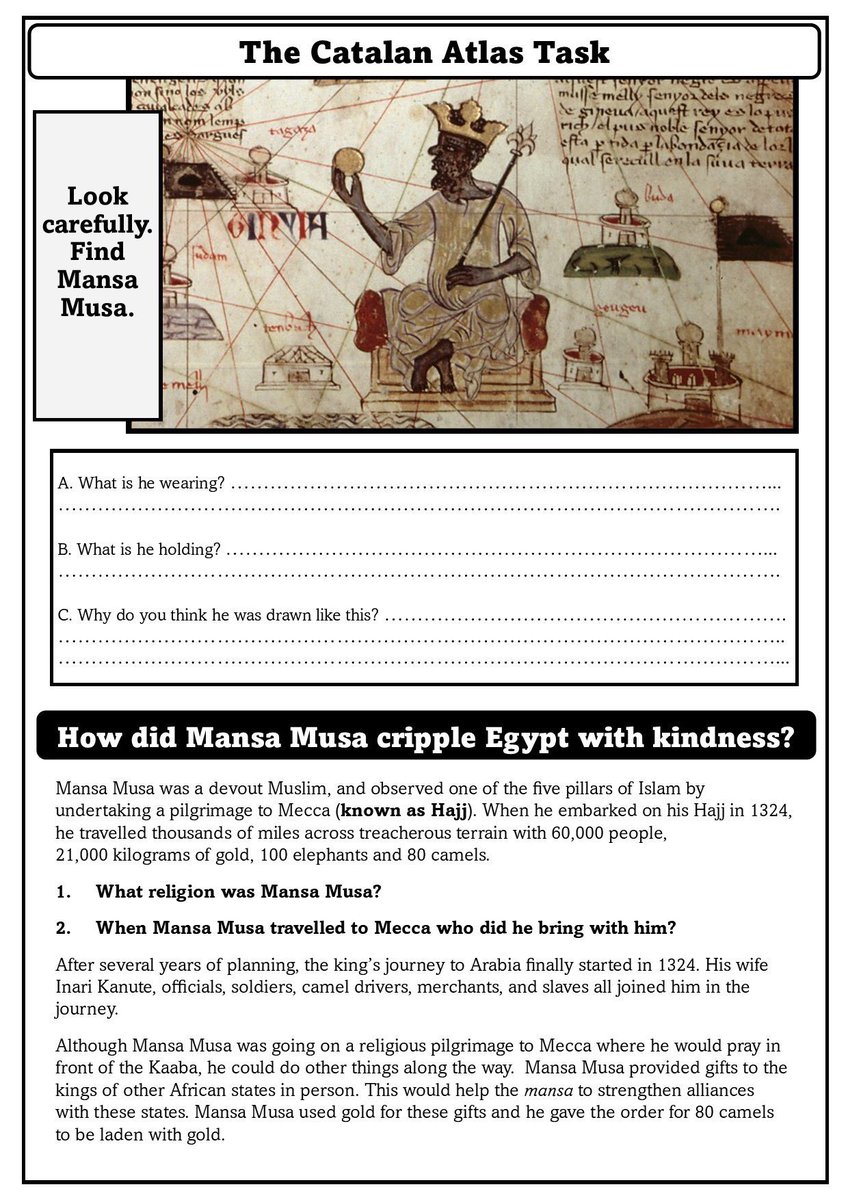
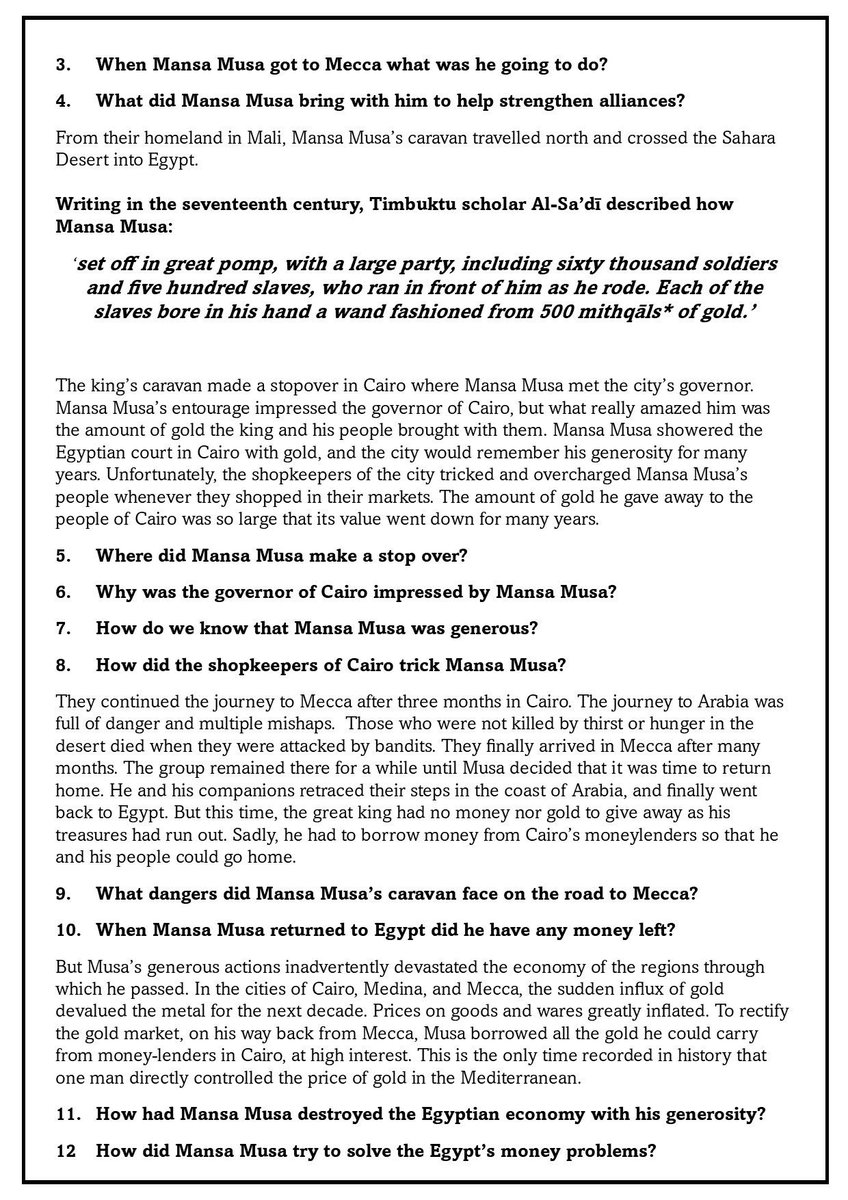
How did Mansa Musa cripple Egypt with kindness? This is another lesson about Mansa Musa. It looks at his journey to Mecca. The pupils get to look at the Catalan map and complete some scholarship #historyteacher