Human trafficking is a grave human rights violation that impacts millions of people worldwide.
On Thursday’s #EndHumanTrafficking Day, @UNODC calls for urgent action to stop traffickers, protect victims, & hold perpetrators accountable. https://t.co/UGv5zbCkPd
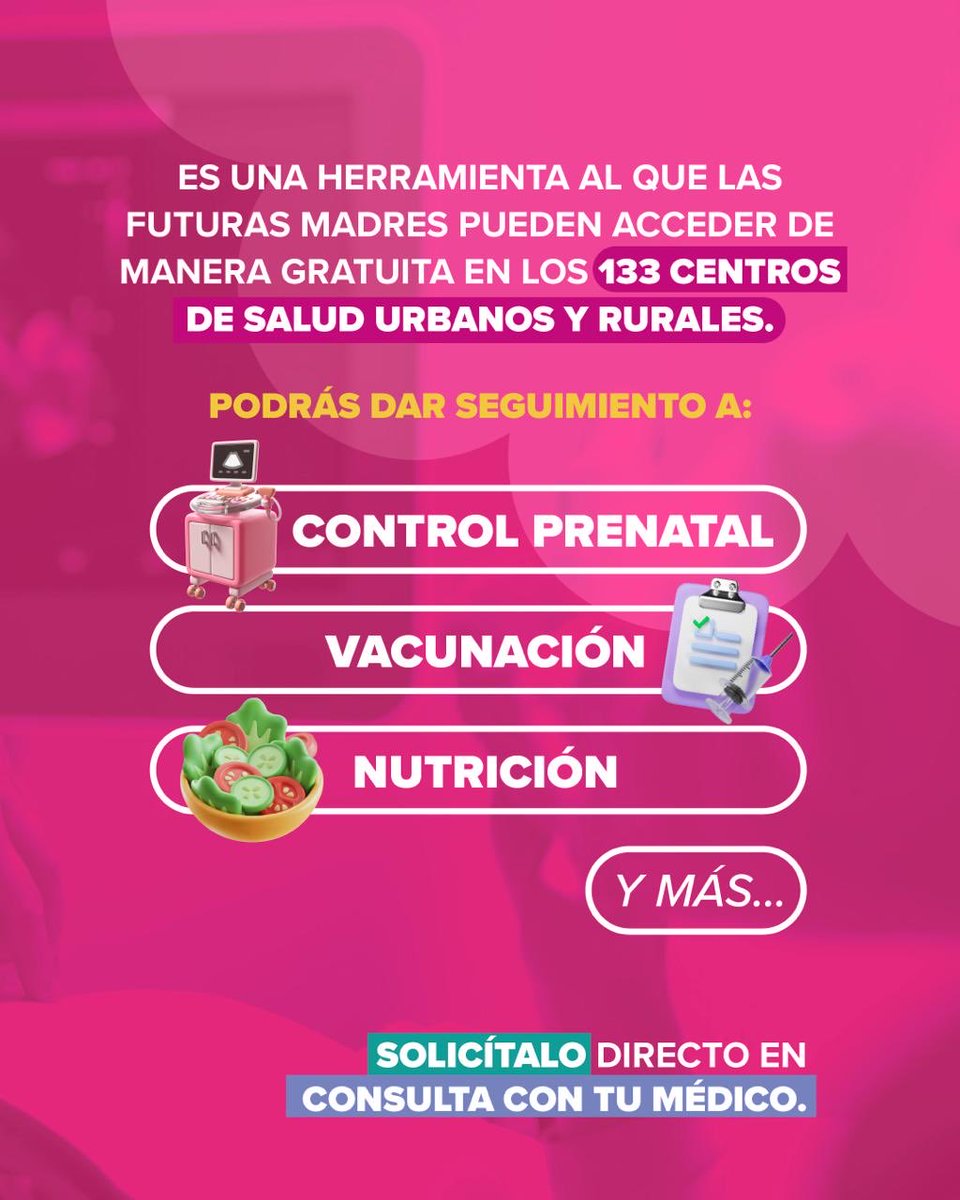
Tu embarazo merece el mejor cuidado desde el inicio.
Acude a tu Centro de Salud y solicita tu Carnet de Embarazo, una herramienta que te ayudará a dar seguimiento a tu salud y la de tu bebé durante cada etapa.
@SS_Coahuila#CoahuilaPaDelante#APasosDeGigante
Italy is investing $150 million in Tajikistan's Rogun Hydropower Plant, reinforcing international backing for one of Central Asia's most ambitious energy projects and strengthening the region's long-term energy security.
https://t.co/qmfl56SAIV
The Hidden Power of Crypto 🎙️
Crypto is often framed as decentralized, open, and controlled by no one, but influence still concentrates behind the scenes.
Infrastructure providers, exchanges, stablecoin issuers, developers, validators, investors, and regulators all shape how the ecosystem evolves.
We’re exploring who holds the hidden power in crypto, how they use it, and what it means for the industry’s future.
The International Friendship Day Campaign is on!
Earn rewards by completing demo trading tasks and unlock up to 1000 USDT in rewards.
Event ends on July 30.
I've inspected the open-sourced Grok Build so you don't have to. Here's exactly what data it sends (and what stays local):
Core (unavoidable)→ Your prompts/conversations + tool calls go to xAI's inference API. That's the whole point of the CLI.
Everything else is off by default — no Mixpanel, no Sentry, no product telemetry unless you explicitly turn it on. Even the auto-update check is a simple version GET you can disable in config.
Purely local stuff (crash reports, debug logs, secret redaction, auth) never touches the network. All telemetry paths also scrub secrets before anything is sent.
Full details 👇
An absolute honor meeting the Managing Director of Saregama, Mr.Vikram Mehra ! Inspiring conversations about the future of music and entertainment. Thank you for spending time with us !
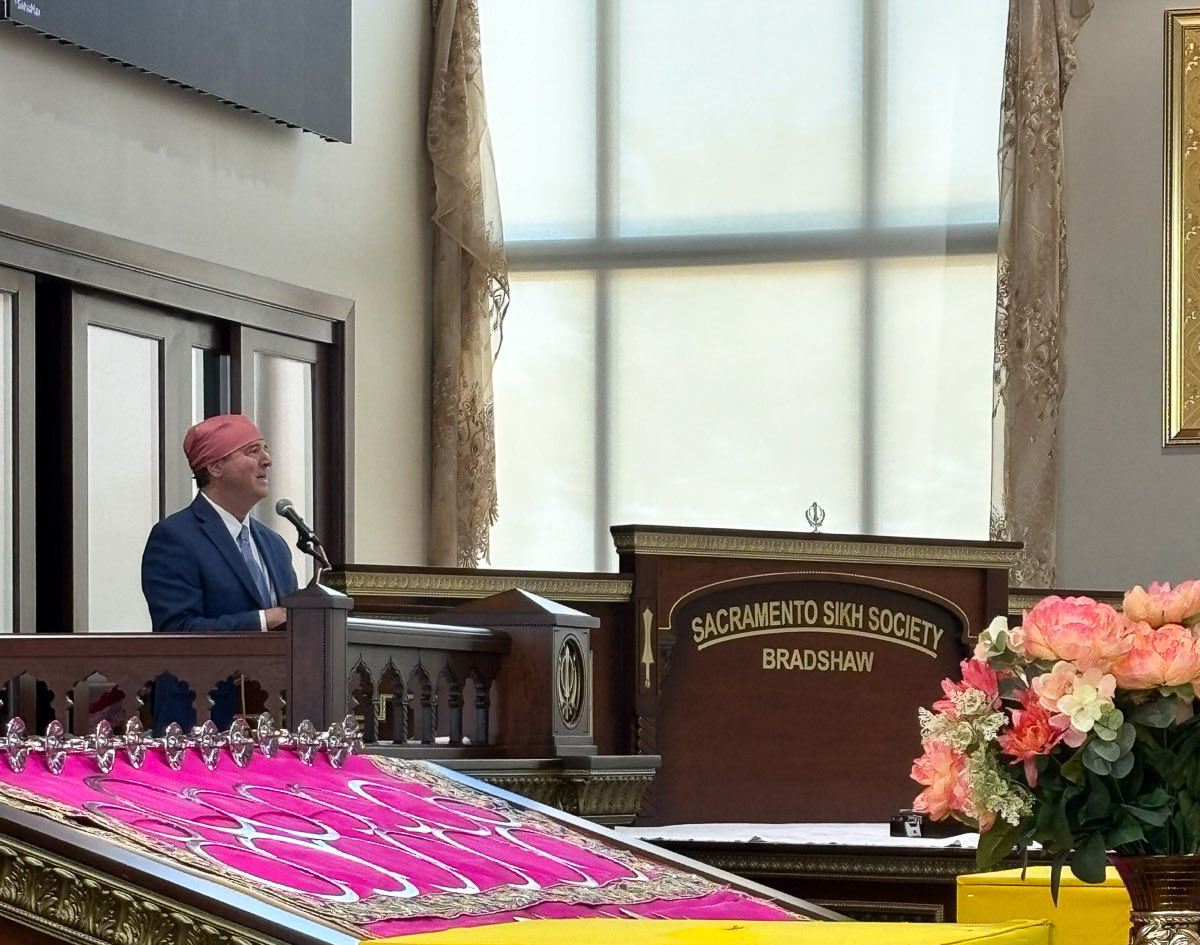
Sikh Americans are a vital part of the fabric of our society and economy in the Golden State.
I am proud to represent the Sikh community – in Sacramento and across our state – and will continue to combat discrimination against Sikh families and businesses.
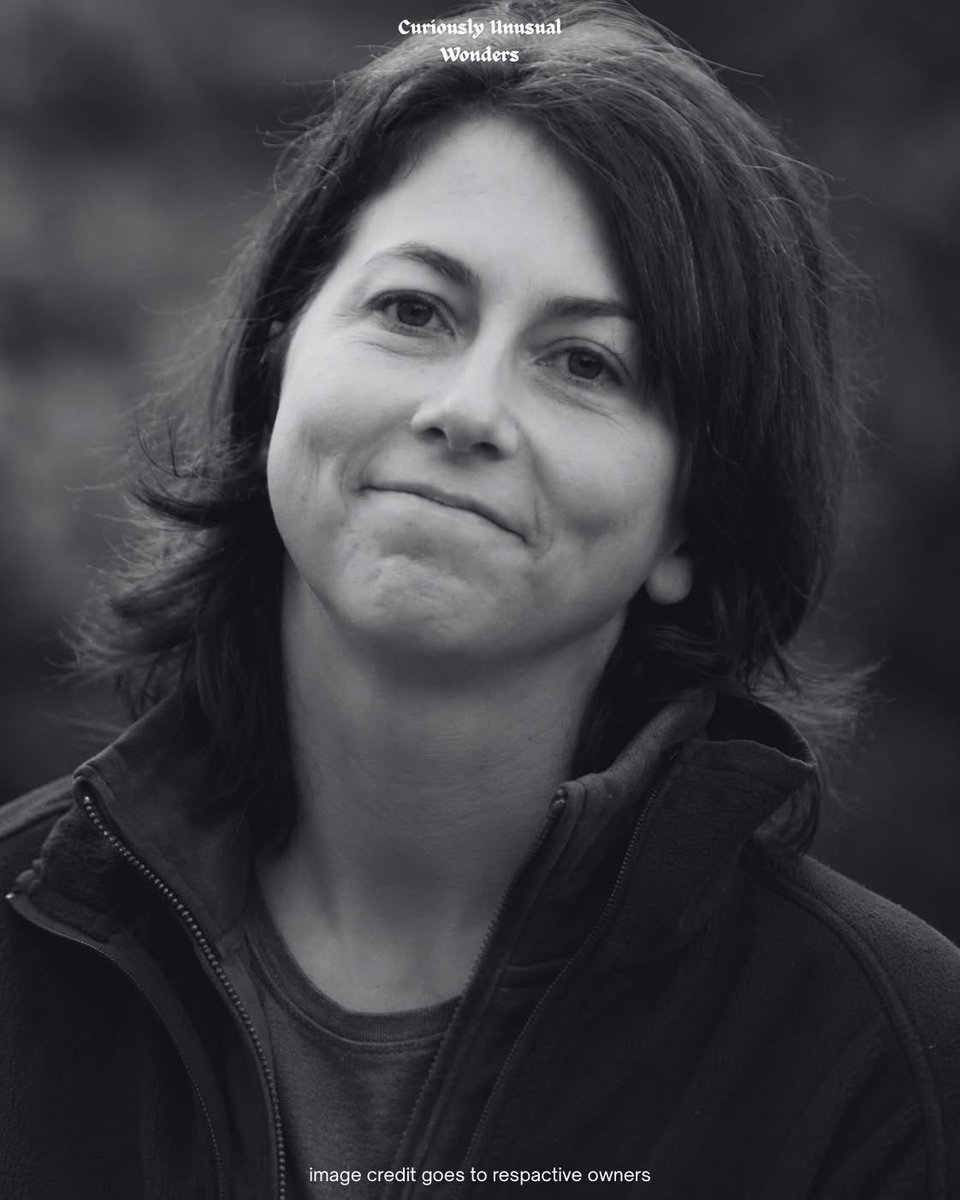
A young woman named MacKenzie Tuttle graduated from Princeton in 1992 with a degree in English. One of her professors was Toni Morrison, who later described her as one of the finest creative writing students she had ever taught.
After graduation, MacKenzie took a job at the New York investment firm D. E. Shaw. There she met a colleague named Jeff Bezos, who had an ambitious idea: selling books on the internet.
She didn’t laugh at the idea.
They married in 1993, and the following year drove across the country to the Seattle area to build what would become Amazon.
In the beginning, there was no global empire.
There was a garage.
MacKenzie handled accounting, wrote business materials, answered customer emails and phone calls, and packed orders alongside Jeff. Like many startups, everyone did whatever needed to be done.
As Amazon grew, MacKenzie stepped away from day-to-day operations to raise their four children while continuing to pursue her own passion for writing.
Her debut novel, The Testing of Luther Albright, won the American Book Award. She later published a second novel and quietly built a respected literary career.
Meanwhile, the story of Amazon became one of the most famous business stories ever told.
Jeff Bezos became one of the world’s most recognizable entrepreneurs.
MacKenzie’s role was rarely part of the public narrative.
She never seemed interested in changing that.
What many people don’t know is that she also knew financial hardship.
Her family filed for bankruptcy while she was still a student, and she has spoken about the kindness of people who helped her through difficult times—acts of generosity she never forgot.
In 2019, after her divorce, MacKenzie Scott received approximately 4% of Amazon’s shares.
Almost immediately, she made a decision that surprised the world.
She signed the Giving Pledge, promising to donate the majority of her wealth during her lifetime.
Then she did something even more unusual.
Instead of building a massive public foundation or attaching her name to buildings, she began giving away billions of dollars through large, unrestricted grants.
Universities.
Food banks.
Housing organizations.
Rural communities.
Women’s health initiatives.
Tribal colleges.
Climate organizations.
Small nonprofits that had never imagined receiving gifts of that size.
Many recipients reportedly thought the phone calls were scams.
They weren’t.
Since 2019, MacKenzie Scott has donated tens of billions of dollars to thousands of organizations, making her one of the most significant philanthropists of the modern era.
Despite giving away enormous sums, her fortune has remained substantial because of Amazon’s continued growth.
The woman who once packed Amazon’s first orders is now helping fund opportunities for millions of people she will probably never meet.
She never asked for buildings in her name.
She never demanded headlines.
Sometimes the greatest legacy isn’t the company you help build.
It’s what you choose to do with the success that follows.
I'm absolutely in love with small town America. This is a place called Island Pond in Vermont. They have a population of 750 people but there was quite a lot going on. They had a flea market, a nice deli, and a beautiful lake with people out on their boats.