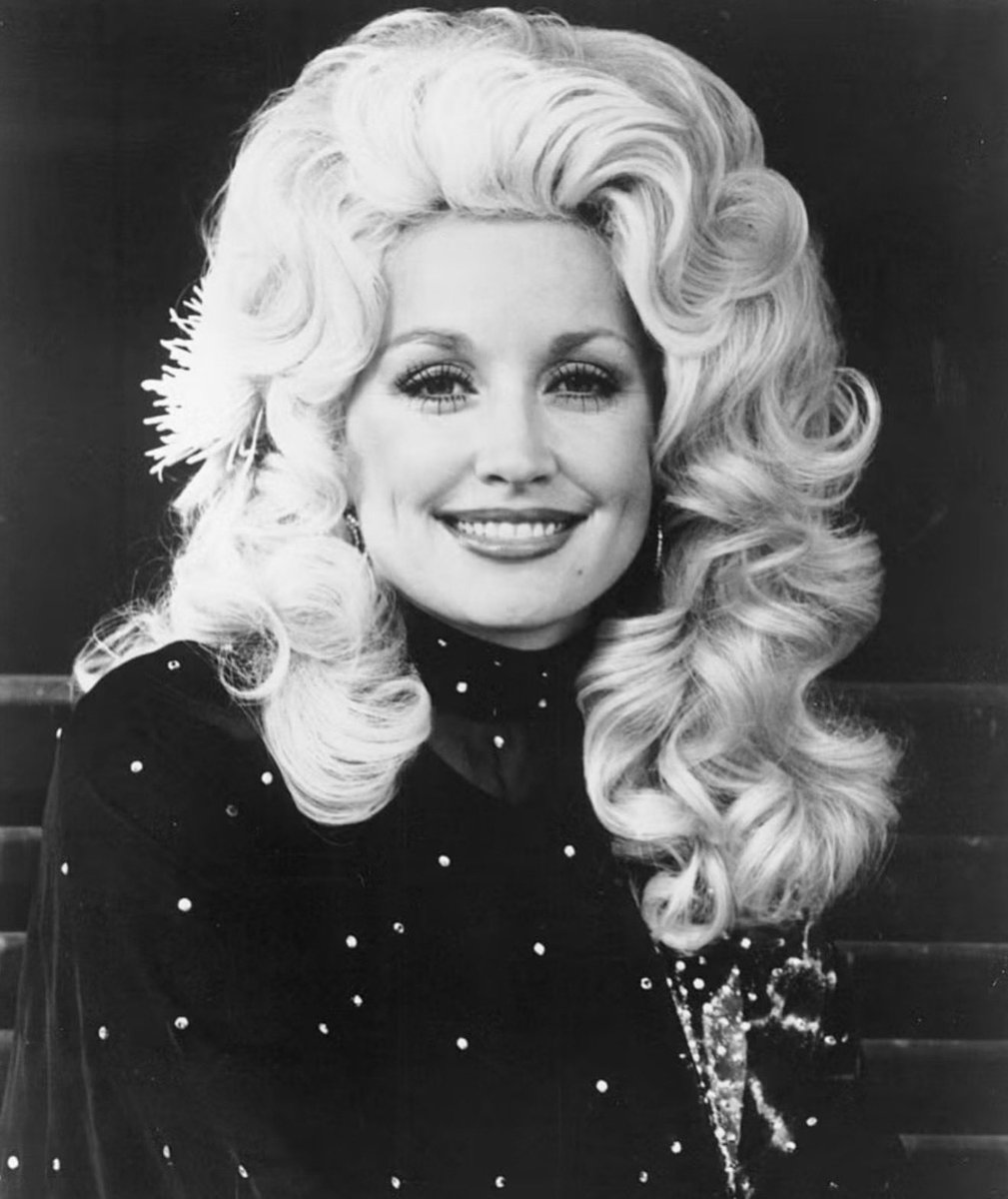
The feeling of losing my Aunt Dolly is beyond what feels right to share. Our most sacred moments were private and they’ll stay there behind the stage, beneath the glamour & between our hearts.
What I KNOW is Dolly would want me to feel it, write a song about it, and then continue on and be strong. I have an angel by my side. I always have. One of our last conversations was about music and metamorphosis. 🦋
I will always love her and want to make her proud. My heart breaks for the world, her family and friends who will miss her deeply. We’re in this loss together and we will see her in all of the most beautiful things. 💖 @dollyparton
Your AI videos are ugly.
Your AI character art is ugly.
Your AI covers are ugly.
Your AI flyers are ugly.
Your AI Instagram graphics are ugly.
Your AI thumbnails are ugly.
Your AI profile pictures are ugly.
Your AI logos are UGLY.
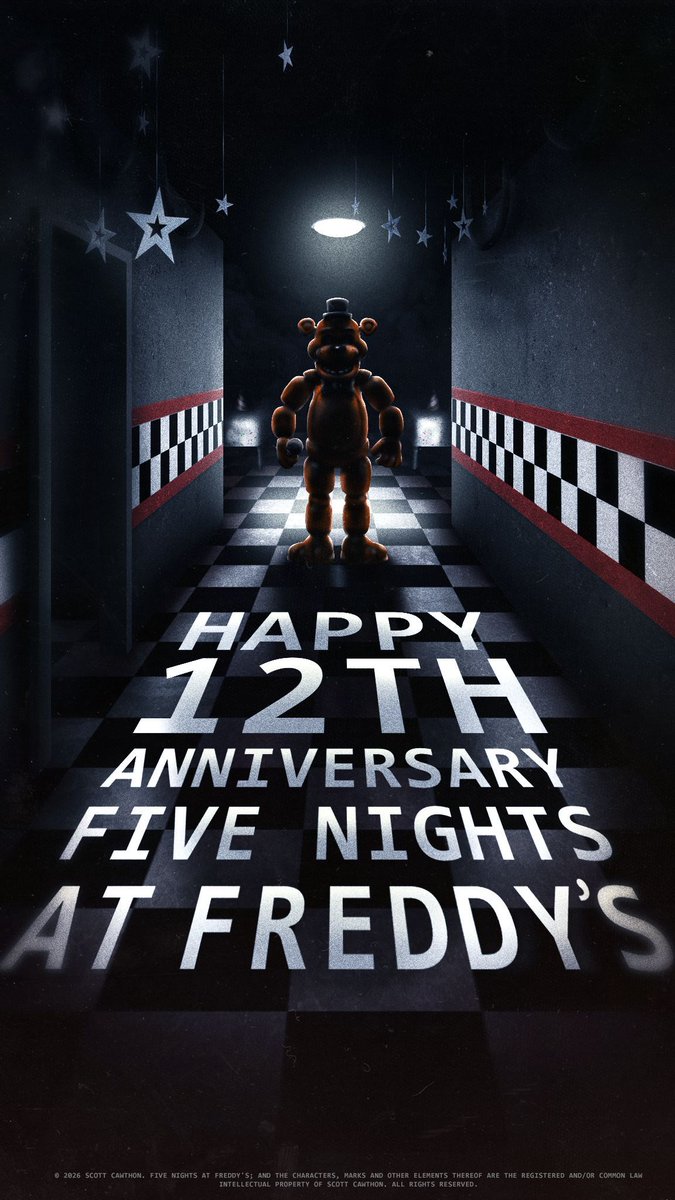
Happy 12th Anniversary, Five Nights at Freddy's! 🎉 🐻
Twelve years of:
🐻 Animatronics
🍕 Pizza
😱 Jump scares
📕 Lore
🔦 Flashlights
🎮️ Games
🎶 Music
🎨 Fan art
🍿 Videos
🕵️♀️ Secrets
🤯 Theories
❤️ Community
Which one made you fall in love with FNAF?
This is because the showrunners don't really know the difference between right and wrong, and can't reason through how someone fighting for evil might defect to good.
In the original, none of the good people who influence Zuko try to do so by convincing him that he and his people are evil. They influence him by cultivating and appealing to his better nature. Obviously Iroh is the most significant, and in his years of mentoring Zuko he never once tries to even sow the seed of the idea that the Fire Nation might be in the wrong. Instead he just teaches Zuko to be honorable, brave, and kind. Kind doesn't take very well, but honorable does.
Over the course of the story, these principles he has been inculcated with come more and more into conflict with his loyalties, eventually forcing a confrontation. Even that confrontation is not "honor vs blood" - that's too simplistic. His crisis is the realization it is no longer possible to be loyal to his entire family. His father's dishonor has already divided the clan.
The new Zuko isn't honorable at all, because the showrunners don't understand how a "badguy" could have great moral qualities (and even be more moral than many of the "goodguys" in certain ways) that would ultimately lead him to become a hero. That is, Zuko in AtLA is already a "hero" before switching sides, in that his behavior is heroic. He's a brave warrior who fights for his family's honor and the success of his people. At least, he thinks that's what he's fighting for. In reality what he's doing isn't best for his people. That's the crisis. That's the change.
What they want new-Zuko to do is totally reject his own identity, rather than finding its real core. The Fire Nation feels a bit too much like "white colonizers." The original's idea that the Fire Nation was a truly great people who became misguided is no longer acceptable, so all virtue has to be stripped out of it. Note that Zhao, who was fearless in the face of death originally, is made a sniveling coward in the live-action. Examining the difference between courage and stubbornness is a bit too complicated for this "more mature" adaptation aimed at "adults." The badguys are all just thieving weasels now. Zuko suffers the worst because he was the best.