Senior Lecturer, School of Law, & Ag. Principal, CASS-University of Rwanda, author of the Independence of the International Criminal Court (Intersentia, 2019)
We have officially entered into a partnership with Somali National University to strengthen academic and research collaboration, with a particular focus on genocide studies, peace and conflict, governance, and politics.
The agreement was signed today by DVC Dr. Raymond Ndikumana and Deputy Rector Dr. Fuad Mire Hassan of Somali National University, with Richard Niwenshuti, CEO of @Cooperation_RW witnessing the ceremony.
The partnership will promote joint research, curriculum co-development, academic program development, and the harmonization of teaching and training materials. It will also facilitate faculty, researcher, staff, and student exchanges through short courses, executive training programs, and summer schools; creating new opportunities for knowledge sharing and capacity building between #Rwanda and #Somalia
108 SENIOR OFFICERS FROM 20 COUNTRIES GRADUATE AT NYAKINAMA
A total of 108 senior officers, drawn from 20 countries including Rwanda, have completed their training at the RDF Command and Staff College in Nyakinama.
Among them, 55 officers graduated with a Master of Arts in Security Studies, the third level of university education.
Leaders from various government institutions, security organs in Rwanda, as well as family members and friends of the graduating officers, have gathered in Nyakinama for the ceremony.
VICE CHANCELLOR'S MESSAGE TO RDFCSC GRADUATES: "YOU LEAVE WITH A WIDER WAY OF SEEING THE WORLD"
In his message to graduates of the Master of Arts in Security Studies at RDFCSC, the University of Rwanda Vice Chancellor described the ceremony as more than a graduation, a recognition of strengthened capacity to lead and respond to evolving security challenges.
He commended graduates for the discipline and determination shown throughout the programme, noting that they leave not just with experience, but with a deeper, broader perspective.
The Vice Chancellor extended gratitude to the supporting governments and institutions, faculty, families, and to the RDF Command and Staff College for its continued and valued collaboration.
To the graduates: congratulations on this milestone, and welcome to another family, The Alumni. 🎓🇷🇼
“This course was designed to enhance your ability to navigate complex and sometimes, seemingly impossible situations. There are, however, certain qualities that it cannot give you that you must personally cultivate.
The first is courage. You will not always have guarantees, and for some, this can create paralysis. Courage is what enables a leader to act decisively despite uncertainty and competing pressures.
The second is judgement. As your responsibilities increase, so will the consequences of your decisions. Good judgement is developed through experience, collaboration and the humility to learn from mistakes and adjust course when necessary.
The third is purpose, which comes from knowing precisely what you are fighting for. For Rwanda, that purpose is anchored in protecting our people and sovereignty, while advancing the continued transformation of our country.” President Kagame
President Kagame, Commander-in-Chief of the Rwanda Defence Force, presided over the graduation of 108 Senior Officers from Rwanda and across the continent and beyond, who formed the 14th intake of the Senior Command and Staff Course, at RDF Command and Staff College, Nyakinama.
🏆UR Huye Inter-Schools Competition Closing Ceremony 2026:
It was more than just games! We were honored to have the Principal of CBE,Campus Admin, Deans,HR,and our dedicated staff join the students for the celebration.Your presence truly elevates the spirit of sports at @UR_Huye
@freyntje@ErikSolheim@rpfinkotanyi Can't you give peace to people who see things beyond your toxicity. I think this is what you are being asked, to be a decent human being. If I was to tell you like you are a 2 years old, please @freyntje, "you cannot always have a rejoinder to people's observations on Rwanda."
A few years ago, 🇫🇷 recognised its “overwhelming” share of responsibility in the 1994 Genocide against the Tutsi. That step had seemed almost impossible just a decade prior.
Too often people in our ✋🏿✋🏾✋🏽 parts of the world are denied even the mere possibility of healing, through a refusal to facilitate its most essential steps: there can be no good treatment to any ailment without an accurate diagnosis of what problem occurred, how it occurred, and why it occurred. It’s likely that if suffering is observed but purposefully unacknowledged or diminished, it is because its onlooker considers this suffering justifiable and therefore defendable. A scary thought. But when you have power (whether in relative influence or full military authority), the crimes you defend are crimes you enable. Silence altogether, as some wanted of President Macron, is a coward’s favourite tool of complicity.
President Macron chose otherwise, and offered recognition instead. It was an important pivot, but the machinery dedicated to protecting the genocidal order and rehabilitating genocidal ideology was [and is] very much alive. It fought to prove its existence, across traditional and social media, after the publishing of the Duclert report and Macron’s speech in Kigali, where the French President asked for forgiveness from survivors.
Publicly, and one would suspect behind closed doors as well, there were those who condemned President Macron for this truthful step or worse yet, this humane approach. Some, of banal racism, simply suggested that Africans were unworthy of the decency of a deserved apology. But there is no comfortable middle ground when it comes to dehumanisation and genocide, particularly when the power to prevent catastrophe sits within your grasp. Faced with the persecution of a people, fence-sitting is, in fact, taking a stance. You either oppose the killers and those who prepare the ground for them, or you help clear their path so they can march ahead, machette in hand, abetted.
As President @EmmanuelMacron inaugurates the Quai d’Orsay Memorial to the Genocide against the Tutsi, the hope remains that those who have chosen principle and sincerity regarding their involvement in our past, are succeeded by people with the integrity to adopt the same posture toward the future, because the warning signs did NOT disappear after July 1994.
There are STILL people in this region being persecuted for reasons disturbingly similar to those that drove the attempted annihilation of every Tutsi in Rwanda in 94. There are STILL political entrepreneurs in the region invested in scapegoating entire populations for problems they did not create, to justify their murder and erasure, to distract populations as to real problems. Lacking the capacity or legitimacy required to inspire genuine allegiance grounded in shared ambition, trust or love, some “leaders” wager instead on manufacturing hatred of others into partisan loyalty - a common purpose to rally frustrated populations behind them.
The political toolkit is the same across the world. There are still those working to make exclusion, persecution, and violence more palatable to the public by wrapping hatred in the language of security, patriotism, or justice for one’s “stolen wealth”.
And so there is still responsibility to be taken. The responsibility to recognise the signs and refuse their trajectory BEFORE the graves have to be dug and the memorials have to be built….The responsibility to ensure that future generations are not left inaugurating monuments to tragedies that today’s leaders had every opportunity to prevent.
Despite the silver linings, there’s a soft ache here. I think we want to go to France for the gorgeous terrasses, cheese, croissants, and much more. Not in mourning of innocent people whose loss the country had “overwhelming responsibility” in facilitating.
This is a step. But it’s just a step. There’s a long way ahead with many, manyyy more.
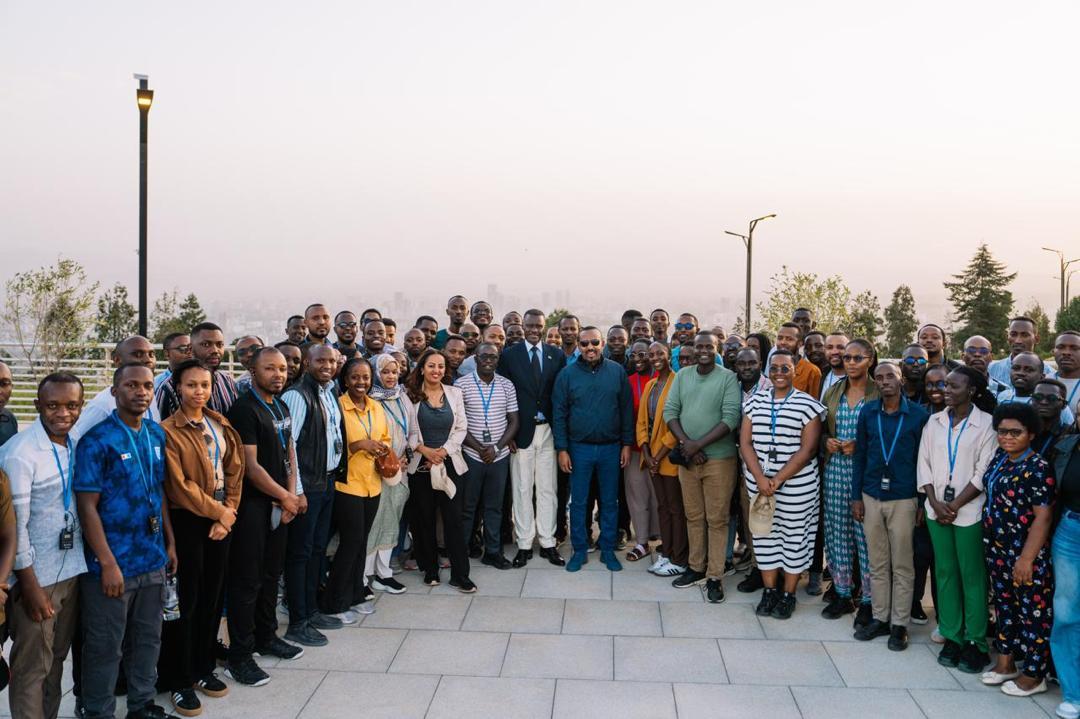
This evening, I broke bread with 128 fellow Rwandan medical practitioners pursuing specialty training in Ethiopia, alongside more than 400 colleagues from across Africa.
They are part of a growing community of African physicians dedicating themselves to the kind of expertise and excellence our continent’s healthcare future demands, within institutions helping shape the next generation of African medical leadership.
Through shared learning and purpose, we continue building a healthier Africa together.
The decision taken on Monday 7th August 2023 by the Appeals Chamber of the @unirmct on the case of Félicien #Kabuga is disappointing, as it doesn’t allow his trial to continue and opens the door to the release of Kabuga.
However, there was a misunderstanding in the public about this decision. The Appeals Chamber didn’t terminate the trial. It only decided to remand the matter to the Trial Chamber with instruction to impose an INDEFINITE STAY OF PROCEEDINGS, in view of Kabuga's lack of fitness to stand trial.
This decision means the following:
1. The case against Félicien Kabuga was not dismissed. He remains indefinitely accused by the IRMCT. Indeed, the Mechanism only suspended the proceedings due to Kabuga’s mental health, and the trial could resume if by any chance his mental state improves;
2. Félicien Kabuga will be released if any country is willing to receive him. However, he will only be CONDITIONALLY RELEASED in the sense that the receiving State will be instructed to impose strict conditions on him, such as handing over his passport, restricting his movements, regularly checking on him and reporting to the Mechanism, which will continue to monitor his health;
3. Félicien Kabuga will remain at the UN Detention Facility in The Hague until any country comes forward to offer the hosting, on its territory, of the suspected “financier of the genocide”.
4. As Félicien Kabuga remains indefinitely accused by the IRMCT, his assets will remain indefinitely frozen.
The lessons learned of this Kabuga saga is that it showed that the international community, including several European States, allowed this to happen by hiding Félicien Kabuga or refusing to extradite him for more than 25 years. In this regard, it’s worth noting that, over the past three decades, Rwanda sent more than 1,000 indictments to more than 30 countries, which could end up like the Kabuga case if those countries don’t act quickly to ensure that Justice is served for the victims and survivors of the 1994 genocide perpetrated against the Tutsi.
"Sanctions or different measures are meant to hurt people, in a way we are hurt. But I think it would hurt more by not doing what we are doing."
- President Paul Kagame
#RBANews#ACF2026
Today at Huye Campus, @Uni_Rwanda officially launched its Anti-Corruption Committees, marking a major milestone in institutional integrity. The Chief Ombudsman, Hon. @NirereMadeleine, delivered a powerful message to students, reminding them of Rwanda’s chosen values and path.🇷🇼✊
UNIVERSITY OF RWANDA WELCOMES RWANDA CHIEF OMBUDSMAN TO ANTI-CORRUPTION COMMITTEE LAUNCH
The Deputy Vice Chancellor for Finance, Françoise Kayitare Tengera, warmly welcomed the Rwanda Chief Ombudsman, Honorable Madame Madeleine Nirere, along with officials and students, to the official launch of the University of Rwanda Anti-Corruption Committee at Huye Campus.
She expressed sincere gratitude for the strategic collaboration between the two institutions, emphasizing that combating corruption is a responsibility the University of Rwanda holds in the highest regard.
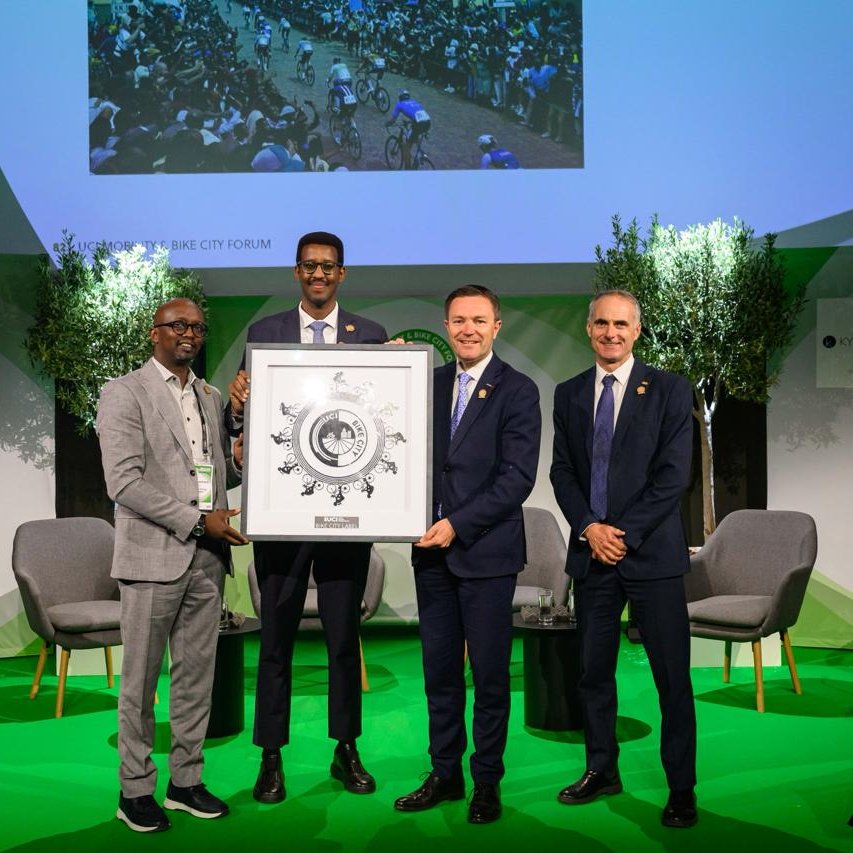
🇷🇼 Kigali has been awarded the “UCI Bike City Label Award” at the 2026 UCI Mobility & Bike City Forum in Athens, Greece.
This recognition comes after the successful hosting of the 2025 UCI Road World Championships🚴♂️, and also highlights the @CityofKigali ’s ongoing green mobility and sustainability initiatives, which continue to transform urban transport and promote environmentally friendly infrastructure. It further reinforces Rwanda’s commitment to cycling development, sustainable mobility, and delivering world-class sporting events.
#RwandaSports
HIGHER EDUCATION COUNCIL LAUNCHES NATIONWIDE OUTREACH — UR NYARUGENGE IS FIRST STOP.
The Higher Education Council (HEC), under the Ministry of Education, has launched a nationwide outreach program across all Higher Learning Institutions in Rwanda — beginning today at the University of Rwanda's Nyarugenge Campus.
The initiative creates a focused platform for regulators and institutions to engage directly on teaching quality, governance, and the effective implementation of the newly developed Higher Education Sector Strategic Plan (HESSP) 2025–2030 — ensuring every HLI understands, owns, and delivers on its strategic priorities.
The University of Rwanda — home to 7 colleges, 13 teaching campuses, nearly 33,000 students, and over 600 international students — welcomes this engagement wholeheartedly.
Vice Chancellor Prof. Kayihura Muganga Didas thanked the Minister of Education for the government's continued support, while highlighting the need for more modern infrastructure to meet growing student enrollment demands.
Quality education. Strategic alignment.
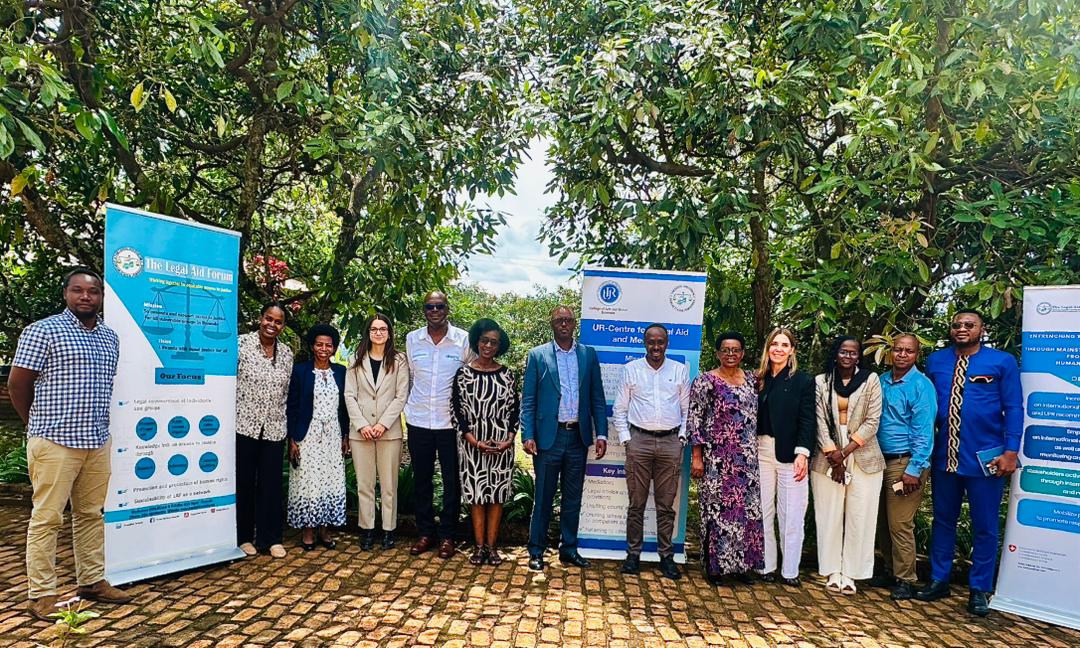
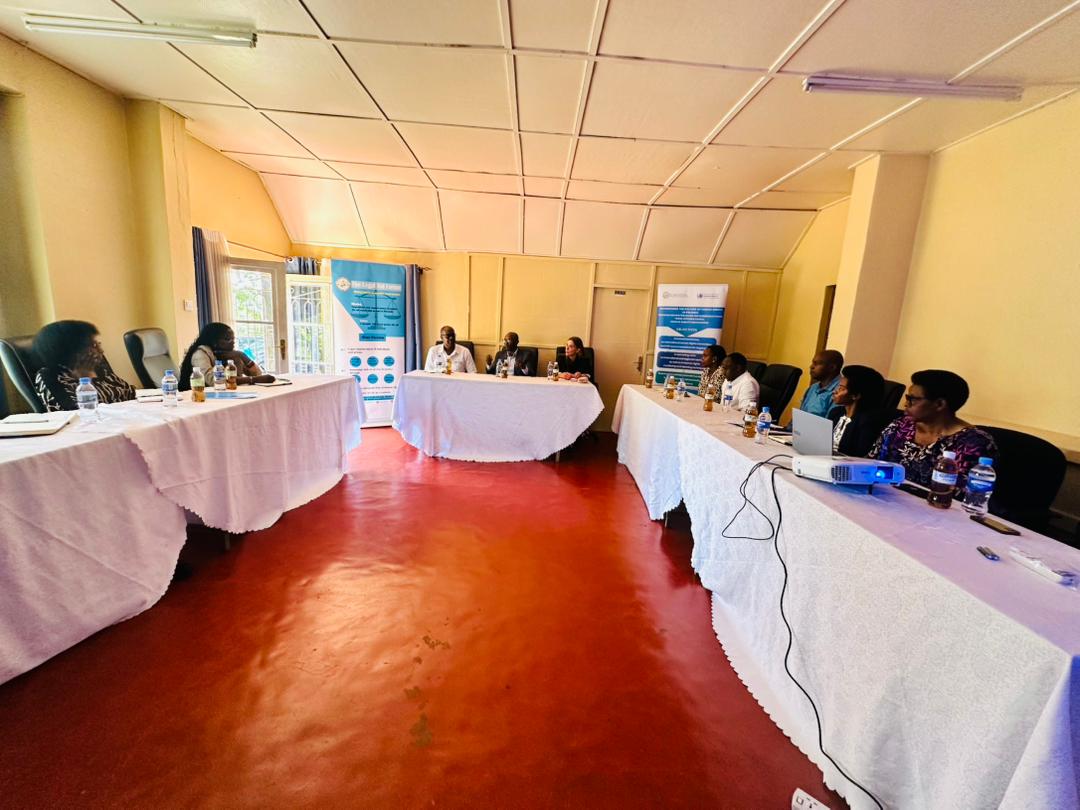
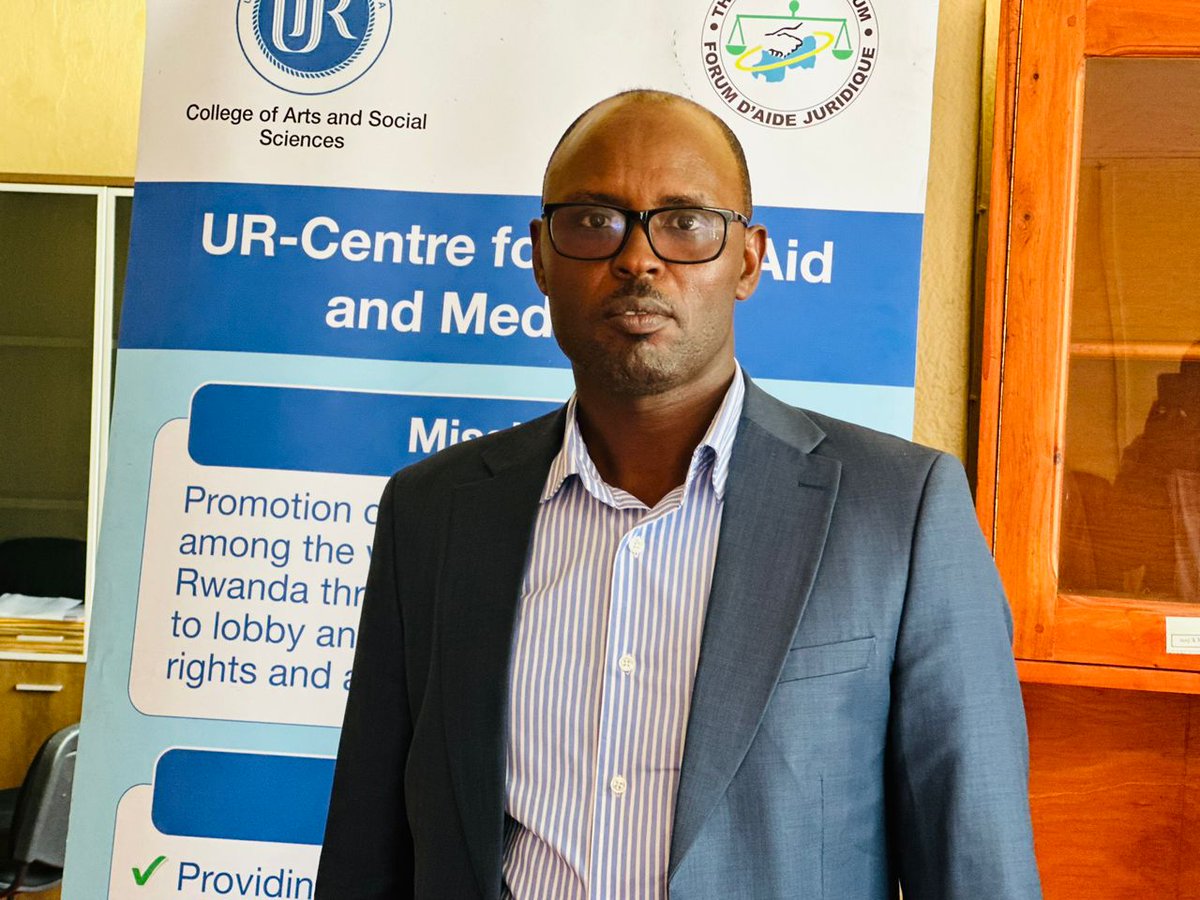
The Vice Chancellor of the University of Rwanda, Assoc. Prof. Kayihura Muganga Didas, has commended the role of the UR Center for Legal Aid and Mediation in resolving community legal issues while also emphasising its importance in giving law students valuable practical experience.
He made these remarks today while addressing partners, including the Deputy Ambassador of Switzerland to Rwanda.
@Uni_Rwanda@LegalAid_Rwanda
#SalusNews
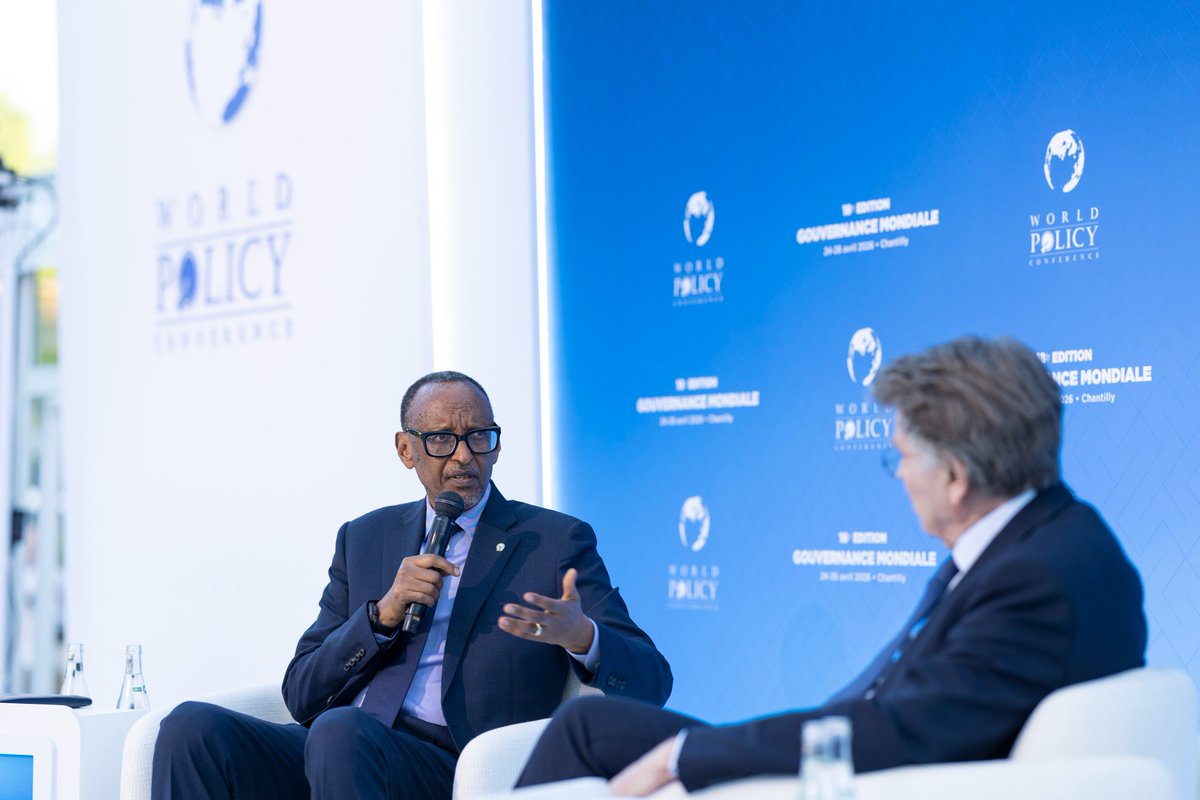
“What Africa wants is simple: To take care of ourselves, and work productively with others. With the fragmentation we are seeing around the world, more isolation is not the solution. It will breed rivalry and division.
Viewing development as a positive-sum game rather than a competition, can bring the predictability and coherence that our global system desperately needs. The question is not whether we can build a perfectly balanced world. It’s whether we can co-exist, even with our differences, and still prosper together.” President Kagame | @WorldPolicyConf #WPC2026
In a powerful message to the younger generation, Ambassador Prof. Joseph Nsengimana urged the youth to actively combat genocide denial and ideology, particularly noting its lingering presence in some neighboring countries.
He challenged young Rwandans to stand firm against any enemies attempting to undermine the nation's hard-won progress. He emphasized that the remarkable development Rwanda has achieved in the 32 years since the 1994 Genocide against the Tutsi was halted should serve as their ultimate tool to defend and build the country.
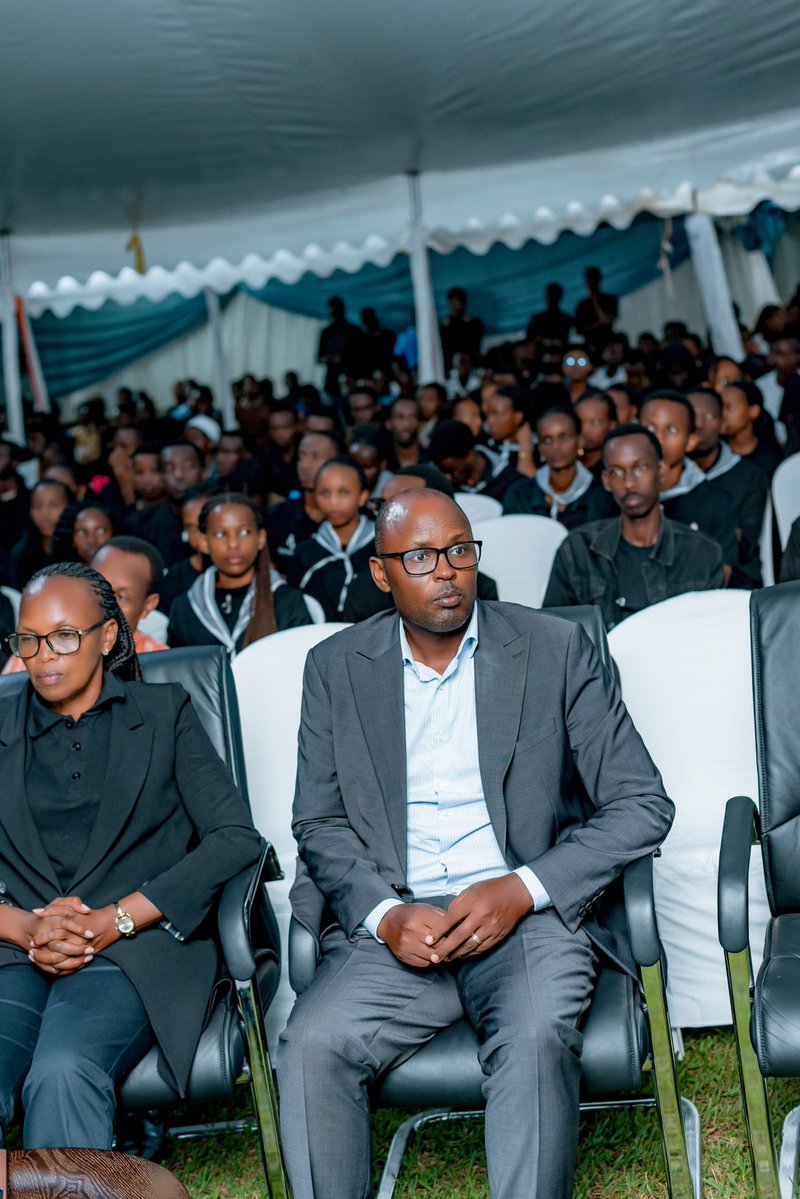
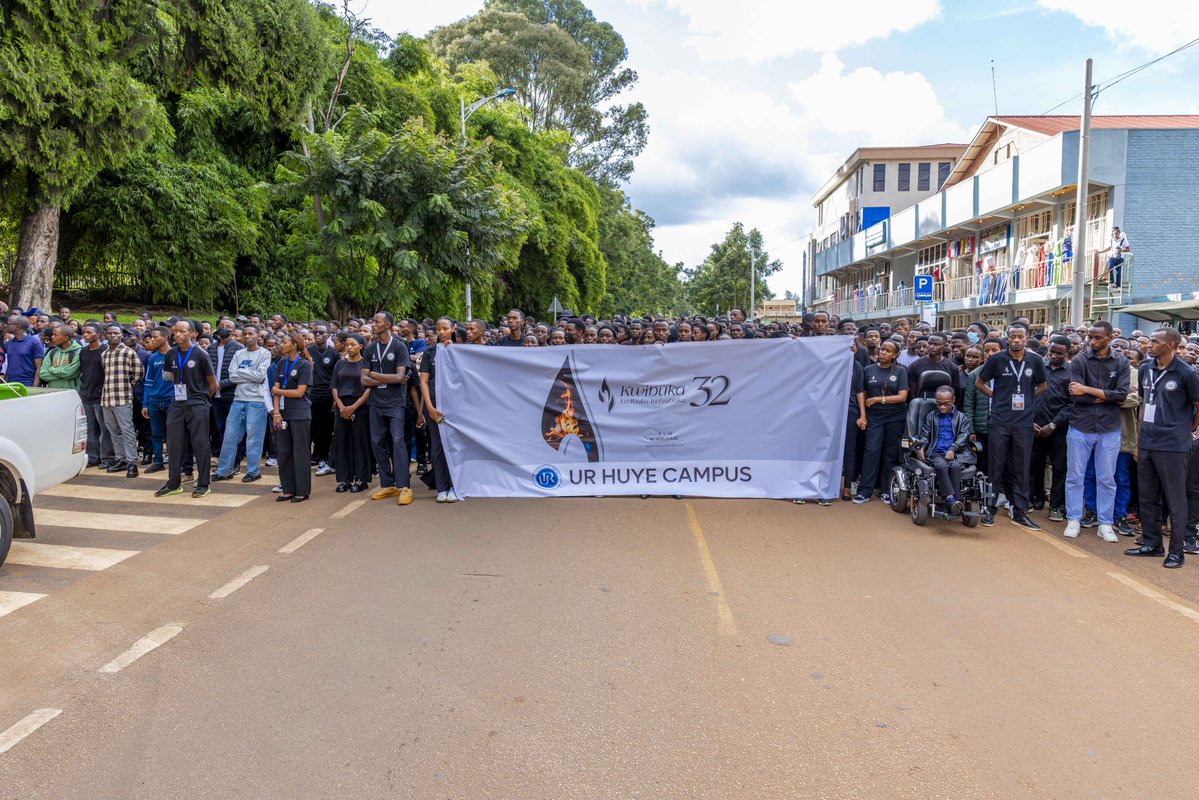
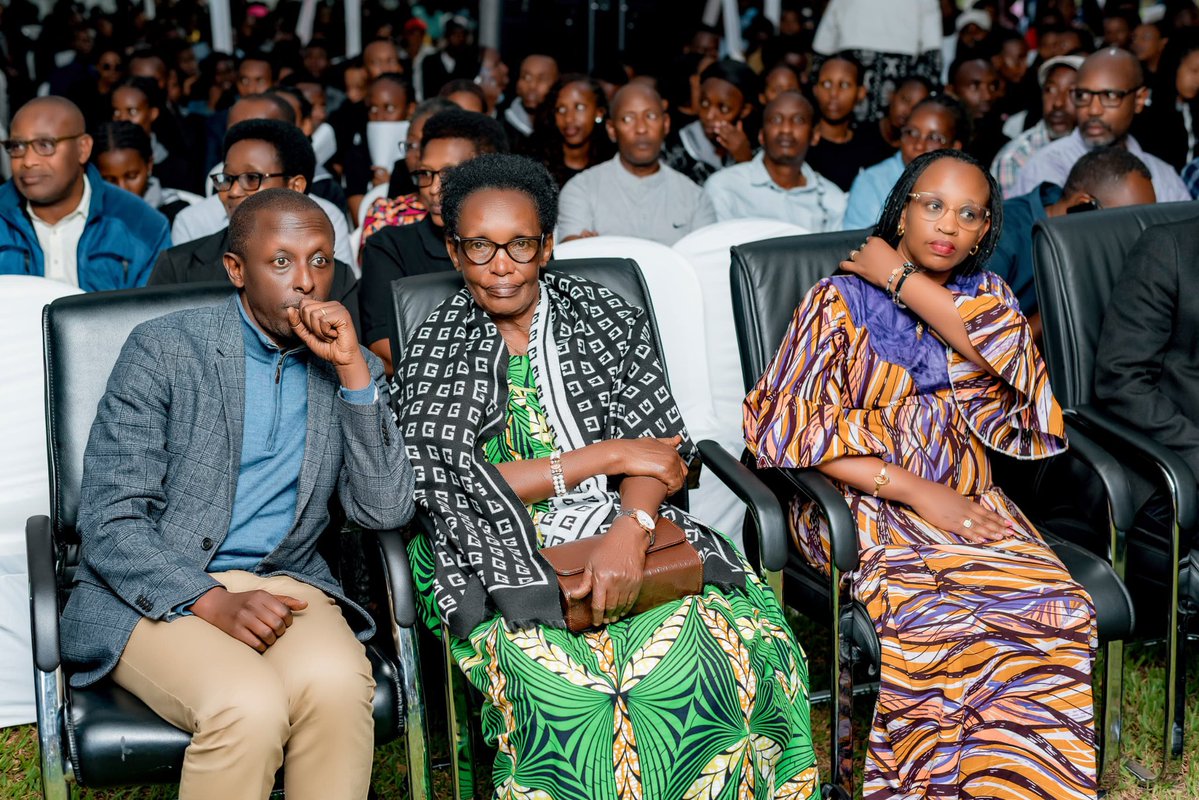
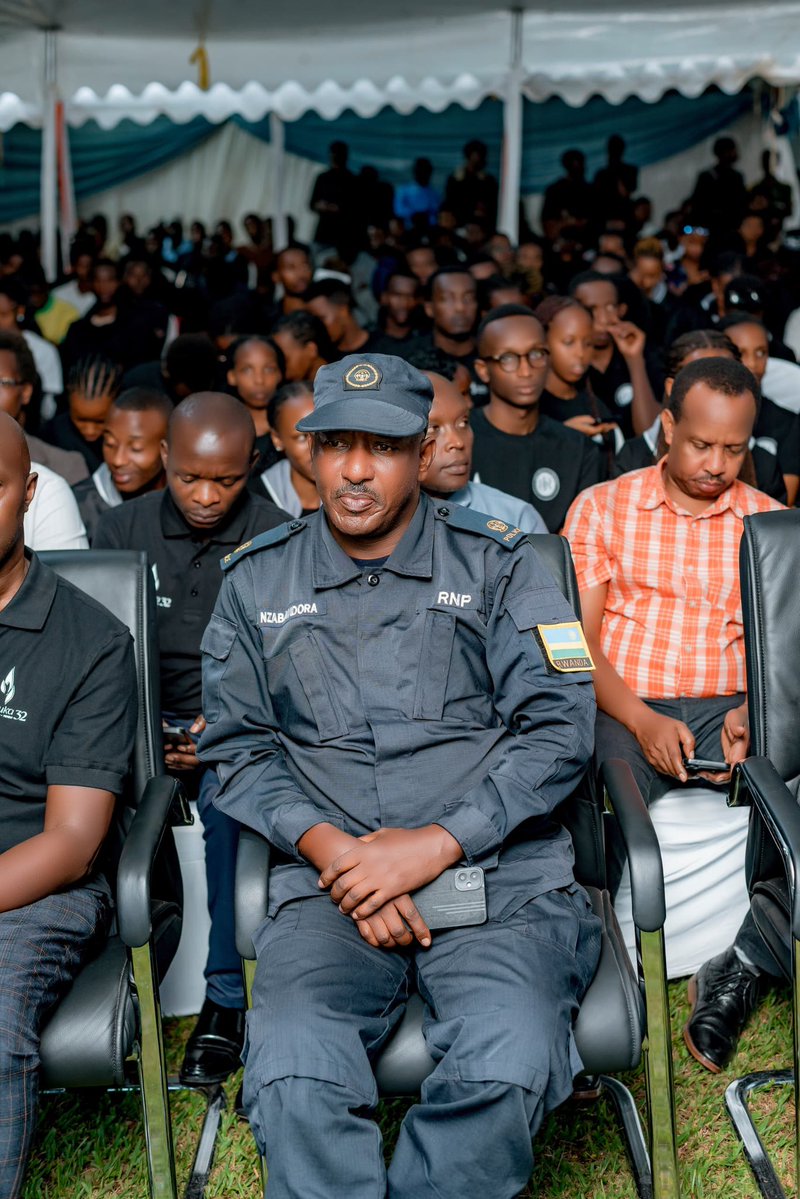
HAPPENING: At the @Uni_Rwanda Huye Campus, a night vigil is underway to honor students and staff who were killed during the 1994 Genocide against the Tutsi. It follows a Walk to Remember earlier in the day.
Follow us on WhatsApp: https://t.co/aG4fRINyu6


![mongi_writes's tweet photo. A few years ago, 🇫🇷 recognised its “overwhelming” share of responsibility in the 1994 Genocide against the Tutsi. That step had seemed almost impossible just a decade prior.
Too often people in our ✋🏿✋🏾✋🏽 parts of the world are denied even the mere possibility of healing, through a refusal to facilitate its most essential steps: there can be no good treatment to any ailment without an accurate diagnosis of what problem occurred, how it occurred, and why it occurred. It’s likely that if suffering is observed but purposefully unacknowledged or diminished, it is because its onlooker considers this suffering justifiable and therefore defendable. A scary thought. But when you have power (whether in relative influence or full military authority), the crimes you defend are crimes you enable. Silence altogether, as some wanted of President Macron, is a coward’s favourite tool of complicity.
President Macron chose otherwise, and offered recognition instead. It was an important pivot, but the machinery dedicated to protecting the genocidal order and rehabilitating genocidal ideology was [and is] very much alive. It fought to prove its existence, across traditional and social media, after the publishing of the Duclert report and Macron’s speech in Kigali, where the French President asked for forgiveness from survivors.
Publicly, and one would suspect behind closed doors as well, there were those who condemned President Macron for this truthful step or worse yet, this humane approach. Some, of banal racism, simply suggested that Africans were unworthy of the decency of a deserved apology. But there is no comfortable middle ground when it comes to dehumanisation and genocide, particularly when the power to prevent catastrophe sits within your grasp. Faced with the persecution of a people, fence-sitting is, in fact, taking a stance. You either oppose the killers and those who prepare the ground for them, or you help clear their path so they can march ahead, machette in hand, abetted.
As President @EmmanuelMacron inaugurates the Quai d’Orsay Memorial to the Genocide against the Tutsi, the hope remains that those who have chosen principle and sincerity regarding their involvement in our past, are succeeded by people with the integrity to adopt the same posture toward the future, because the warning signs did NOT disappear after July 1994.
There are STILL people in this region being persecuted for reasons disturbingly similar to those that drove the attempted annihilation of every Tutsi in Rwanda in 94. There are STILL political entrepreneurs in the region invested in scapegoating entire populations for problems they did not create, to justify their murder and erasure, to distract populations as to real problems. Lacking the capacity or legitimacy required to inspire genuine allegiance grounded in shared ambition, trust or love, some “leaders” wager instead on manufacturing hatred of others into partisan loyalty - a common purpose to rally frustrated populations behind them.
The political toolkit is the same across the world. There are still those working to make exclusion, persecution, and violence more palatable to the public by wrapping hatred in the language of security, patriotism, or justice for one’s “stolen wealth”.
And so there is still responsibility to be taken. The responsibility to recognise the signs and refuse their trajectory BEFORE the graves have to be dug and the memorials have to be built….The responsibility to ensure that future generations are not left inaugurating monuments to tragedies that today’s leaders had every opportunity to prevent.
Despite the silver linings, there’s a soft ache here. I think we want to go to France for the gorgeous terrasses, cheese, croissants, and much more. Not in mourning of innocent people whose loss the country had “overwhelming responsibility” in facilitating.
This is a step. But it’s just a step. There’s a long way ahead with many, manyyy more.](https://pbs.twimg.com/media/HJz7a2PWIAAiflP.jpg)














![mongi_writes's tweet photo. A few years ago, 🇫🇷 recognised its “overwhelming” share of responsibility in the 1994 Genocide against the Tutsi. That step had seemed almost impossible just a decade prior.
Too often people in our ✋🏿✋🏾✋🏽 parts of the world are denied even the mere possibility of healing, through a refusal to facilitate its most essential steps: there can be no good treatment to any ailment without an accurate diagnosis of what problem occurred, how it occurred, and why it occurred. It’s likely that if suffering is observed but purposefully unacknowledged or diminished, it is because its onlooker considers this suffering justifiable and therefore defendable. A scary thought. But when you have power (whether in relative influence or full military authority), the crimes you defend are crimes you enable. Silence altogether, as some wanted of President Macron, is a coward’s favourite tool of complicity.
President Macron chose otherwise, and offered recognition instead. It was an important pivot, but the machinery dedicated to protecting the genocidal order and rehabilitating genocidal ideology was [and is] very much alive. It fought to prove its existence, across traditional and social media, after the publishing of the Duclert report and Macron’s speech in Kigali, where the French President asked for forgiveness from survivors.
Publicly, and one would suspect behind closed doors as well, there were those who condemned President Macron for this truthful step or worse yet, this humane approach. Some, of banal racism, simply suggested that Africans were unworthy of the decency of a deserved apology. But there is no comfortable middle ground when it comes to dehumanisation and genocide, particularly when the power to prevent catastrophe sits within your grasp. Faced with the persecution of a people, fence-sitting is, in fact, taking a stance. You either oppose the killers and those who prepare the ground for them, or you help clear their path so they can march ahead, machette in hand, abetted.
As President @EmmanuelMacron inaugurates the Quai d’Orsay Memorial to the Genocide against the Tutsi, the hope remains that those who have chosen principle and sincerity regarding their involvement in our past, are succeeded by people with the integrity to adopt the same posture toward the future, because the warning signs did NOT disappear after July 1994.
There are STILL people in this region being persecuted for reasons disturbingly similar to those that drove the attempted annihilation of every Tutsi in Rwanda in 94. There are STILL political entrepreneurs in the region invested in scapegoating entire populations for problems they did not create, to justify their murder and erasure, to distract populations as to real problems. Lacking the capacity or legitimacy required to inspire genuine allegiance grounded in shared ambition, trust or love, some “leaders” wager instead on manufacturing hatred of others into partisan loyalty - a common purpose to rally frustrated populations behind them.
The political toolkit is the same across the world. There are still those working to make exclusion, persecution, and violence more palatable to the public by wrapping hatred in the language of security, patriotism, or justice for one’s “stolen wealth”.
And so there is still responsibility to be taken. The responsibility to recognise the signs and refuse their trajectory BEFORE the graves have to be dug and the memorials have to be built….The responsibility to ensure that future generations are not left inaugurating monuments to tragedies that today’s leaders had every opportunity to prevent.
Despite the silver linings, there’s a soft ache here. I think we want to go to France for the gorgeous terrasses, cheese, croissants, and much more. Not in mourning of innocent people whose loss the country had “overwhelming responsibility” in facilitating.
This is a step. But it’s just a step. There’s a long way ahead with many, manyyy more.](https://pbs.twimg.com/media/HJz7a2QXQAAj_tD.jpg)