This is now the Twitter feed for the The Person-Centred Care for Complex Health Needs theme at @PrimaryCareMcr. Thinking of changing our name. Any suggestions?
Thank you to all our followers for still being there. We realise this account has been inactive for some time but we will get back to tweeting in the near future. Watch this space.
New paper from our team: "A qualitative exploration of patients’ experiences, needs and expectations regarding online access to their primary care record" @BRWMcMillan @RGouldingUoM@beccimorris13@carolin_sanders https://t.co/iraekr4VVn
Today is #WorldHearingDay. Our researcher @DrDaliaTsimpida has put together this fantastic virtual gallery of images around hearing health and hearing care. Why not take a look. #SR4Health
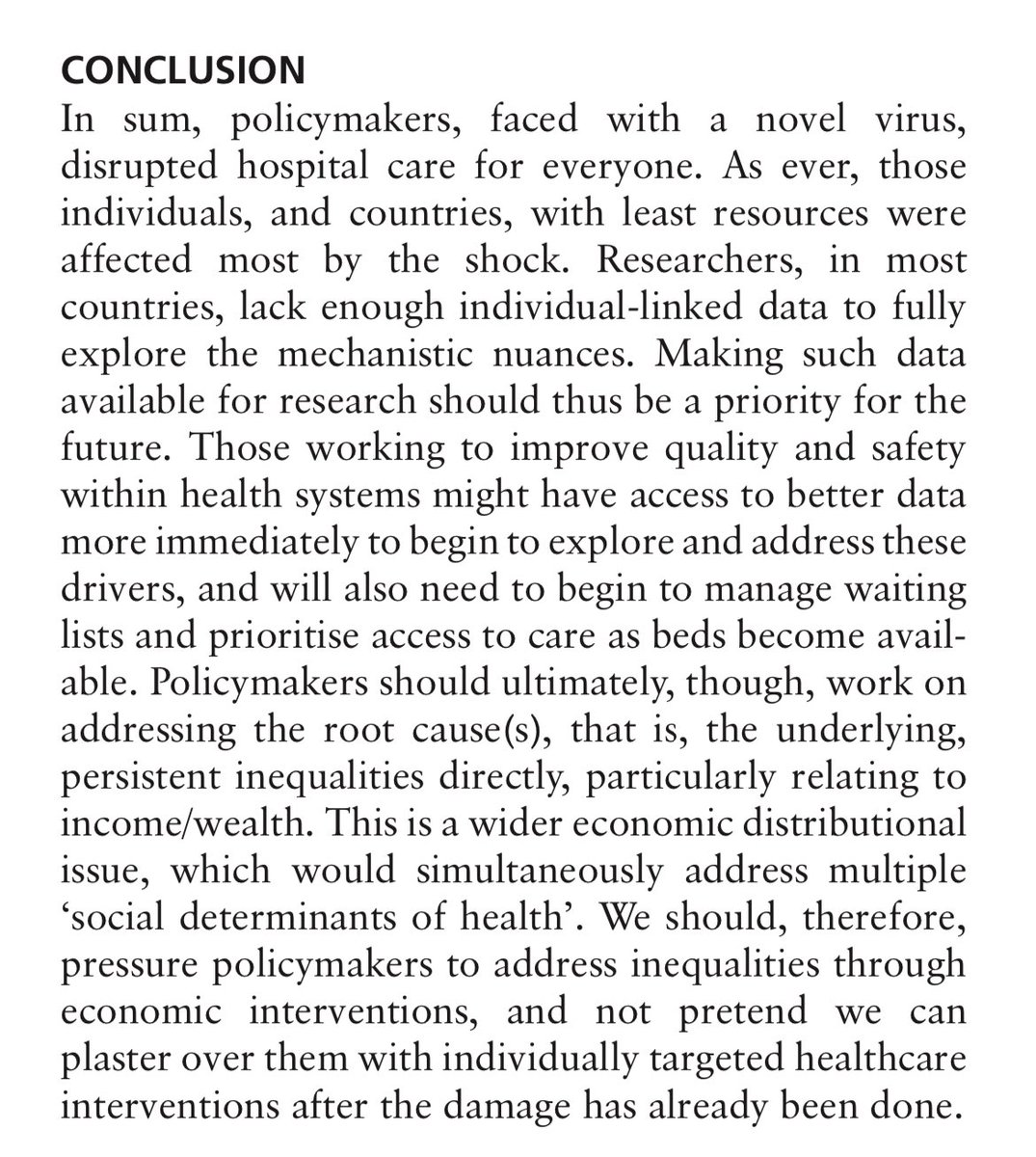
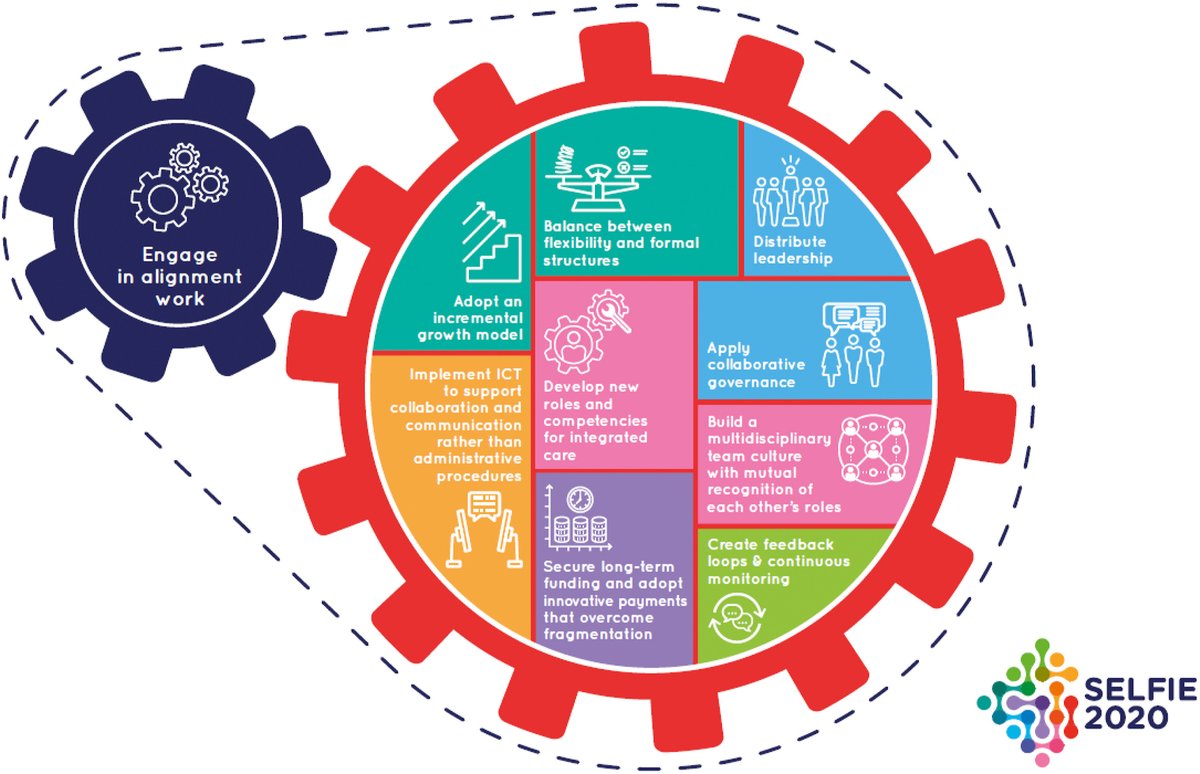
Our latest @SELFIE_2020 paper looks at, "Drivers of successful implementation of integrated care for multi-morbidity: mechanisms identified in 17 case studies from 8 European countries" https://t.co/II8quZ9Cy7 @HOPE_UoM
Want to find out more about our feasibility study of an intervention to improve healthcare communication and patient safety for people aged 65+ with multimorbidity in primary care? We are now on the @ISRCTN registry: https://t.co/IXGgtB600W #healthcomm#ptsafety#multimorbidity
Some GP consultations are simple transactions, but many are complex. We asked GPs what makes consultations complex, and developed a score to measure and compare complexity in different practices, patient groups, and types of consultations. https://t.co/oloN9I47Qm
Fantastic blog about a researcher (our very own Dr Nic Small) and public contributors working together to develop and present a poster at the @sapc North virtual conference.
SPCR launching fellow Dr Nic Small won SAPC North prize for involvement in Dec 2020.
She worked with public contributors, co-developing a digital poster for the conference which they talk about in a blog here: https://t.co/nEsEV1tqSY
#EMPOWER@MRCSTART@PrimaryCareMcr@sapcacuk
This survey asks some interesting questions about how multimorbidity (multiple long-term conditions) should be defined / measured. There are two versions - one for clinicians and researchers etc. and one for members of the public. Click below to find out more:
Supporting patients to self-manage their asthma has quickly become a more effective way to manage asthma exacerbations. @drAlexHodkinson describes how their new #BMJResearch sought to determine which models are most effective
https://t.co/M4R8zx2pRV
📢Calling all SPCR researchers
We have launched another funding call for engagement and dissemination activities.
The activity should be linked to an existing local or national health awareness campaign.
https://t.co/LCRUhBc72U
I present a brief overview of the difficulties older people (65+) with multimorbidity face when communicating with primary care staff, and how I'm developing resources to help patients prepare for appointments and convey concerns. 3/ #HSRUK2020#healthcomm https://t.co/5rWXqwmzWU
'Patient feedback for safety improvement in primary care: results from a feasibility study'. Co-authored by @sallygiles18 from @PrimaryCareMcr / @PSTRC_GM. Published in @BMJ_Open https://t.co/E6nuRWQSgH
Care pathways have potential to reduce treatment errors and optimise patient outcomes, but what are the barriers and facilitators of the implementation in primary care? A recent study in #BMCFamPract investigates. https://t.co/ugu88klQfa
Today’s daily definition challenge is slightly different! We’re asking how you would feel if you saw this sentence in a patient leaflet. #wordsforhealth DAY 16 https://t.co/5Yj32d5NBN
⭐️Implementing a national diabetes prevention programme in England: lessons learned is published in BMC Health Services Research. You can download the final published version #OpenAccess via https://t.co/m0DxUsPaM6 #diabetes#prevention#NHS#England
With psychological therapy services going remote, you might be interested in this blog on our recent paper exploring 'interactional features' in face to face and phone therapy https://t.co/BSYdqIeiVa