New in @JSHS_MedHealth
Practical recommendations on stretching exercise: A Delphi consensus statement of international research experts
https://t.co/ULB29mJKXr
💡🆕 Review de estiramientos:
🧘♂️ Elige el tipo según el objetivo: calentar/rendir ⚡ vs. ganar flexibilidad 🧩
⏱️ Antes de rendir: controla tiempo e intensidad (más ≠ mejor).
📈 A largo plazo: todos mejoran la flexibilidad sin perder fuerza.
https://t.co/X0qo8yH5dT
A simple guide to how mitochondria work. 4️⃣ primar jobs
Mitochondria are more than the “powerhouse of the cell.” They’re multitasking organelles that control energy, stress, genetics, and even cell survival. Here are the 4 primary jobs they do:
1️⃣ ATP Generation (Energy Production)
Mitochondria convert glucose, fats, and amino acids into acetyl-CoA, which enters the TCA cycle and electron transport chain (ETC).
The result: ATP, the energy currency for everything from nerve signals to muscle contractions.
🟢 Example: Every time you move or think, mitochondria are fueling the process.
2️⃣ ROS Balance - i.e., redox control
As mitochondria make ATP, they also generate reactive oxygen species (ROS) damaging byproducts.
Antioxidant enzymes (like catalase, SOD, glutathione peroxidase) keep ROS under control.
Too much ROS = oxidative stress → cell injury or death.
🟢 Example: Exercise trains mitochondria to better balance ROS, which is one reason it’s so protective.
3️⃣ mtDNA Maintenance (genetic stability)
Mitochondria have their own DNA (mtDNA), which encodes key ETC proteins.
Damage or mutations in mtDNA reduce energy output and contribute to diseases.
mtDNA mutations accumulate with age, linking mitochondria to neurodegeneration and aging.
🟢 Example: Mitochondrial DNA damage is a hallmark in Alzheimer’s and Parkinson’s disease.
4️⃣ Membrane Dynamics (fission & fusion)
Mitochondria constantly split (fission) and merge (fusion) to adapt to stress and demand.
This dynamic reshaping controls quality, removing damaged mitochondria (mitophagy) and keeping networks healthy.
🟢 Example: Impaired fission/fusion is seen in metabolic disorders and neurodegenerative disease.
Mitochondria don’t just make energy. They balance oxidative stress, protect genetic integrity, and constantly remodel themselves to keep cells alive. Supporting mitochondrial health means supporting the foundation of cellular life.
Mi charla de hoy en la @upvehu sobre el rol de la función mitochondrial en la salud y enfermedad.
Este es el link 👇
https://t.co/eJ8Yd68swz
(Mi charla empieza en el minuto 14)
Eskerrik asko @upvehu eta @ztf_fct gonbidapenagatik!
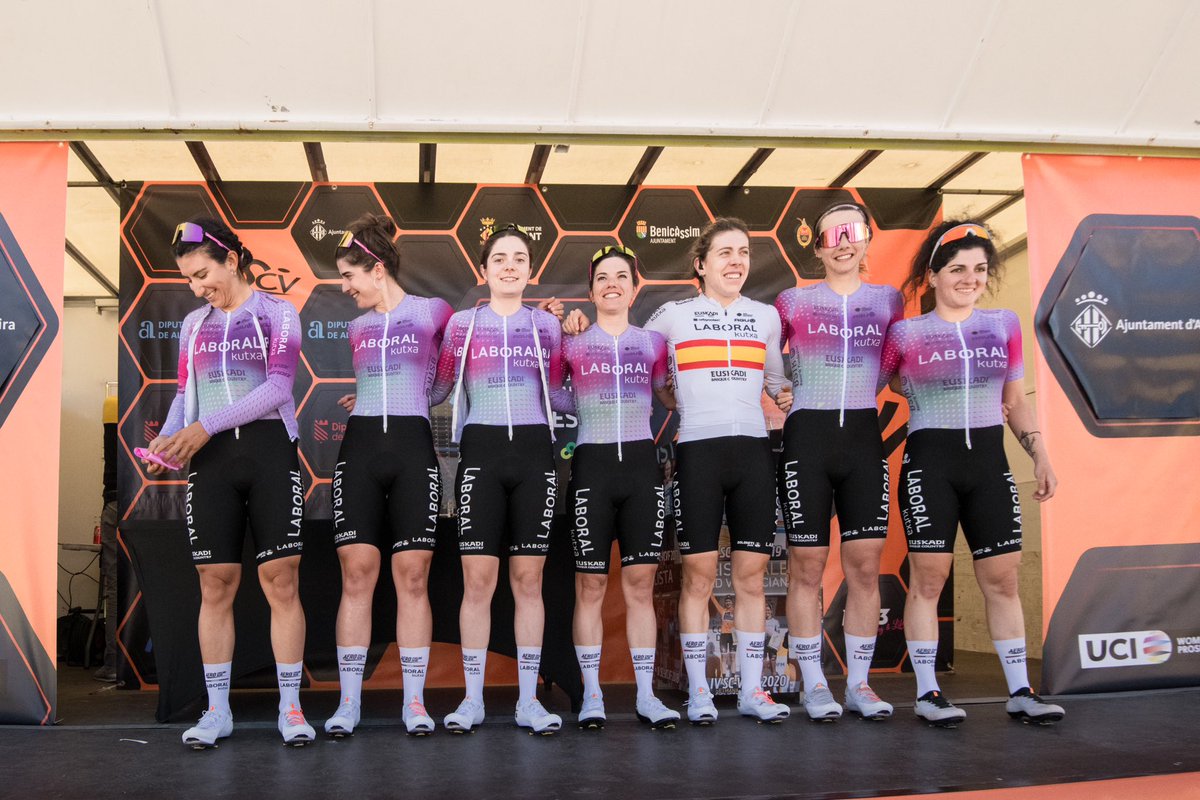
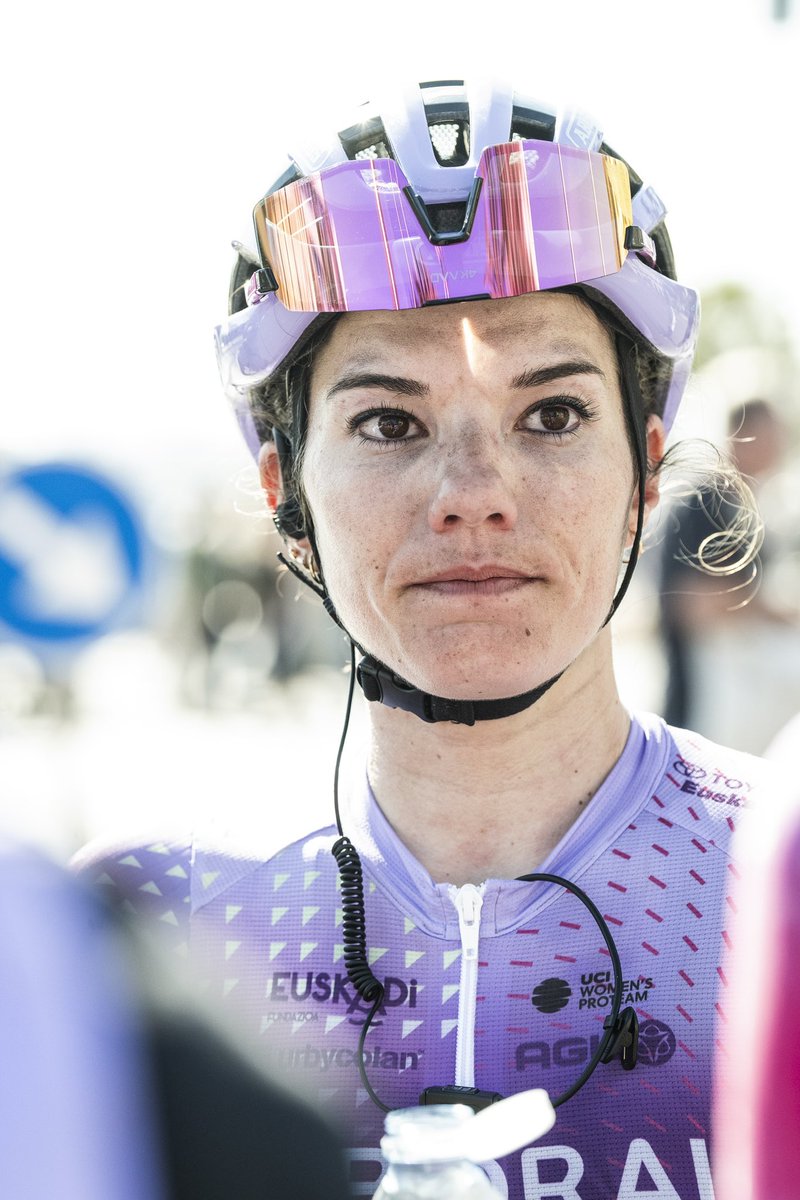
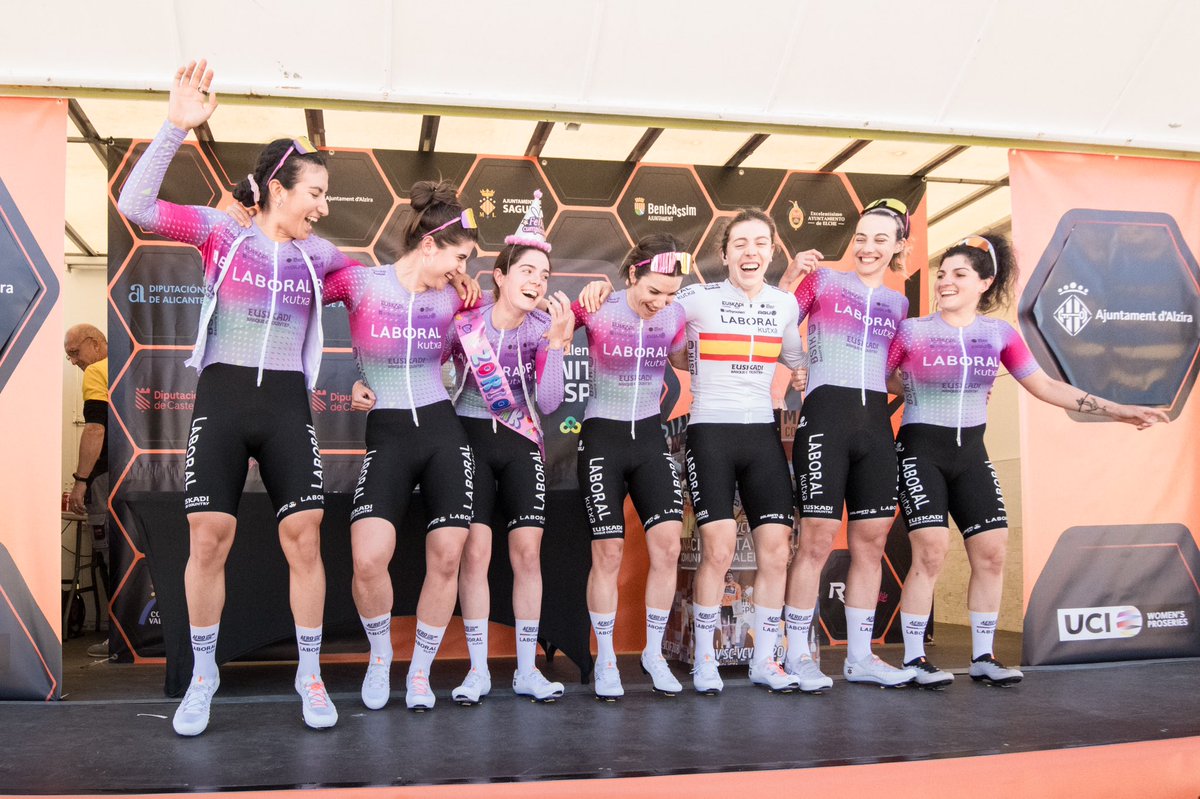
#LaboralKutxaEuskadi 💜
Oraingoan ere eredu 💪
@ane_santesteban se abre para hablar de su experiencia con un problema de salud que afecta a muchas mujeres deportistas. Gracias
por abrirte y ser ejemplo para las mujeres de ahora y deportistas del futuro.
https://t.co/dKJihracVX
Me ayudáis a que @VoleibolLeganes gane un premio por sus buenas prácticas municipales?? Solo tardáis 30 seg en rellenar el siguiente cuestionario!! GRACIAS https://t.co/8QpFVMsEFg
La Facultad de Medicina, Salud y Deportes ha alcanzado el puesto 25 a nivel global en el prestigioso Ranking Shanghái, consolidándose como la mejor universidad privada de España y la segunda mejor del país en este ámbito. https://t.co/aJ9KZYlqWG
📝 Some advise for physiologist and athletes both testing and receiving tests with metabolic carts.
It is crucial to ask questions, have the right equipment, do due diligence and don't think that because you do a test breathing into a mask the data will be correct…
-There are multiple brands of metabolic carts. Some are very good and scientific. Others are not that great and others don’t even have a CO2 sensor which doesn’t qualify them as valid scientific “metabolic cart” to use with athletes.
-Calibration is absolutely Key.
You should have your cart perfectly calibrated. The metabolic cart should be calibrated every day or even before every test. Also, ideally you should be able to use a manual calibration. For competitive athletes, do not trust those carts which are calibrated every so often. Chances are that they will not give you correct data. Metabolic carts get decalibreated all the time and need to be calibrated constantly. You should be able to do a manual calibration test for O2 and CO2 so you can see exactly wat calibration error is and repeat calibration until it is perfect. O2 is precisely 20.94% and CO2 0.04%. A calibration that gives you a 20.99% of O2 and especially a 0.02% or 0.06% of CO2, will pass the test and will allow you to perform the test. However, that metabolic cart is not perfectly calibrated and you will have high chances of not getting accurate information for a competitive athlete. The metabolic cart should have 2 calibration tanks (O2 and CO2) simulating expired air from the lungs as control, so concentration should be exactly what the tank reads which is~16% and ~5% for O2 and CO2 respectively. Same for calibration Ventilation through the pneumotachograph.
When I was a competitive cyclist, I went to a lab and my VO2max was 94ml/kg/min. I told the person running the test (an exercise physiology student) that it couldn’t be right and probably the ventilation was not properly calibrated. It was in fact upon proper calibration my VO2max was 76.3ml/kg/min.
When working with competitive athletes, all different calibrations in the process need to be repeated until they are PERFECT.
-For athletes: Always do your due diligence on the person who is performing the test on you as it has to be either an exercise physiologist, a physiologist, doctor… all who have received an academic education and experience with metabolic carts. Many coaches are not necessarily physiologists and I have seen many coaches without any formal education or degree, performing metabolic test obtaining completely wrong data as the metabolic cart was not properly calibrated and they never noticed it due to lack of knowledge and preparation…I get athletes sending me reports from their coaches and several “labs” with high VO2max and especially impossible fat and CHO oxidation rates. I have even seen from a “pro coach” a FATmax of 0.98g/min at maximal exercise intensity…That is absolutely impossible. However, the coach didn’t even notice it…Hence, the training zones and data can be quite wrong and jeopardize several aspects of the preparation of an athlete such as training and nutrition.
Anyways, in the midst of so many athletes getting metabolic testing and so many labs popping out with multiple brands of metabolic carts, it is key to watch out and do due diligence on different aspects. Who is performing the test, what is the academic background, certifications, what metabolic cart is being used, Does it have a CO2 sensor, is the metabolic cart calibrated every day or even every test?…Otherwise, so many athletes and coaches will keep getting completely wrong information in so many instances…
Hope this helps…
🏐 El voleibol respalda a Felipe Pascual en las elecciones a la Asamblea de la RFEVB para ser el nuevo presidente 🗳️
Informa @JMoragon9
https://t.co/4sDU9rd50o
“Mi hija entrena un mogollón”: la madre de Paula Ostiz 🇪🇸, campeona europea junior y hoy plata en el Mundial de Zúrich, es ecuatoriana y no puede estar más orgullosa de sus hijos, todos ciclistas.
#EuroRoad24 | ¡Os traemos unos de los mejores #InsideCofidis de los últimos tiempos! 🤩
👉 Descubre cómo se vivió desde dentro la gran actuación del #TeamESPciclismo 🇪🇸 en el Europeo
🥇 Paula Ostiz - CRI junior
🥈 Héctor Álvarez - Ruta junior
Vídeo completo 🔗 https://t.co/3XADHp3Lqi
@ciclistacofidis
#EuroRoad24 | 🥇 ¡UN DÍA INOLVIDABLE! ¡PAULA OSTIZ, CAMPEONA DE EUROPA!
📺 Os invitamos a vivir la victoria de Paula Ostiz en la crono junior del Europeo desde dentro del #TeamESPciclismo 🇪🇸
¡Mucha emoción! ¡Muy orgullosos de ti, Paula! ♥️
Our students from different master's degrees can enjoy and learn from the knowledge of this professional in the sector Matthijs Vink Co-founder and CEO @EsportsH20 🤍🏆🕹️👾
#TrainYourDreams#RealMadrid
Tras un pequeño hiato, vuelvo a publicar un artículo de opinión sobre los JJOO con mi buen amigo @BenitoPerezGonz y otros prestigiosos profesores. París 2024: ¿los Juegos que se financian a sí mismos? https://t.co/bTWMoapMgB vía @Conversation_E
A few important points on the autocrine role of lactate in human performance and muscle bioenergetics.
1.Lactate is a major (if not the major) fuel for muscles (Brooks, 2022 https://t.co/QzbsHJq3q5)
2. When glycolysis is accelerated, cytosolic NAD+ levels decrease. Cellular redox status and NAD+/NADH ratio can be disrupted. Lactate is the key player during glycolysis to replenish NAD+ through the reduction of pyruvate to lactate for the continuation of glycolysis and maintenance of Redox status.
3.Lactate inhibits/decreases CPT-1/2 activity and therefore affecting mitochondrial fatty acid transport and oxidation as well as decreasing maximal ATP production and mitochondrial respiration (San Millan et al, 2022 https://t.co/tc7dNMgHwf)
4. Lactate inhibits phosphofructokinase (PFK) which is a rate-limiting enzyme in glycolysis. Therefore, very high levels of muscle lactate will eventually decrease glycolysis by inhibiting PFK (Leite et al, 2011 https://t.co/2wNbecEZu3)
5.Hydrogen ions associated to lactate (also ATP hydrolysis) elicit a characteristic “muscle microenvironment” with through decrease pH. Increased H+ and decrease pH can interfere with Ca2+ release from SR, troponin C sensitivity and cross-bridge cycling, all resulting in decreased of both strength and velocity of muscle contraction (Metzger and Moss, 1990 https://t.co/CYv0O2r8Ja).