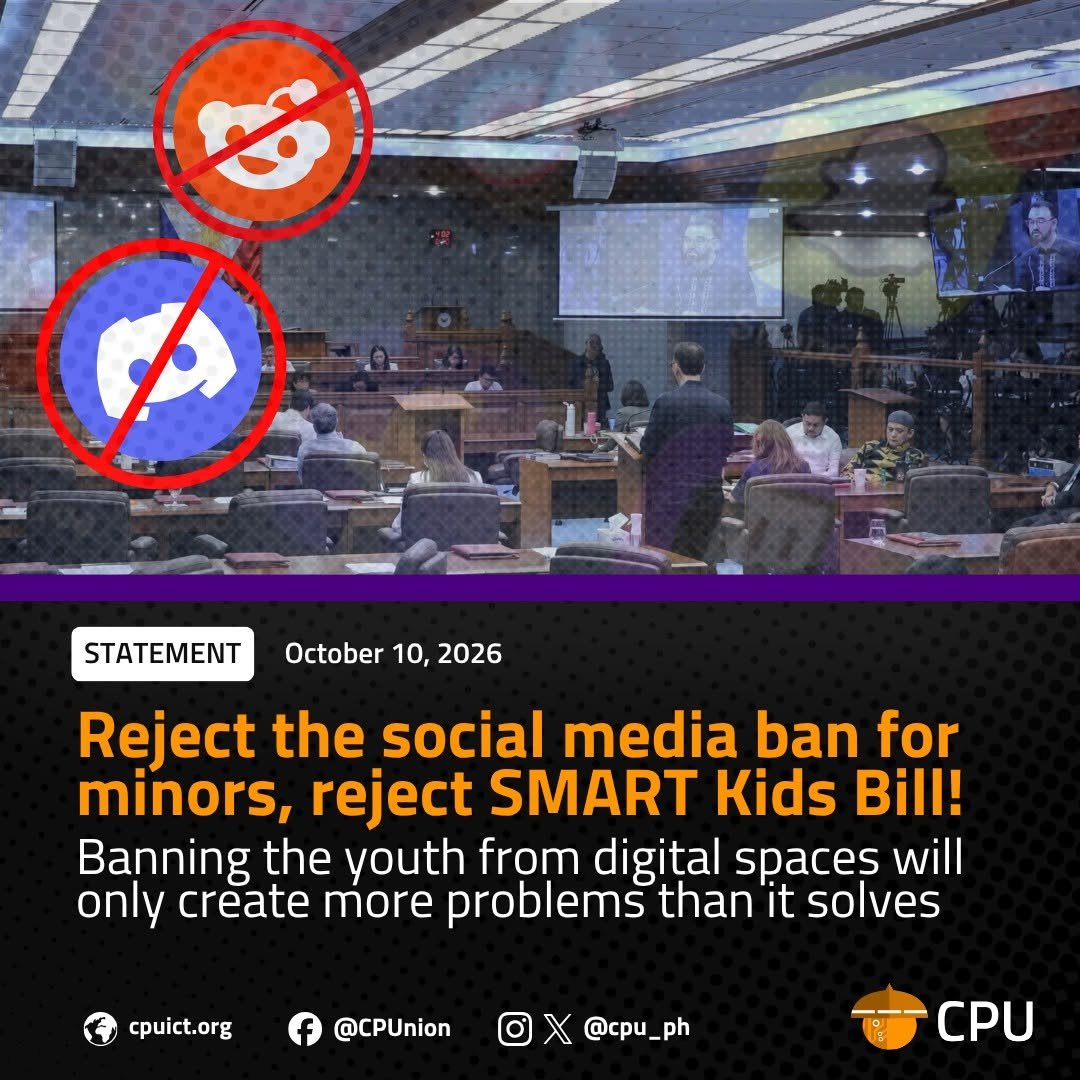
The EU is asking the public what they think about forcing everyone to verify their identity before they can get permission to read, write and share information online, while outlawing online anonymity.
I will provide formal expert feedback, but I’ll lead with one question.
Why do their online child safety campaigns revolve around images of 4 year old children that every parent should already be able to protect?
Children aged 4 or 5 are not creating social media accounts themselves. If they are, they should probably be on a shortlist to work for NASA.
Smartphones already give parents the controls to block apps, block websites, restrict content and set time limits for their own children.
So why does protecting a 4 year old require every adult to prove who they are before they can communicate online?
If people comment, I’ll gather as many responses as I can for a white paper, alongside data from previous posts that generated more than 1 million impressions and heavy engagement.
It’s time we properly documented what people actually think about identity verification, online anonymity and government surveillance under the guise of do-called “child safety”.
If you comment, please keep it respectful and constructive.
@EasyEaster@ChibiReviews You are taking a conversation to a different direction.
1. I and main tweets author didnt blame discord .
2. Our point was about that its not safe to share personal information on the internet. And these data leaks are a good example.
Some good news on the censorship front.
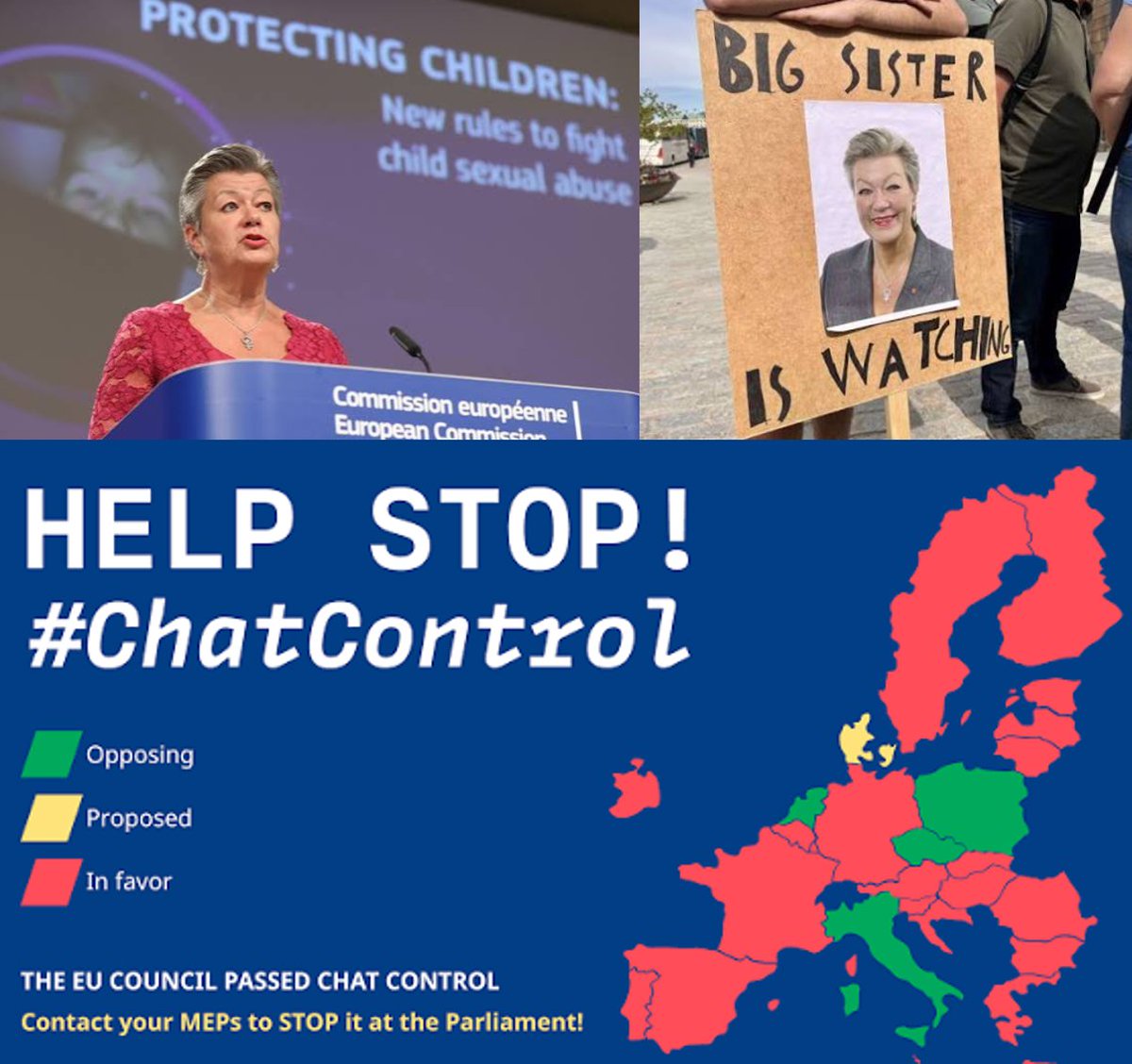
Chat Control 2.0 is facing more headwinds as more disputes over the detection of CSAM are being raised. The main issue is that parliament wants it restricted only to known sex offenders, but some within the council want more access. Specifically, they want full chat scanning capabilities in a wide dragnet.
"Suspicionless scanning," as some are calling it, would violate the EU's restrictions against indiscriminate surveillance. Some of the early texts of Chat Control 2.0 removed detection obligations from encrypted communications.
Chat Control 1.0 is already in effect, but even that is seeing increased unpopularity among EU authorities. 314 voted in favor of rejection, and 276 voted to keep it... but short of the 361 votes needed to reject it.
The authorities are frustrated with it because the vast majority of flagged content is not actionable or is material that minors are sharing with other minors. Almost half the flagged content has nothing to do with CSAM at all or is not legally relevant. Over 75% of the detected content is no use to law enforcement.
What's even more funny is that there is no published official count of any convictions that can be tied to Chat Control 1.0... and if there is anything that could be tied to it, you'd think they would announce it.
The next trilogue meeting will be in November to discuss the feasibility of the proposal, but no dates have been set... we will be watching!
KEEP SAYING NO TO CENSORSHIP BILL!!!!!
KEEP SAYING NO TO CENSORSHIP BILL!!!!!
KEEP SAYING NO TO CENSORSHIP BILL!!!!!
KEEP SAYING NO TO CENSORSHIP BILL!!!!!
KEEP SAYING NO TO CENSORSHIP BILL!!!!!
KEEP SAYING NO TO CENSORSHIP BILL!!!!!
KEEP SAYING NO TO CENSORSHIP BILL!!!!!
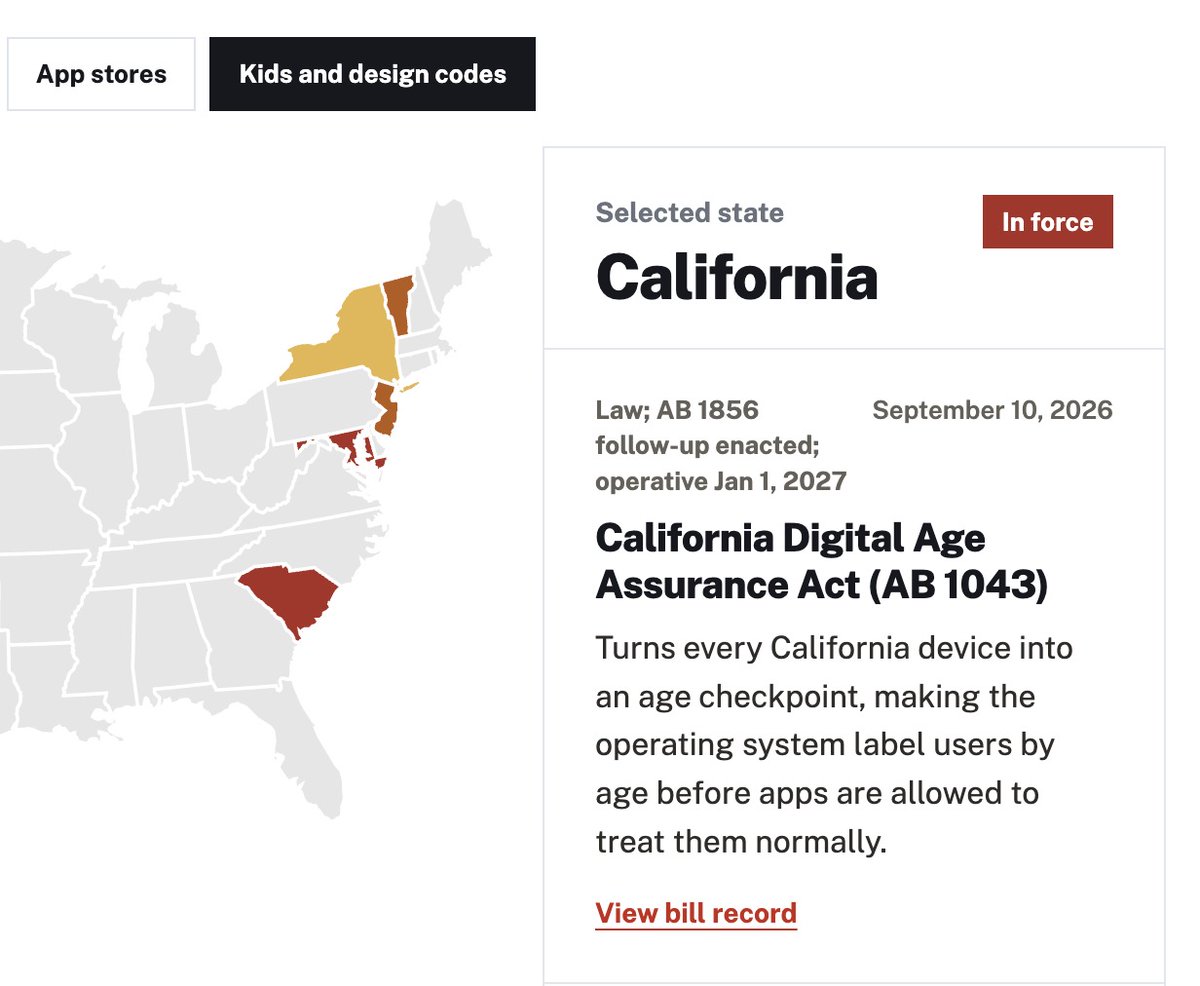
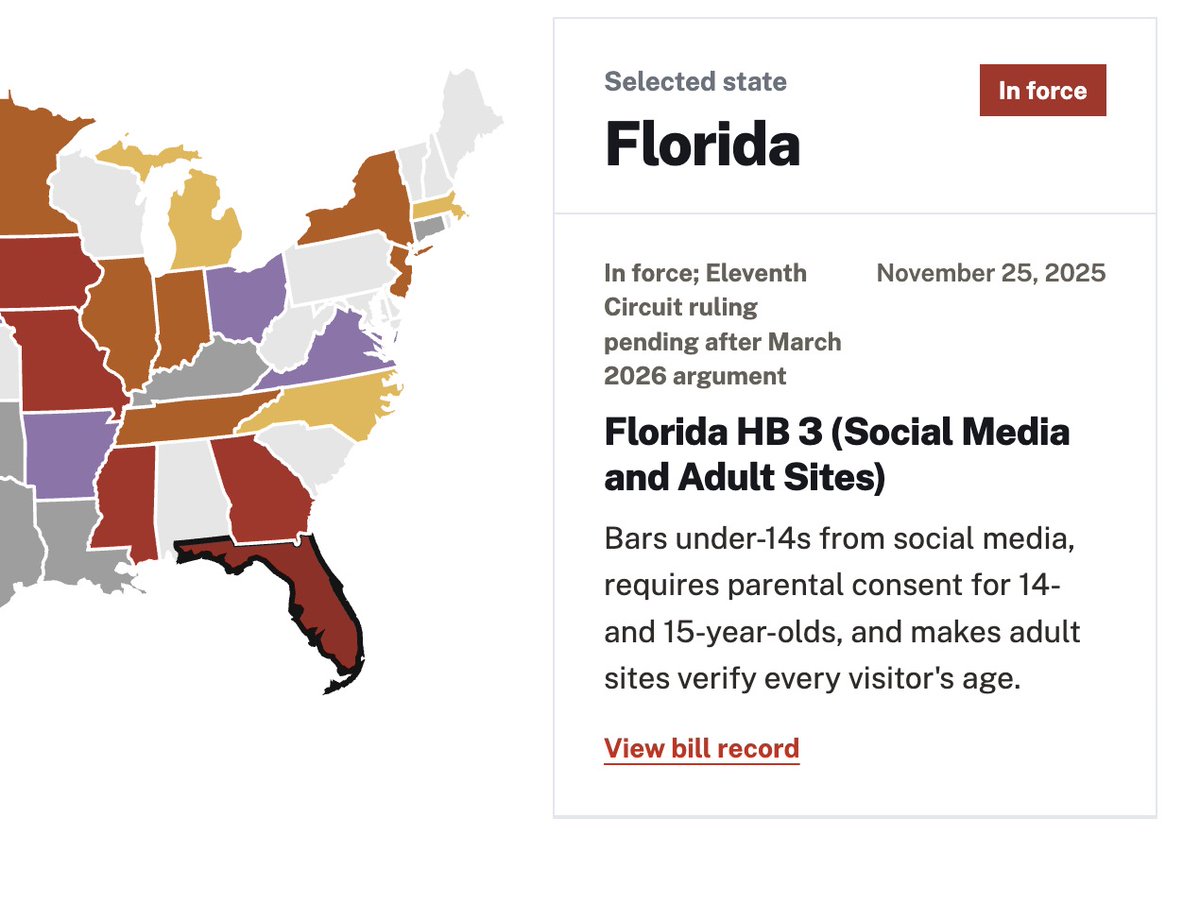
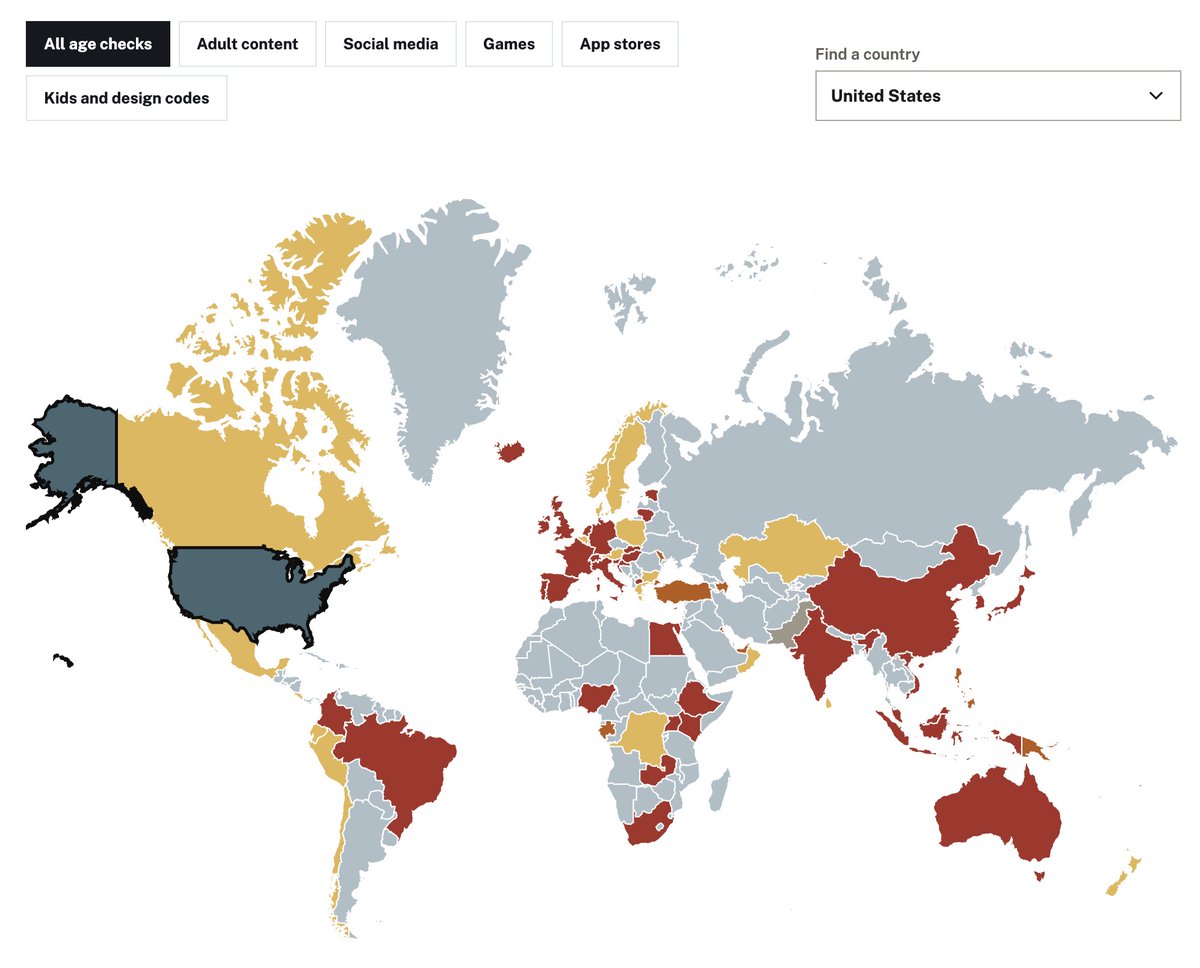
Age verification (digital ID) laws are spreading fast and most people have no idea what's already on the books near them.
We mapped every bill, state by state.
See what's passed, what's pending, and who wants to introduce ID checks for internet access.
We also have a global map so you can see the threats all around the world and map the co-ordinated effort to end privacy online...
https://t.co/Hz2eHwPDfj
It's never about kids
So now I wonder what this even is about
Probably bigger companies wanting to kill preservation and get stronger control over gamers or something idk
CHAT CONTROL 2.0 BLOCKED AGAIN, THANKS TO YOU!
What happened yesterday: the @Europarl_EN blocked the deal pushed by the @EUCouncil.
The Council wanted:
(1) "voluntary" scanning of all private chats under "search plans" approved automatically unless an authority vetoes;
(2) administrative authorities, not courts, ordering providers to scan private messages, not limited to suspects, using AI with massive false positive rates;
(3) making the failed Chat Control 1.0 mass scanning regime permanent, while admitting it is not effective, as we discussed in my previous posts.
Your voice to parliamentarians made a huge difference again: the Parliament refused scanning of private communications, stating it must remain limited to persons linked to child sexual abuse, not everyone by default or under a blanket licence, as Council proposed.
The Parliament also closed the back door where "risk mitigation" rules could force providers into scanning under threat of fines.
What did pass: a preliminary agreement on scanning publicly accessible content for known child abuse material. This was proposed by the Parliament as the effective, targeted alternative.
We still wait for the text to see what this means and will inform you in the coming weeks.
This defense proves again: our voice matters when it is vocal, with your support!
And we will need it again in November, so please follow the updates.
Now, it is important to call or write to your MEP and your government to say thank you to those who stand on the side of privacy.
They need to see you are watching their move. Please repost.