Well… this happened.
Our recent research on brain vascular and white matter changes with aging just got covered by The Hindu!
White matter isn’t just “wiring.” It reflects vascular health, resilience & biological ageing.
https://t.co/OUkfF8BH0U
@iamvivekt@IISER_BERHAMPUR
This mechanism is relevant to humans: In humans, reduced PU.1 expression correlates with delayed AD onset
Targeting surface receptors-CD28 points toward potential antibody-based microglia-driven immunotherapy approaches for treating AD. 💡 #Immunotherapy#MicrogliaTherapeutics
Just read an interesting paper! To achieve neuroprotection in #Alzheimers, plaque-associated microglia (a myeloid cell type) shifts transcriptionally to lymphoid expression, notably CD28, by lowered levels of the master transcription factor, PU.1
PU.1low CD28+ is the Protective Microglia
This PU.1low state drives microglia to express immunoregulatory lymphoid receptor proteins CD28.
This subpopulation (PU.1low CD28+) operates as suppressive microglia that mitigate AD progression by reducing severe neuroinflammation
Thrilled to announce that our paper entitled "Brain aging and cognitive decline accelerate beyond a threshold of periventricular white matter hyperintensity" is now published. Read it at:
https://t.co/B1ityI1BnR
@iamvivekt@nehayadav1211
NIBBR Lab, @IISER_BERHAMPUR
(1/n)
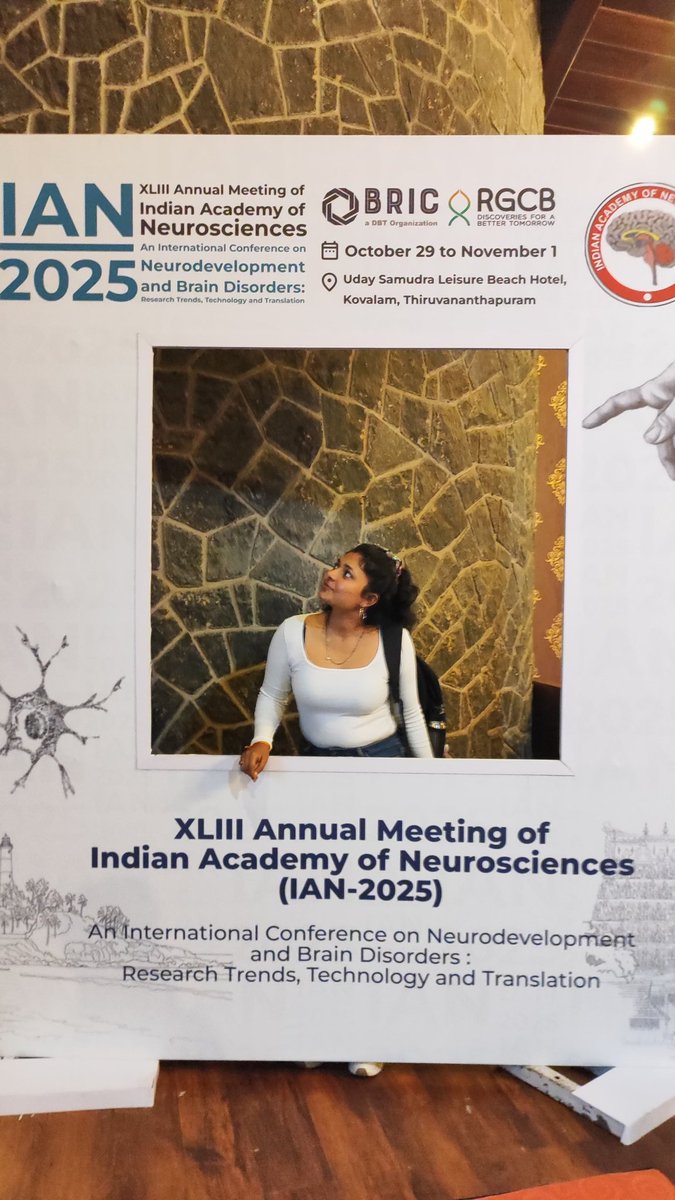
Truly grateful to the Indian Academy of Neuroscience for selecting my research work for SHORT TALK amongst over 200abstracts!! Happy to share my research, engage with passionate scientists, and be inspired by the amazing work of others!! @SarikaNii@NImmunology@IndAcadNeurosci
🔬🦴🧠New insights into the bone-brain connection!
Study led by Dr Sarika Gupta @SarikaNii@NImmunology shows—
Undercarboxylated osteocalcin (uOC) improves cognition in the mouse model of Alzheimer's disease by reshaping toxic amyloid-β42 into non-toxic forms & boosting its clearance via glial cells.
A novel therapeutic angle for Alzheimer's Disease!
Read full story published in #ExperimentalNeurology here: https://t.co/D1JsxHlet5
#Alzheimers #Neuroscience #BoneBrainAxis
@DBTIndia @BricDbt7510 @DrJitendraSingh@rajesh_gokhale@iiscbangalore@ANRFIndia
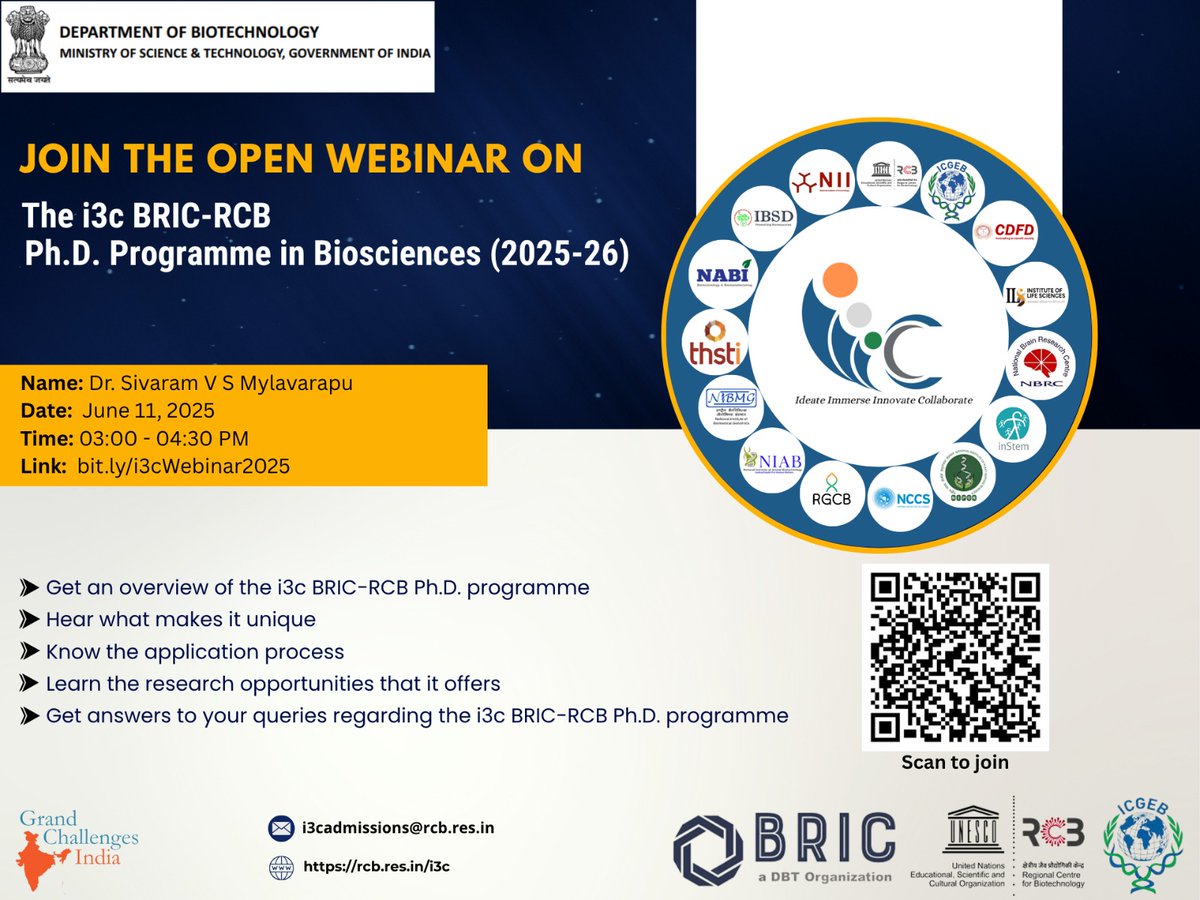
Join us tomorrow to know more about the i3c BRIC-RCB PhD program in Biosci with Dr Sivaram Mylavarapu.
i3c BRIC-RCB PhD is a collaborative initiative of BRIC with RCB & ICGEB, a new PhD training model based on the principles of ideate, immerse, innovate & collaborate #i3c.
🥁The 2025 edition of #CBRAIN#Internships is here!
🔬We invite curious and motivated young minds to explore and immerse themselves in the vibrant, multidisciplinary research ecosystem at CBR.
🧠Be part of our journey to advance the understanding of the aging brain and related disorders.
Applications are open until 19 May 2025:
https://t.co/6KV7pzEebB
#Neuroscience #Cognition #Alzheimers #Parkinsons #Dementia #Synapse #Bioenergetics #Mitochondria #StemCellResearch #Neurophysiology #MATLAB #SignalProcessing #ConfocalMicroscopy #BrainStimulation
Six scholars from the first batch of i3c BRIC-RCB PhD Program are pursuing the three-month immersion program with Ashoka Trust for Research in Ecology and the Environment (ATREE). Through extensive community engagement, the program is designed to motivate students to conduct research with a meaningful impact on society.
#i3cbric
@DrJitendraSingh@rajesh_gokhale @BricDbt7510 @atree_org@unescorcb
Six i3c BRIC-RCBbPhD scholars are pursuing their three-month #ImmersionProgram with ATREE. iBRIC+ institutes are proud of the i3c scholars & look forward to their PhD theses following their training. #i3cBricRCB#BiosciencesEd
Honoured to receive the Best Poster Award at one-day conference hosted at @GITAMUniversity for our work on unique metabolic and genetic landscape across Glioma subtypes. Special thanks to the boss @iamvivekt, @NIBBRlab.
@IISER_BERHAMPUR
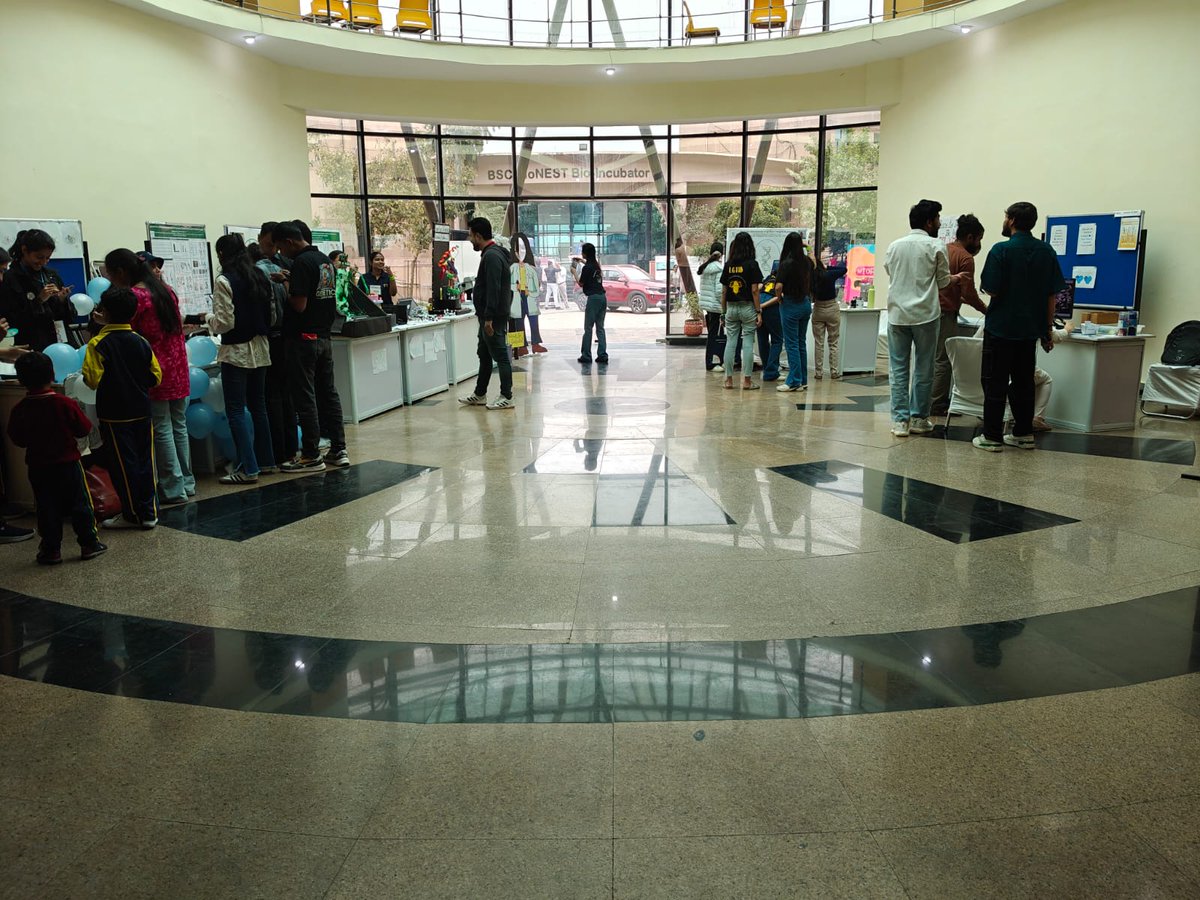
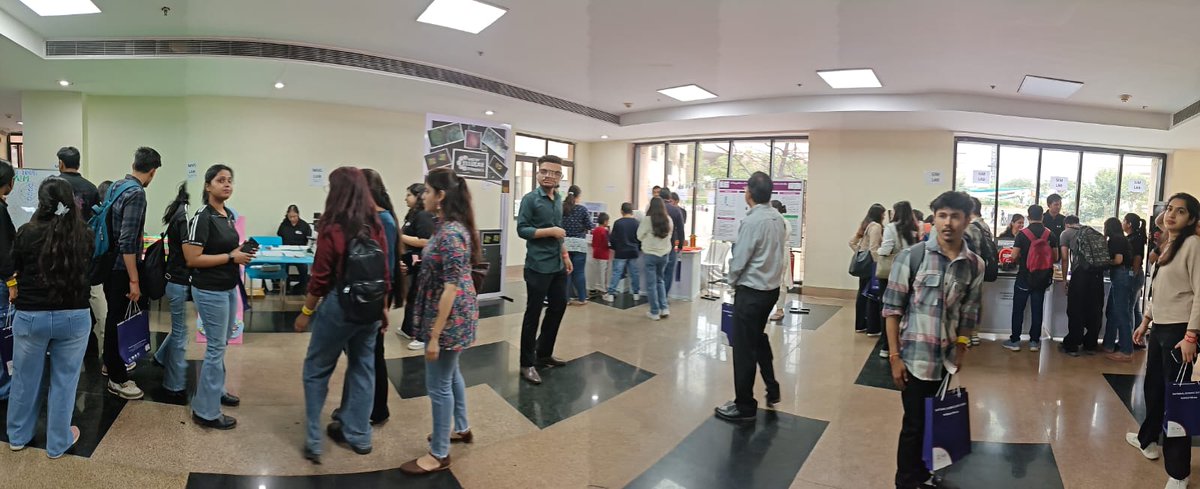
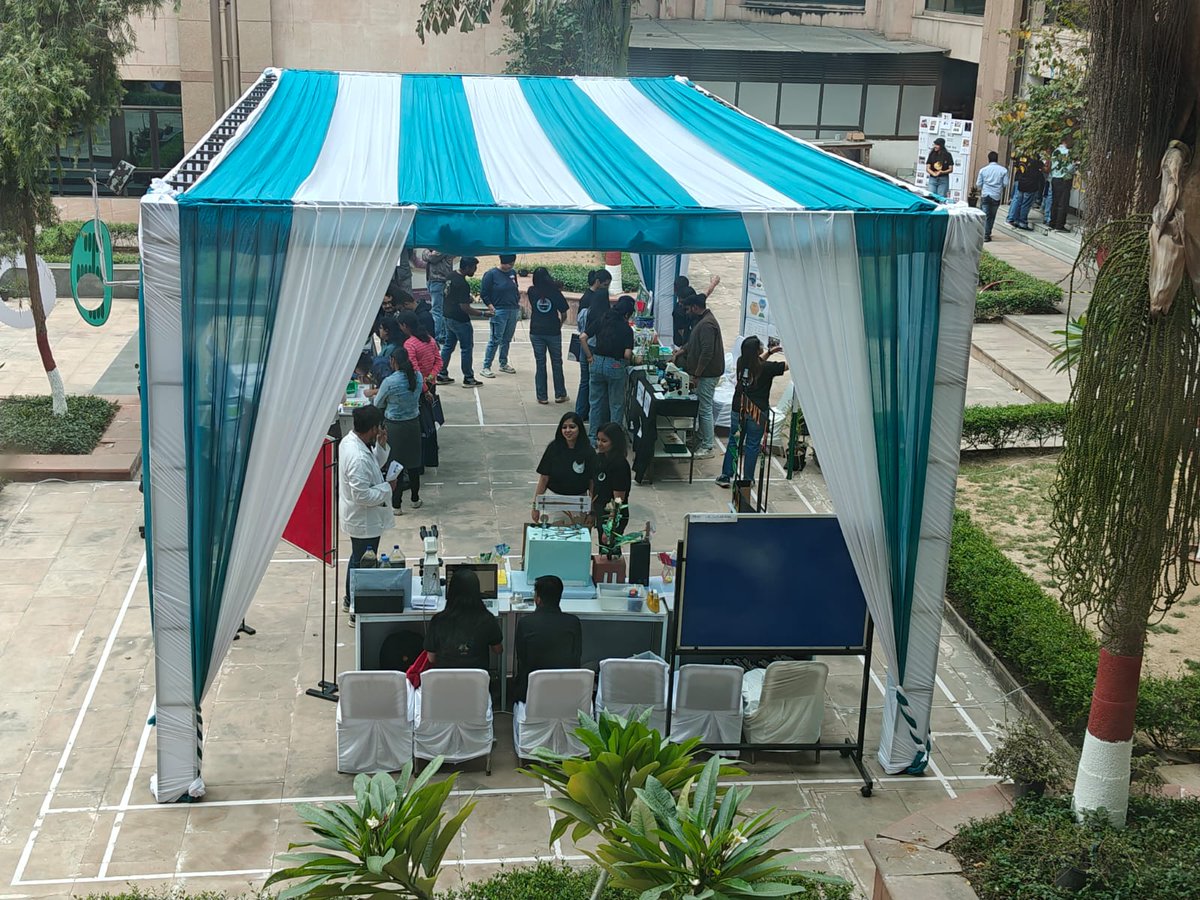
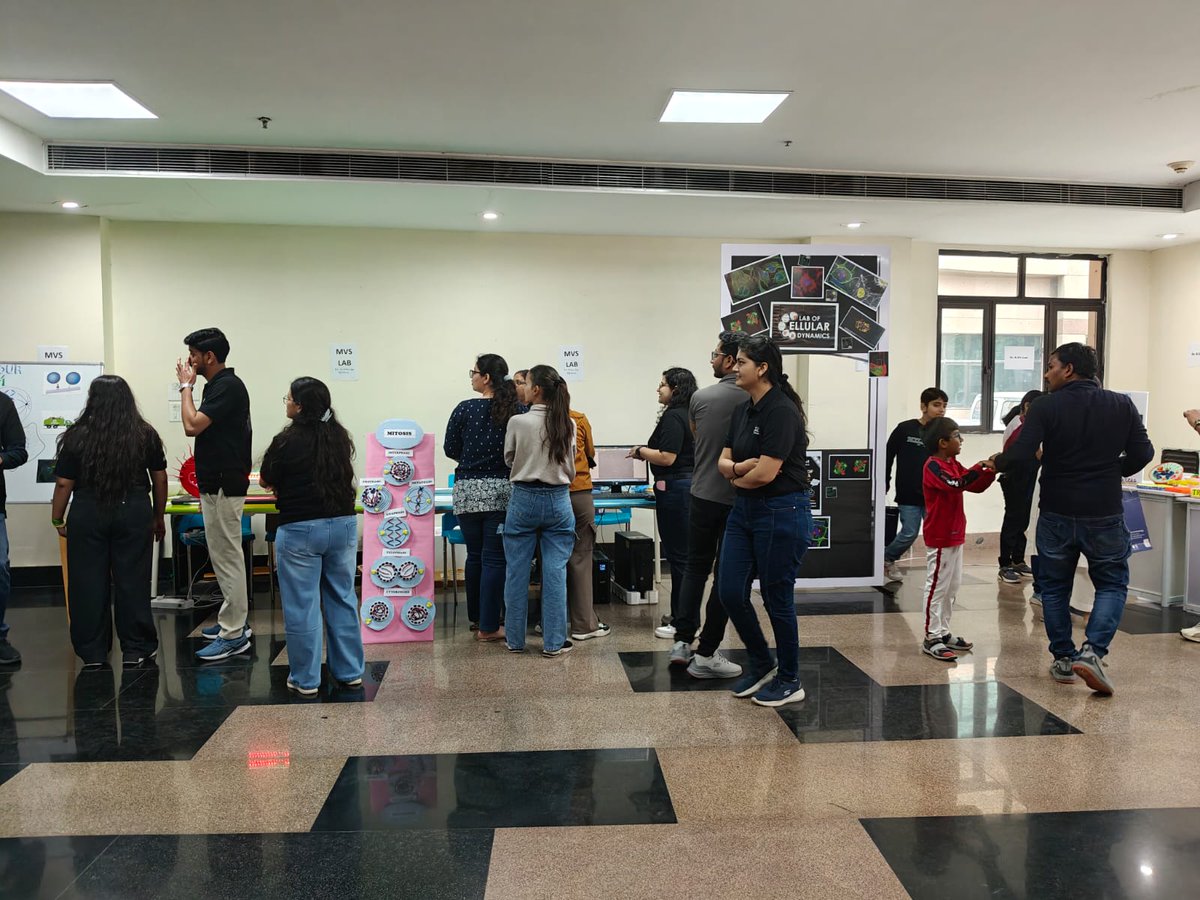
We welcome schools & colleges on this #NationalScienceDay as we open our labs for them to experience the world of biotechnology and witness our research. #RCBOpenDay2025
The influence of Nerves on proliferation of Cancer cells through paracrine factors in CNS and to support metastasis through Perineural Invasion is fascinating. Further, It is exciting to read about chemical synapse & direct communication between neurons and hubs of cancer cells.