ہندوستانی صوفی روایت عالمی امن اور رواداری کی مؤثر آواز
ہندوستان کی صوفی روایت صدیوں سے محبت، انسانیت، رواداری اور مذہبی ہم آہنگی کا پیغام دیتی آئی ہے۔ نئی دہلی میں منعقدہ ہند۔مصر راؤنڈ ٹیبل کانفرنس میں دانشوروں نے کہا کہ ہندوستانی صوفی ماڈل عالمی سطح پر امن اور بقائے باہمی کے فروغ میں اہم کردار ادا کر سکتا ہے۔
موجودہ دور میں جب مذہبی انتہا پسندی اور عدم برداشت جیسے مسائل شدت اختیار کر رہے ہیں، صوفی تعلیمات ایک متوازن اور جامع اسلامی فکر پیش کرتی ہیں۔ اس وراثت کو عالمی سطح پر متعارف کرانا ہندوستان کی تہذیبی شناخت کو مزید مستحکم کر سکتا ہے۔
Islamic Thought and the Challenges of the Modern World
The relevance of Islamic thought in the 21st century will increasingly depend on its ability to respond to the real challenges confronting humanity.
Climate change, forced migration, economic inequality and technological disruption are not problems limited to any particular religion, nation or community. They demand collective thinking, ethical leadership and cooperation across social and religious boundaries.
For ethical imagination offers an important direction for Islamic intellectual renewal. It calls upon Muslims to expand their moral concerns beyond communal interests and recognise their responsibilities towards humanity as a whole.
The ultimate purpose of faith should be to cultivate compassion, justice, humility and solidarity. In a divided world, Islamic thought can make a meaningful contribution by advancing a vision of collective human flourishing.
4/4
Why Islamic Thought Needs Ethical Imagination
The future of Islamic thought must be shaped not only by theological debates and religious interpretations but also by an ethical imagination that recognises human suffering, dignity and shared responsibility.
Imagination is not simply the ability to think about possibilities; it is a moral capacity to understand the world and envision ways to make it better. The Qur'an repeatedly encourages observation, reflection and contemplation because genuine reflection should lead to ethical transformation.
Islamic thought must therefore move beyond abstract discussions and inspire practical efforts towards a more just, compassionate and humane society.
Read the full article:
https://t.co/c8J8Zhhcdq
1/4
Islam, Religious Diversity and Shared Humanity
In increasingly pluralistic societies, Islamic thought must recognise religious and cultural diversity as an opportunity for mutual understanding rather than a reason for suspicion or division.
The Qur'an offers a remarkable vision of human diversity in Surah Al-Hujurat (49:13): humanity has been created into different nations and tribes so that people may know one another.
This teaching provides an ethical foundation for dialogue, coexistence and cooperation across religious boundaries. Faith should serve as a bridge connecting communities through shared moral values, not as a wall separating them.
A confident and ethically grounded Islamic worldview can uphold its religious identity while respecting the dignity, freedom and beliefs of others.
3/4
From Religious Puritanism to Ethical Reform
The future of Islamic reform depends not merely on regulating rituals and personal practices, but also on addressing poverty, discrimination, corruption, education and social justice.
Religious authenticity must go hand in hand with compassion, intellectual openness, peaceful coexistence and constitutional participation.
The real measure of religious reform is its contribution to human dignity and the welfare of society.
4/4
The Crisis of Salafism: When Religious Purity Meets Political Power
The Yemen conflict raises an important question: Can religious movements claiming to defend authentic Islam reconcile their beliefs with justice, political accountability and human dignity?
The crisis is not about every Salafi movement, but about certain ideological and political approaches that struggle to accommodate pluralism and peaceful disagreement.
🔗 Read the full analysis:
https://t.co/URlnMWndWF
1/4
Political Power Must Be Accountable to Justice
The Yemen crisis exposes two contrasting political tendencies: unquestioning obedience to rulers and extremist movements seeking political change through violence.
Both raise serious questions about justice and accountability.
Islamic principles must uphold human dignity, protect civilians and ensure that political stability never becomes an excuse for oppression.
3/4
From Political Opposition to Constitutional Participation
Muslim organisations must actively participate in legislative consultations, public hearings, legal debates and civil society forums.
The UCC debate is not merely a community issue; it concerns constitutional rights, equality, privacy and religious freedom. Building wider democratic partnerships can help create a more informed and inclusive dialogue.
The goal should be to defend rights while advancing justice for all.
4/4
UCC: Beyond Opposition, Towards Constructive Engagement
The Uniform Civil Code debate should not be reduced to a choice between accepting or opposing it. Indian Muslims need a thoughtful approach that safeguards religious freedom while addressing inequalities within the community.
The way forward lies in constitutional justice, dialogue and meaningful participation.
1/4
The Role of Ulama in the UCC Debate
The UCC debate calls for a deeper intellectual engagement from religious scholars. The distinction between Shariah (divine guidance) and Fiqh (human interpretation) is essential to understanding Islamic jurisprudence.
Ulama, legal experts, academics and Muslim women must work together to address contemporary challenges through informed scholarship and ethical reasoning.
3/4
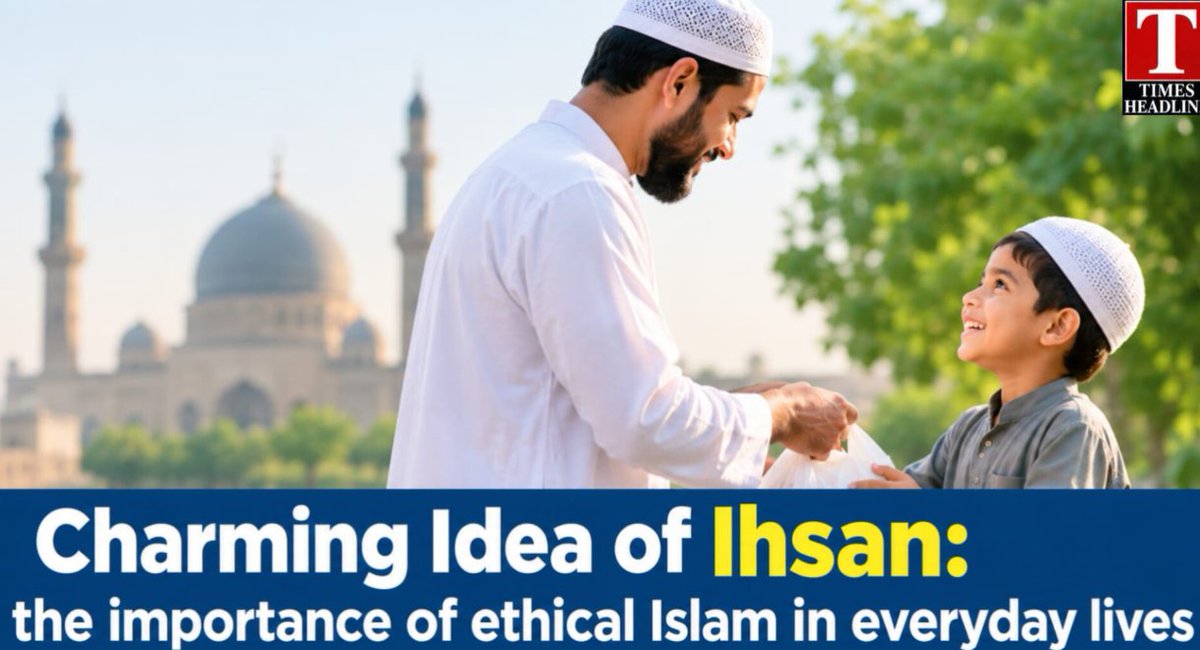
Make Ihsan a Way of Life
A smile, helping someone in need, giving up your seat for another person, avoiding unnecessary honking or removing an obstacle from the road—these small acts can also reflect Ihsan.
Let's take Islam beyond religious spaces and make kindness, compassion and justice a part of everyday life, irrespective of religion, caste or gender.
4/4
Islam Beyond Rituals
Is Islam merely about prayers, fasting and religious rituals? Or does it also demand kindness, compassion, justice and good character?
The true spirit of Islam lies in inner purification and transforming that goodness into positive action for society.
1/4
Justice and Compassion: The Islamic Way
The Quran commands justice and Ihsan (Surah An-Nahl 16:90). It reminds us that standing against injustice and promoting fairness are essential responsibilities.
Islam teaches us to respond to hatred with goodness, hostility with kindness and social divisions with mutual understanding.
3/4
इस्लाम का पैग़ाम—अमन और इंसाफ़
इस्लाम इंसान को तकब्बुर, ज़ुल्म और फ़साद से बचने तथा विनम्रता, इंसाफ़ और दूसरों के हुक़ूक़ का सम्मान करने की तालीम देता है। सूरह अल-क़सस (28:83) में आख़िरत के उस घर का ज़िक्र है, जो उन लोगों के लिए है जो ज़मीन पर बड़ाई और फ़साद नहीं चाहते।
इस तालीम का सामाजिक पैग़ाम बेहद अहम है: पद, दौलत और ताक़त का मक़सद दूसरों पर दबदबा क़ायम करना नहीं, बल्कि अपनी ज़िम्मेदारियाँ ईमानदारी से निभाना होना चाहिए। एक पुरअमन समाज तभी बन सकता है, जब लोग अपने अधिकारों के साथ अपने फ़र्ज़ को भी समझें, अन्याय से बचें और मतभेदों को टकराव के बजाय संवाद से हल करने की कोशिश करें।
3/3
#Islam #Peace #HumanValues
सरकशी और स्वार्थ: समाज के अमन के लिए चुनौती
एक अच्छे समाज की बुनियाद आपसी मोहब्बत, सहयोग, इंसाफ़ और सद्भाव पर क़ायम होती है। जब इंसान अपनी ख़्वाहिशों और स्वार्थ को दूसरों के हुक़ूक़ से ऊपर रखने लगता है, तो समाज में गलतफ़हमियाँ, टकराव और बेऐतबारी बढ़ने लगती है। इसका असर केवल मौजूदा पीढ़ी पर नहीं, बल्कि आने वाली नस्लों पर भी पड़ता है।
इस्लामी तालीमात इंसान को अपनी ज़िम्मेदारियों का एहसास करने, दूसरों के अधिकारों का सम्मान करने और समाज में अमन क़ायम रखने की सीख देती हैं। सरकशी और स्वार्थ के बजाय संवाद, इंसाफ़ और आपसी सहयोग को अपनाना ही एक बेहतर समाज की बुनियाद है।
1/3
#Islam #SocialHarmony
फ़साद केवल हिंसा नहीं, अधिकारों का हनन भी है
समाज में फ़साद कई रूपों में सामने आता है। किसी निर्दोष की हत्या, भ्रष्टाचार, सरकारी अधिकारों का ग़लत इस्तेमाल, अन्याय और लोगों को उनके जायज़ हुक़ूक़ से महरूम करना—ये सभी सामाजिक व्यवस्था और आपसी भरोसे को कमज़ोर करते हैं। जब ज़िम्मेदार लोग अपने पद और ताक़त का इस्तेमाल जनहित के बजाय निजी फ़ायदे के लिए करते हैं, तो इसका नुक़सान पूरे समाज को उठाना पड़ता है।
पवित्र क़ुरआन सूरह अल-बक़रा (2:205) में धरती पर फ़साद फैलाने की निंदा करता है और स्पष्ट करता है कि अल्लाह फ़साद को पसंद नहीं करता। यह तालीम हमें अमानतदारी, इंसाफ़ और सामाजिक ज़िम्मेदारी की अहमियत समझाती है।
2/3
#Quran #Justice #SocialResponsibility