Since assuming office on 29 May 2023, our administration has initiated 150 road projects spanning over 1,355 kilometres across the 23 Local Government Areas of Kaduna State, with the overwhelming majority already completed. Earlier this year, we commissioned the Audi–Kako, Magajiya–Kasuwan Amaru, Dogon Bauchi–Lakiyeyi and Hanwan Yan Goro roads in Zaria. Beyond road infrastructure, we have continued to invest substantially in healthcare, education, agriculture and other critical sectors because our vision extends beyond constructing roads; it is about connecting communities to opportunity, restoring public confidence and building a more prosperous, inclusive and united Kaduna State where no community is left behind.
The roads flagged off today are:
1. Babban Dodo–Durumi–Kofan Kuyanbana Road
2. Rimin Tsiwa–Kofan Gayan (Secretariat–Albarkawa–Kaura) Road
3. Maje Road, Tudun Wada
4. Turunku Road (Sabon Gari)
5. Waff Road (Sabon Gari)
6. Layin Radio Road, Tudun Wada
7. Aba Road, Tudun Wada
8. Turunku Road (Sabon Layi, Tudun Wada)
9. Dadda'u Road (Layin M. Mamuda)
10. Sheikh Umar Muazu Street Road
11. Idris Majeh Street Road (Fillin Mallawa)
Senator Uba Sani, CON
Governor, Kaduna State
18 July 2026
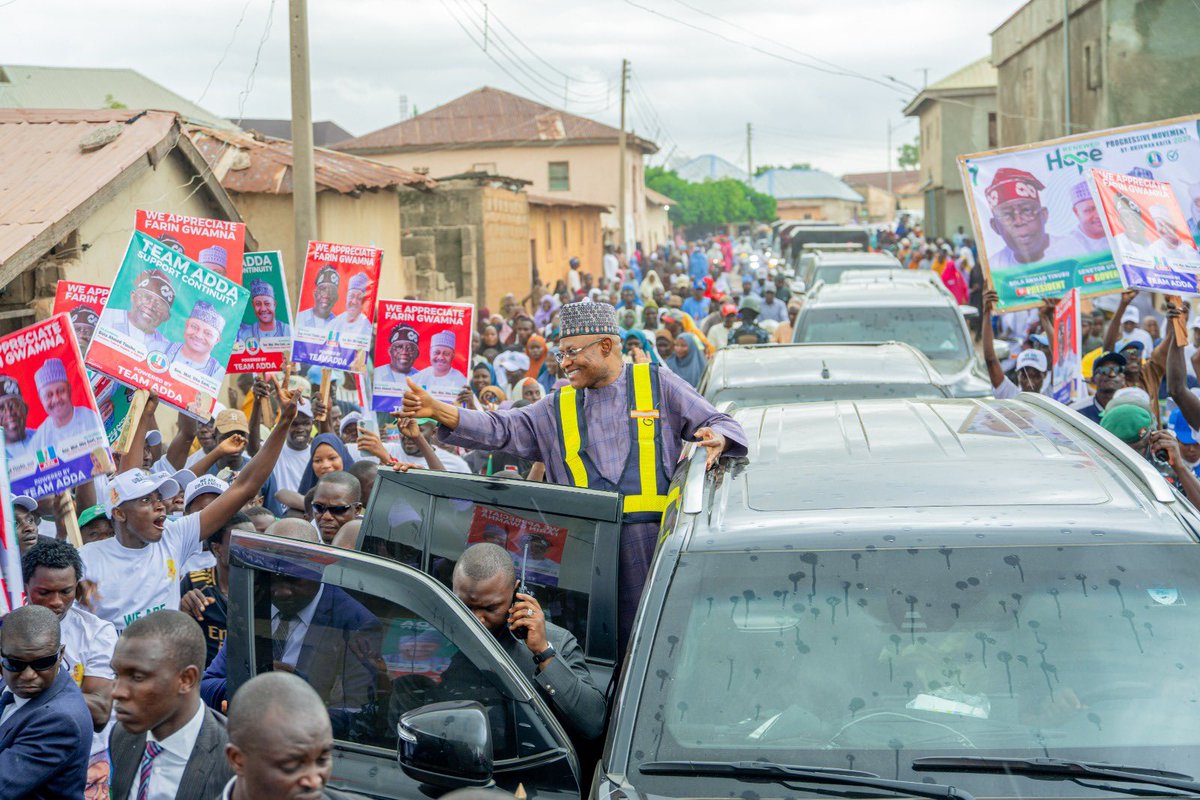
I was deeply humbled by the warmth, affection and overwhelming reception accorded to me by the good people of Zaria and Sabon Gari as we flagged off the construction of eleven strategic township roads across four locations under Phase II of our Urban Renewal and Rural Transformation Programme. That thousands of our people stood patiently in the rain to welcome us was more than a ceremonial gesture; it was a powerful expression of hope, resilience and confidence in our shared vision for a greater Kaduna State. I sincerely thank the people of Zaria and Sabon Gari for their hospitality, goodwill and unwavering belief in our administration. Their trust continues to inspire us to serve with humility, diligence and an even greater sense of responsibility.
The roads, to be constructed by Mothercat Limited and CGC Nigeria Limited, will significantly improve connectivity, ease the movement of people and goods, stimulate commerce, expand economic opportunities and enhance the quality of life across the benefiting communities. More importantly, they reaffirm our unwavering commitment to equitable and inclusive development in every part of Kaduna State.
I am profoundly grateful to the Speaker of the House of Representatives, Rt. Hon. Abbas Tajudeen, GCON; the Emir of Zazzau, His Highness Amb. Ahmed Nuhu Bamalli; former Governor Ramalan Yero; and other distinguished leaders and stakeholders whose presence and generous words of encouragement reflected our collective determination to advance the development of Zaria and Kaduna State.
Testimonial:
"For nearly two decades, Jaba Local Government Area witnessed little or no government investment in road infrastructure despite successive administrations. Today, that narrative has changed. The people of Kwoi and Gora are filled with gratitude and renewed hope as Governor Uba Sani delivers modern, standard road networks that have transformed our communities. These roads have improved mobility, boosted economic activities and restored confidence that government has not forgotten us. For us, this is more than infrastructure—it is a fulfilment of a long-awaited promise and a testament to purposeful leadership."
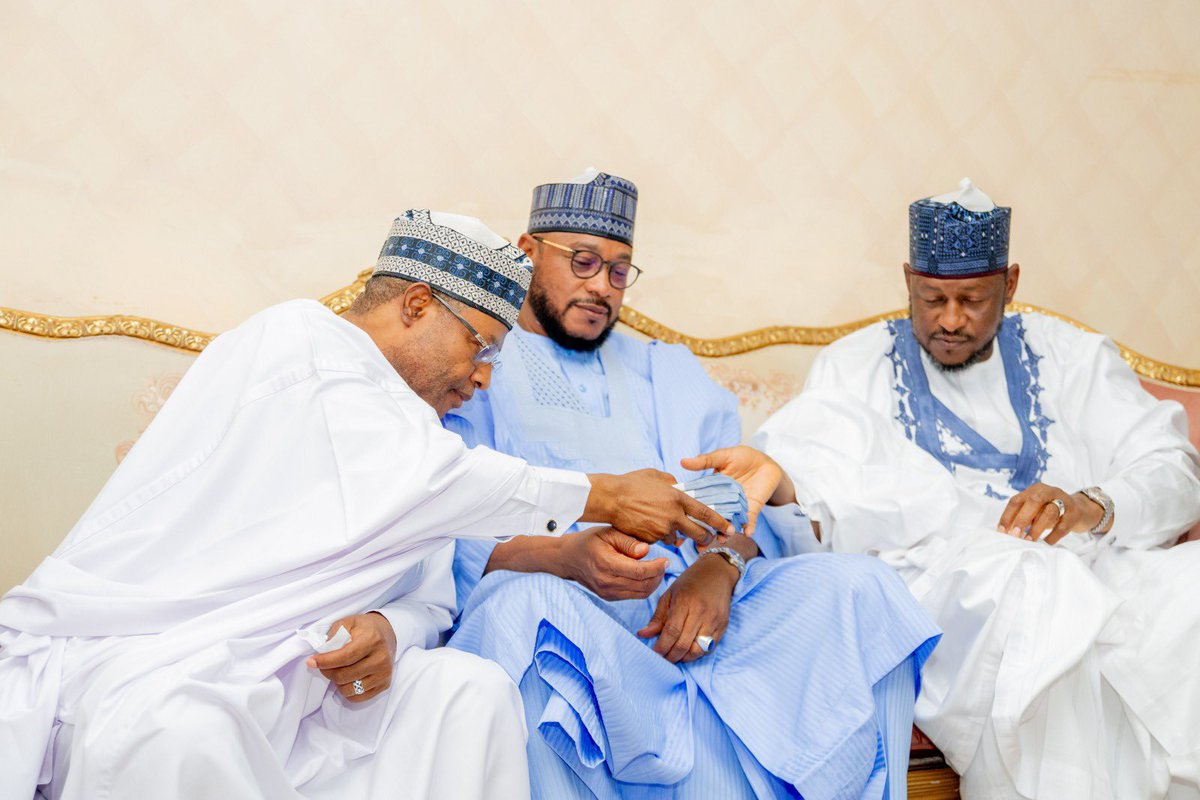
I had the honour of serving as Wakili to my Senior Special Assistant on Support Groups, Suleiman Umar (Asubaba), at his wedding Fatiha to his beautiful bride, Mumtaza Mustapha Inuwa. The solemnisation took place in Katsina State, where I, alongside the Governor of Zamfara State, His Excellency Dauda Lawal, was warmly received by the Governor of Katsina State, His Excellency Dikko Umar Radda, who graciously served as the bride’s Wali.
On behalf of the groom, the Sadaki (dowry) was presented in accordance with Islamic tradition. I heartily congratulate the newly wedded couple and may Allah grant them a blissful, peaceful, and prosperous married life. Ameen
It was a privilege to deliver the keynote address and participate in the panel discussion at the National Security Roundtable on Constitutional Reform and the Establishment of State Police Services, organised by the National Assembly Library Trust Fund in Abuja. The Roundtable brought together an eminent gathering of security practitioners, legislators, constitutional scholars, policymakers and other distinguished stakeholders to deliberate on one of the most consequential institutional reforms before our nation. At a time when Nigeria's security challenges are becoming increasingly complex and multidimensional, such thoughtful engagement is essential to shaping a constitutional and institutional framework that is both responsive to present realities and resilient enough to meet future demands.
In my keynote address, I reaffirmed my support for the establishment of State Police as a vital component of a more effective and responsive national security architecture. I stressed, however, that the success of this reform will depend not merely on constitutional amendment, but on building institutions anchored on professionalism, accountability, operational independence and robust constitutional safeguards.
I emphasised that State Police should complement, not replace, the Nigeria Police Force, with both institutions operating within a coordinated framework founded on collaboration, intelligence sharing and clearly defined constitutional responsibilities. I also underscored the imperative of nationally benchmarked recruitment and training standards, technology-driven policing, independent oversight and sustainable funding.
Drawing from our experience in Kaduna State, I observed that lasting security is built through trust, dialogue, inclusion, community partnership and intelligence-led policing. I remain convinced that a carefully designed State Police system will deepen federalism, strengthen democratic governance and significantly enhance the protection of lives and property across our country.
Senator Uba Sani, CON
Governor, Kaduna State
July 15, 2026
I was particularly encouraged by the heartfelt testimonies of community leaders and other stakeholders, who described these projects as transformative investments that have restored hope, improved mobility and opened new opportunities for commerce, agriculture and social life. Their appreciation strengthens our resolve to continue pursuing a development agenda anchored on fairness, equity and justice, without regard to ethnicity, religion or political affiliation.
These roads will improve access to schools, healthcare facilities and markets while supporting agricultural productivity in Nigeria's leading ginger-producing state. Our vision remains unwavering: to build a Kaduna State where every community is included, every citizen is valued, and every part of our State shares equitably in the dividends of sustainable development.
Senator Uba Sani, CON
Governor, Kaduna State
July 14, 2026
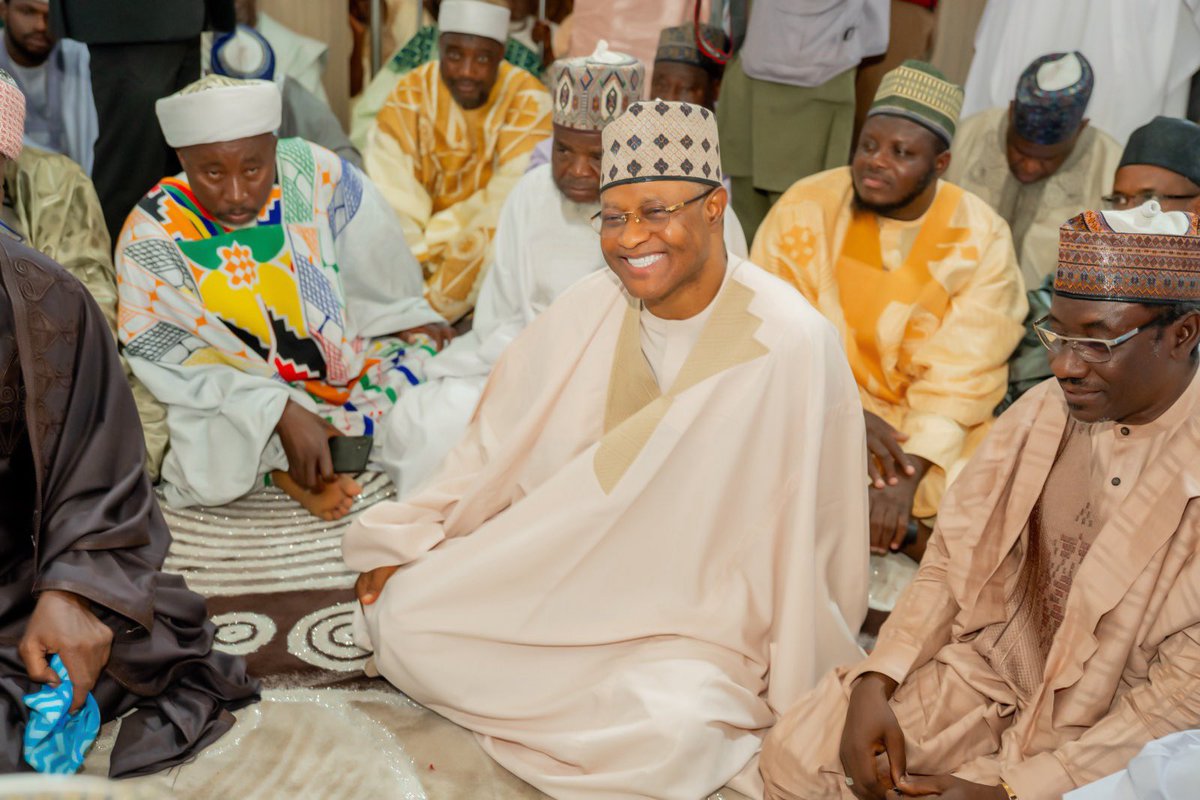
It was a great honour to serve as Wali at the wedding fatiha of the children of our revered Islamic scholars, Sheikh Yusuf Muhammad Sambo Rigachikun, as well as Sheikh Ibrahim Muhammad Jalo Jalingo . The ceremony was held at the Sheikh Abubakar Ahmad Gumi Juma’at Mosque in Rigachikun, Kaduna State, and was a beautiful gathering of faith, family and community.
I warmly congratulate Aisha Yusuf Sambo and Muhammad Jalo Jalingo, Maryam Yusuf Sambo, Fatima Yusuf Sambo, and Ummukhultum Yusuf Sambo, as well as their spouses, on this joyous milestone.
I pray that Almighty Allah (SWT) blesses their unions with love, peace, understanding and abundant barakah and make their marriages among the best. Ameen.
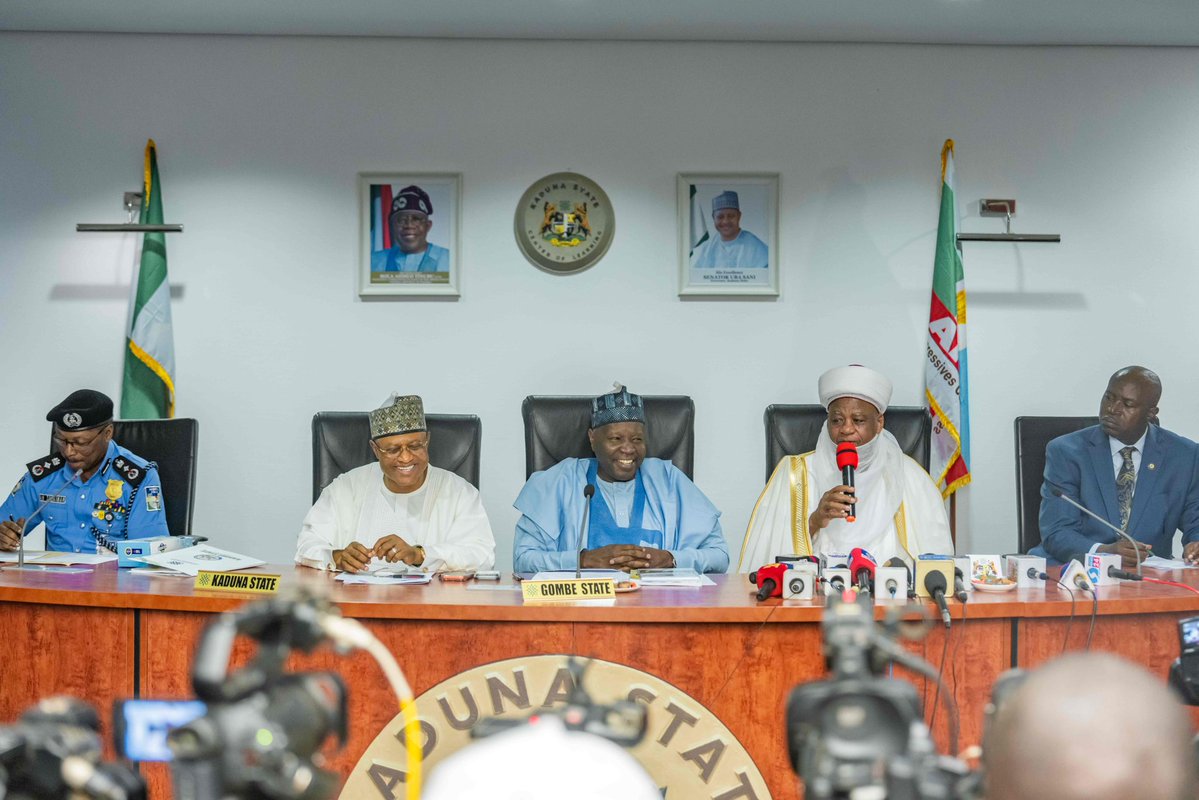
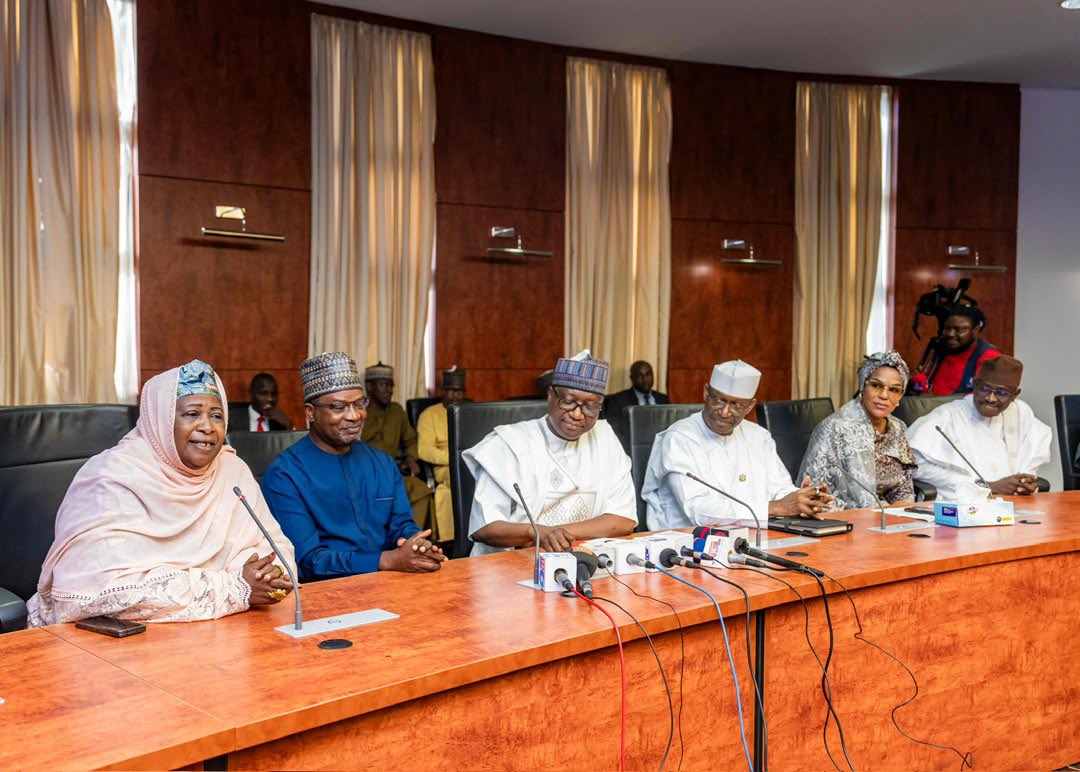
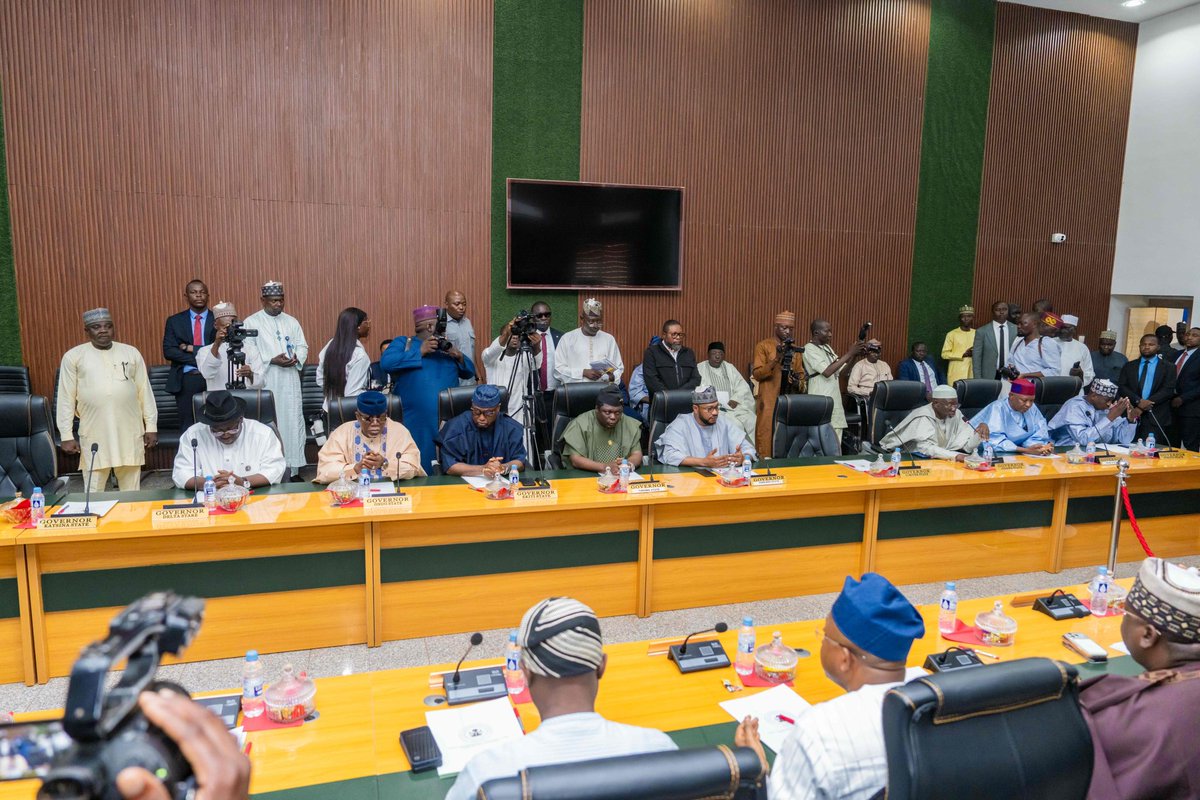
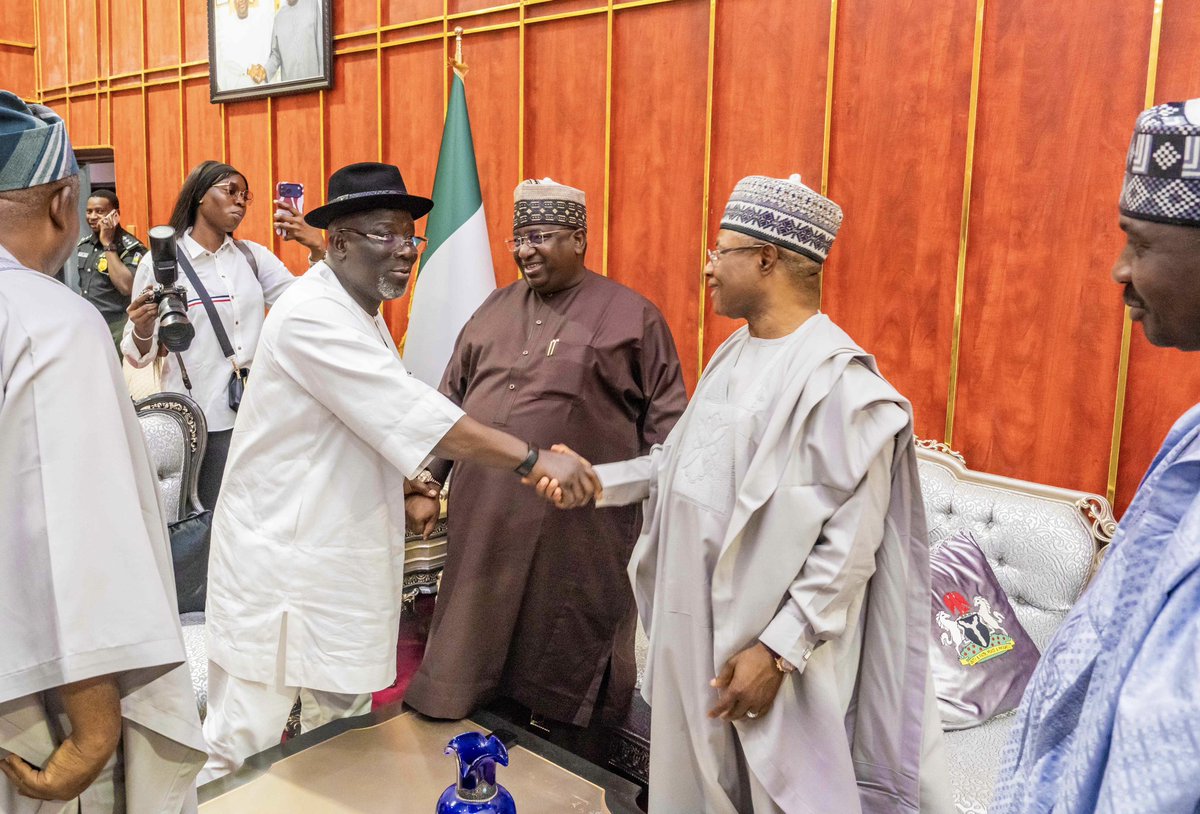
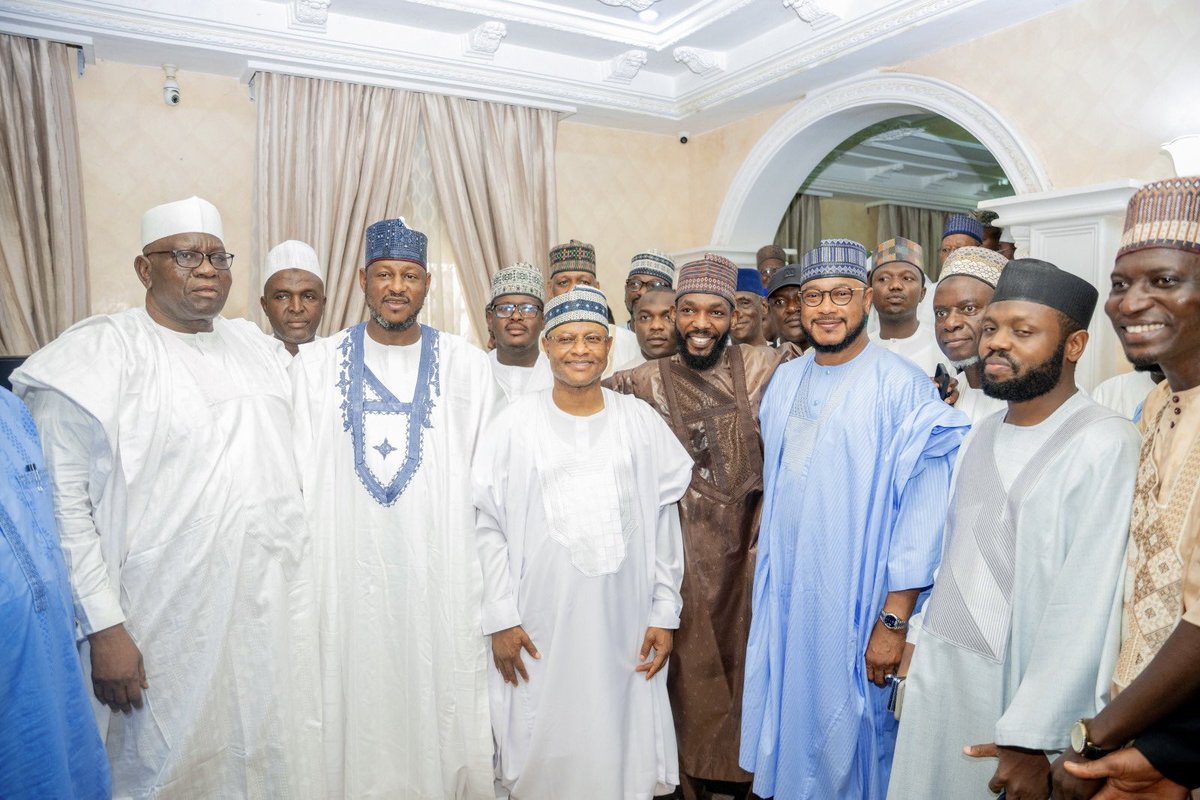
Today, Kaduna State had the honour of hosting the Joint Meeting of the Northern States Governors’ Forum and the Northern Traditional Rulers’ Council; a gathering united by one overriding purpose: securing the future of our region and improving the lives of the millions of citizens we are privileged to serve.
Our deliberations were candid, constructive and anchored on a shared recognition that the security challenges confronting Northern Nigeria require far more than isolated responses. They demand uncommon unity, stronger intergovernmental collaboration and sustained engagement with our revered traditional institutions, whose proximity to our communities remains indispensable to building lasting peace.
We reaffirmed our collective support for the Federal Government’s ongoing efforts to strengthen and improve security across the country and expressed our appreciation to His Excellency, President Bola Ahmed Tinubu, GCFR, for the decisive steps being taken to strengthen Nigeria’s security architecture. We also welcomed the significant progress towards the establishment of State Police, a reform that has become both timely and necessary. With the right constitutional safeguards, professional standards and institutional accountability, State Police will strengthen community-based policing and enhance our collective capacity to protect lives and property.
The Forum also inaugurated the Board of Trustees of the Northern Nigeria Security Trust Fund (NNSTF), comprising distinguished security experts and elder statesmen whose expertise will help strengthen regional security coordination. We reaffirmed our collective commitment to sustaining the Trust Fund through monthly contributions of ₦1 billion by member states, reinforcing our shared resolve to build a more coordinated regional security framework.
Senator Uba Sani, CON
Governor, Kaduna State
July 8, 2026
May Almighty Allah continue to open doors of His mercy for us and our entire household. May He bless our sustenance, accept our worship, forgive our sins, and grant us ease in all affairs. May He grant us sound health, long life, and financial stability. May He comfort our graves and grant us Jannatul Firdaus. May His guidance remain with us and our loved ones always forever. Ameen.
JUMA’AH MUBARAK
It was my pleasure to receive the Chairman and members of the Revenue Mobilisation Allocation and Fiscal Commission (RMAFC), led by Dr. Mohammed Bello Shehu, OFR, an illustrious son of Kaduna State, at Sir Kashim Ibrahim House, Kaduna.
Our engagement centred on strengthening Nigeria's fiscal architecture, enhancing revenue mobilisation, and advancing a revenue allocation system that is equitable, transparent and fiscally sustainable. These are essential pillars for building resilient institutions and accelerating national development.
During our discussions, I highlighted the significant progress Kaduna State has recorded through deliberate reforms, prudent financial management and sustained investments in human capital. From expanding internally generated revenue to strengthening healthcare delivery and broadening access to quality education, our focus remains on ensuring that sound public finance translates into tangible improvements in the lives of our people.
I was particularly encouraged by Dr. Shehu's generous assessment of Kaduna State's development trajectory and his recognition of our administration's achievements across security, infrastructure, education, healthcare, agriculture, social inclusion and economic growth. His affirmation of Kaduna's place as Nigeria's leading sub-national government, and his appreciation of our partnership with the Commission, further strengthen our resolve to deepen reforms, consolidate fiscal resilience, improve service delivery, and deliver lasting, measurable progress for every citizen of Kaduna State.
Senator Uba Sani, CON
Governor, Kaduna State
BREAKING NEWS:
Kaduna State Executive Council Approves Key Policies and Strategic Development Initiatives
In a major move to accelerate sustainable socio-economic development, the Kaduna State Executive Council, at its meeting held yesterday, approved a series of landmark policies and critical initiatives aimed at advancing the State’s education, agricultural, infrastructure, and industrial development agenda.
The council approvals reflect the government’s unwavering commitment to implementing transformative programs that directly improve the quality of life for all residents.
THE 4 PILLARS OF YESTERDAY’s APPROVALS:
1. Kaduna State Life Skills Policy: A landmark framework designed to equip learners with vital knowledge, skills, attitudes, and values for long-term success in education, employment, and life.
2. Kaduna State Policy on Gender in Education: A comprehensive framework to promote equity, inclusion, participation, retention, completion, and significantly improved learning outcomes for all learners.
3. Procurement of 6,000 Metric Tons of Fertilizer: Approved specifically for the 2026 Cropping Season to boost the production of maize, rice, soybean, and other staple crops. This initiative aims to improve farmers' productivity and incomes while reducing food imports.
4. Construction of 11 Township Roads (Phase II): Approved for Zaria and Sabon Gari LGAs. This massive infrastructure project will improve road networks, facilitate the seamless movement of people and goods, and drastically enhance economic activities within the metropolis.
Breaking
The Kaduna State Executive Council, chaired by Governor Uba Sani, approved the procurement of 6,000 metric tonnes of fertiliser at its meeting yesterday for the 2026 cropping season.
Some gatherings transcend the elegance of sport and become enduring expressions of our shared humanity. The Access Bank Charity Polo Tournament in London has become one such movement, where excellence on the polo field serves a far greater purpose: expanding educational opportunity and restoring hope to children whose future depends on the vision and generosity of others. This year's tournament seeks to raise funds for the construction of 120 classroom blocks in Kaduna State, creating new opportunities for thousands of young people to access quality education.
I was honoured to attend this remarkable event at the invitation of Access Bank. It brought together distinguished leaders from the business, diplomatic and international communities in support of a cause that reminds us that the greatest victories are measured not by trophies won, but by lives transformed. I commend the enduring partnership between Access Bank, Fifth Chukker, UNICEF and Kaduna State Government, whose sustained commitment has already enabled more than 14,000 children, many of them in Kaduna State, to receive free, quality education. This year's campaign will further deepen that remarkable legacy and expand the number of classroom blocks to 120 which will empower additional 14,000 children.
I pay tribute to the late Herbert Wigwe, whose vision helped transform a prestigious sporting event into one of Africa's most inspiring platforms for educational philanthropy. May Almighty God continue to grant him and his departed family members eternal rest. I also commend the current leadership of Access Bank, led by my dear friend, Mr. Aigboje Aig-Imoukhuede, for preserving and advancing this noble vision with conviction and purpose.
This initiative aligns closely with our educational transformation agenda in Kaduna State, where we have reduced the number of out-of-school children from over 550,000 to fewer than 190,000 through sustained investments in schools, teachers and learning infrastructure. Education remains the surest foundation for lasting peace, shared prosperity and inclusive development, and Kaduna State will continue to embrace partnerships that expand opportunity and secure a brighter future for every child.
Senator Uba Sani, CON
Governor, Kaduna State.
Today, I joined my colleagues, the first-term Governors of the Progressive Governors Forum (PGF), in Birnin Kebbi, Kebbi State, for a meeting dedicated to deepening cooperation, reviewing our stewardship, and advancing practical solutions to the pressing developmental challenges facing our states and our nation.
Our deliberations reaffirmed the importance of collective leadership and purposeful collaboration in driving inclusive growth, strengthening institutions, and improving the quality of life of our people. As Governors elected on the platform of the All Progressives Congress (APC), we reiterated our unwavering and unequivocal support for the leadership of His Excellency, President Bola Ahmed Tinubu, GCFR, and commended him for his bold, practical, and forward-looking reforms. We remain confident that these transformative policies are laying a solid foundation for a more resilient economy, sustainable prosperity, and inclusive national development for the benefit of all Nigerians.
Security also featured prominently in our discussions. We resolved to intensify collaboration with security agencies and other critical stakeholders to strengthen the protection of lives and property and consolidate the gains being recorded in the fight against insecurity.
We equally condemned the recent xenophobic attacks against Nigerians in South Africa and called for the protection of all Nigerians living and working abroad, in accordance with international law and the enduring principles of human dignity and mutual respect.
Senator Uba Sani, CON
Governor, Kaduna State
July 7, 2026
Ya Allah, on this blessed day of Juma’ah, grant us tranquility of heart and peace of mind. Ease our burdens, relieve our worries, and bless us with clarity, wisdom, and steadfast faith. Heal the sick, have mercy on the departed, reform our conditions, fulfill our hopes, and envelop us in Your mercy in this world and the Hereafter. Accept us among those pleasing to You. Ameen.
JUMA’AH MUBARAK
“STATE POLICE: THE ULTIMATE VINDICATION OF UBA SANI”
By Jibril Abdullah
History often moves in paradoxes. The ideas that first provoke resistance frequently become the principles that later command consensus. The voices once dismissed as inconvenient or premature often return as prophetic echoes when reality catches up with vision. Across democracies and through the long arc of institutional evolution, transformative reforms have rarely emerged from convenience; they have emerged from persistence. Nigeria now stands at such a moment.
A profound political and constitutional threshold is being crossed. A longstanding jinx is being broken. Nigeria appears finally on the verge of embracing state policing and decentralising a security structure that for decades has struggled under the immense burden of securing a vast, complex and diverse federation. The significance of this moment cannot be overstated.
The senate’s passage of the constitutional amendment bill establishing state police, following earlier approval by the House of Representatives, is not merely another legislative event in Abuja’s crowded political calendar. It represents one of the most consequential institutional reforms in Nigeria’s democratic history. But history demands honesty. Major national transformations do not emerge from nowhere. Behind every moment of arrival lie years of preparation, advocacy, intellectual labour and political courage.
If Nigeria is now approaching the destination of state policing, then Senator Uba Sani, the current governor of Kaduna state, deserves recognition as one of the principal architects who first drew the map. Today perhaps constitutes the ultimate vindication of Uba Sani.
Long before state police became fashionable; long before governors, policy experts and political leaders found common ground around the idea; long before consensus replaced suspicion, Uba Sani stood among a small but determined corps of reformers insisting that Nigeria’s security architecture had become dangerously disconnected from contemporary realities.
As senator in the 9th national assembly, Uba Sani did not merely participate in debates surrounding state police. He moved beyond rhetoric into architecture. He recognised something fundamental: successful reforms are not built on slogans; they are built on systems.
Accordingly, he engineered a comprehensive legislative framework aimed at altering the 1999 Constitution and redesigning Nigeria’s policing structure to align with federal realities. The Constitution Alteration Bill (SB.592) sought to establish state police forces and State Police Service Commissions while redefining federal supervisory mechanisms. The Police Service Commission Act (Repeal and Re-Enactment) Bill (SB.594) clarified disciplinary jurisdictions and institutional mandates. The Nigerian Police Act (Amendment) Bill (SB.593) outlined operational structures for state policing, while the State Police Service Commission (Establishment) Bill (SB.595) established oversight and disciplinary frameworks.
Taken together, these were not isolated legislative curiosities floating independently through parliamentary procedure. They represented a coherent ecosystem. They anticipated criticism before criticism arrived, addressed practical questions before implementation challenges emerged, and recognised that decentralisation without regulation risks disorder while reform without accountability invites abuse.
The tragedy at the time was not that the ideas lacked merit. The tragedy was that political courage lagged behind legislative imagination. Though the bills progressed significantly, they eventually stalled at the Joint Committee on Constitutional Amendment. They became casualties not of conceptual weakness but of insufficient political will.
READ MORE:
https://t.co/bHmAVqqSlk