I have founded two startups and am about to venture into my 3rd now.
At 20, I figured I would be a multimillionaire by 35. I was wrong about that, but that hubris was useful in helping me get started.
Here are 10 things I wish I knew then that would have helped me move faster:
Sampa The Great 's “Never Forget” becomes the soundtrack to President Hakainde Hichilema Mining Indaba reel, you already know it’s giving main character energy for Zambia🇿🇲🔥
Bars in the boardroom and Zambia said “we will NEVER forget” 🎶
The reel highlights some key takeaways from President Hichilema’s speech, which includes the country’s openness to business.
#TrustTheProcess
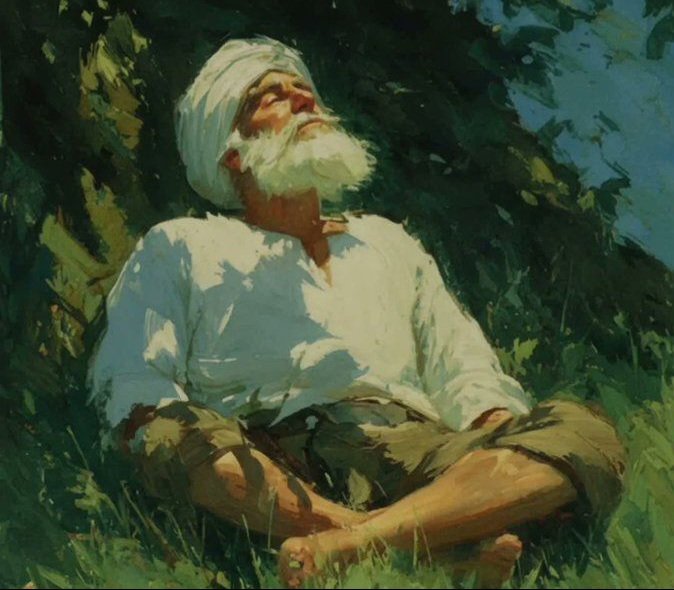
Friday Reflection: The Quiet Work of Order
Some weeks do not announce their lessons. They reveal them slowly, through small moments that ask for attention. This week carried that kind of quiet instruction. Nothing dramatic. Just a steady call toward order.
There were a few points where the weight of the work felt heavier than expected. One paragraph in the monetary series refused to settle no matter how many times it was rewritten. A spiritual conversation surfaced more meaning than intended. None of these moments were loud, but each one asked for clarity over speed. They pulled focus back to discipline, not urgency.
I noticed how often clarity emerges when the pace slows. Stepping back from a paragraph or a conversation did not delay progress. It refined it. The work became cleaner when it was not forced. The tone softened when it did not need to push. The decisions became sharper when they were allowed to breathe.
Stillness shaped the week again, not as passivity, but as posture. It held the conversations that could have escalated. It carried the edits that demanded patience. It shaped the inner world so the outer work could follow. Stillness became the environment where structure could rise without noise.
Toward the end of the week, a quiet theme emerged. Order is not created through intensity. It is created through attention. The small corrections. The slow refinements. The ability to pause long enough for the right thought to surface. These are the movements that build durability in the work.
As the week closes, my reflection is simple. Continue choosing clarity over rush. Continue choosing discipline over pressure. Continue choosing stillness as the ground where thought, faith, and structure find their place.
May the coming days carry the same quiet order. May the work deepen without noise. And may peace remain the standard that guides every decision.
Image: Ace Office Systems
Dear African,
The Americans did not read The Art of War because they wanted to be Chinese. Do not let anyone tear you down for trying to understand how the global system works and how to operate within or around it to secure your own sovereignty, whether national or individual.
Few battles are ever won without leverage, and that leverage lives in the language of global architecture. The economics you were taught is already evolving before your eyes. The world is moving away from textbook free-market ideals toward strategic state involvement, targeted protection, and sovereignty economics.
Call it what you like, but nations are defending their economic positions while many still complain about the lack of breathing room. That frustration is visible in Gen Z movements across the world, where young people are confronting inequality, debt, and the erosion of opportunity.
That leap ahead, to borrow from China’s model of productive sovereignty, will not come from emotion or nostalgia. We have studied colonialism long enough to understand its traps. Now we must master how to transcend them.
China holds productive capacity that challenges Africa’s own manufacturing ambitions and the realization of the AfCFTA. The internationalization of the yuan and the rise of dollar-denominated stablecoins are already eroding the effectiveness of PAPSS, even before intra-African trade fully scales. Understand your past, certainly, but as a modern African economist, you must also understand what is coming.
When a Society Stops Working for Its People
What this chart really shows is the story of a society coming apart at every seam. Suicides, overdoses, and alcohol deaths have all risen, but for different reasons that converge into one bigger truth that people are losing their anchors. You can’t separate the economy from the culture, or policy from psychology. It’s all part of the same unraveling.
Start with the economy because that’s where the slow bleed began. For decades, wages stagnated while the cost of everything that matters like housing, education, health care has exploded. The strong economy we keep hearing about runs on debt, speculation, and asset bubbles. It looks good on paper because it rewards the few who already have capital, while the rest rent everything like their homes, their cars, even their sense of security. That gap between the data and daily life fuels quiet rage and exhaustion.
Then there’s the cultural piece. Institutions that once gave people identity including church, community groups, local businesses have withered. Digital life filled the space, but it’s not real connection. It’s a hall of mirrors where people compare their worst days to someone else’s highlight reel. We’ve traded belonging for visibility, and meaning for distraction. That loneliness, that constant hum of inadequacy, is a slow kind of suffocation and it’s driving people to escape however they can.
The health system made it worse. We medicalized pain but never treated its roots. We overprescribed opioids until we broke trust, then cut people off cold and drove them toward the street supply, now laced with fentanyl strong enough to kill in micrograms. Treatment exists, but it’s fragmented, expensive, and out of reach for the people who need it most. We talk about mental health awareness but not the system that profits from keeping people sick, medicated, and isolated.
There’s also a moral and generational shift no one wants to talk about. Younger generations grew up being told to chase passion, not stability, and then watched the cost of entry for adulthood explode. Older generations watched the world they built…work hard, buy a home, retire with dignity evaporate beneath them. Both feel betrayed in different ways, and that shared disillusionment runs deep.
And underneath it all is a spiritual crisis. Not in the religious sense, but in the human one. People have lost a sense of meaning beyond consumption and survival. The rituals that gave life rhythm like community dinners, church on Sunday, family gatherings without phones have thinned out. We’ve become materially rich but emotionally malnourished.
So when you see these lines rising in suicides, overdoses and alcohol, don’t look at them as separate problems. See them as symptoms of a system that’s forgotten what people need to stay whole: purpose, connection, stability, and hope. You can’t fix this with policy tweaks or therapy ads. It takes rebuilding the foundation, an economy that rewards contribution, not speculation; communities that actually exist in the physical world; and a culture that measures success by more than what you own or post.
Because this chart isn’t just about death. It’s about how, slowly, a country that once prided itself on life, liberty, and opportunity is forgetting how to keep its people alive.
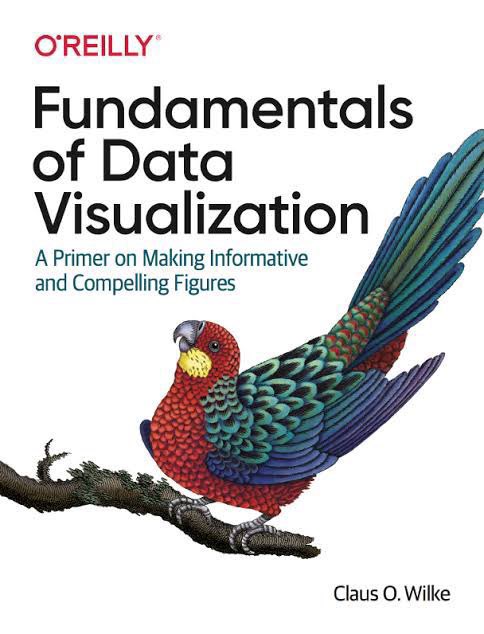
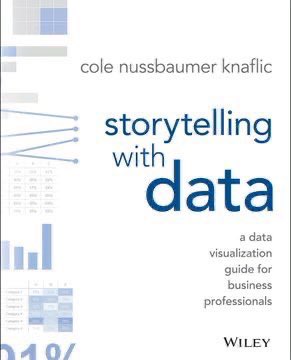
Dear Data Analyst/Scientist.
Read these books and you'll be miles ahead in your Data journey.
To get it:
1. Follow me (so I can DM you)
2. Like and retweet
3. Reply with "Data"
As a single mother I am saying this:
Men have a sense of balance when it comes to providing routine and discipline but also support, encouragement, and show unwavering dedication to their children. Men also tend to lead with more logic than emotion while still allowing room for their children to feel and express emotions. They also tend to be able to separate their trauma they’re healing from their responsibilities as a father.
A lot of women (not all but a large majority) don’t know how to balance all of these things on top of not allowing their emotions get the better of them. A lot of women also are jealous of their children, harbor spoken or unspoken resentment toward them for a broken home, or refuse to break the cycle of trauma in some capacity. Hell, some women with a partner struggle with this as well but it can become more apparent when single.
THE COBRA EFFECT
During the British Raj, officials grew concerned about the rising number of venomous cobras in Delhi. To tackle the issue, they introduced a bounty for every dead snake.
At first, the policy seemed successful, many cobras were killed.
But soon, an unintended consequence appeared. Enterprising locals began breeding cobras to claim the reward. Once the government realised this loophole and scrapped the bounty programme, the breeders released their now-worthless snakes.
The result? The cobra population surged to even higher levels than before.
This episode is remembered as the Cobra Effect, a classic example of how well-meaning incentives can backfire, producing the exact opposite of the intended outcome