10 genealogy biases are introduced along with strategies for overcoming them, which are organized into the Sources of Genealogical Biases Matrix. #genealogy https://t.co/aqX18Sns9t
Check out my curated list of must-see RootsTech 2026 sessions plus the latest product and feature announcements made by the biggest genealogy websites and online tools coming later in 2026. https://t.co/nH1MNlR03t @FamilySearch#rootstech2026
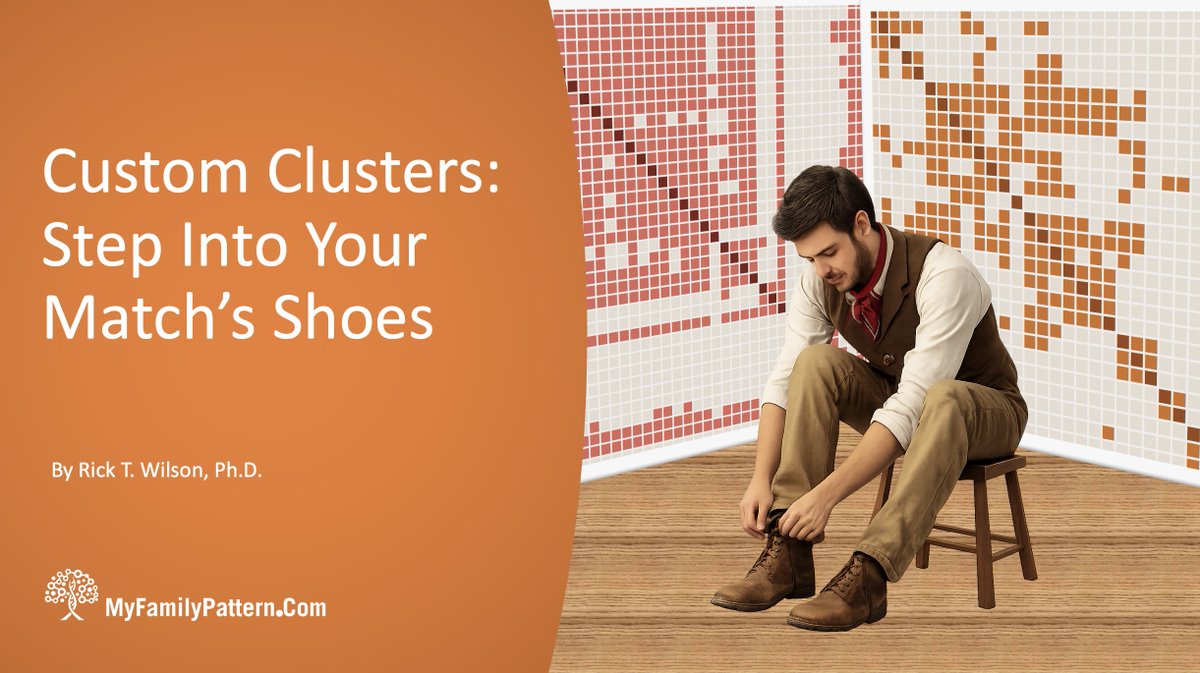
Expand your use of Ancestry's Custom Clusters by creating a cluster built around you within the match list of one of your mystery matches. Collaborate with your peers and generate fresh insights into stagnant research problems. @Ancestry#familyhistory https://t.co/WsDX8QhGXt
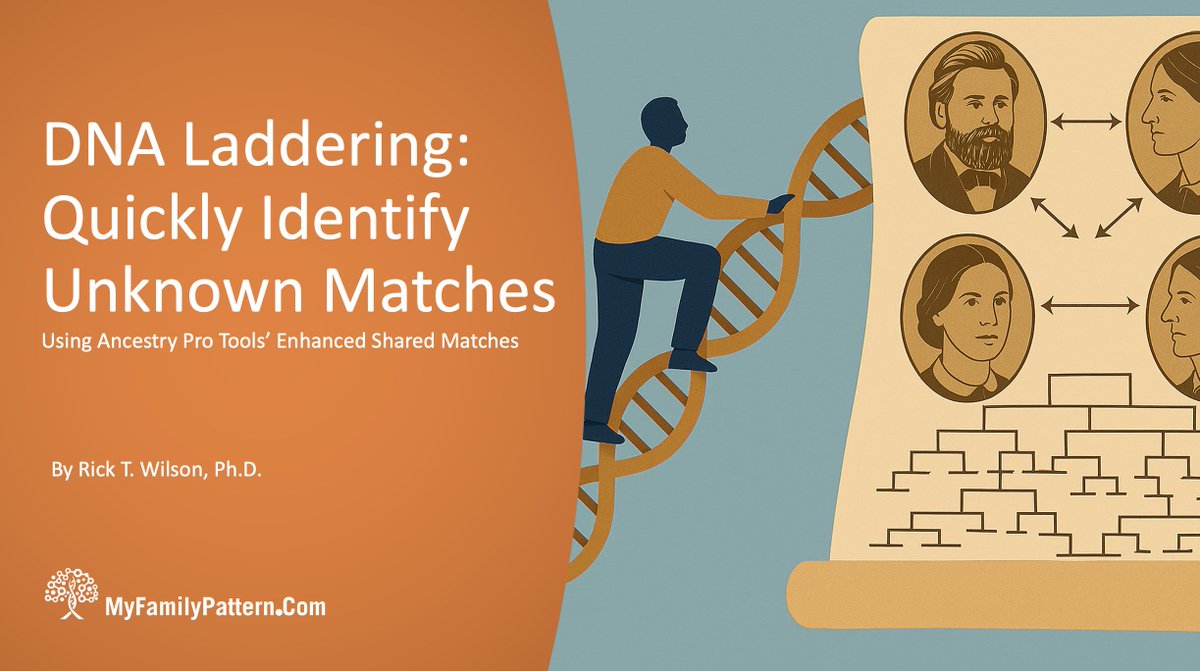
Identify how DNA matches fit into your family tree or into an unlinked family cluster. I show how to quickly climb one rung of a DNA ladder (one generation at a time) to determine how a group of shared matches are related to one another. @Ancestry https://t.co/MQyW9rH8aS
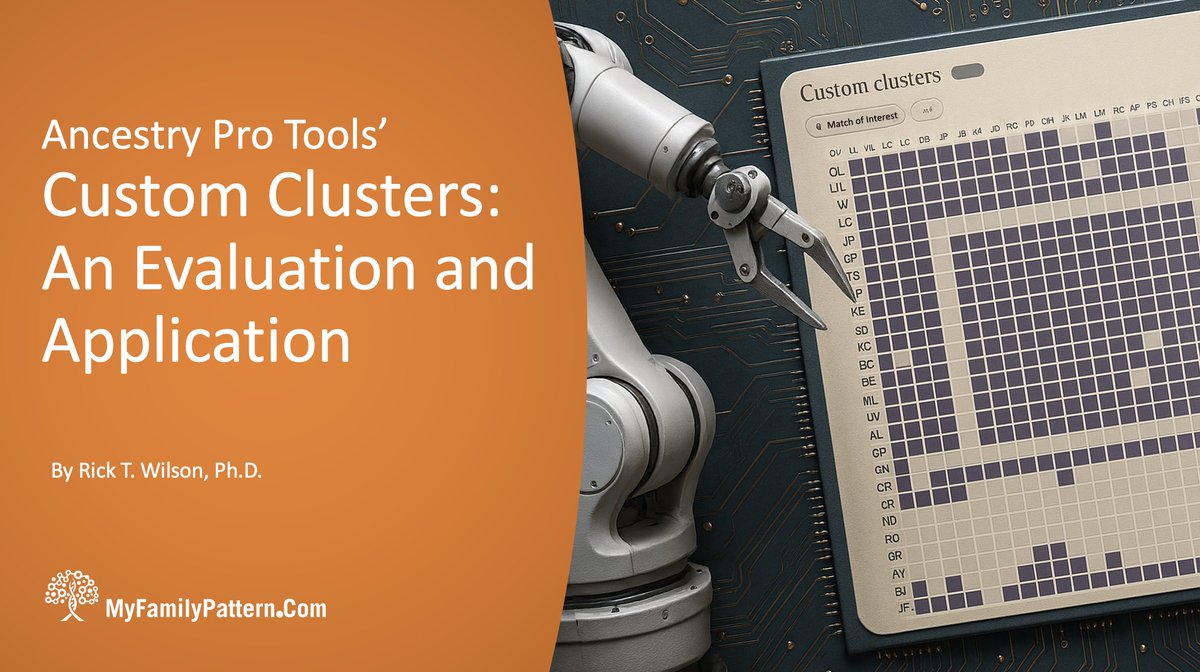
Ancestry’s new Custom Clusters tool is compared against Gephi network graphs, Ancestry’s Shared Match filter, and accumulated documentary research. While it’s a must-use tool, see what might be missing from your Custom Cluster. https://t.co/UW3ahLKd8V #ancestry@Ancestry
When should we take a pause from our research and give our subconscious time to process our DNA and documentary evidence? You’ll be amazed at what your mind can do when you’re not thinking about it. https://t.co/Zr1Re0dG9E
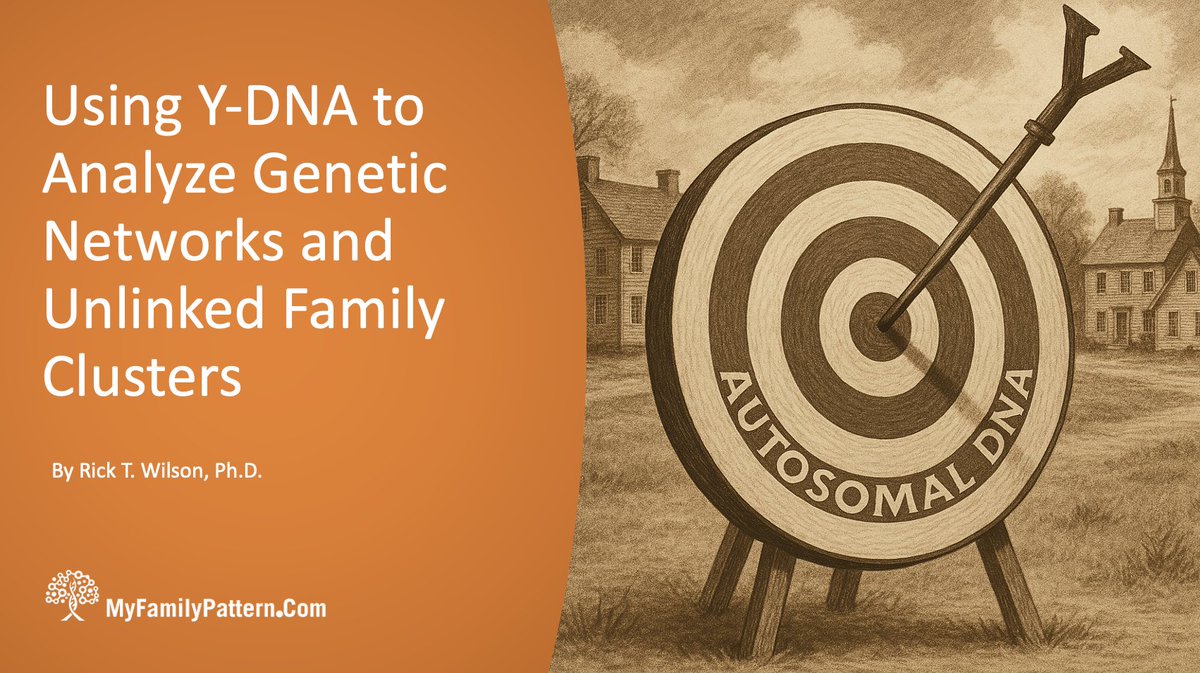
Y-DNA and autosomal DNA have synergistic value when used together when evaluating a group of shared matches. A case study is presented demonstrating how to use both tests to break through genealogy brick walls. #genealogy https://t.co/JQmpXGiPxJ
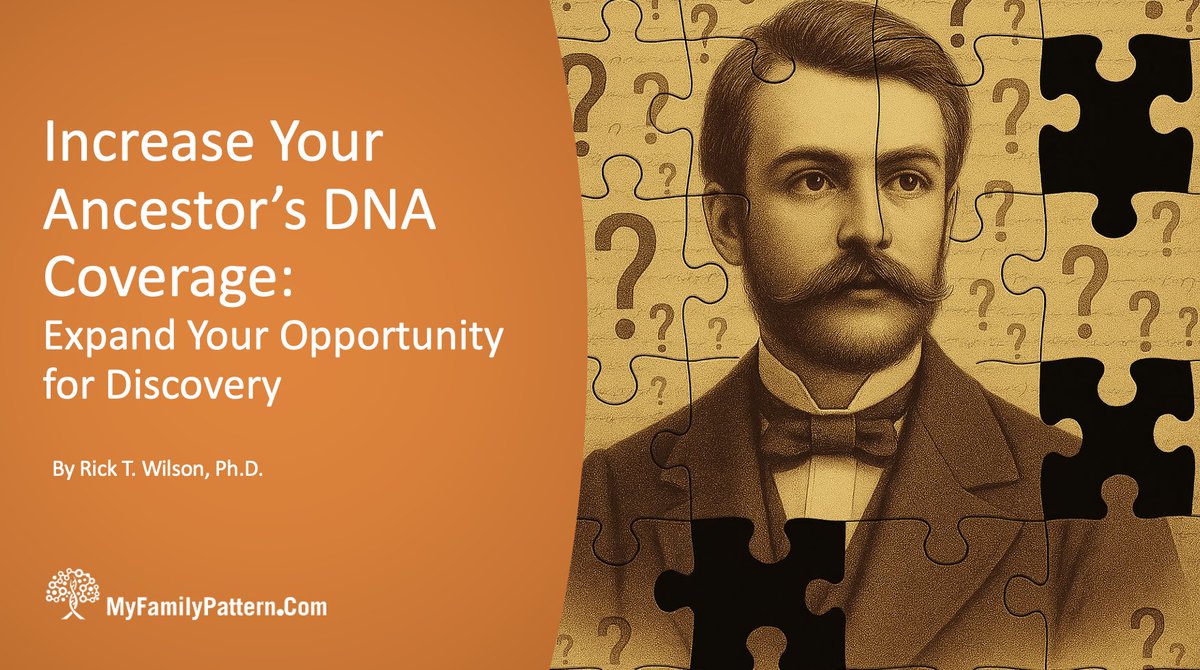
See why increasing your ancestor’s DNA coverage can make the difference. If you were ever in doubt whether reviewing your cousins’ match lists is worth the time, this case study and its accompanying images will convince you. #genealogy
https://t.co/zmIPMAWxxz
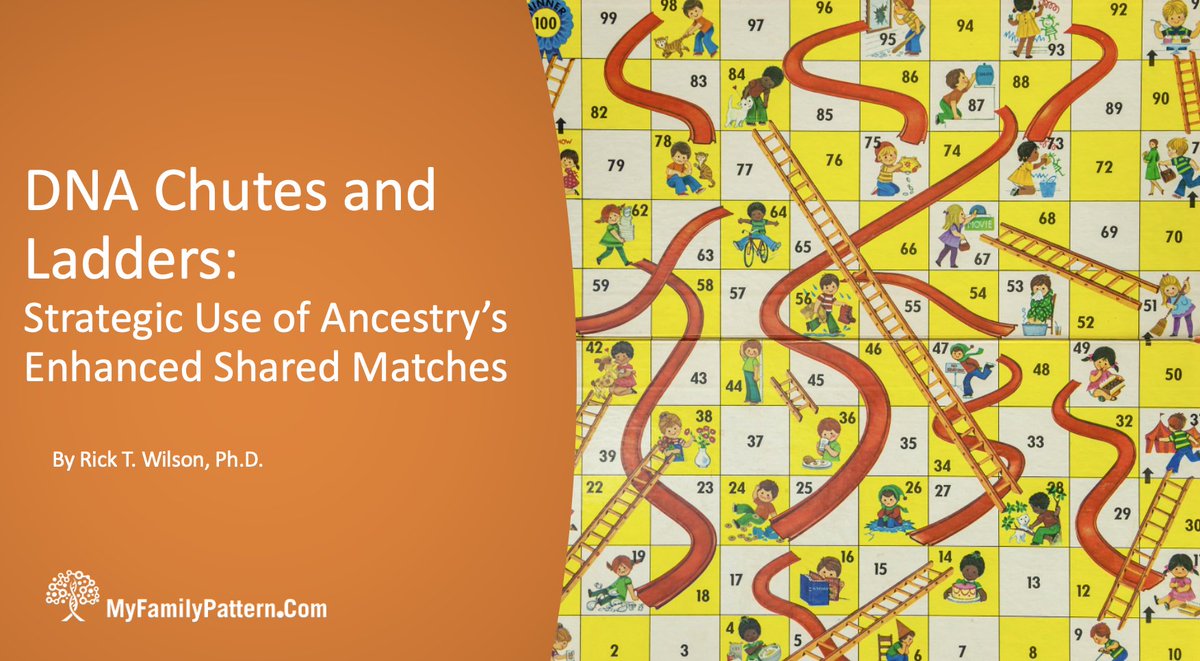
DNA laddering is introduced to analyzing your DNA matches using Ancestry’s Enhanced Shared Matching feature. "Laddering" is detailed in 5 steps helping you identify unlinked family clusters and gain further insight into unknown ancestors. #ancestrydna
https://t.co/5ZQEyj0z5j
I am pleased to announce that I'm presenting at the premiere genealogy conference, RootsTech 2025! You don't need to attend the conference to watch the presentation: "Y-DNA Testing Strategies by Research Question: Using Targeted Testing." #rootstech2025 https://t.co/7IHfI8KQ63
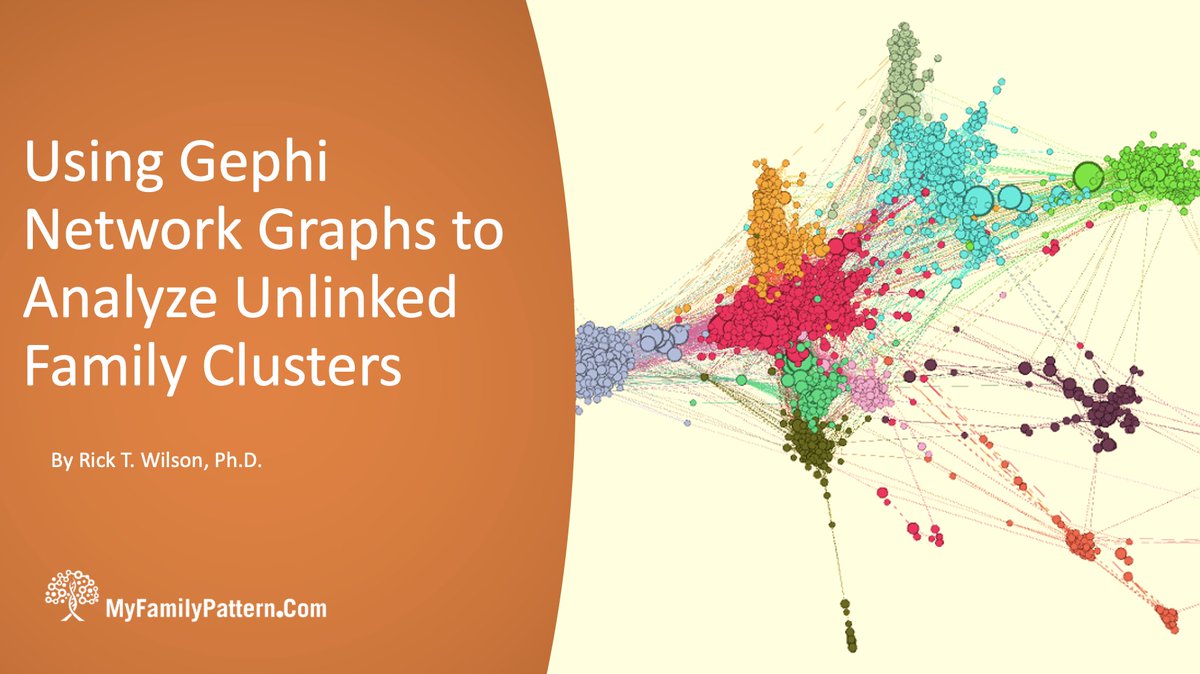
Learn how to interpret network graphs, discover new unlinked family clusters, and chip away at brick walls. This post concentrates more on interpretation than on constructing them. You’ll be amazed at what you can learn! #ancestry#familyhistory#genealogy
https://t.co/23Exa5UUjS
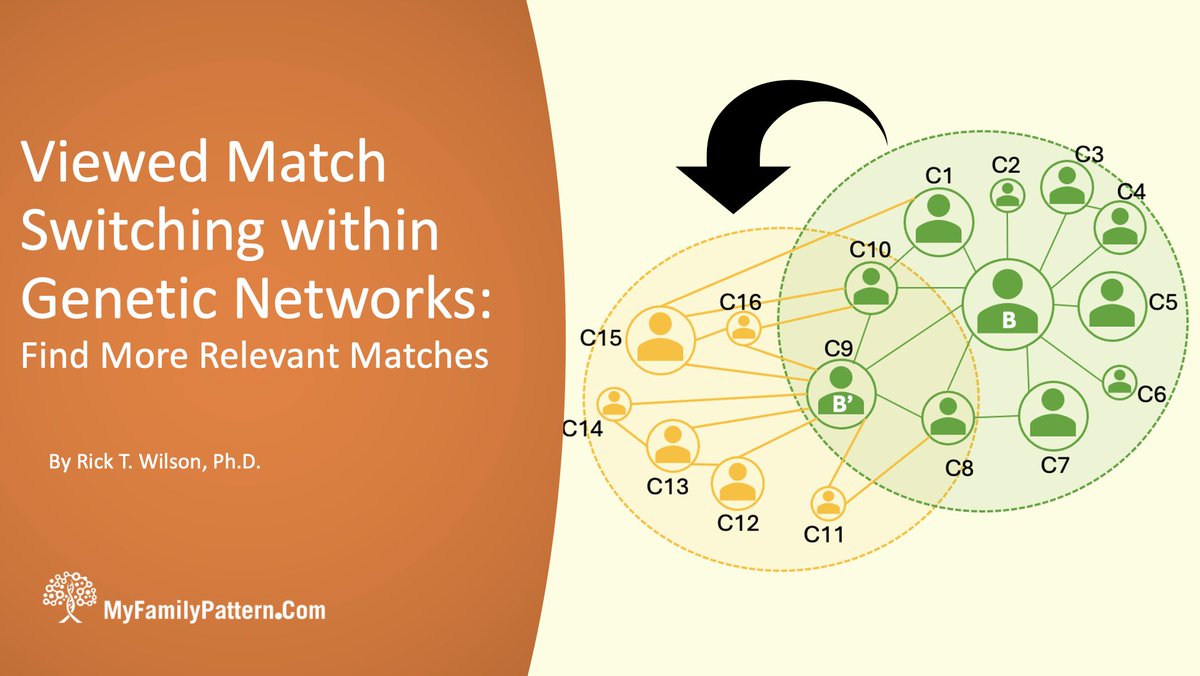
Strategically analyze DNA matches using Viewed Match Switching to expand genetic networks and find more relevant matches. #genealogy#ancestry#familyhistory
https://t.co/F0gHrwb25l
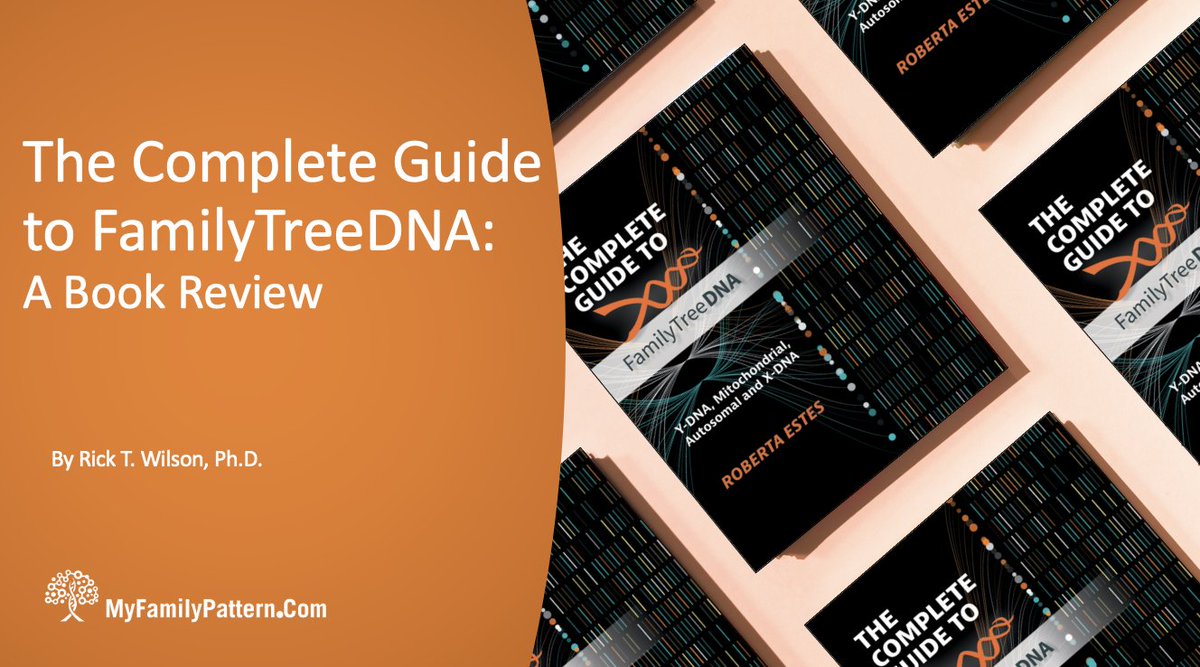
Interested in increasing your proficiency with DNA or FamilyTreeDNA’s reports and tools? I encourage you to read my review of Roberta Estes’ most recent book titled, “The Complete Guide to FamilyTreeDNA; Y-DNA, Mitochondrial, Autosomal and X-DNA”. @RobertaJEstes@FamilyTreeDNA
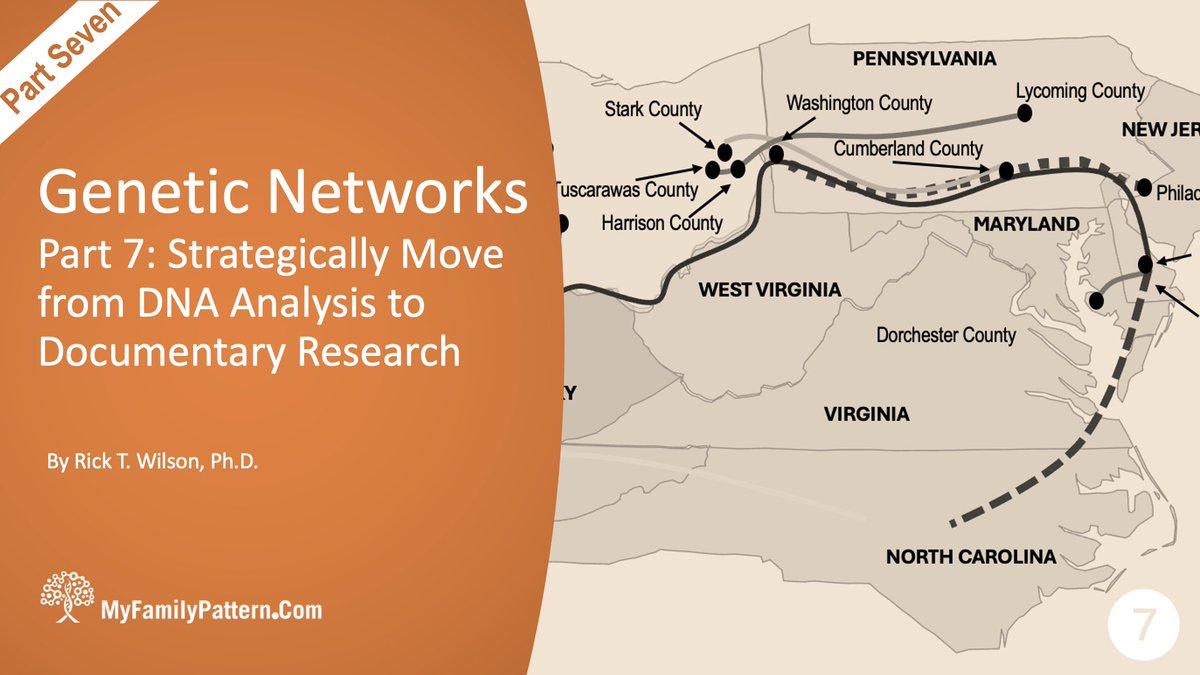
Systematically perform documentary research for genetic networks using the three-step strategy for genetic network documentary investigation: research skimming, targeting, and probing. Also, see what I learned about my Hill genetic network. https://t.co/l5QJF8YlQJ
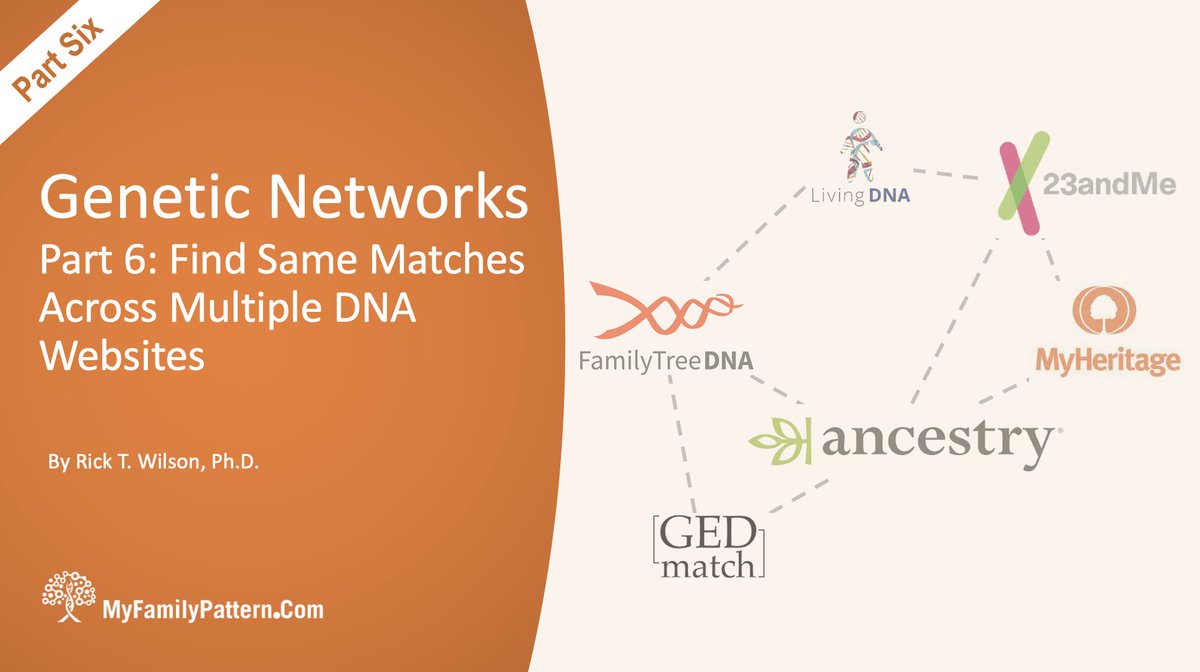
Find the same DNA matches at other testing websites. In the 6th post in this 7-part series on genetic networks, discover how to expand your network of matches beyond company silos. You may also uncover some additional matches. #genealogy https://t.co/8V34zRSSri
Analyzing genetic networks is easier with the Ancestry Pro Tool’s Enhanced Shared Matches feature. In the 5th post in this 7-part series, see how to reduce the number of “unknown” matches within a genetic network even if matches have no family trees. https://t.co/GjINodTpkn
Efficiently review your matches’ family trees within an identified genetic network using this 3-step process. In the 4thpost in this 7-part series, see how to evaluate, build, and extract genealogical information from your matches’ trees. https://t.co/VlpyyUaqOY
Several strategies can help you find genetic networks within your list of DNA matches. In the 3rd post in this 7-part series, discover how to use the shared match filter, strategic tree triangulation, and automated tools to find relevant genetic networks. https://t.co/v1OWwGlIhU
Not all DNA matches are true members of a genetic network. In the 2nd post in this 7-part series, learn to identify misclassified members, which complicate detecting common ancestors. #ancestry#familyhistory#genealogy#ancestrydna https://t.co/vZalQHv32F
In the 7-part series, learn how to efficiently use genetic networks for your autosomal DNA matches to discover unknown ancestors and break down brick walls. https://t.co/haKPBZoBMw