#UREES101@paleololigo Final one, Swash and Backwash are both movement of water up a beach after a wave breaks. Swash is the movement of water up the beach vs Backwash is The backward movement of water down a beach. Is this correct?
I'm officially exhausted and am going to bed. I'll check the #UREES101 hashtag from my phone one more time when I crawl under the sheets, so get your questions in!
#UREES101 (...) hanging valley (A valley left by a melted tributary glacier that enters a larger glacial valley above its base, high up on the valley wall)
@paleololigo#UREES101 Am I missing something for these definitions: U-shaped Valley (A valley left by a melted tributary glacier that enters a larger glacial valley above its base, high up on the valley wall) (tbc.)
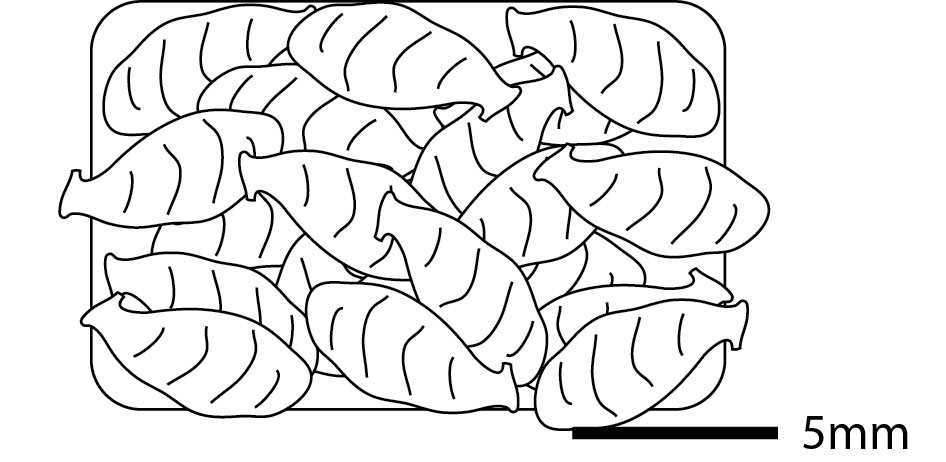
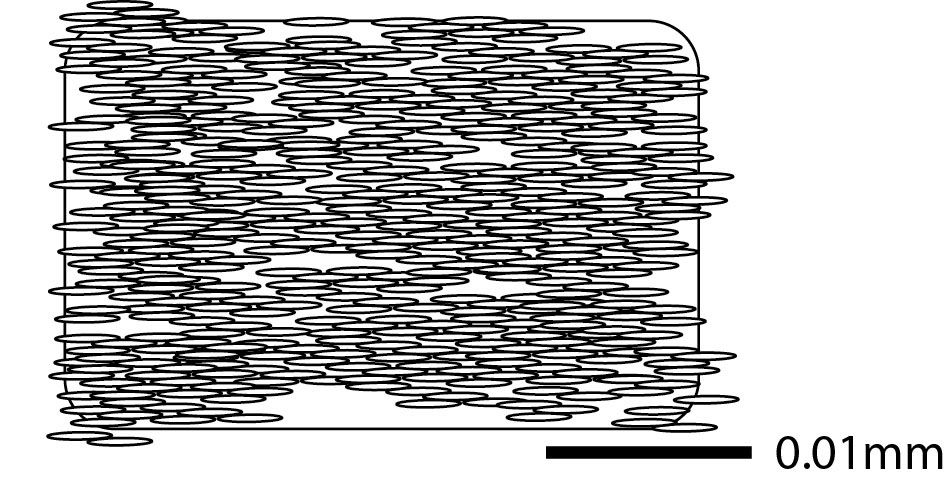
#UREES101 - Name that sedimentary environment:
Cross-bedded sandstone with fossilized remains of clams. Sandstone reacts with acid, as does the fossils.
#UREES101 - Name that sedimentary environment:
Rock composed entirely of the broken up bits of clam, mussel, and oyster shells. Reacts strongly to acid.
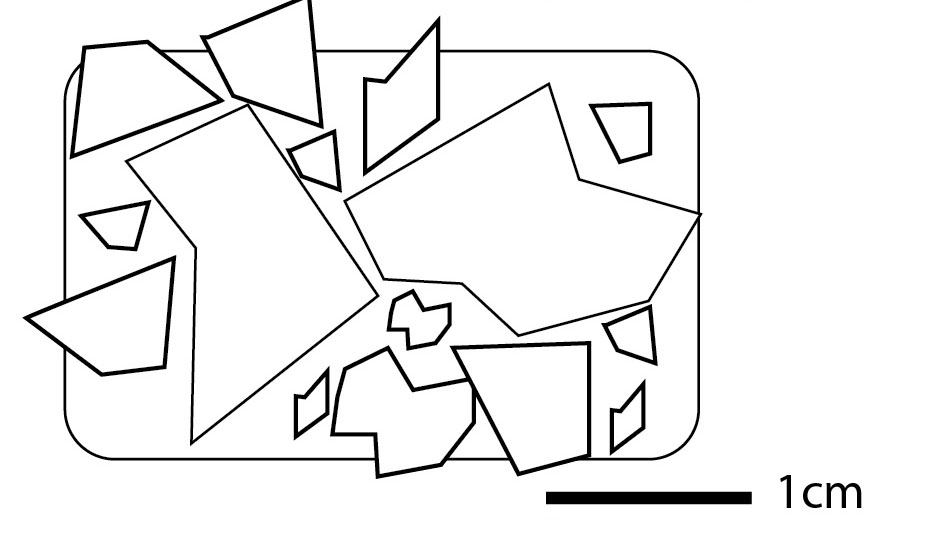
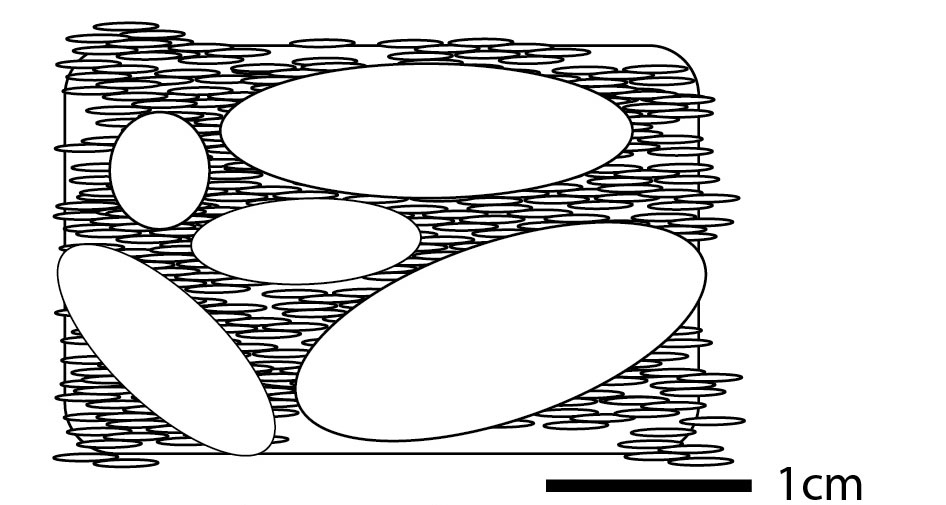
#UREES101 - Name that sedimentary environment:
Conglomerate with well-rounded pebble- to cobble-sized grains that are imbricated (that is in en echelon stacks). Large grains are in a claystone matrix.
The fragments are poorly sorted, large grain sized, and very angular => not that far from the source => somewhere in the headwaters of a river? #UREES101
#UREES101@paleololigo Can you also explain the Ferrel cell and Polar cell again? Also, is it correct to say, at the equator is where it is the hottest => air rising => thunderstorm => rains it all out => by the time it descends at 30 degree N and S, there is no more moisture?
@paleololigo Due to gravity, glacier always flows downhill. However, if there is ablation is greater or less accumulation, the glacier melts faster than its flow, therefore we say that the glacier retreats uphill. Is this correct? #UREES101@paleololigo
#UREES101@paleololigo Can you explain again how as the air rises from the equator and descends at 30 degree N and S (where the pressure is high), moisture is almost gone and thus deserts are formed?
#UREES101 On the topic of Deserts, can you name the atmospheric circulations that affect the weather pattern, thus the location of the deserts?
Trade winds
Westerlies
Polar casterlies
Can you relate these to Ferrel cell and Hadley cell?