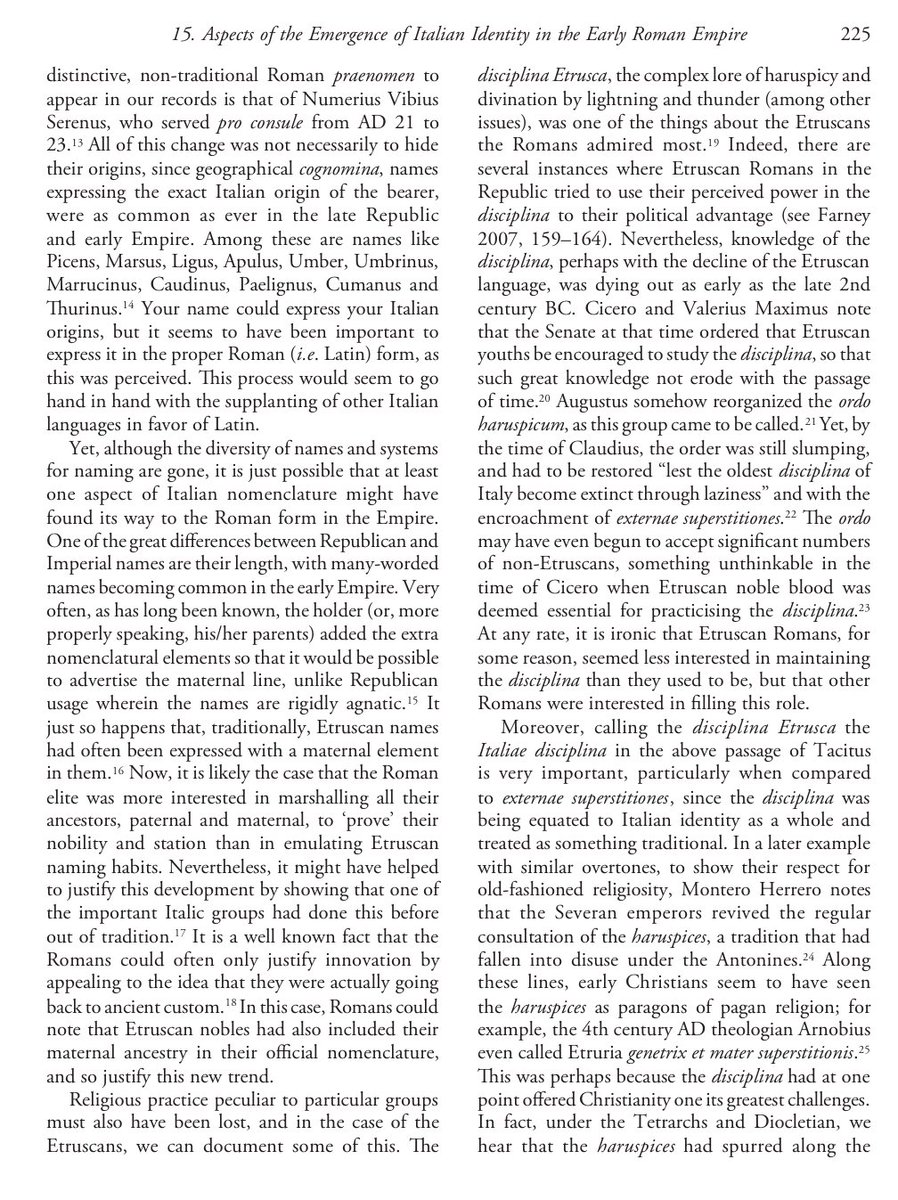
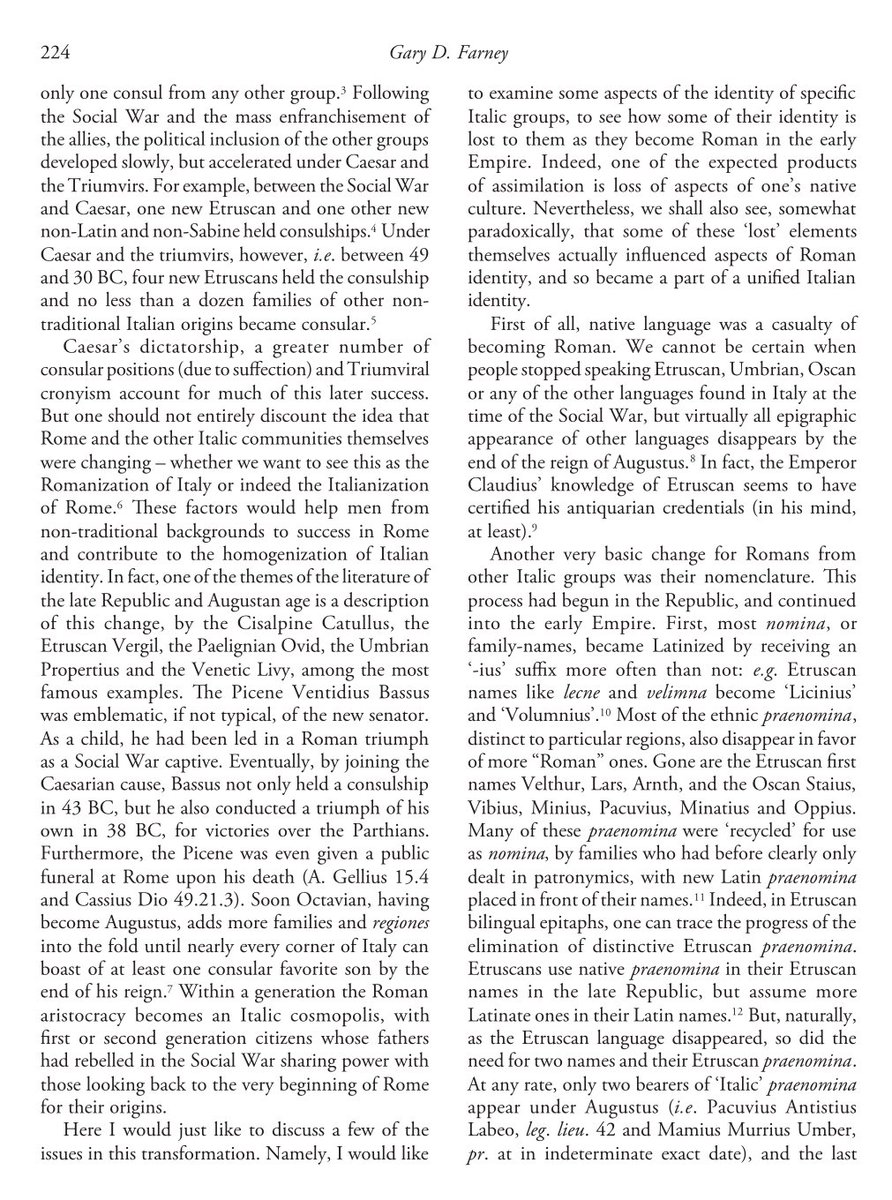
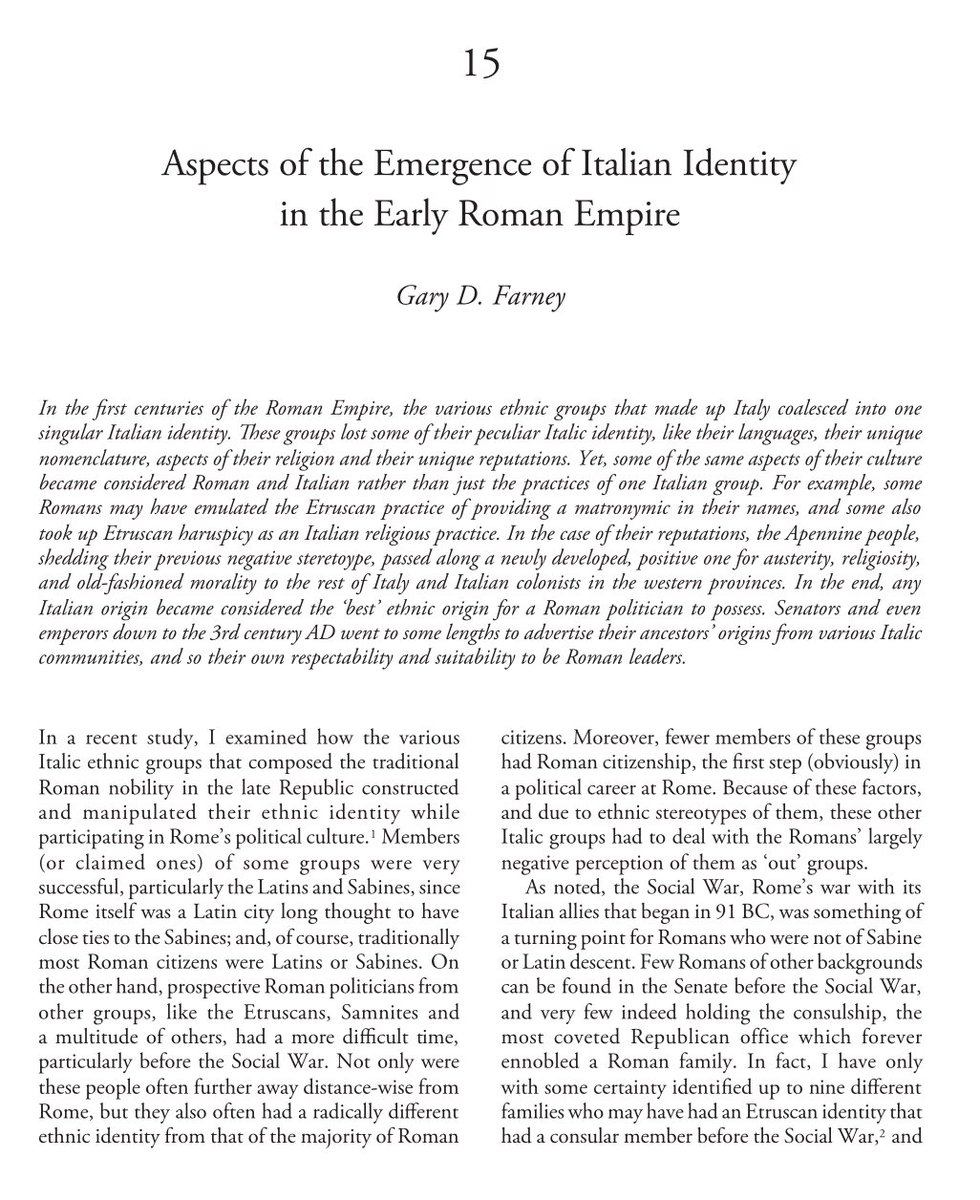
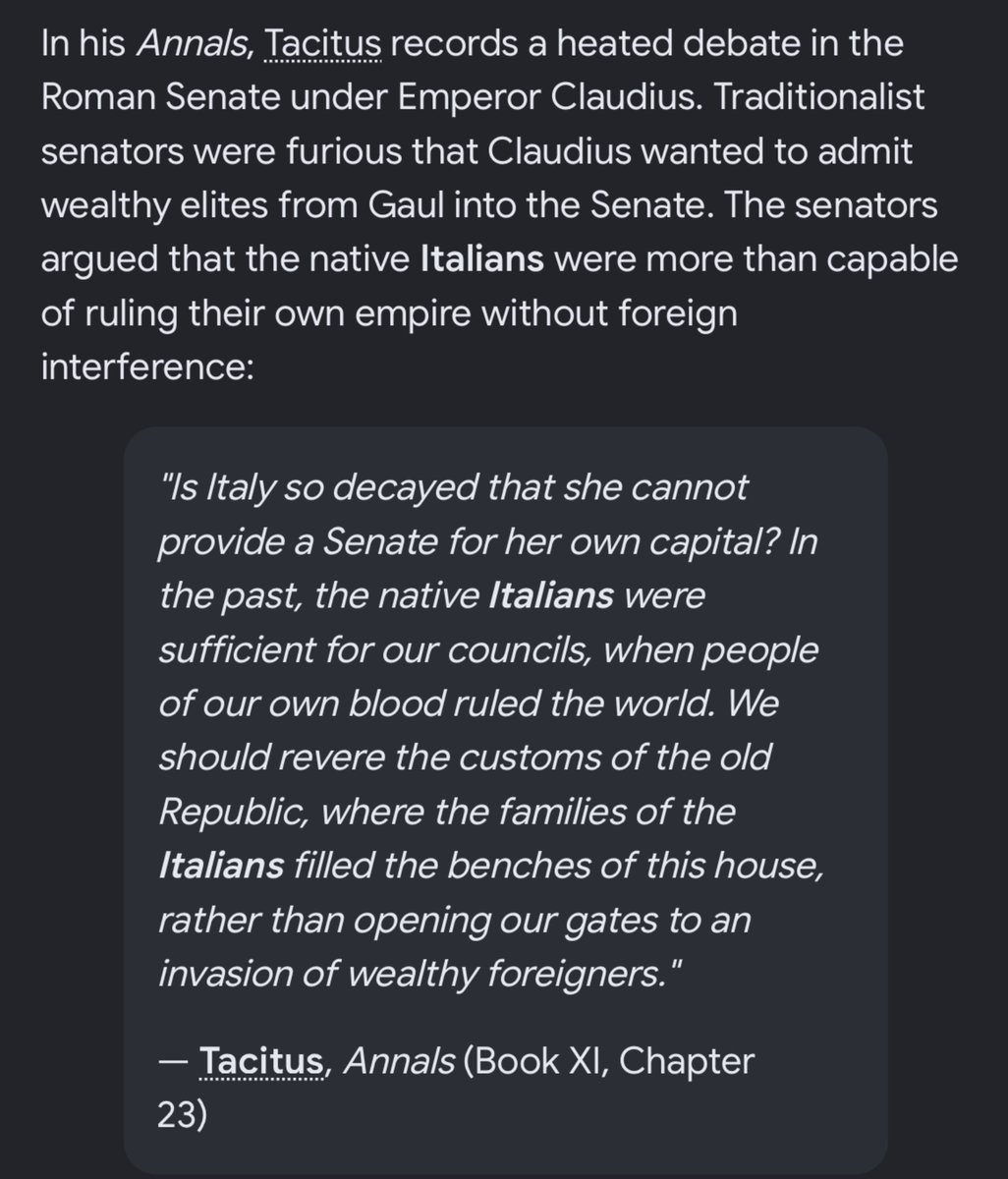
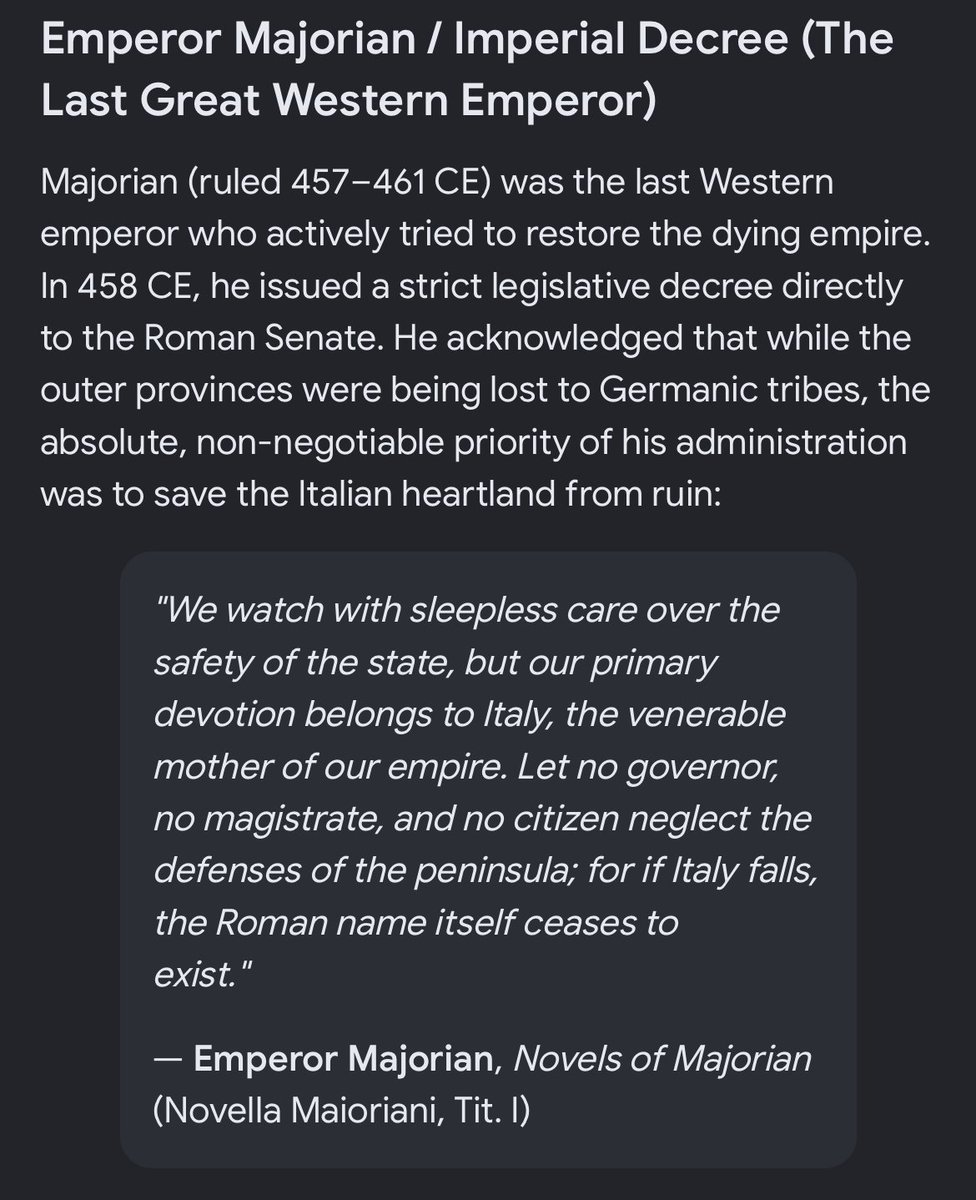
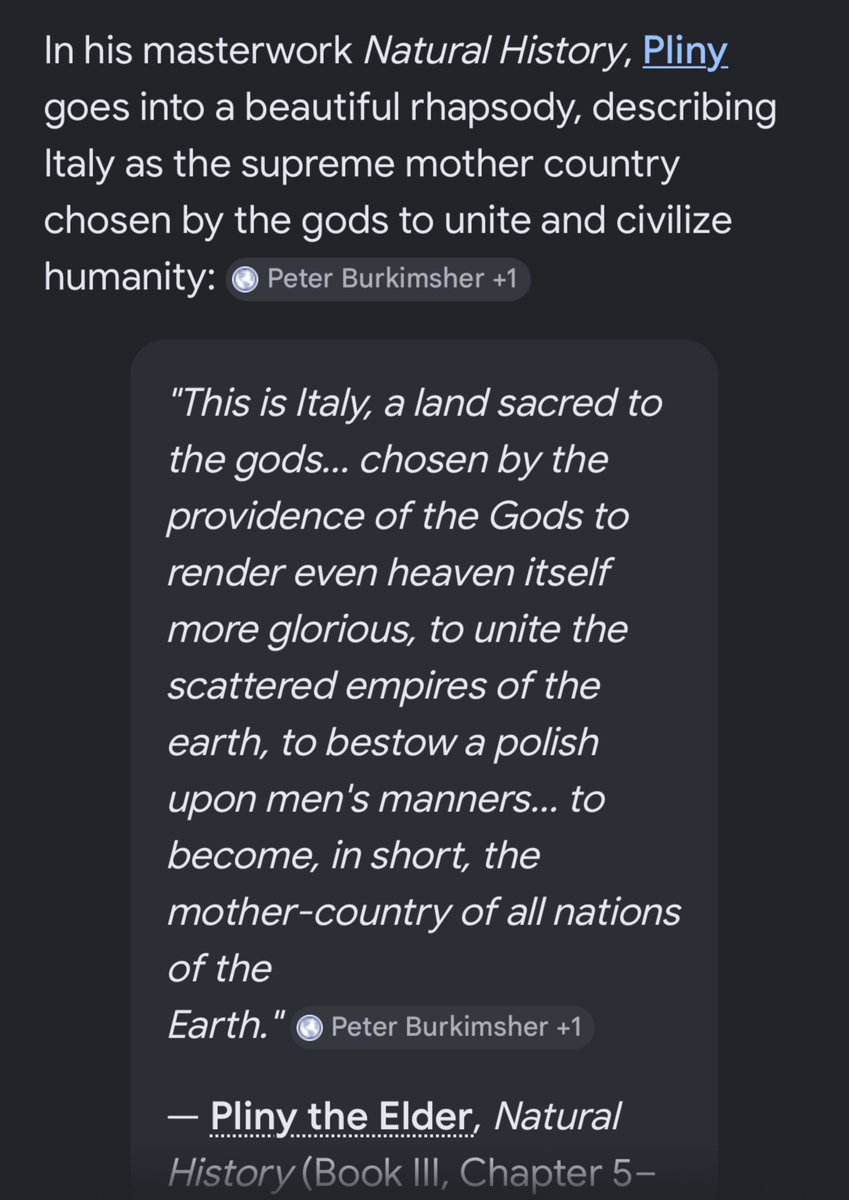
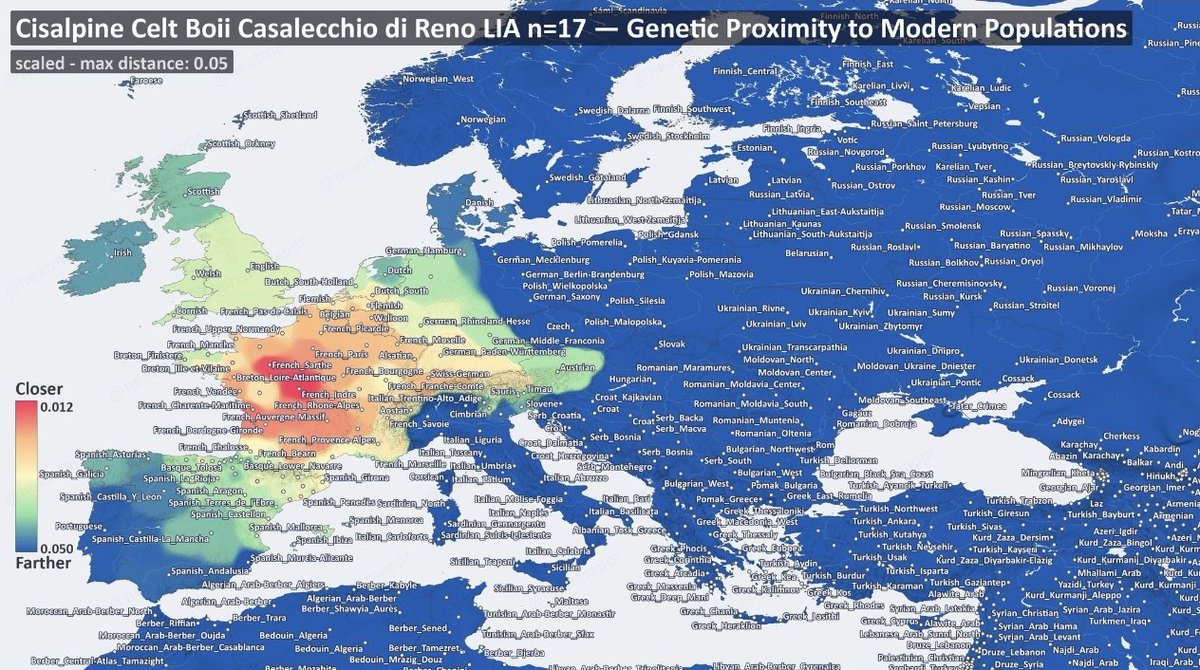
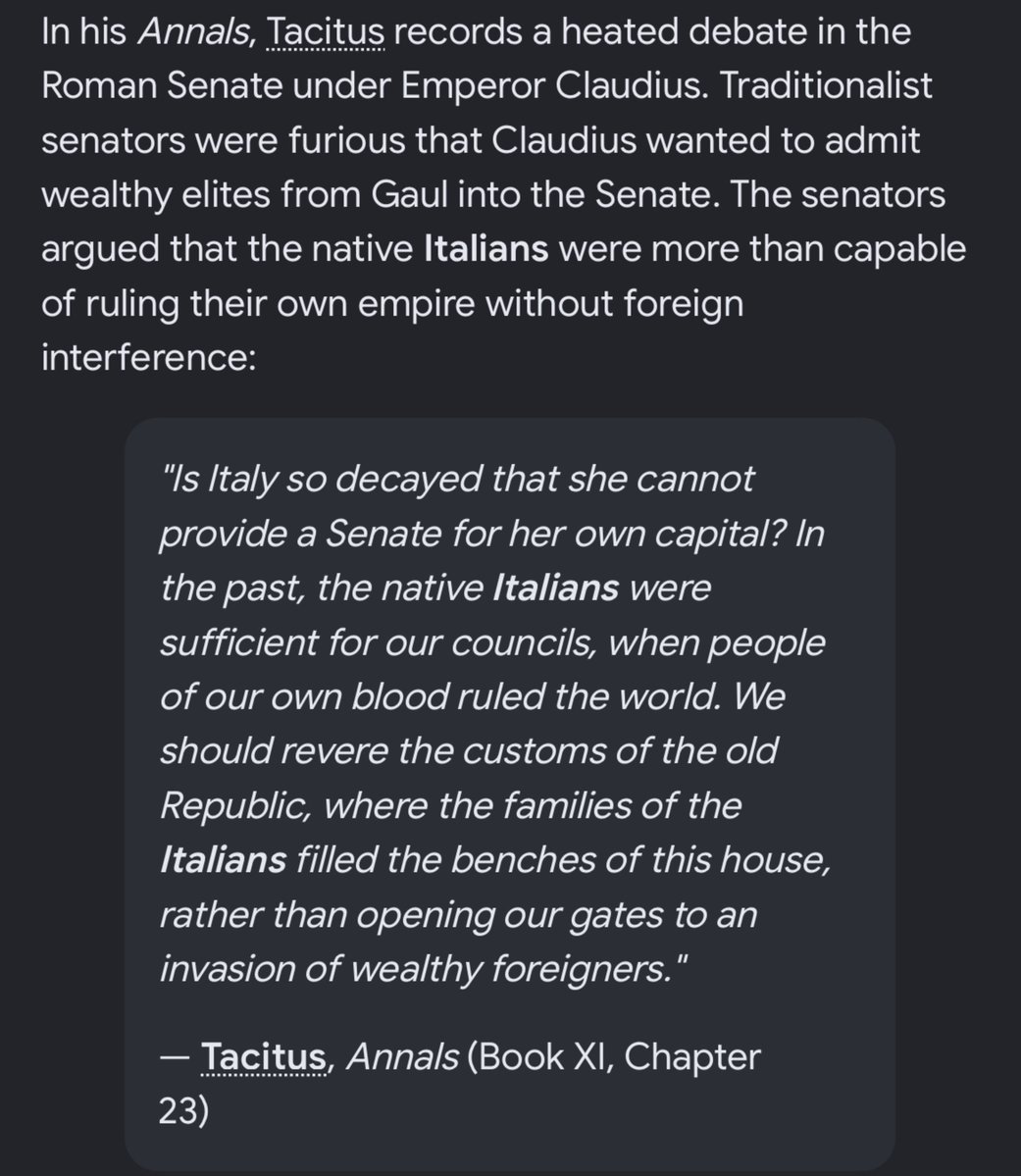
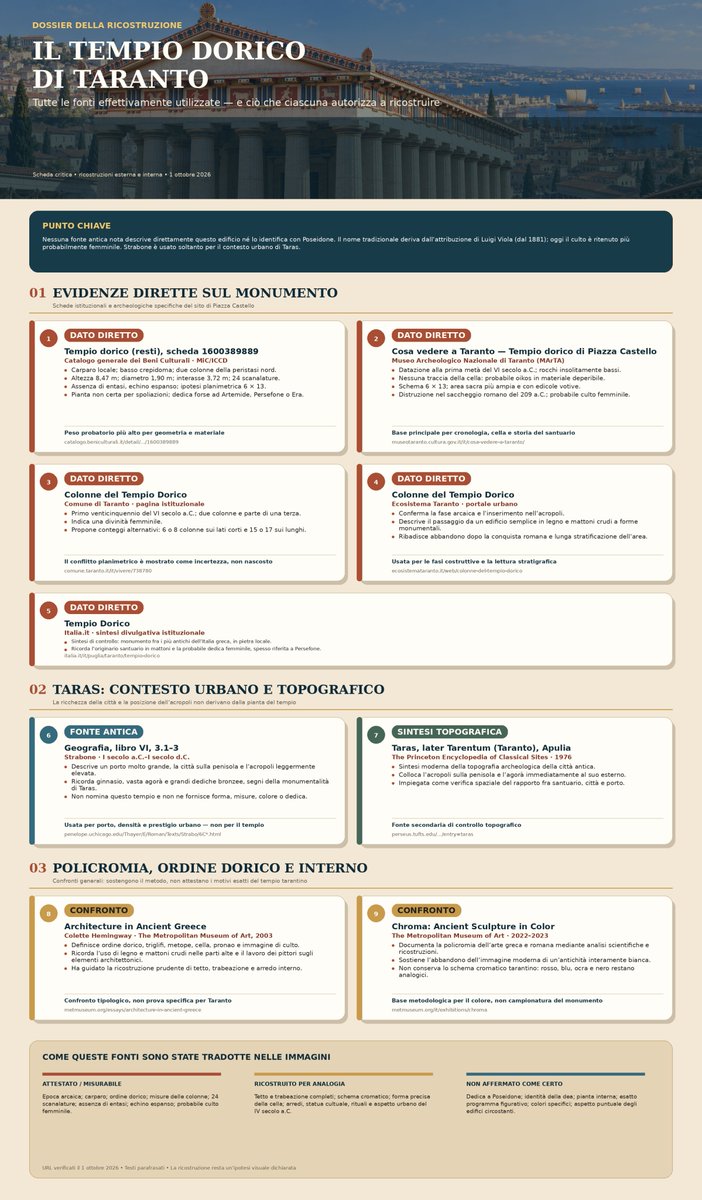
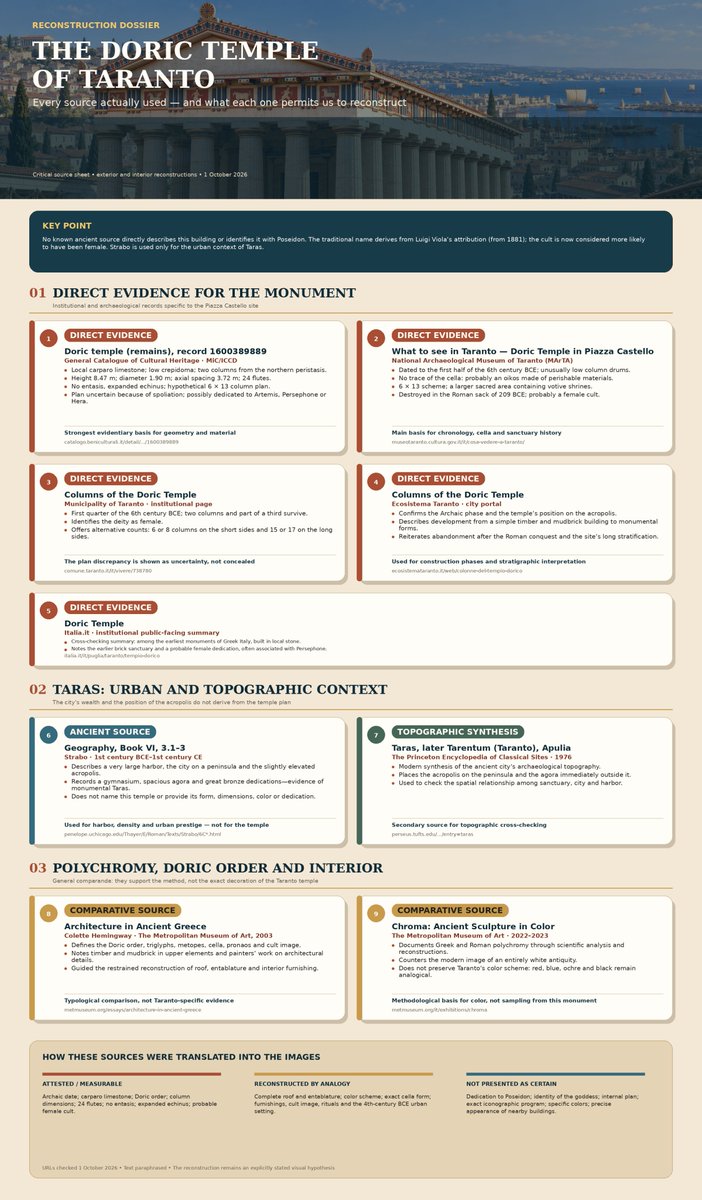
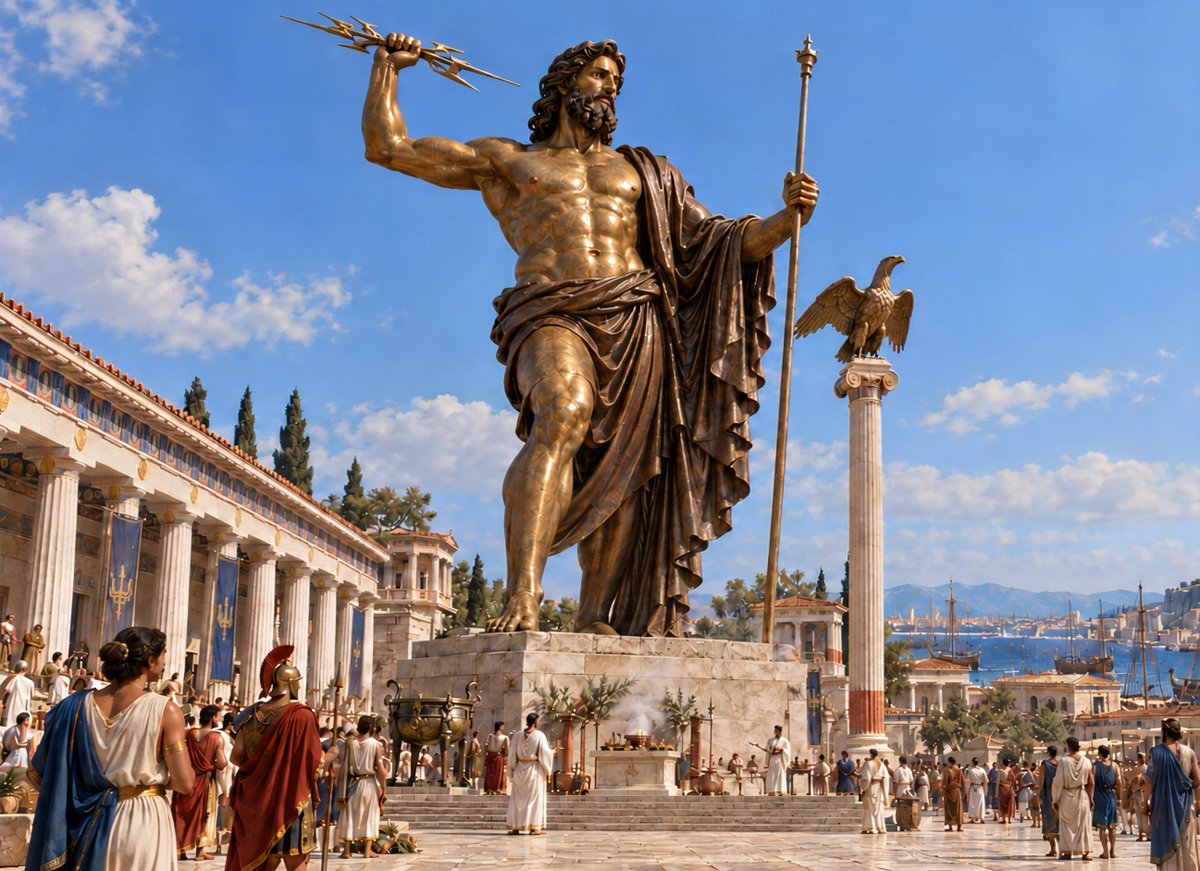
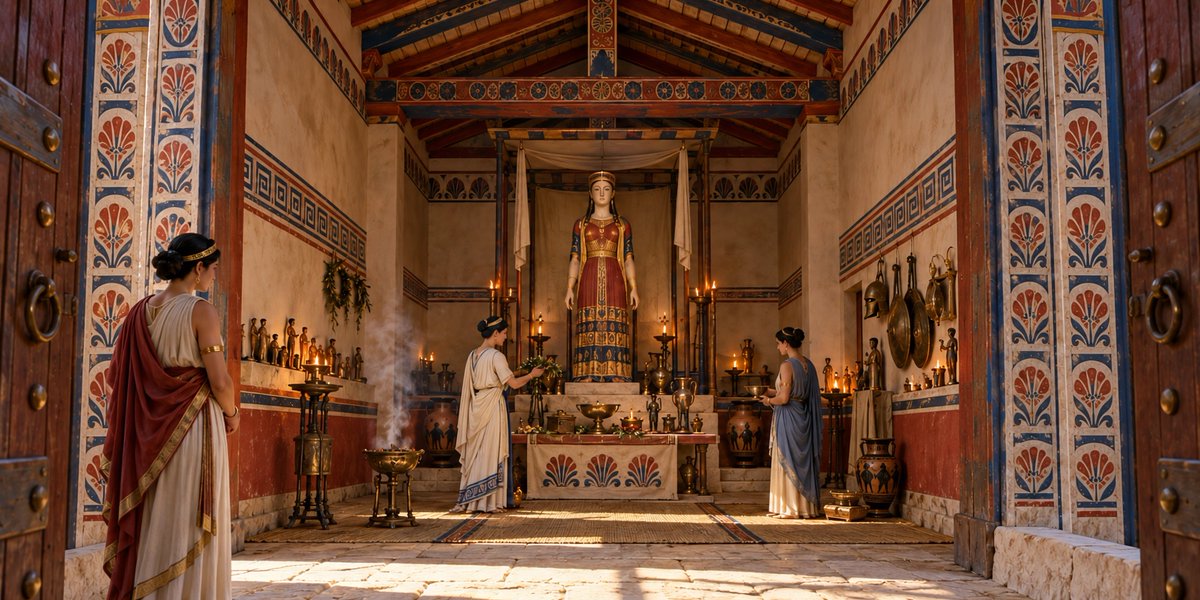
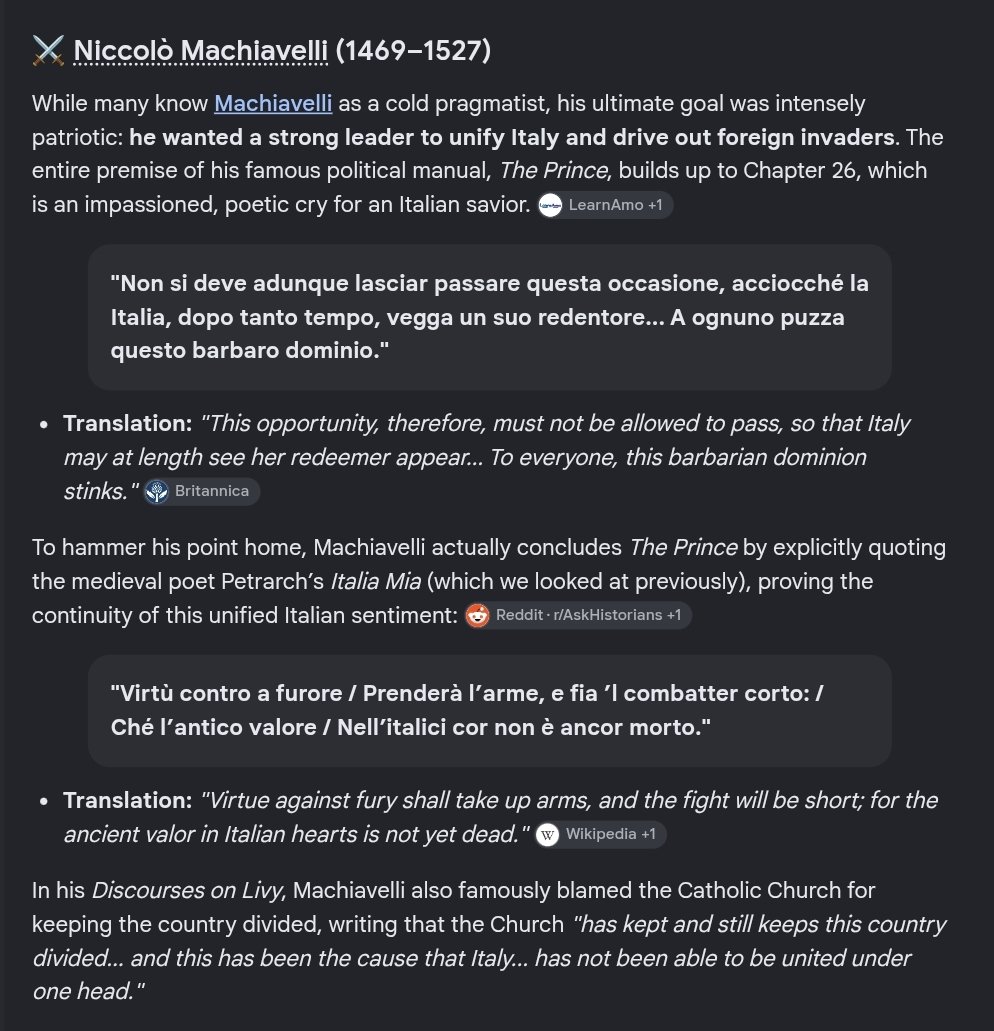
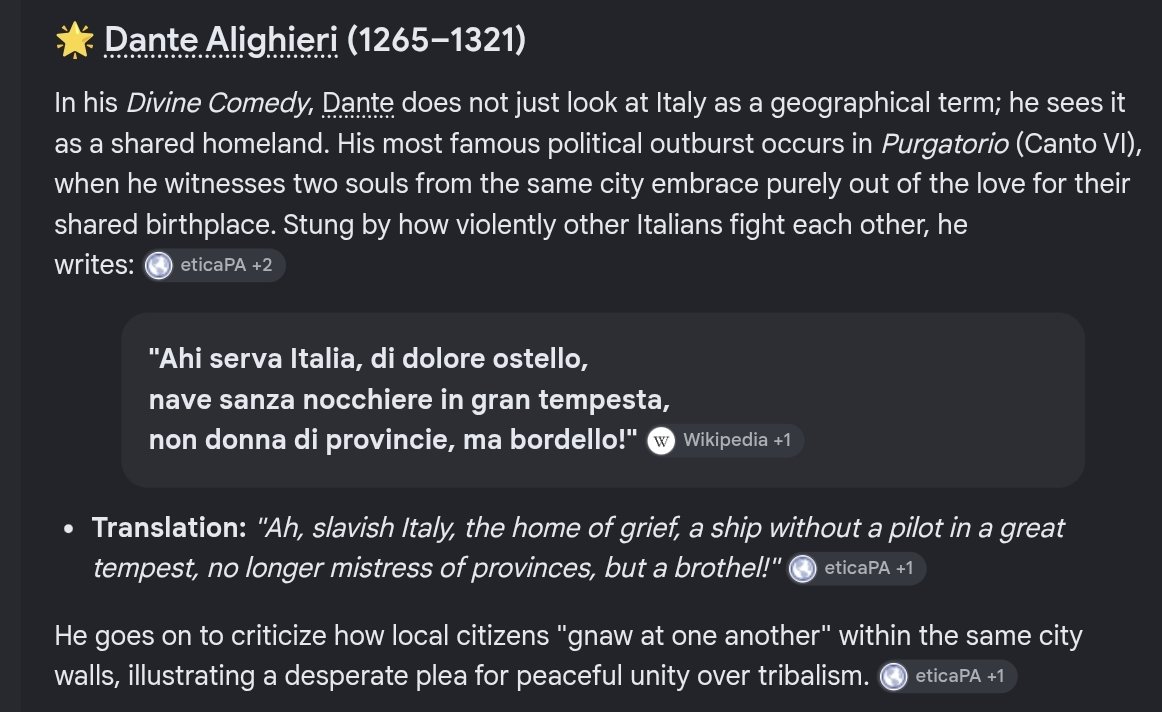
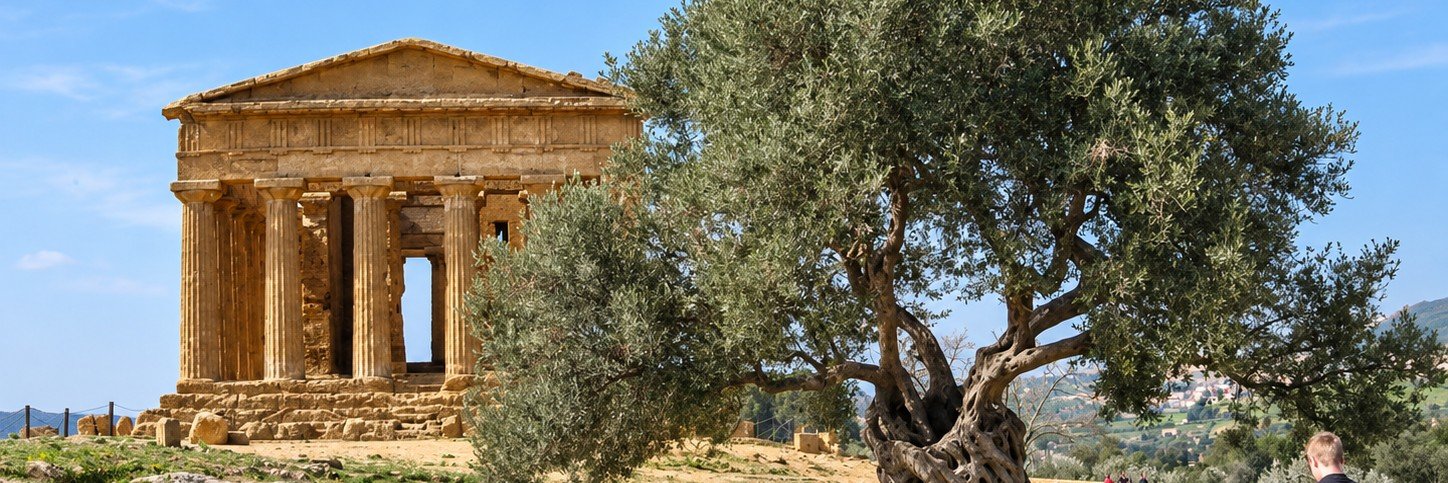
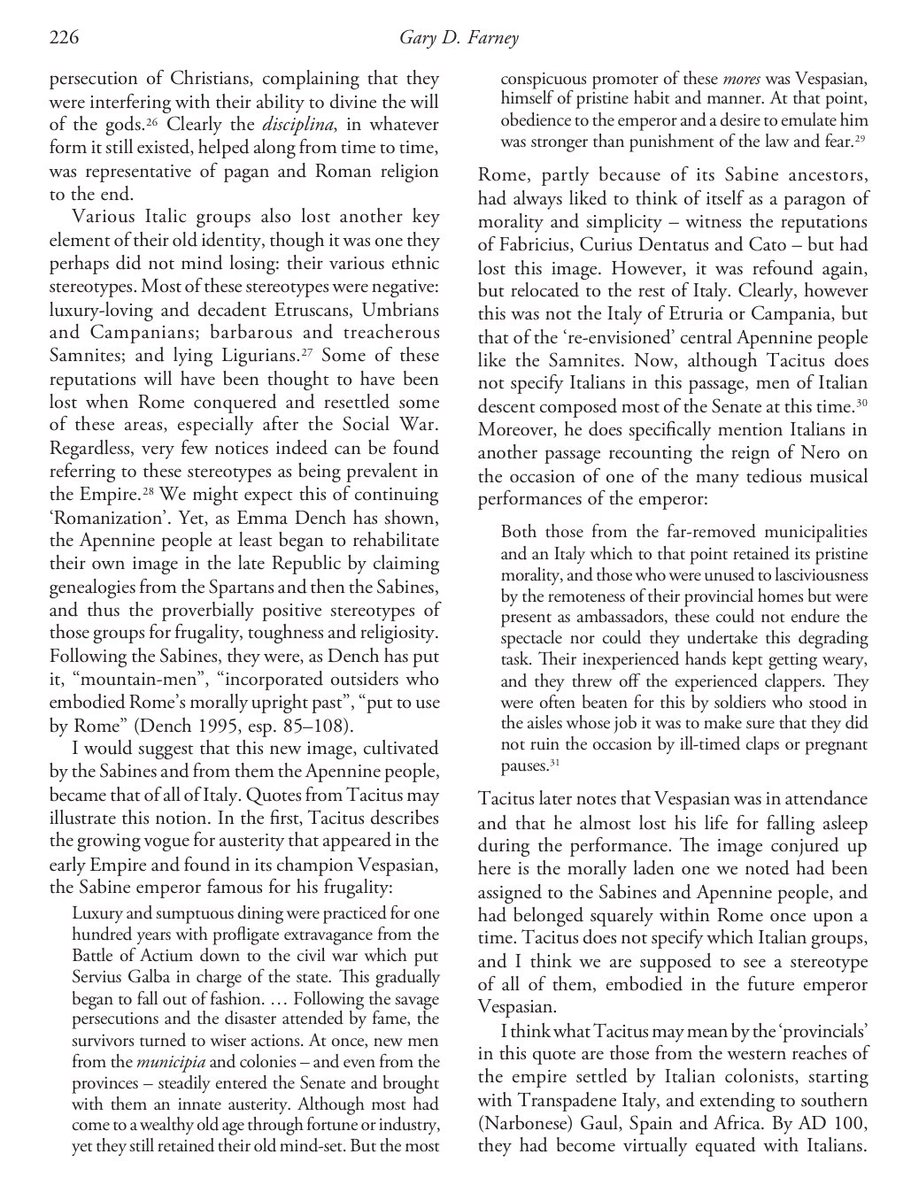
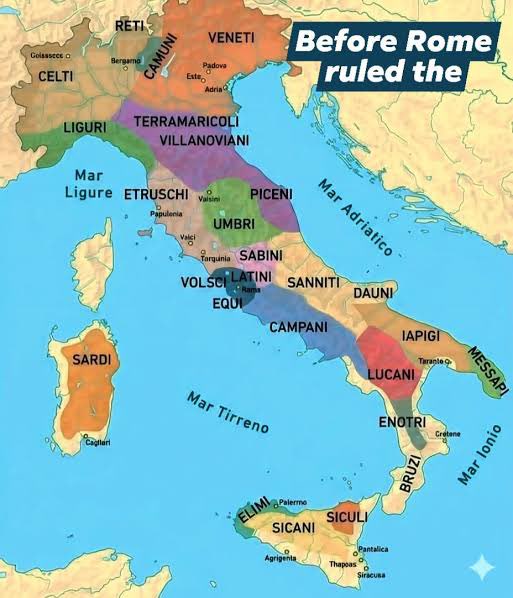
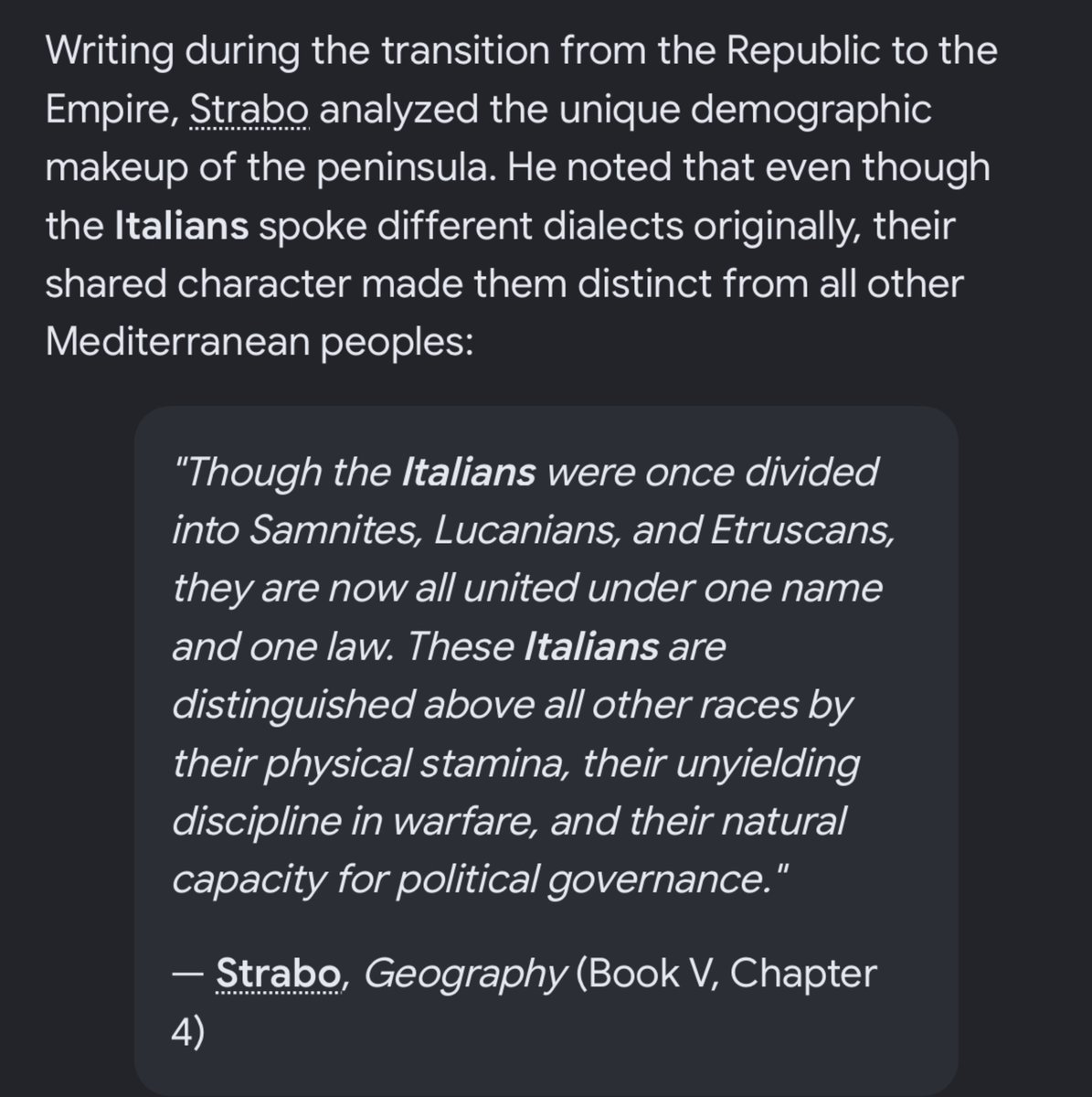
MF thinks Italian National identity was invented by the italic people people like pre Roman “Italy” didn’t look like this (literally more similar to what he Italian states than anything resembling a United Italian nation)
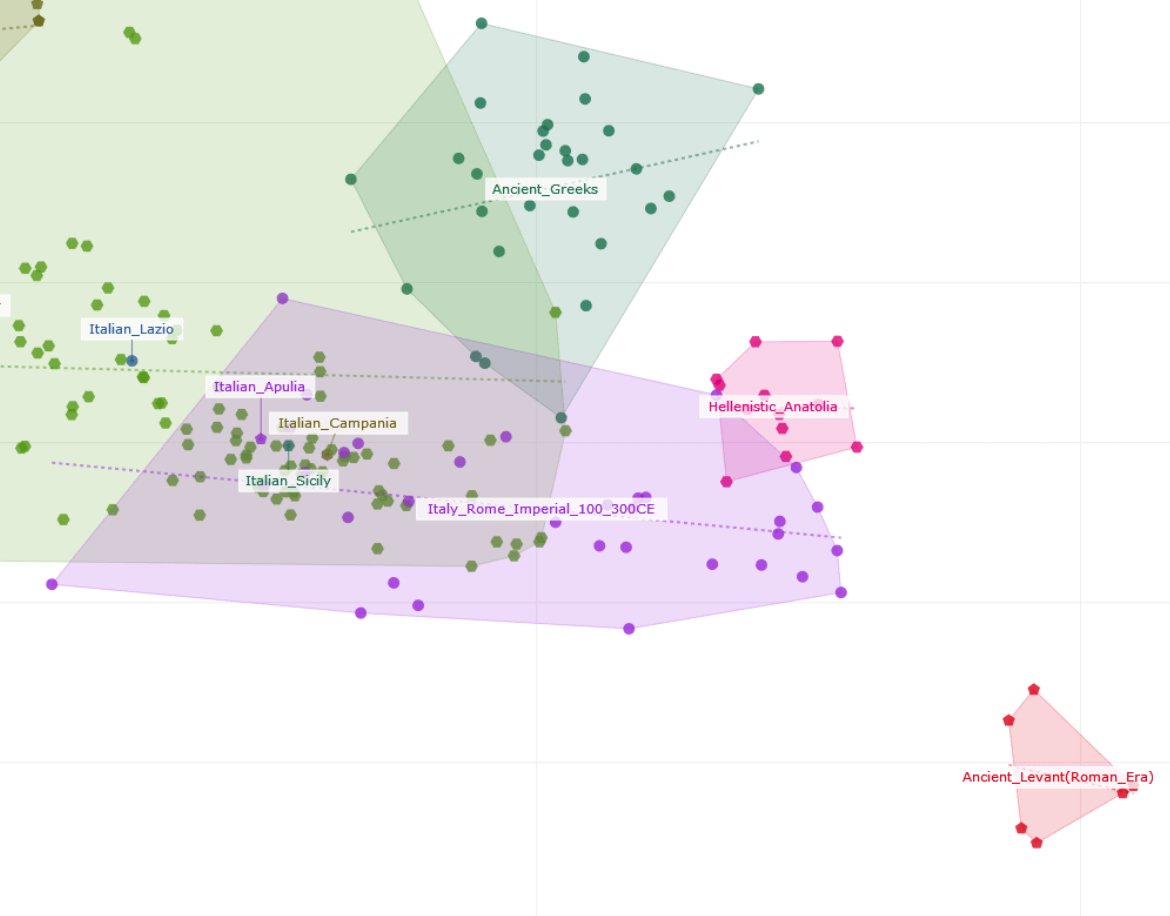
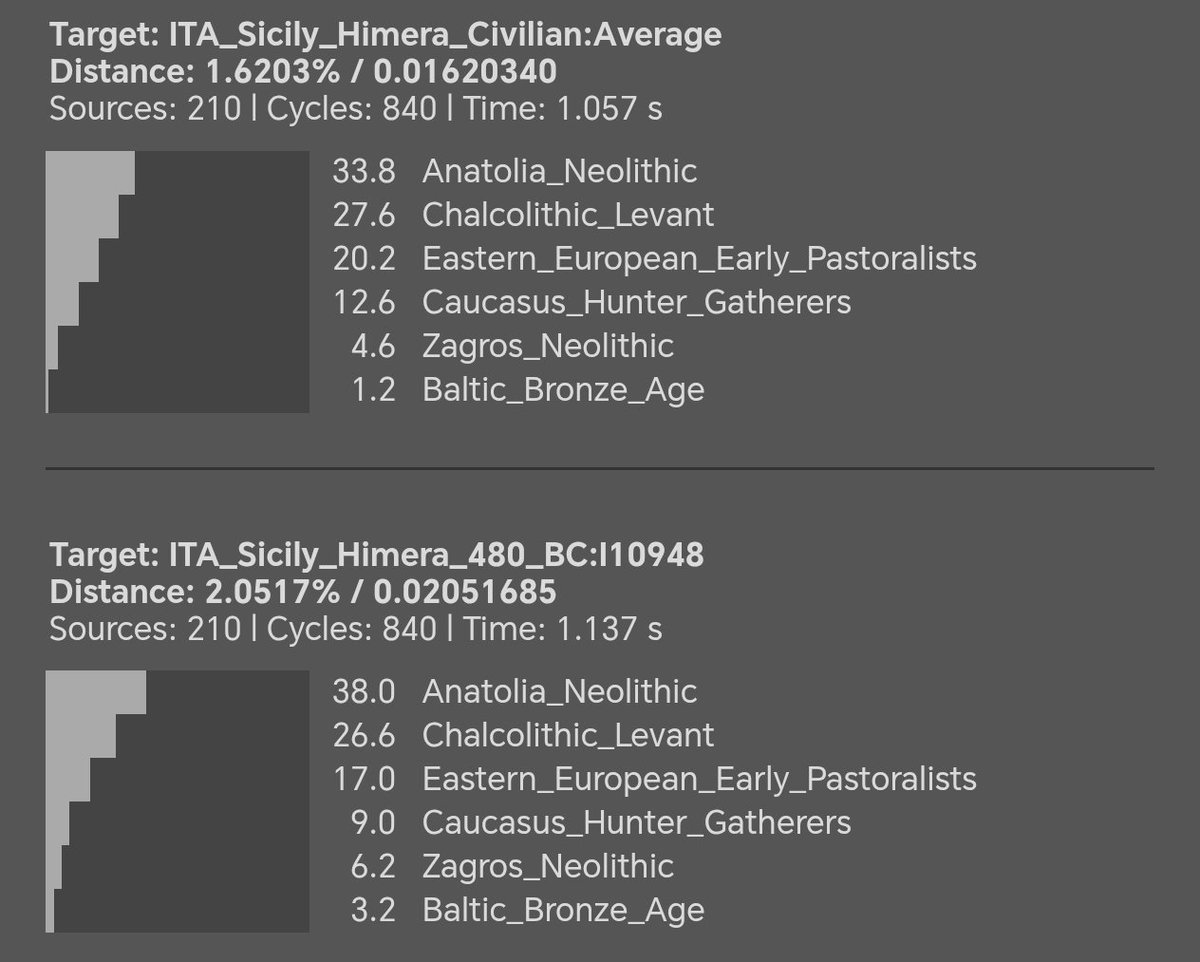
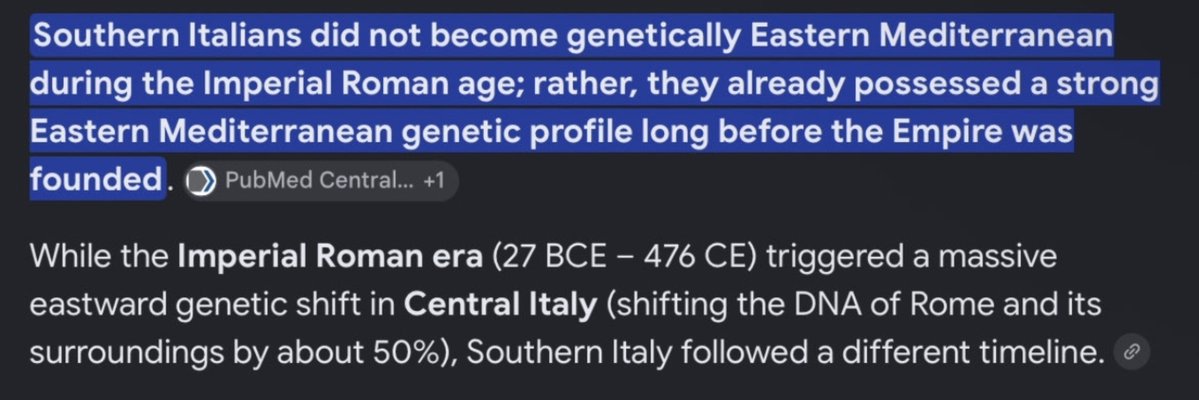
@BenjaminPa71812 Il DNA levantino del calcolitico deriva dagli egeo-anatolici non dai levantini basta analizzare degli individui della magna Grecia per saperlo, la migrazione levantina era un fenomeno ristretto alla capitale non all'intera penisola. Per il resto tranquillo non porto rancore.
@BenjaminPa71812 Ora paragoniamo voi padani con i vostri antenati lol, gli Egeo-anatolici e i sud italiani vi hanno scopato così tanto in epoca imperiale che non avete più nulla a che fare con i vostri antenati cisalpini a differenza di noi terroni con i nostri antenati greci
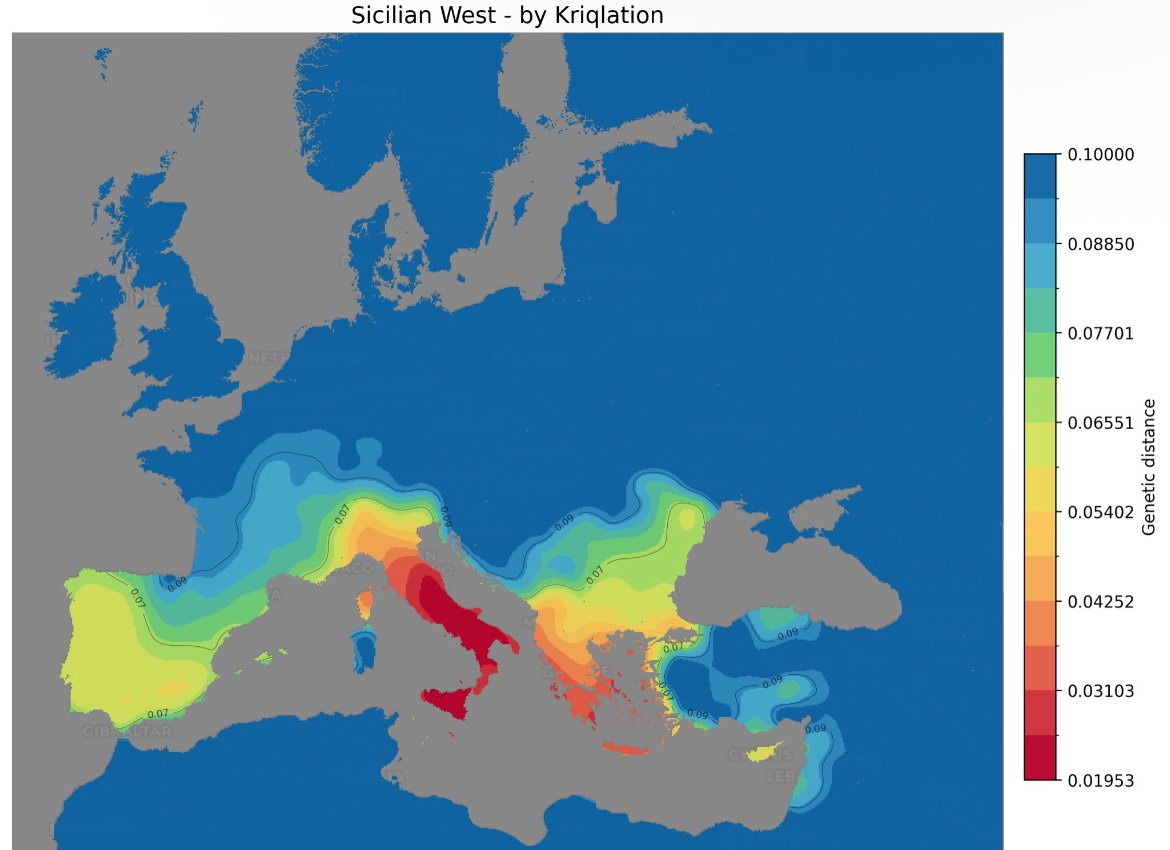
@errkaaarp@magister_pi Italo-egea, semplicemente un pò più verso la componente italica ma pur sempre parte dello stesso cluster almeno fino all'Umbria e il centro-sud Toscana
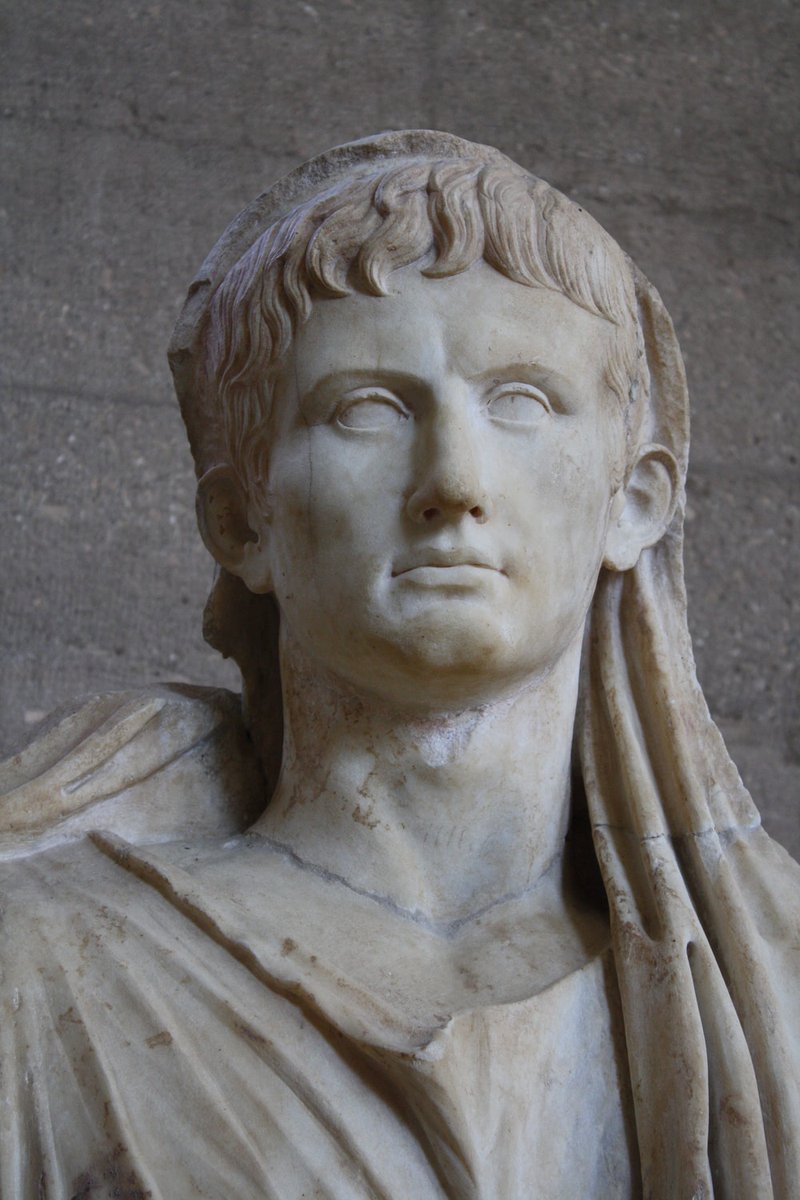
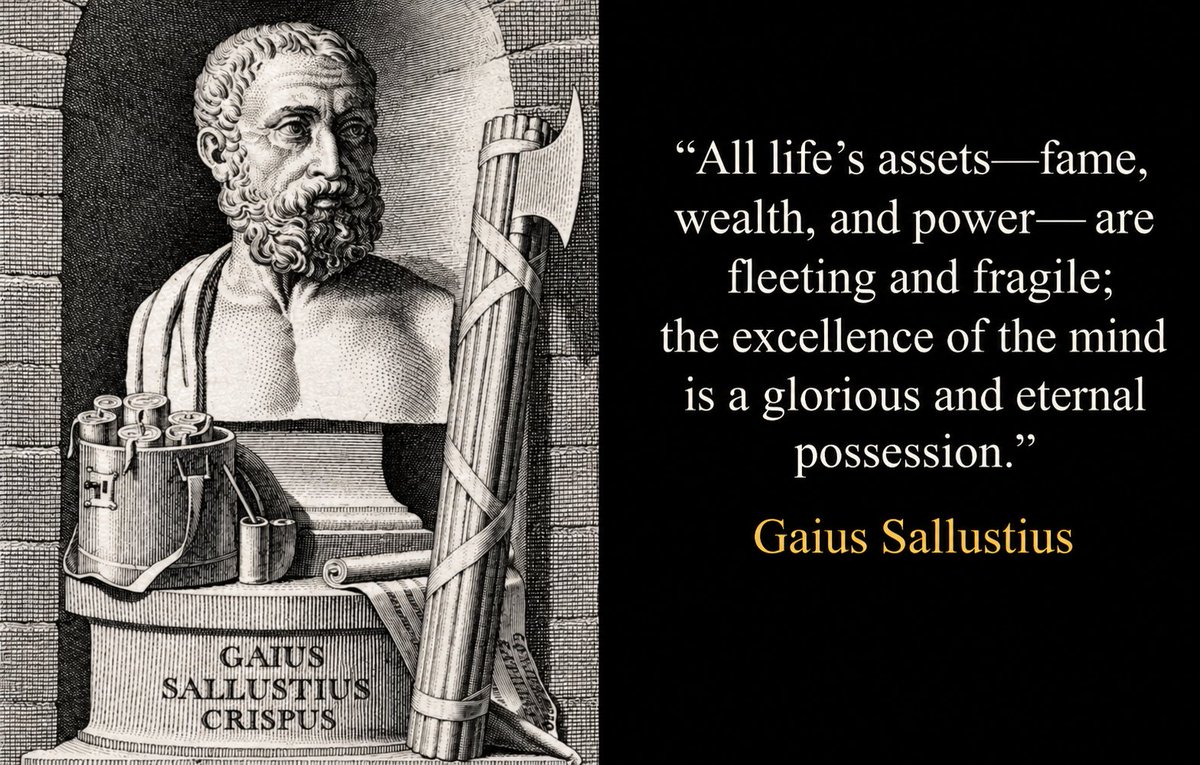
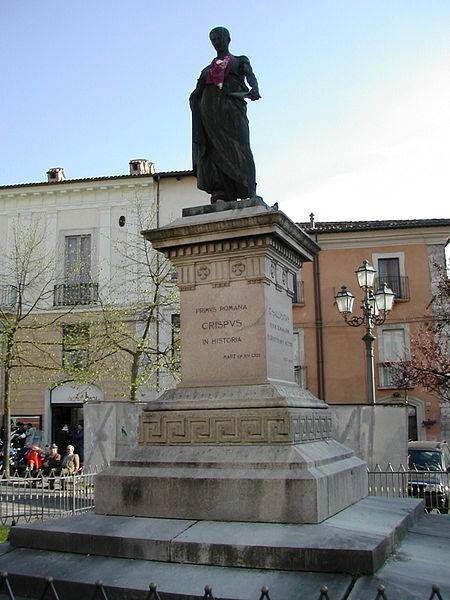
Born today 86BC Gaius Sallustius Crispus better known as Sallust. He was a Roman historian, politician, and novus homo from an Italian plebeian family. Sallust was born at Amiternum in the country of the Sabines and was a popularis, an opponent of the old Roman aristocracy
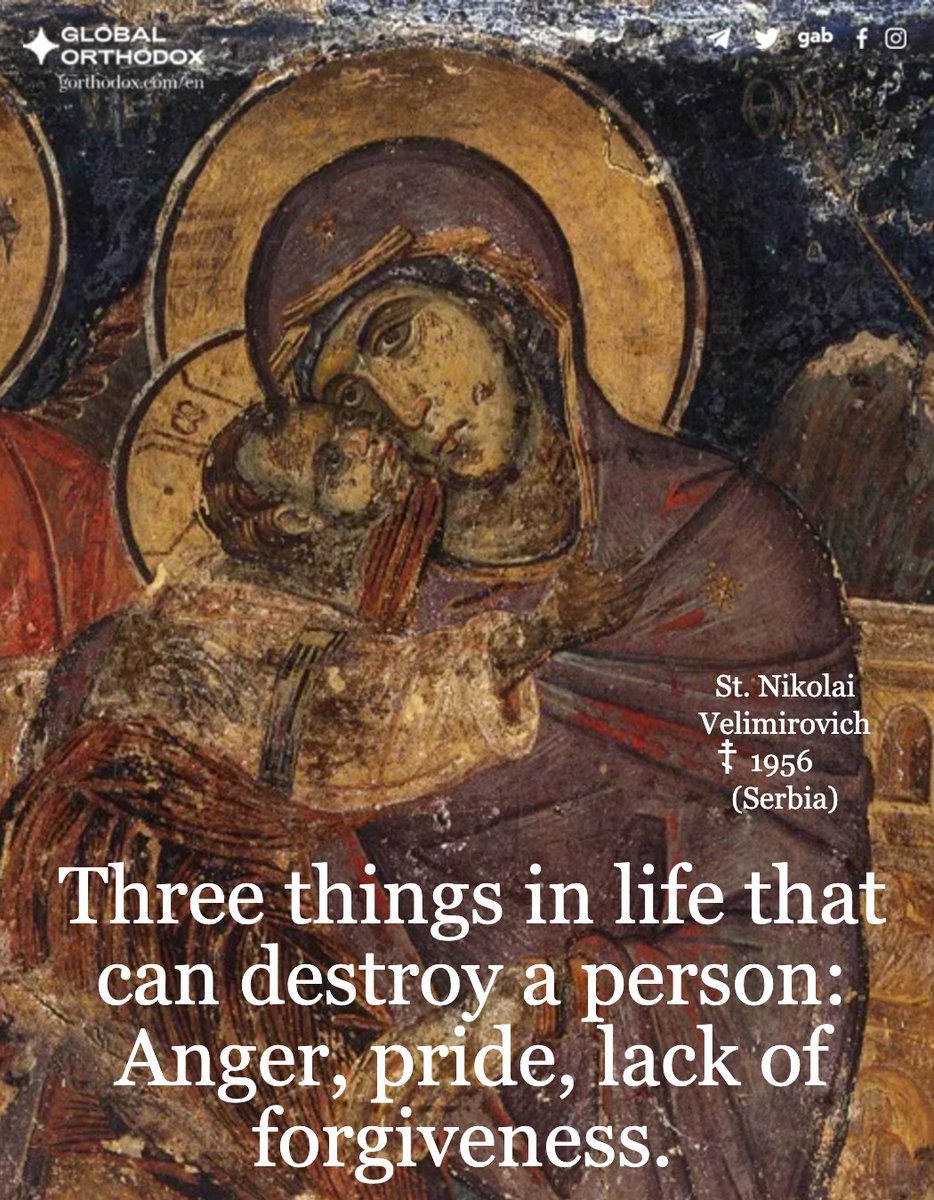
🔸 October 1 – Panagia Gorgoepikoos👂🔸
Today, we commemorate the miraculous icon of the Panagia Gorgoepikoos (“She Who is Quick to Hear”). The original icon dates back to the 11th century, and is kept at Docheiariou Monastery on Mount Athos where it is venerated by many pilgrims. In 1664, the head of the dining room at the Docheiariou Monastery, a monk named Neilos, was passing by the icon as usual with a lit torch on his way to the dining room. Suddenly he heard a stern voice call to him:
“Do not pass by here again with a torch and smoke up my icon.”
Neilos had no idea where the voice came from, so he ignored it and continued about his business. After a few days, he again passed the dining room with his torch and heard the voice: “Unmonastic monastic, how long will you irreverently and unhonorably smoke up my image?”. Immediately upon hearing this, Neilos was struck blind. He now understood that both the voices he had heard were the Theotokos, and accepted that his blindness was a just punishment for his disobedience.
When the other monks heard what happened to Neilos, they were terrified. From that time they began to show great reverence when passing by the icon, hanging a perpetual lamp and burning incense before it everyday. The blind Neilos spent all his time in a stall in front of the icon, imploring the Theotokos to forgive and heal him. He begged her to restore his sight, as a sign of her forgiveness, so that he might gaze upon her icon and honor her. At the appropriate time, the Theotokos healed Neilos, saying to him:
“Behold, I am granting you your sight, but see that you do not pass by here again with a lit torch. I am the Abbess of this Monastery, the Theotokos Gorgoepikoos, for quickly do I hear those who call upon my name.”
To this day many have testified to the miracles of the Panagia Gorgoepikoos, reminding us that the Most-Holy Theotokos is quick to come to the aid of those who call upon her faithfully. Written in the top left of the second icon are the words: “The Infant-bearing Mother, the Formidable Protection, holding Fire - a wonder, and yet It does not burn. In the year 1563, when the church of Dochiariou was built.”
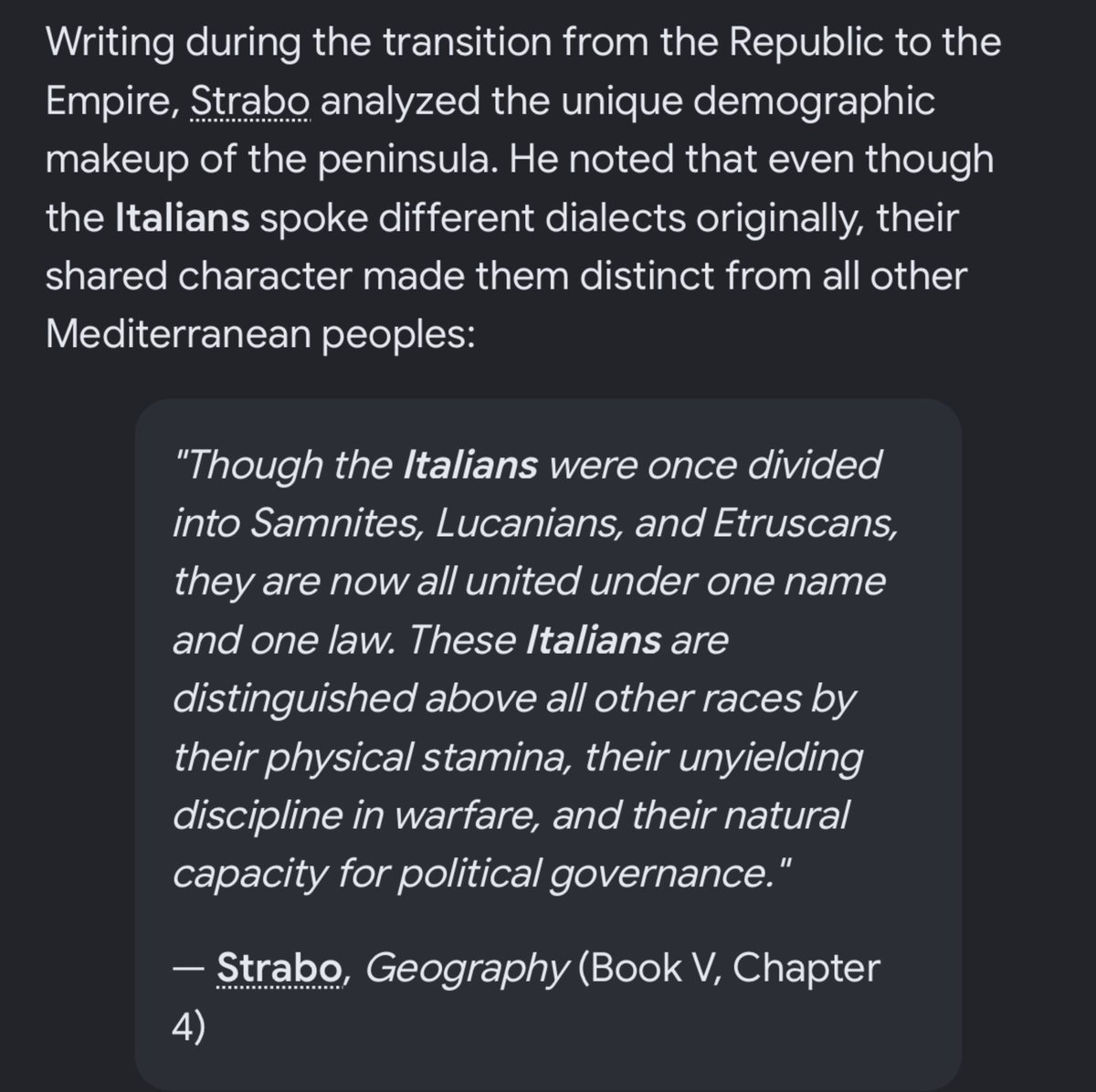
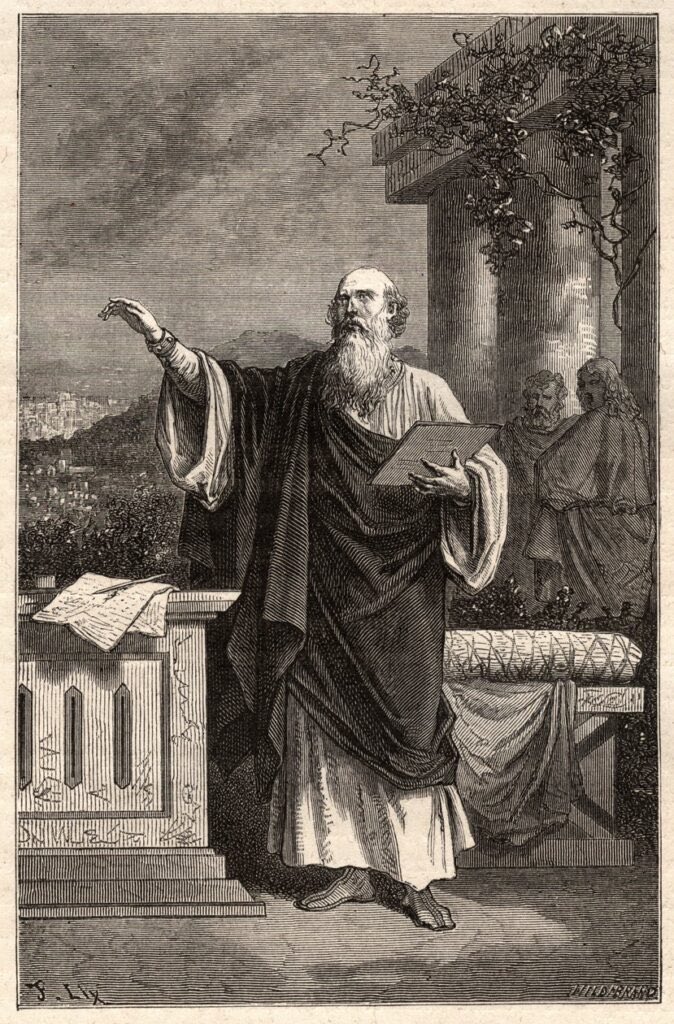
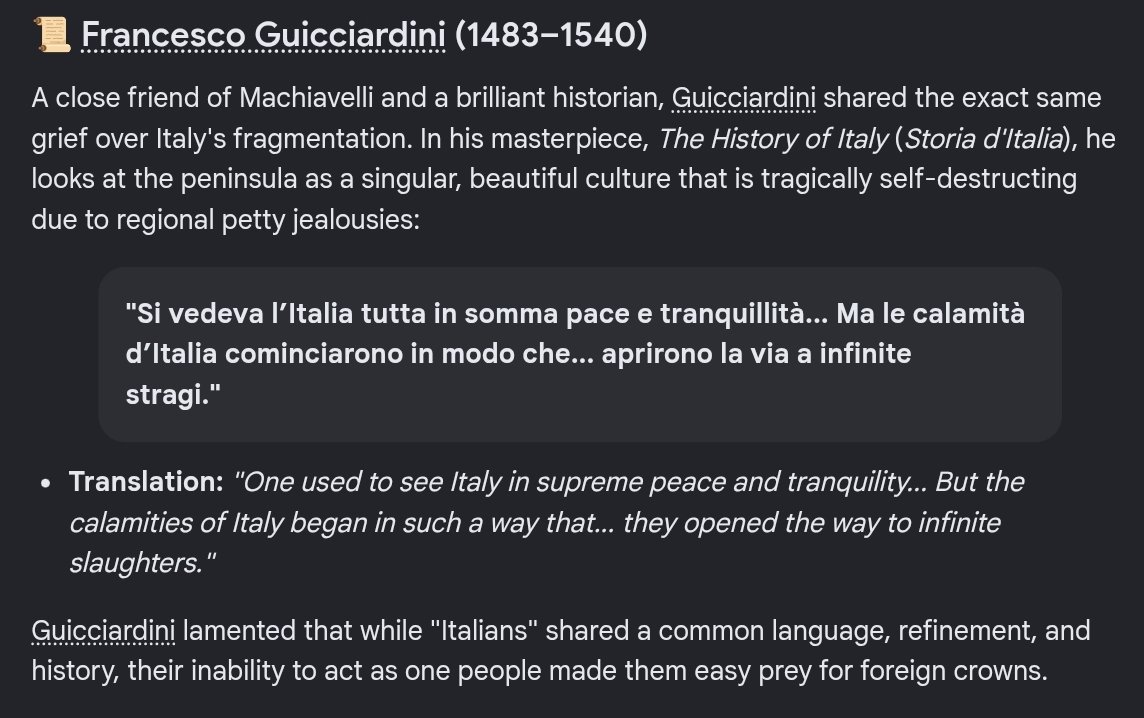
@TitusDux Basta fare un veloce fact cheking per sapere che metà di sta roba è completamente sbagliata e l'altra metà è decontestualizzata o attribuita alle persone invece che alla loro lingua e la cit sotto è la trascrizione brutta della frase riportata da me nel primo screen
Has to go back to Roman times at the height of the empire and ignores all our various divisions before and after. Just Our language and our genetics prove our disunity.