We are joining this action today bc big restaurant retailers' purchasing choices can enable the problem or add to the solution. This picture was taken in Berea, KY at a @FamilyFarmCo retreat this month to stand with fishers to say NO to GMO salmon, fish farms, & factory trawlers!
"It is time that the fish of the poor stopped feeding the fish of the rich." This short article gets at the contradictions that exist within the farmed fish industry when it comes to fish feed. @SeafoodSource@CliffWhiteNews
https://t.co/uRhUbSvRiK
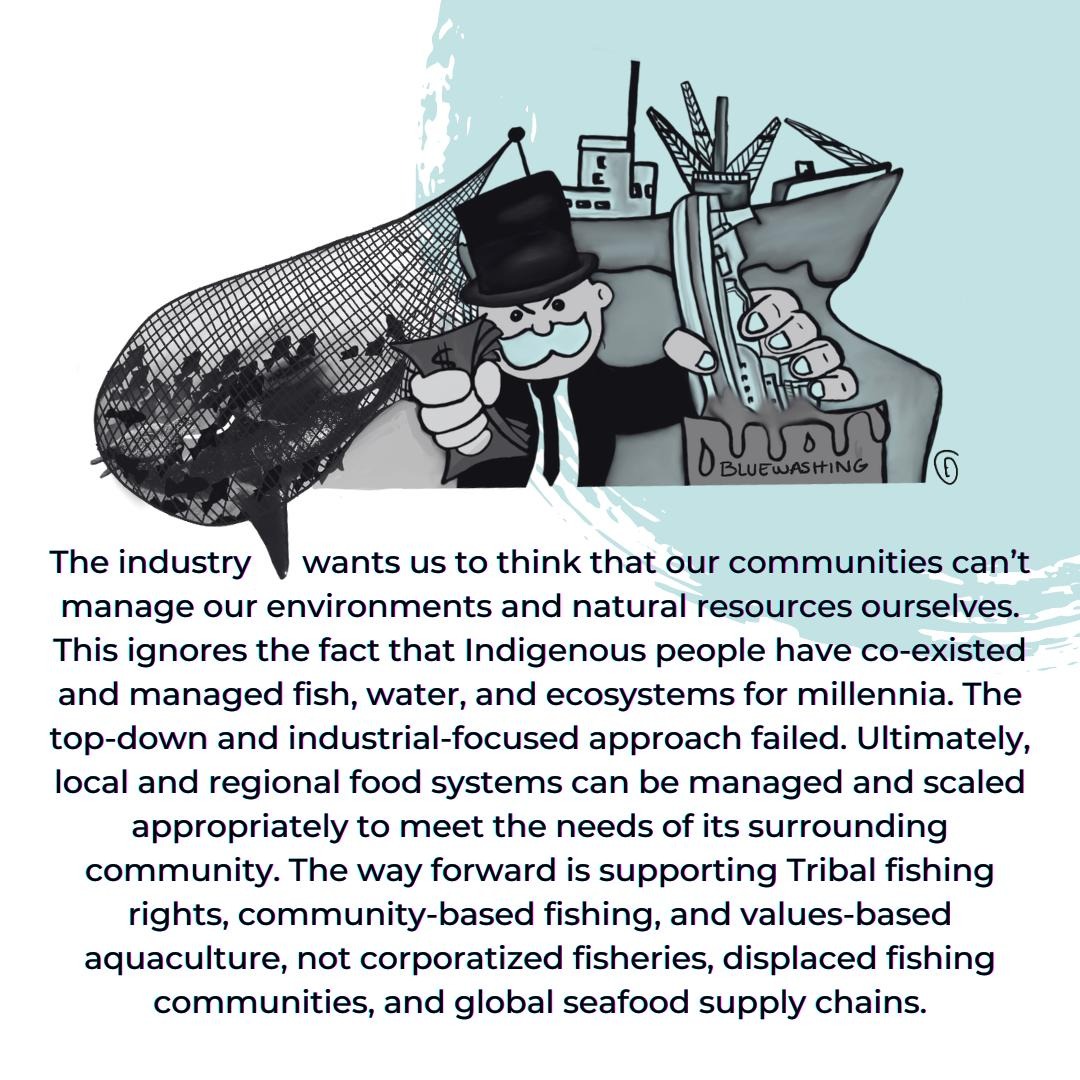
On Hope in the Water. This Op Ed by @feini_yin honors the stories featured in the docuseries AND follows the money behind it. A must read if you care about bluewashing! https://t.co/p8kk4ivBBj
Native fishers harrased in Nova Scotia. We know this is going on all along the coasts targetting Native, Black, and immigrant fishers and it needs to stop.
https://t.co/g6I0oeTTt9
Chefs in the @beardfoundation community have a critical role to play in bringing our world into balance.
We want to celebrate this opportunity as Niaz receives this award to send a message to all chefs and share our call to action so we act together ❤️🔥
https://t.co/YbLfWzruZQ
These stories are important to share so that policy makers understand what is at stake.
"A new study shows an Atlantic salmon population in southern Newfoundland is disappearing, and it says nearby aquaculture operations are a likely contributor to the decline."
After the collapse of Blue Harvest, New England fishers know what they DONT want. "I think if we had multiple, small-scale aquaponics systems -- compared to large, industrial-size aquaculture -- I mean, it's a big difference in who benefits and how you benefit," Jarvis explained.
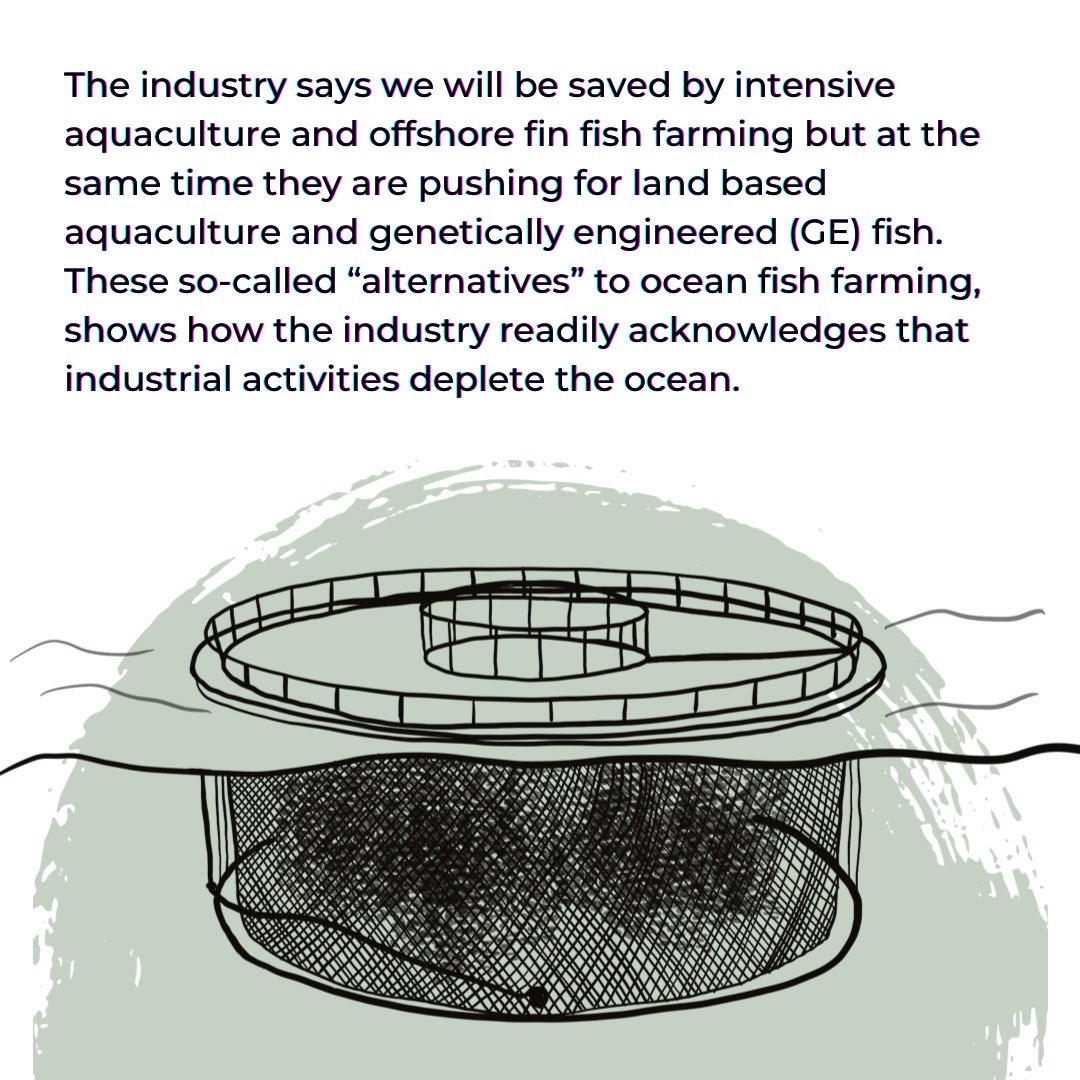
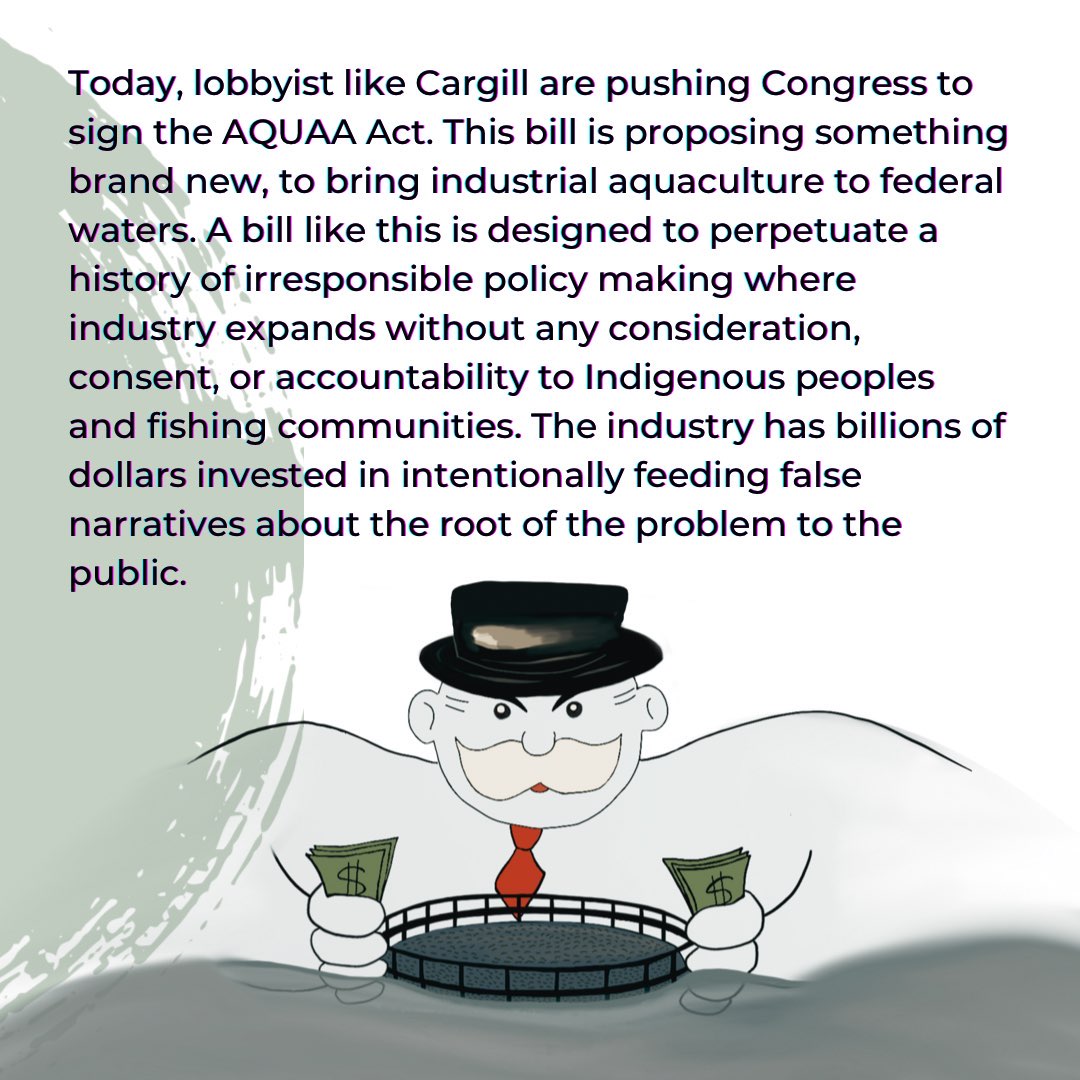
A coalition of #NewEngland fishermen and environmental groups is cautioning against legislation to bring more industrial-size fish farms to U.S. federal waters.
https://t.co/X2AMO5S2lo
The 76 groups, based in 18 different countries, criticized the new standard.
@SeaChoice one of the #NGOs opposed to the standard, said retailers "must quit relying on these flawed certifications."
https://t.co/CR0OF2ncgt
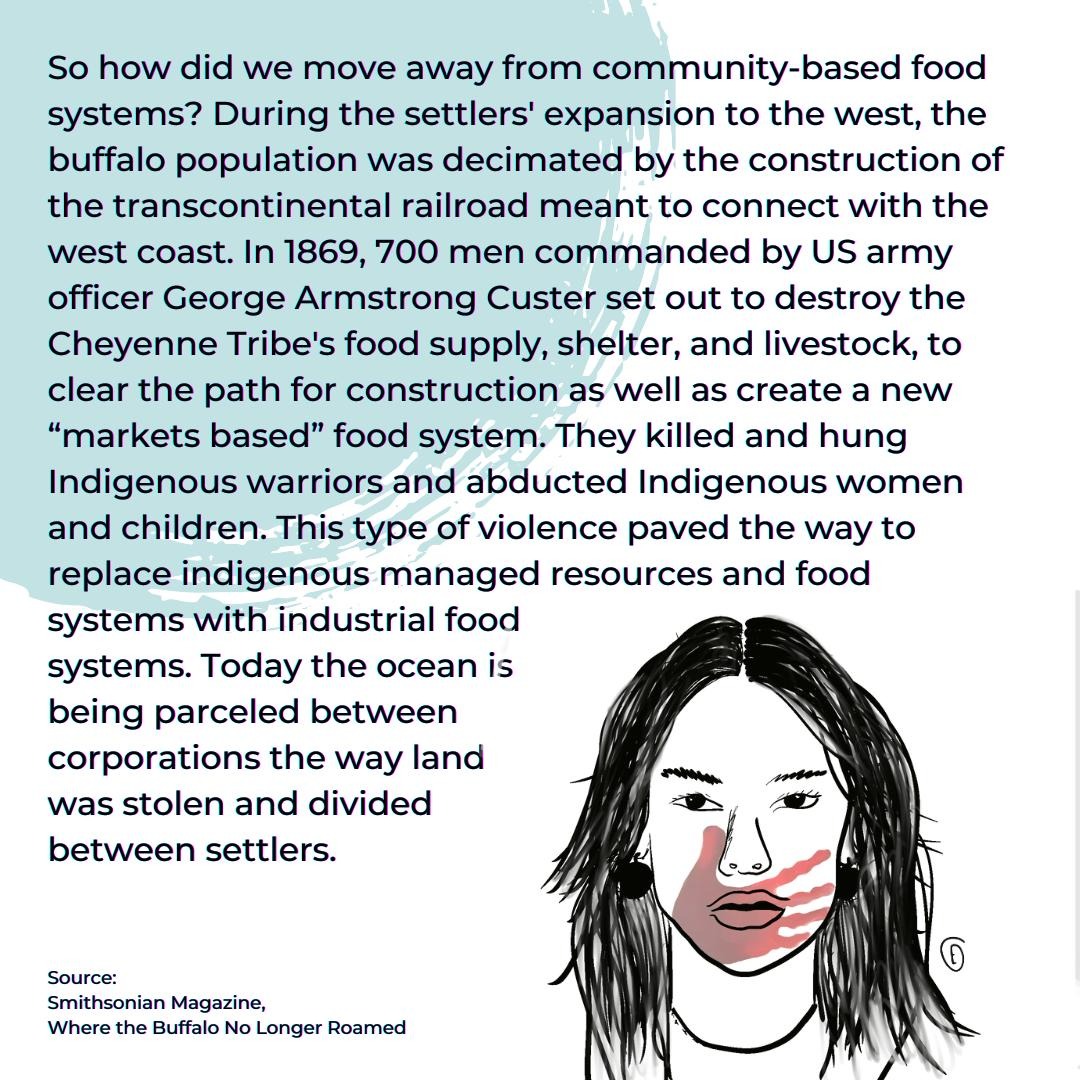
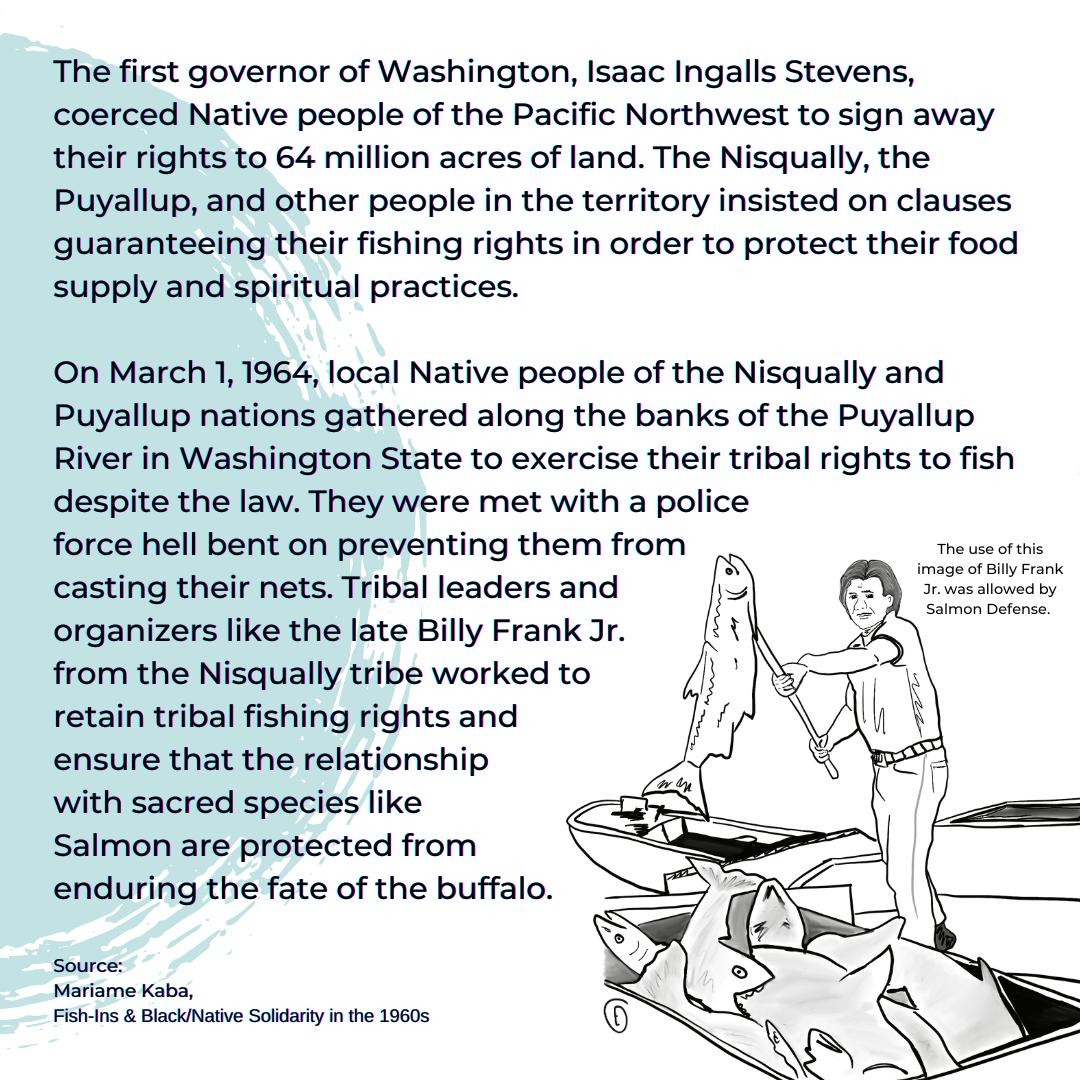
Indigenous management systems worked for millenia, but in just 70 years the fishing industry managed to ruin it for everyone. The answer is not to double down on what caused the problem in the first place but to apply Indigenous solutions to solve the issue at its root.
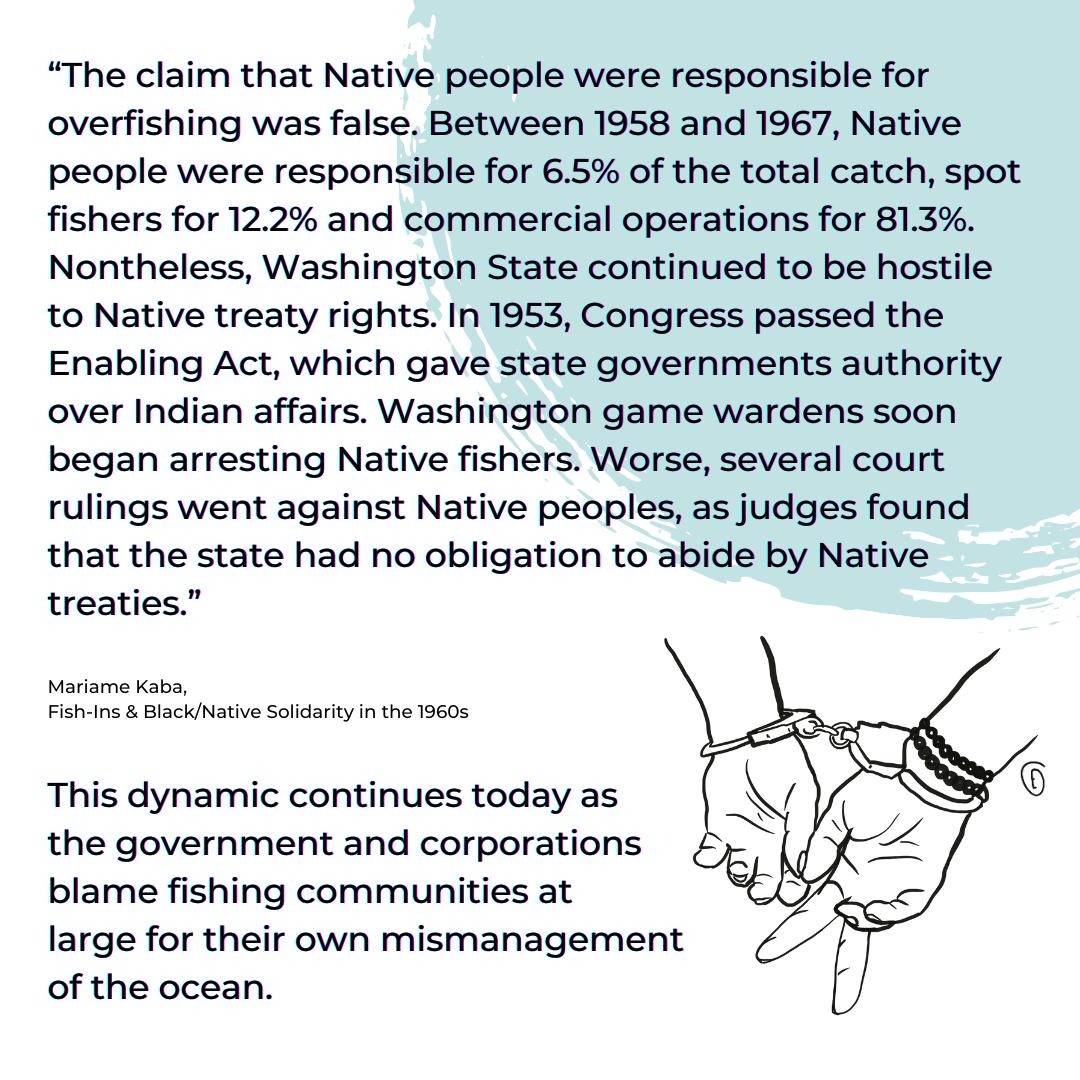
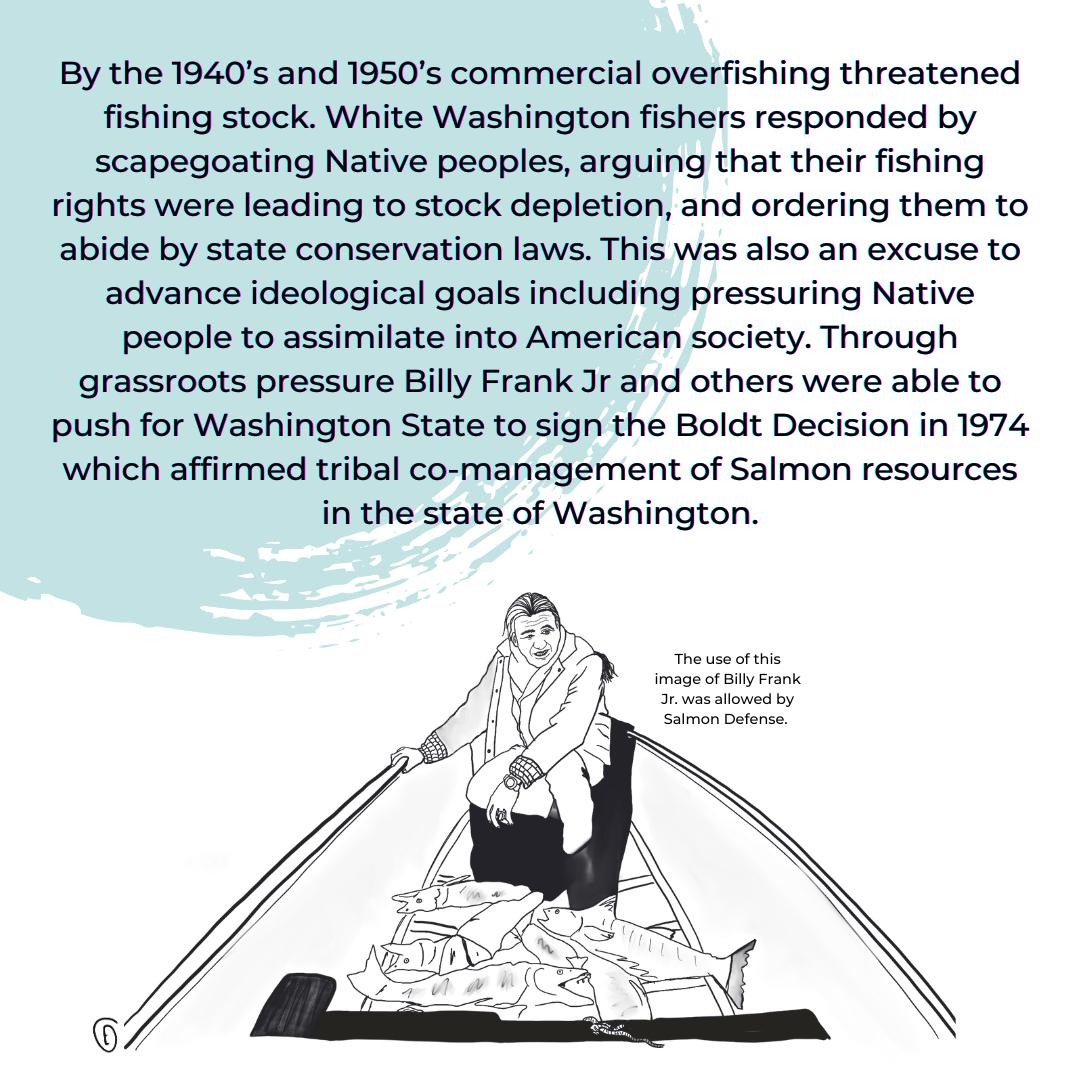
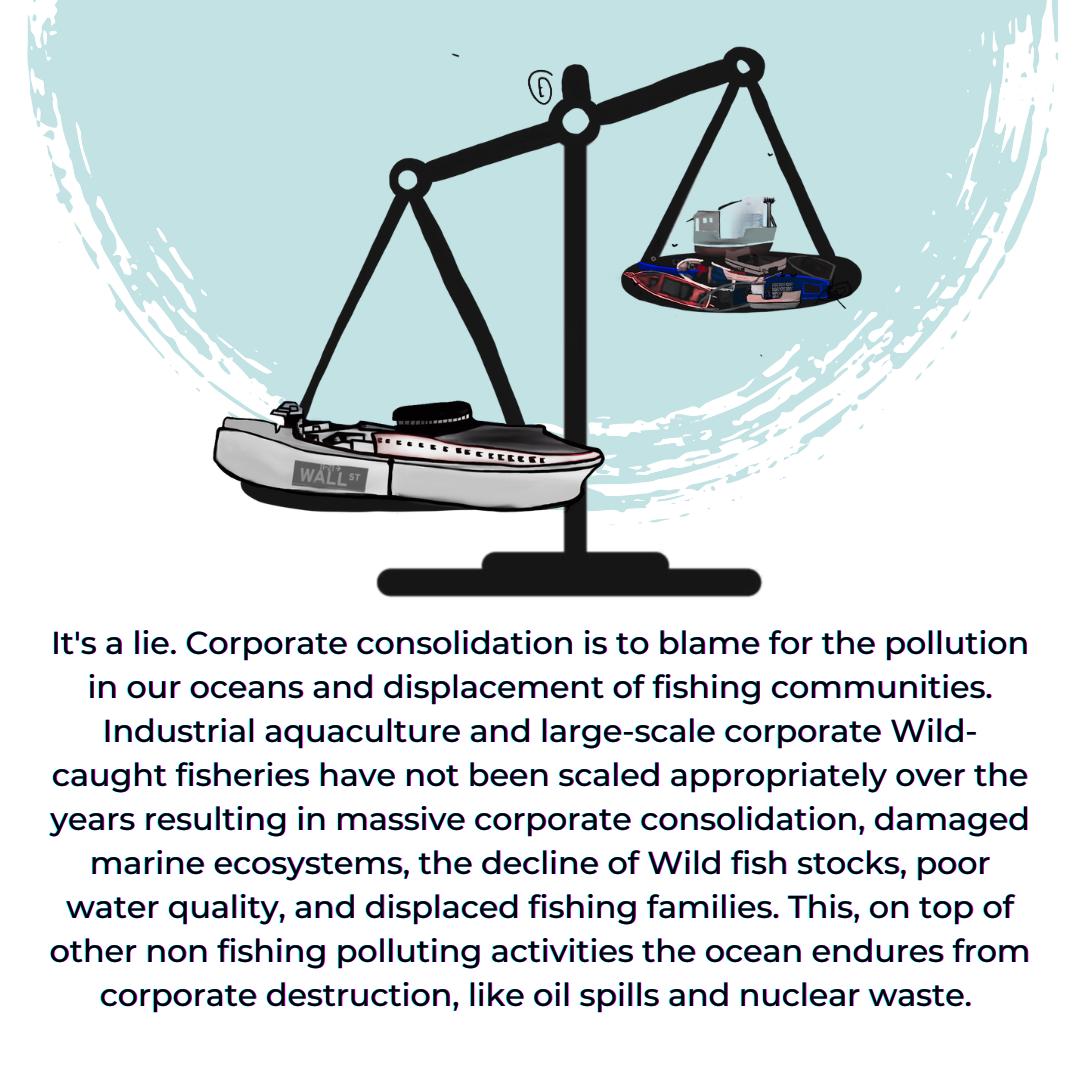
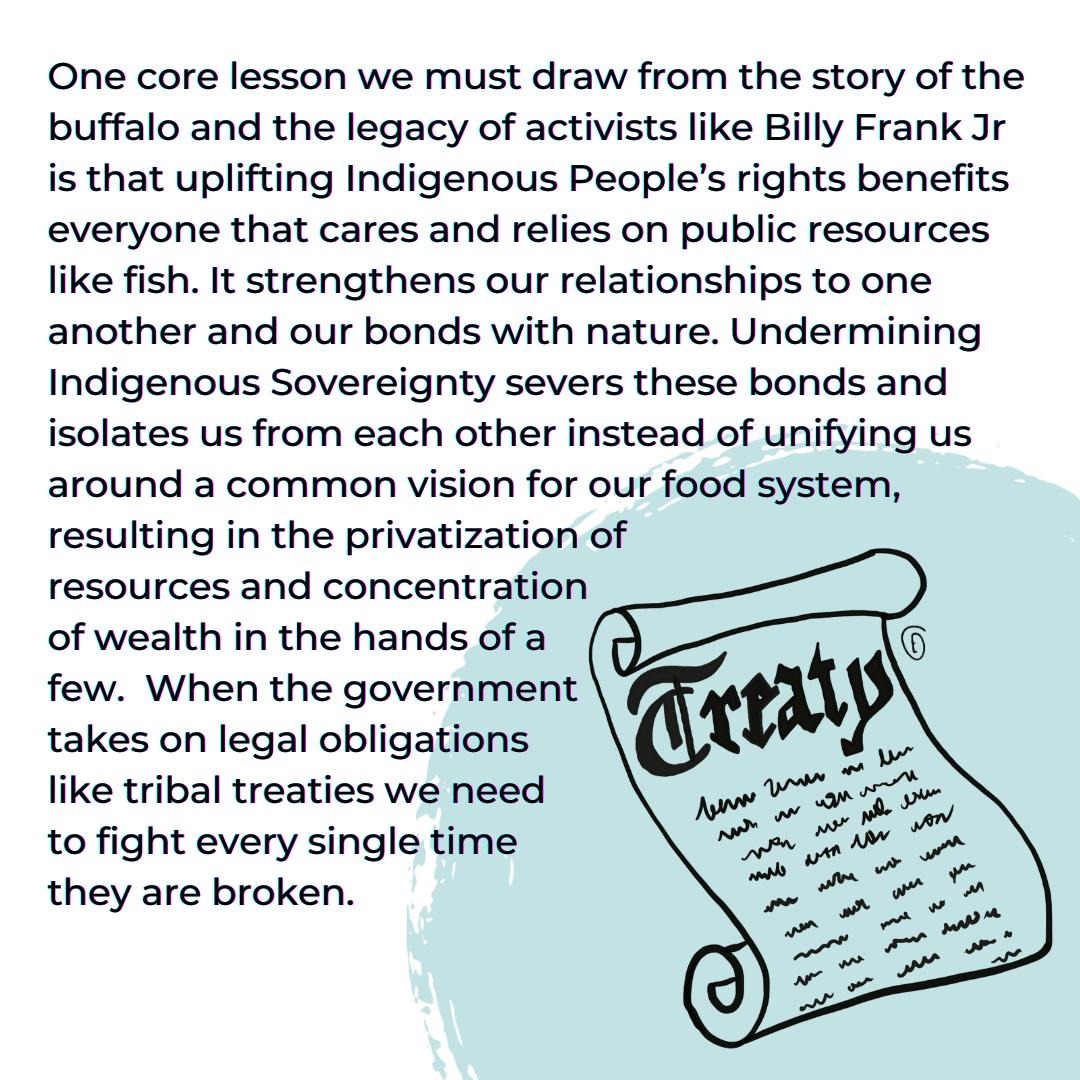
They want to put the blame on fishers, but history tells us otherwise. Welcome to myth #2 part 1! We want to thank you @salmondefense for allowing the use of Billy Frank Jr's image on these graphics and for all the work they do to ensure there's Salmon for generations to come.
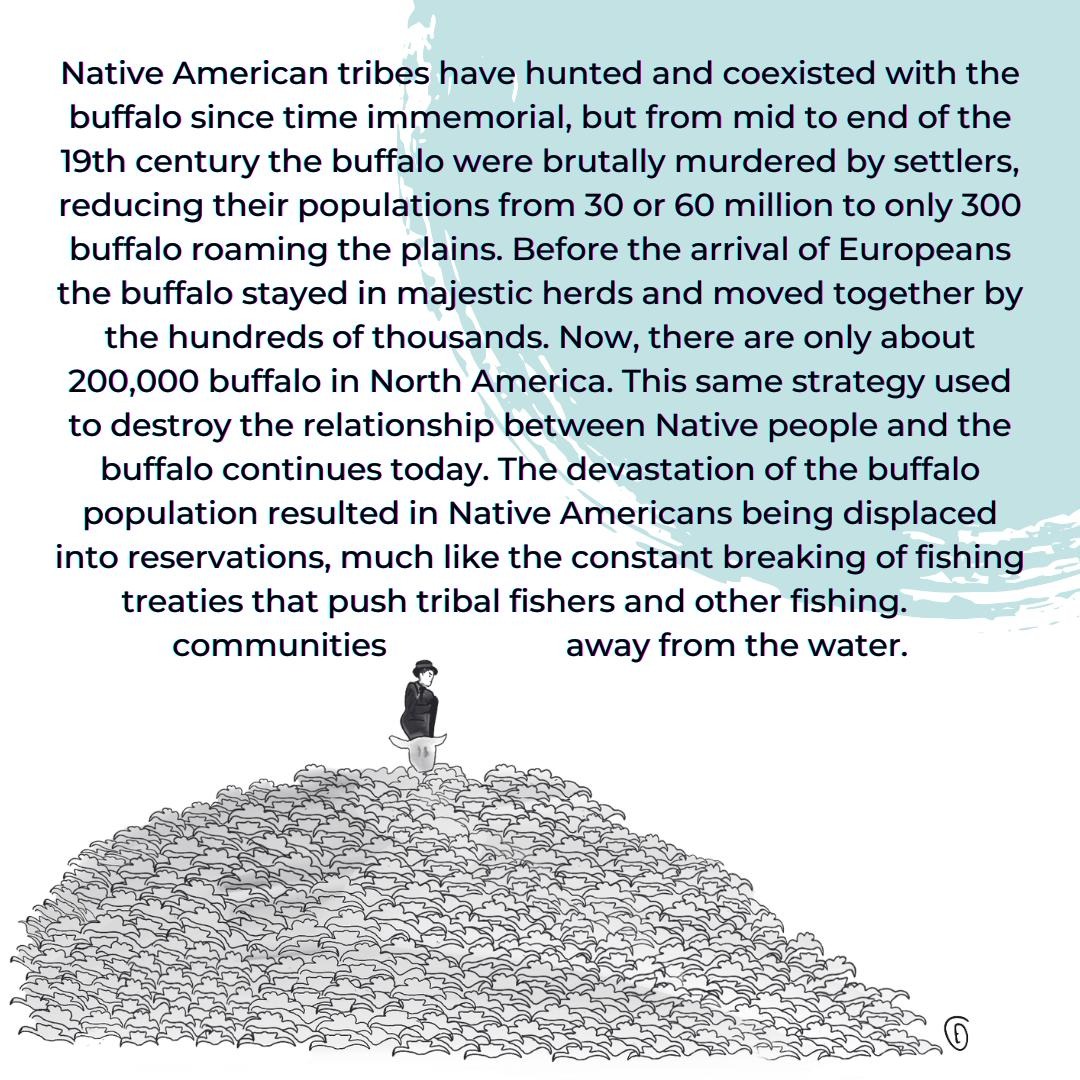
Today fisheries policy is going the way of the buffalo by centering principles of privatizing the commons and ignoring the relationships fishing communities have with marine species and their ecosystems.
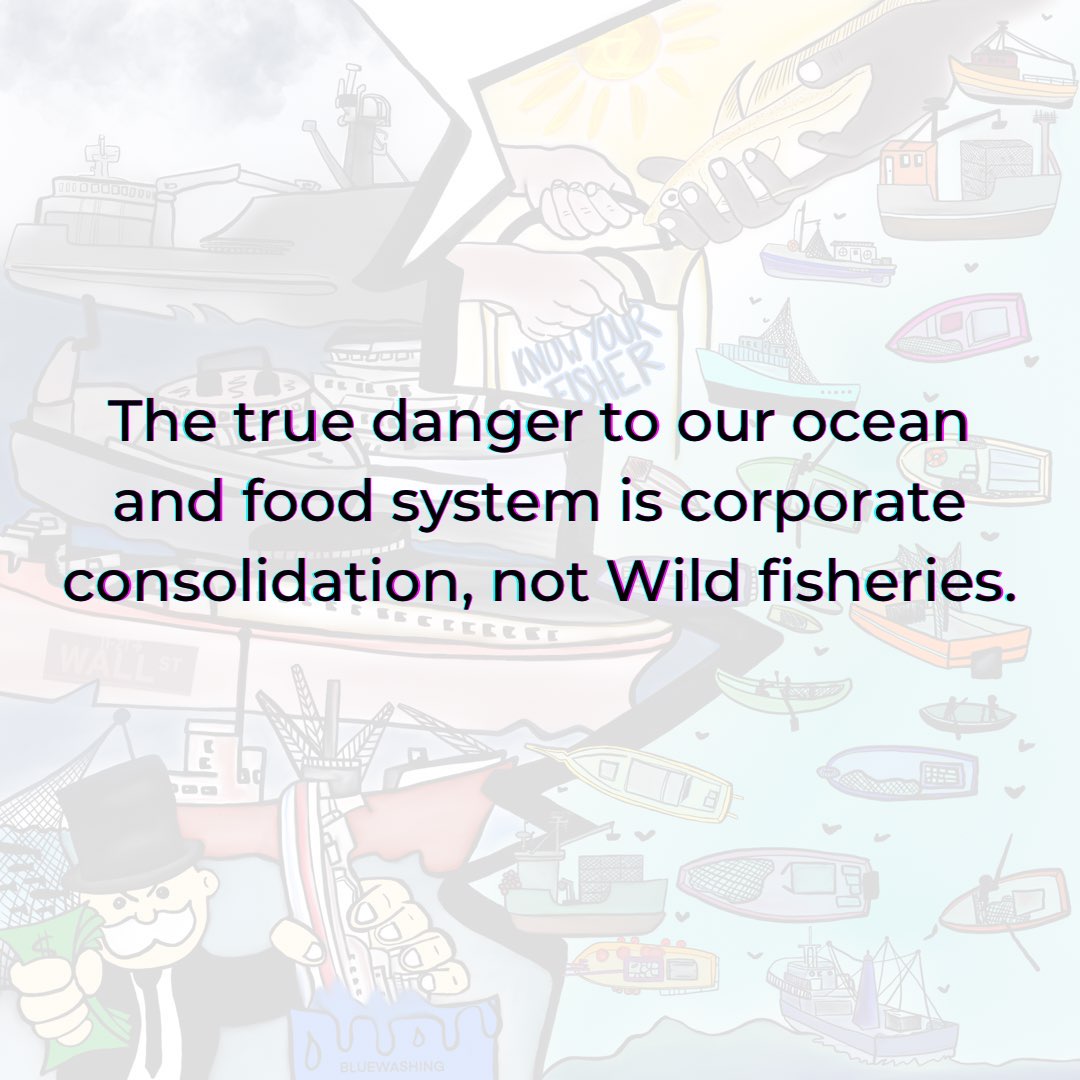
Niaz is one the 2024 James Beard Foundation Leadership Award recipient in the Policy Advocacy category! This is for all of us as we continue to fight corporate consolidatiom in the seafood industry so fishing communities can thrive. https://t.co/pbi4P6H9g5
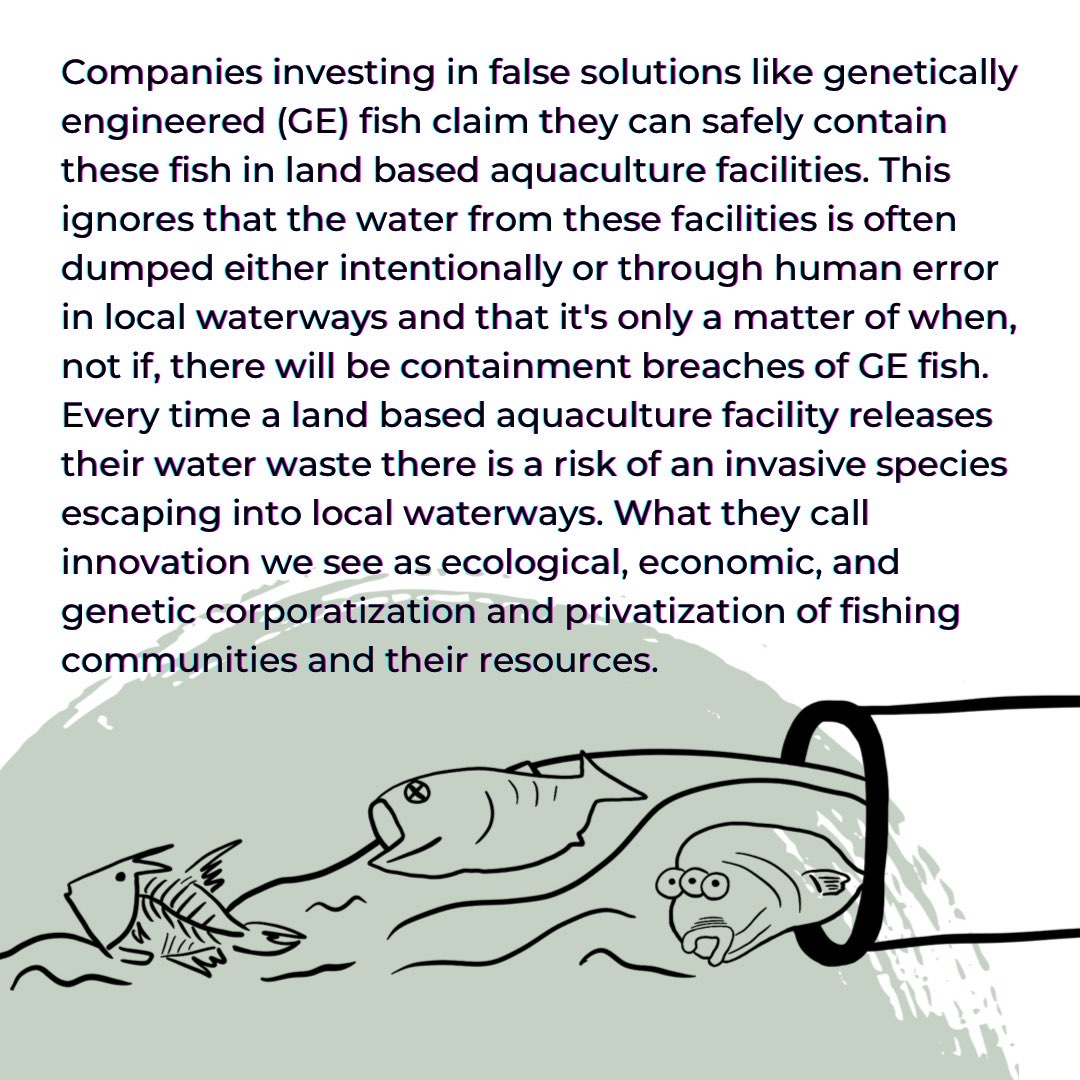
Next stop: the largest fisheries corporations please. This is a good public reminder that the farmed fishing industry is tied to the soy industry because of the feed. Climate change is fueled by monocrops and animal farming. This has to change.
https://t.co/WWwaY4UsZ9
"The industry has shown itself to be incapable of, or unwilling to, reform, and it must be questioned if salmon farming has any place in a compassionate and sustainable food system." https://t.co/9UcEiGWxoQ
This week, we’re taking action on the #FairCreditForFarmersAct in solidarity with farmers to hold the FSA accountable to the farmers it serves. Call your members of Congress right now 👉https://t.co/bapXEyC085
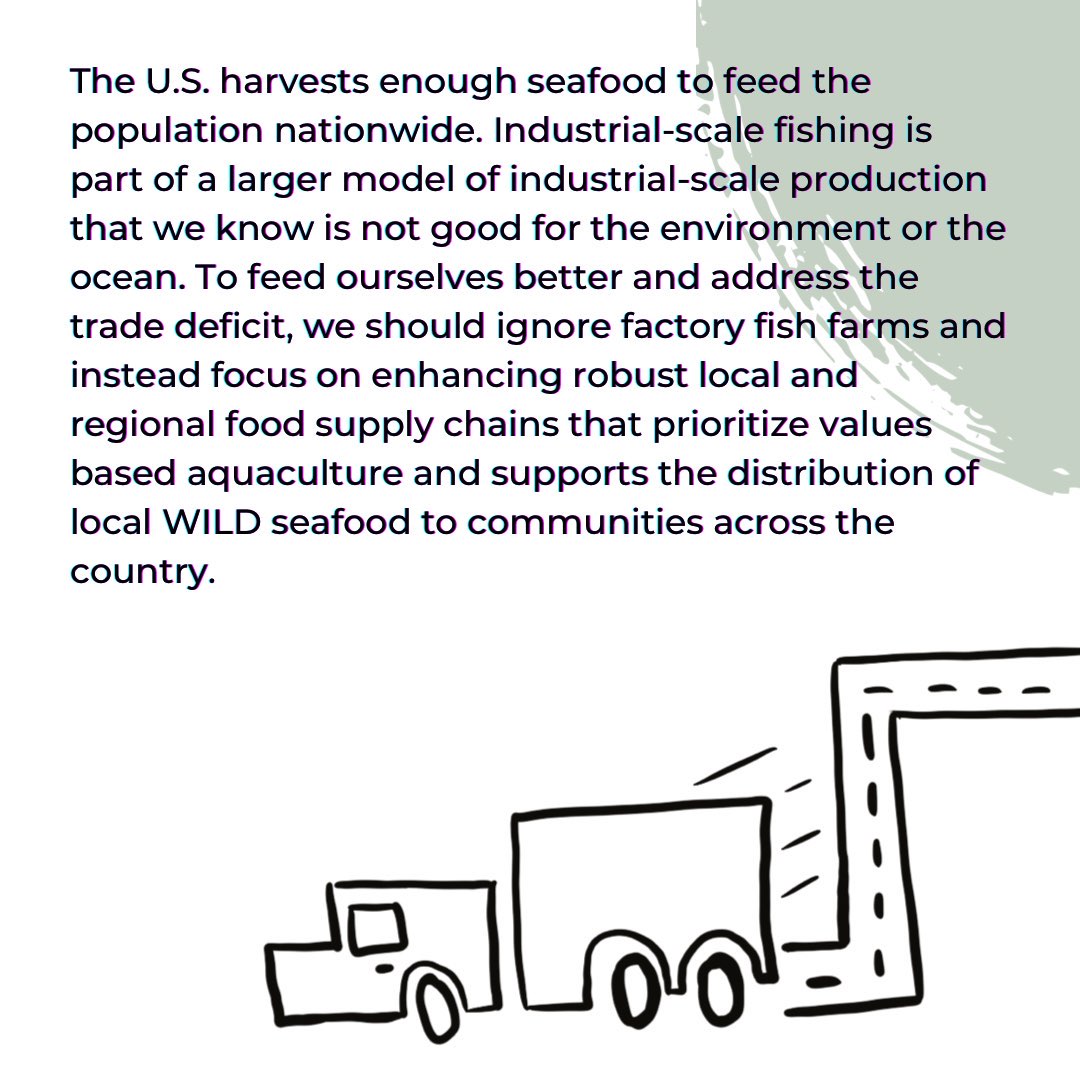
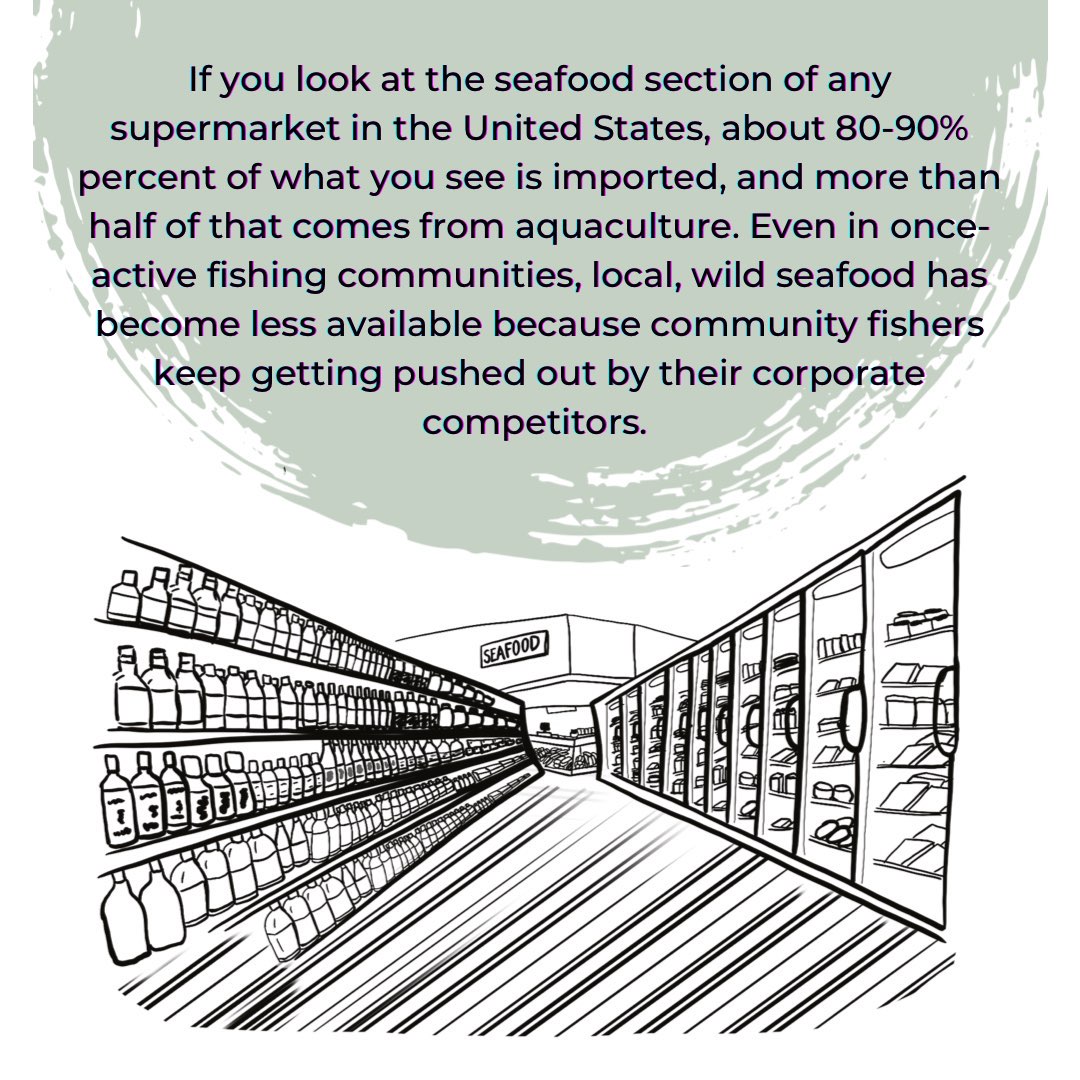
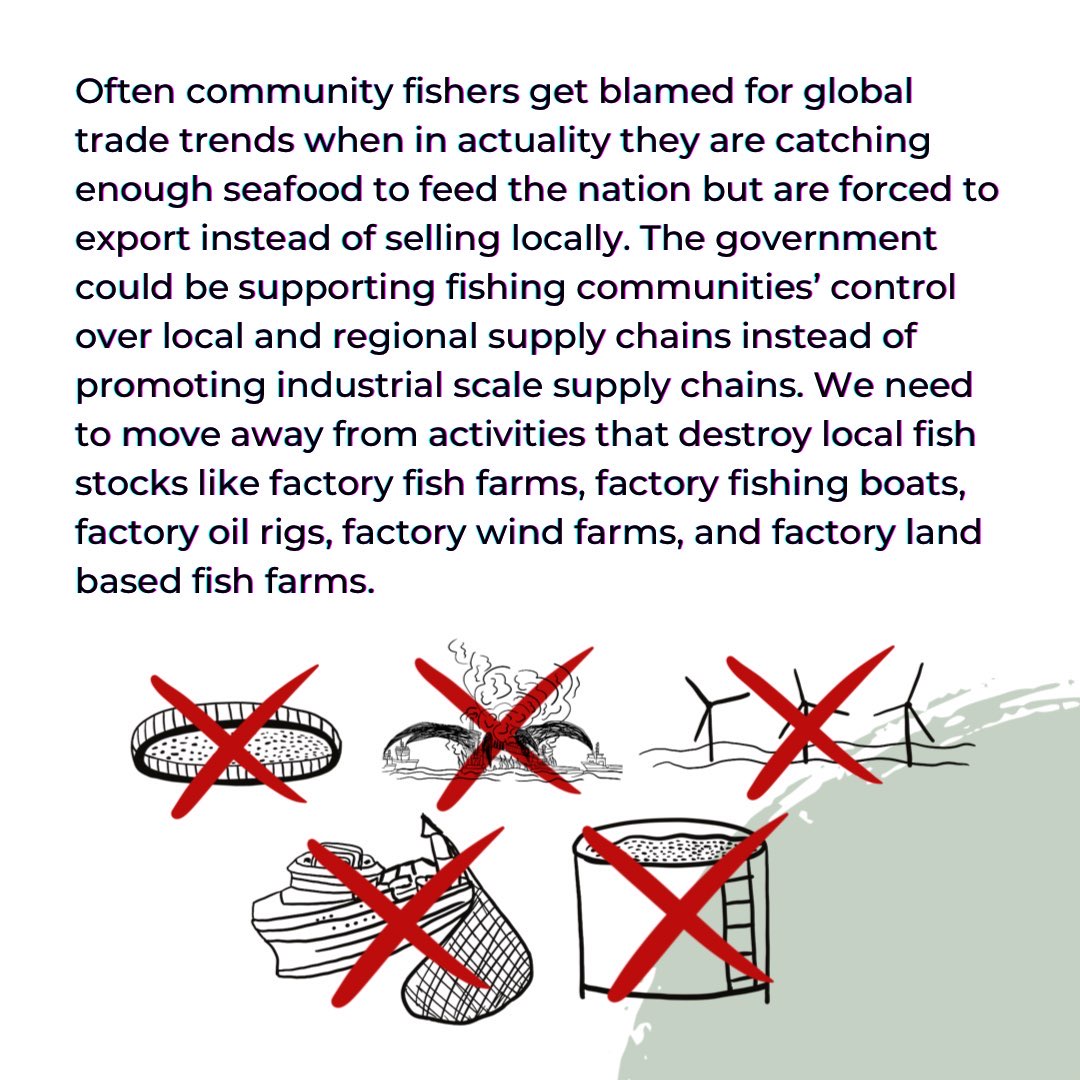
Together we can work to change the narrative and uplift local and regional food supply chains that support values based aquaculture and distribution of local Wild seafood to our communities.
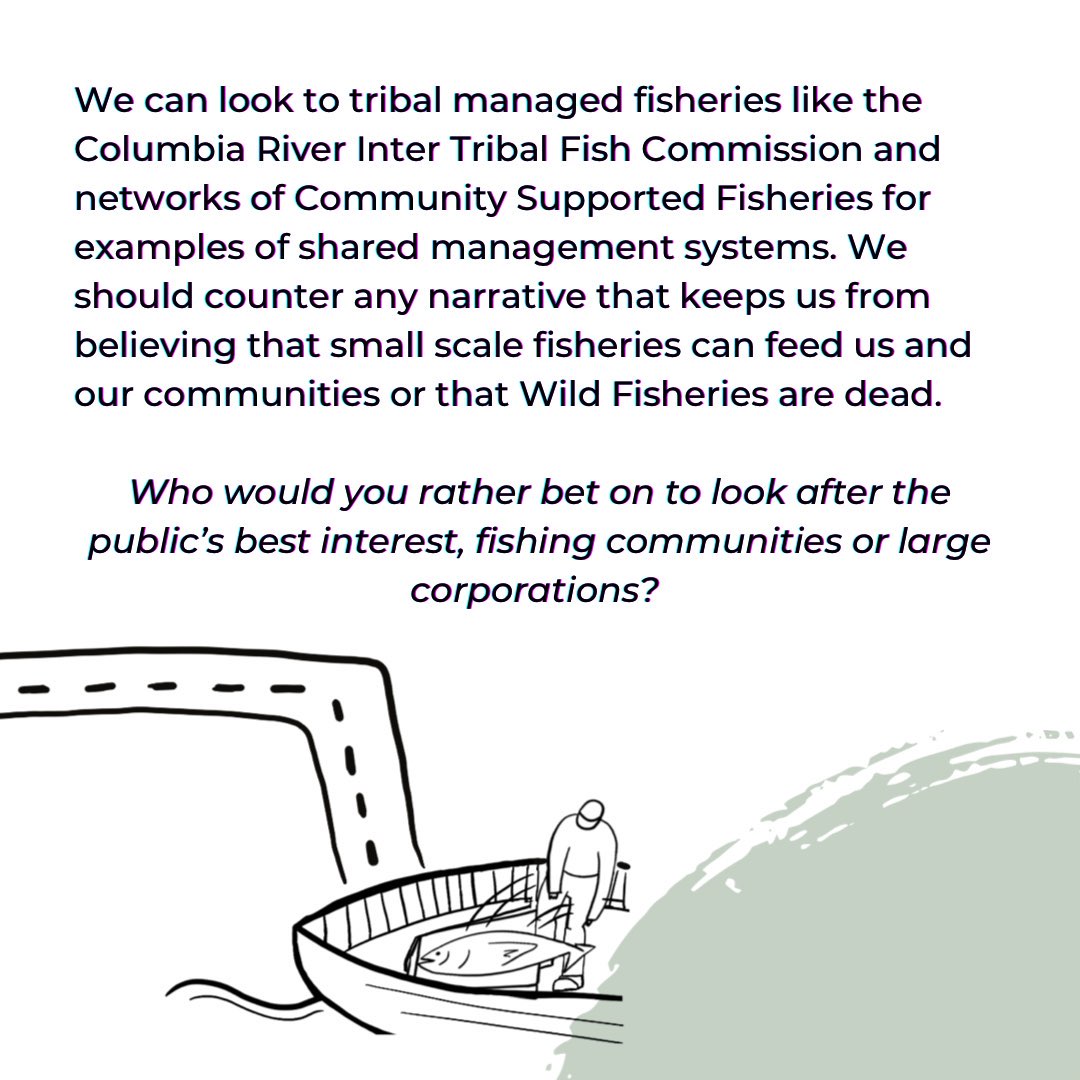
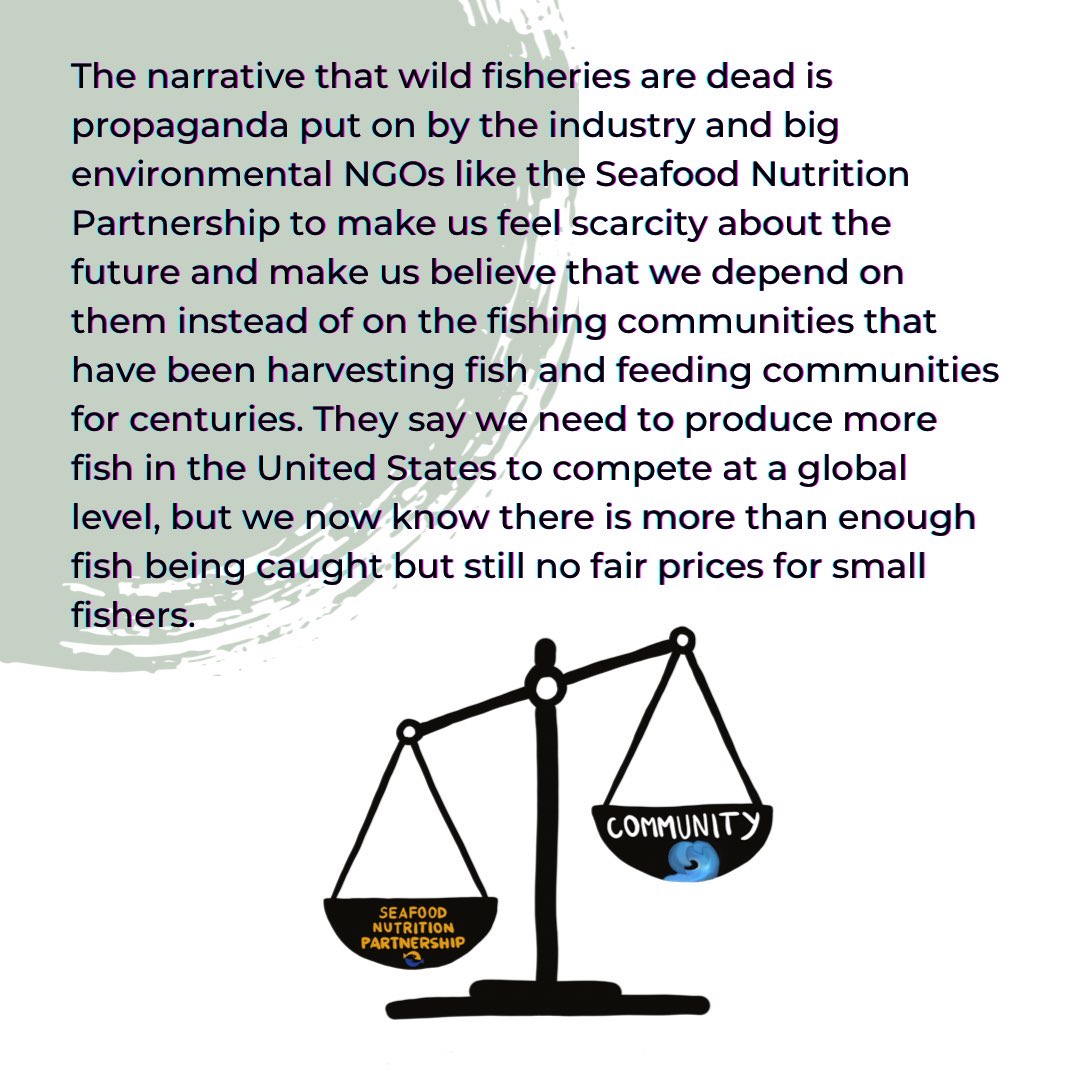
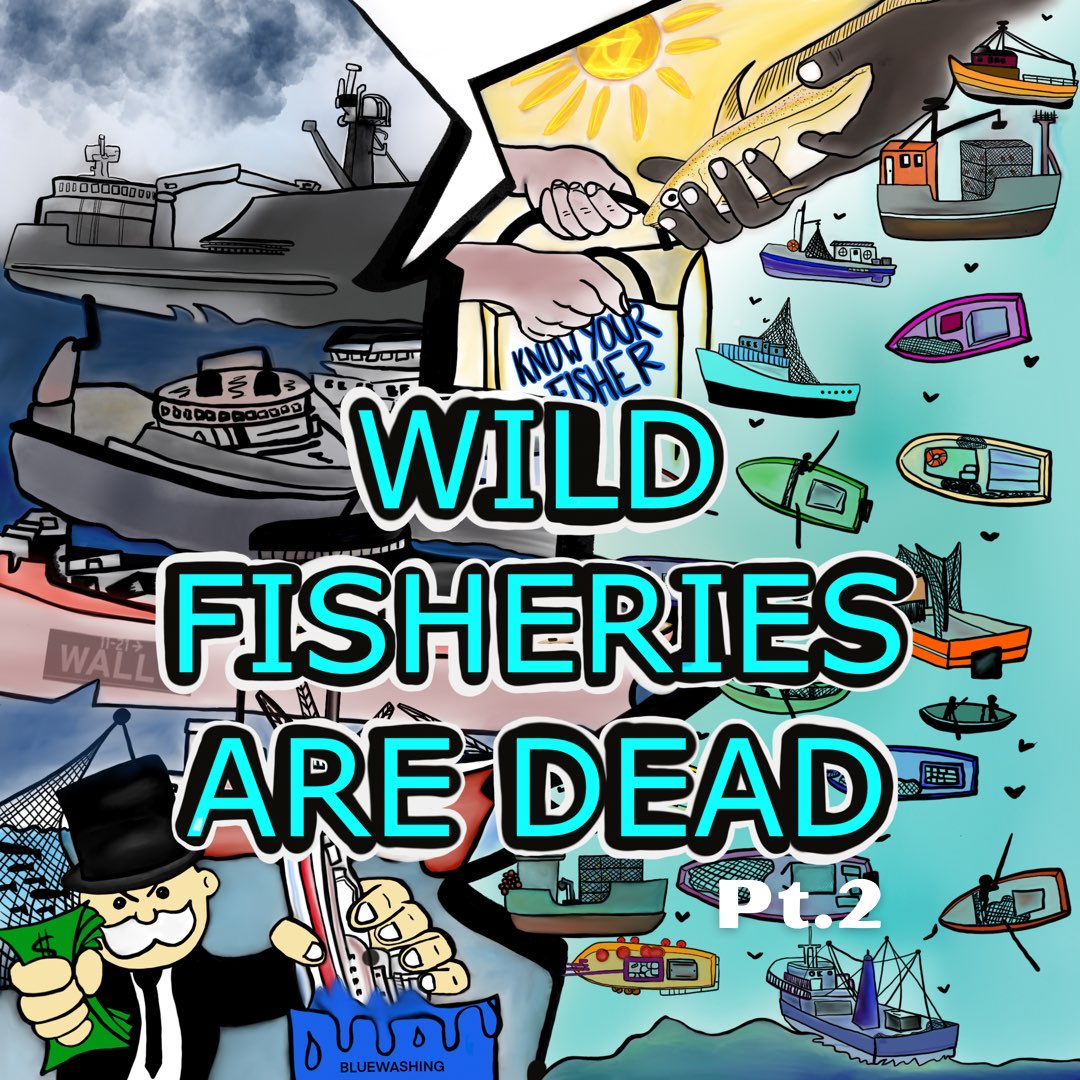
Instead of believing the industry's false narratives about the future of Wild fisheries, we can look to tribal managed fisheries like the @CRITFC and Community Supported Fisheries for examples of shared management systems. This is Part 2 of our 1st myth buster. Share widely!
We should counter any narrative that keeps us from believing that small scale fisheries can feed us and our communities or that Wild Fisheries are dead.
Who would you rather bet on to look after the public’s best interest, fishing communities or large corporations?