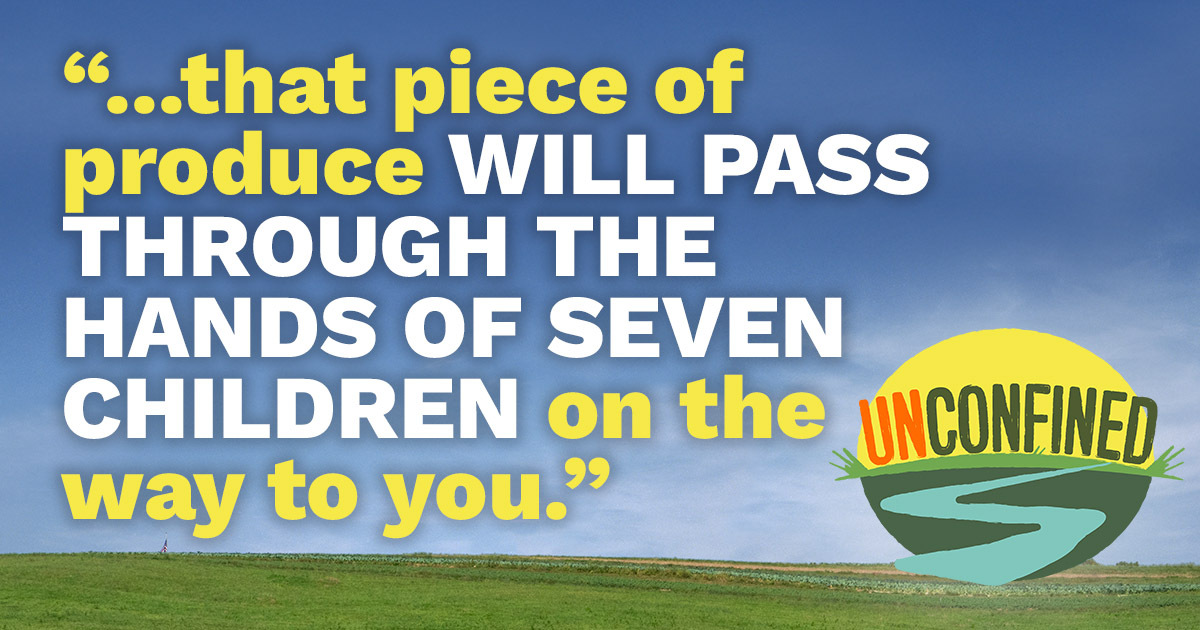
New Unconfined Episode! Managing attorney of the Antimonopoly Counsel, Basel Musharbash @musharbash_b ,breaks down how the companies dominating food & agriculture have grown too powerful & why that matters for all of us. https://t.co/giMaON9ISo #publichealth
EHE/CLF’s Keeve Nachman @keeve_nachman and EHE’s Peter DeCarlo @ProfPeteD found serious air pollution health risks in Louisiana fenceline communities, confirming community concerns that those risks had been underestimated.
https://t.co/mvGkcPo8KW #EnvironmentalJustice
Living near pig farms linked to higher risk of antibiotic‑resistant infections. Overuse of antimicrobials in agriculture can create hard‑to‑treat pathogens that affect workers and spread to communities. https://t.co/ChZwyZ3b9f
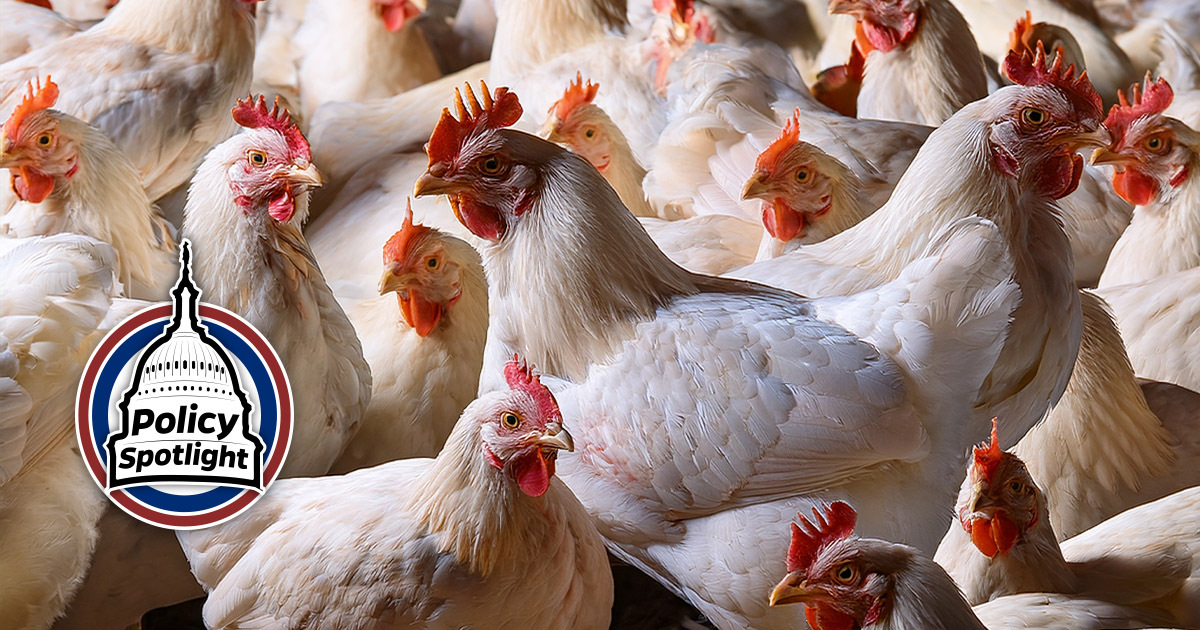
A former federal meat inspector warns that a Trump-era USDA proposal to speed up slaughterhouse lines could mean greater pollution. CLF’s Patti Truant Anderson says the poultry surge would need 114 billion L more water yearly and emit 2 billion kg CO2. https://t.co/w4MW520Ett
After 12 years supporting food policy councils, Johns Hopkins’ Food Policy Networks (FPN) project is transitioning to an independent entity. Rooted in deep listening, research, and trust-building, FPN’s next chapter will expand its mission and reach. https://t.co/qX9Nha2GF2
Announcing the 2026 Food Systems & Public Health Fellowship for Journalists! Learn more about the program and check out their bios.https://t.co/oRW8ukD3UY #FoodSystems
Proposed faster poultry line speeds have climate and resource impacts. CLF analysis of USDA projections shows a potential extra 2 billion kg CO2 per year. https://t.co/O7OHB8isye
NEW CLF study used an agent-based modelto testmeat-reduction strategies in Baltimore. Findings show combined retail interventions have a larger effect than individual actions. https://t.co/egPr3AB6YX
Maryland’s poultry industry backed an emergency bill to roll back CAFO oversight, but advocacy groups stopped it, with help from CLF. A win for protecting community health. https://t.co/hDUWiKsbNP #MDPolitics#Environment#CAFOs
New episode of Unconfined: journalist @TedGenoways tells the unlikely story of how some of the world’s most vulnerable people took on a giant meatpacking company in Greeley, Colorado. https://t.co/dWSW7FdkKs
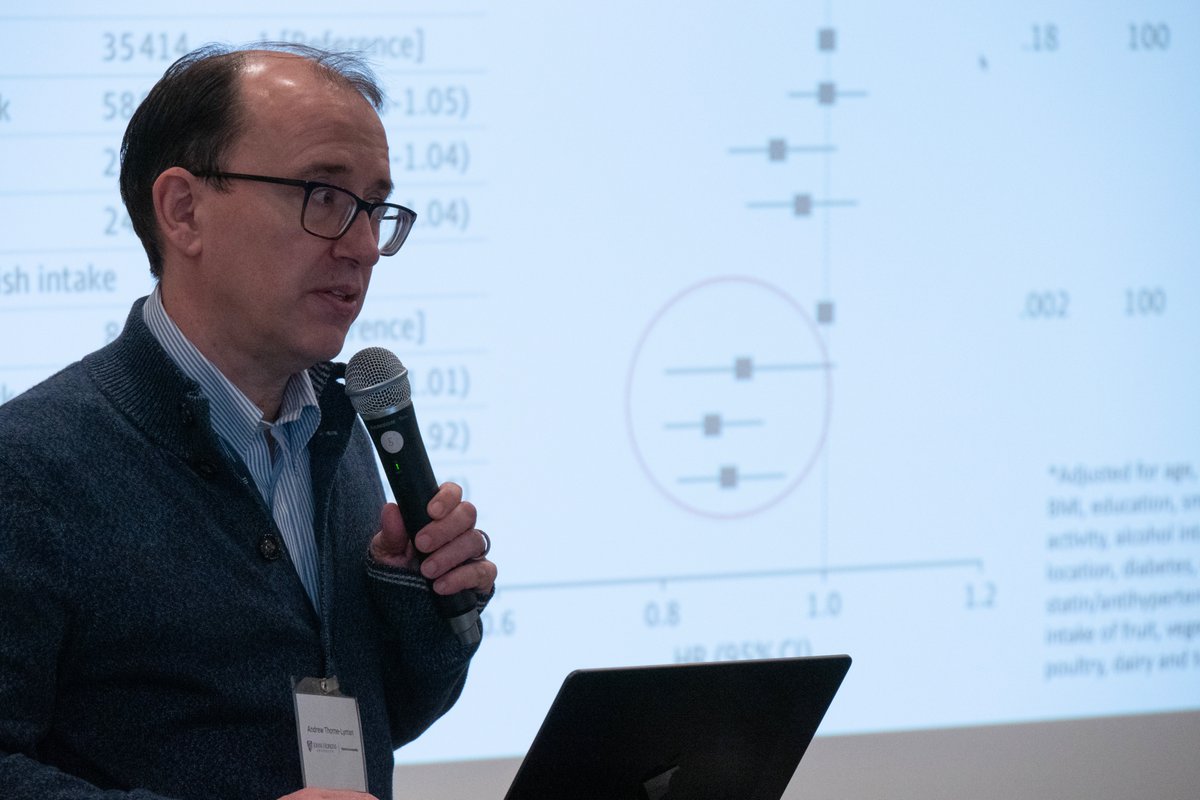
In Martha Stewart, CLF’s Andrew Thorne‑Lyman explains that eating a variety of sustainably sourced seafood provides omega‑3s to support heart and brain health. https://t.co/7rq0zBcKpl
New video from https://t.co/vByQnzewkG highlights CLF research showing veterinary drug residues in seafood can pose risks. FDA finds that about 1 in 10 imported shrimp shipments exceed safe drug residue levels, yet only 1 in 1,000 shipments are tested. https://t.co/n7gexxEsMD
CLF researchers at JHU’s #Sustainability Symposium shared what motivates Americans’ food choices: price first, then taste and health. https://t.co/UzPrwCvCHt
CLF’s Patti Truant Anderson breaks down the updated Dietary Guidelines: protein guidance shifted toward animal sources against expert advice, mixed signals on saturated fat, and little emphasis on Americans’ chronic fiber shortfall. https://t.co/DqfrXwKD8Z
Episode 29 of Unconfined — Reginaldo Haslett-Marroquin reflects on the intersection of the food system and federal immigration enforcement in Minnesota. Read and listen: https://t.co/ssQ3JFK3k9
Episode 29 of Unconfined — Reginaldo Haslett-Marroquin reflects on the intersection of the food system and federal immigration enforcement in Minnesota. Read and listen: https://t.co/ssQ3JFK3k9
Manure digesters are booming. CLF’s Brent Kim says they “are not the climate solution they’re touted to be,” noting they address only part of livestock GHG emissions and may introduce new air pollutants.
https://t.co/eSxfDutRlq
Most Americans were already getting plenty of protein before the recent dietary guidelines update. CLF’s Daphene Altema-Johnson says the food system — along with cultural messaging that favors meat, convenience and low cost — shapes those choices.
https://t.co/GGhUqnHY1e
Confused about farm‑raised vs. wild seafood? “The number one thing you can look for is sustainability labels on the package of retail seafood for approval from the Marine Stewardship Council or the Aquaculture Stewardship Council,” says CLF’s Dave Love.
https://t.co/XUs7K0CbtJ