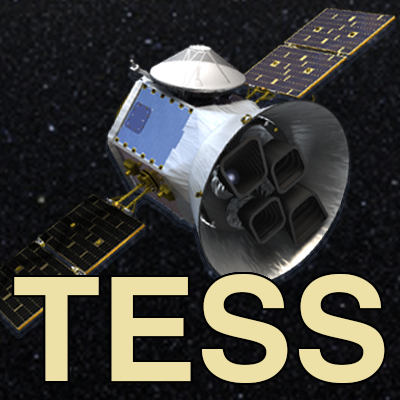
We've moved! For the latest updates on the Transiting Exoplanet Survey Satellite (TESS), please follow @NASAExoplanets & @NASAUniverse. You can always keep track of us at https://t.co/X53E11rL2G.
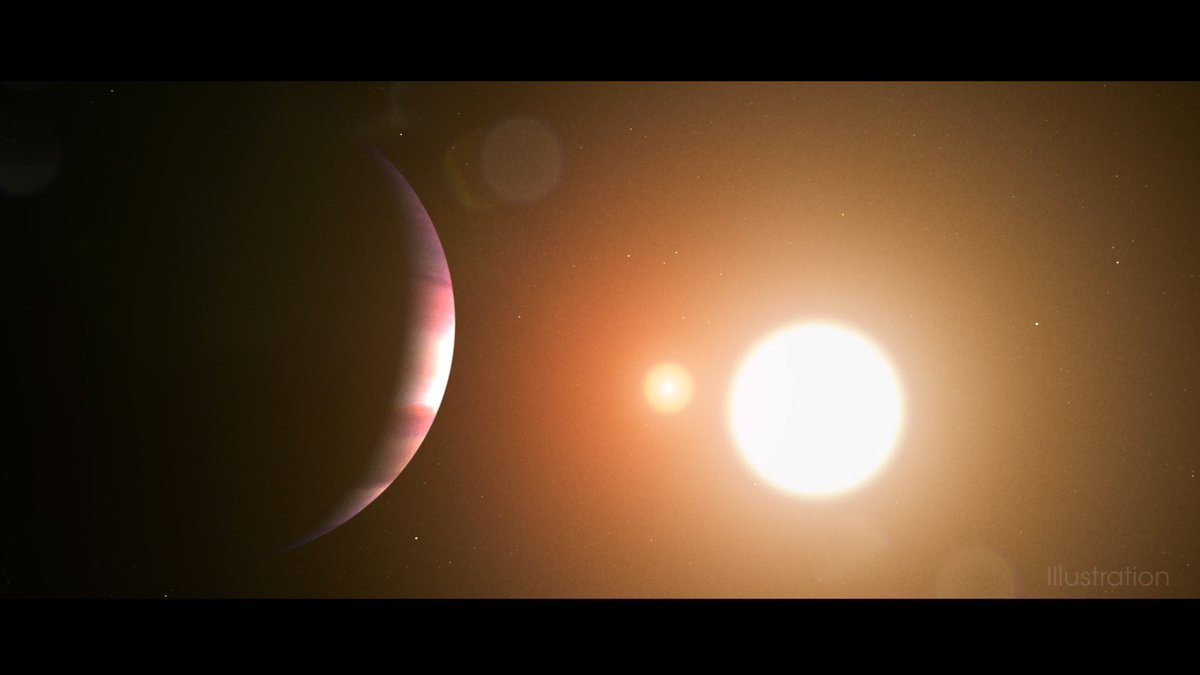
Our @NASAExoplanets mission @NASA_TESS has found its first planet with two suns ☀️☀️, located 1,300 light-years away in the constellation Pictor. A @NASAGoddard intern examined TESS data, first flagged by citizen scientists, to make this discovery: https://t.co/ADydGfx1uc
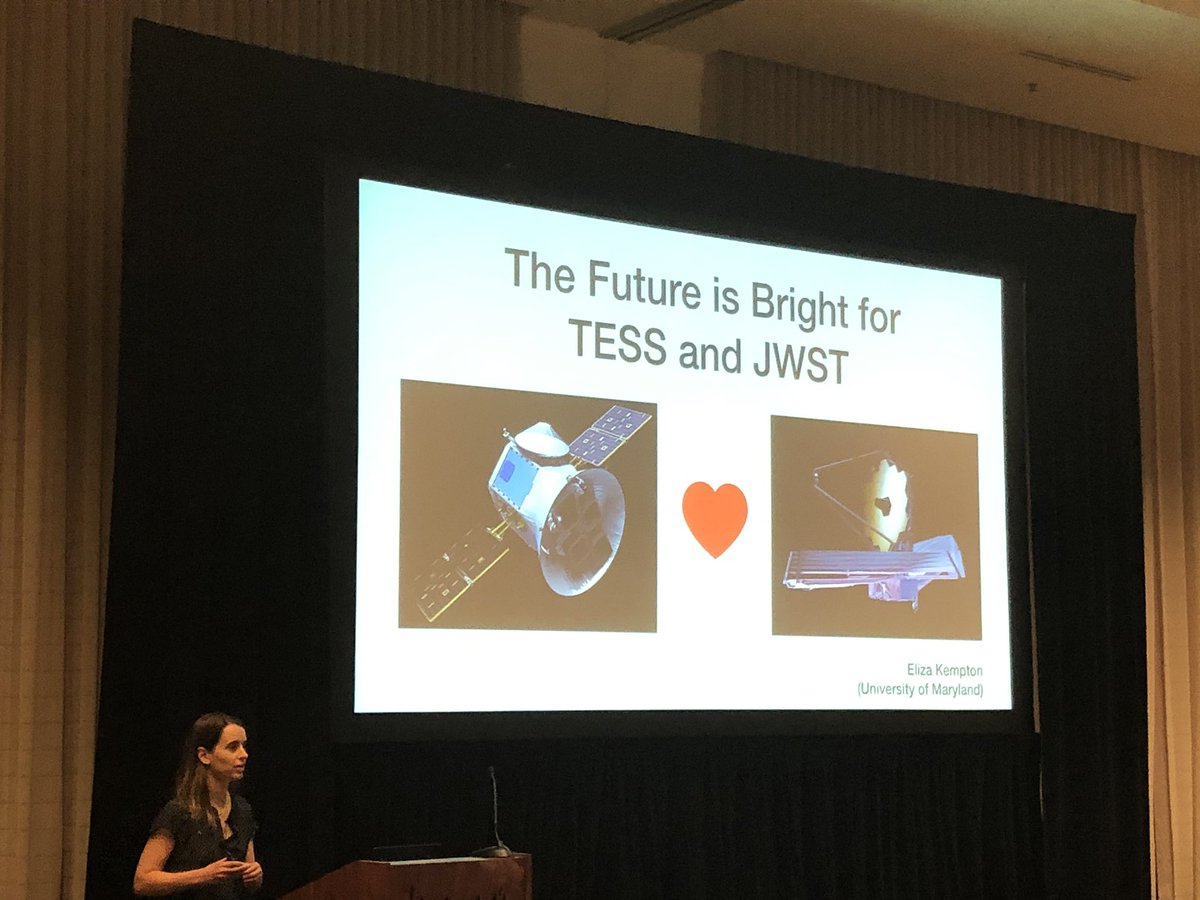
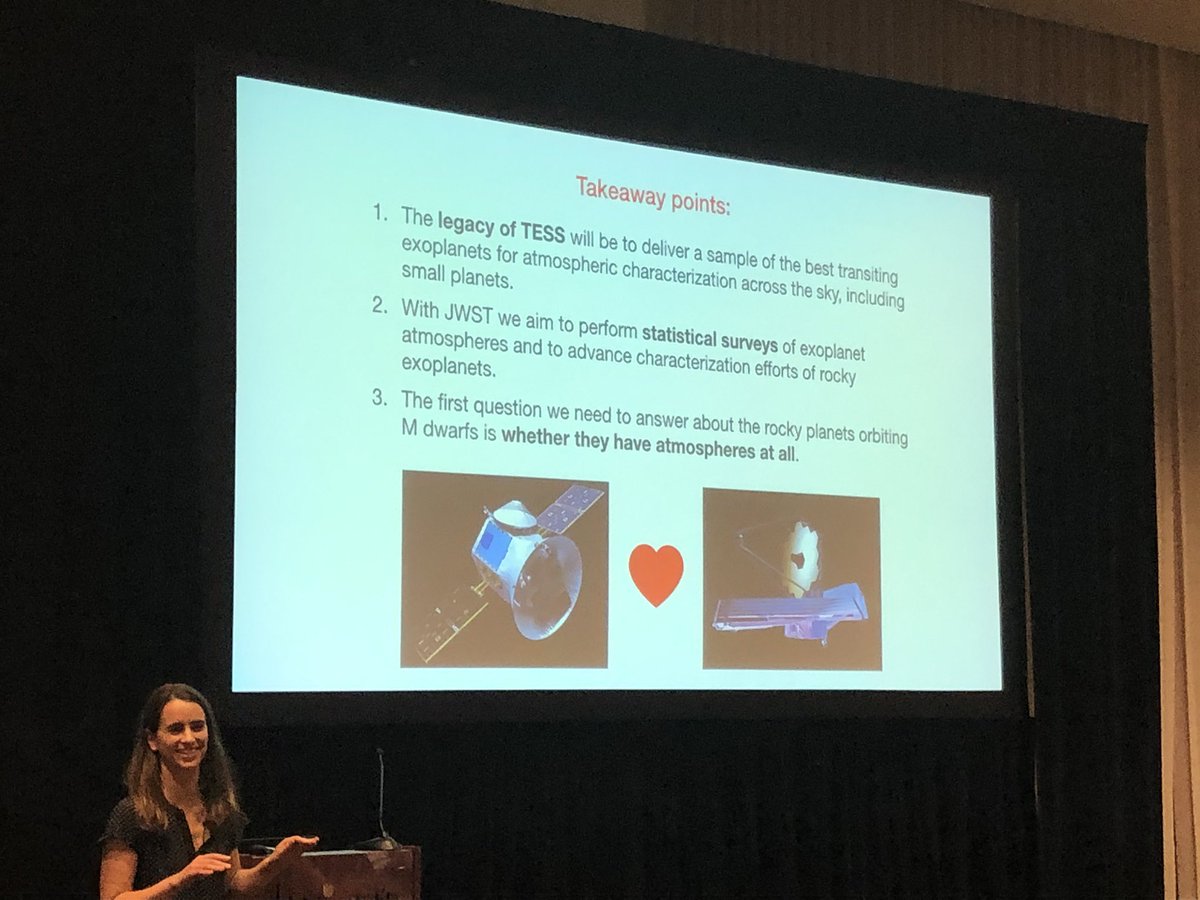
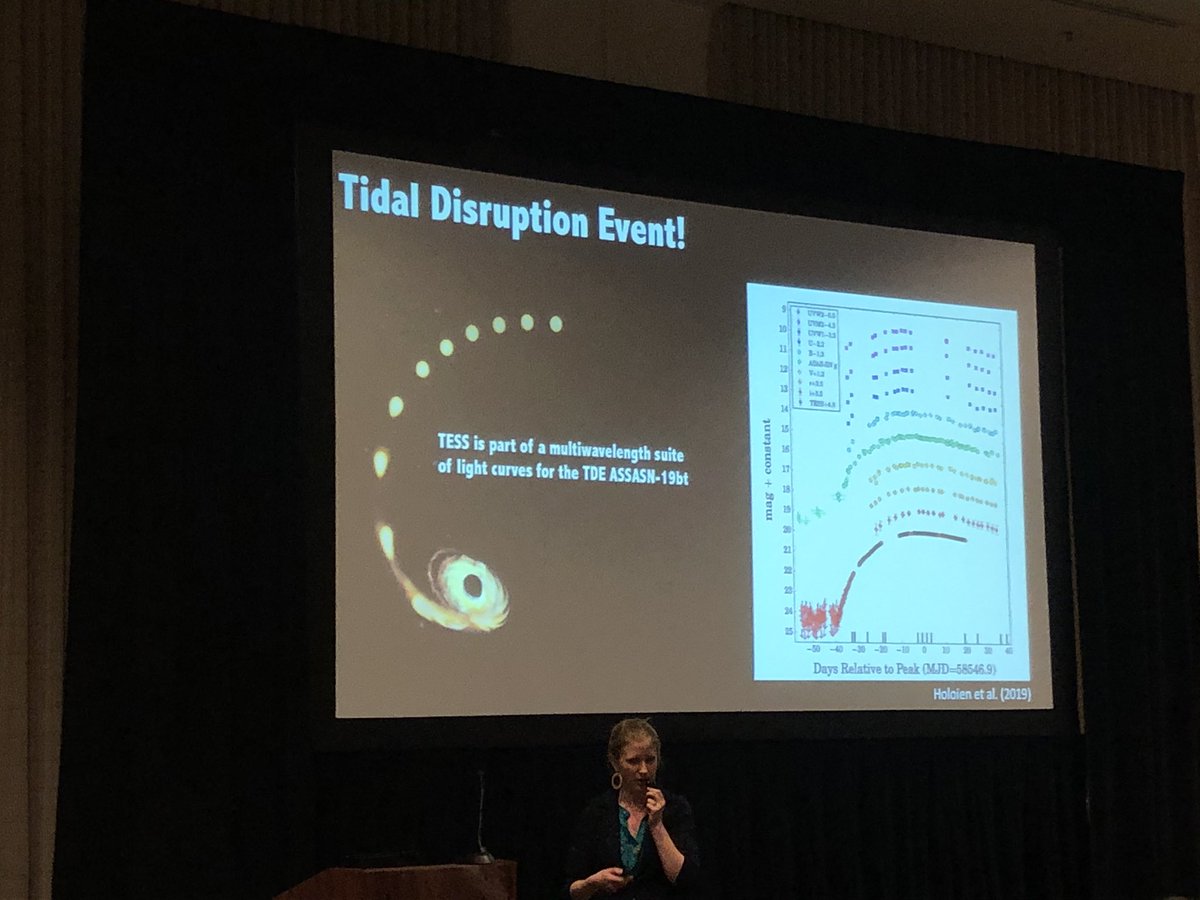
The final speaker of the #AAS235@NASA_TESS splinter session is Eliza Kempton. She highlighted how many of the exoplanets being discovered by TESS are prime targets for @NASAWebb - JWST can be used to reveal the properties of the atmospheres of exoplanets!
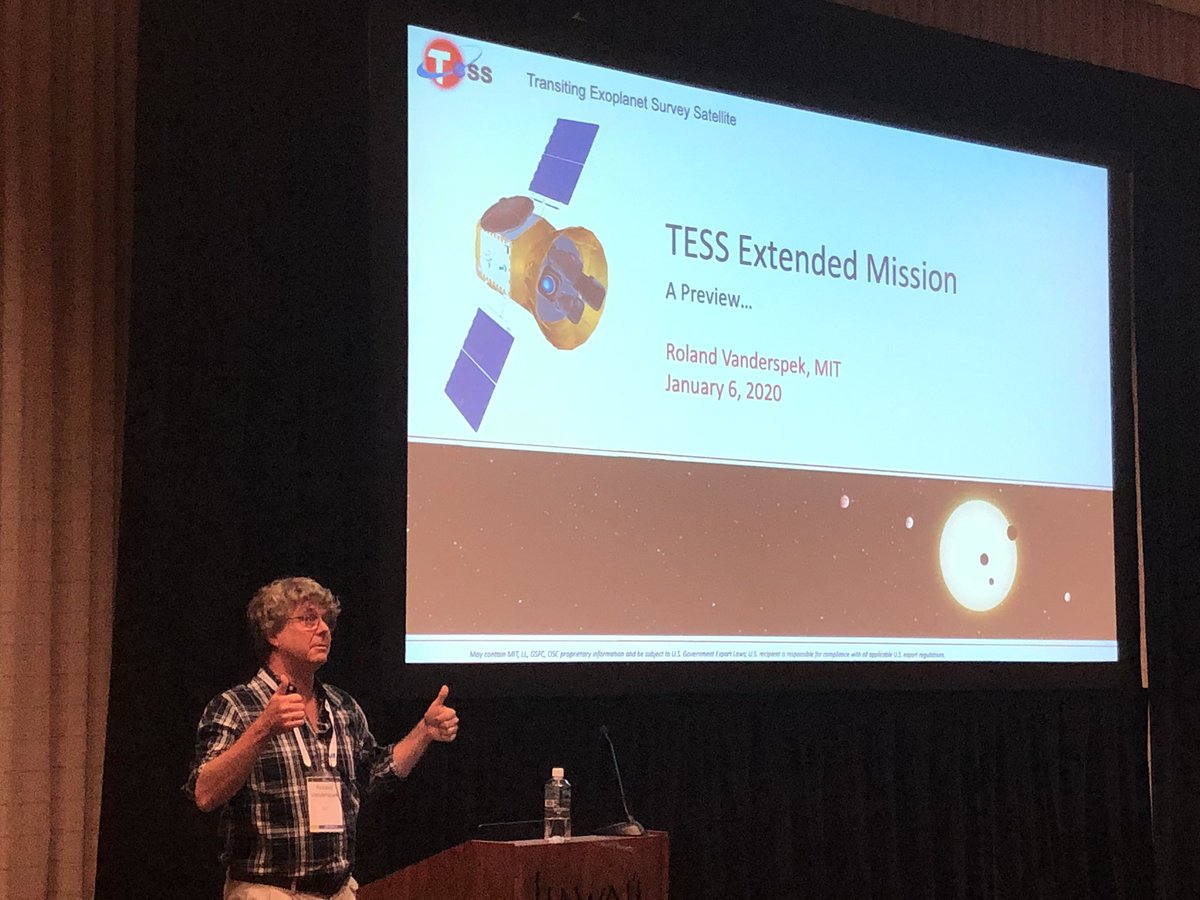
Roland Vanderspek, Deputy PI of @NASA_TESS, is excited for TESS’s first extended mission. While the prime mission will end in July 2020, the extended mission will start shortly after. #AAS235
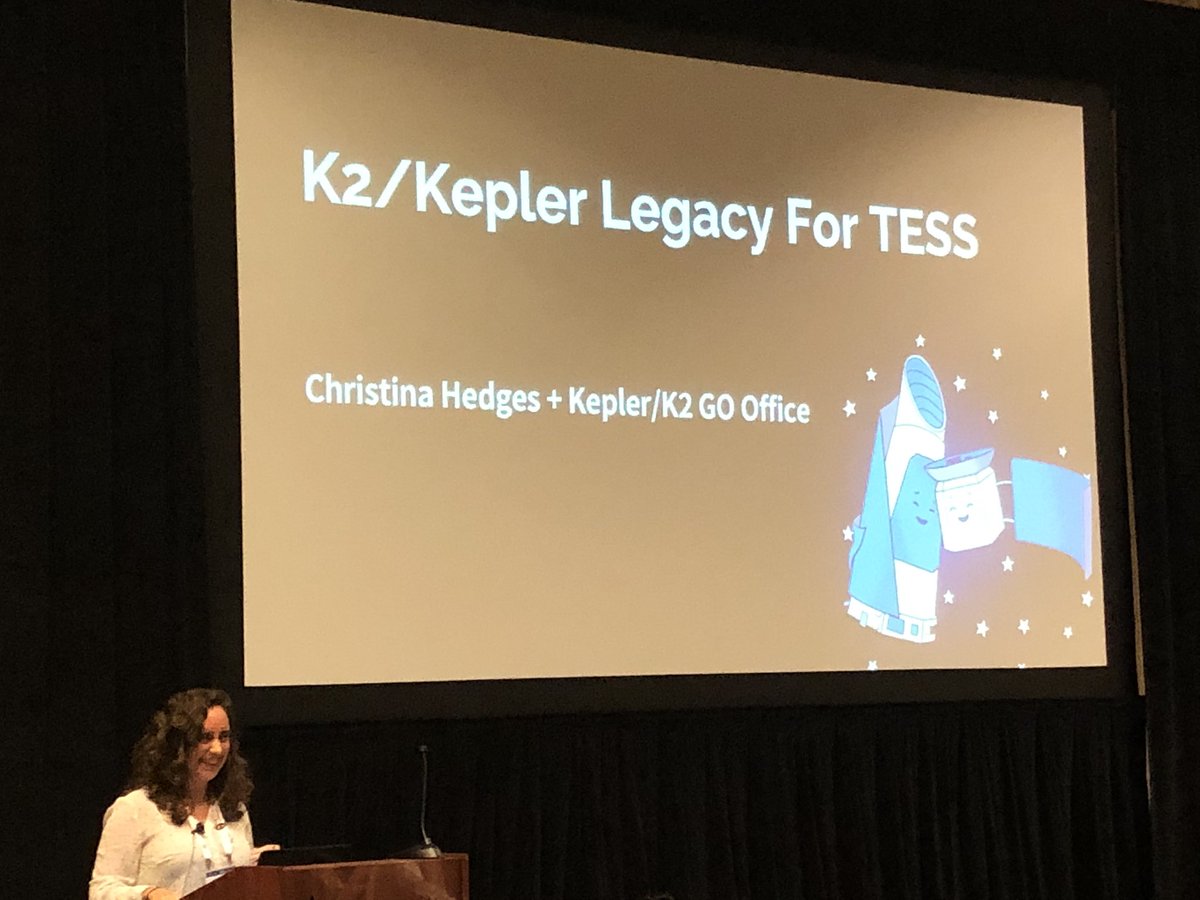
.@NASA_TESS data pair well with data from and tools used for other missions like the NASA Kepler and K2 missions! Christina Hedges talked about the Kepler/K2/TESS connection at our splinter session at #AAS235.
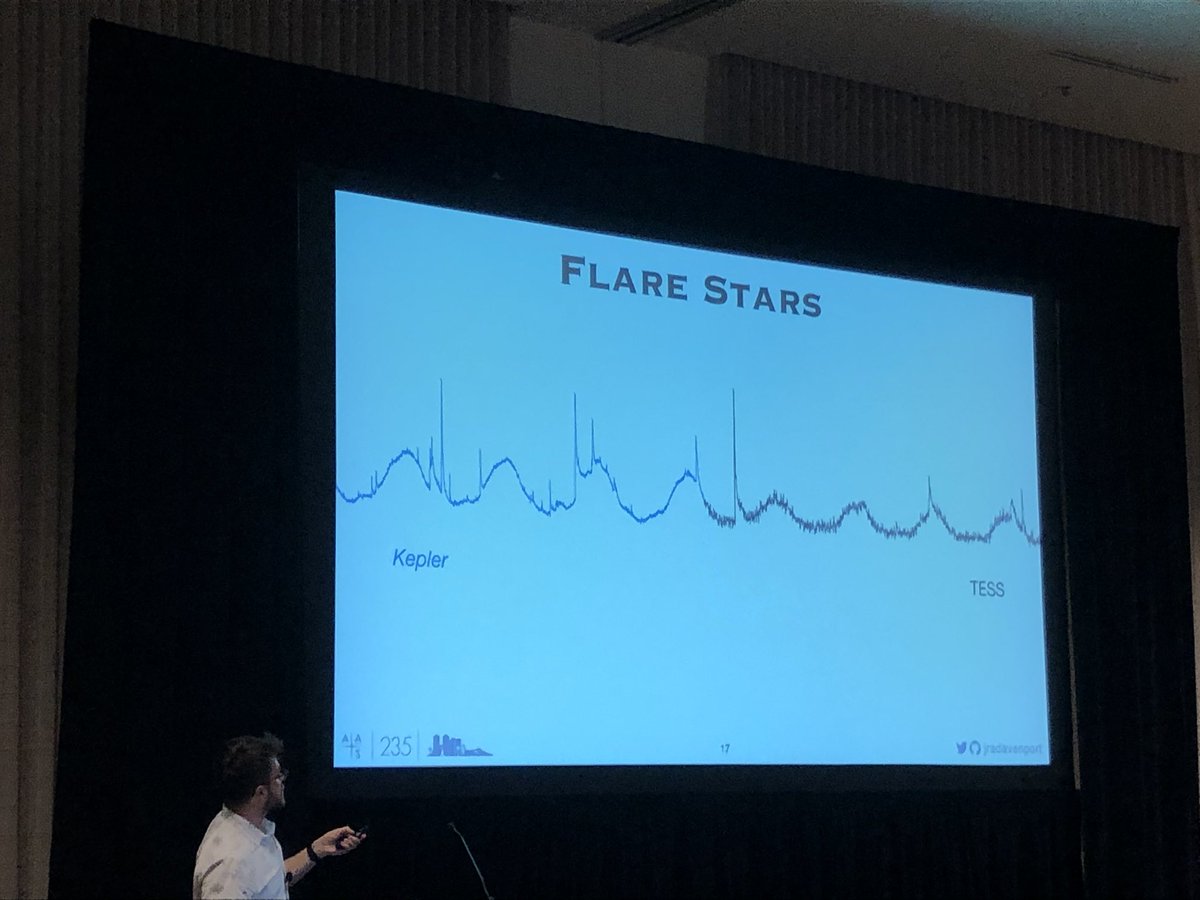
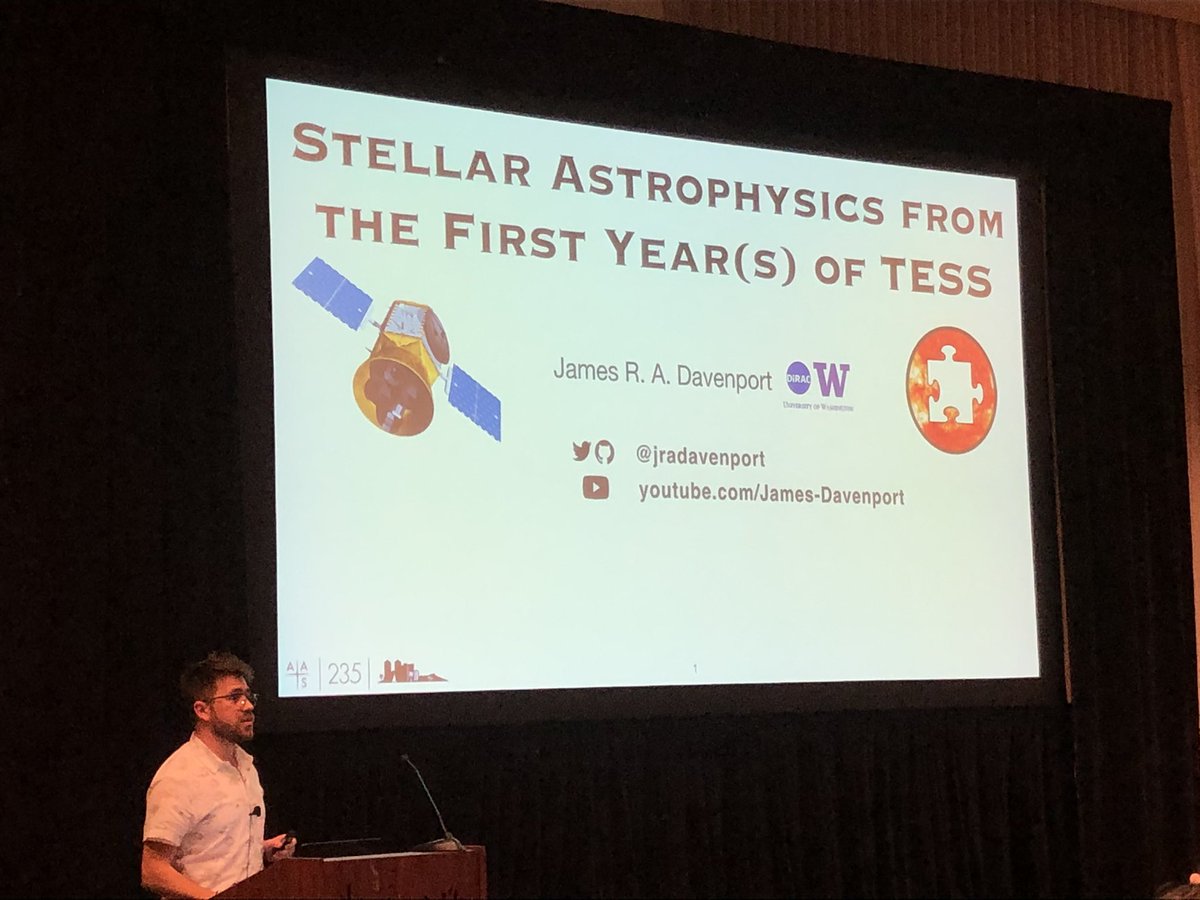
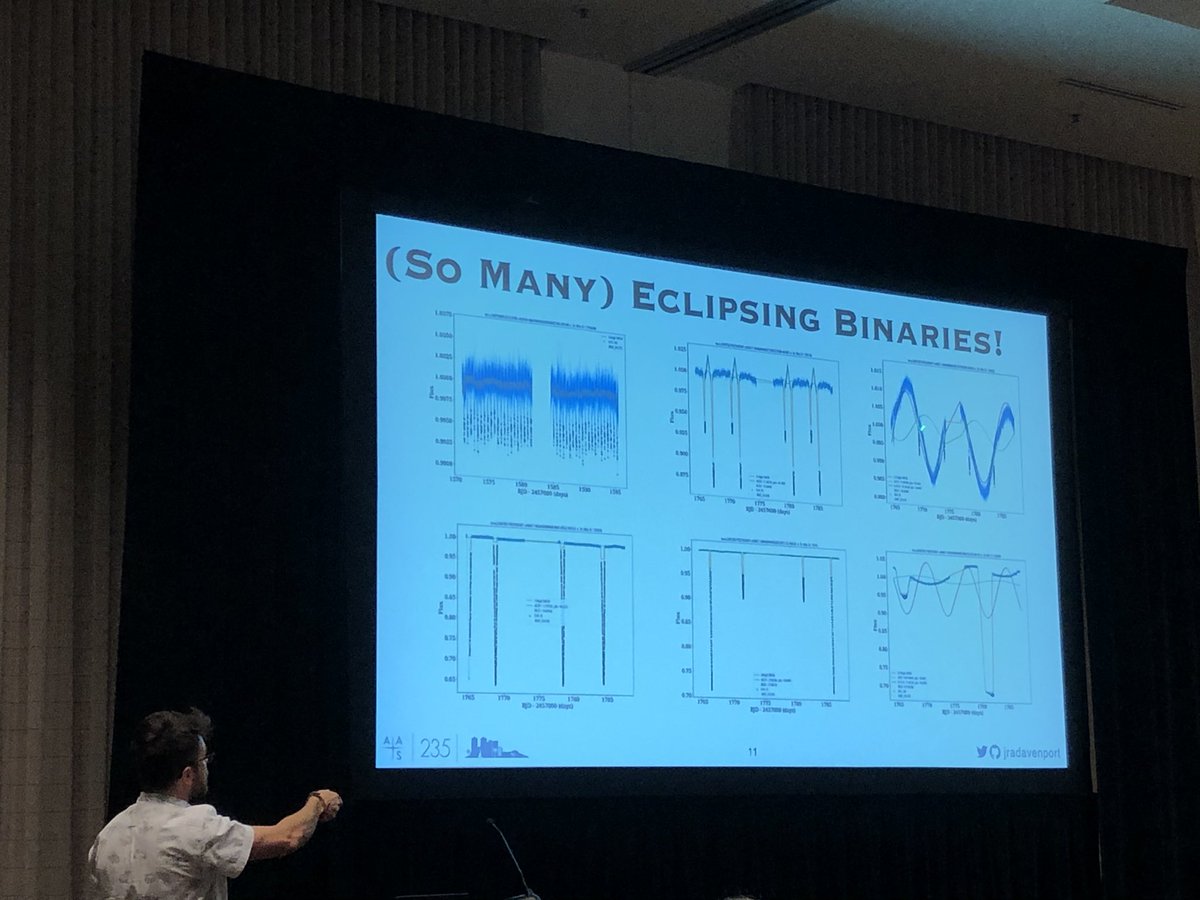
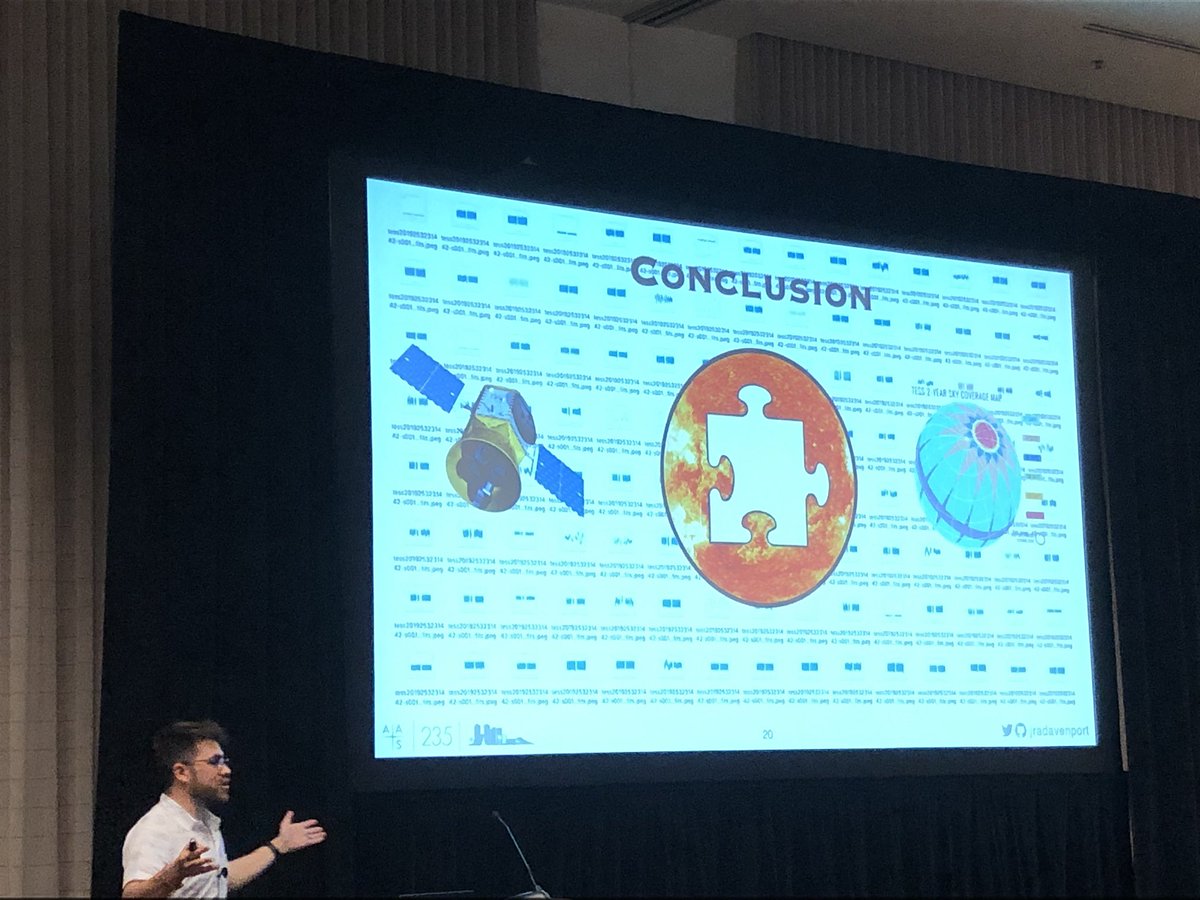
When @NASA_TESS searches for new exoplanets, it is actually studying stars too! James Davenport discussed the variety of stellar astrophysics we can learn about from @NASA_TESS. #AAS235
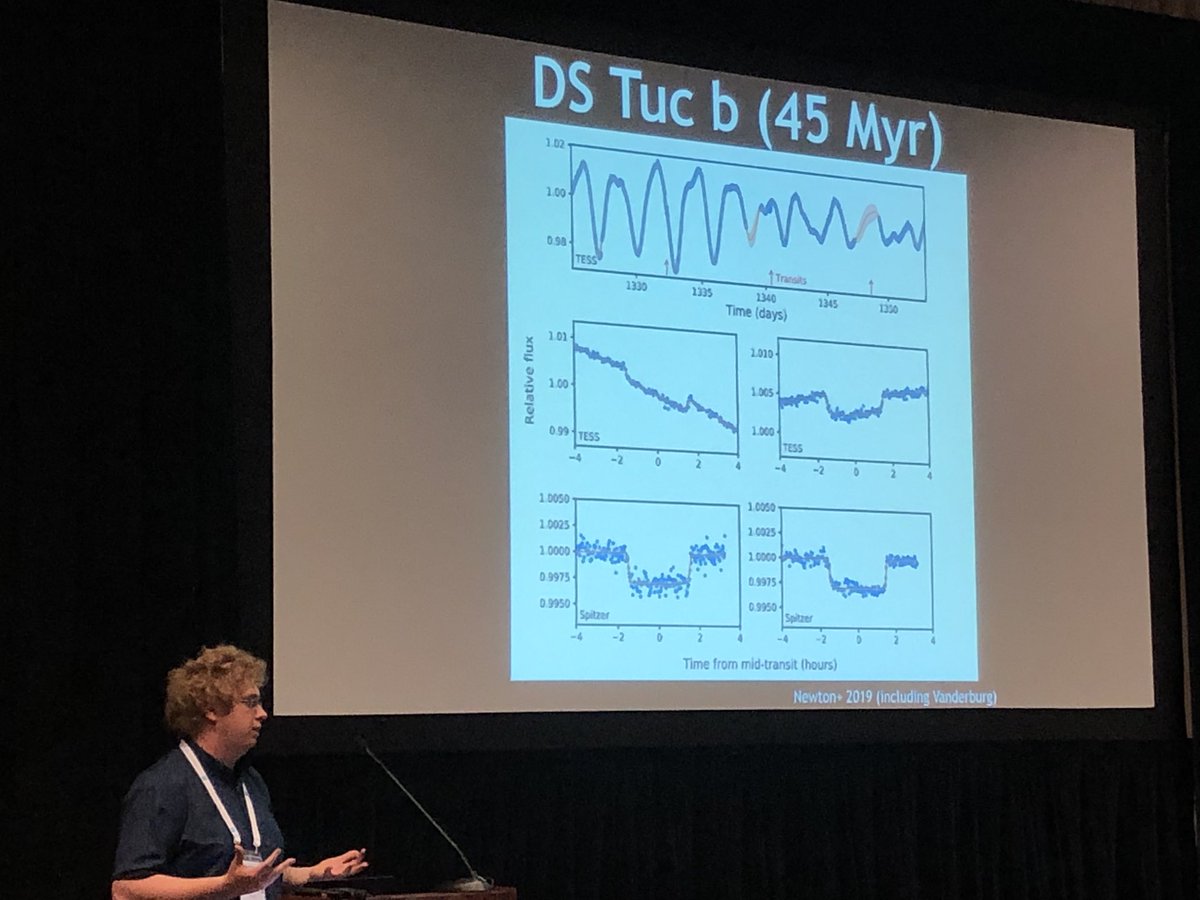
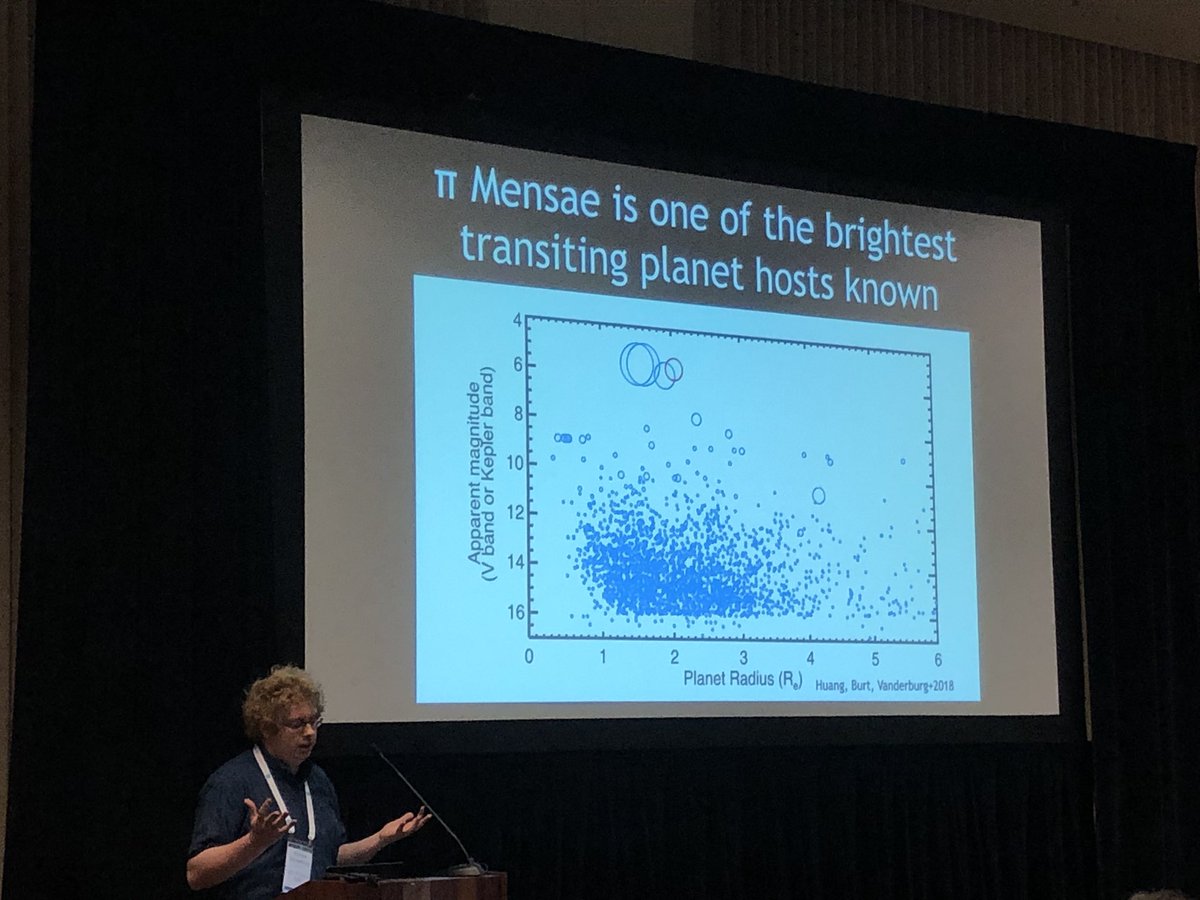
Next up at the @NASA_TESS splinter is Andrew Vanderburg, speaking on the incredible exoplanets TESS has discovered in its first year of science. #AAS235
@NASA_TESS Scientists used @NASAspitzer to confirm the discoveries and to model the potential environments for TOI 700 d.
The planets' star is a small, cool M dwarf just over 100 light-years💡⤳ away in the constellation Dorado.
📣Discovery Alert!📣
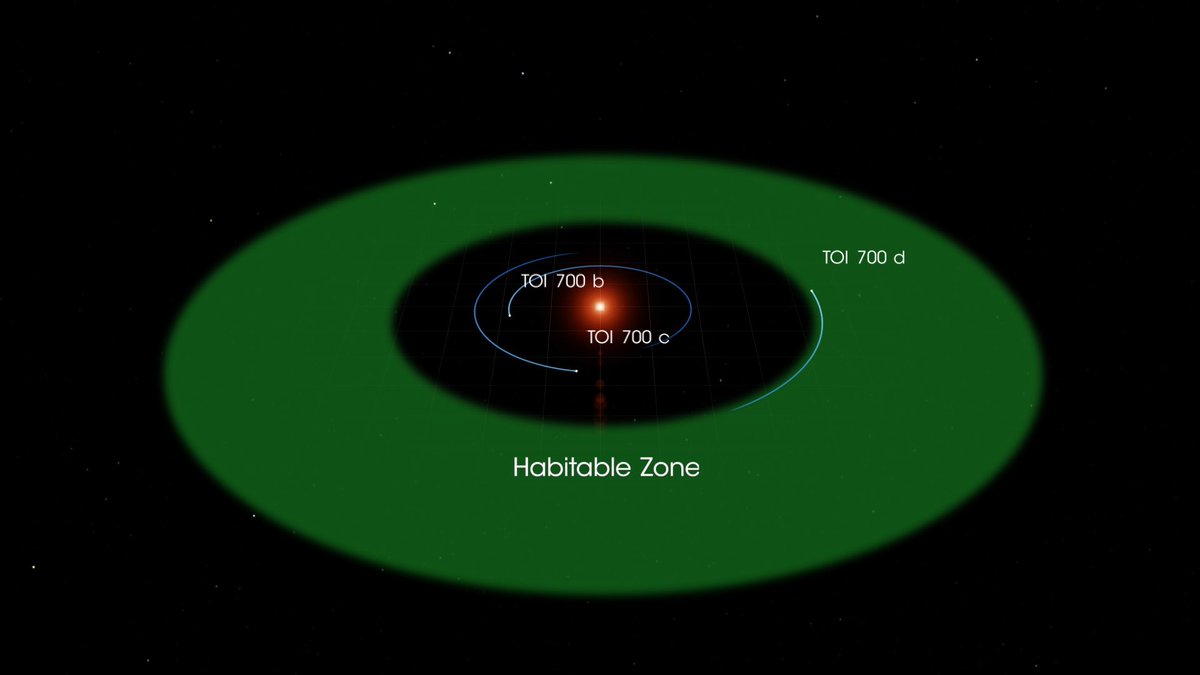
Meet three new exoplanets discovered by @NASA_TESS. One of the planets, TOI 700 d, is an Earth-sized🌍 world in its star's habitable zone (where liquid water💧 *could* exist on the surface).
👋TOI 700 b, c & d! We see you.
https://t.co/92PlSDNnVQ
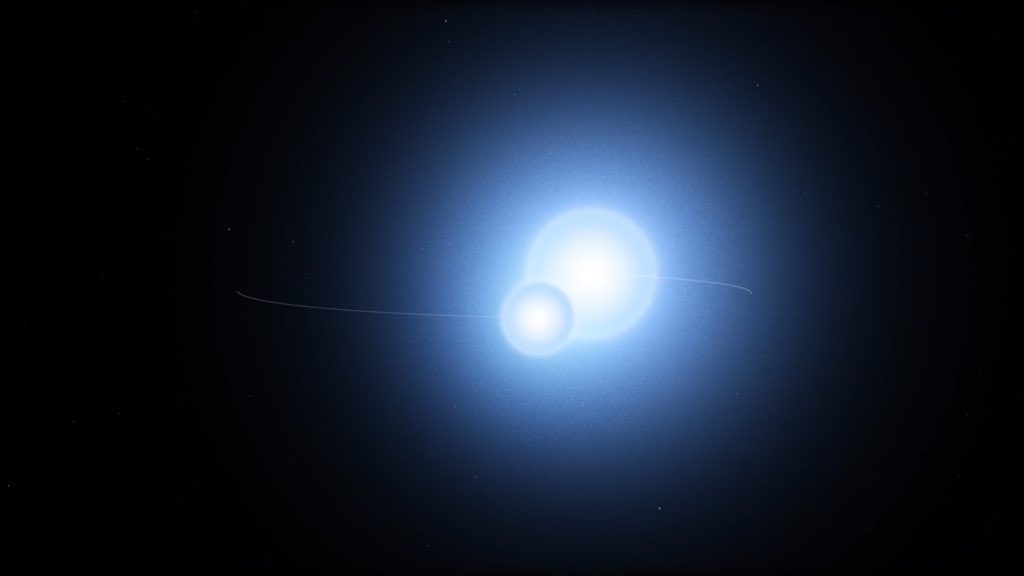
Astronomers using data from NASA’s TESS were surprised to find that Alpha Draconis, a star visible to the naked-eye, undergoes mutual eclipses with its fainter companion star. The brief six-hour eclipses were easy for ground-based observatories to miss. https://t.co/TkOGv0nHKl
Surprise! The bright, naked-eye star known as Alpha Draconis that has been studied for centuries was just discovered to be an eclipsing binary star by @NASA_TESS. Learn more here: https://t.co/664ouYsrT1 #AAS235
A signal that was originally thought to be from a stellar eclipse in the TOI 1338 system turned out to be from a new world! This planet became TESS’s first circumbinary planet, a world orbiting two stars. https://t.co/awfr84uuu2
.@NASA_TESS has discovered its first circumbinary planet! As shown in this artist impression, this planet orbits around two stars with a period ranging from 93 to 95 days. Learn more here: https://t.co/u4FbknwNOs #AAS235
NASA’s TESS discovered its first Earth-size planet in a star’s habitable zone, the range of distances where conditions may be just right to allow the presence of liquid water on the surface. @NASAspitzer followed up and confirmed it. https://t.co/k6XGFSuliy
.@NASA_TESS has discovered a system of three planets that includes an Earth-size planet in the habitable zone of the cool host star. Read more here: https://t.co/1n8SBbfqt7 #AAS235