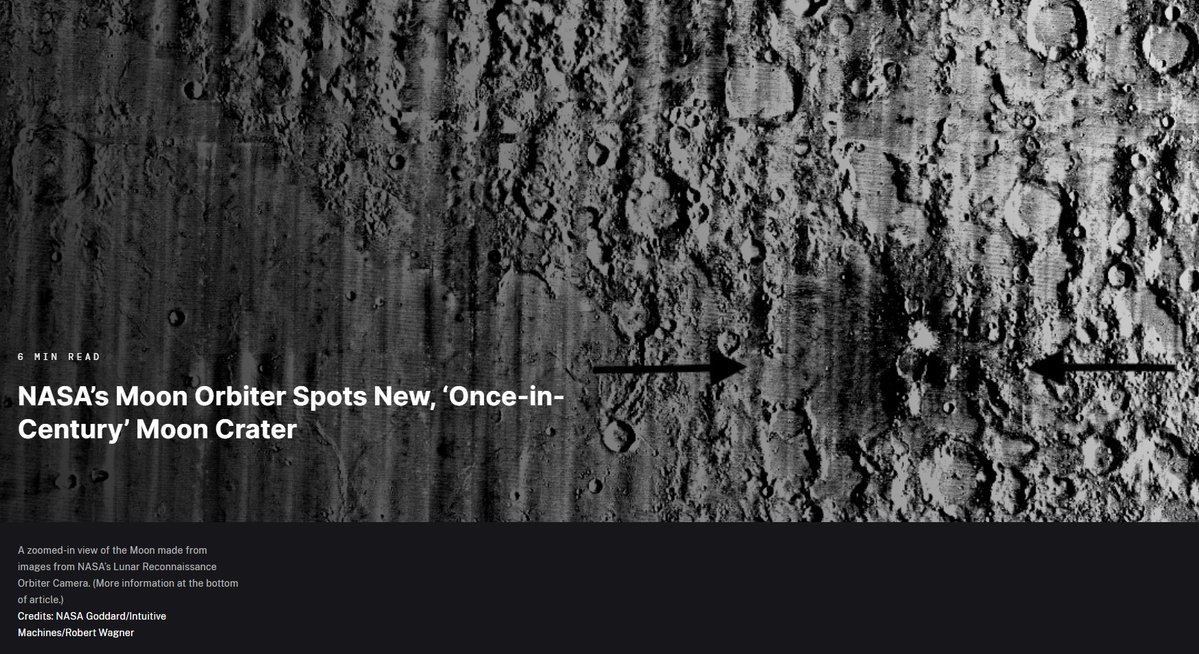
The impact excavated a crater about 728 feet wide and left a cooler, roughly 4-mile-wide halo of fluffy regolith around it. Knowing how impacts reshape lunar ground matters as we prepare to explore it up close. What lunar surface question should astronauts investigate first?
NASA’s Lunar Reconnaissance Orbiter spotted the largest newly formed crater ever found in the solar system. A rock hit the Moon in 2024, leaving McGetchin crater—and proving our nearest neighbor is still changing right before our eyes. 🌙
NASA will compare the space-soldered parts with identical boards made on Earth. Better on-orbit repair could make missions more independent and less dependent on cargo launches. What is the first thing you would design to be repairable on Mars?
On the ISS, astronauts are soldering circuit boards in microgravity. If the space-made samples hold up, future crews could repair vital electronics instead of waiting for a resupply ship. On the way to Mars, being able to fix what breaks is everything. 🔧
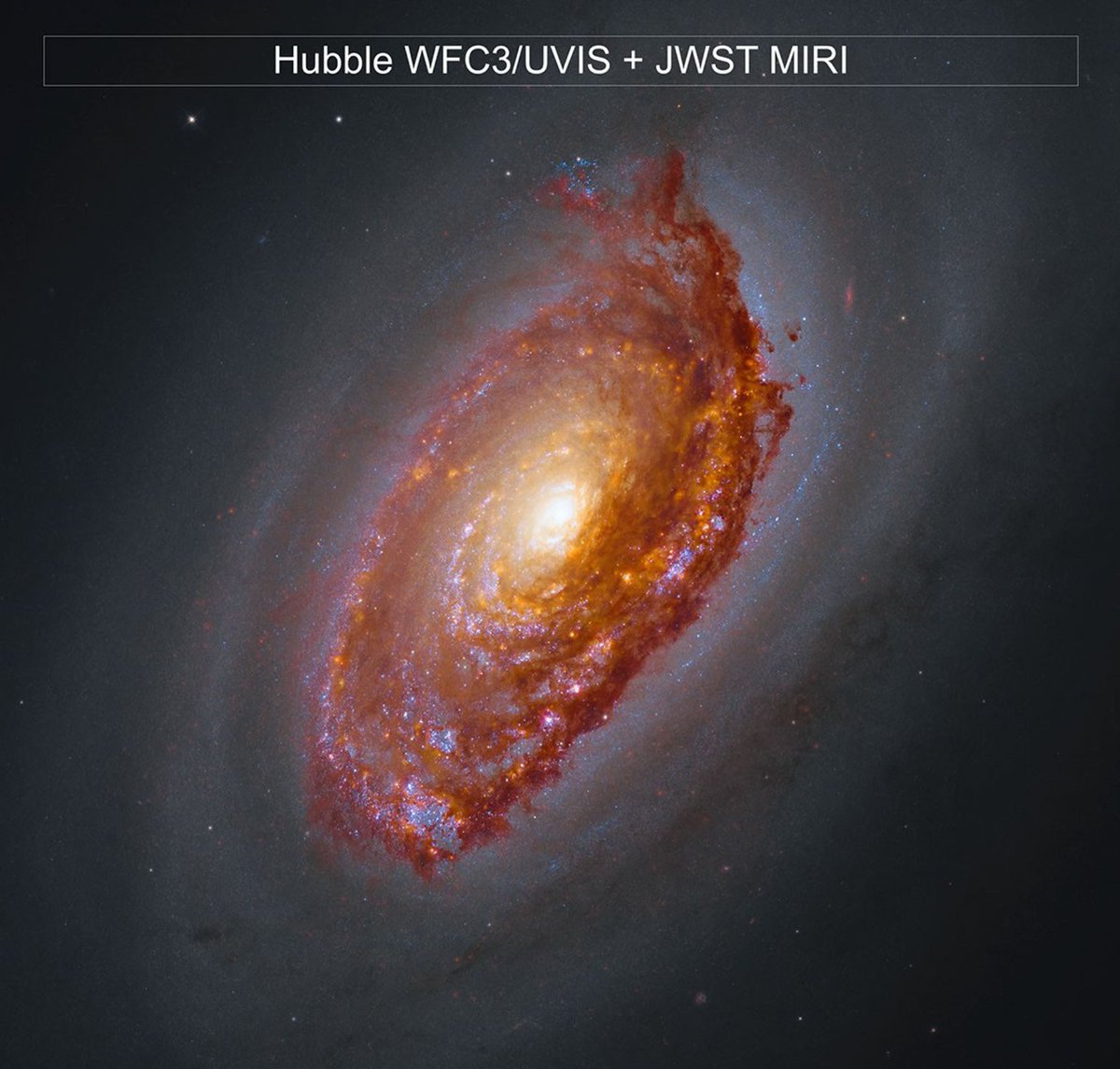
Webb looked through the “Black Eye Galaxy” and found light where Hubble saw darkness. Its dust glows in infrared, and two gas systems spin in opposite directions. Even a spiral galaxy can carry the scars of a collision. ✨
M64’s counter-rotating gas may be the trace of an earlier merger. Where those currents meet, they compress gas and spark new star formation. The Milky Way has its own merger history too. What would you name a galaxy shaped by a collision?
Roman was budgeted for 10 years. Now it has at least 22 years of potential science. Saved fuel means more time to map dark energy, hunt exoplanets, and survey the universe. The best exploration stories continue long after launch.
NASA’s Roman telescope just earned at least 12 extra years of potential science before it has even reached its final orbit. One incredibly precise course correction used less than 10% of the fuel planned. Careful engineering can turn one mission into generations of discovery. 🔭
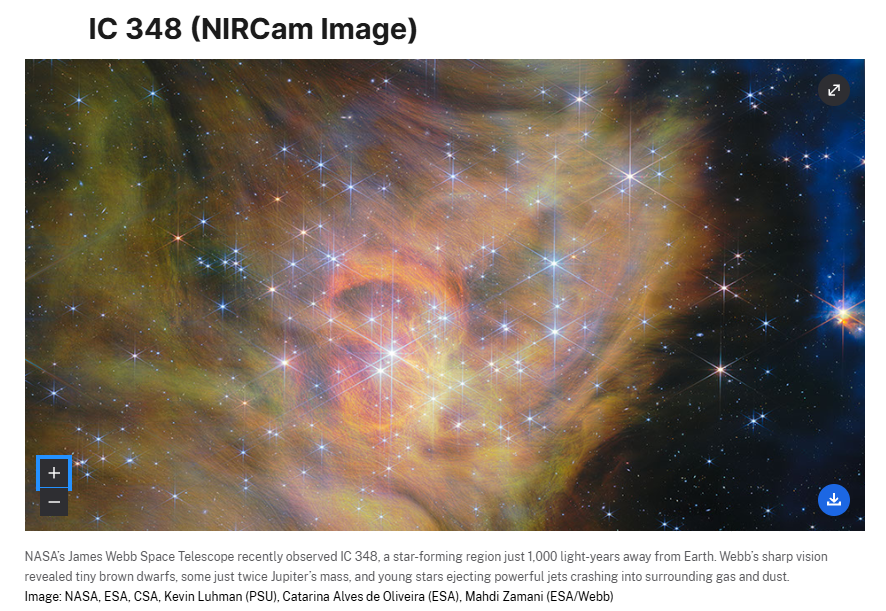
@NASAWebb The fact that objects only twice Jupiter’s mass can form in the same clouds as stars changes how we think about the boundary between planets and stars. Webb keeps making the universe feel larger and more connected.
The quasar H1821+643 sits in a galaxy cluster, where its active black hole drives turbulence in hot gas. The energy is comparable to several billion supernovae. The universe is not still—it is constantly moving matter and energy around.
A black hole 3.4 billion light-years away is stirring gas across 300,000 light-years—far beyond its host galaxy. New XRISM data says the energy is about 100× higher than we thought. Black holes do not just shape galaxies. They reshape neighborhoods. 🌀
Brown dwarfs form when gas clouds collapse, but their cores never get hot enough for ordinary hydrogen fusion. These are the least-massive ones ever found, challenging how small the star-making process can go.
Webb just found objects only twice the mass of Jupiter forming like stars. They are not quite planets, not quite stars—and one may even have a disk where tiny planets could form. Every time we look deeper, nature rewrites the categories. ✨
Atoms in us have different cosmic histories: ancient hydrogen, elements made inside stars, and heavier material from stellar explosions and collisions. Exploration begins with realizing we are already connected to the universe.
The hydrogen in the water in your body came from the Big Bang. Your carbon and oxygen came from stars. Much of your iron was forged in supernovae. Space is not just somewhere we go. It is part of every one of us. ✨
The study says smaller settlements could last much longer, while better recycling, new reserves, or imported water could change the equation. That is exactly why we test life-support systems before we scale them. How would you design a Moon base where every drop matters?
A new study puts a hard question in front of every lunar-city dream: water. Even using generous ice estimates and ISS-level recycling, a million-person city could run dry in about a century. Sustainable exploration starts by respecting the math. 🌙