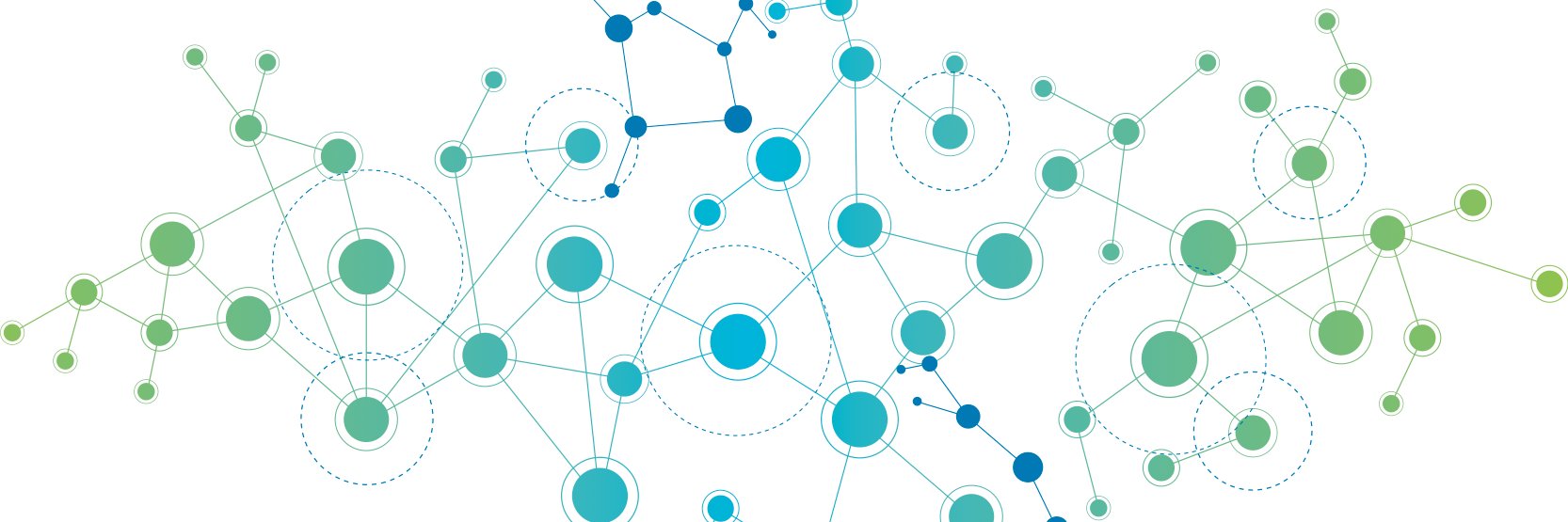
In @PennGazette, Damon Centola of @AnnenbergPenn debunks claims that behavior spreads like a virus. According to his research, while information may spread virally, the particular features of a given social network govern the spread of behaviors. https://t.co/Bh8jZWUcga
Our #socialnetworks keep us connected, but do they really catalyze social movements?Damon Centola of @NDGAnnenberg dives deep how social networks actually shift #humanbehavior & how we might realize its true potential to achieve #socialchange
https://t.co/VOEKL9VAOi
#InRareForm
"When we realize how often the dream of virality does not take network context into account, it becomes easier to understand why so many innovation initiatives and change efforts fail," says Warren Center affiliate Damon Centola. https://t.co/Y5rb9GVpPd @NDGannenberg@mitsmr
Two kinds of contagions:
✅ Simple: spread effortlessly (measles or news about your company’s quarterly earnings)
✅ Complex: don’t spread so easily (investing in bitcoins or using a new form of birth control)
Damon Centola of @AnnenbergPenn https://t.co/VZsgdO6lAF
#PennDemic2018 Dr. Damon Centola presents on spread of social behavior to Interprofessional groups of students learning about infectious disease outbreaks and emergency preparedness
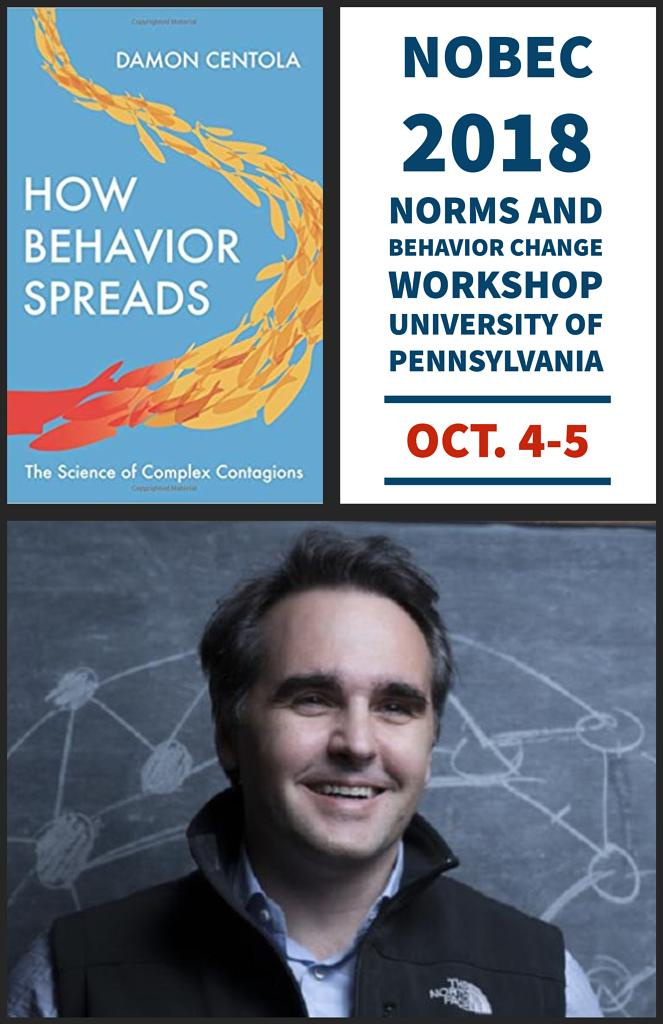
"The most innovative, challenging, and difficult behaviors require the greatest level of social reinforcement." Upcoming Norms & Behavioral Change speaker Damon Centola will present research from his book "How Behavior Spreads". @NDGannenberg@PrincetonUPress#behavioralscience
So honored our recent article got the cover of PNAS! https://t.co/0005QqZCag click to read more about how social network experiments can inform interventions on partisan bias in the interpretation of climate trends @AnnenbergPenn@joshua_a_becker@NDGannenberg
"The problem is they’re mistaking the cause. It's not that communication causes polarization. It’s that communication in a highly polarized context increases polarization," said Warren Center affiliate Damon Centola. https://t.co/BQmeajBPZa via @AnnenbergPenn@NDGannenberg
“Strong ties are the most important links in the social network,” says Warren Center affiliate Damon Centola. “They are proximate, trusted, and familiar, and therefore the most influential for diffusion.” https://t.co/8Z1qKKr3vj @AnnenbergPenn@NDGannenberg via @stratandbiz
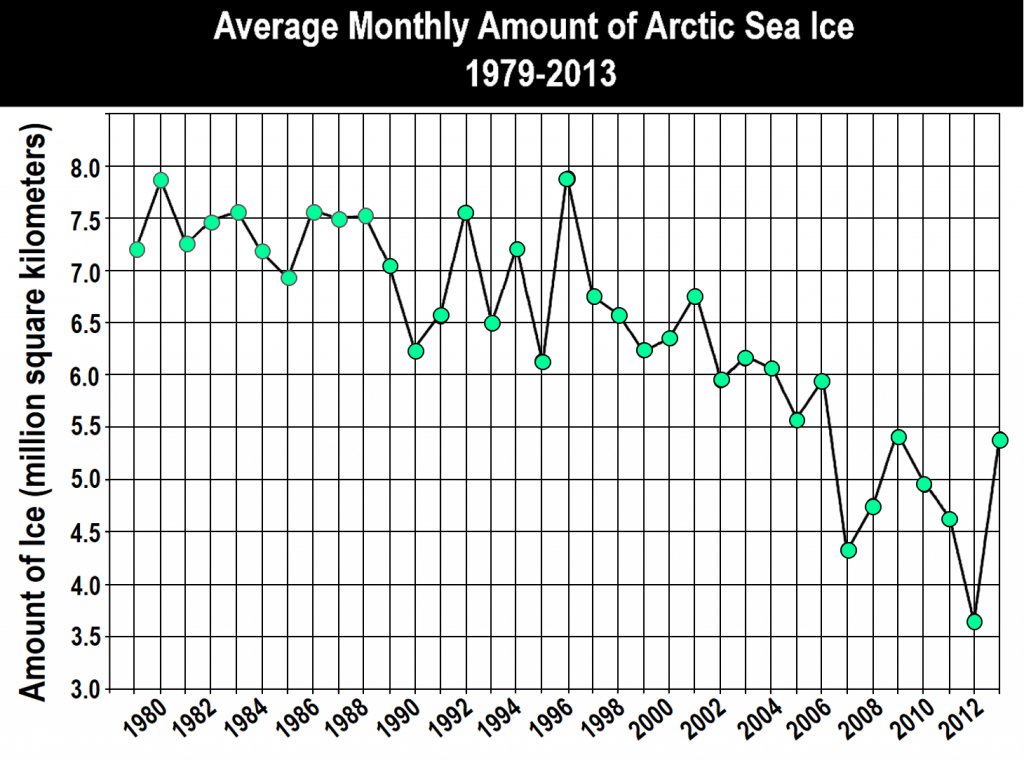
Look at this chart: Is arctic sea ice declining or increasing? Political leanings - and that of the people around you - can play a key role in getting the answer correct, says new research in PNAS from @NDGannenberg https://t.co/gbYUcVipbL
Can Social Media Networks Reduce Political Polarization on Climate Change? New @NDGannenberg research from @DzGuilbeault and Damon Centola, published in @PNASNews https://t.co/gbYUcVipbL
Our paper ‘Social Learning and Partisan Bias in the Interpretation of Climate Trends’ is out! We show collective intelligence can reduce partisan bias, but not when ppl are primed to think of political identity @joshua_a_becker@NDGannenberg@AnnenbergPenn https://t.co/I6GTuX9KKU
.@chris_bail & I have open-sourced all the teaching materials from the Summer Institute in Computational Social Science: videos of lectures, slides, code, and group activities. https://t.co/4uTa8dvUi1 #SICSS2018
Really happy to publish this article on bot policy with @rgorwa — we argue that ambiguous language in discussing bots is a major issue for regulation, and we provide a typology to facilitate clear policy action. Check it out! https://t.co/AjBQNhQlfG @NDGannenberg@AnnenbergPenn
In their panel, @davidlazer and colleagues found that 80% of fake news was being tweeted by only 16 users (and they mostly weren’t bots). Legitimately interesting question: who are these people who are spreading the majority of false information? #ASA18
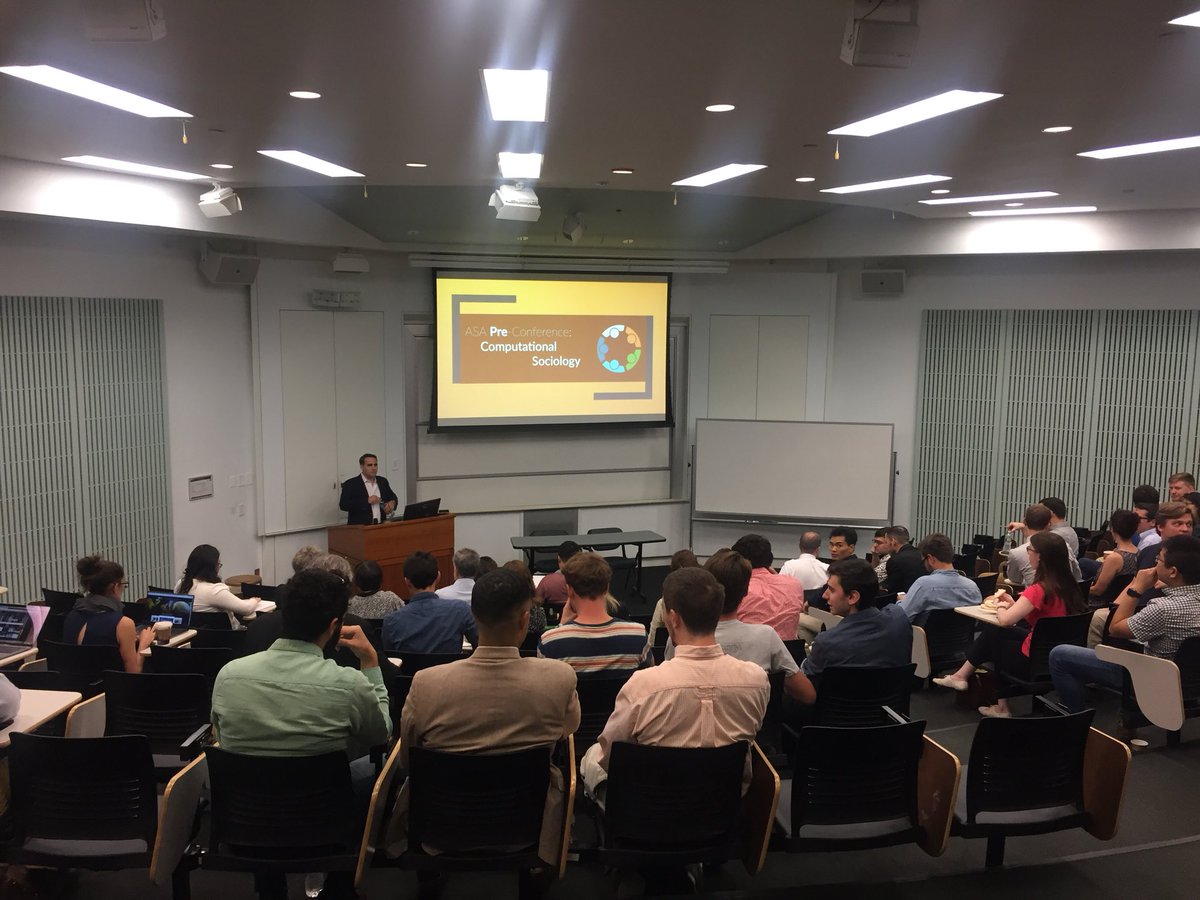
Session 3 of the computational sociology preconference starts now! First up is Arnout van de Rijt, Professor of Sociology at Utrecht University. He’s discussing the Matthew Effect. #ASA18