Commercial Sustainability Lead at The Mosaic Company. A practical Agronomist applying my knowledge of Precision Ag to Soil Health. All views are my own.
Account Manager, Terry Buettner is frequently asked about when to sample soils for microbial populations and activity. See how he answers in this month's featured blog!
https://t.co/YZxsDpZgj1
@biofuelslaw Blenders get nothing, and the kids old rules for SAF are done, so 3 only gets credit if they are also 1. Pipeline company can get 45q if they are also the sequestor. Ethanol producer gets 45z from CSA and energy efficiency of their production.
$0.50 run in soybeans this week would pay for about 1/2 of your ‘25 bean fert. Cutting your phosphorus rate in half doesn’t “save” you as much money & can put top end yields in jeopardy. Opportunity to capture this market run and use it to cover next year’s fertilizer inputs.
Mosaic was well represented at this week’s @Fertilizer_Inst Agronomy Conference and Expo! 🌱 @NEsoilguy discussed how to bring sustainability into business, @TABeyrer shared information about sulfur and its sources and @focht25 sat on a #regernativeag panel. 👏
Channeling my inner Dr. Ray as I look at soil health and crop nutrition plots across Illinois & Wisconsin this week. If I ever get to the point I know half of what he knows about soil, I’ll consider it a career well spent.
Adequate moisture late in the growing season improves nutrient uptake which increases test weight and nutrient concentration in the grain. Hear more from Taylor Purucker, a Mosaic Crop Nutrition Lead.
#Harvest23
37% of all #soybeans in #Kansas are dropping leaves, ahead of 25% from last year and the 19% average. Weather conditions expected for the rest of September are critical for soybeans related to seed filling and determining final seed weight. Read more here: https://t.co/5f6IHy6zy3
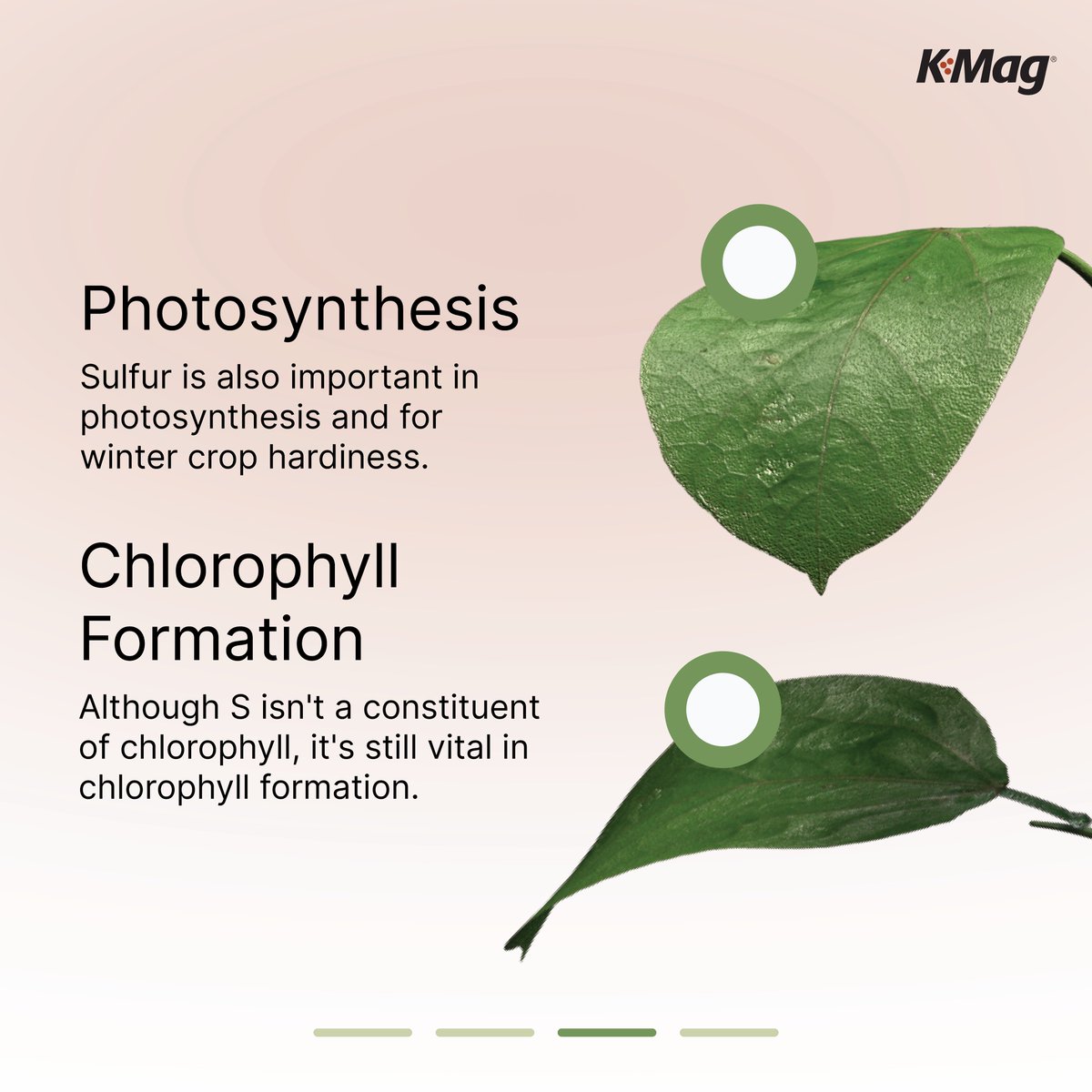
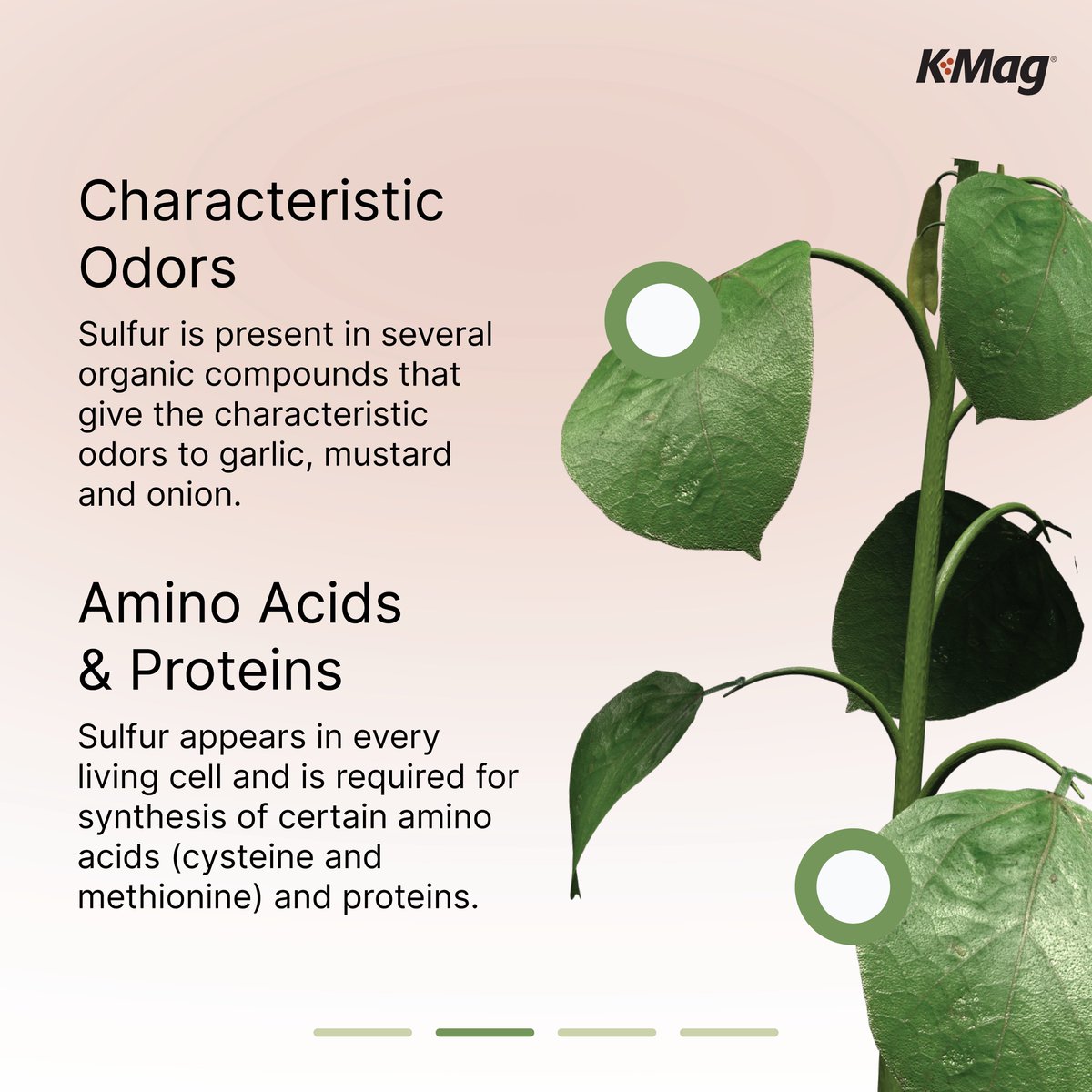
Sulfur deficiency in crops has become more common over time as less S is being deposited into the ground, and the nutrient is easily removed from soil. Discover why K-Mag® beats MOP for your sensitive crops. https://t.co/SQ96Xe1DUf
In this article, read about how growing multiple crops in creative sequences lets no-till and cover crops work in unison, especially in the cold climate of northern Minnesota.
#bestoftheweb is brought to you by @DirectEntInc
https://t.co/48Iif3QqnX
New opportunity to get paid for carbon sequestration for some legacy cover crop users. So many new options emerging for farmers to find ways to partially or wholly finance sustainability investments into their operations.
We're proud to announce our newest #carboncropping practice addition that opens the door for legacy #covercrop growers to participate in the #carbonmarket with Agoro Carbon Alliance for the first time!
Full press release here: https://t.co/qmFryHc9DB
Dry in Nebraska. See how Keith Byerly, Commercial Sustainability Lead for North America, takes a look at how conditions are impacting soybeans in Nebraska.
#CropWatch agronomy trials showcase products and practices that increase yield & profitability in your own backyard.
Here we have MicroEssentials SZ applied at 50 & 100 lb/ac in the side-band.
📍Saskatoon, SK
@SoilLorax@UMNExt My thoughts are that living roots can't be beat, but... I don't think that 40lbs/acre is the answer either. Cut the rate of rye back to 17lbs or less, or maybe even 12 and add a little brassica seed.