@SmartJacques@ProfSmudge Think there might also be something specific to overlaps that make this panic-inducing. Obvs can't speak for the pupils, but I often see the overlaps before anything else and get this queasy feeling that I am being tricked... you seem to be told both more and less than you need
@geoffwake1 @donaldson_maths @LearningMaths@MichaelOllerton Yes... that's helpful... guess my gut is only responding to a specific idea of reasoning looked at in one layer, rather than in layers of meaning. Thanks - this has been helpful to think about.
@geoffwake1@LearningMaths@MichaelOllerton Absolutely, nuanced, yes... I guess I'm wondering what those nuances feel like when you're thinking them. Is it intuition: ah this just feels linear, (cf some vertiginous sense of exponential growth?) Or is it, ah yes, I recognise this pattern of processes will be fruitful.
@LearningMaths@MichaelOllerton@geoffwake1 But... are these reasonings just, well, reasoning? No different from 'additive' or any other numerical reasoning, even perhaps geometrical? Or, is there some kind of physical intuition underpinning GR that's not required in numerical? Is it a different experience?
@LearningMaths@MichaelOllerton ... 'oh now I just recognise that I need to use a certain operation', potentially from use of a certain subset of iconic representations? You hear the phrase 'multiplicative thinking' too, which suggests I am thinking in a certain way... but am I actually?
@LearningMaths@MichaelOllerton What bothers/confuses/intrigues me is the 'reasoning' part... are we talking about some qualitatively different experience... is there a different feeling or set of mental experiences when I reason 'multiplicatively' or does that not really mean anything at all other than ... 1/2
@ProfSmudge@AlisonHopperMEI Very interesting - so this nicely separates the situation from the mathsy-numbery-operation stuff? A little like 'find the difference' which is a thing you want to find out about a situation, and 'subtraction' a binary operation which provides a numerical solution?
@ProfSmudge Indeed. Also... it's sort of weirdly additive. 3 divided by 7, you say? Start with 3, get 4 more, now you have 3 of 7. Not 100% sold on this... just was thinking about your question. My guess is if we over-construct 'how' we want students to think about it, we close some doors???
@ProfSmudge Interesting to ponder how much scaffolded sequences might get in the way of this... What about contents of 3 full jugs poured [shared] into 7 empty jugs. 3 of 7 now full? Or 3 litre poured into 7 litre.
@BukayoSaka87 As a father I am so proud that my children have role models like you and the other outstanding talents of the @England team. You have nothing to apologise for. Thanks for the joy you gave us all this summer. Win and Lose together. Stand against hate together
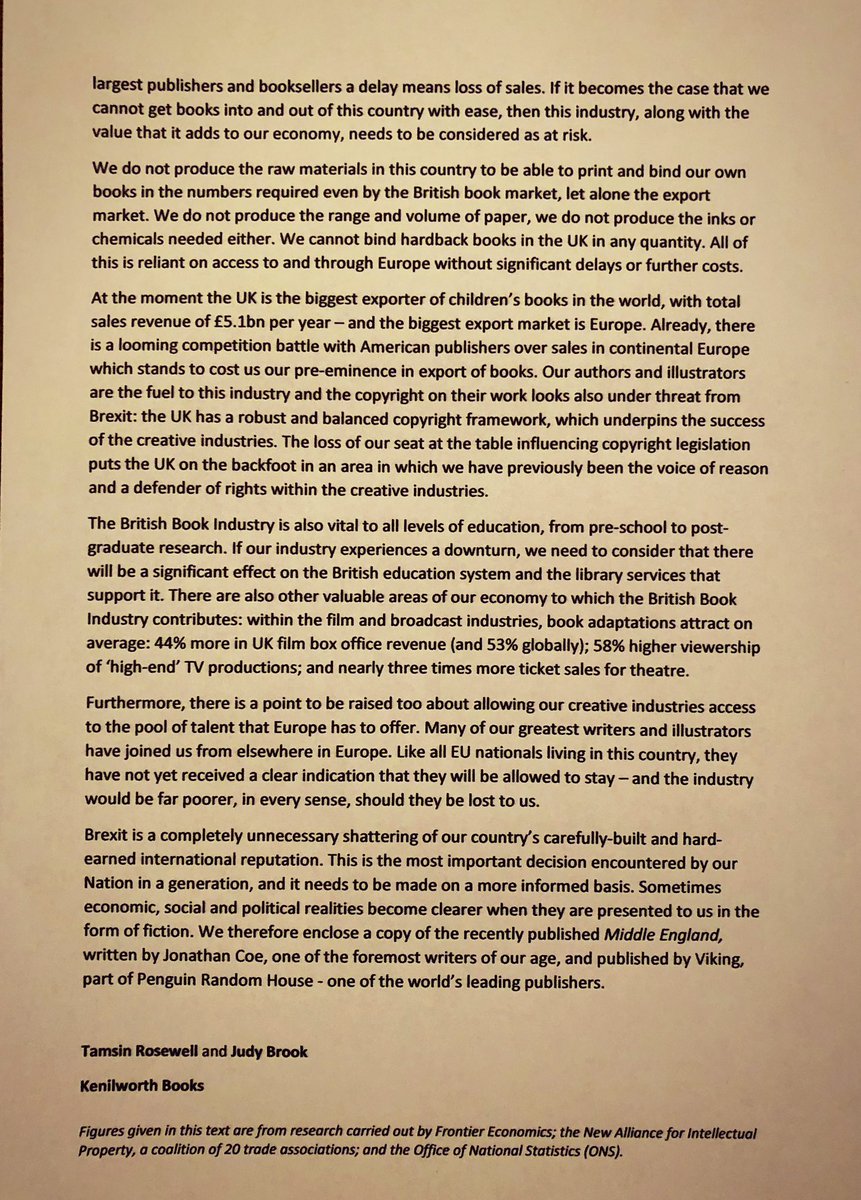
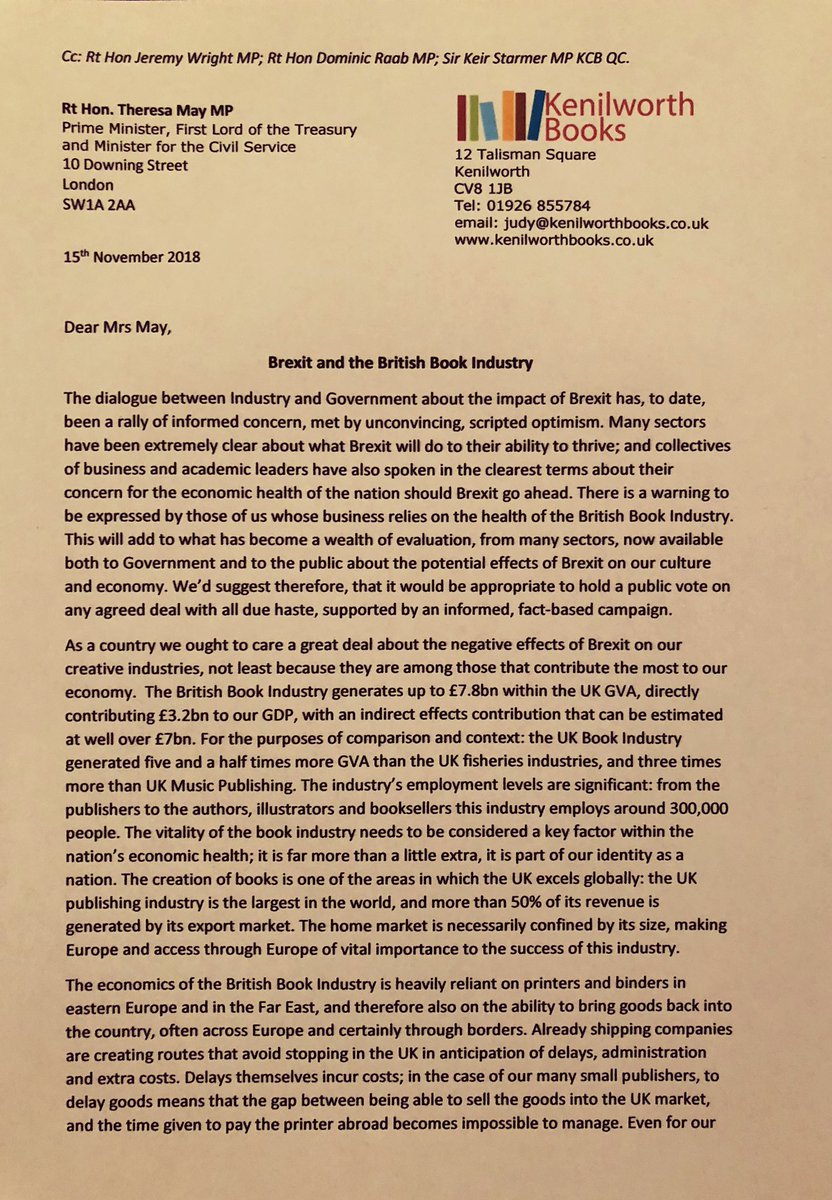
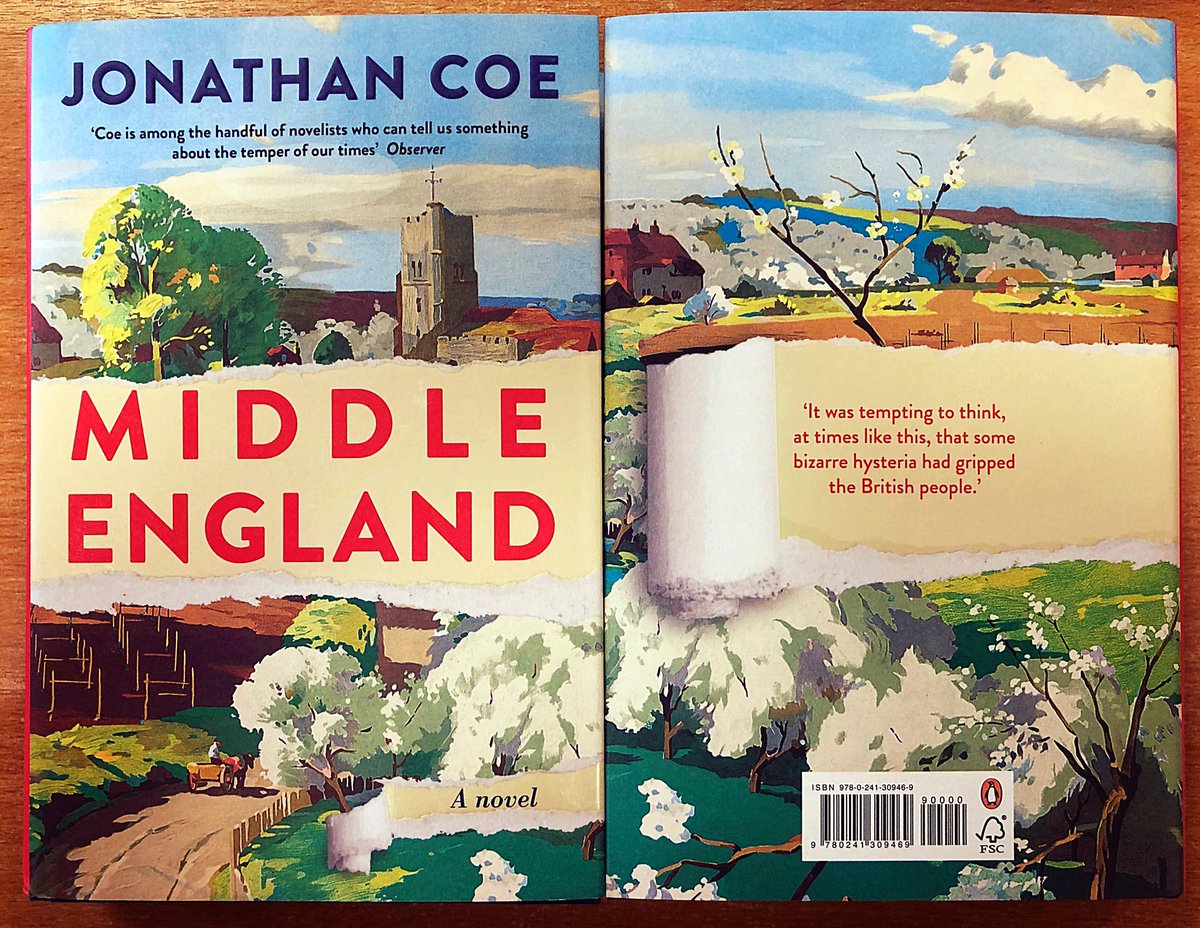
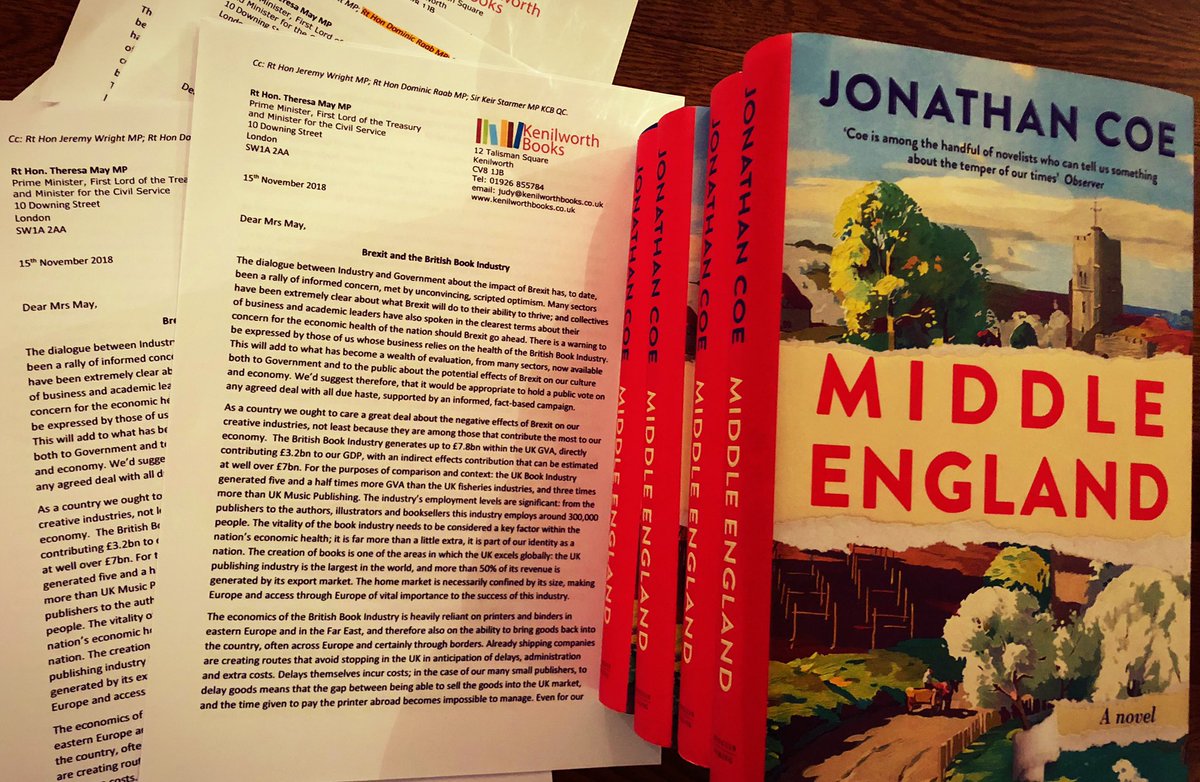
The British Book Industry generates up to £7.8bn within UK GVA - that is (for comparison) 5 times that of the fisheries industries. Here’s our letter to the Prime Minister, sent with a copy of Middle England, by @jonathancoe, to say how #Brexit will effect books. @PenguinUKBooks
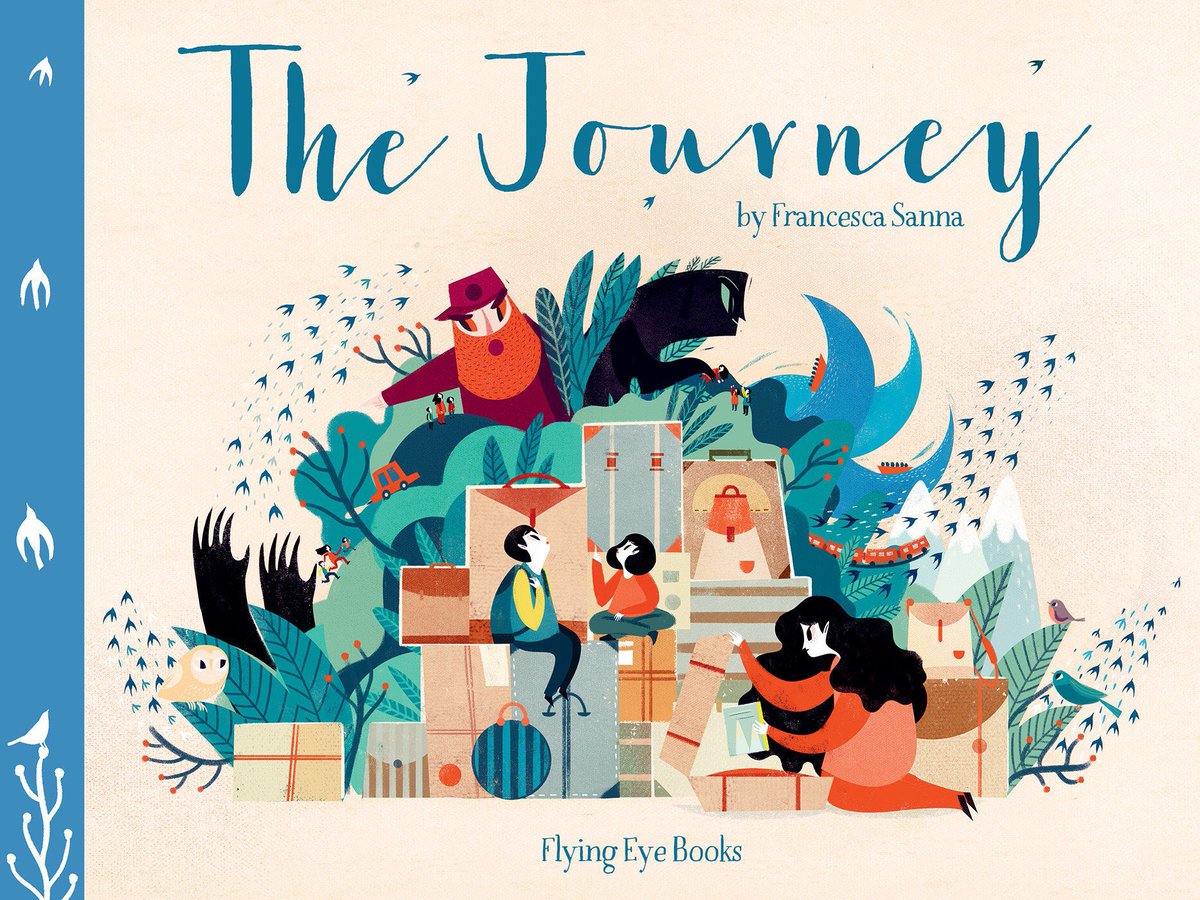
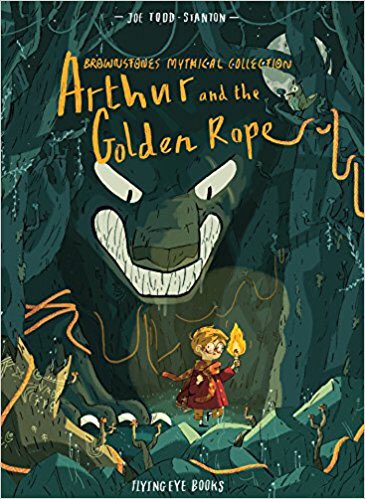
So Twitter I need a hand...If you could put three picturebooks in every primary school what would they be ?
#ThreeBooks
*I’ve been asked to do this for a group of schools in Scarborough.
It’s a bit daunting.
@colourblindorg Do you really think you can claim 'this is a common attitude from teachers'? . 'Common' suggests, what.. most, many, some, over half? As a colour blind teacher, my experience is that the VAST MAJORITY of teachers try very hard and openly to meet the learning needs of their class.
@helenjwc @oliver_daddow @colourblindorg … Just as "I like x even though y" DOES NOT imply "All/Most people who experience y will like x".
The resource deserves a deeper thought process than that
@helenjwc @oliver_daddow @colourblindorg … "I know I wouldn't have liked x because of y", DOES NOT imply "All people who experience y would also not like x", nor even "Most..."