NMJ Research Conference organised for ECRs by NMJ enthusiasts @ines_boehm @Abrar_103 @lauren_the_fish @Abdulla45778122.
October 5-7th, 2-5PM BST #NMJRC2021
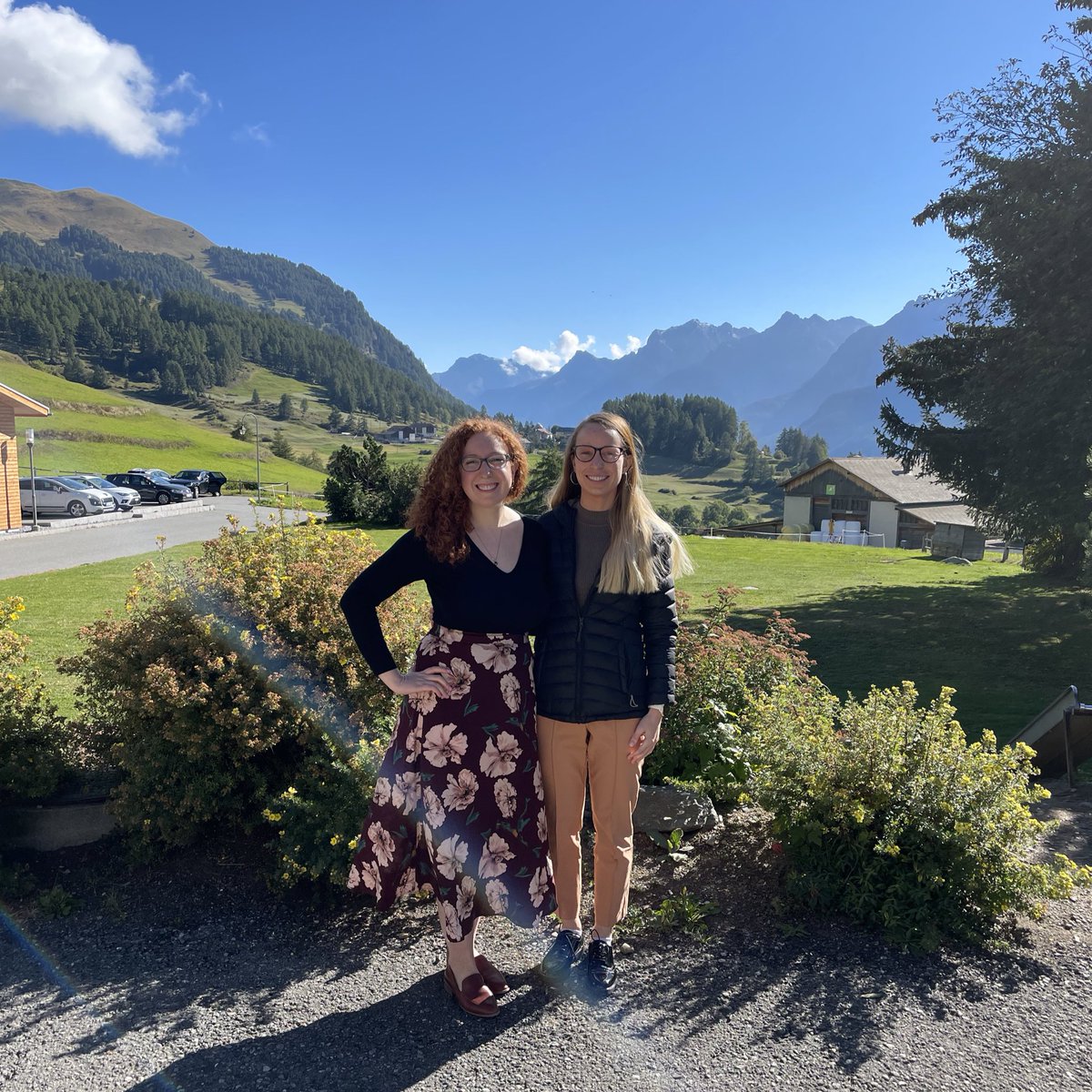
Finally got to hang out with @ines_boehm in person last week in Guarda! We were at an unforgettable NMJ-focused meeting. It was awesome to finally match faces to names and meet the people whose work I’ve been learning from throughout my PhD!
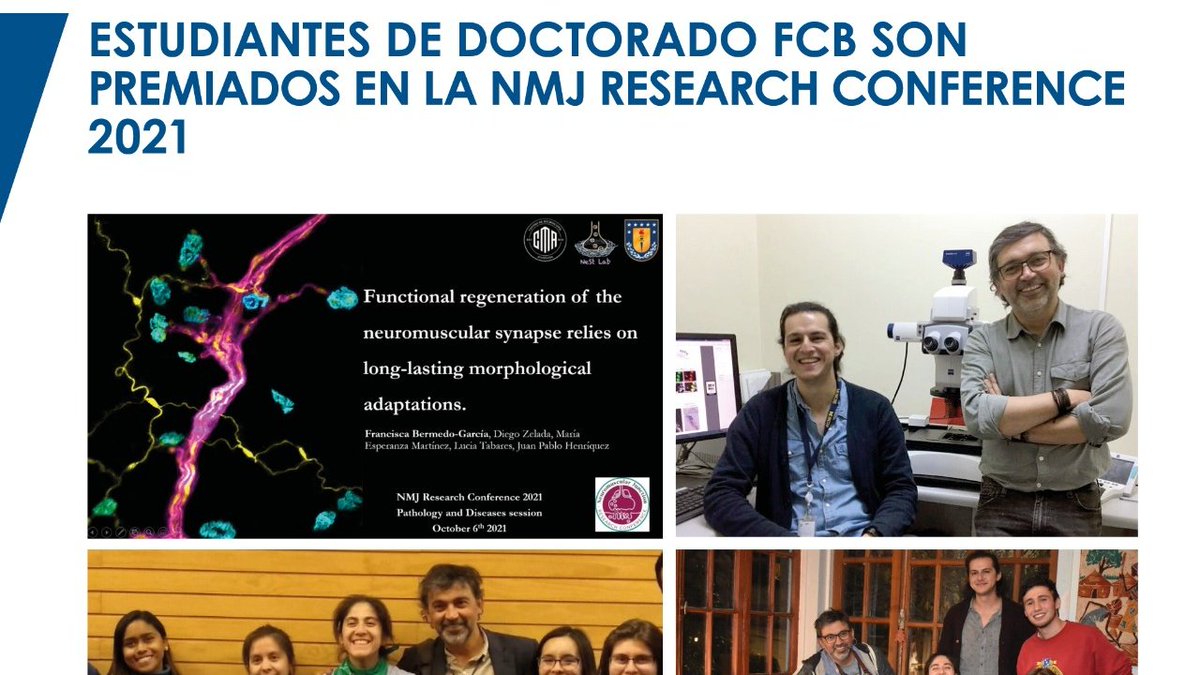
En la reciente @NMJConference 2021 —que reunió a investigadores dedicados a la sinapsis muscular— Francisca Bermedo fue galardonada con el premio de la audiencia, mientras que Diego Zelada fue premiado por el comité organizador y un jurado externo.🥇🥇
https://t.co/cZ32iw2WWQ
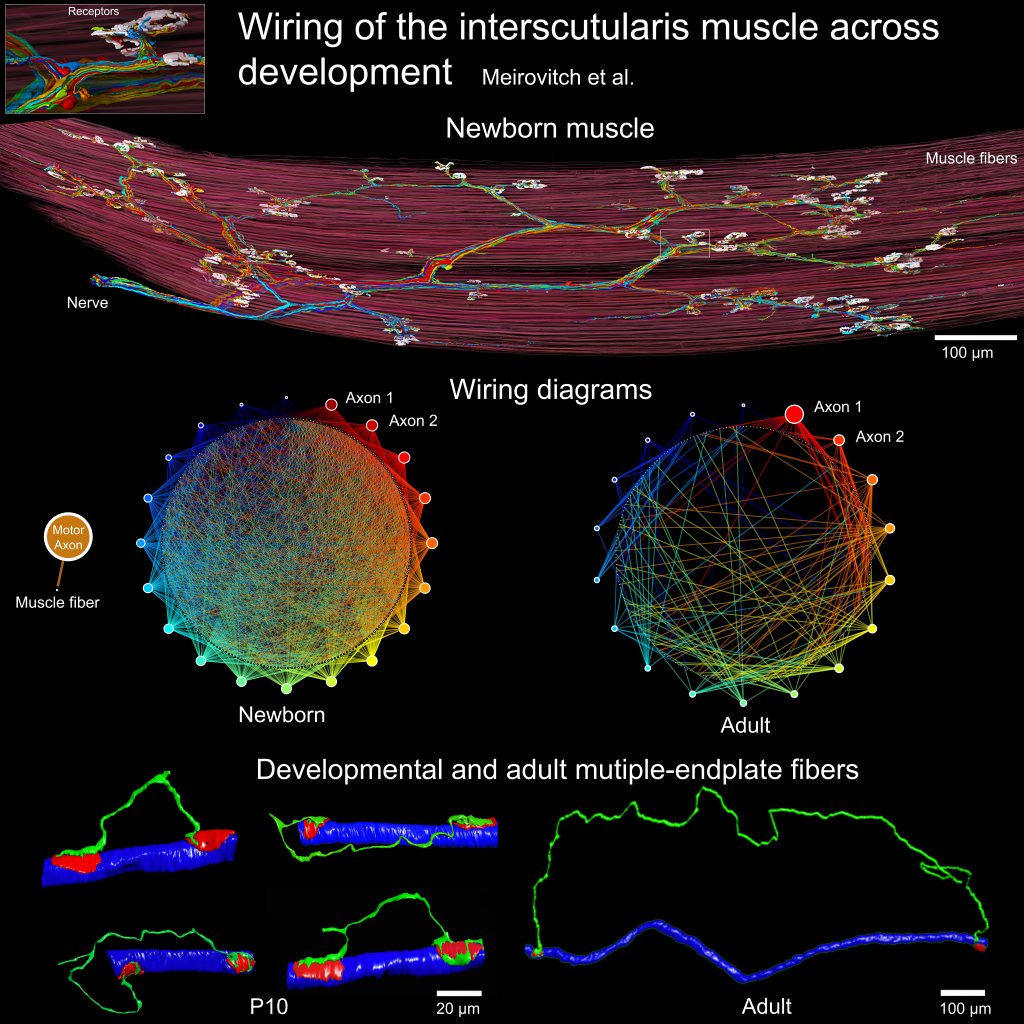
One day, at the #LichtmanLab, as I mapped the connections between neurons and #myofibers, I found a muscle fiber with 2 #endplates. This discovery was very exciting because it gave rise to new questions but also opened a door with new possibilities of analysis to answer them.
great talk to close a wonderful meeting!
congrats to the organizers, and we are very grateful of the opportunity to share our work at the NMJ.
really looking forward for future versions in the near future!
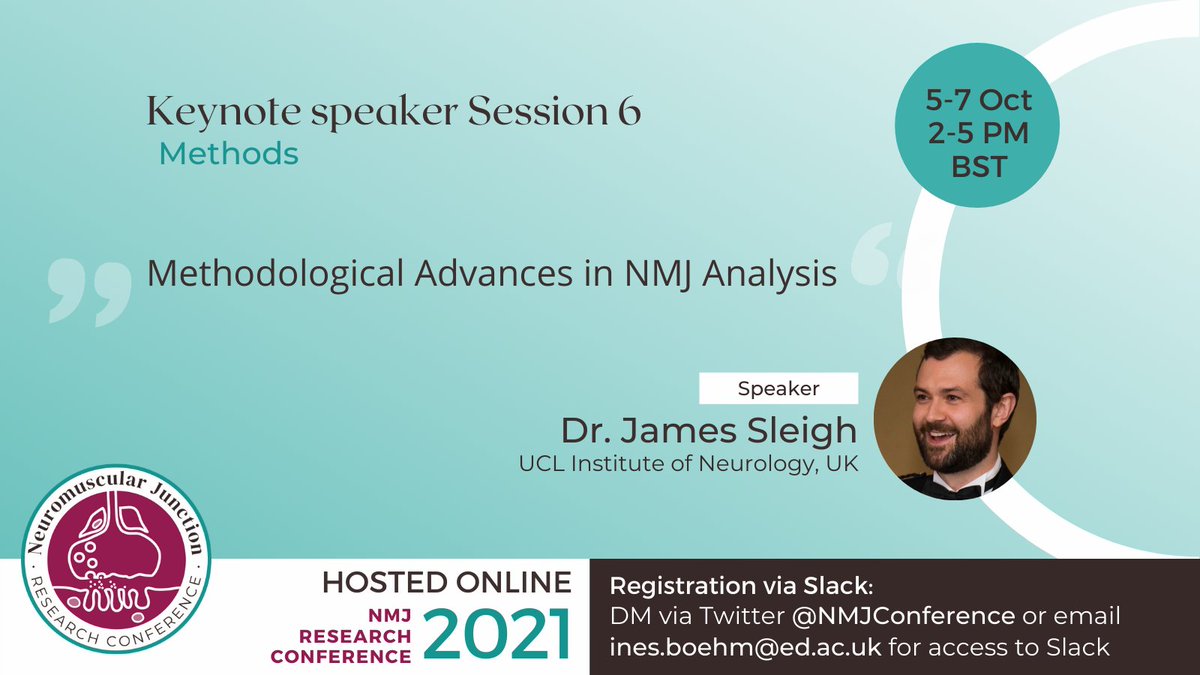
Great closing talk by @J_N_Slayer diving into the history of NMJ research and discussing methodological advancements in analysis of NMJ morphology, including their fantastic approach to analyse axonal transport.
Our last Keynote speaker of #NMJRC2021 for Session 6 will be @J_N_Slayer from @UCLIoN who will talk about methodological advances in NMJ analysis – an important topic when studying the NMJ ⬇️
🗓 Thursday 7th October
⏲ 2-5pm BST
📍 Zoom (details via Slack)
The last talk of the Animal/in vitro models of the NMJ & comparative studies session was held by @stephenhollan11 from the @LochmullerLab presenting their work on the development and characterisation of GFPT1-deficient models to allow modelling of congenital myasthenic syndrome.
@Abrar_103 from @GillingwaterLab gave insight into significant morphological differences between human and mouse terminal Schwann cells which might have implications on how we translate knowledge from disease models to us humans.
@_Pauline_Duc_ (@rage_florence lab) is giving insight on how they constructed human neuromuscular junctions on microfluidic chambers which were coupled with custom Micro Electrode Arrays (MEA).
Fascinating talk by @ofvila presenting bioengineered optogenetic models of human iPSC derived material, showing the ability to model effects on NMJ function of for example myasthenia gravis.
Another one for the diary: Keynote speaker of #NMJRC2021 Session 5 will be @ofvila from @GladstoneInst @UCSF_BioE who will share insights into bioengineered optogenetic models of NMJs ⬇️
🗓 Thursday 7th October
⏲ 2-5pm BST
📍 Zoom (details via Slack)
Teresa De Cicco from Tomasz Prószynskí's lab gave the last talk of the Development and Ageing session today explaining the role of Cap2 in the organisation of NMJ morphology. Cap2-mutant mice show disorganised nerve terminals and more fragmented NMJs. 👏
@YaronMeirovitch started our last afternoon elaborating on his research on the origin of the size principle, which is upheld at birth and in adulthood. He shows that innervation patterns are shaped by pre-synaptic activity!
I’m really excited to give my first external talk! Early days in my PhD but I’m happy to share my recent advancements on my project! Big day tomorrow!! #NMJRC2021#LetsGo
🔔🔔We have a post-conference social planned🔔🔔
📅 7th Oct, 17:30 BST (tomorrow)
📌 NMJ-themed virtual Escape Room
Bring along snacks, drinks and your colleagues and meet your fellow NMJ-researchers. Register your interest to participate here: https://t.co/wRhJQ8yDdP
Dr. Sandra Fuertes-Alvarez from Dr Ander Izeta's lab is giving a fantastic talk on characterisation of novel markers for terminal Schwann cells and Kranocytes to help characterise the microenvironment surrounding the NMJ, as well as study of its vascularisation.
Dr. Daniel Ham (@RueggLab) as our keynote of the development and ageing session is explaining how mTORC1, normally involved in muscle growth and health, plays an important role in sarcopenia as high mTORC1 activity has shown to destabilise NMJs through denervation.
Keynote speaker of #NMJRC2021 Session 4 will be Daniel Ham from @RueggLab@biozentrum who will share his expertise on mTORC1 involvement on NMJ stability during ageing ⬇️
📅 Wednesday 6th October
⏲ 2-5pm BST
📍Zoom (details via Slack)
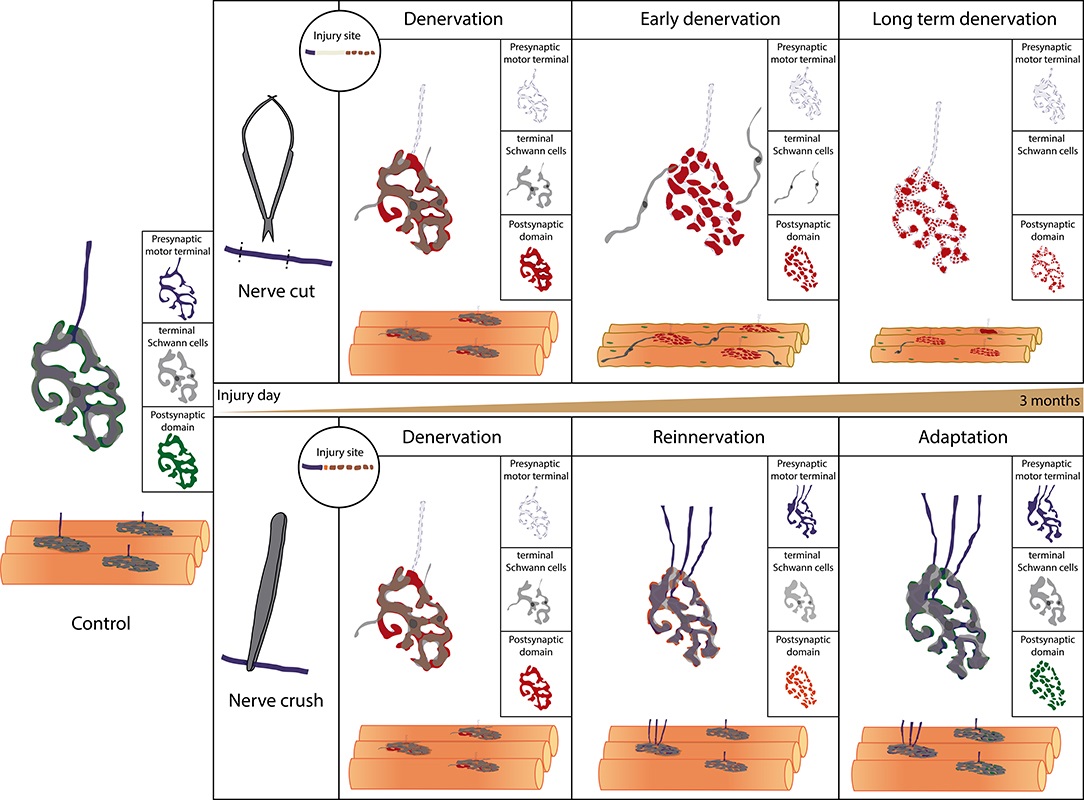
Francisca Bermedo-García (@JP_Henriquez_H lab) gave beautiful insight into 2 models: regenerative (via nerve-crush) and degenerative (via nerve-cut), suggesting that synaptic transmission is conserved during regenerative models, but lost in degenerative models.