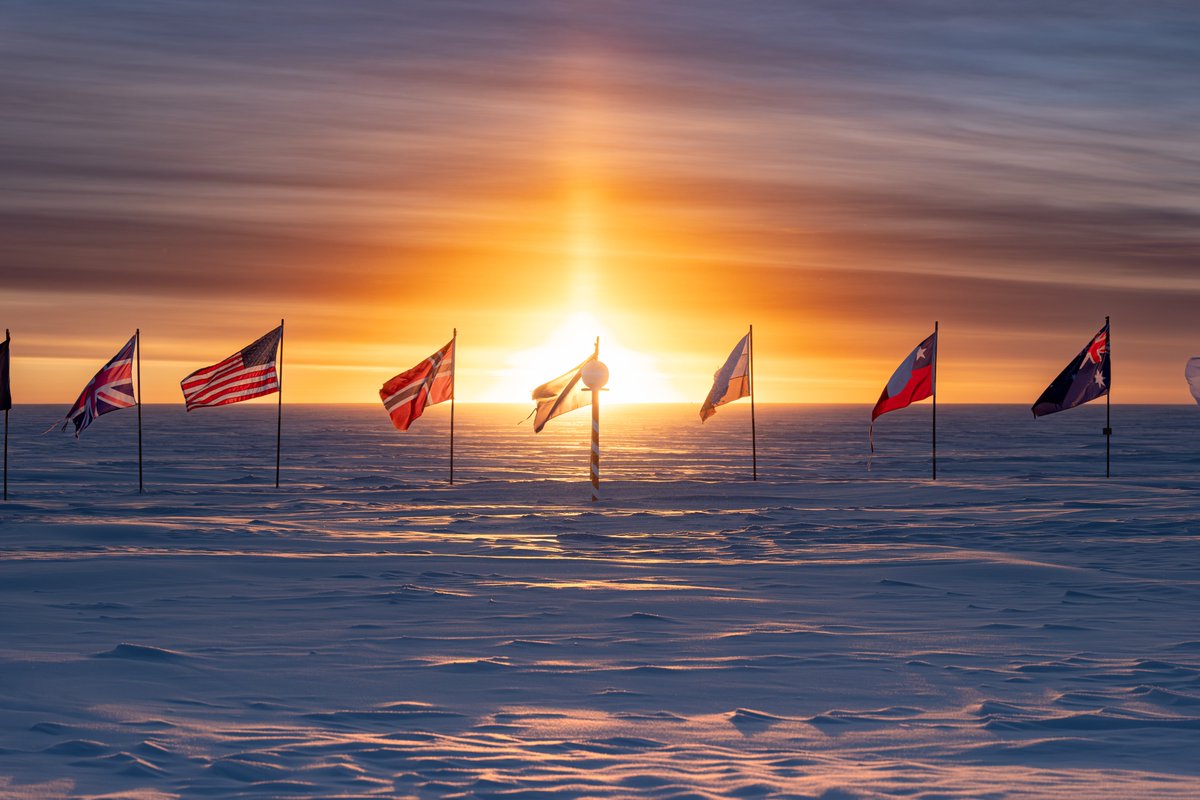
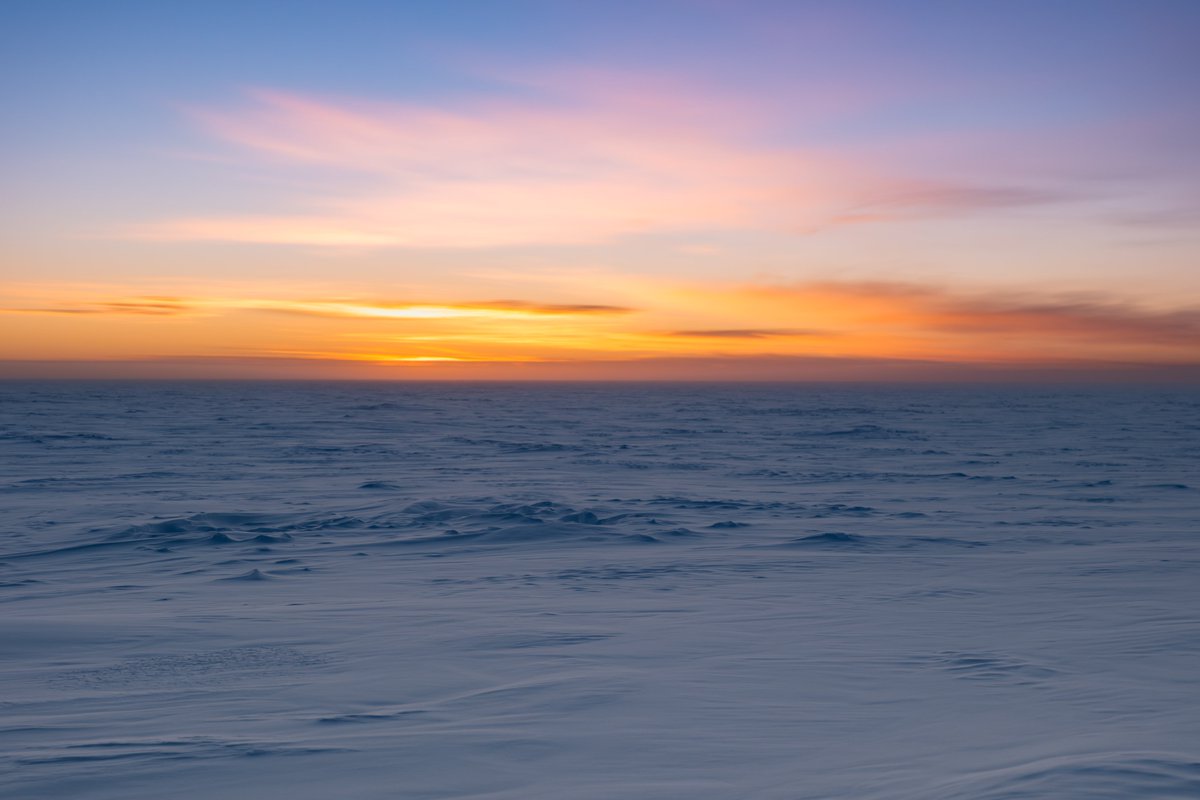
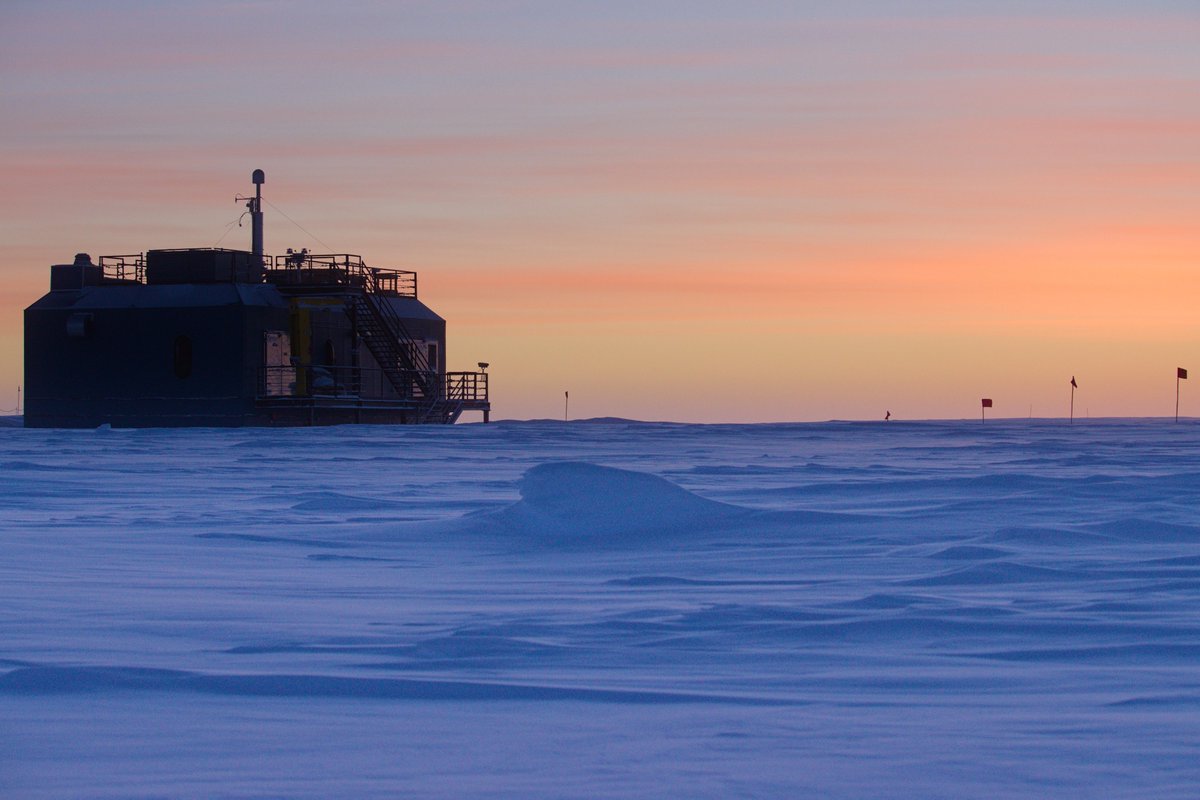
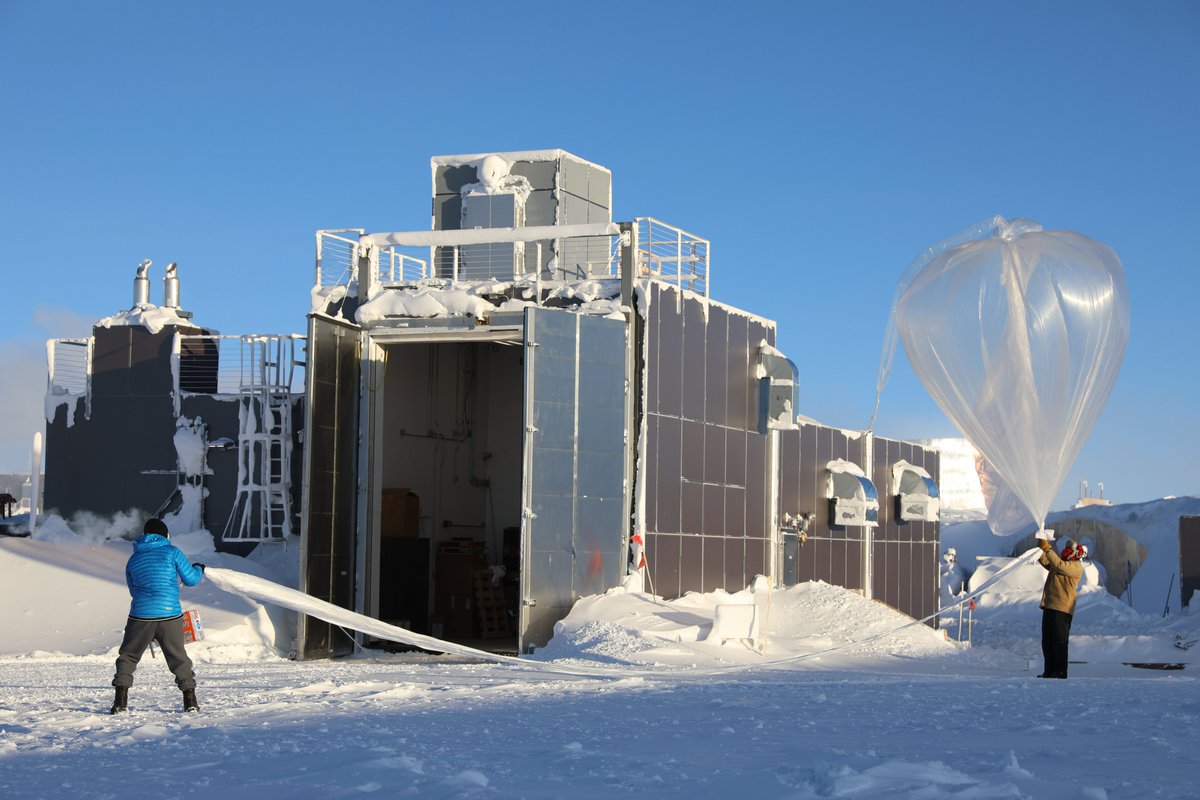
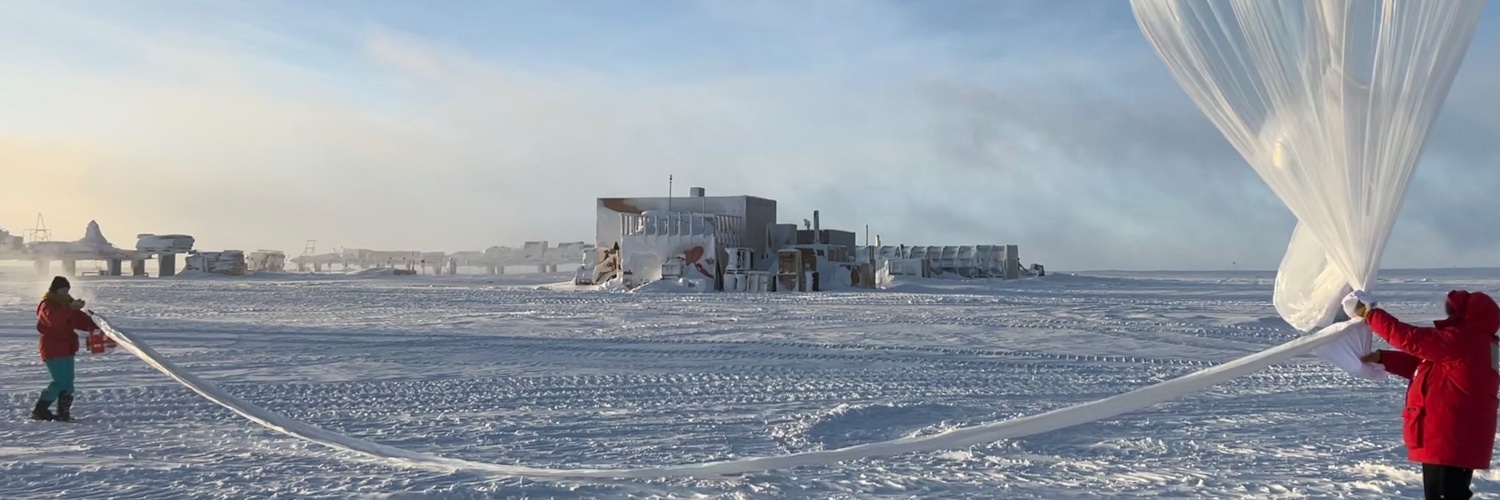
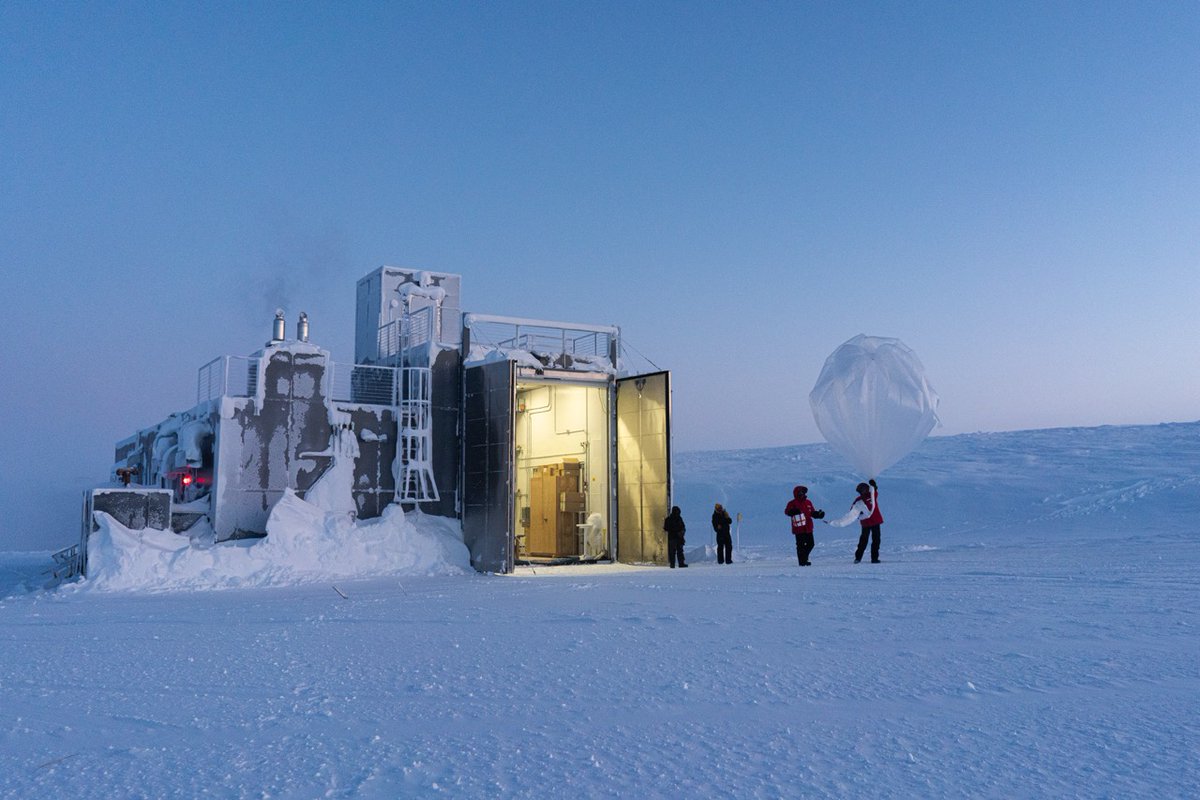
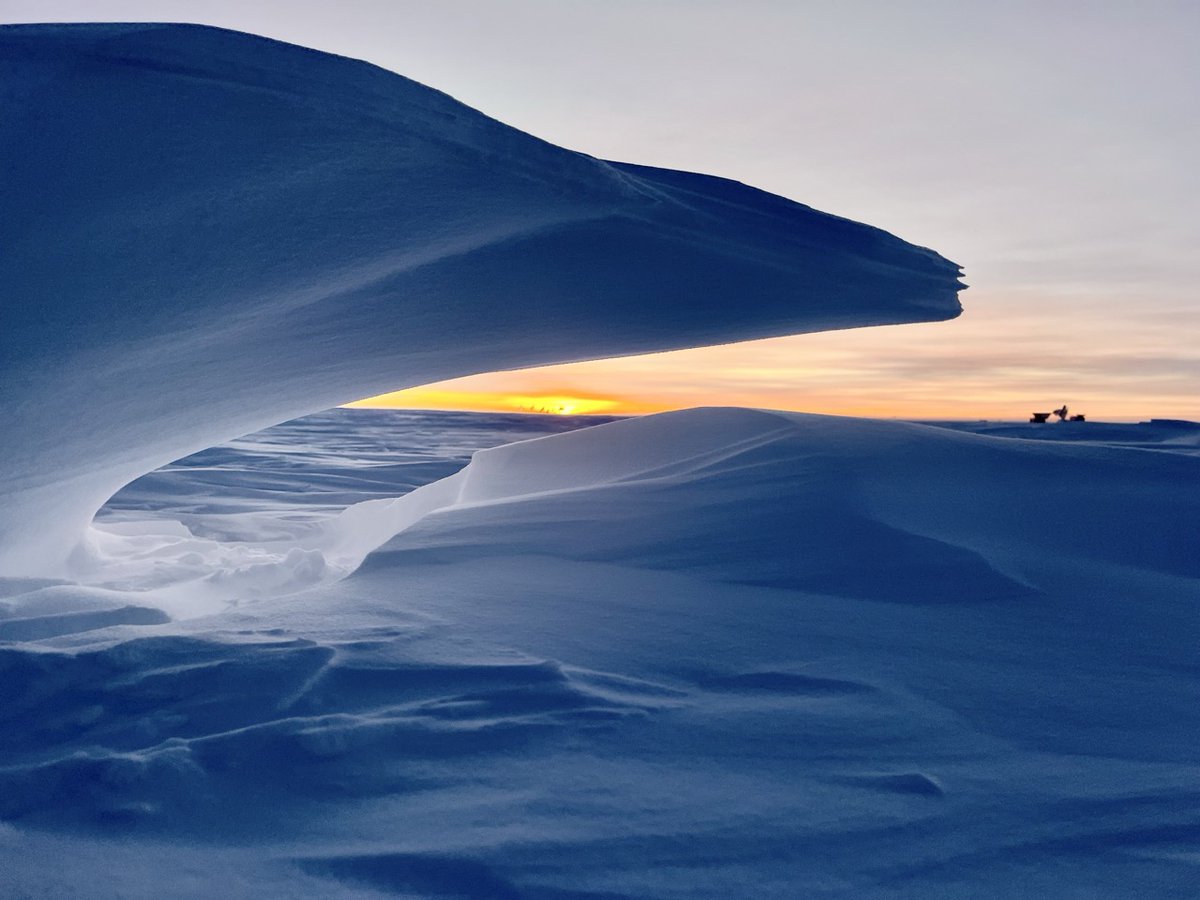
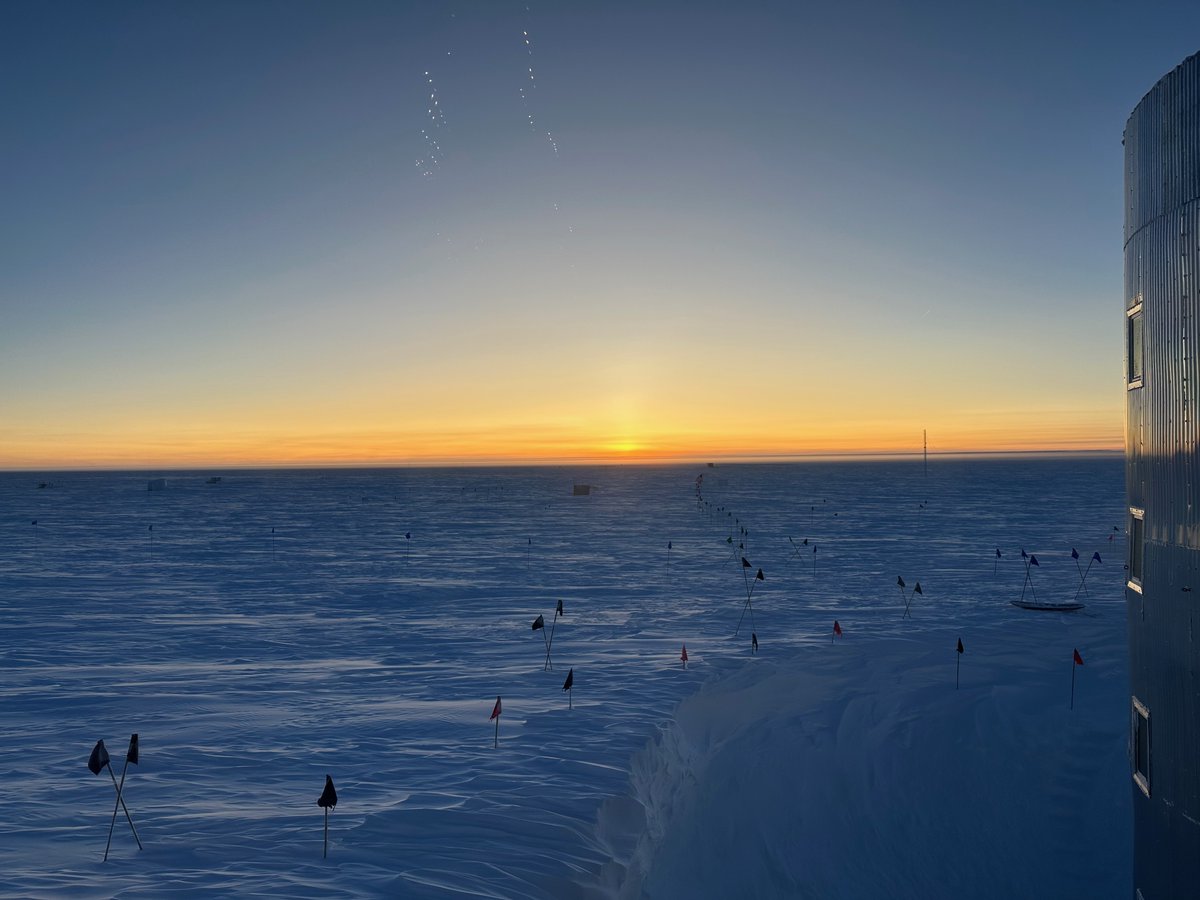
Check out these stunning views captured by @NOAA’s South Pole researchers as they said goodbye to the sun for the season! 👋🌅
#DYK South Pole staff experience just 1 sunrise & sunset per year?!
Learn more about @noaagml South Pole research: https://t.co/y1rIbOOD4F
The Global Monitoring Laboratory is hiring a Physical Scientist in Boulder, CO to assist with project management and #datamgmt; instrumentation and system support; and to coordinate with lab leadership to execute mission objectives.
For more information: https://t.co/k3umIEMlLy
Scientists with NOAA and NASA have ranked this year’s ozone hole over the Antarctic as the fifth smallest since 1992—the year the Montreal Protocol, a landmark international agreement to phase out ozone-depleting chemicals began to take effect.
https://t.co/JxT9xgVKs8
The U.S. Government is closed & this account will not be updated.
@NOAA websites & social media necessary to protect lives & property WILL be maintained.
For critical weather information from NOAA's @NWS, please visit https://t.co/cxK3K7GXz3
Learn more: https://t.co/p06WMIsGEM
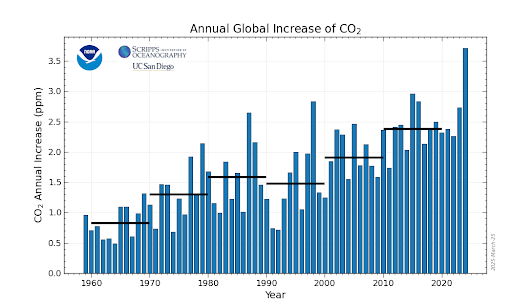
The global average surface concentration of carbon dioxide (CO2) for 2024 was 422.7 ppm, according to a NOAA analysis.
During 2024, CO2 concentrations grew by 3.7 ppm. Methane and nitrous oxide also grew, but not as quickly.
See: https://t.co/DqJ0kH2iSd for more.
On March 20, staff at NOAA's South Pole Observatory saw their last ray of sun for 6 months.
See our "last light" photo feature to learn about NOAA's research in the South Pole.
https://t.co/lWskJJ2ILE
@NOAAResearch
PLEASE NOTE: Websites hosted by NOAA's Global Monitoring Laboratory, Global Systems Laboratory, Chemical Sciences Laboratory & Physical Sciences Laboratory will be offline Feb. 5 for scheduled maintenance.
Arctic air plunges across the Rockies and Great Plains Friday, crossing the Deep South and Great Lakes Saturday night, and the Eastern Seaboard on Sunday bringing dangerously cold wind chill temperatures. Brief and intense bursts of snow and gusty winds in snow squalls could lead to reduced visibility and deteriorating road conditions across the northern Plains into the Rockies through Friday.
During a fall tour at NOAA Boulder, students gathered around a new touch screen interactive kiosk to explore the Global Monitoring Laboratory. Through hands-on activities and vibrant visuals, they learned about greenhouse gases and climate science in an engaging way.
Take a look at our favorite photos from 2024! These images, submitted by the NOAA Education community, highlight program successes and challenges while honoring the dedication of teachers, educators, and NOAA staff across the country. https://t.co/r9gW7V2IK1
@NOAA
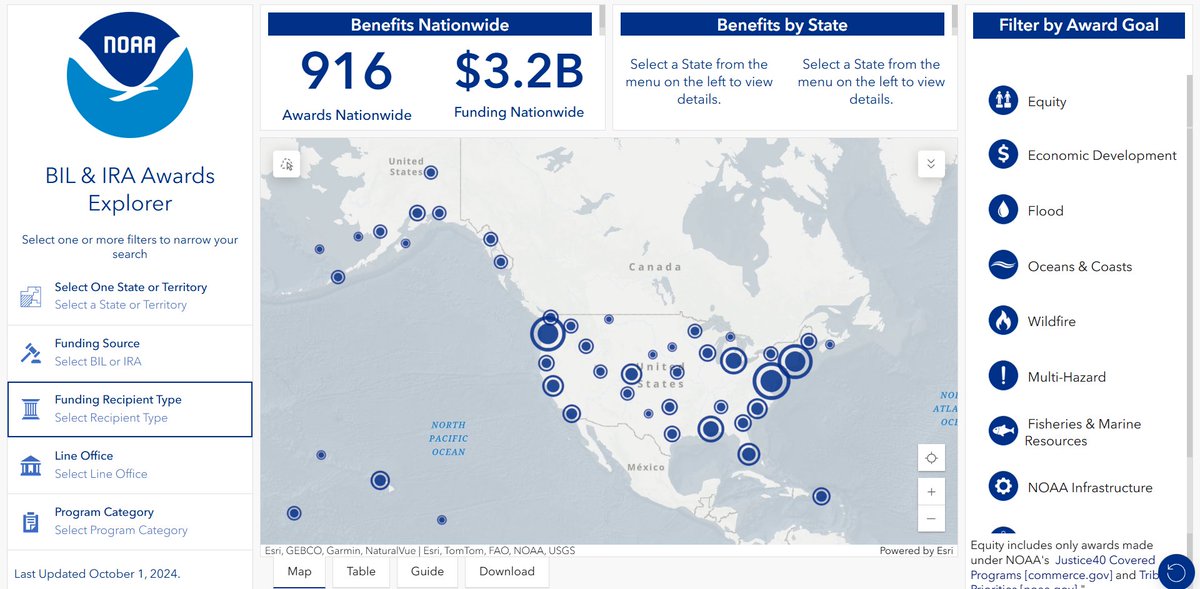
JUST RELEASED: Our new interactive, map-based data tool enables users to find more than 900 projects totaling $3.2B in investments funded by the #BipartisanInfrastructureLaw and #InflationReductionAct.
Delve into the data:
https://t.co/4392yQQGPM
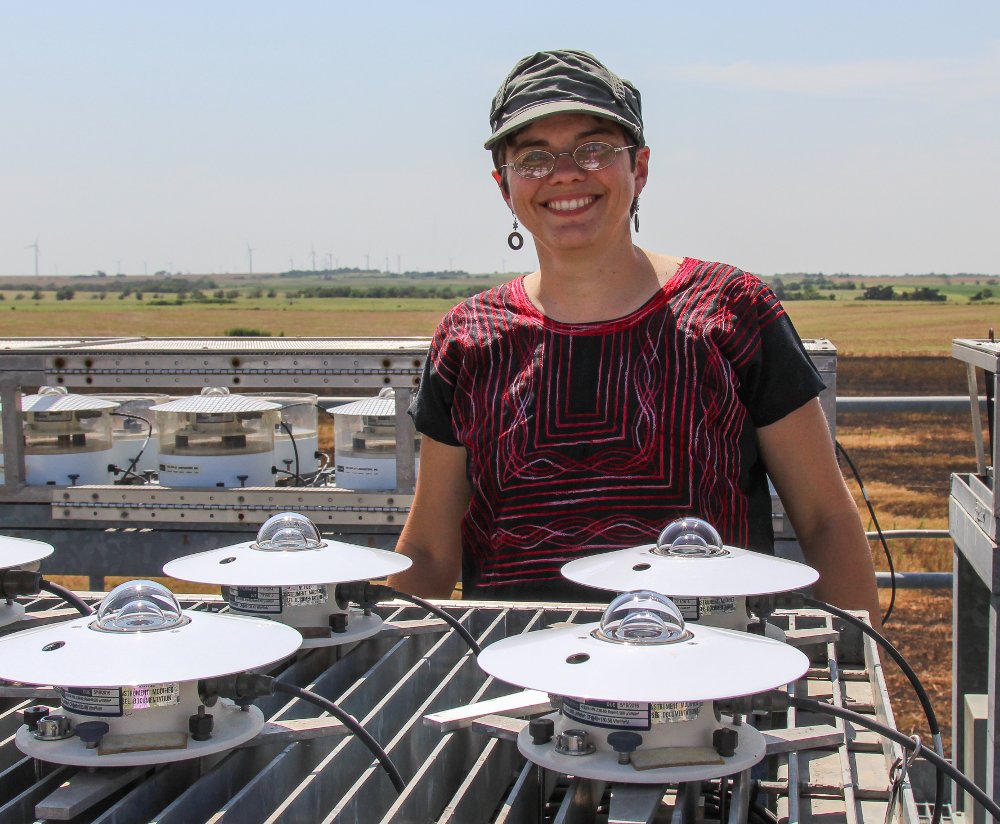
GML’s Laura Riihimaki has been appointed Project Manager of the Baseline Surface Radiation Network (reporting to @GEWEX_WCRP), leading international efforts to make long-term, high-quality surface radiation budget measurements. Congrats!
https://t.co/lJIJWY8LQ8
Over the past 4 years, NOAA has introduced new innovations on air, land & sea to protect people, property & livelihoods across the nation.
Explore NOAA's science, service & stewardship in action in our new report:
https://t.co/K7W8BNotJY
During the peak of ozone depletion season from Sep 7-Oct 13, the 2024 area of the ozone hole ranked the 7th-smallest since recovery began in 1992.
The hole reached its greatest 1-day extent for the year on Sep 28 at 8.5M square mi.
Read more: https://t.co/KuNmXekpeP
The sun is finally back in the South Pole🌞!
This sunrise marked the start of spring in the Southern Hemisphere after six months of darkness for staff at @NOAA's South Pole Observatory.
Learn more here: https://t.co/LYGEI4sQHG
September 20 was a special day for the team at NOAA's South Pole Observatory: after 6 months of darkness, “the sun is finally back.” GML's Krystian Kopka captured the moment. https://t.co/qoYsbIB48f
GML staff at the South Pole Observatory collected this ozone profile on September 15—and they say we’ve entered the primary ozone depletion period! Read their latest update and check out the annual climatology cycle from the South Pole.
https://t.co/Pm2QjJaAYd
Besides greenhouse gasses, U.S. oil and natural gas production emits ethane. A new study indicates that ethane emission levels are about three times higher than the EPA’s estimates. https://t.co/Cf3Tzm5DhZ
The global climate summary for Aug 2024 is in. @NOAA confirms 15-consecutive months of record-setting global temperatures. According to @NOAANCEI Global Annual Temp Outlook, there is a 97% chance that 2024 will rank as the warmest year on record.
More: https://t.co/8r7w38Xle6