🌍 Κλιματικό Δελτίο Απριλίου 2026 | Copernicus C3S
Απρίλιος 2026: O 3ος θερμότερος Απρίλιος παγκοσμίως
Θερμοκρασία επιφάνειας της θάλασσας: Σχεδόν σε επίπεδα-ρεκόρ.
👉 Διαβάστε περισσότερα στο ClimateHub: https://t.co/6w8rxRJ4Gb
#CopernicusClimate#C3S#ClimateBulletin
🚀 Η ομάδα NOA - ReACT στο 1o EarthCARE MAAP Hackathon 2026, που διοργανώθηκε από την @esa στις 20–24 Απριλίου στο ESA-ESRIN στο Frascati της Ιταλίας.
👉 Μάθετε περισσότερα:
https://t.co/VrYLflm1OS
@esa_earthcare
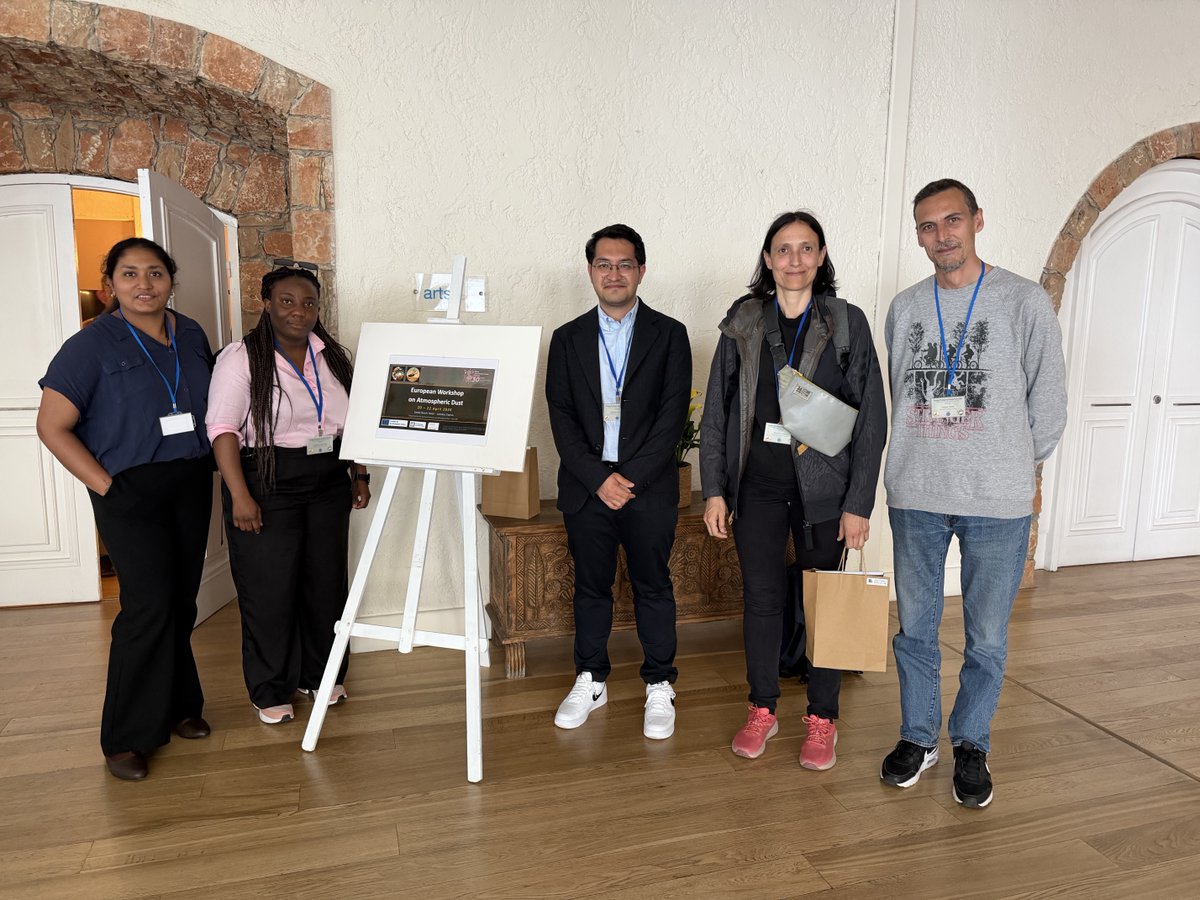
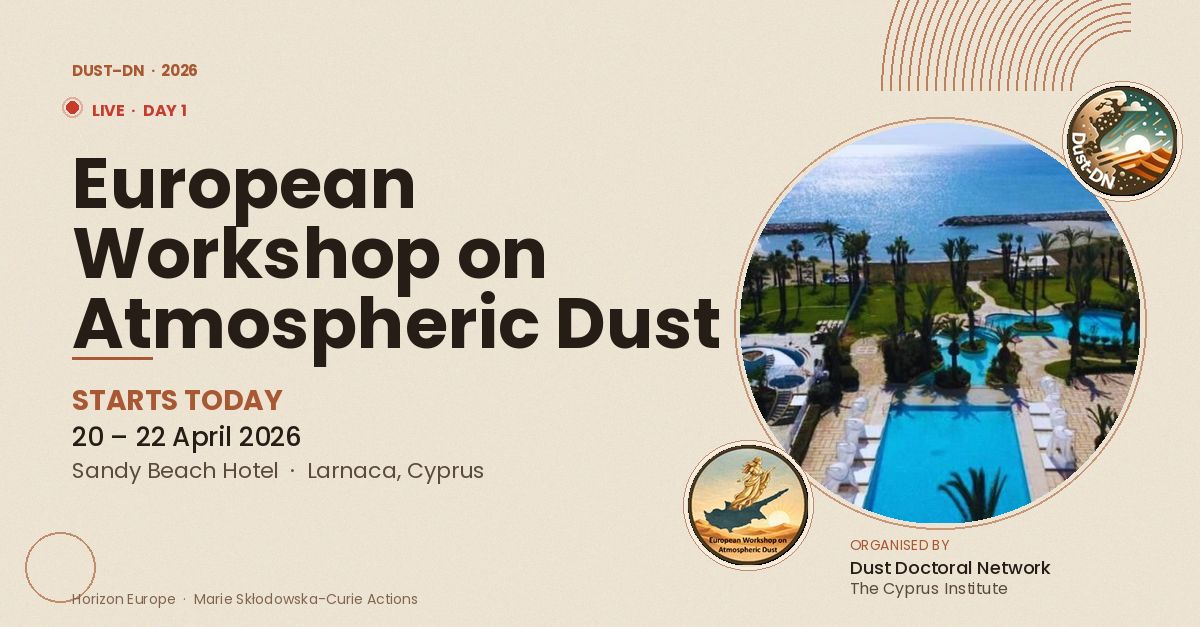
🌫️ Η ομάδα NOA - ReACT στο European Workshop on Atmospheric Dust 2026
👉 Μάθετε περισσότερα για το workshop και το έργο @Dust_Dn:
https://t.co/cG43rmMZu3
https://t.co/mtn0ak38Xr
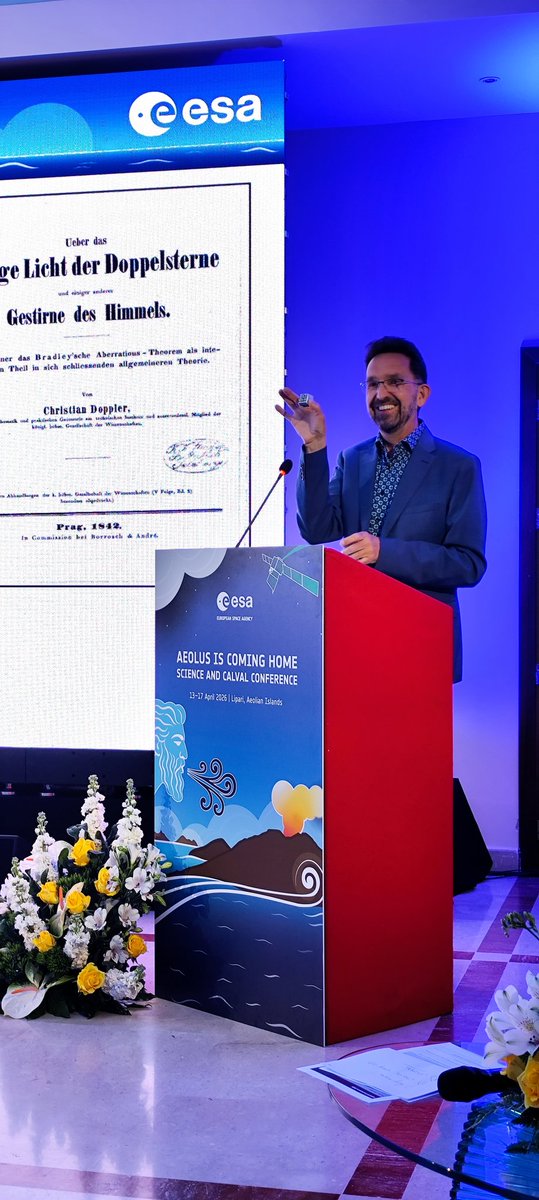
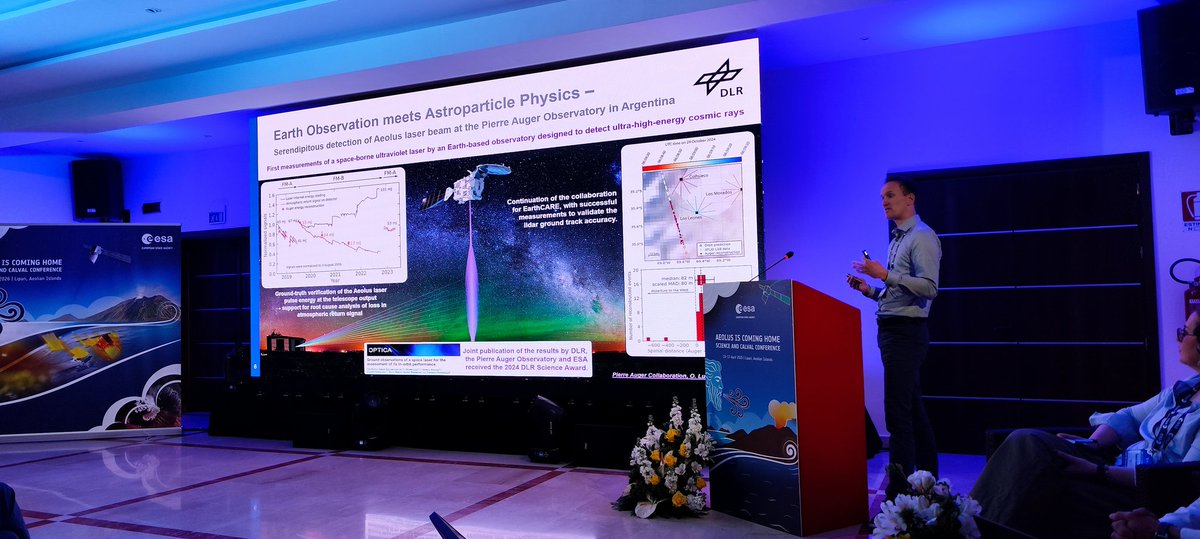
A perfect example here of Aeolus's legacy, as Oliver Lux shows how a collaboration with the Pierre Auger Observatory -which won the DLR science prize- also applies to @esa_earthcare
You can read a story on that
🔗https://t.co/tJUYl4tYGT
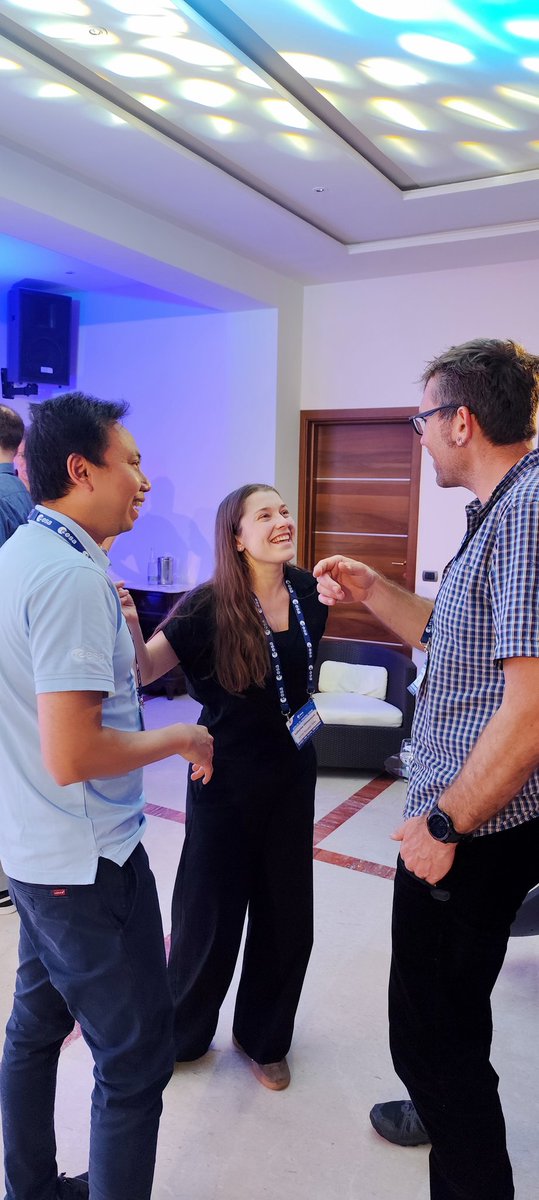
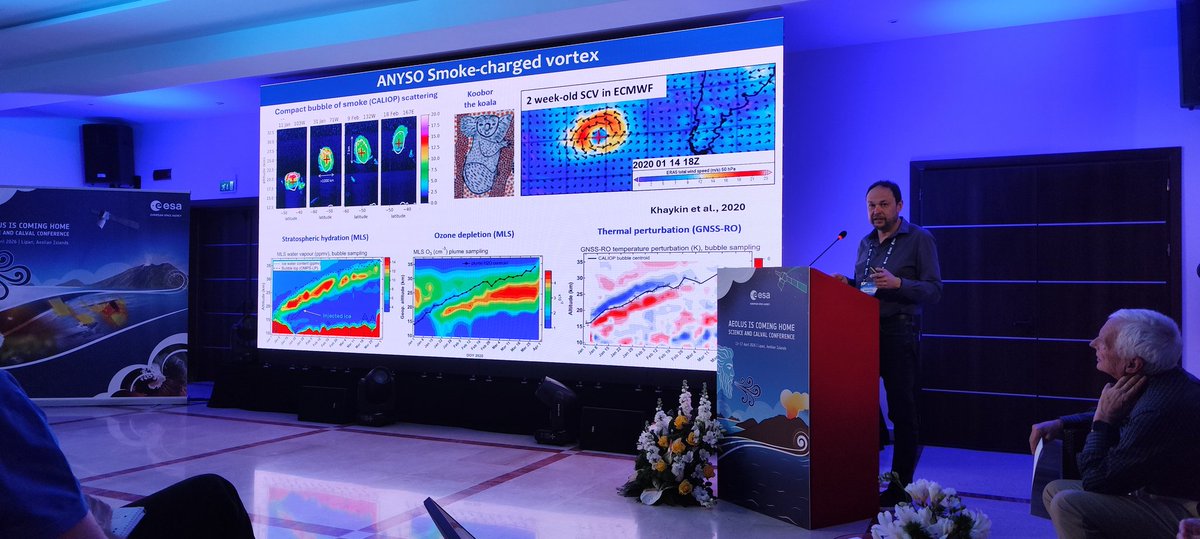
We're at the gorgeous Hotel Aktea, which also shares a mythological element to its name, as we explore the legacy of Aeolus and the future of Doppler Wind Lidar in space. First, @tparrine set the scene on our trailblazing mission, before Oliver Reitebuch showed us a beautiful history of the mission, and Stefanie Knobloch of @DLR_en took us through the data reprocessing that means Aeolus data just gets better and better (and paves the way for Aeolus 2)!
Our wonderful speakers in the first session today took us through Aeolus's pioneering laser and some tricks and tips to get the best out of not only our five years' worth of data but those of missions like @esa_earthcare & Aeolus 2 👌
Cheers to @TrismonoK, Katharina Uhlmannsiek & @Benny07901020
Aeolus is home, in the Aeolian islands... above the forges of Hephaestus, where once Odysseus set sail with a bag of wind, and where it is suitably windy indeed 🌬️🍃
More soon, but for now: welcome to Aeolus 2026
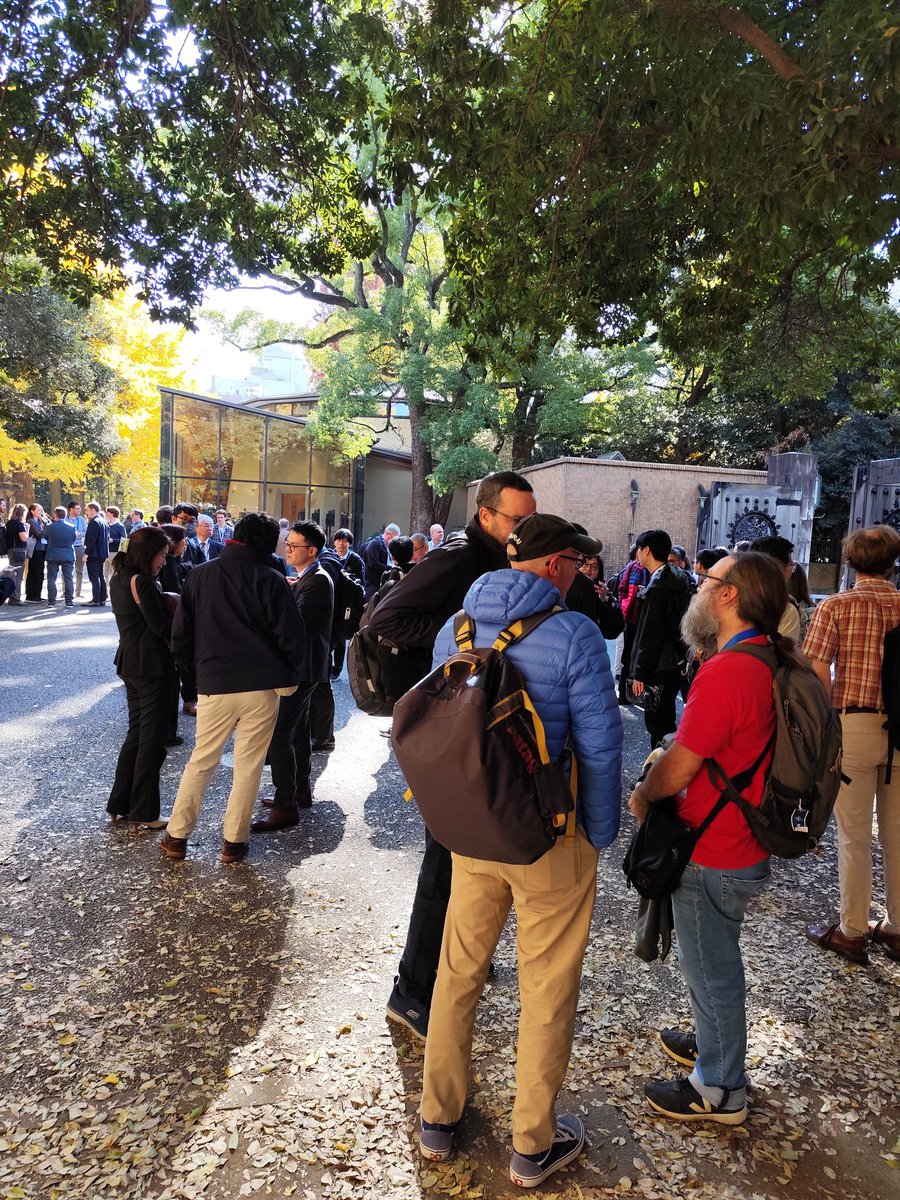
Day 4 of the EarthCARE science and validation workshop in Tokyo, and a cool breeze has turned the entire floor into a beautiful carpet of yellow as more leaves gently flutter down from the majestic trees.
The light and dappled shade remind us of EarthCARE's ATLID.
It's all about validation today, and the immense global campaigns taking place on land, sea and in the sky to improve EarthCARE measurements.
Huge news!
The complete suite of EarthCARE Level-2 data is now available 🤩
To celebrate, here's a very snazzy example of what you can now discover - how clouds and aerosols influence Earth’s energy balance 🎯
🔗👉https://t.co/ZgqJ5s7s3c
Proof that @esa_earthcare delivers!
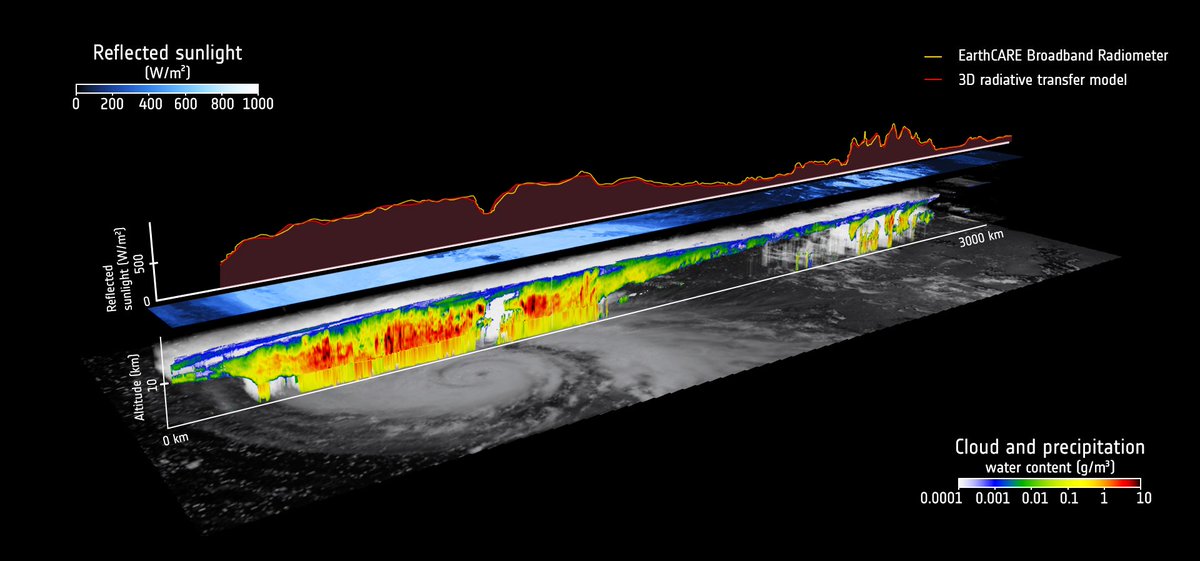
This animation shows measurements acquired by EarthCARE over Typhoon Ragasa near the Philippines on 20 September 2025, illustrating radiative closure – one of the mission’s key science goals.
The radiative closure product is part of the newly released complete suite of EarthCARE Level-2 data products, now available to the public.
https://t.co/P6ur7VzEsh
📢 Deadline extended!
The European Workshop on Atmospheric Dust 2026 will take place 20–22 April at the Sandy Beach Hotel, Larnaca.
📝 Submit your abstract by 20 Dec 2025:
https://t.co/m7NRFiDr88
Day 3 at the EarthCARE science workshop in Tokyo, and this morning's talks on sedimentation velocity were matched in a gloriously metaphorical manner by the wonderful ginkgo trees of Tokyo University just outside, their yellow leaves falling like flakes of snow 🍂🌨️
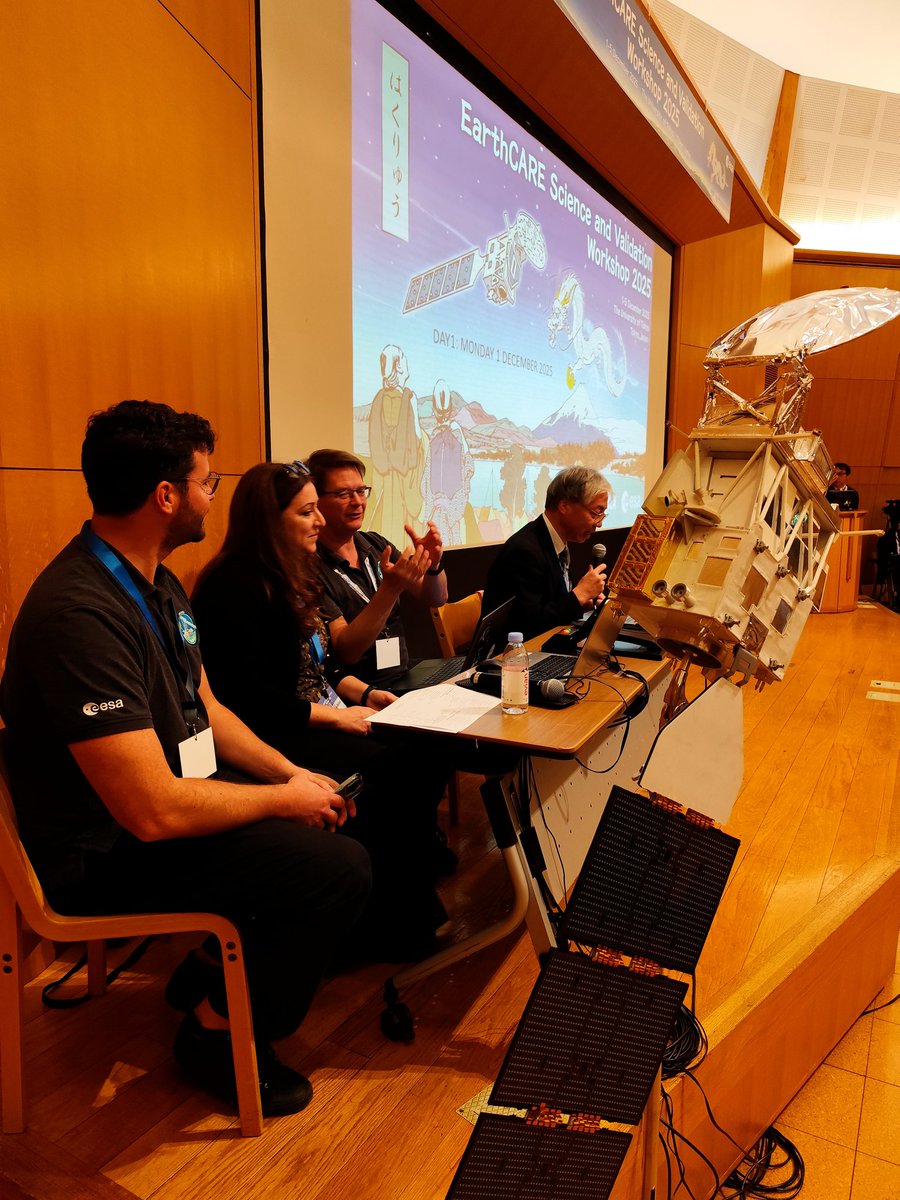
Day two of our exploration of EarthCARE science in Tokyo.
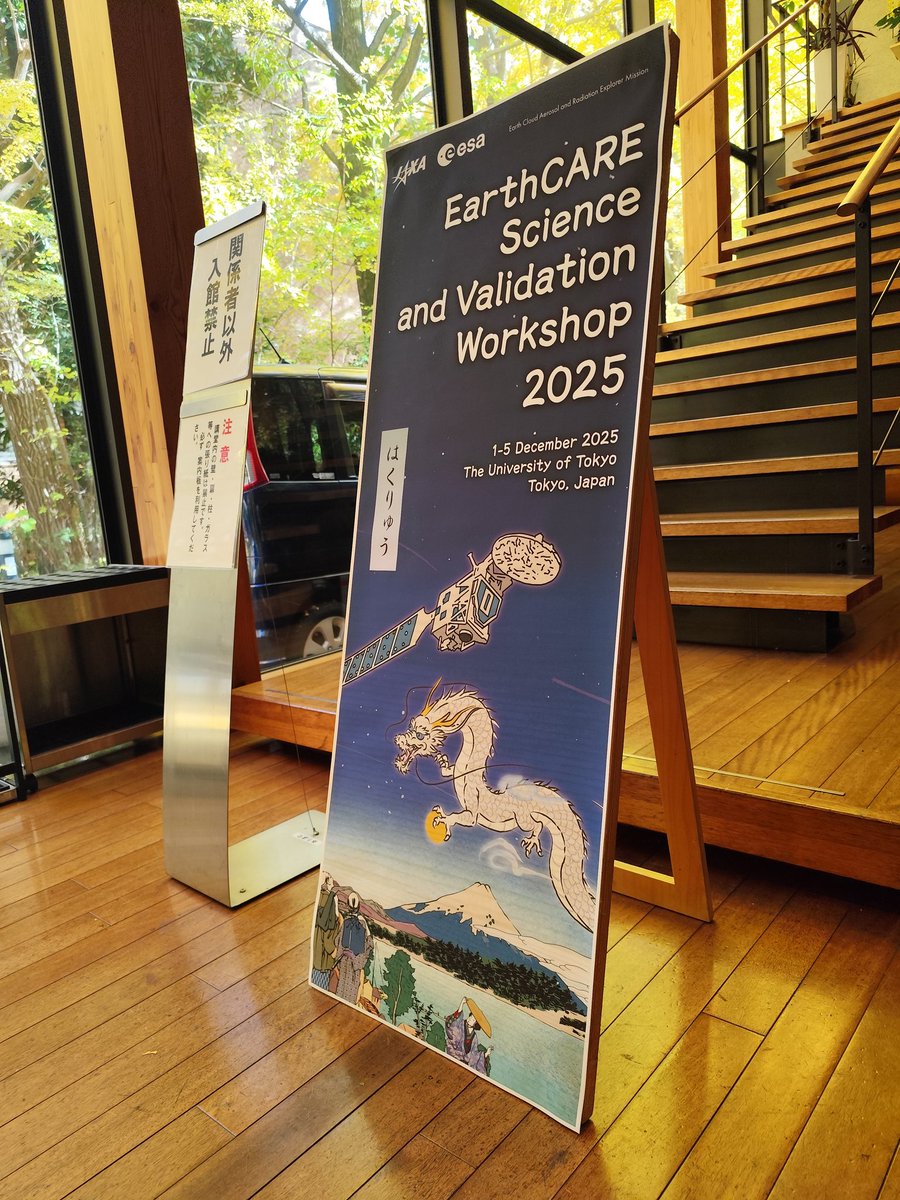
Our white dragon - Hakuryu - is providing remarkable data and some very cool results!
From warm rain ☔ to peering into the eyes of cyclones 🌀 and even the first ever global climatology of insects from space 🦟
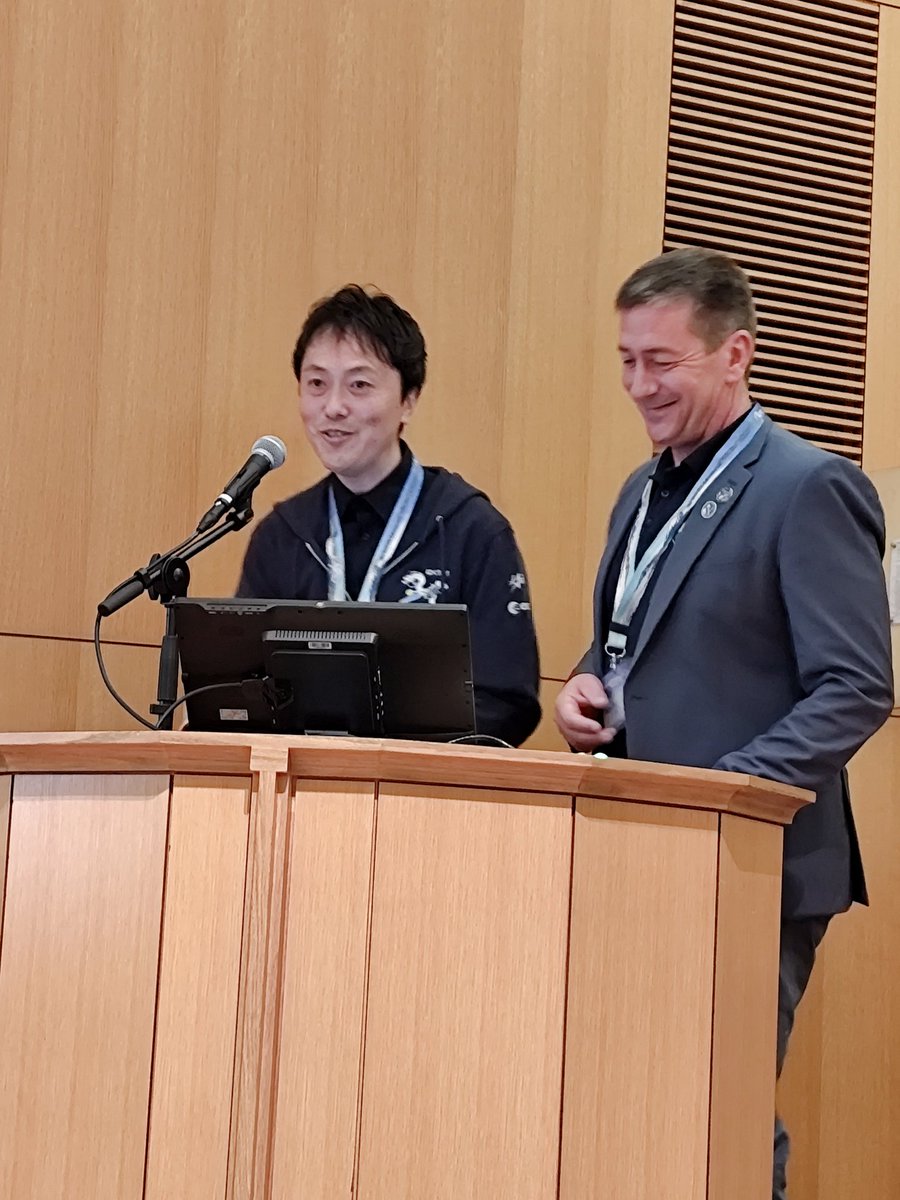
Day 1 was a fabulous introduction to our excellent collaboration between @esa and @JAXA_en, and the international community of scientists that is revealing the mysteries of clouds and aerosols!
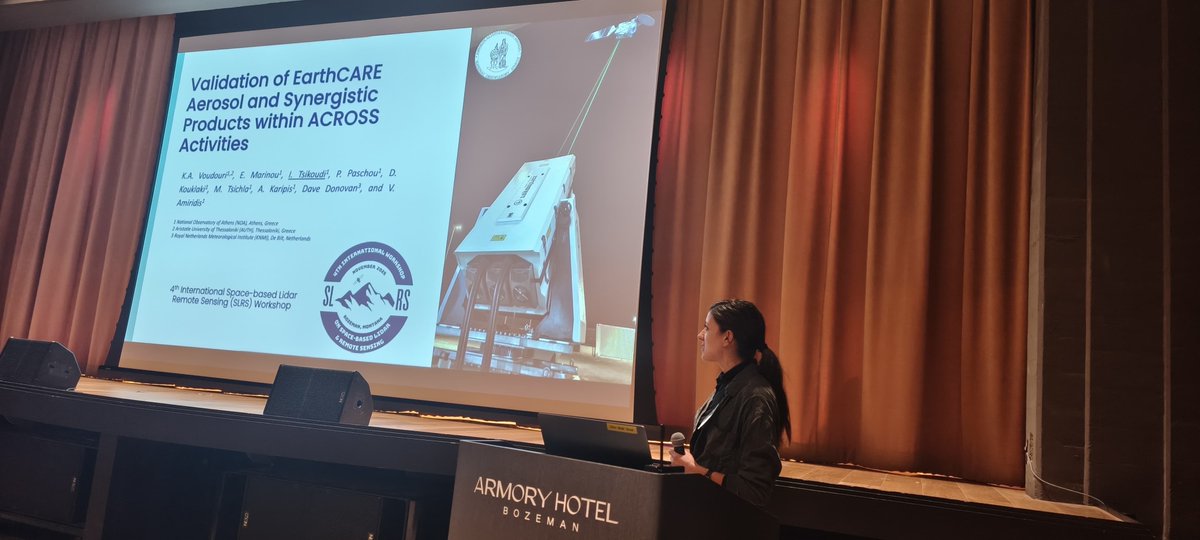
Dr. Ioanna Tsikoudi, member of the P4CV team, is participating in the IEEE SLRS 2025 - taking place this week in Montana, USA, from 2 to 7 November 2025, presenting the team’s results on the validation activities for the #EarthCARE satellite mission.
🔗https://t.co/O6SRCaws5E
📢 Νέα επιστημονική δημοσίευση του Δρ.Εμμανουήλ Προεστάκη, μέλος της ομάδας NOA-ReACΤ, “Quantifying dust deposition over the Atlantic Ocean”!
📖 Διαβάστε περισσότερα εδώ:
👉 https://t.co/Z94LRdnO0L
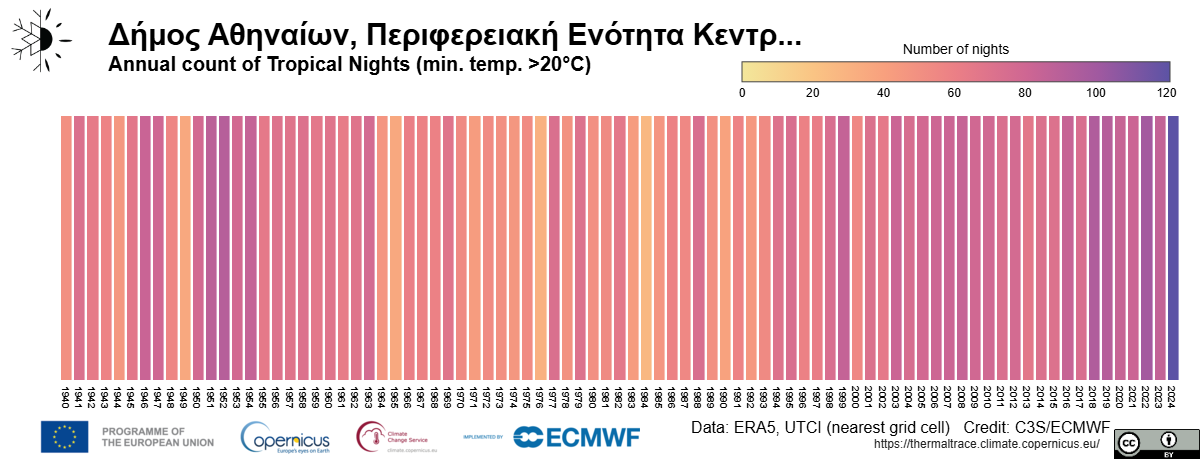
🌙🔥 Τροπικές νύχτες: Όταν η θερμοκρασία δεν πέφτει κάτω από 20°C.
Διαβάστε περισσότερα για το φαινόμενο και τις σημαντικές επιπτώσεις του στο:
👉https://t.co/t8gWz77ykT
@CopernicusECMWF@NOA_ReACT