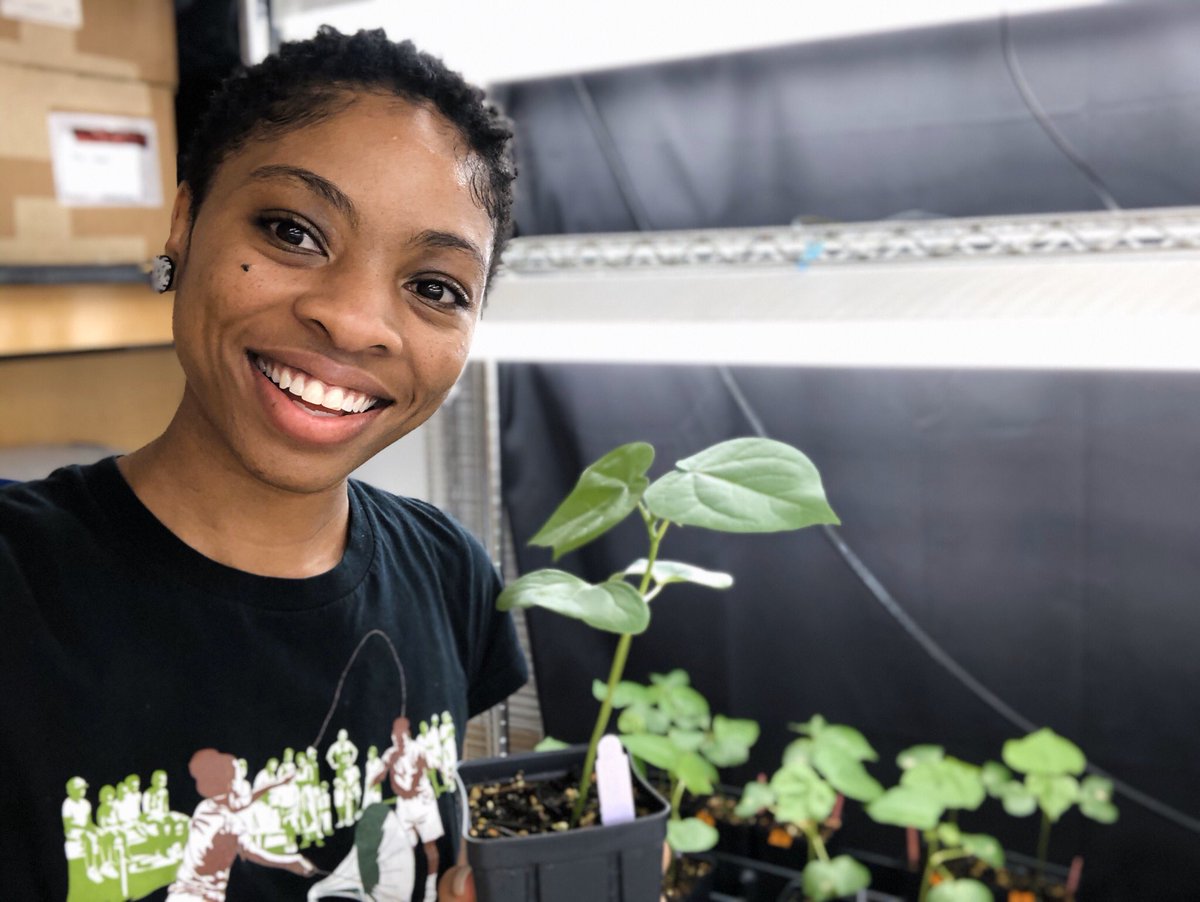
Cassidy Spakes is working with Dr. Haines of Norfolk State University and a fellow governor’s school student to determine how creosote found in the sediment of the Elizabeth River affects the phagocytosis ability in the blood cells of blue crabs. #GSST#BoldlyGoing@NHREC_VA
This summer, Norfolk State University biology students and faculty helped the Elizabeth River Project in its effort to restore oyster habitats along the Elizabeth River. The work is part of NSU’s SECUREs grant from the Howard Hughes Medical Institute.
https://t.co/UFzybklRXK
𝐅𝐨𝐮𝐧𝐝𝐞𝐫𝐬 𝐃𝐚𝐲 𝐂𝐡𝐚𝐥𝐥𝐞𝐧𝐠𝐞: Guess what day it is? It's our Birthday! 🎉🎉🎂🎈🎈 Help us celebrate it by posting a video of yourself sharing birthday wishes for NSU and tag us in it! 🔰🔰 #NSU85#FoundersDay2020#BeholdtheGreenandGold
I'll be participating in a couple of panel discussions with other Black scholars and professionals on the impact of #COVID19 & #BLM on the Black community. The first one is July 29th at 6 PM ET. Register at https://t.co/kEGmicMXW1 and PLEASE share liberally
#FLATTENINGOURCURVE
A lil’ late to the party, but it’s #BlackBotanistsWeek! I’m a 3rd yr PhD student @UCDavisPlants studying plant trait divergence across populations in vacant lots. I think about #PlantInteractions with the urban matrix and how the built landscape affects pop. connectivity.
I am loving #blackbotanistsweek!! It's great to see everyone! I am an Associate Professor @NCState_PMB. My lab focuses on iron homeostasis in plants - how do plants extract iron and other nutrients from soil and use them? Plant-soil interactions count today, right?
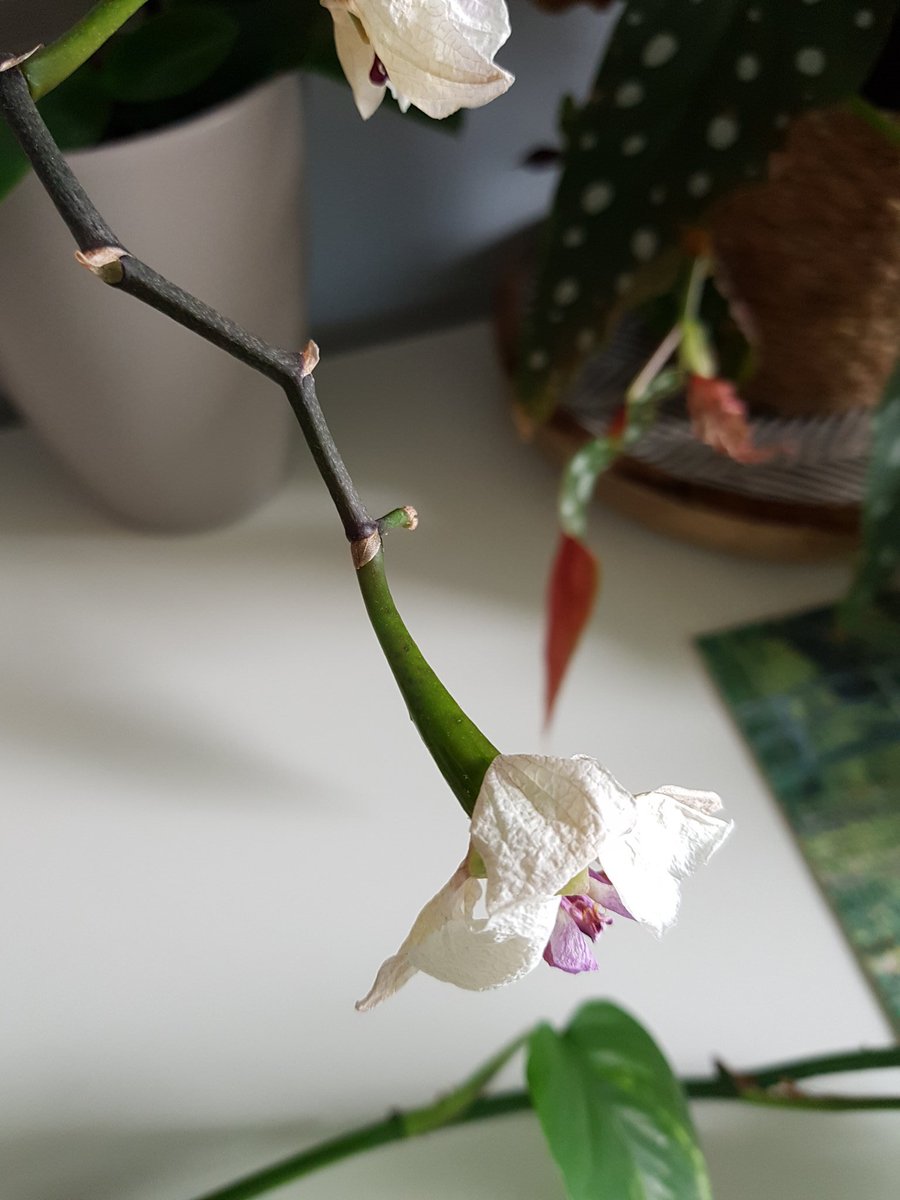
Woopwoop!🎉A little delayed for the #BlackBotanistsWeek but here I am!👩🏾🔬I study how plants can survive without water🌱💧➡️#desiccationtolerance. This is found in many seeds and a few plants called #resurrectionplants.*the 2nd pic is an @home experimentation🤓orchid pollination.
Carnivorous pitcher plants grow in nutrient poor soils. To make up for the lack of nutrients, they attract, trap, & digest insects. Frogs can be found waiting for an easy meal & use the plant to hide from photographers😂#PlantInteractions#BlackBotanistsWeek
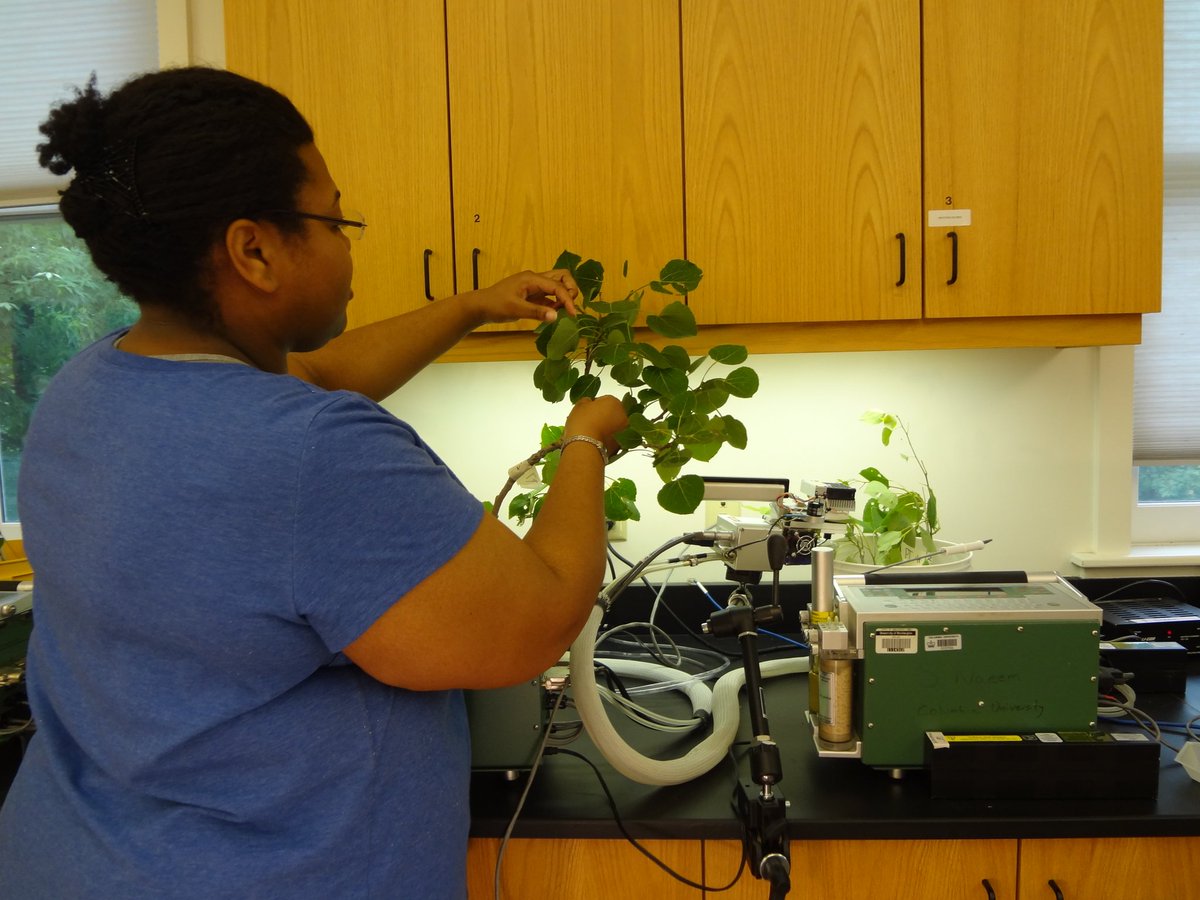
It's #BlackBotanistsWeek! I'm a plant ecophysiologist, PhD in training and a Science Educator at a forest. I study how trees respond to climate change physiologically! If trees can't adapt or migrate, they could become locally extinct! #botany101#blackroots#blackbotanicallegacy
Hiii 👋🏾 I’m Taylor, a PhD student studying plant-microbe interactions. I’m a plant lover—yet I like to infect plants w/ bad bacteria🦠🤔 The interplay between plants and their pathogens is super interesting! #BlackBotanistsWeek
Hello all! It's #BlackBotanistsWeek and today, I'd like to share my love for plants by telling you a story about why I chose to study tree responses to #climatechange and how I go about doing so 🌿🍃 #BlackPlantLove 1/10
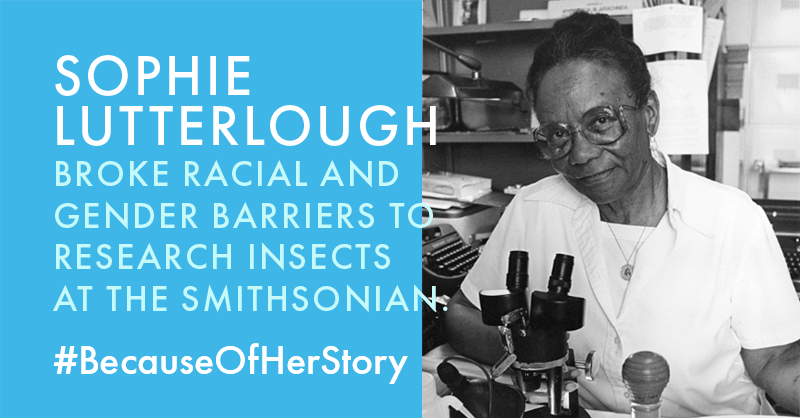
@NPG @amhistorymuseum@airandspace@NMAAHC@SmithsonianArch Sophie Lutterlough was the first woman elevator operator at our @NMNH. In 1957 she was hired as an insect preparator. Lutterlough went on to research and classify insects, helping to discover 40 type specimens in the collection. https://t.co/Iqhj37weMr #BecauseOfHerStory
To honor Breonna Taylor's work in STEM as an EMT, I'm highlighting Black women scientists from history.
Jessie Isabelle Price was a veterinary microbiologist who isolated the bacterium and developed a vaccine for a common fatal duck disease
#BlackInSTEM#WomenInSTEM@WeRepSTEM
Reference: This week on #FindThatLizard you're searching for a Sonoran Spotted Whiptail, Aspidoscelis sonorae. These dirunal (active during the day) lizards. Zoom in and look at those big feet they use to search the leaf litter for insects. Challenge photo drops at 5pm PT! 🦎💜
On the American Birding Podcast, Corina Newsome (@hood_naturalist ) and Tykee James (@Tykee_James) take the opportunity to reflect on their favorite moments from #BlackBirdersWeek and consider where the birding community needs to go from here.
https://t.co/WnCfYDNNuD