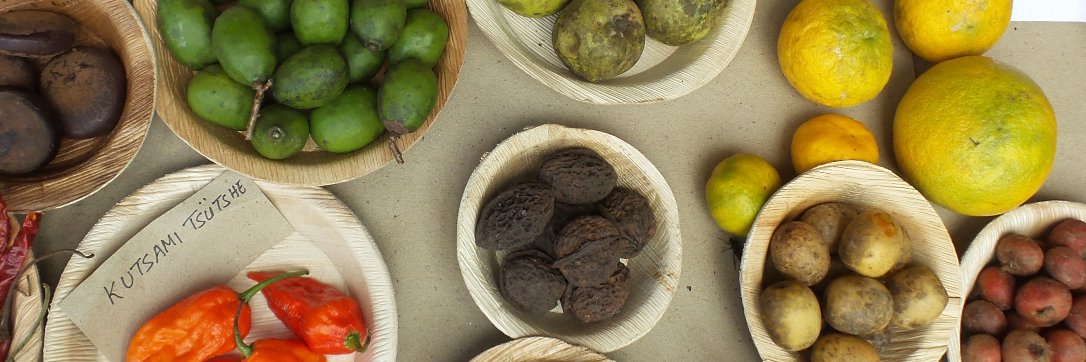
Realizing the potential of neglected and underutilized crop species to strengthen food security, build resilience and empower the poor @BiovIntCIAT_eng
@Ghanem_DeG Yes, and the thought that a handful of crops are "model crops" needs a reality check. A lot of research cannot be transferred from rice/maize/wheat to #underutilized crops, so for what are they a model? @NUS_Community
Can you guess why scientist Stefano Padulosi is called "Rocketman"? 🚀 Hint: it's a different kind of rocket.
Learn more in his interview by @DaniNierenberg for @foodtank's latest #podcast 🎙️👇
https://t.co/eidGzdoT4k
#readingnow Leaky 2020: It is possible to diversify and rehabilitate degraded farmland with species producing highly nutritious and marketable traditional foods in ways that improve food production by conventional staple food crops! https://t.co/TEfbgTaZ8h
🌱It’s #BiodiversityWeek! We’re sharing Alliance biodiversity research outputs here all week, supporting @BiovIntCIAT_eng's full coverage.
📗1⃣ Read a framework linking indigenous knowledge of biodiversity & nutrition-sensitive ag 👉 https://t.co/FvxbDREkcW
@IFAD@NUS_Community
The @FAO shines a spotlight on overlooked and underutilized crops, which can:
🥢 Enrich our diets
🍈 Safeguard #agriculture
🌱 Combat #ClimateChange
🧠 Keep traditional knowledge alive
👩🌾 Boost the livelihoods of small farmers & producers
https://t.co/9MlKd1TuZi
🍈 ‘Orphan crops’ featured on @NatureGenet ➡️ Read what @RJamnadass says on this brilliant piece!
Crop yields are NOT synonymous to #nutritional#diversity.
Full article here 👉https://t.co/Ap8sQA5ShD
🍈⚠️ @ScienceAfrica5 features the African Orphan Crop Consortium! Following her piece on @NatureGenet Dr Jamnadass from @ICRAF talks benefits and past neglect of these crops.
https://t.co/5dgHFul0Gp
👪 Time to invert tendency and give a family to these healthy little orphans!
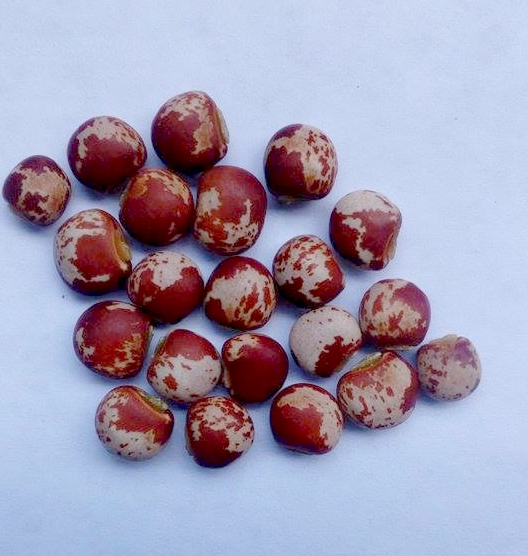
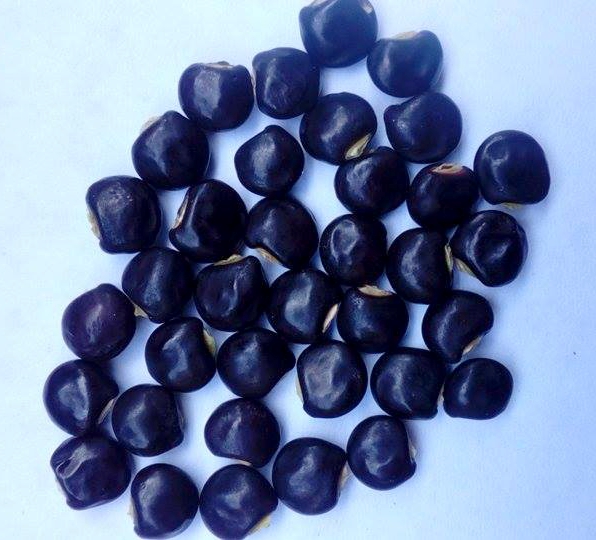
Cajanus cajan es una especie originaria de la India, en Venezuela conocida como Quinchoncho. Acá vemos parte de la variabilidad genética de la especie en Venezuela.
Native to Brazil and Uruguay, this is feijoa or pineapple guava. It is part of the Myrtaceae family, which includes myrtle, guava, clove and Eucalyptus. This plant is grown ornamentally and for its crimson marked green fruits which taste sweet like pineapple, hence the name.
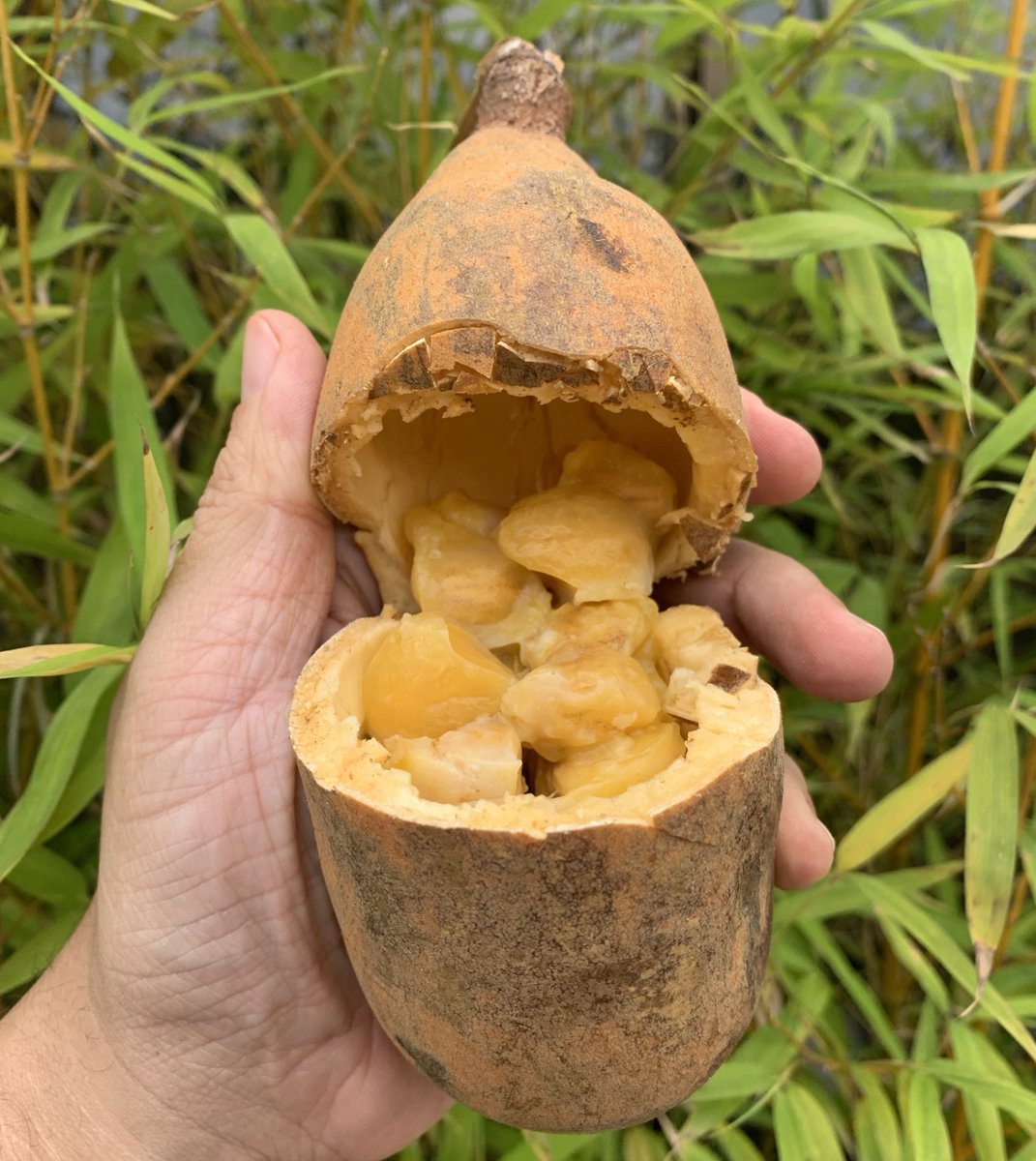
Cupuí (Theobroma subincanum) esta fruta del mismo genero del cacao, del copoazú y del bacao; crece en los departamentos de Amazonas, Meta, Putumayo y Vaupés. Es nativa del norte de Suramérica.
Los frutos son cosechados para consumo fresco y en jugos.
Crop diversification is an important way to deal with risk, but getting to sound diversification strategies is not easy in practice (just more crops is not how it works!). @mvanzonneveld @turmel and Jon Hellin boil it down for us. https://t.co/WlqLlZWFge
Revitalizing cultivation and strengthening the seed systems of fonio and Bambara groundnut in Mali through a community biodiversity management approach https://t.co/eOO2HgqloV