Physical Oil Trader - EMEA and China focused. 🛢 Geo-political commentary and satire included. Proud to be 🇬🇧🇱🇧. Opinions are my own. RT’s not endorsements.
@EdLudlow I was told the same thing using wifi. I am old enough to remember when each seat on a plane had a telephone and a credit card swipe so you could call anywhere while smoking a cigar.
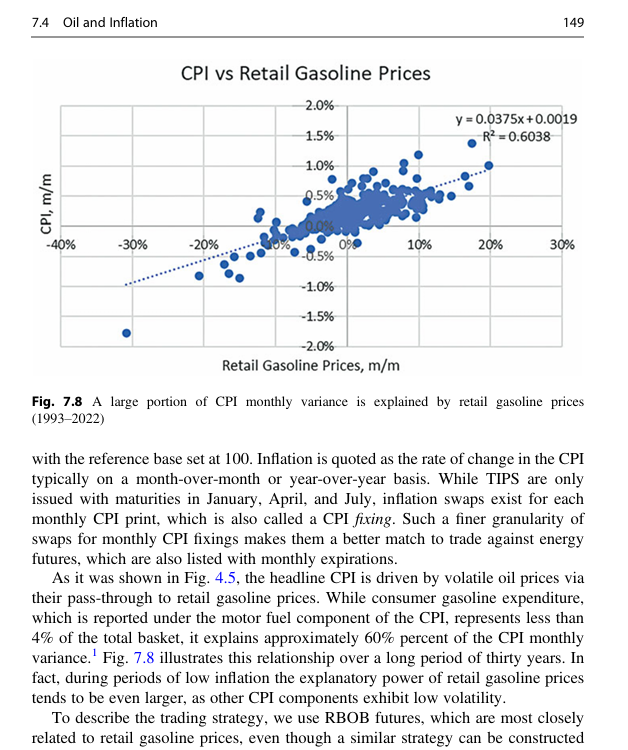
Some oil traders do well by trading gasoline/inflation strategy as a stat-arb (see sec 7.4 in the book). Vanguard is effectively trading only the lagging (inflation) leg of this strategy which makes good sense for them.
#oott#inflation
https://t.co/VTJJywExCJ
Reuters: “China has lifted refined fuel export restrictions for the rest of July and allowed a private refiner to resume shipments after a four-month halt”
One of the big drivers of weak crude/strong refining margins begins turning a corner.
Chinese oil refiners have been granted more permits to export gasoline, diesel and jet fuel this month, according to people familiar with the matter, in a major relaxation of restrictions imposed during the Iran war.
At least three refiners are being allowed to export this month, said the people, asking not to be named because the information is private. This includes private processor Zhejiang Petroleum & Chemical Co., majority owned by Rongsheng Petrochemical Co., and some state-owned refiners, they said.
#oott https://t.co/HvlR2C7XZH
$OIL | What will it take for Chinese teapots to start buying oil again?
Shandong utilization: 50.5% last week of June. Lowest since 2017. Below COVID lows.
This isn’t a supply story. It’s margins.
3 structural reasons teapots stopped buying:
1️⃣ Discount compression: the whole teapot business model is arbitrage on sanctioned crude discount. Iranian light was ~$11 under Brent pre-war, now ~$2
2️⃣ Beijing’s export curbs: product can’t leave the country, so weak domestic demand has nowhere to drain.
3️⃣ Compliance fear: Hengli got sanctioned in April, tried to buy “clean” barrels to get delisted, got refused/cancelled on 6M bbls anyway. Other refiners watching and staying conservative.
▶️ Net: teapots were losing ¥500-600/mt ($74-88) as of May. Math still doesn’t work at $70 Brent because it’s the spread that’s broken, not the flat price.
▶️ Timeline (hypothesis, low confidence):
Trigger isn’t Brent falling, it’s sanctioned discounts re-widening OR Beijing loosening export quotas. Contango building in Dubai/Murban hints that prompt scarcity is easing faster than teapot appetite returning.
▶️ My base case: no meaningful teapot re-entry before September, absent a policy nudge from Beijing.
https://t.co/5X5hyHh6oM
As a company grows, the State may insert one or more party members into management/board level (have witnessed this). However largely correct. China’s view of democracy is different (democracy between Nation States, not between individuals) than the Western view. Martin Jacques ‘When China Rules the World’ explains this quite well including the view on Capitalism.
The Chancellor risks emptying retailers’ shelves with her ‘dangerous’ proposal
Our editors break down why Reeves' plans to cap prices on staple foods could prove economically counterproductive ⤵️
https://t.co/TvTiKKnJ2S
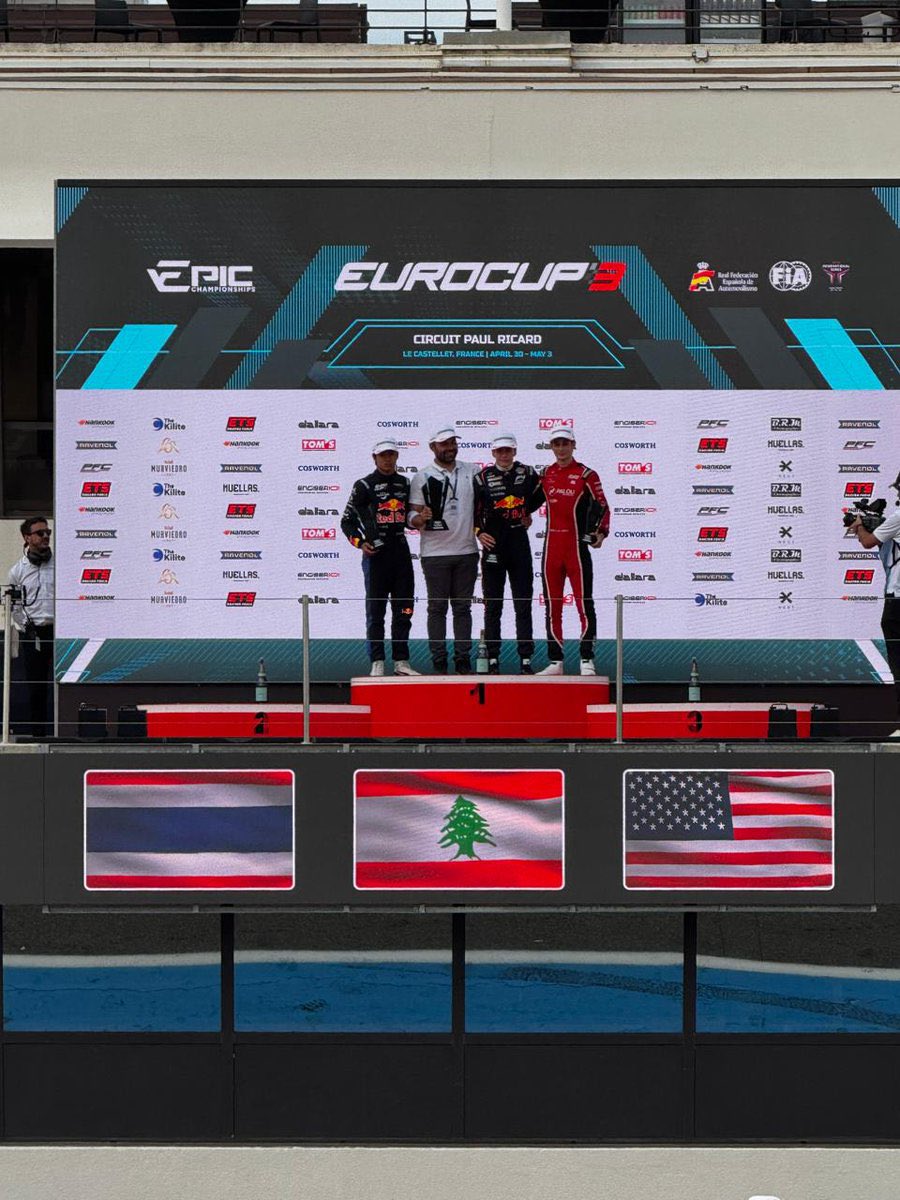
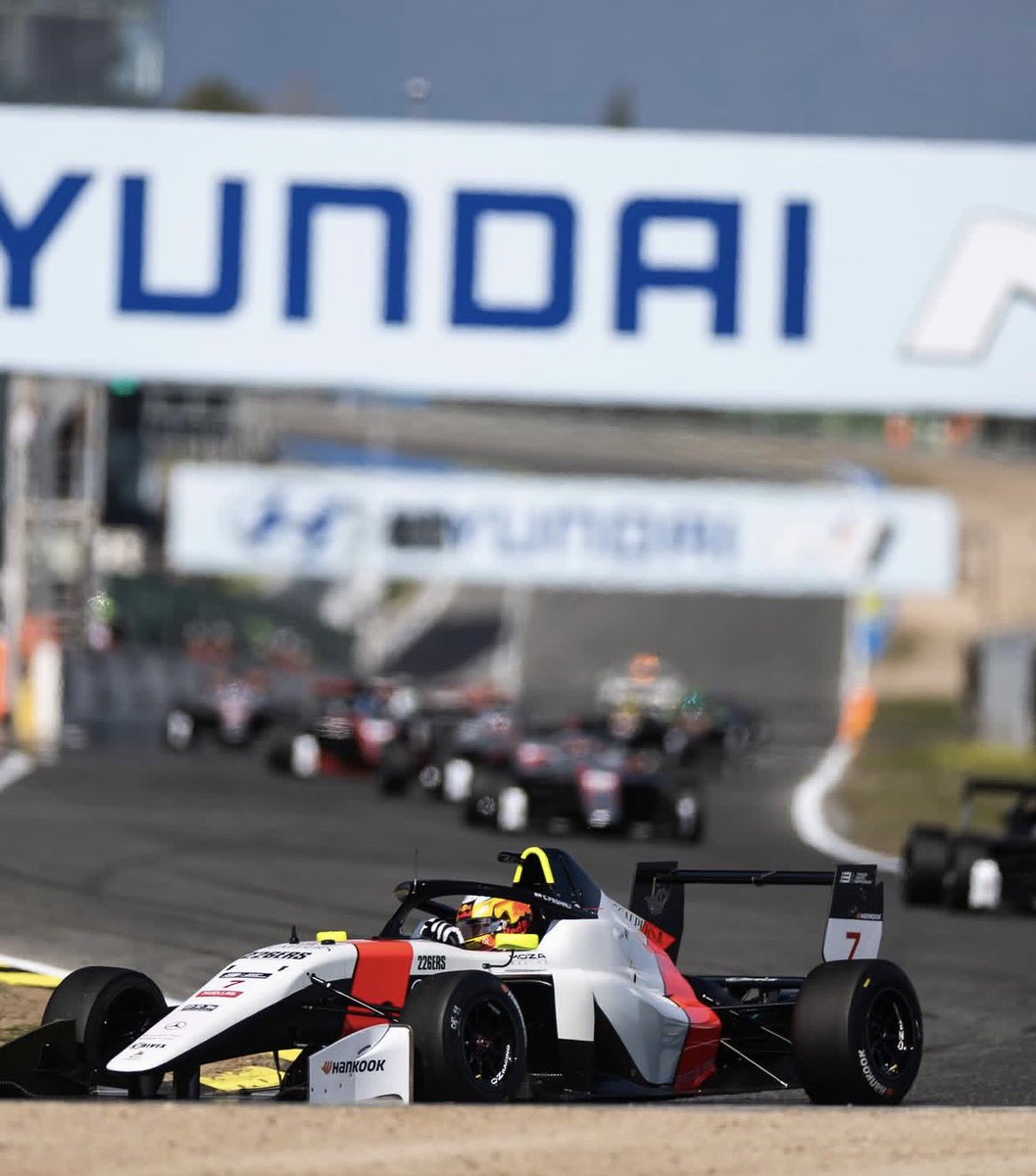
Congratulations #ChristopherFeghali! 🇱🇧
Hearing the Lebanese national anthem in motorsports is a moment of immense pride.
Wishing you continued success! Next stop Formula 1! Proud of you!
🇨🇳 China Invokes Blocking Statute for First Time
China’s Ministry of Commerce has for the first time activated its 2021 Blocking Rules, ordering all Chinese firms and individuals not to comply with U.S. sanctions targeting five independent Chinese oil refineries accused of purchasing Iranian crude.
Beijing called the U.S. measures, imposed under two executive orders, an “unjustified” and “improper” use of extraterritorial law.
The move puts multinational companies operating in both markets in direct legal conflict: compliance with U.S. sanctions now risks violating Chinese law, and vice versa. Global banks and firms with dollar exposure face secondary sanctions risk if they continue dealing with the affected refineries.
Analysts describe the order as a significant step toward competing legal frameworks for global trade, accelerating the path to potential economic “decoupling” between the two powers.
The 4 refineries other than Hengli:
* Shandong Jincheng Petrochemical Group
• Hebei Xinhai Chemical Group
• Shouguang Luqing Petrochemical
• Shandong Shengxing Chemical
BREAKING: China has instructed five Chinese refineries to ignore US sanctions on buying Iranian oil, with China’s Ministry of Commerce saying “the United States cannot recognize, implement, or comply with the sanctions,” per Reuters.
The five refineries include Hengli Petrochemical and four teapot refineries that together represent significant Chinese refining capacity.
Today, Treasury’s Office of Foreign Assets Control (OFAC) sanctioned Hengli Petrochemical (Dalian) Refinery Co., Ltd., a China-based independent teapot refinery. China-based teapot refineries continue to play a vital role in sustaining Iran’s oil economy, and Hengli Petrochemical is one of Iran’s largest customers, having purchased billions of dollars’ worth of Iranian petroleum. Additionally today, OFAC is targeting around 40 shipping firms and vessels associated with Iran’s shadow fleet. Economic Fury continues to disrupt Tehran’s ability to generate the revenue that enables the regime’s reckless terrorist activities.
Teapot refineries in China under immense exposure now - having used the extensions to buy feedstock at astronomical prices and now refining product during a firesale scenario. Expect rolling defaults and massive credit defaults.