🫀Valvular cardiogenic shock is probably one of the most underrecognized phenotypes of shock in modern cardiac critical care.
What makes this paper particularly important is that it reframes severe valve disease:
not as chronic structural cardiology, but as acute hemodynamic catastrophe.
The physiology is brutal.
Unlike classic ischemic CS, VCS often combines:
🫀 abrupt preload overload
🫀 severe afterload mismatch
🫀 elevated filling pressures
🫀 pulmonary edema
🫀 impaired forward flow
🫀 rapidly collapsing ventriculo arterial coupling
And unlike MI related shock: 📌 many of these patients still have relatively preserved LVEF.
Which means: normal or “acceptable” EF does NOT exclude severe shock physiology.
One of the most fascinating findings: 📌 the aortic valve was the most commonly involved valve.
Especially: • aortic stenosis • acute aortic regurgitation
And outcomes differed substantially by lesion type.
Patients with:
⚠️ stenotic lesions had the worst survival
⚠️ regurgitant lesions performed better
⚠️ mixed lesions remained intermediate
Severe AS in shock creates:
• fixed forward flow obstruction
• catecholamine inefficiency
• coronary hypoperfusion
• profound ventriculo arterial uncoupling
while acute regurgitant lesions may still preserve some forward stroke volume if rapidly corrected.
Another extremely important message:
📌 definitive intervention mattered enormously.
Compared to medical therapy alone:
• surgery had the best survival
• percutaneous therapies were intermediate
• medical management had the worst outcomes
After multivariable adjustment: medical management alone was associated with nearly 4 times higher hazard of death at 1 year.
But this study suggests: ⚡ definitive therapy may be the only real survival strategy.
The paper also highlights something increasingly relevant for modern CICUs:
📌 prosthetic valve dysfunction accounted for almost one third of VCS cases.
With aging populations and expanding TAVR/bioprosthetic use: this phenotype will likely increase dramatically over the next decade.
From a hemodynamic perspective, VCS may require:
🩺 earlier invasive monitoring
🩺 advanced echocardiography
🩺 rapid valve team activation
🩺 individualized MCS strategy
🩺 faster transfer to high volume structural centers
The study also indirectly supports something many intensivists already suspect:
📌 timing is probably everything.
Delayed recognition likely converts salvageable hemodynamic collapse into irreversible multiorgan failure.
This is where future research should probably focus:
• shock phenotyping by valve lesion
• optimal MCS selection
• VA coupling analysis
• transcatheter rescue timing
• CICU to structural heart pathways
• predictive models for intervention candidacy
📖 Nair RM, JACC Advances. 2024;3(11):101303.
https://t.co/eo9wstNwiZ
What is the most established intervention linked to lower biological (epigenetic) age?
Exercise
A new systematic review @LancetLongevity of 44 studies, >145,000 participants
https://t.co/agmAazwDxs
A simple echo ratio predicts who dies after STEMI. 🧵
TAPSE/sPAP — a bedside measure of RV-PA coupling — is now a powerful, independent predictor of 1-year mortality post-primary PCI. New data from 973 patients.
The headline number:
⚠️ HR for 1-year mortality: 9.62× (reduced vs. preserved coupling, p<0.001)
1-year all-cause mortality:
🔴 Reduced RV-PA coupling: 27.1%
🔵 Preserved RV-PA coupling: 3.22%
🎯 Optimal cutoff: TAPSE/sPAP < 0.405 mm/mmHg
Measured by pre-discharge echocardiography — no invasive workup needed.
Study: 973 STEMI patients, 2 German tertiary centers, 2014–2023, median follow-up 4.2 years.
💡 RV-PA uncoupling is detectable at routine echo before discharge. It may be one of the most powerful tools we have to risk-stratify STEMI patients early.
Graesser C, et al. JACC Cardiovasc Interv. 2026;19(7):874–885.
#STEMI #Cardiology #RightHeart #Echocardiography #TAPSE #MedEd #MedTwitter
New @NEJM
For persistent atrial fibrillation, first-line pulsed field ablation (PFA) superior to medical therapy (AAD) in a randomized trial for preventing recurrent atrial arrhythmias @omwazni
https://t.co/VN4t1OwYON
A healthy diet may seem straightforward, but debates remain. This review explores key controversies, including beef tallow, ultraprocessed foods, full-fat dairy, seed oils, MCT oils, seafood, & alternative sweeteners & their impact on #CVD. https://t.co/Q0Y6bBEZ7T #JACCAdvances
The ACC is proud to present Zohair Y. Al Halees, MBBS, FACC, w/ the Distinguished Lifetime Achievement Award. For 4️⃣ decades, Dr. Al Halees has dedicated his life to advancing congenital 🫀 surgery in Saudi Arabia. 🌎
Read more about his journey: https://t.co/ZWpnBzcINy #ACC26
2026 Northwell Health Cardiovascular Fellows Course! Join me for this world-class cardiology symp May 7-9 Fontainebleau Las Vegas. Scholarships for cardiovascular fellows, electrophysiology fellows, and nurse/tech here: https://t.co/ZkTECXh30f. @GaffneyEvents@northwell
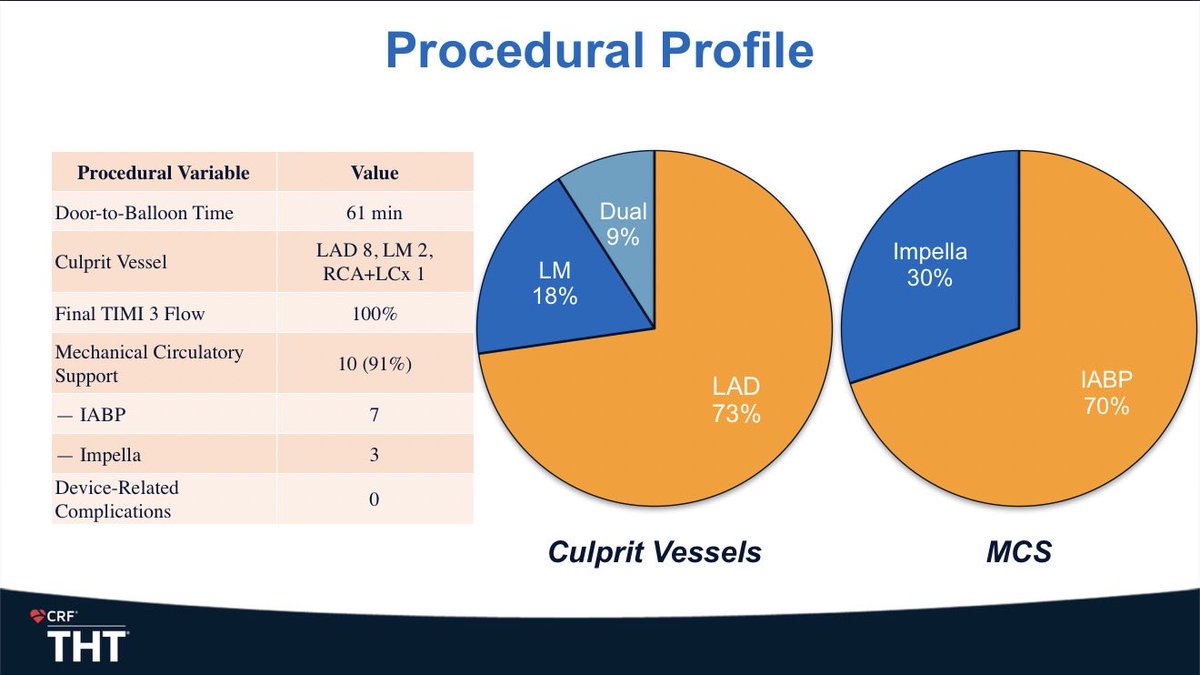
Presented our experience at Technology and Heart Failure Therapeutics (THT) 2026.
In STEMI with SCAI C–D cardiogenic shock, patients treated with SSO₂ after primary PCI (n=11) showed:
• 100% 30-day survival
• LVEF improvement from 23% → 48% at 5 months
Promising signal — prospective randomized trial warranted to validate these findings.
Grateful for the mentorship of Dr. Rajiv Jauhar (@stentdoc1).
@NorthwellHealth@SCAI@crfheart
#tht26
#cardiotwitter
#stemi
#cardiogenicshock
#InterventionalCardiology
#scai
#sso2
تخدير كامل لمراجعنا علشان نسوي له زراعة كاملة للاسنان
التخدير الكامل مريح للأشخاص الي عندهم فوبيا من الاسنان او الي وده ينام و يصحى و الشغل كله مخلص
الي يتخوف من التخدير، اعلم ان لا يتم تخديرك الا بعد تحاليل و كشف من قبل استشاري التخدير لضمان سلامتك وقت الاجراء
نعلن بكل فخر عن افتتاح عيادة كونفيدنت، حيث تلتقي الخبرة السعودية مع أحدث تقنيات طب وتجميل الأسنان.
في كونفيدنت، نؤمن أن كل ابتسامة تستحق العناية بأعلى معايير الجودة، تحت إشراف أفضل الاستشاريين السعوديين.
#كونفيدنت#افتتاح_عيادة_كونفيدنت
https://t.co/fNxImJGjwO