HPV vaccination is available free of charge for girls aged 9–13 at government health facilities across Uganda. Women can also access free cervical cancer screening to help identify early warning signs and seek timely care.
Don’t wait for symptoms. Visit your nearest government health facility and take advantage of these life-saving services.
Prevention starts with awareness and action.
#HPVFreeAdolescentsUG
#ScreenToLive25to49
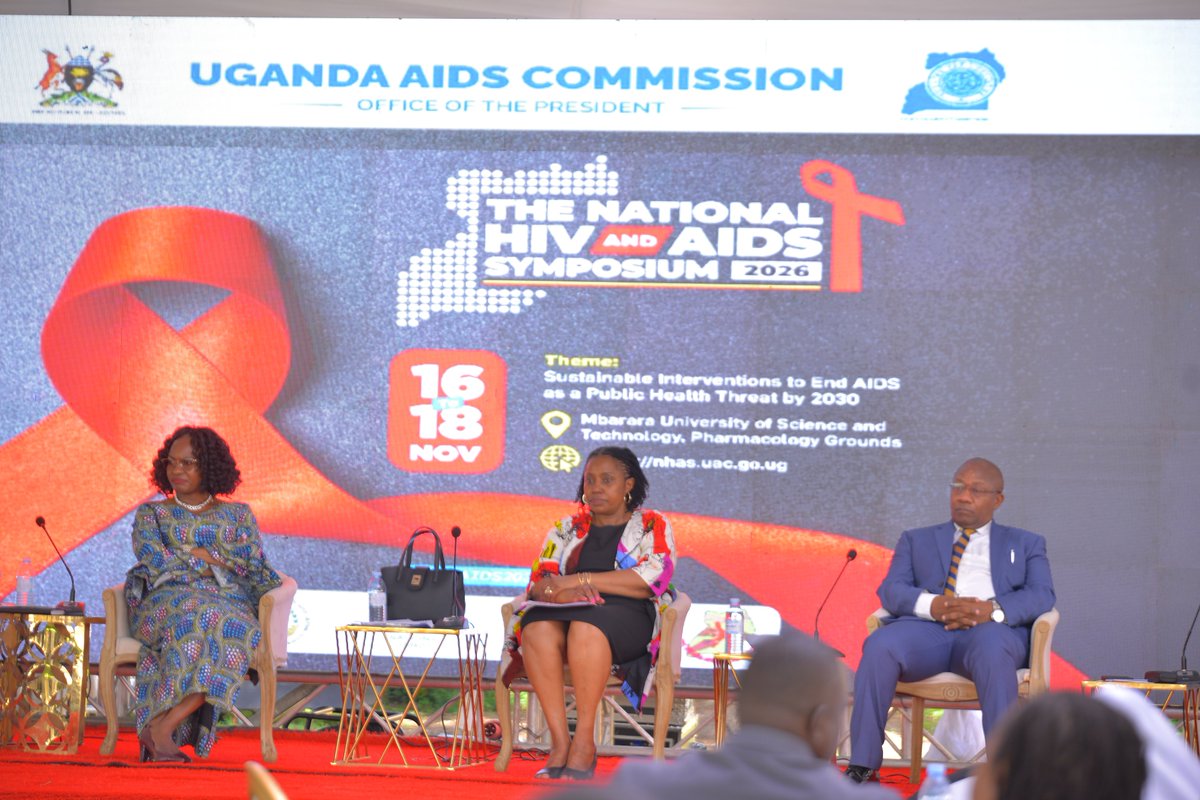
Dr. Gilbert Mateeka (Kabale District Local Government) brings critical frontline district health leadership to the table.
Especially vital in Southwestern Uganda where adult HIV prevalence stands at ~8% vs. the 5.9% national average his stewardship ensures scientific breakthroughs stay anchored in real-world community health systems.
Diabetes is a growing health concern, yet early detection and timely action can make a life-changing difference. 💙
As we mark World Diabetes Day, join us as we raise awareness, break myths and explore the importance of early action on diabetes.
Let's talk prevention, early diagnosis, treatment and better support for those living with diabetes.
Join us today at 8pm to 9pm on X spaces.
https://t.co/rAuqTGxOYr
On what is threatening progress in the #HIV response.
📌Financing:
Official development assistance fell 23 percent in 2025. HIV resources in low- and middle-income countries dropped to about US$ 17.6 billion, against US$ 21.9 billion needed annually by 2030 - @UNAIDS_UG
#EndAIDS2030Ug #NHAS26
Cervical cancer is Uganda's leading cause of cancer death in women — and it is preventable.
✔ 1 dose of HPV vaccine for girls aged 10
✔ Screening for women aged 25-49 (younger if living with HIV)
✔ Same-day treatment of precancer
Now Free at government facilities in Kibuku, Kalaki & Kibaale.
#YoungPeopleEndCervicalCancer #ScreenToLive25to49
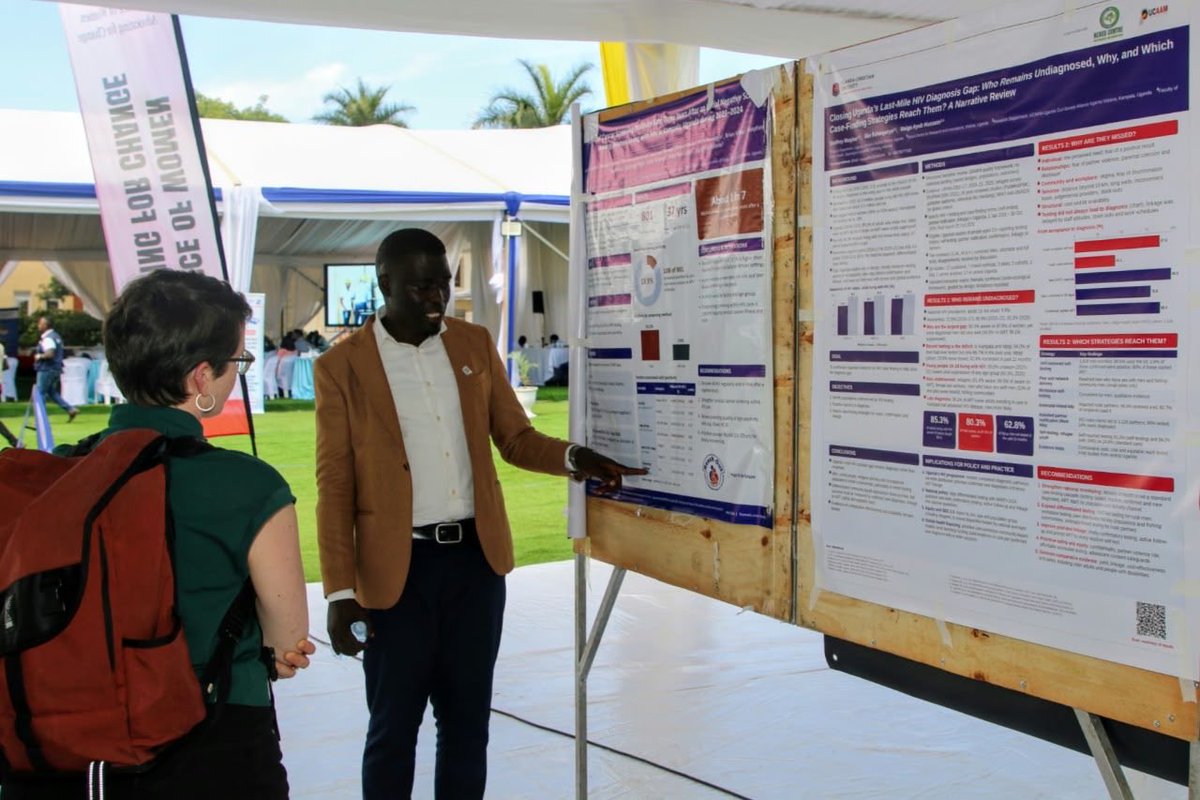
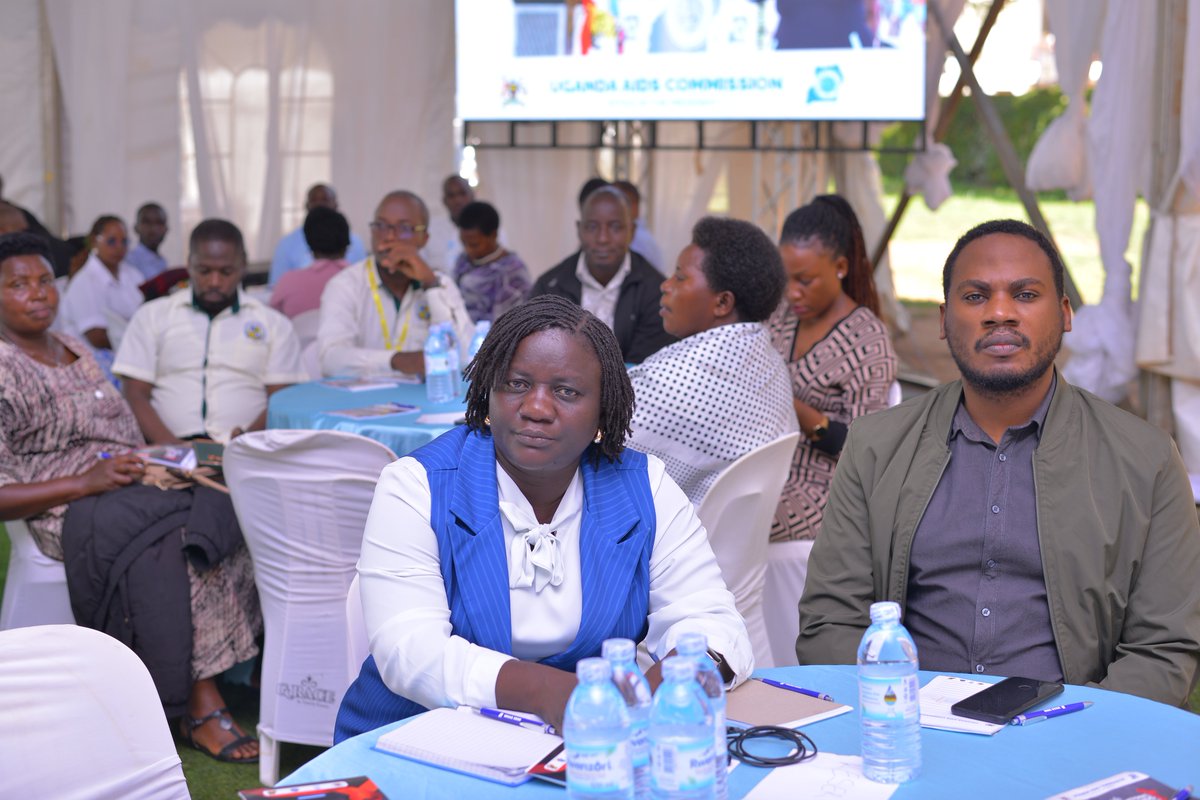
Poster Presentations by Uganda AIDS Commission in partnership with key partners, happening at the National HIV and AIDS Symposium at Mbarara University of Science & Technology (MUST).
#NHAS2026#EndAIDS2030Ug
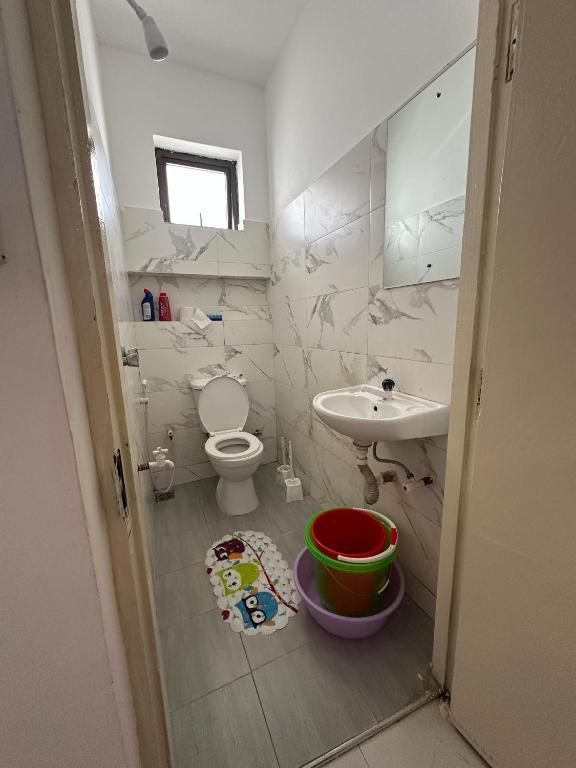
Bathroom Falls are no longer just a concern for the elderly. Anyone can fall.
A wet bathroom floor, slippery surface, poor lighting or lack of support can turn an ordinary trip to the bathroom into a serious injury.
Children, adults, older people, pregnant women, and people with disabilities can all experience bathroom falls. The risk may differ, but no one is completely immune.
How can we prevent bathroom falls?
🛁Install non-slip mats inside the bathroom, especially around wet areas.
🧼 Keep bathroom floors clean and dry.
💡 Ensure adequate lighting, especially at night.
🤝 Install grab/support rails where needed.
🚪 Keep pathways clear of clutter.
👀 Supervise young children when necessary.
♿ Make bathrooms accessible and safe for people with disabilities.
Fall prevention starts with making the environment safer.
A few simple changes can prevent serious injuries and help people remain safe and independent.
#FallPrevention #InjuryPrevention #PublicHealth #DisabilityInclusion #HealthAndSafety
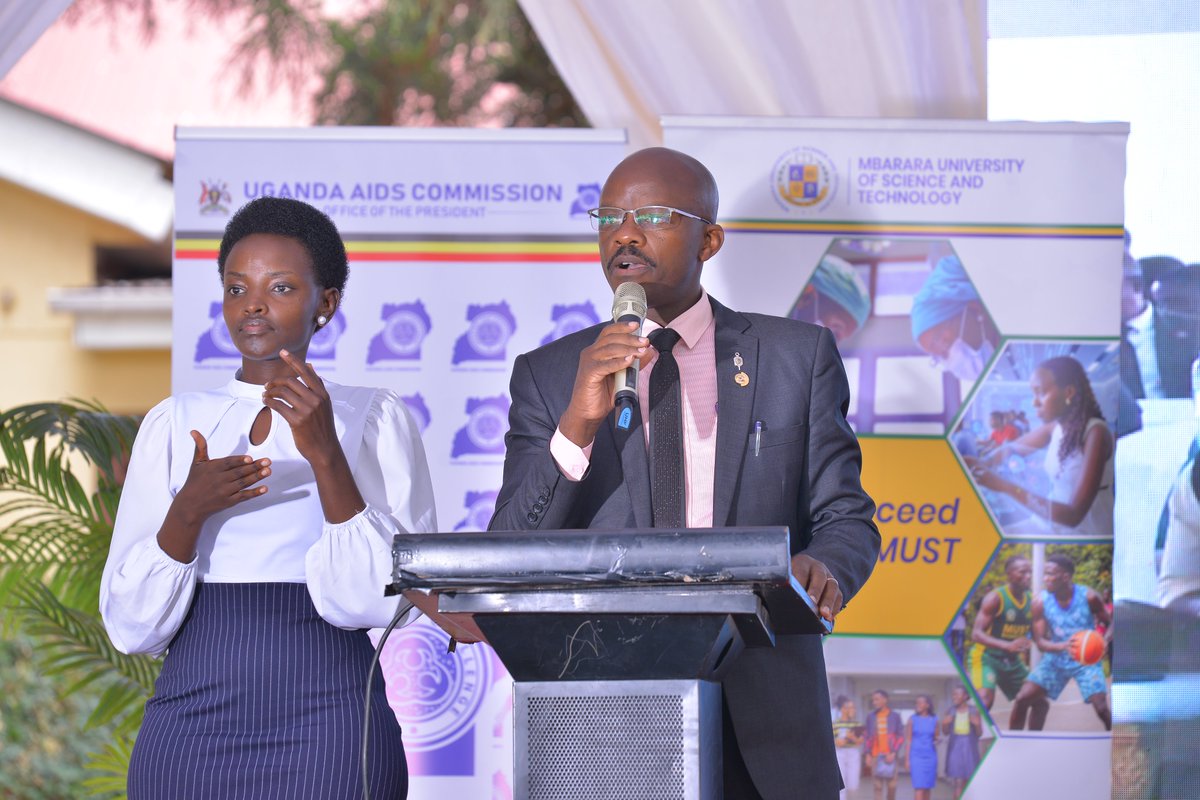
AIC-Soroti Takes Centre Stage at NHAS 2026.
We are proud to announce that Dr Baker Bakashaba, Project Director, AIDS Information Centre (AIC) Soroti Project, will co-chair a session at the National HIV and AIDS Symposium 2026, taking place from 16–18 November.