Differential diagnosis in Posterior Hip Pain - a joint effort with @TheHipPhysio
Remember pain location will vary and is just one piece of the puzzle in diagnosis!
Most exercise advice focuses on how much you train. This paper shows the real question is what kind of cellular architecture you’re building.
This systematic review and meta-regression synthesizes data from 425 human studies to quantify how different exercise modalities reshape mitochondrial content and skeletal-muscle capillarization, two core determinants of metabolic health and endurance capacity.
The primary ideas to draw from the paper:
• Training intensity is the dominant driver of mitochondrial expansion.
High-intensity and sprint-interval training produced ~2–4× greater increases in mitochondrial markers compared with traditional endurance training when normalized for time.
• Volume still matters, but differently.
Mitochondrial adaptations scale with training intensity × volume, whereas capillary growth depends more on intervention duration (≥8 weeks) than intensity alone.
• Capillarization and hypertrophy are not the same adaptation.
Capillary density and capillaries per fiber increased even when cross-sectional area did not, reinforcing that vascular remodeling is a distinct biological response.
• Trainability is context-dependent.
Untrained individuals showed larger relative gains, but well-trained individuals still adapted, especially under higher-intensity stimuli, contradicting the idea of a hard “adaptation ceiling.”
• Age, sex, and disease status did not negate adaptation.
Young vs. old, male vs. female, and healthy vs. cardiometabolic or pulmonary disease groups all demonstrated meaningful mitochondrial and vascular remodeling with appropriate training exposure.
I'm sum, exercise is not merely a behavioral intervention, it is a dose-dependent biological signal that remodels mitochondrial density, oxidative capacity, and skeletal-muscle microvasculature. Intensity determines how much adaptation you get; duration determines how completely the tissue remodels.
1/”Tell me where it hurts.”
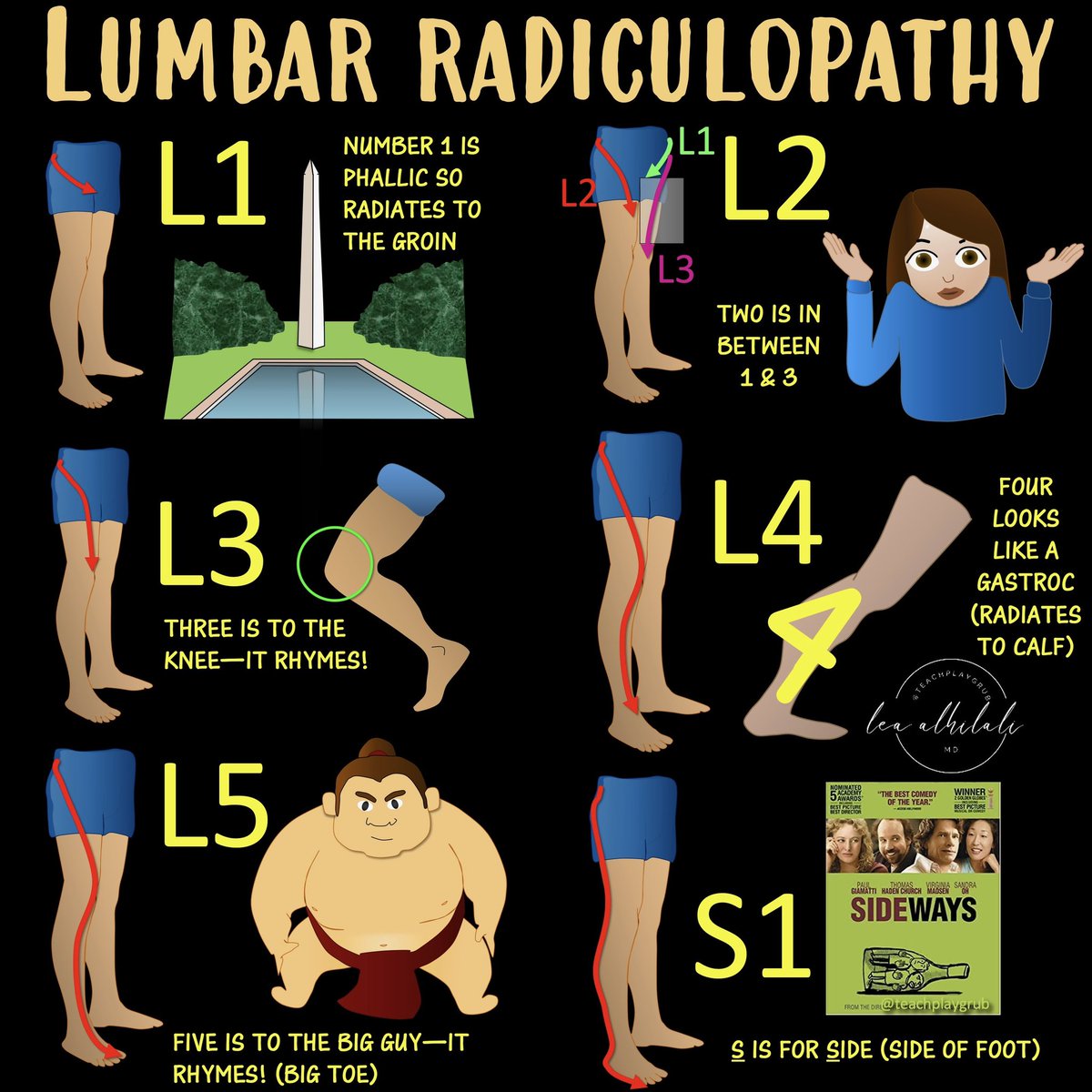
How back pain radiates can tell a lot you about where the lesion is—if you know where to look!
Here’s how to remember lumbar radicular pain distributions!
💪 What do you do during rest between sets?
Research shows that static stretching 🙆♀️ between sets can slightly boost hypertrophy.
✅ 20–30s stretch of the trained muscle (or antagonist)
✅ Better mobility, possible extra muscle growth
❌ Never painful
https://t.co/JX3JpSwYLk
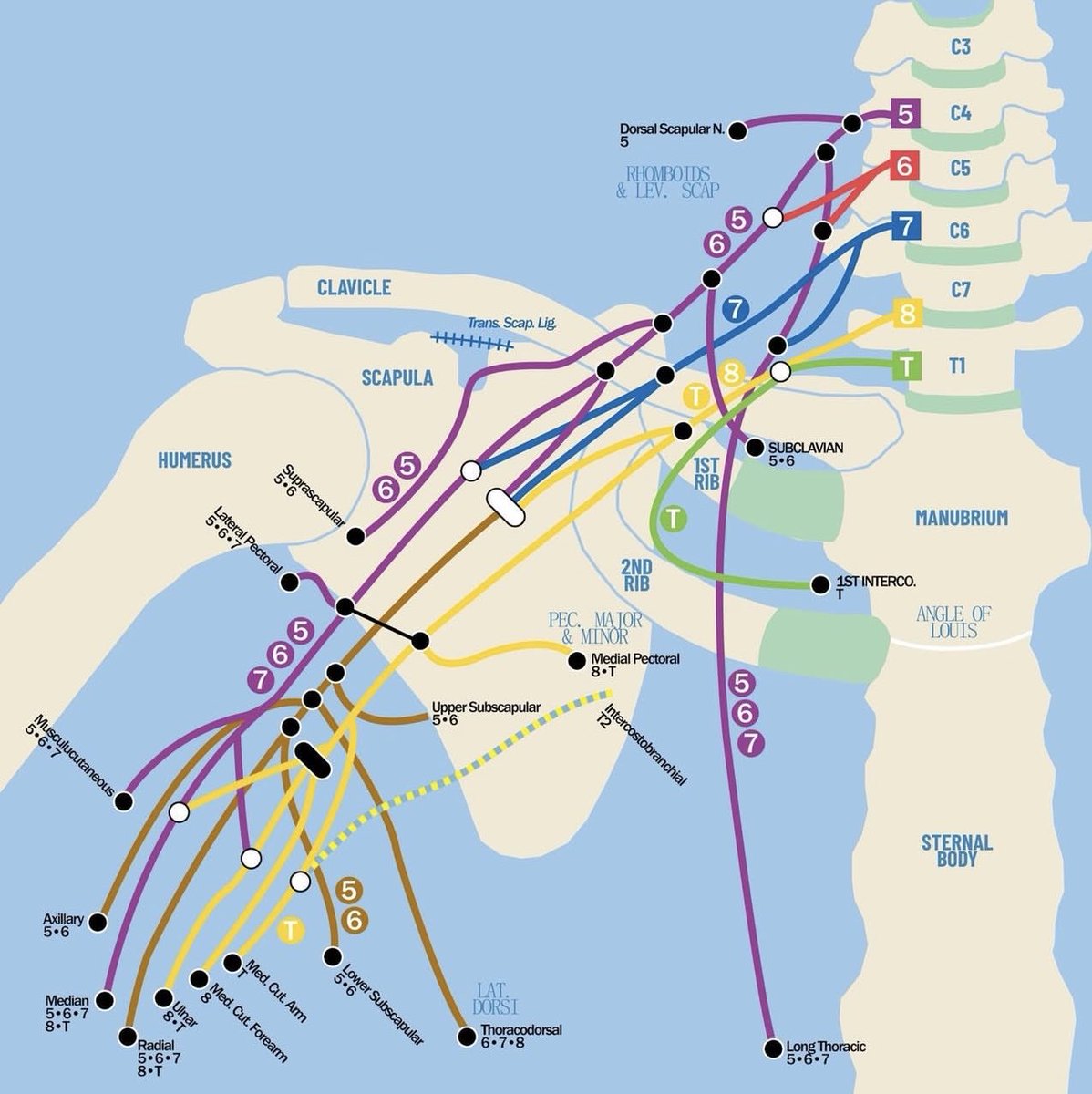
1/Raise your hand if you’re confused by the BRACHIAL PLEXUS!
I could never seem to remember or understand it—but now I do & I’ll show you how!
A thread so you will never fear brachial plexus anatomy again!
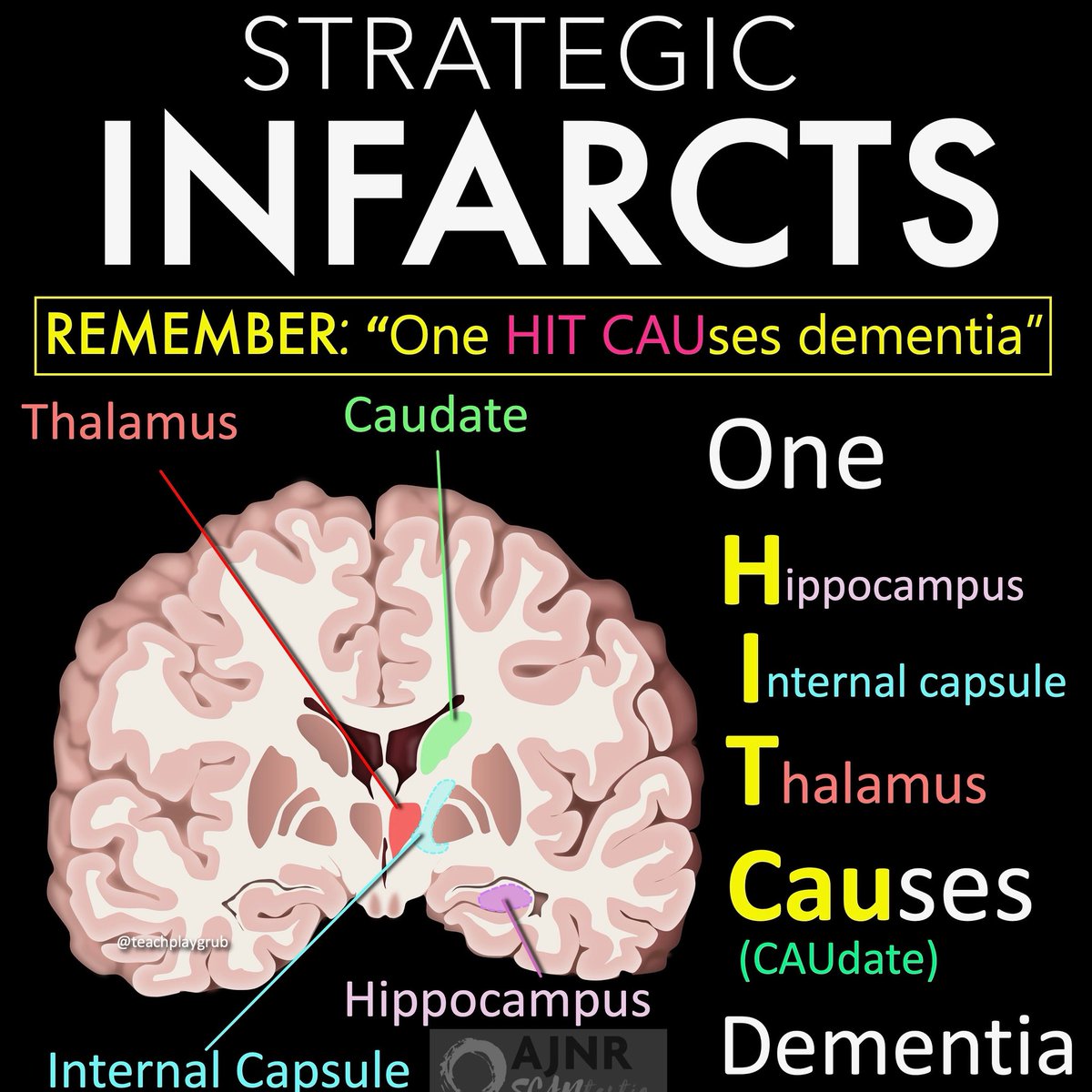
Having trouble remembering what to look for in vascular dementia on imaging?
Almost everyone w/memory loss has infarcts. Which are important?
The latest @theajnr has what you need to know:
https://t.co/El20NuGdlj
Strategic infarcts are infarcts located in structures directly related to cognition. So damage to these structures results in dementia without any other significant volume loss.
They are like a ninja. Just one shot right to the heart to take it down.
Just one infarct in one of these important structures can cause dementia like a shot to the heart.
So which structures are these?
Many structures that have been implicated in strategic infarct dementia.
But the main ones are hippocampus, internal capsule (ant & genu), thalamus (paramedian) & caudate.
I remember this w/the mnemonic:
One HIT CAUses dementia
Now you have a strategy for finding strategic infarcts!
But this just scratches the surface. Follow @the_ajnr & check it out for yourself:
https://t.co/El20NuGdlj
“Inpatient rehabilitation (IR) may enhance functional status and independence in patients with brain mets during the interim post-hospitalization period, optimizing functional performance for a smoother transition to subsequent onc treatments.“ https://t.co/wGuVBVOyWv
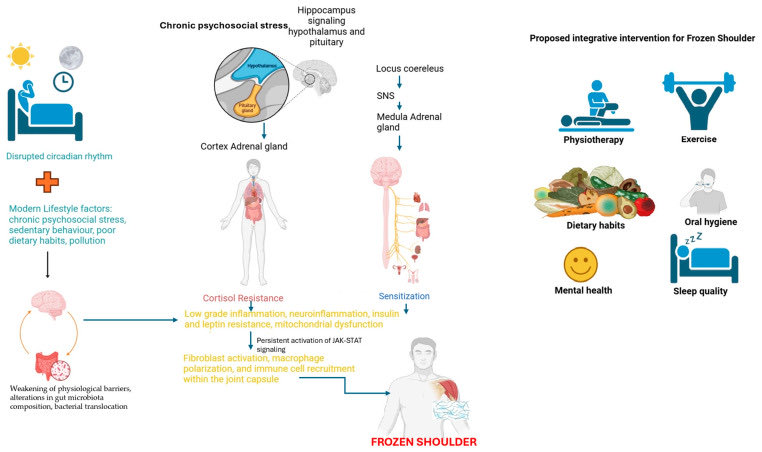
“Frozen Shoulder”
Overview of the multifactorial pathophysiology and proposed integrative treatment strategies👇🏼
#shoulder#health
https://t.co/T7mgVVbGUO
Just published 🔥
The Worst Pain Is an Unexplained Pain
"This viewpoint advocates for non-pathoanatomical functional diagnoses or classifications and practical, relatable explanations for patients with pain without a definitive pathoanatomical cause."
https://t.co/jE9vtTBpIF
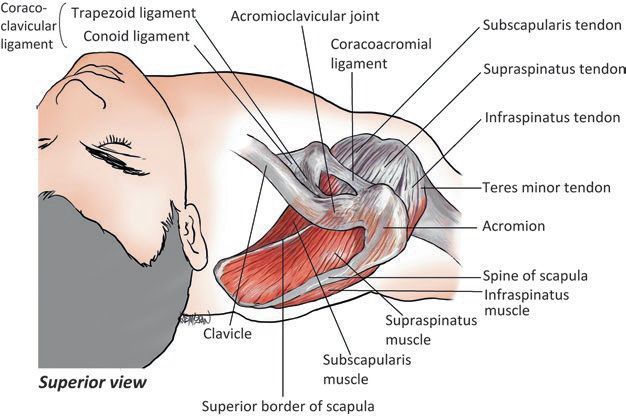
Labrum & biceps tendon
Labrum👉🏼 fibrocartilaginous ring surrounding glenoid rim
Biceps tendon👉🏼 attaches to superior aspect of labrum
A/acromion C/coracoid process SS/supraspinatus IS/infraspinatus muscle T: teres minor BT/biceps tendon/G: glenoid
https://t.co/h1KLYiyGtU
Neuromuscular adaptation to training
Factors contributing to training-related increase in muscle force production:
⬆️number of activated motor units
⬆️firing frequency of motor units
⬆️size & contractile properties of muscle fibres
#exercise#force
https://t.co/k6mxGJnFsj
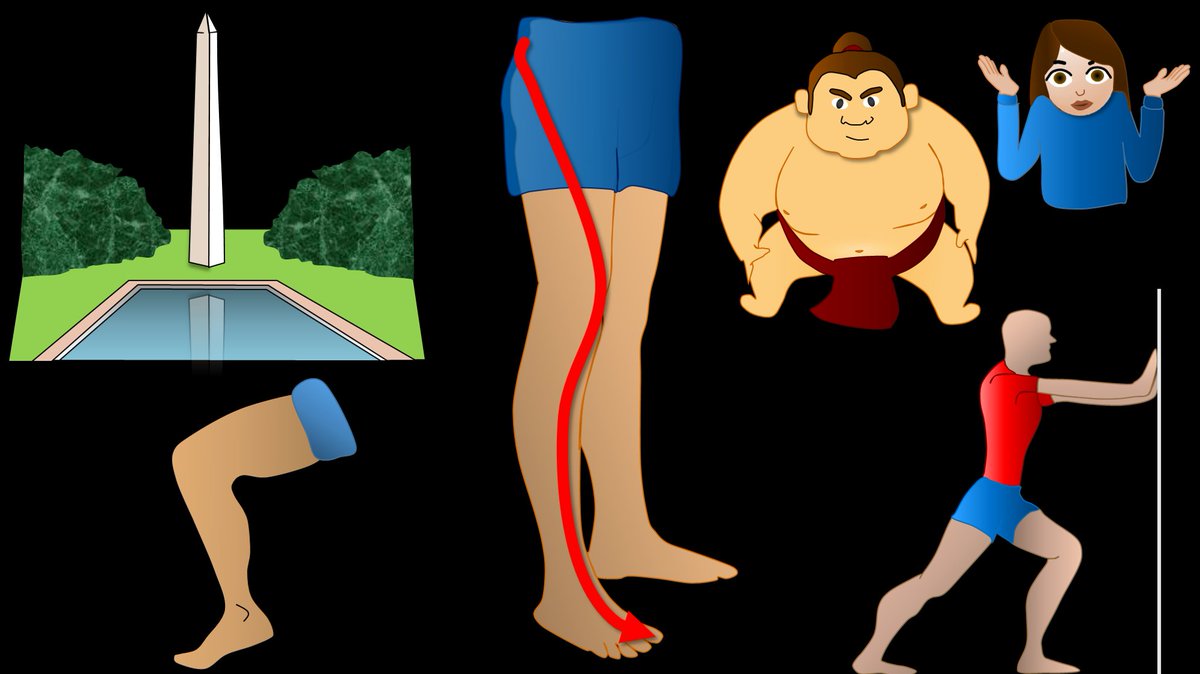
Tell me where it hurts.”
How back pain radiates can tell you where the lesion is—if you know where to look!
Do YOU know where to look?
Here’s how to remember the lumbar radicular pain distributions!
Keep this cheat sheet as a BACKUP for when you are dealing with BACK pain!
L1
L1 radiates to the groin
Remember that b/c the number 1 is, well, um…phallic. So phallic number 1 radiates to the groin.
L2
L2 radiates to thigh
Two is the number between 1 and 3, so the distribution of L2 is between the distributions of L1 and L3—and between the groin (L1) and knee (L3) is the thigh.
L3
L3 radiates to the knee
Remember L3 is to the knee—easy, it rhymes!
L4
L4 radiates to the calf.
Remember this bc the number 4 looks like the calf, 🔸Top part of the 4 looking like a bulging gastroc & the bottom part of the four is the rest of the calf connecting to the ankle.
L5
L5 radiates to the big toe.
Remember the little rhyme “Five is to the big guy!”
L5 is also foot drop. Remember big guys are heavy, and heavy gravity = drop.
S1
S1 radiates to the side of the foot.
Remember this because both S1 and Side start w/S.
So now you know where in the lumbar spine to a look when a patient tells you the pain radiates down their leg!
Remember, there are many variations & this is just a starting guide
But hopefully now remembering the lumbar radicular distributions won’t be a pain in the backside!