The Naqad Islamic Studies server is an open resource server for print and online collections that support Late Antique, Near Eastern and Islamic Studies.
Dr. Zakir Naik is not first person to theorize that Prophet Muhammad is mentioned in Buddhist scriptures.
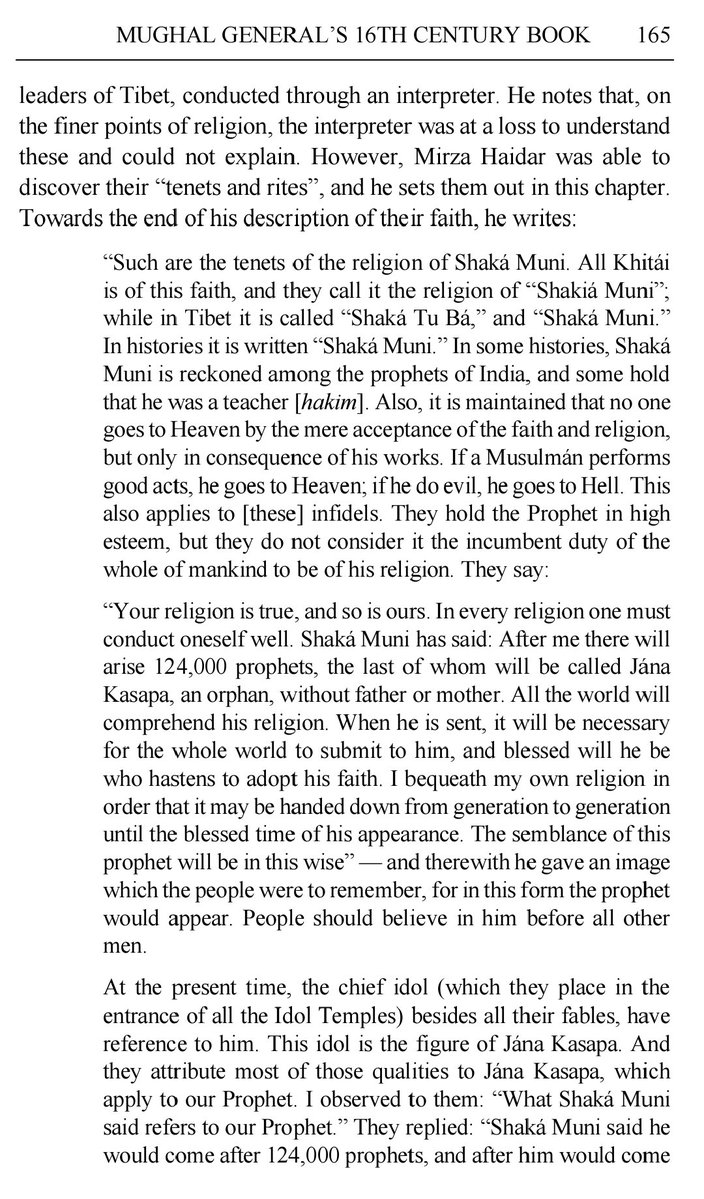
Cousin of Emperor Babur & ruler of Kashmir in 16th century i.e Mirza Muhammad Haidar Dughlat in Tarikh-i-Rashidi also believed that Buddha had predicted coming of Muhammad.
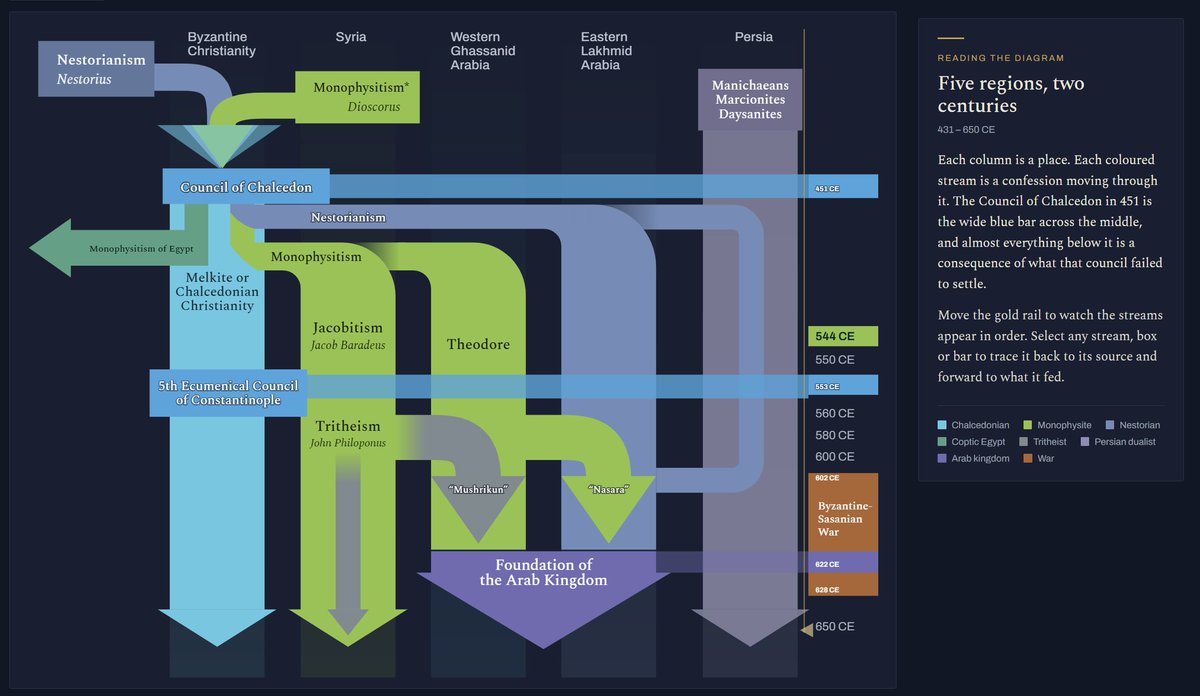
Currently diagramming Von Sivers' reconstruction of the religious trends that led to the monotheism of the Arab Kingdom, which eventually led to Islam.
https://t.co/mHdeCGNswL
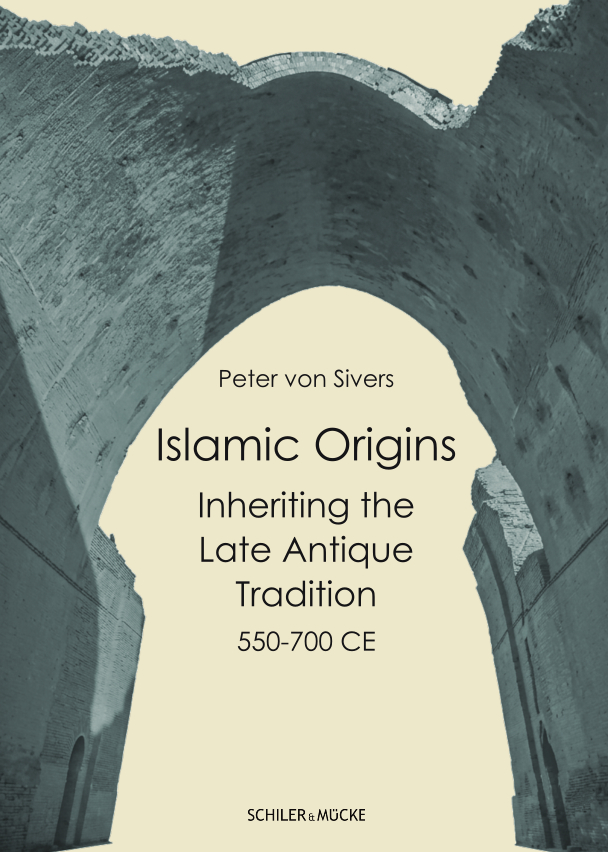
À paraitre : probablement l'un des ouvrages les plus importants de la décennie sur la question des origines de l'islam.
📖 Peter von Sivers, "Islamic Origins: Inhereting the Late Antique Tradition".
Another excellent new title in Edinburgh Studies in Islamic Scripture and Theology. In Before the Qur’an, Süleyman Dost brings extensive contemporary research on pre-Islamic Arabian rock inscriptions into conversation with the Qur’an to explore the scripture’s historical context. https://t.co/OGSUYSUuFK
#NewPublication
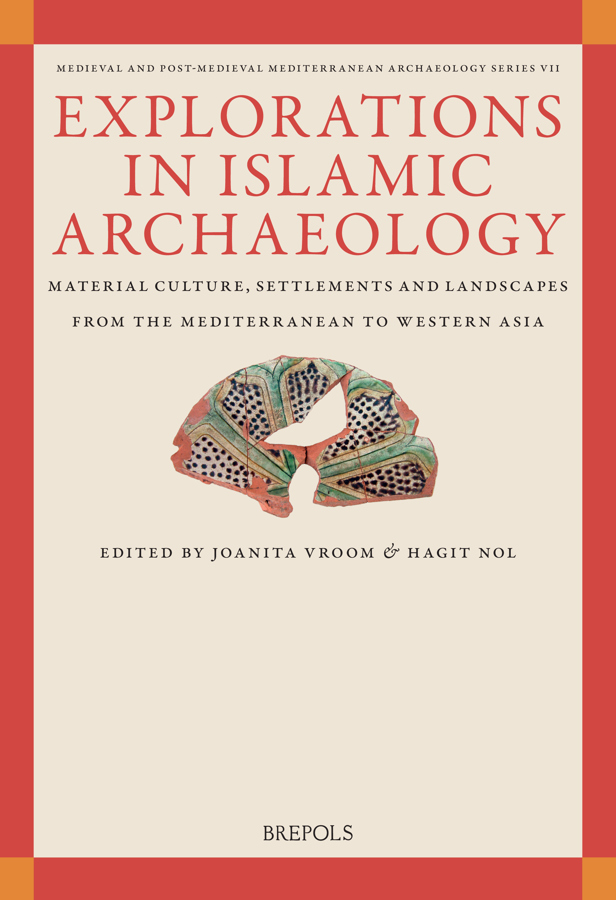
Explorations in Islamic Archaeology
Material Culture, Settlements, and Landscapes from the Mediterranean to Western Asia
eds. Joanita Vroom, Hagit Nol. Brepols 2025
Front Matter PDF
https://t.co/8o5IzQusS3
https://t.co/roEWPgf9Wv
When experts refer to 'the origins of Islam,' they really do mean origins in the plural.
The road to Islam takes centuries: the amalgamation of innumerable paths, trails, and highways from Ethiopia to Yemen to Persia and more. Many of these paths are still barely visible
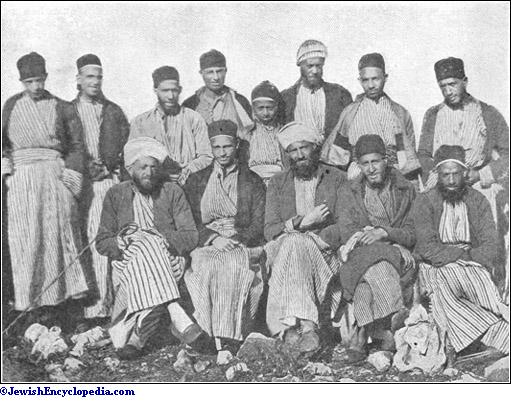
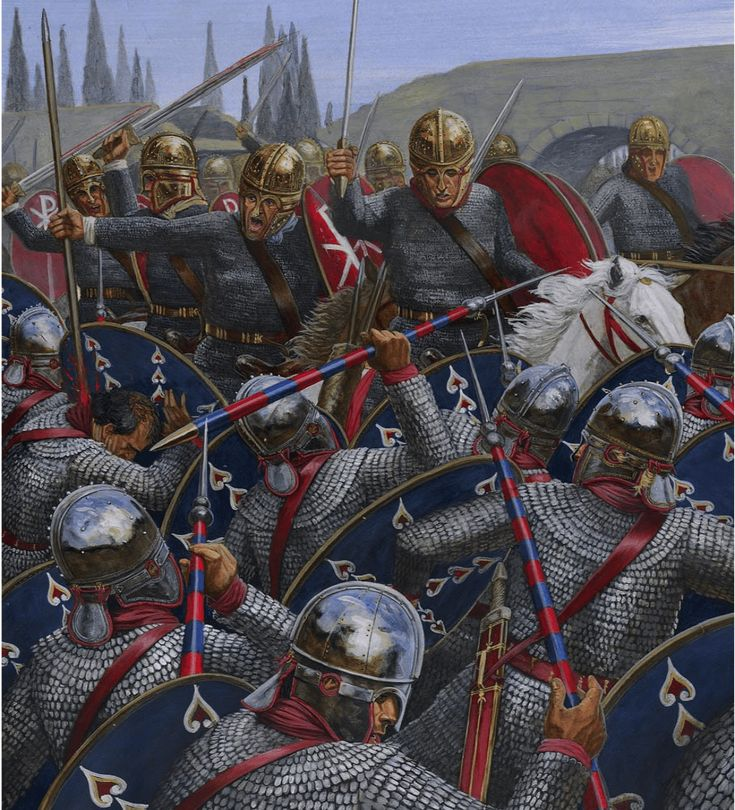
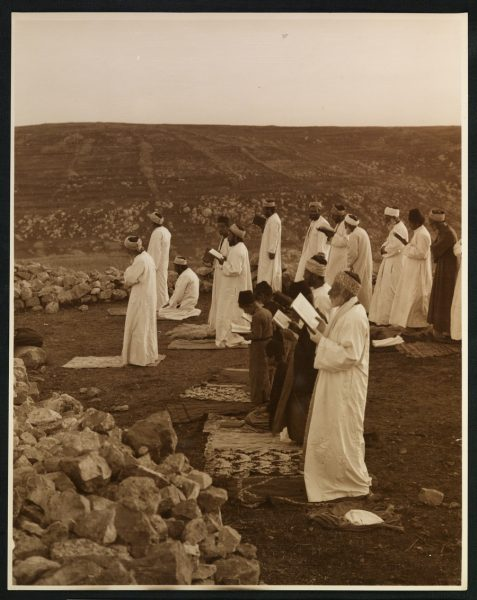
The Samaritans conducted several violent revolts in Late Antiquity.
Samaritanism provided the immediate primary context for what zealous revolutionary Levantine anti-Roman reclamation of holy territory looked like before the 7th century CE.
The close etymological relationship between Jinn جنّ and Jannah جنة may originally been as straightforward as:
'concealed [spiritual] beings' come from the 'concealed Place [of the spirit realm]'
Kind of hard to avoid this conclusion.
Dr Fred Donner is a great scholar, but his core thesis has a glaring flaw:
He equivocates between the Qur'ānic Mu'minūn (believers) and the self identity of the earliest Arab conquerors, Muhājirūn (emigrants, sojourners).
Why? On what basis?
https://t.co/sG22Pcq5Y1
Militant revolution was well- patterned in the 6th c by the Samaritans.
After the last failed revolt to cleanse the 'blessed land' of Israel, the seal of the Samaritan prophets, Moses, soon later be recast as a progenitor for the Arab Khatam an-Nabiyyin in a few short decades.
The Samaritans conducted several violent revolts in Late Antiquity.
Samaritanism provided the immediate primary context for what zealous revolutionary Levantine anti-Roman reclamation of holy territory looked like before the 7th century CE.
In 572, Justin II reported Samaritan attacks on Christian churches near Mount Carmel. In response, he rescinded rights granted by Justinian. This led to another joint Samaritan-Jewish revolt in 572-573. The uprising further reduced the Samaritans in the region.
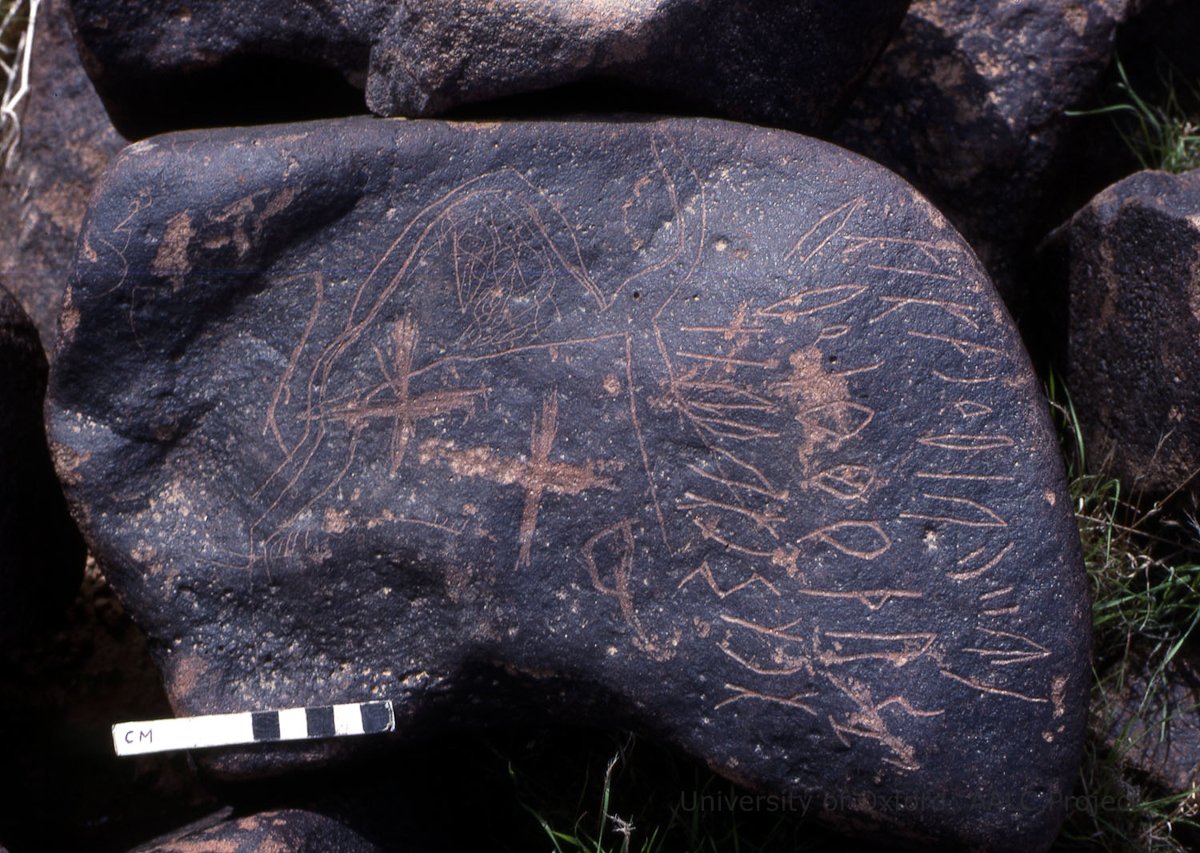
When did the Arabs become known as the Ishmaelites? This #Safaitic inscription records a man, who calls himself the 𝑠𝑙𝑎𝑣𝑒 𝑜𝑓 𝒕𝒉𝒆 𝑰𝒔𝒉𝒎𝒂𝒆𝒍𝒊𝒕𝒆𝒔, grieving for his father. Newly updated #OCIANA card, especially the commentary - KRS 294: https://t.co/iFc050v15R











![NaqadStudies's tweet photo. The close etymological relationship between Jinn جنّ and Jannah جنة may originally been as straightforward as:
'concealed [spiritual] beings' come from the 'concealed Place [of the spirit realm]'
Kind of hard to avoid this conclusion. https://t.co/H3zVal3jNP](https://pbs.twimg.com/media/GigIBOwWUAA8At8.jpg)





