This account is officially archived. Follow @NASAArtemis, @NASA_Johnson, and @NASAKennedy for updated on the Orion spacecraft or visit us on the web at https://t.co/zz9NukZvsM
Important update: In the coming weeks, NASA's Orion Spacecraft X account will be archived. To consolidate our social media presence, we will post future updates about the Orion spacecraft via @NASA_Johnson and @NASAArtemis.
We are in the home stretch of the Moon Mascot competition!
You have less than two weeks to submit your designs for the zero gravity indicator aboard the Artemis II mission. Your plush creation could be a part of history forever: https://t.co/YqEfUTTS66
In 2007, Liliana Villarreal joined @NASA. Now, she's the Artemis Landing and Recovery Director.
“I think it’s an amazing thing what we’re doing for humanity. It’s going to better humanity, and it’s a steppingstone to eventually us living in other worlds. And I get to be part of that. You get to be part of that. How cool is that?” - Lili
Learn about her journey here: https://t.co/XOsTrUDXSC
When Orion was in the development phase, a wide range of display input methods were evaluated, including touchscreens. However, during development, physical buttons, knobs, and military-style systems similar to those on aircraft like the F-18 and F-16 proved to be more "tried and true" to ensure they can meet the rigors of spaceflight and were more readily certifiable for use in the deep space environment. Touchscreens present concerns such as vulnerability to damage from floating objects or chemicals, usability issues with pressurized gloves, and challenges in display readability and navigation during emergencies. Reaching touchscreen controls while strapped in during launch also poses risks due to high g-forces. To address these concerns, Orion's stationary cursor control device (CCD) is preferred, allowing astronauts to interact with displays without moving their arms, improving safety and functionality in critical flight phases.
What’s it like inside the spacecraft that will take astronauts to the Moon?
Jason Hutt, Orion Systems Engineering & Integration Manager at @NASA_Johnson, takes us inside a mockup of the Orion spacecraft that will carry crew to the Moon on the @NASAArtemis II mission.
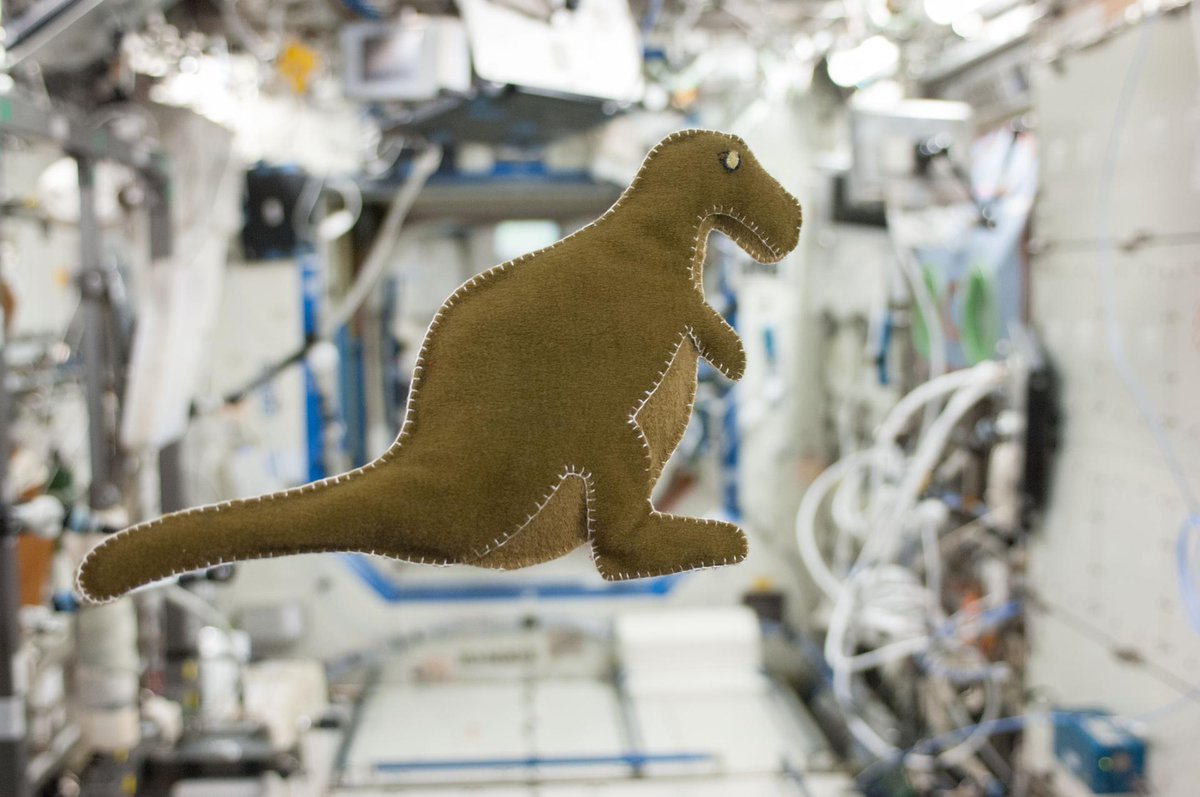
Seeking: a small, plush companion for the @NASAArtemis II mission around the Moon.
The zero gravity indicator is an instrument that floats inside @NASA_Orion and reminds the astronauts of home. It’s up to you to design it. Submissions close on June 16: https://t.co/e9jAyjoR0X
In this video, Jason is referring to the fact that Orion was built with the capability to support a crewed mission for up to 21 days. The Artemis II flight test is an approximately 10-day mission, carrying the crew on a fuel-efficient free return trajectory around the Moon and back to Earth. You can learn more about the mission here: https://t.co/dABz53sNNi
Artemis II will be the first crewed flight of Orion under the Artemis campaign. On this mission, the crew will confirm all of the spacecraft’s systems operate as designed with astronauts aboard in the actual environment of deep space. Artemis II will prove Orion’s critical life support systems are ready to sustain our astronauts on longer duration missions ahead and allow the crew to practice operations essential to successfully landing humans on the Moon on Artemis III.
Power up 🔋✅
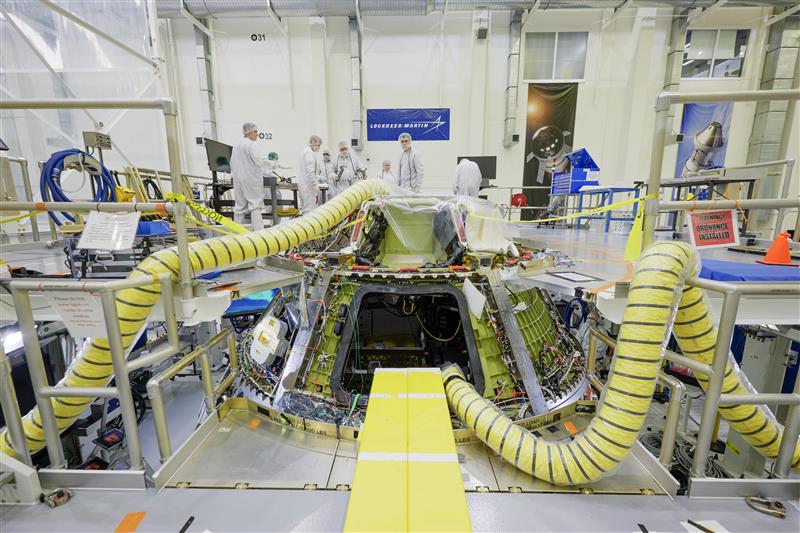
Technicians recently powered on the @NASAArtemis III Orion crew module. This initial power on marked the startup of the crew module’s computers, power and data units, which are responsible for commanding vehicle subsystems.
Learn more: https://t.co/XPTvD1JgWU
We have an exciting opportunity for anyone who would like to contribute to our @NASAArtemis II mission around the Moon!
We need a zero gravity indicator to join us aboard the @NASA_Orion spacecraft. Submit your ideas for our small, plush companion: https://t.co/qjiriK7fgP
A lot of activity last week for the Artemis II crew—a launch and entry spacesuit fit check, translunar injection burn simulation, and communications system checkouts!
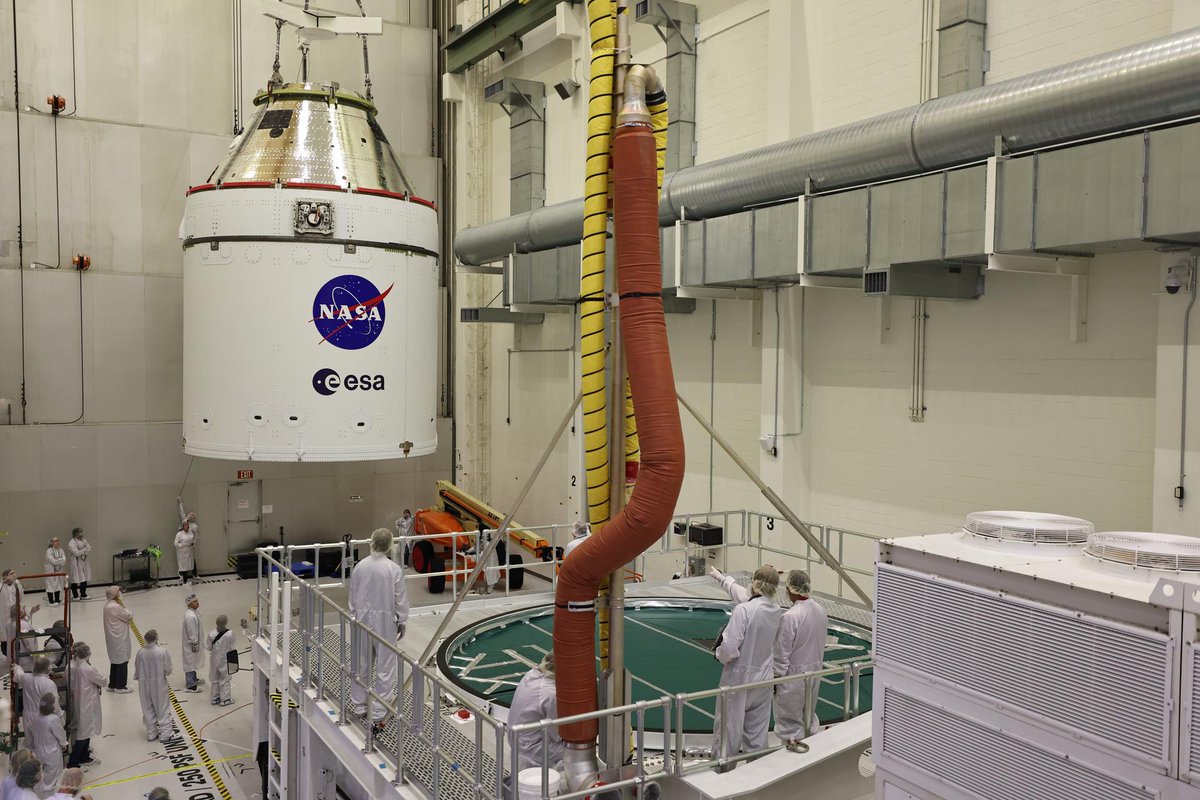
Earlier this month, the @NASA_Orion spacecraft was transferred from the Operations and Checkout building to the Multi-Payload Processing Facility, where it will be prepared for stacking on @NASA_SLS.
Check out the journey of its assembly:
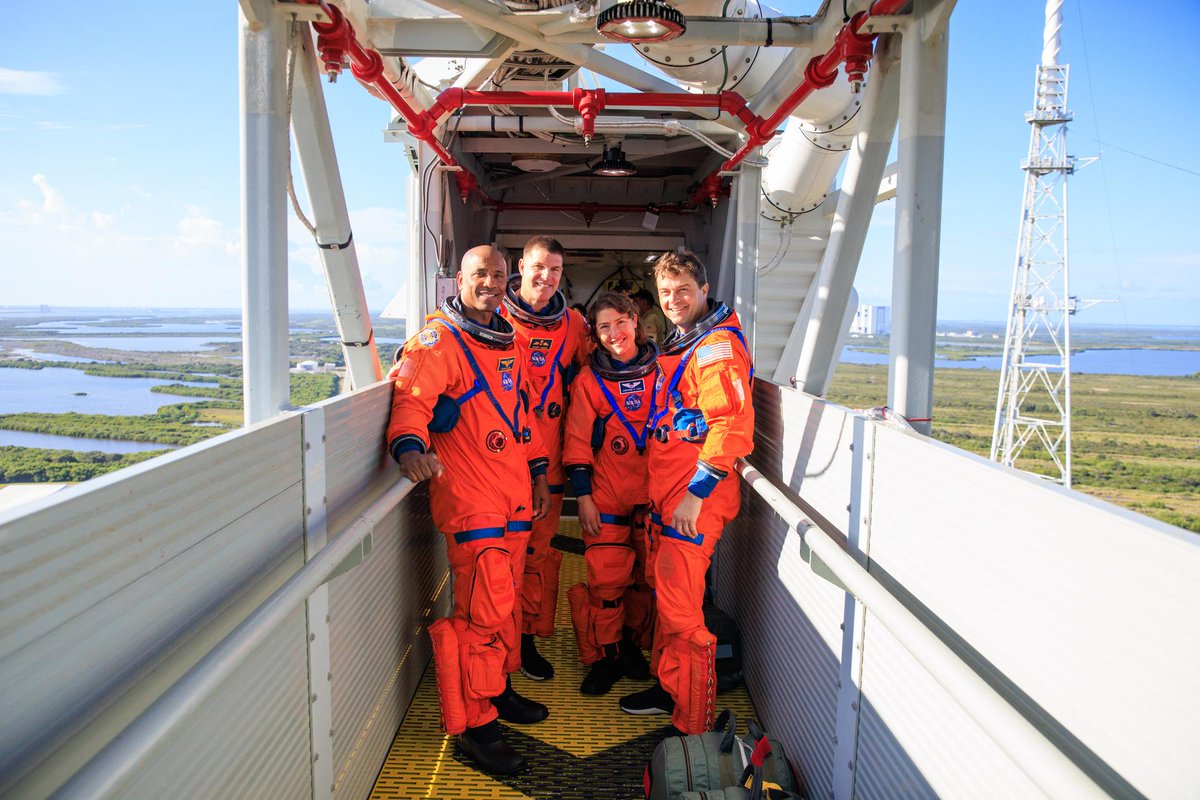
A jam-packed week for the Artemis II crew — paying homage to the Apollo 1 crew, going through emergency egress exercises, and checking out the @NASA_Orion spacecraft ahead of fueling in the Multi-Payload Processing Facility at @NASAKennedy.
Our team is progressing toward the launch of Artemis II.
Stacking of the @NASA_SLS rocket continues.
The @NASA_Orion spacecraft is now ready for fueling.
The launch team at @NASAKennedy has completed more than 30 simulations.
More: https://t.co/cWLYmz0e4s
Hitting the road 🚙🗺️
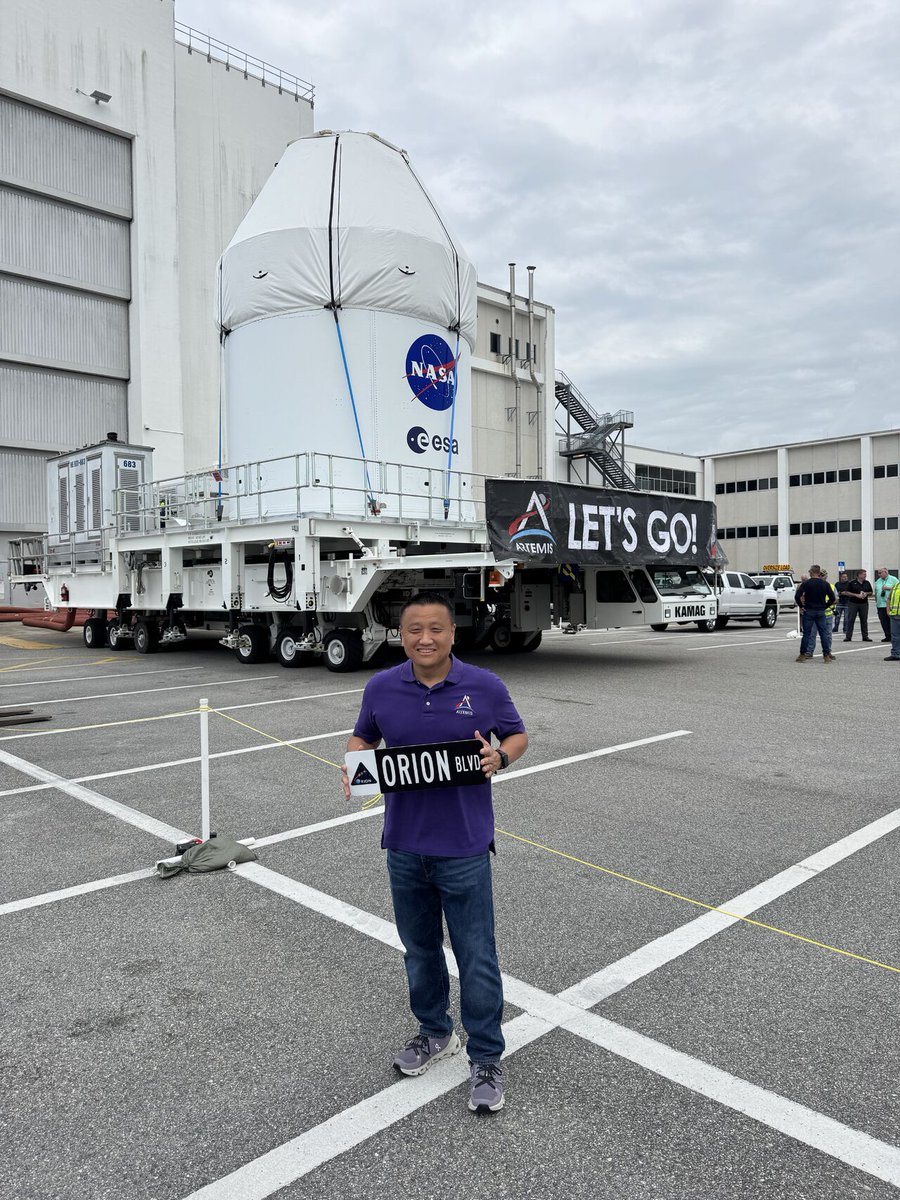
Last weekend, teams transported @NASA_Orion to the Multi-Payload Processing Facility, where they will begin fueling the crew and service modules. After fueling, teams will install the launch abort system on Orion at the Launch Abort System Facility before heading to the Vehicle Assembly Building to be stacked atop @NASA_SLS.
One giant leap.
The @NASA_Orion spacecraft for the Artemis II mission is now in the fueling facility at @NASAKennedy. The @NASAGroundSys teams will load the propellants the spacecraft and crew will need to carry out their 10-day journey. https://t.co/uYhBicvst6
Another productive week in the books: The Artemis II astronauts have been hard at work inside the @NASA_Orion simulator, practicing every step of their upcoming voyage around the Moon with the mission control team.
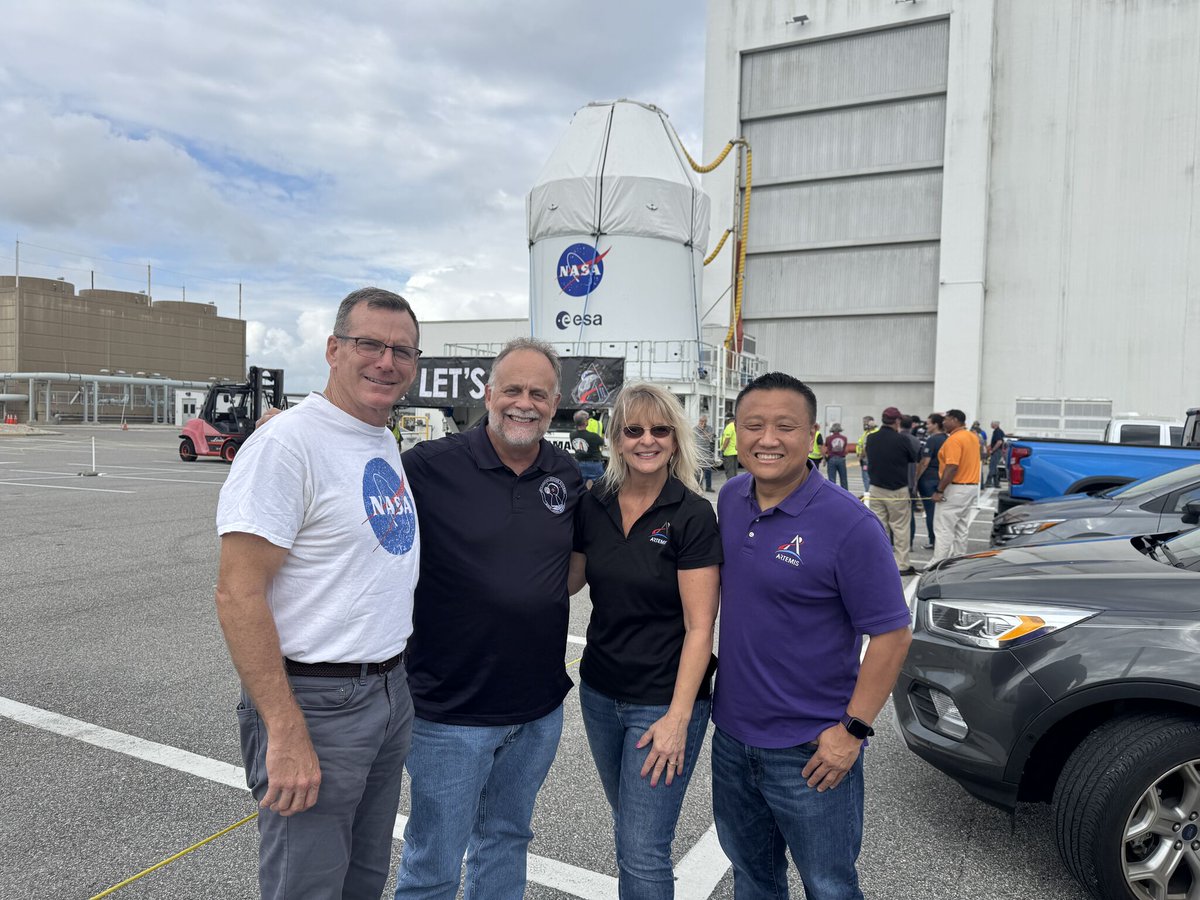
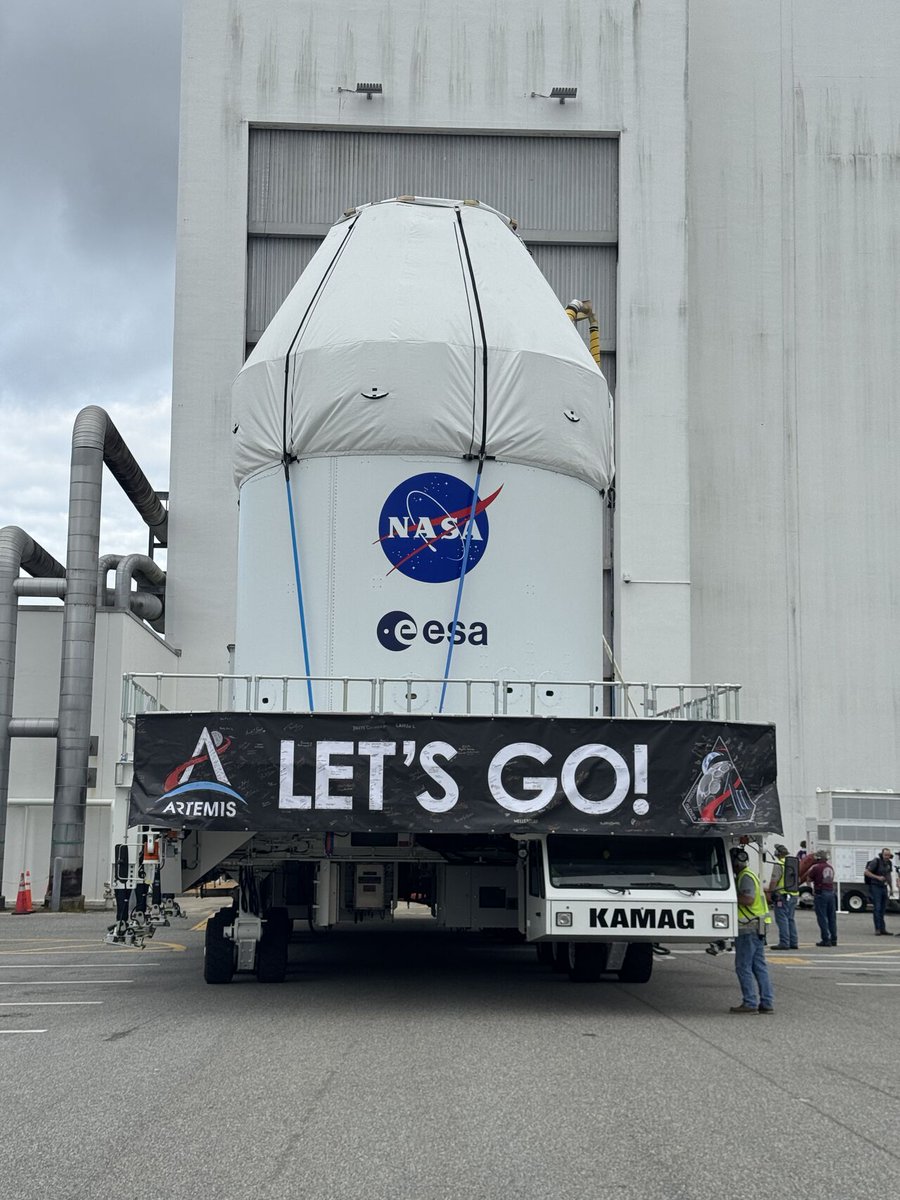
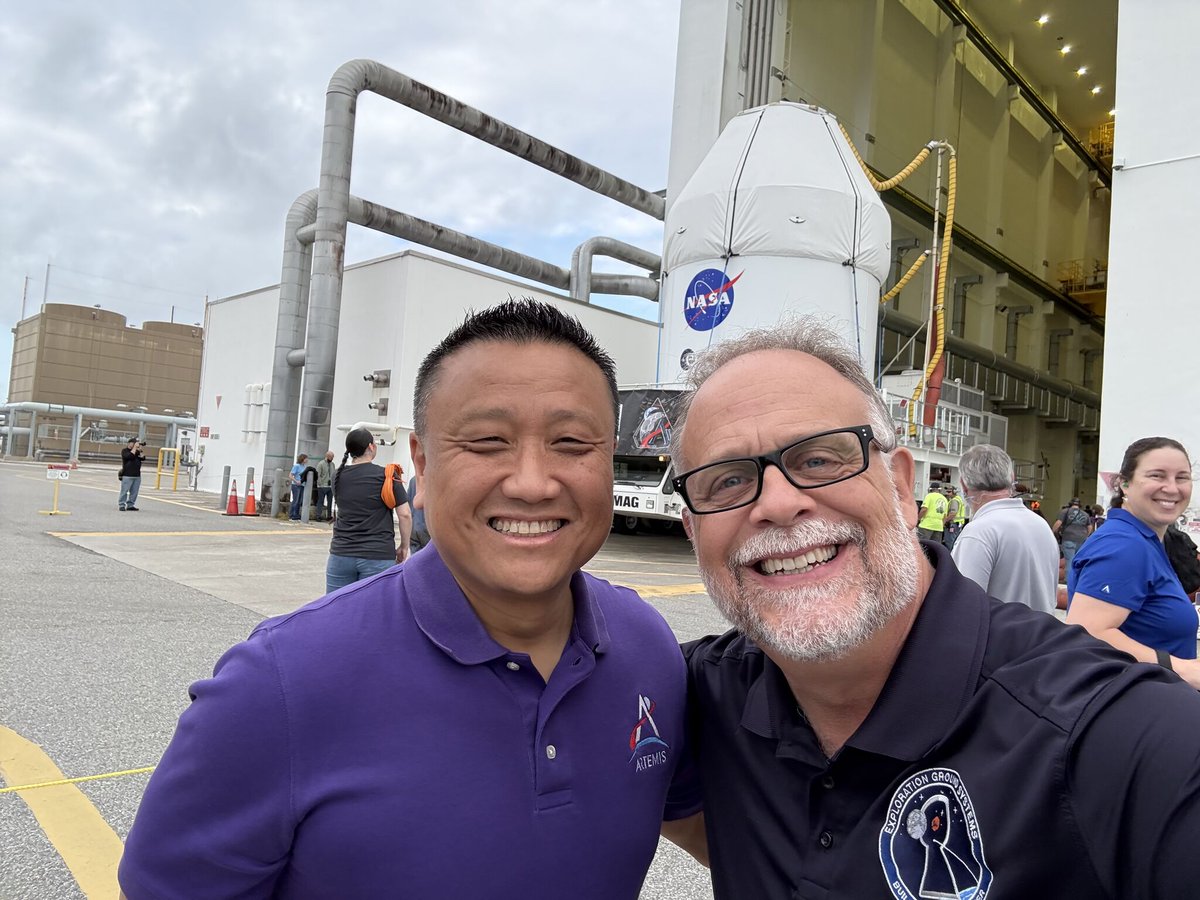
This morning we watched Artemis II @NASA_Orion roll out of the @NASAKennedy O&C to the MPPF for fueling and processing!
Exciting to share this moment with Shawn Quinn as we get ready to send crew around the Moon - and huge thanks to the Orion and @NASAGroundSys teams. Let’s GO!