History of Fertilizer 101: It's interesting how world events or even events of one country can affect inputs for agriculture so severely. 3 major world events impacted fertilizer use both positively & negatively and impacted the agricultural practices of our farmers.
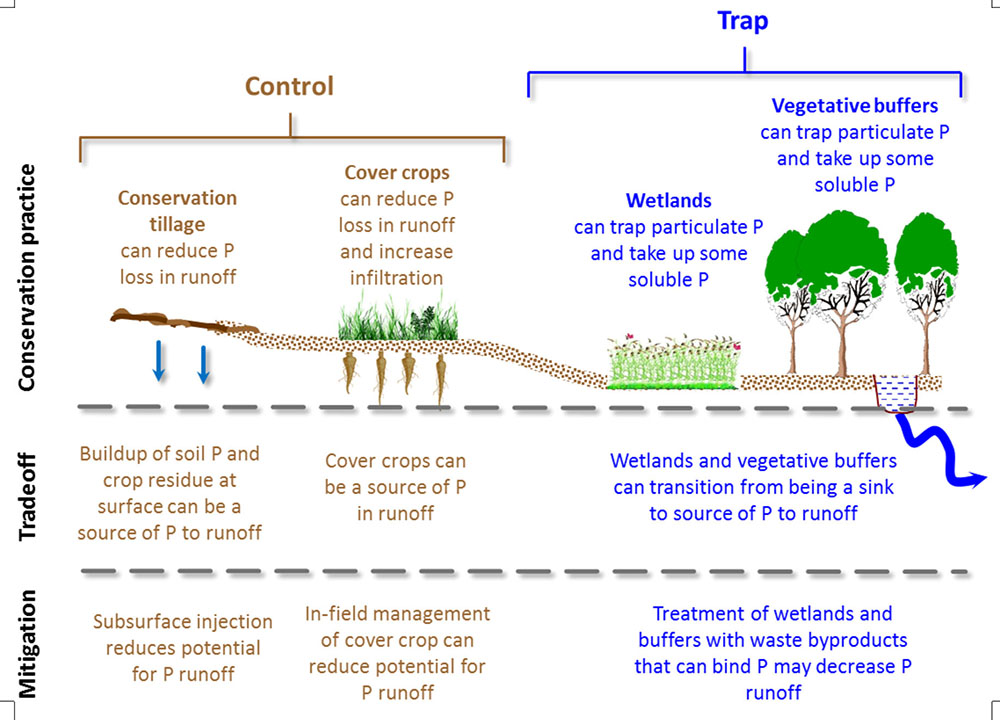
Here's a paper that anyone can access on the benefits & potential risks of many widely-recommended conservation practices, written by 15 scientists from across North America. Bottom line: no practice is a cure-all and putting the right practice in the right place is important.
Join us for the KARA Crop Production Update on 7/8 Dec 2022 for the latest crop technology talks! Many great speakers for a total of 12 CCA CEUs and one 1A credit available! @KStateAgron@KSAgRetailers@SoilFertilityKS @KSUCROPS
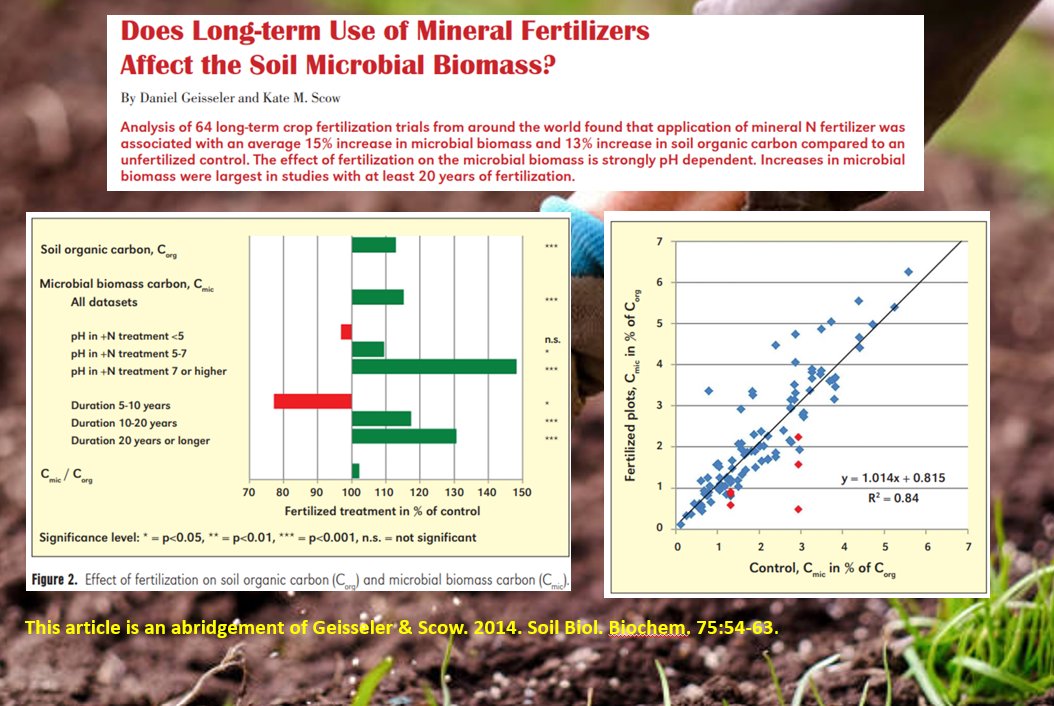
Fertilizer harms soil health? NO! Despite overwhelming data, the myth persists.
Global review by Geisseler & Scow on mineral N ferts of 64 long-term trials. N fertilizer=15% INCREASE microbial biomass, 13% INCREASE SOC. Longer time= better. Watch soil pH https://t.co/TbFQhpk3OJ
Commentary - Acknowledge limitations & trade-offs of individual conservation practices & deploy multiple practices to develop multiple lines of defense against #phosphorus loss https://t.co/gxfvHPTAfB @IL_DrainDrop @donflaten1@NathanONelson@alshober@NPK_Professor@USDA_ARS
New publication on Kansas soils: Evaluation of Mehlich‐3 for CEC in Kansas soils: M3 in soils with a pH of >7.3 will likely result in overestimation of exchangeable Ca and CEC. https://t.co/mTcLjGiRr3 @KStateAgron @KStateRE