Over 10,000,000 kg (22 million lbs) of trash removed from oceans and rivers so far.
"While we still have a long way to go, our recent successes fill us with renewed confidence that the oceans can be cleaned.": https://t.co/0MyQ0sKGEY.
Voici les fruits et légumes du mois mars 🍊
Choisir des produits de saison c’est privilégier une consommation locale et réduire son impact écologique.
Retrouvez le calendrier des fruits et légumes de saison tous les mois sur notre application et notre site web https://t.co/oLtoAinyzU
Et surtout n'hésitez pas à nous partager vos meilleures recettes en commentaire !
This week in our #FridayFieldpdate we are focused on our Tavernier Nursery, the world's largest Coral Tree nursery! We have decided to take advantage of having some corals in the land nurseries and begin reorganizing the layout of the nursery.
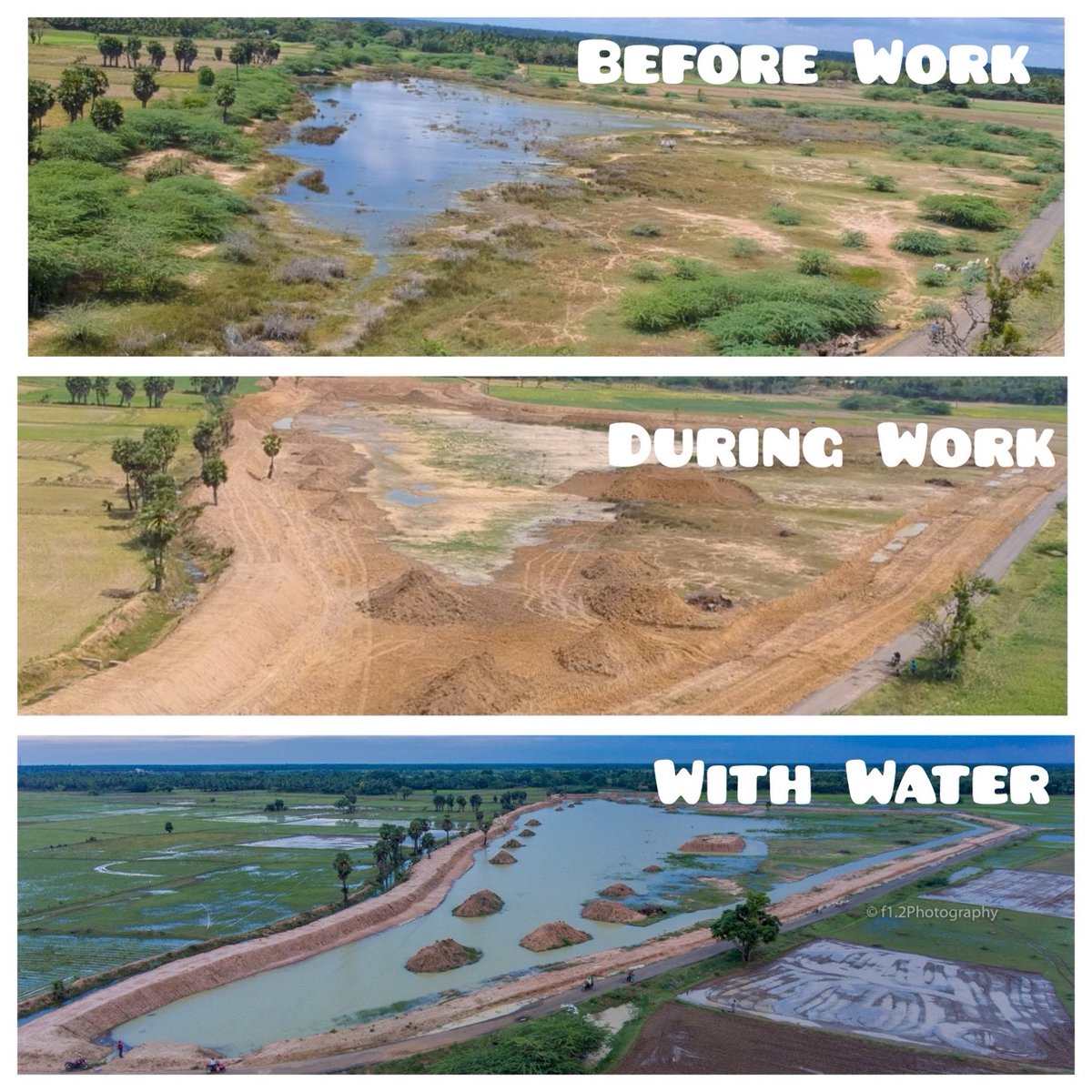
BounceBackDelta! Cauvery, India 🇮🇳!
Before and After rejuvenation pictures of Perumagalur lake.
Location: Perumagaloor Panchayat, Thanjavur district, Tamilnadu.
Area of the lake: 18 acres.
Water Saved: 25 crores litres.
Bravo @being_nimal
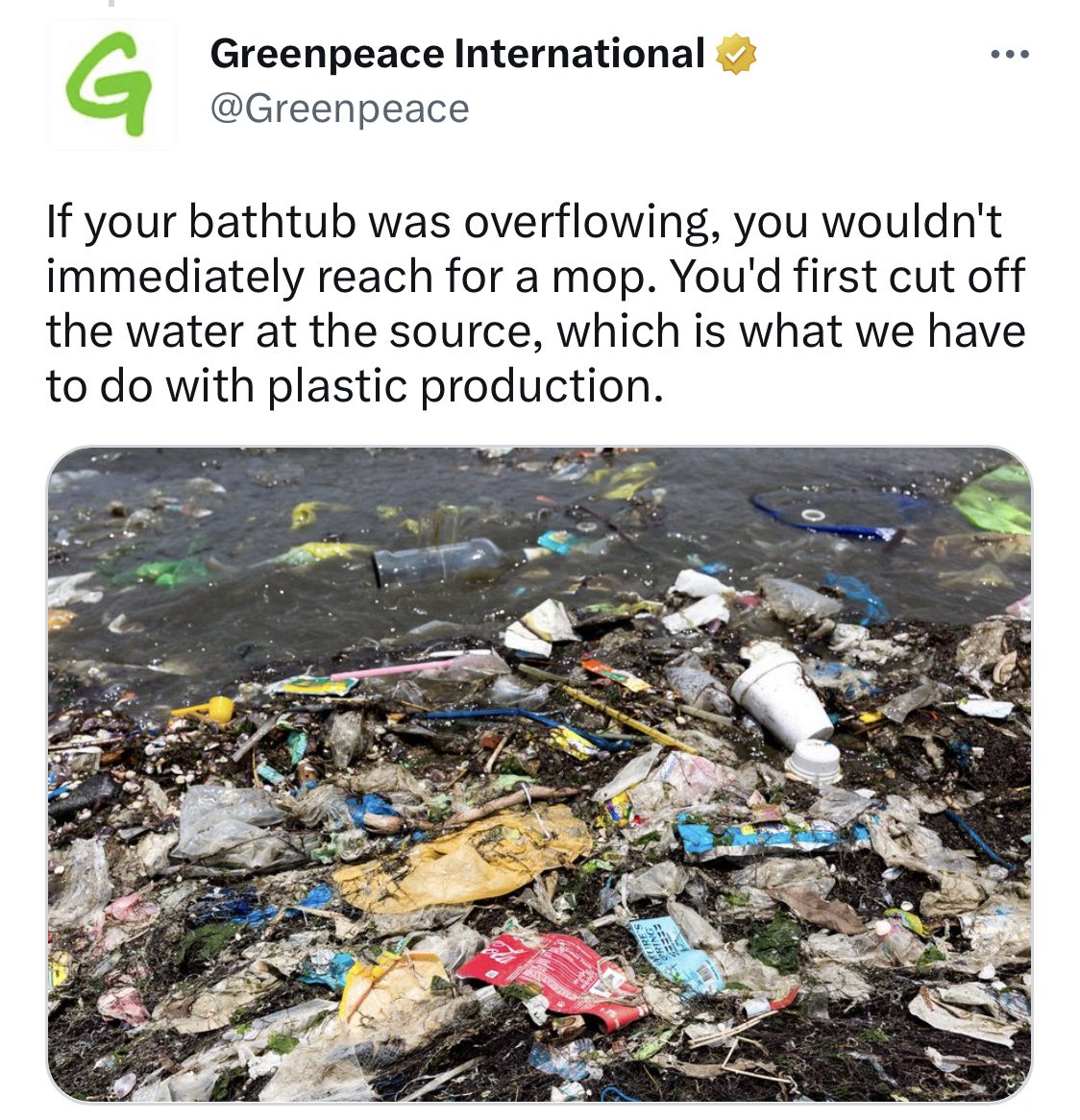
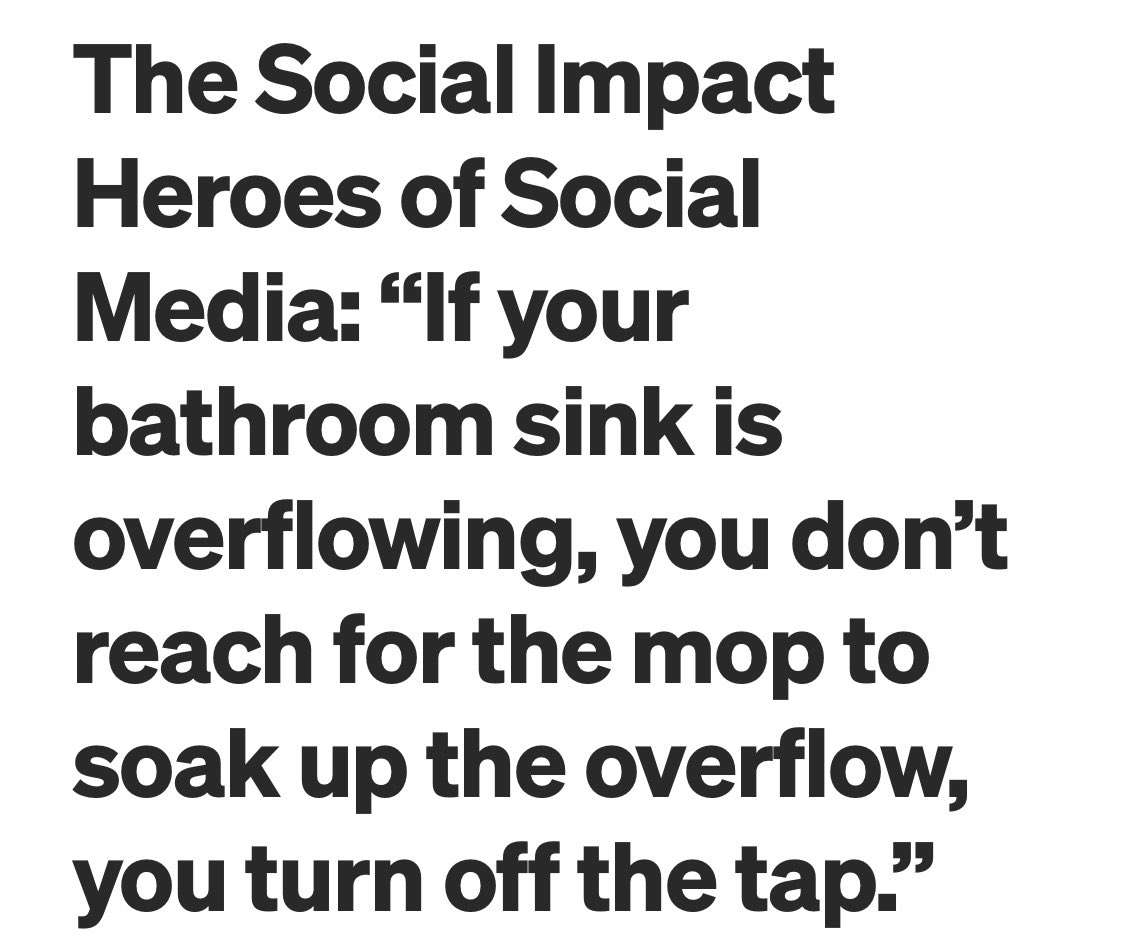
If I had a dollar for every time someone criticizes The Ocean Cleanup with the phrase “if your bathtub is overflowing, you wouldn’t get a mop, but you would first turn off the tap”, we wouldn’t have to accept donations anymore.
It is not only a cliché, but it’s also just plain wrong, for a few reasons:
1. Humanity can do more than one thing at the same time. Why not do both? Get a friend to start mopping while you work on closing the tap! One does not compete with the other; the cost of cleaning up the legacy pollution is negligible compared to what we spend on dealing with the waste on land.
2. The analogy can be used to criticize the *timing* of cleanup, but instead it’s being used to criticize spending *any* effort on anything cleanup-related. When your bathtub is overflowing, surely you’re happy there were people who developed the mop? Presumably you still have a mop at home?
3. The longer the water is on your nice wooden floor, the more damage it does, so you’d still want to mop up the water rather quickly. Similarly, the longer the accumulated plastic remains in the ocean, the more harm it causes.
4. We don’t disagree that stopping the inflow should have highest priority. Yet, due to the persistency of the plastic, that’s not the only thing we should do if we want to return to clean oceans.
5. The Ocean Cleanup works on closing the tap, too! The closest analogy to the faucet are rivers and that’s exactly where are are intercepting it to prevent it from flowing into the ocean. Instead, these activists often put river interception under the header of ‘cleanup’ too.
6. Many of those that use the bathtub analogy argue we should stop producing plastic. If we take the analogy seriously, that’s not ‘closing the tap’ but closing down the complete water supply.
7. The analogy suggests that you’d have to clean up as fast as it is flowing in to have any effect, but that’s not how the plastic problem works. Almost all the plastic that flows into the ocean washes up back onto land within a few months of being emitted, essentially removing itself. Only a tiny fraction persists. This means that just a single full scale ocean cleanup system in the Great Pacific Garbage Patch, which specifically addresses that persistent fraction, will, in fact, be capable of removing persistent plastic faster than it is flowing in.
Let’s retire this dreaded analogy.