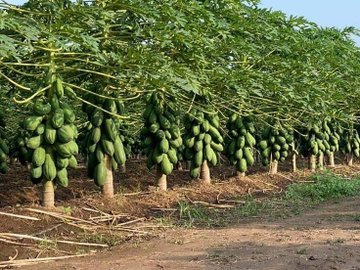
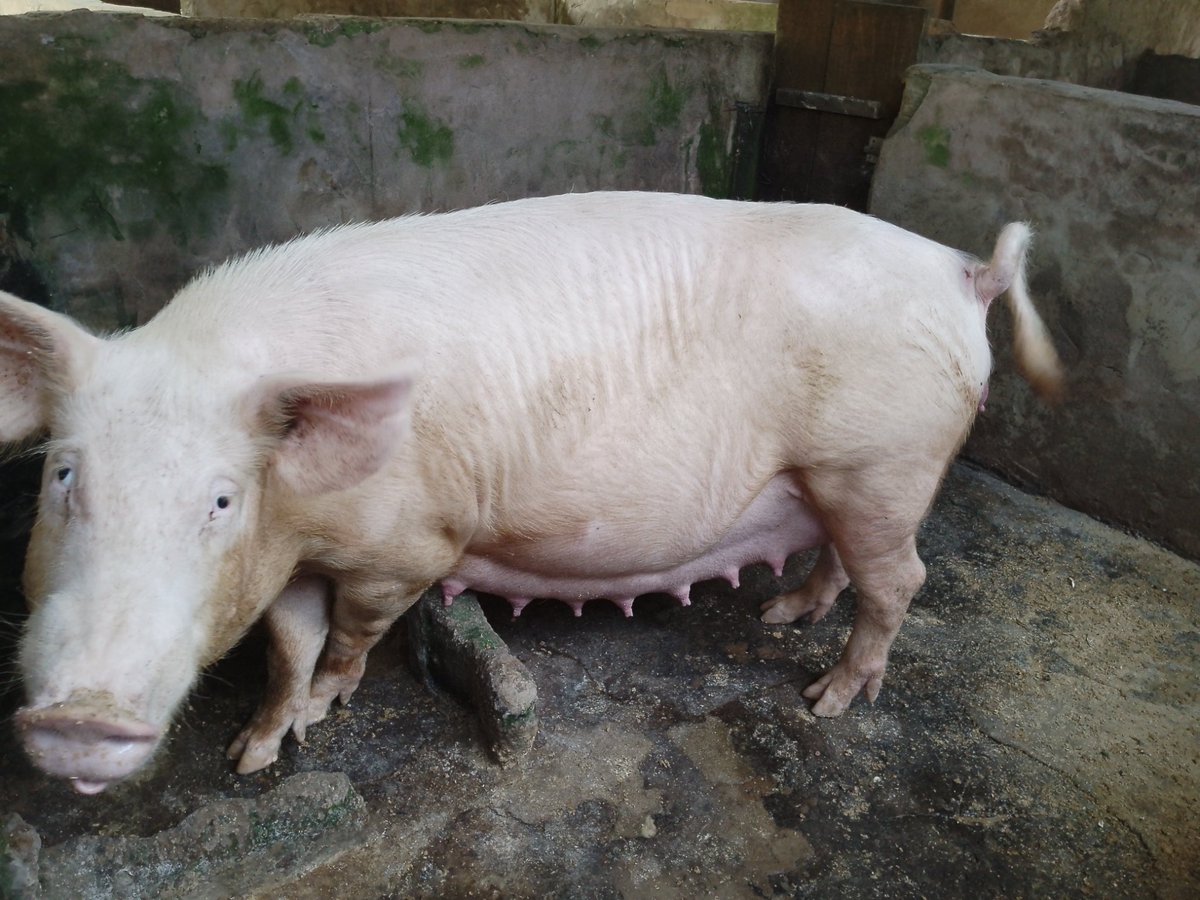
Do you need high quality and affordable lean pork for your birthday party, weekend get-together, any celebration, funeral, etc? Then contact us on 0240461446 ASAP for your high quality lean pork/pigs.
Going #Green is the best decision we've made so far, even though it is costly. We're saving a million litres of water with our current capacity, reducing tonnes of rice husk and sawdust being burnt into the atmosphere thereby reducing carbon footprint significantly....
requires strategic investment in trustworthy, competent business partners, not just increased spending on political favorites and unreliable contractors.
The solution lies in prioritizing proven track records and integrity over political connections when selecting agricultural /
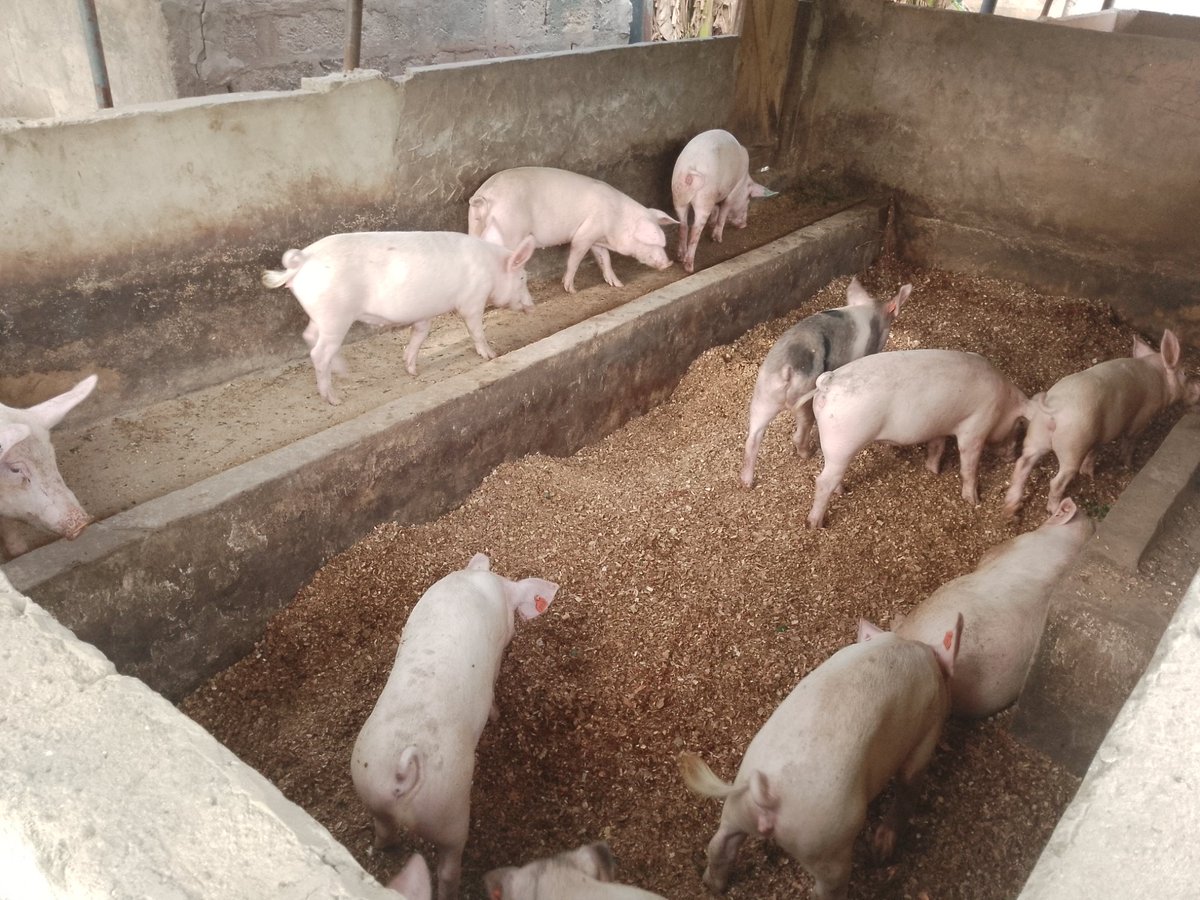
Just weaned 36 piglets from 3 sows. We reduced piglets mortality from 100% last year (due to financial challenges) to >5% this year, all thanks to MTN Youth Start Up Support Loan, 20k in collaboration with @InnohubConnect
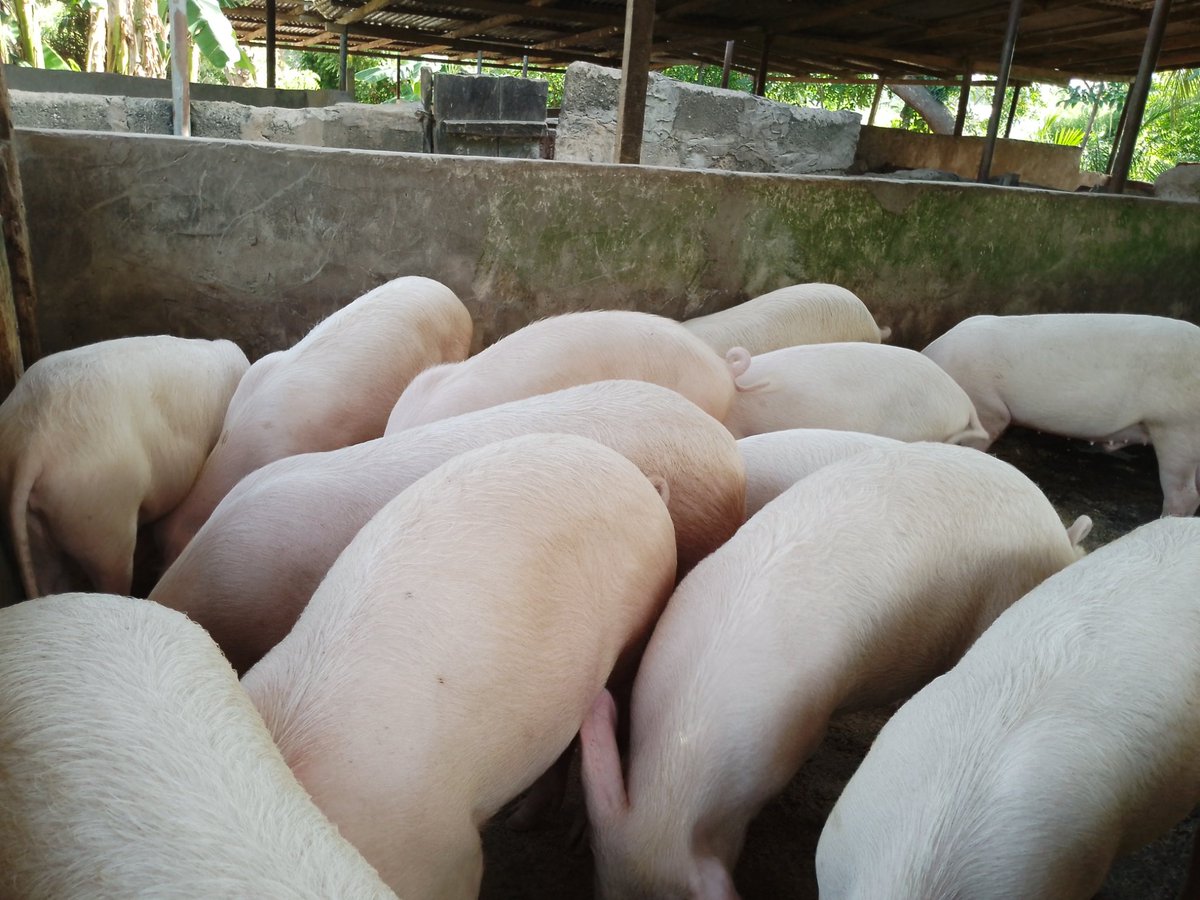
We now have 78 piglets weaners and growers on the farm.
Unfortunately Ghana has become a net importer of maize whilst we have a lot of arable lands to produce through irrigation and investment in the youth.
I hope the new Agric Ministers will help change this narrative by investing in irrigation and others to produce throughout.....
FEED GHANA: Sowing Seeds of Prosperity in the Heart of West Africa.
As Ghana faces unprecedented challenges in food security and agricultural sustainability, the government has it in its 2024, ambitious manifesto centerpiece: the FEED GHANA initiative. This transformative program promises to revolutionize the nation's agricultural landscape, building upon past initiatives while charting a bold course toward food independence.
Legacy of Agricultural Innovation
Ghana's agricultural evolution tells a story of continuous adaptation and growth. From the groundbreaking Operation Feed Yourself in 1972 to the comprehensive Food and Agriculture Sector Development Policy (FASDEP), each initiative has contributed to the nation's agricultural foundation. Most recently, the Planting for Food and Jobs (PFJ) program achieved remarkable success, reaching over 1.5 million farmers merely for votes and driving a 71% increase in food production between 2017 and 2023. However, this progress, achieved for GHS 2.8 billion, has yet to fully address persistent food inflation challenges.
Confronting Contemporary Challenges.
Ghana’s agricultural sector stands at a crossroads, facing formidable obstacles that demand innovative solutions. Modern farming technologies remain out of reach for many, while irrigation infrastructure covers a mere 4% of agricultural land. The stark reality of post-harvest losses, climbing to 30% for certain crops, continues to undermine productivity. Farmers struggle with limited access to credit and prohibitive interest rates, while climate change casts a long shadow over crop yields. Perhaps most concerning is the aging farming population, with the average farmer now over 55 years old.
The Dawn of Agricultural Transformation
FEED GHANA represents a paradigm shift in agricultural development and must be structured on five transformative pillars. The modernization and technology pillar introduces smart farming practices, establishing mechanization centers, and deploying drone technology for precise crop monitoring. Substantial infrastructure development focuses on modern storage facilities, expanded irrigation systems, and improved rural connectivity.
The program must place special emphasis on commercial farming, offering attractive financing packages and comprehensive technical training through agribusiness incubation centers for the youth with commercial farmers. Market access must receive equal attention through the development of agricultural export zones and enhanced commodity exchange platforms. The fifth pillar strengthens research and innovation, advancing climate-smart agriculture and improved seed varieties.
Ambitious Targets and Transformative Goals
FEED GHANA must set ambitious benchmarks for success. The program must aim to increase youth participation in agriculture by 30% by the end of 2028 while reducing post-harvest losses by 50%. A 30% improvement in market access will complement the establishment of 50 mega new processing facilities. Most impressively, the initiative must target the creation of one million agricultural-related jobs, fundamentally transforming Ghana's employment landscape.
Strategic Path to Success
The program's success hinges on several key innovations. A specialized Agricultural Financial Hub will provide farmer-friendly financial products and innovative crop insurance schemes. Technology integration will bring mobile education platforms and blockchain-enabled supply chain transparency. Infrastructure development will focus on climate-resilient storage and modern processing facilities.
Capacity building will leverage existing commercial farmers as mentors, while policy reforms will address land tenure systems and strengthen research institutions. The initiative demands strong public-private partnerships and sustained government commitment, supported by rigorous monitoring and evaluation systems.
Cultivating a Prosperous Future
FEED GHANA represents more than an agricultural program; it embodies Ghana's aspirations for food security and regional agrarian leadership. The initiative's holistic approach must address both immediate challenges and long-term opportunities, creating a sustainable framework for agricultural transformation.
Success requires unwavering commitment from all stakeholders, adequate resource allocation, and effective implementation strategies. As Ghana embarks on this ambitious journey, the focus must remain on practical implementation, stakeholder engagement, and adaptability to emerging challenges.
A Call to Action
The time for agricultural transformation is now. FEED GHANA offers a comprehensive roadmap to achieve food security and agricultural excellence. Through collective effort and steadfast commitment, Ghana stands poised to emerge as a food-secure nation and a regional agricultural powerhouse. This initiative marks a program and a national movement toward agricultural prosperity and sustainable development.
As Ghana steps confidently into this new agricultural era, FEED GHANA stands as a testament to the nation's commitment to food security, economic growth, and agricultural innovation. The seeds of change have been planted; now is the time to nurture them into a bountiful harvest for generations to come!
@johndumelo@Johndumelo3@JDMahama@EricOpokuMP@S_OkudzetoAblak@edemagbana
If we do this for pork, maize, rice, chicken, etc, high youth unemployment and social vices will reduce significantly. There wouldn't be pressure on the government wage bill and the local currency.
Mr President @JDMahama we need to implement these in Ghana now.
Assuming we stop importing pork and its related products and then we empower young entrepreneurs to produce high quality and healthy lean pork (Just as @ViFarmsGh is doing ) for the Ghanaian market and export to surplus to China since China is the largest importer of pork
Assuming we stop importing rice and revamp Aveyime, Weta Rice projects and builds dams around the rice production areas like Weta, Aveyime, Akatsi, Adidome, Akuse, Asutsuare and the North, we will be able to produce more than enough for consumption.
I’ve listened to Lil Wayne for a long time but this
“ Life is a Bitch
Death is her Sister
Sleep is her Cousin
We're a Fucking Family Picture
You know Father Time
We all know Mother Nature
It's all in the Family but I'm of no Relation “
Is one hard Deep stuff frm the icon
Vami de Agble is revolutionizing the agricultural and food sector by training and equipping #YOUTH and graduates with starter packs to start their agribusiness towards ensuring food security and reducing high rate of youth and graduates unemployment on the continent.
#SDGs
One of the lucrative agribusinesses youth could venture into and make the best out of it through investments in marketing, climate smart technologies like drip irrigations, good management practices like weed control, etc
One of the ways to reduce your cost as a business is backward integration.
As a pig 🐖 farm, with about 70% of your cost going into feeding, one of the ways to reduce cost is to produce some of your feed ingredients.
#LeanPork#PigFarming#Sustainability