Department of War Restores U.S. Pacific Command Designation.
CAMP H.M. SMITH, Hawaii — The Department of War announced today that the U.S. Indo-Pacific Command (USINDOPACOM) will officially restore its name to the U.S. Pacific Command (USPACOM).
Originally established on January 1, 1947, by President Harry S. Truman, the command operated under the USPACOM banner for over 70 years, standing as the oldest and largest of the United States' unified combatant commands.
Restoring the legacy USPACOM designation honors the command’s deep historical roots, fostering a sense of pride and collective spirit among all who serve in the Pacific. From its critical role in establishing the post-WWII regional security architecture to its coordination of joint forces during the Korean War, the Vietnam War, and countless humanitarian operations, the USPACOM namesake carries decades of military heritage and enduring regional partnerships.
USPACOM’s vast area of responsibility—spanning from the waters off the West Coast of the United States to the western border of India—remains exactly the same. The command's fundamental mission and its unwavering commitment to maintaining a free and open theater alongside regional allies and partners are unchanged.
https://t.co/5zeycP2lip
The Democratic People’s Republic of Korea launched multiple ballistic missiles on April 19, 2026. We are aware of the missile launches and are consulting closely with our allies and partners. Based on current assessments, this event does not pose an immediate threat to U.S. personnel or territory, or to our allies. The United States remains committed to the defense of the U.S. homeland and our allies in the region.
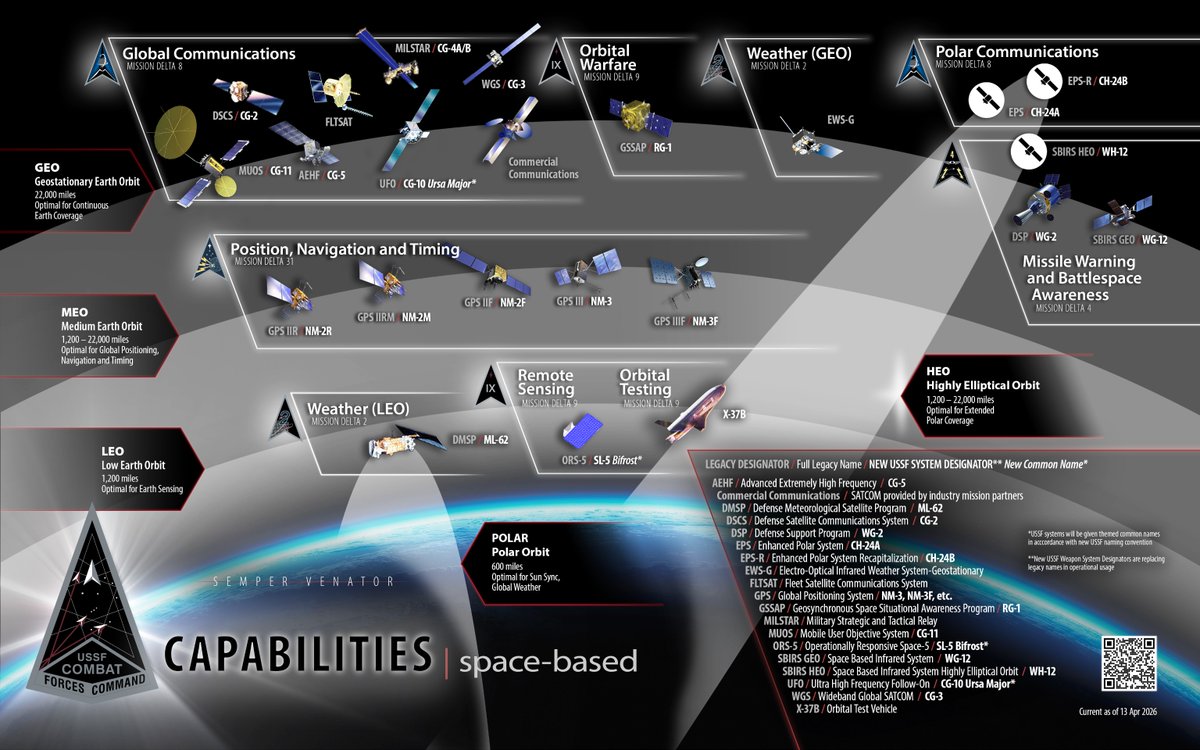
From orbital warfare to global communications, the list of space assets we use to secure our Nation’s interests in, from, and to space is long.
This graphic visualizes a part of our capabilities so you can understand the missions that our Guardians operate 24x7.
🛰️ Vandenberg News! 🚀
U.S. Space Force Advances Heavy Launch Capability Development at Vandenberg - The U.S. Space Force has selected Blue Origin to continue in the process for final determination of a lease for Space Launch Complex 14.
Press Release: https://t.co/SfjcDFlAYR
Pictured: Orion – 30,000 miles above Earth on the Artemis II mission – separating from the rocket's upper stage.
Anduril now has over 400 telescopes around the globe. Advanced space sensing software provides real-time focal plane processing to identify & track objects. Think Sentry Tower software, but for space.
Voyager 1, launched in 1977, will reach 1 light-day from Earth this year in November. Voyager 1 has been flying for nearly 50 years at 38,000 mph.
One light day means radio signals traveling at the speed of light take 24 hours to reach it. When engineers send a command to Voyager 1, they wait two full days for a response one day out, one day back. Voyager 1 was launched in 1977 powered by a plutonium RTG that generates roughly 4 watts of usable power today less than an LED bulb. On that power budget it is transmitting data across 24 light hours of interstellar space to a 70 meter antenna on Earth. It has now traveled farther from Earth than any human made object in history, moving at 17km per second, and it still calls home every day. The most distant thing humanity has ever touched is a 47 year-old spacecraft running on 4 watts, and we can still hear it.
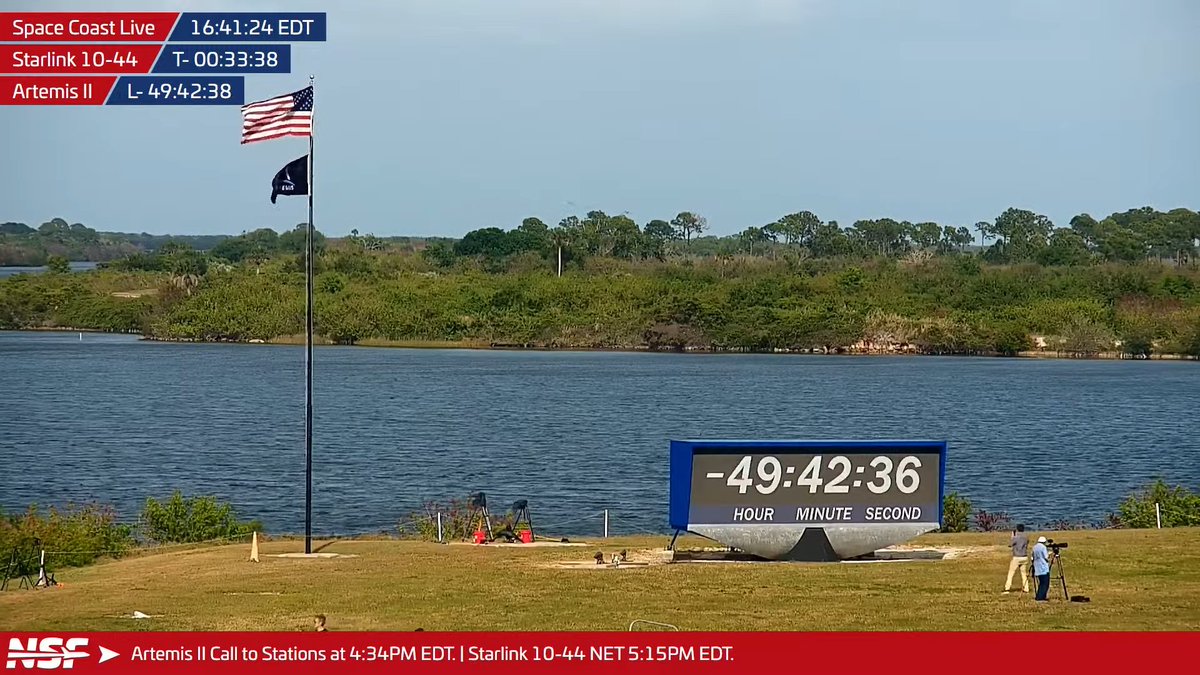
Artemis II: For the first time since 1972, the clock at the Kennedy Space Center is counting down towards a crewed mission beyond Low Earth Orbit.
Liftoff is targeted for Wednesday at 6:24 PM EDT (22:24 UTC), with a 2 hour launch window.
NSF will bring you live stakeout coverage starting 7:24 AM EDT Wednesday.
Live views of SLS at LC-39B:
https://t.co/a8M3dIiBFb
@NASASpaceflight
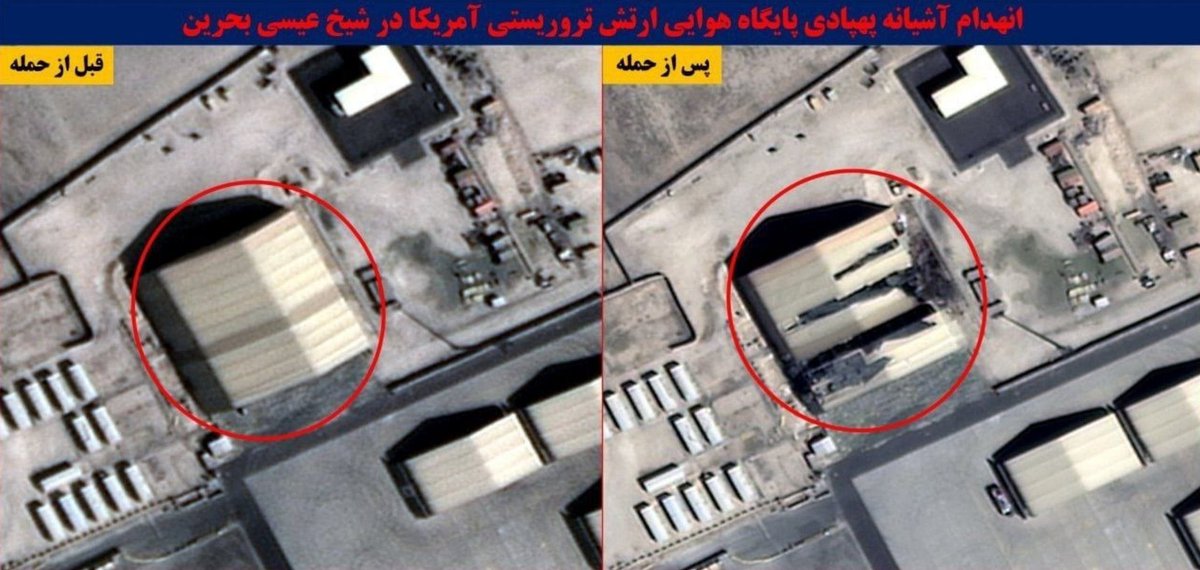
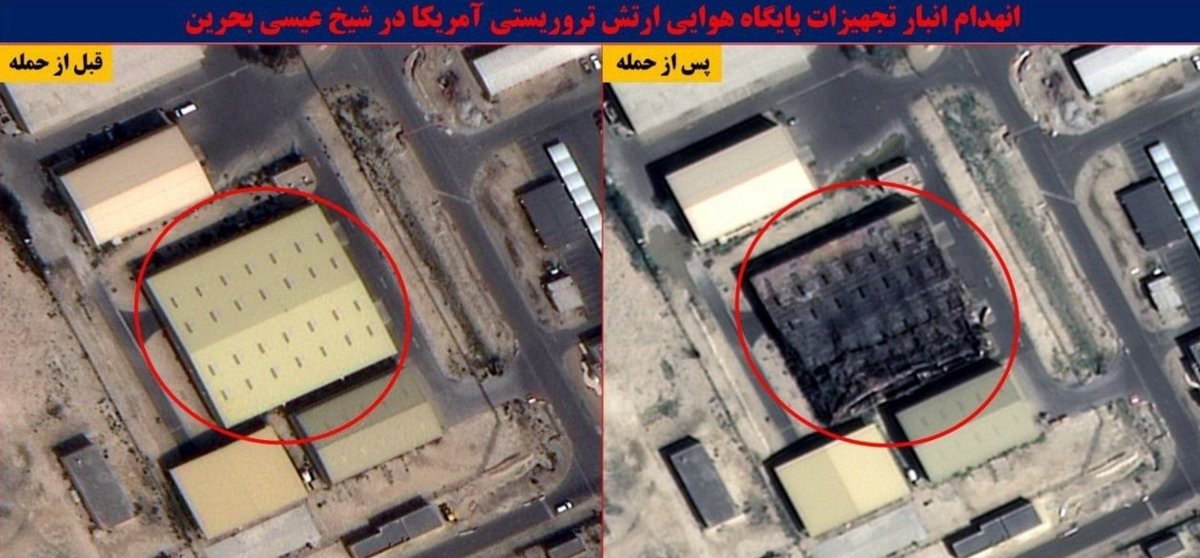
Satellite imagery has been published by Iran’s state-run Tasnim News Agency showing damage to a number of buildings and facilities, including a hanger for U.S. Navy P-8 “Poseidon” Maritime Patrol Aircraft, at Isa Air Base in Bahrain, following dozens of drone and missile attacks over the last month against the joint air base by Iran.
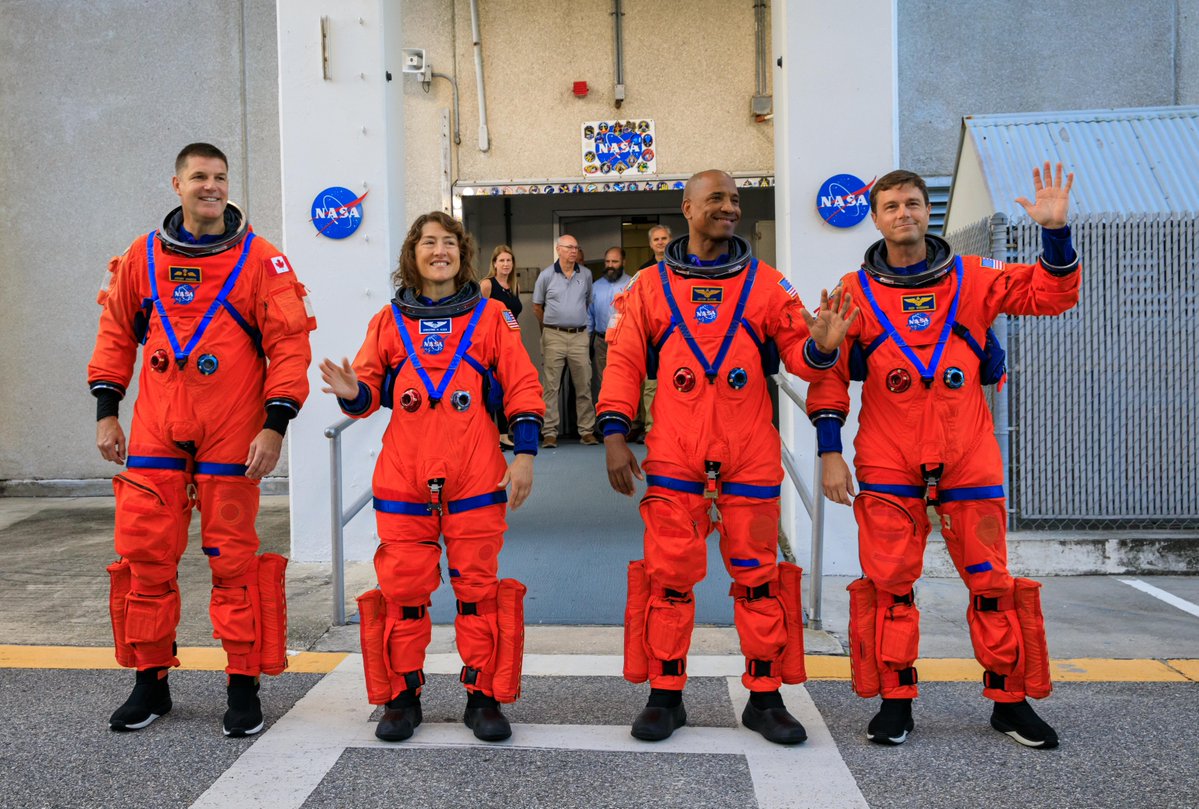
NASA is sending humans to fly around the Moon—and you can watch! 🚀
Live coverage of Artemis II begins today. Full schedule: https://t.co/7r0yJpgGcy
For the latest updates on Artemis II, follow @NASA and @NASAArtemis.